Unveiling the Blueface Hatch Rooster: A Deep Dive into its Traits and Lineage
Ever wondered about that striking blue face on some roosters? We’re talking about the blueface hatch rooster, a bird that really stands out. This article is going to break down what makes these birds special, from where they come from to how they act. If you’re into poultry or just curious about unique breeds, stick around. We’ll cover their looks, their personalities, and what it takes to raise one. It’s a look into a specific kind of fowl that has a bit of a reputation.
Key Takeaways
- The blueface hatch rooster inherits its unique facial color from specific genetic lines, often linked to the Hatch breed’s history.
- Physically, this rooster is recognized by its distinct blue facial skin, alongside typical Hatch characteristics like robust build and specific feather patterns.
- Their temperament can be assertive, reflecting their lineage, but this varies with individual birds and how they are raised.
- Understanding the genetics behind the blue face is important for breeders aiming to reproduce the trait consistently.
- Proper nutrition, housing, and health monitoring are necessary for keeping a healthy blueface hatch rooster.
Understanding The Blueface Hatch Rooster’s Origins
The Hatch Breed Foundation
So, where does this striking Blueface Hatch rooster come from? It all starts with the Hatch breed itself. The Hatch line is pretty famous in the gamefowl world, known for its toughness and fighting spirit. Think of it as the bedrock, the main ingredient that gives these birds their core traits. Breeders have worked for ages to get the Hatch just right, focusing on things like speed, power, and a certain kind of grit. It’s not just about looks; it’s about what the bird can do. This breed has a long history, and its influence is felt across many different types of gamefowl today. If you’re looking for quality birds, understanding the Hatch breed foundation is a good place to start.
Evolution of the Blueface Variant
Now, the ‘Blueface’ part? That’s where things get interesting. It’s not just a random color. This specific look came about through careful breeding, likely by introducing other bloodlines that carried the genes for that distinctive blue coloration on the face. It’s a variation that breeders selectively developed over time. They wanted to keep the solid Hatch qualities but add this unique visual marker. It shows how breeders can tweak and refine a line, creating something new while staying true to the original purpose. It’s a testament to their skill and patience.
Key Ancestral Contributions
When you look at a Blueface Hatch, you’re seeing the result of many different birds contributing over the years. The core Hatch genetics are there, of course, providing that strong foundation. But other breeds were likely brought in to introduce and stabilize the blue face trait. These might have been birds known for their color, or perhaps for other qualities that complemented the Hatch. It’s like a recipe; you start with a main ingredient, but then you add spices and other flavors to make it special. The exact mix is often a closely guarded secret among breeders, passed down through generations. This careful selection is what gives the Blueface Hatch its unique character and appearance.
Distinctive Physical Characteristics Of The Blueface Hatch Rooster
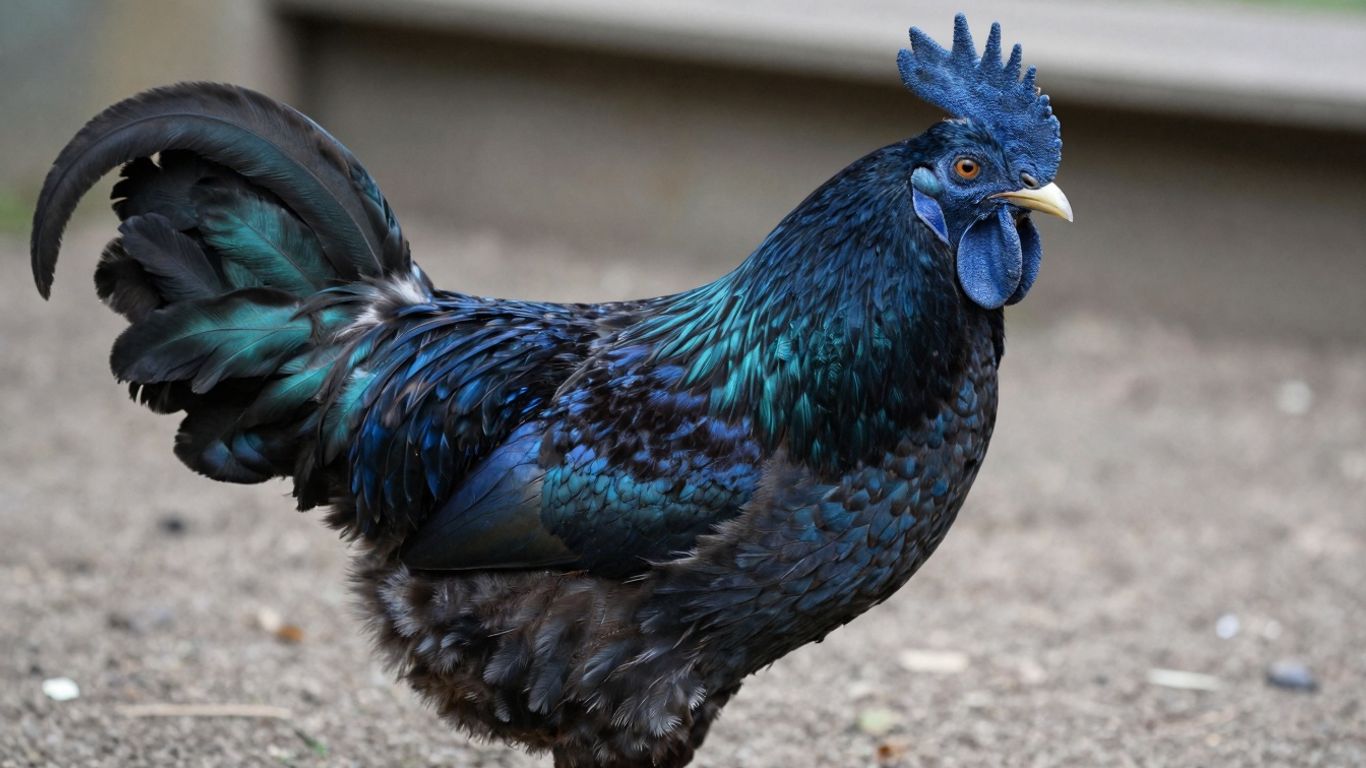
The Signature Blue Face
The most striking feature, and the one that gives this rooster its name, is the distinct blue coloration of its face. This isn’t just a light wash; it’s a deep, often slate-blue hue that covers the wattles, comb, and the skin around the eyes. It’s a bold contrast to the typical red or pink faces seen in many other breeds. This blue face is a genetic marker that breeders look for, and its intensity can vary, but it’s always noticeable.
Plumage Colors and Patterns
While the face is a defining trait, the Blueface Hatch’s plumage is also noteworthy. You’ll often find them in a variety of colors, but common ones include:
- Black-breasted red: This is a classic and highly sought-after pattern, with rich red hackles and saddle, a black breast, and iridescent green tail feathers.
- Wheaten: Roosters with wheaten plumage often display a lighter, golden-brown body with darker hackles and tail.
- Brown-red: Similar to black-breasted red but with a more muted, brownish tone to the red areas.
- Other variations: Depending on the specific lineage and any crossbreeding, you might see other colors like blues (which can be confusingly similar to the face color but appear in the feathers), grays, and even some speckled patterns.
The feather quality itself is usually dense and lies close to the body, contributing to a sleek appearance.
Body Structure and Stance
Blueface Hatch roosters are built for power and agility. They typically possess a muscular, well-proportioned body. Think of a sturdy frame that suggests strength without being overly bulky. Their stance is usually upright and alert, with a proud carriage that speaks to their heritage. They aren’t usually leggy; instead, they have a solid foundation with strong legs and feet, which are often dark in color, sometimes with a yellowish or greenish tint.
These birds are bred for a specific purpose, and their physical build reflects that. They need to be athletic and robust, capable of quick movements and sustained activity. It’s a look that combines raw power with a certain elegance, a testament to careful selection over generations.
When you look at a Blueface Hatch rooster, you’re seeing a bird that’s both visually distinctive and functionally built. The blue face is the immediate giveaway, but the overall physique, from the feathering to the stance, tells a story of its breeding and intended use.
Temperament and Behavior Of The Blueface Hatch Rooster
Aggression and Dominance
The Blueface Hatch rooster is known for its spirited nature. These birds often display a strong sense of dominance, which is typical for many gamefowl breeds. This isn’t necessarily a bad thing; it’s part of their natural drive and can be managed with proper handling. They tend to be quite assertive, especially when it comes to establishing their pecking order within a flock. You’ll often see them puffing up their chests and strutting around, a clear sign they’re aware of their status. It’s important to remember that this assertiveness is a breed trait, not a sign of poor temperament if managed correctly.
Intelligence and Trainability
While not typically thought of as pets, Blueface Hatch roosters are surprisingly intelligent. They can learn to recognize their keepers and respond to certain calls, especially when food is involved. They’re observant birds, quick to notice changes in their environment. Training isn’t really a focus for this breed, but their intelligence means they can adapt to routines. If you’re consistent with feeding and handling, they’ll generally settle into a predictable pattern.
Social Dynamics Within The Flock
In a mixed flock, the Blueface Hatch rooster will naturally assert leadership. This can sometimes lead to squabbles, particularly with other roosters. It’s often best to keep a single rooster with a group of hens to minimize conflict. If you do have multiple roosters, ensure they have plenty of space and resources to avoid territorial disputes. Hens of this breed are generally more docile but will still follow the rooster’s lead.
Understanding the inherent drive of the Blueface Hatch is key to successful keeping. Their assertiveness is a feature, not a bug, and with the right approach, they integrate well into a managed poultry environment. It’s all about respecting their nature and providing appropriate conditions.
Breeding And Genetics Of The Blueface Hatch Rooster
Inheritance of The Blueface Trait
So, you’re curious about how that striking blue face actually shows up? It’s all about genetics, of course. The blue face isn’t just a random splash of color; it’s a specific trait passed down from parents to offspring. Understanding this is key if you’re looking to breed these birds yourself. The blue facial color is generally considered a recessive trait, meaning a bird needs to inherit the gene for blue from both its mother and father to display it. If it only gets one copy, it might carry the gene but won’t show the blue face. This can make breeding a bit of a puzzle, as you might have birds that look ‘normal’ but are carriers of the blue gene.
Crossbreeding Possibilities
People often wonder what happens when you mix a Blueface Hatch with other breeds. It’s a common practice in gamefowl circles to introduce new traits or strengthen existing ones. You might cross a Blueface Hatch with a different type of Hatch, or even a completely different breed, to see what kind of offspring you get. Sometimes you get interesting color combinations, or maybe a bird with a slightly different build. It’s a bit of an experiment each time. For instance, crossing with a purebred White Hackle might bring out different feather patterns or body types, depending on the specific genes involved.
Maintaining Genetic Purity
Keeping a line of Blueface Hatch roosters pure requires careful planning. You can’t just throw any two birds together and expect to maintain the specific qualities of the breed. It involves selecting breeding pairs that not only have the desired blue face but also exhibit the other strong Hatch characteristics – good conformation, temperament, and so on. You’ll want to keep records of your birds, noting their lineage and any traits they display. This helps you avoid inbreeding too closely, which can lead to health problems, while still keeping the bloodline consistent. It’s a balancing act, really.
Breeding for specific traits, like the blue face, is a long game. It takes patience and a good eye for what makes a quality bird. You’re not just looking at the color; you’re looking at the whole package – health, structure, and temperament. It’s about building a strong, consistent line over generations.
Care And Management For The Blueface Hatch Rooster
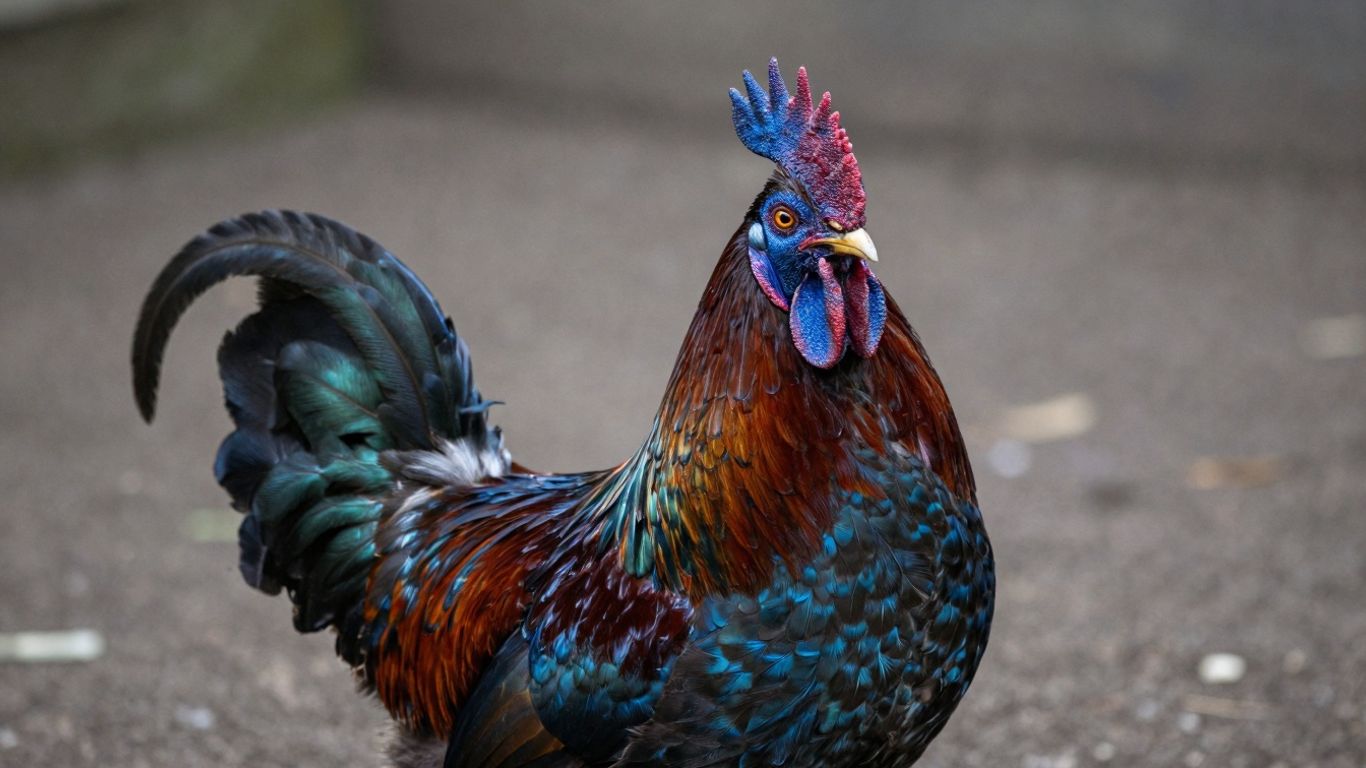
Taking care of a Blueface Hatch rooster means paying attention to a few key areas. These birds, known for their spirited nature, need a solid foundation to thrive. Proper nutrition and a safe environment are non-negotiable for their well-being and development.
Nutritional Requirements
Feeding your Blueface Hatch correctly is pretty straightforward, but consistency matters. Young chicks need a high-protein starter feed, usually around 20-24% protein, to support rapid growth. As they get older, you can transition them to a grower feed. For adult roosters, a good quality layer feed (even though they aren’t laying) or a dedicated game bird feed works well, typically around 16-18% protein. Make sure they always have access to fresh, clean water. Grit is also important for digestion, especially if they’re not free-ranging.
Here’s a general guideline for protein levels:
- Chicks (0-8 weeks): 20-24% protein
- Growers (8-18 weeks): 16-18% protein
- Adults (18+ weeks): 16-18% protein
Housing and Environment
These roosters need space. A coop that’s too small can lead to stress and aggression. They should have roosting bars and plenty of room to move around. Protection from predators is a big deal; a sturdy coop with secure fencing is a must. Think about ventilation too – good airflow keeps the coop healthy. If you’re keeping multiple roosters, you’ll need to manage their space carefully to avoid too much conflict. Sometimes, separate living quarters are needed, especially during certain times of the year. For those interested in specific breed standards, understanding the housing needs of birds like the Toppy Grey gamefowl can offer insights into providing adequate space and protection.
Health Considerations
Keeping an eye on your Blueface Hatch’s health is important. Watch for signs of common poultry ailments like mites, lice, or internal parasites. Regular checks of their feathers, skin, and droppings can help catch problems early. Maintaining a clean living space is the best way to prevent many diseases. Vaccinations might be something to consider depending on your location and local poultry risks. If you notice a bird acting lethargic, not eating, or showing any unusual symptoms, it’s best to consult with a veterinarian experienced with poultry.
A healthy Blueface Hatch rooster is a confident bird. Providing them with the right diet, a secure and spacious home, and consistent health monitoring will go a long way in keeping them in top condition. It’s about giving them the best chance to express their natural traits without undue stress.
The Blueface Hatch Rooster In Modern Poultry Keeping
Show Quality Standards
When you’re looking at Blueface Hatch roosters for show, there are a few things judges really zero in on. It’s not just about the cool blue face, though that’s a big part of it. They’re checking for overall condition, how well the bird fits the breed standard, and its general presence. A good show bird will have a strong, upright stance and clear, bright eyes. The feather quality matters too – it should be smooth and well-colored. A truly top-tier bird will have that unmistakable blue hue on its face, clean and well-defined. You’ll also see points awarded for things like leg color and comb type, depending on the specific show’s rules.
Role In Gamefowl Breeding
In the world of gamefowl breeding, the Blueface Hatch is a pretty well-regarded bird. They’re known for their grit and a certain toughness that breeders look for. People often use them to add some of that hardiness to their lines. They’re not just about looks; they’ve got a reputation for being game. Breeders might cross them with other breeds to try and get specific traits, like speed or a particular fighting style. It’s a careful process, trying to keep the good stuff while maybe tweaking something else. You can find some really interesting premium claret gamefowl for sale that might have Hatch bloodlines in them.
Appreciation By Enthusiasts
Lots of poultry folks just really appreciate the Blueface Hatch for what it is. They’re striking birds, no doubt about it. That blue face just stands out. Beyond the looks, though, many enthusiasts value their history and the role they’ve played. They’re not just another chicken; they represent a certain lineage and a tradition. People who keep them often talk about their personalities, too. Some are more laid-back, while others are quite spirited. It really depends on the individual bird and its upbringing.
Keeping these birds requires a good understanding of their needs. They aren’t just pets; they have specific requirements related to diet, space, and social interaction within a flock. Responsible ownership means providing an environment where they can thrive, respecting their natural behaviors and instincts. It’s a commitment that goes beyond just admiring their appearance.
Here’s a quick look at what enthusiasts often focus on:
- Temperament: While known for being tough, individual personalities vary greatly.
- Conformation: How well the bird’s body structure matches the ideal breed type.
- Coloration: The depth and clarity of the blue on the face, along with overall feather color.
- Health: A healthy bird is always the most important factor for any keeper.
Wrapping Up Our Blueface Hatch Rooster Chat
So, we’ve spent some time looking at the Blueface Hatch Rooster. It’s pretty interesting, right? From its looks to how it acts, there’s a lot to take in. Thinking about its history and where it comes from really adds another layer to it all. Whether you’re thinking about raising them or just curious, knowing these details helps. It’s not just another chicken; it’s got its own story. Hopefully, this gave you a clearer picture of what makes the Blueface Hatch Rooster stand out. There’s always more to learn, but this is a good start.
Frequently Asked Questions
What makes a Blueface Hatch Rooster different from other roosters?
The most striking thing about a Blueface Hatch Rooster is its face! Unlike most roosters that have red faces, this special kind has a bluish or purplish tint to its face. It’s a really cool visual difference that makes them stand out in any flock.
Are Blueface Hatch Roosters mean?
Hatch roosters, in general, can be pretty bold and sometimes a bit bossy. The Blueface Hatch is no different. They can be protective of their hens and their territory, so they might show some attitude, especially towards other roosters or if they feel threatened.
Where did the Blueface Hatch Rooster come from?
These roosters are part of the Hatch line, which is a famous family of gamefowl known for their toughness and fighting spirit. The ‘Blueface’ part is a special color change that happened over time as breeders worked with the Hatch bloodline, creating this unique look.
What do Blueface Hatch Roosters eat?
Just like other chickens, they need a good diet. This means a quality chicken feed that has the right amount of protein, vitamins, and minerals. They also enjoy treats like bugs, greens from the yard, and some fruits or veggies as a bonus.
Can I keep a Blueface Hatch Rooster with my other chickens?
You can, but you need to be careful. Since they can be a bit dominant, it’s best to introduce them slowly and make sure there’s enough space for everyone. If you have too many roosters together, or not enough hens, it can lead to fights. It’s often easier to keep just one rooster with a group of hens.
Are Blueface Hatch Roosters good for showing?
Yes, they can be! Breeders who show chickens look for specific traits, and the Blueface Hatch Rooster has a distinct look that many admire. Its unique face color, along with its strong build and good feathering, can make it a winner in poultry shows.