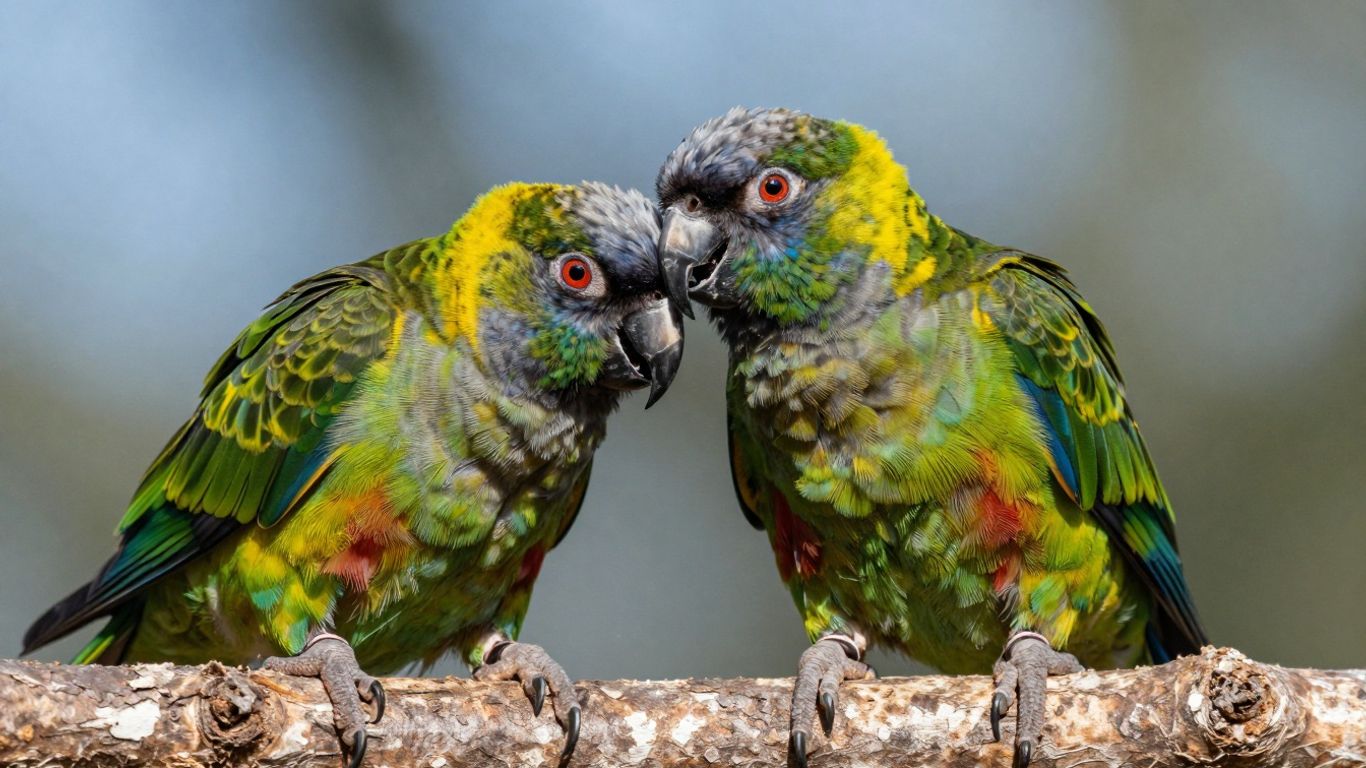
Understanding the Black Capped Conure: A Comprehensive Guide to Care and Behavior
Thinking about bringing a Black Capped Conure into your home? These birds are known for their bright personalities and can be wonderful companions. But like any pet, they have specific needs and behaviors you should know about. This guide aims to give you a clear picture of what life with a Black Capped Conure is really like, covering everything from their playful nature to how they communicate. We’ll help you understand their quirks and how to build a strong bond, making sure both you and your feathered friend are happy.
Key Takeaways
- Black Capped Conures are super playful and smart, but they really need a lot of attention from their owners. They don’t do well if left alone for long stretches.
- These birds can be loud, but training them early can help manage their vocalizations. Learning to use their contact calls can also be useful.
- Physically, they have a distinctive eye ring and are similar in looks between males and females, meaning you can’t easily tell them apart just by looking.
- To keep your Black Capped Conure happy, provide plenty of chewable toys and things to keep their mind busy. Think about where their cage is placed in your home too.
- Building trust is key. Avoid anything that might scare them, and understand that their behavior often shows how they’re feeling. A strong bond comes from consistent, positive interaction.
Understanding Black Capped Conure Temperament
Black-capped conures are known for being quite the characters. They’re super smart and love to play, which can be a lot of fun. These birds thrive on interaction and really need a good amount of social time with their people. If you’re looking for a bird that’s happy to just hang out in its cage all day, this might not be the best fit. They get bored easily and will let you know it! They’re also known for their "big bird" personalities packed into a smaller body, meaning they can be quite opinionated and demanding of your attention.
Playful and Intelligent Nature
These little guys are incredibly curious and love to figure things out. You’ll see them exploring their surroundings, playing with toys, and generally being very active. Their intelligence means they can learn tricks and enjoy interactive games. They’re not just pretty faces; they’ve got brains and a playful spirit to match.
Demanding Attention and Social Needs
Black-capped conures are not the most independent birds. They form strong bonds with their flock (that’s you!) and want to be involved in what’s going on. If they don’t get enough attention, they can become stressed or develop unwanted behaviors, like excessive screaming. It’s important to set aside dedicated time each day for them. They really do want to be part of the family activities.
The ‘Nippy’ Tendency
Sometimes, black-capped conures can get a little nippy. This isn’t usually aggression, but more of a way they explore their world or react to overstimulation. It can happen during play, or sometimes when they’re feeling a bit hormonal. It’s something to be aware of, especially if you have young children. Gentle training and understanding their cues can help manage this.
It’s important to remember that a bird’s behavior is often a reflection of its environment and its relationship with its owner. Stress, boredom, or lack of social interaction can all lead to challenging behaviors. Being observant and responsive to your conure’s needs is key to a happy relationship.
Here’s a quick look at what to expect:
- Playfulness: High energy, loves to explore and interact.
- Social Needs: Requires significant daily interaction and attention.
- Intelligence: Quick learners, enjoy mental stimulation and games.
- Vocalization: Can be noisy, especially when seeking attention.
- Nipping: May nip as a form of exploration or reaction to stress. This is a common trait among many conure species.
Black Capped Conure Vocalizations and Communication
Black capped conures, like many parrots, have a pretty active soundscape. They’re not exactly known for their quiet nature, but understanding their calls can help you live with them more easily. Their vocalizations are a big part of how they interact with their world and with you.
Volume Differences Compared to Other Conures
When you compare black capped conures to some of their cousins, like sun conures, they tend to be a bit quieter. Think of it like this: if a sun conure is a rock concert, a black capped conure might be more of a lively coffee shop. While they can still get loud, especially when excited or wanting attention, their general noise level is often less intense. This makes them a bit more adaptable to different living situations, though ‘quiet’ is a relative term with parrots!
Training for Quieter Behavior
It’s definitely possible to train your black capped conure to be less noisy. It takes patience, though. The key is to reward them when they are quiet. If your conure is playing by himself and not making a fuss, give him some praise or a small treat. You can also try answering their calls with a whisper. This teaches them that a soft voice gets a response. Providing plenty of engaging toys in their cage can also help them learn to entertain themselves quietly.
- Reward quiet moments: Offer praise and treats when your bird is calm.
- Respond to soft calls: Use a whisper to answer them when they’re not screaming.
- Provide distractions: Keep them busy with toys so they don’t feel the need to call for attention.
- Ignore attention-seeking noise: Don’t respond when they are being excessively loud just to get you to look.
Using Contact Calls Effectively
Contact calls are super useful for keeping your conure feeling secure, especially when you’re not in the same room. It’s basically a way for you to let your bird know you’re still around. You can pick a specific word, like their name, or even a whistle. When you hear your conure make a contact call, respond with your own. This reassures them and can help reduce anxiety. It’s like saying, "Yep, still here!"
Learning your conure’s different sounds takes time. Pay attention to when they make noise and what seems to trigger it. This will help you understand their needs and respond appropriately, building a stronger bond.
Physical Characteristics of the Black Capped Conure
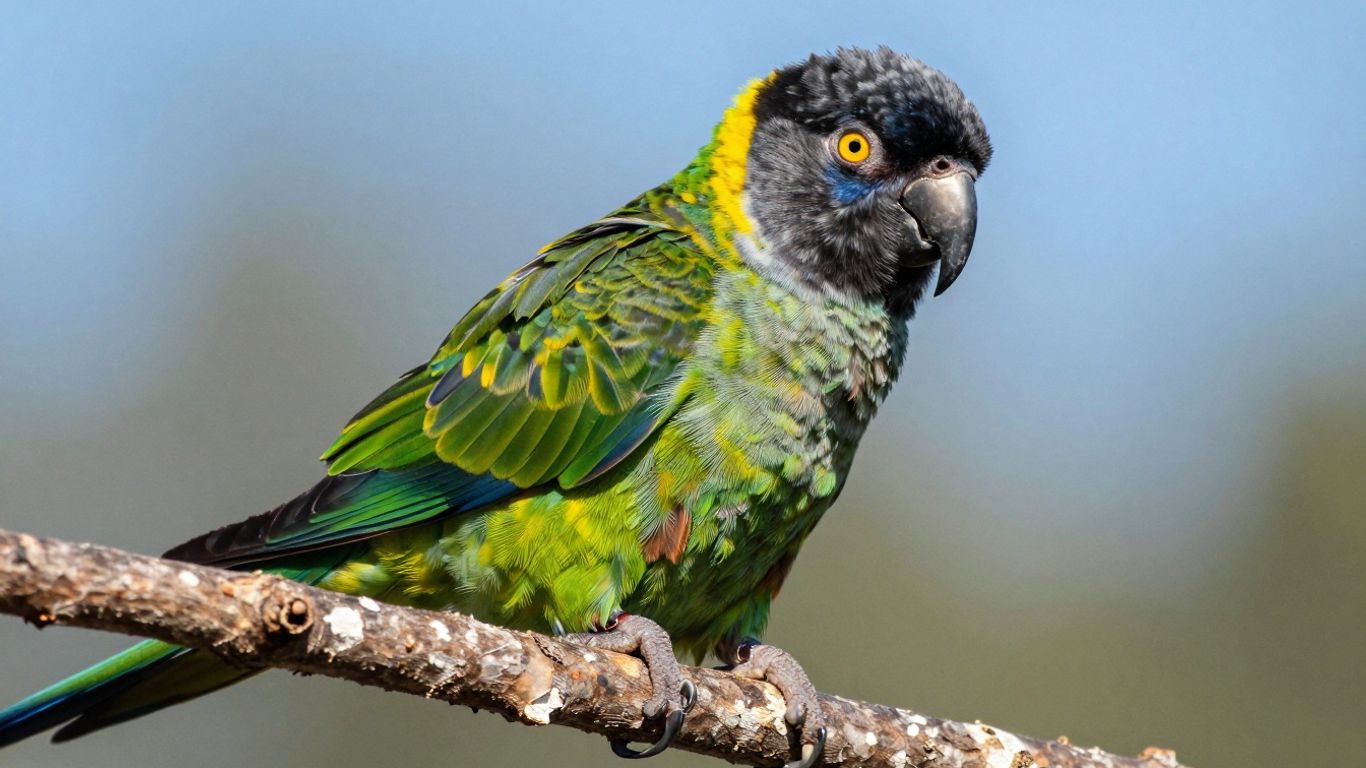
When you first see a Black Capped Conure, you might notice a few things right away. They’re not huge birds, but they’ve got a solid build for their size. Think of them as having a ‘big bird’ personality packed into a smaller frame.
Size and Build
These conures generally measure around 10 to 12 inches from head to tail. They’re sturdier than some of the smaller parrot species, and you’ll often see them with a fairly strong beak, which they use for all sorts of things, including chewing.
Distinctive Eye Ring
One of the most noticeable features is the eye ring. It’s a circle of bare skin around their eyes, and for Black Capped Conures, it’s typically a bright white. It really makes their eyes stand out and gives them a curious expression. It’s a trait shared across many conure species, but it’s always a neat detail to spot.
Non-Dimorphic Appearance
This is a pretty interesting point: male and female Black Capped Conures look almost exactly alike. Unlike some other birds where the males are brightly colored and the females are more subdued, you can’t easily tell them apart just by looking. This means if you’re picking a pair, you’ll need to rely on DNA testing or observation of their behavior to know for sure who’s who. It’s a similarity they share with many parrot species, making them a bit of a puzzle sometimes!
It’s worth noting that while they might look similar, individual personalities can vary a lot. Don’t assume a bird’s temperament based on its sex, especially since telling them apart visually is so tricky. Focus on getting to know the bird’s unique quirks and needs.
Here’s a quick rundown of their physical traits:
- Size: Medium-sized conure, typically 10-12 inches long.
- Build: Sturdy and compact.
- Eye Ring: Prominent white ring around the eyes.
- Sexual Dimorphism: None; males and females look alike.
- Beak: Relatively strong, used for chewing and climbing.
These physical traits are part of what makes the Black Capped Conure such an engaging pet. Their sturdy build means they can handle a good amount of play, and their non-dimorphic appearance adds a layer of mystery to pairing them up. If you’re interested in learning more about parrot characteristics, you might find information on Yellow Crowned Amazons helpful for comparison.
Enrichment and Environmental Needs
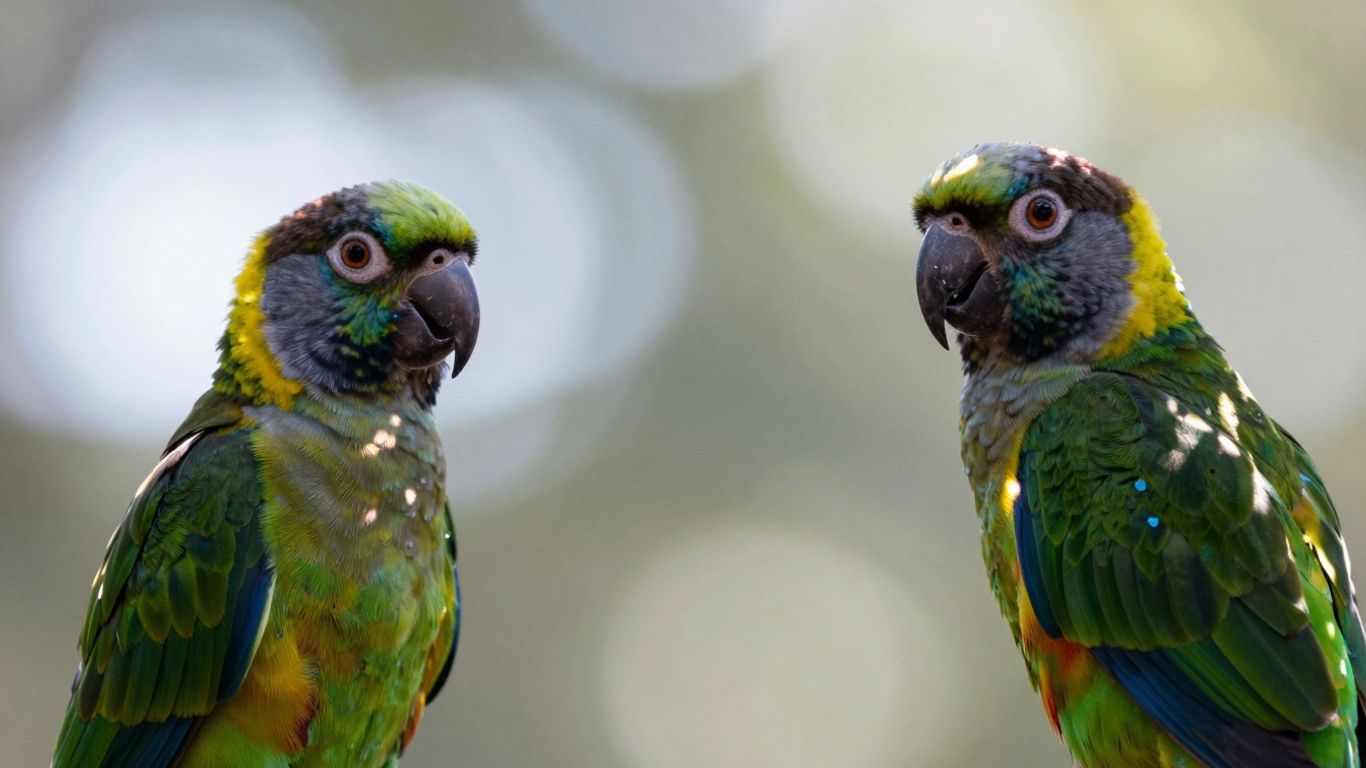
Black-capped conures, like all parrots, have a whole lot of energy and a curious mind. Keeping them happy and healthy means giving them stuff to do and a good place to live. It’s not just about a fancy cage; it’s about making their world interesting.
Importance of Chewable Toys
These birds need things to chew on, plain and simple. It’s not just for fun; it’s a natural behavior that keeps their beaks in shape and their minds busy. Think about it – in the wild, they’d be gnawing on branches and seeds all day. So, you’ve got to provide that outlet.
- Wood toys: Soft woods like pine or balsa are great for initial destruction. Harder woods can be offered too, but make sure they’re safe and untreated.
- Paper and cardboard: Rolled-up paper, cardboard tubes, or even old phone books are usually a hit. They love shredding these.
- Foraging toys: These are designed to hide treats inside, making your conure work for its food. It’s like a puzzle and a snack all in one.
Providing a variety of textures and materials will keep them engaged longer. Rotating toys every week or so also helps prevent boredom.
Cage Placement Considerations
Where you put the cage matters a lot. You don’t want to stick it in a dark, out-of-the-way corner where the bird feels isolated. They’re social creatures, remember?
- Main living area: Placing the cage in a room where the family spends time, like the living room or kitchen, allows them to be part of the action. This helps with their social needs.
- Avoid drafts and direct sun: Make sure the cage isn’t in a spot with constant drafts or direct, harsh sunlight that could overheat them.
- Height: Ideally, the cage should be placed so the bird is at eye level or slightly above. This makes them feel more secure, like they’re part of the flock observing their surroundings.
Parrots are prey animals by nature. Feeling safe and secure in their environment is a big deal for them. Predictability in their surroundings and routine can go a long way in reducing stress and anxiety. Think about how they might feel if their cage was constantly being moved or if there were loud, sudden noises happening nearby all the time.
Providing Mental Stimulation
Beyond just toys, mental stimulation is key to a happy conure. Boredom can lead to all sorts of unwanted behaviors, like feather plucking or excessive screaming. You need to give their brains a workout.
- Training sessions: Short, positive reinforcement training sessions are fantastic for mental stimulation. Teaching them new tricks or commands keeps their minds sharp.
- Foraging opportunities: As mentioned with toys, hiding food or using foraging devices makes them think and problem-solve.
- Interaction: Simply talking to your conure, including them in family activities (safely, of course), and offering new experiences can be very stimulating. Think of it as giving them something new to learn or observe each day.
Addressing Behavioral Challenges
Sometimes, our feathered friends can be a handful, and it’s totally normal. Black-capped conures, with their big personalities, can sometimes show behaviors that leave us scratching our heads. It’s not usually that they’re being ‘bad,’ but more that they’re trying to tell us something or are just acting like the birds they are. Understanding the root cause is key to fixing any issue.
Recognizing Signs of Stress
Birds can’t exactly tell us when they’re feeling overwhelmed or scared, so we have to learn to read their body language. Stress can show up in a few ways:
- Feather Plucking: This is a big one. If your conure starts pulling out its own feathers, it’s a serious sign of distress. It could be boredom, anxiety, or even a health problem.
- Changes in Vocalization: A sudden increase in screaming or unusual quietness can indicate stress.
- Aggression: While conures can be nippy, a sudden increase in biting or lunging might mean they feel threatened.
- Lethargy: A bird that’s usually active but suddenly seems tired and uninterested in playing could be stressed or unwell.
- Changes in Eating or Dropping Food: A stressed bird might eat less or start throwing food around more than usual.
It’s easy to get frustrated when your bird acts out, but remember, they’re not doing it to annoy you. They’re communicating their feelings, and it’s our job to listen and figure out what’s going on. Patience is a virtue here.
The Owner’s Role in Behavior
Honestly, a lot of ‘problem’ behaviors stem from us, the owners, without us even realizing it. We might unintentionally reward unwanted actions with attention, or fail to provide enough stimulation. For example, if your conure screams and you immediately give it a treat just to quiet it down, you’ve just taught it that screaming gets attention. It’s a bit like how caring for a Double Yellow Head Amazon Parrot requires consistent positive reinforcement.
- Inadvertent Reinforcement: Giving attention (even negative) for unwanted behaviors. This includes reacting emotionally to their actions.
- Lack of Structure: Not having a predictable routine for feeding, playtime, and interaction can make birds anxious.
- Unrealistic Expectations: Expecting a wild animal to behave like a perfectly trained pet without understanding their natural instincts.
- Insufficient Stimulation: Not providing enough toys, foraging opportunities, or social interaction can lead to boredom and destructive behaviors.
Building Trust and Avoiding Fear
Building a strong bond with your conure is all about trust. If your bird is fearful, it’s likely because something has happened to make it feel unsafe. This could be a loud noise, a sudden movement, or even a new object it doesn’t understand.
- Be Predictable: Always approach your bird calmly and speak in a gentle tone. Let them see your hands coming.
- Respect Their Space: Don’t force interactions. If your bird is showing signs of fear, back off and try again later.
- Positive Associations: Pair new experiences or objects with positive things, like treats or praise. If a new toy is scary, let it sit in the cage for a while before trying to get your bird to play with it.
- Never Punish: Punishment, especially physical punishment, will break trust instantly and can lead to more fear and aggression. Focus on rewarding good behavior instead.
The Human-Black Capped Conure Bond
Developing a Strong Connection
Building a solid relationship with your Black Capped Conure is super rewarding. These birds are really smart and social, and they thrive on interaction. Think of it like making a new friend – it takes time, patience, and consistent effort. The more quality time you spend with your conure, the deeper your bond will become. It’s not just about feeding them or cleaning their cage; it’s about engaging with them, understanding their quirks, and showing them they can trust you. This can involve anything from gentle petting and talking to them in a soft voice, to simply being present in the same room. They pick up on your energy, so a calm and positive presence goes a long way.
Understanding Their ‘Big Bird’ Personality
Don’t let their size fool you; Black Capped Conures pack a whole lot of personality into a small package. They often display what people call ‘big bird’ traits, meaning they can be bold, opinionated, and quite demanding of attention, much like a larger parrot. They’re playful, curious, and love to be involved in whatever you’re doing. This can be a lot of fun, but it also means they need a good amount of your time and attention. If they feel ignored, they might act out, so be prepared for a bird that wants to be part of the family activities. They’re not really the type of bird that’s happy just sitting in its cage all day.
The Importance of Consistent Interaction
Consistency is key when it comes to interacting with your Black Capped Conure. Regular, positive interactions help build trust and prevent behavioral issues. Think about establishing a routine for playtime, training sessions, and even just quiet time together. This predictability makes them feel secure.
Here are a few ways to ensure consistent interaction:
- Daily Playtime: Dedicate at least 30-60 minutes each day for out-of-cage time where you actively engage with your bird. This could be playing with toys, training, or just letting them hang out on your shoulder.
- Verbal Affirmation: Talk to your bird throughout the day, even if you’re just passing by. Use a calm, friendly tone. They learn to associate your voice with positive experiences.
- Shared Activities: Include your conure in safe, supervised activities. If you’re reading, let them perch nearby. If you’re watching TV, they might enjoy sitting with you.
Building a strong bond with your Black Capped Conure means recognizing their need for social connection and actively participating in their lives. It’s a two-way street; they offer affection and entertainment, and in return, they need your consistent presence and understanding. This shared experience is what makes the relationship so special.
When your conure is first getting used to you, it’s important to approach them with care, much like parakeets establish new friendships by assessing proximity to unfamiliar birds. This cautious approach helps them gauge safety and avoid potential conflicts, ensuring a smoother integration into your social circle. Remember, patience is a virtue when building trust with any new pet, especially a bird as intelligent and sensitive as a Black Capped Conure. You can find more information on bird socialization on pages about bird friendships.
Wrapping Things Up
So, there you have it. Conures, like the sun and green-cheeked varieties, are pretty amazing birds. They’re smart, they’re playful, and they really do want to be part of the family. But, and this is a big but, they need a lot of your time and attention. If you’re thinking about bringing one home, make sure you’re ready for that commitment. It’s not just about feeding them and cleaning their cage; it’s about interacting with them, playing with them, and understanding their needs. They can be a bit nippy sometimes, and they can get loud if they’re not happy, so be prepared for that. But if you put in the effort, you’ll have a feathered friend who will bring a lot of joy and personality into your life. Just remember, they’re dependent little creatures, and they thrive on your presence.
Frequently Asked Questions
Are Black Capped Conures very loud birds?
Black Capped Conures can be quite noisy, but they aren’t usually as loud as some other conure types, like Sun Conures. They use their voices to talk to you and to let you know what’s going on. If you want them to be quieter, you can train them by rewarding them when they are calm and speaking softly yourself. Giving them fun toys to play with can also help keep them happily busy and quiet.
Do Black Capped Conures need a lot of attention?
Yes, Black Capped Conures really thrive on attention and social time. They are very smart and playful birds that love to interact with their owners. If they don’t get enough attention, they might start to scream more to get you to notice them. It’s best if someone is home a good part of the day to spend time with them.
Can Black Capped Conures be a bit nippy?
It’s true that Black Capped Conures can sometimes nip. This might happen if they are feeling hormonal, or sometimes it’s just part of their playful, rough-and-tumble way of interacting. It’s important to watch their body language and learn what might be bothering them, so you can avoid getting nipped and help them feel more secure.
What kind of toys are best for a Black Capped Conure?
Black Capped Conures love to chew! Providing them with toys made of wood or other safe materials they can shred and destroy is a great idea. Chewable toys and puzzles that make them work for treats, called foraging toys, will keep their minds busy and satisfy their natural urge to chew.
How can I build a strong bond with my Black Capped Conure?
Building a strong connection with your Black Capped Conure comes from spending consistent, positive time together. Talk to them, play with them, and learn their unique personality. They often have a ‘big bird’ attitude in a smaller body, so showing them patience and understanding will help create a lasting friendship.
What are some signs that my Black Capped Conure might be stressed?
When a Black Capped Conure is stressed, they might show it in a few ways. Their feathers might be held tightly against their body, their neck could stretch out, and their eyes might look wide. Sometimes they might stop playing as much, make fewer sounds, or even start to pick at their feathers. It’s important to pay attention to these signs and try to figure out what’s making them anxious.