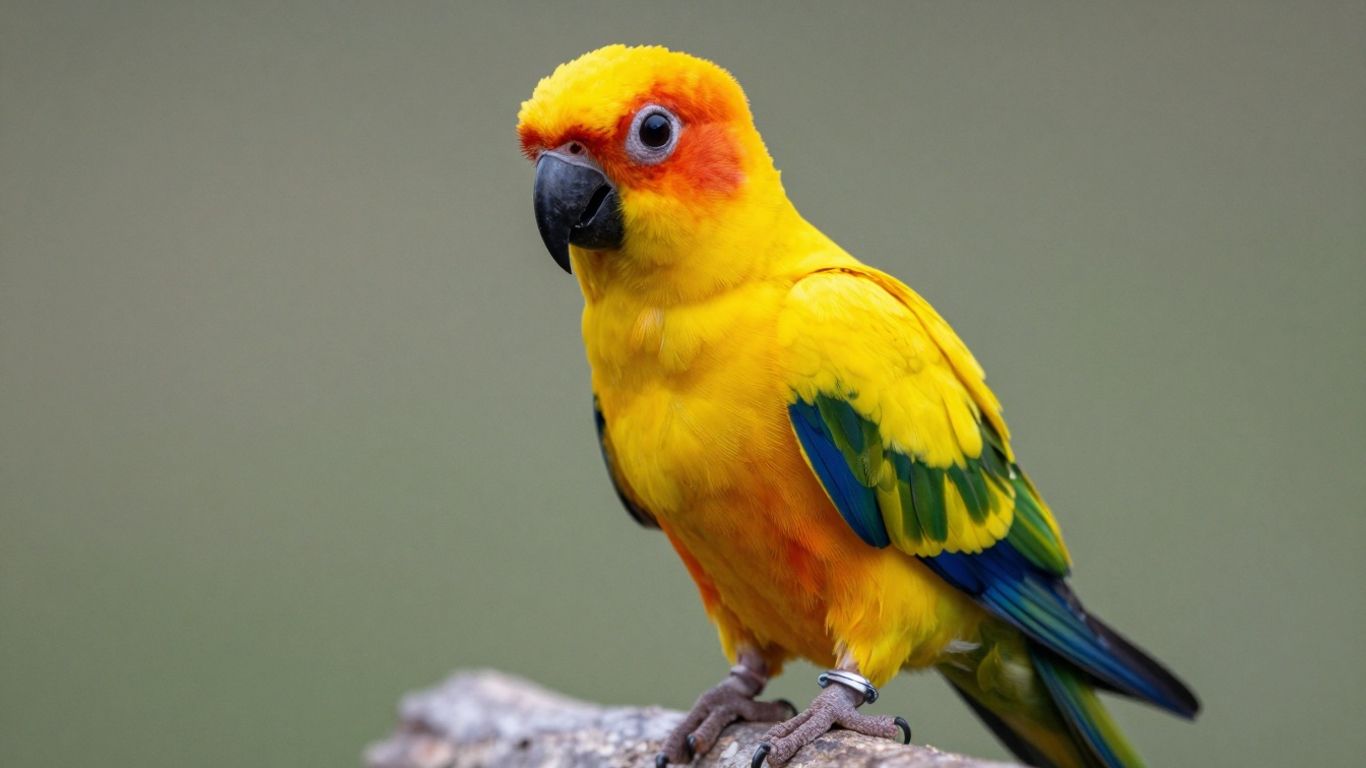
The Golden Conure: Unveiling the Majesty of the Queen of Bavaria
Have you ever heard of the Golden Conure? It’s also known as the Queen of Bavaria conure, and honestly, it’s a pretty stunning bird. These guys have a bit of a history, showing up in some pretty fancy places way back when. Think royal collections and old-school zoos. It makes you wonder what makes them so special. We’re going to take a look at where they came from, how they ended up in zoos, and why people are working so hard to make sure they stick around. Plus, we’ll see how they’ve shown up in art and other cool stuff over time. It’s a whole story about this one bird.
Key Takeaways
- The Golden Conure, or Queen of Bavaria conure, has a history linked to European royalty and early menageries.
- Emperor Rudolf II of Prague was known for his fascination with exotic species, including rare birds.
- The Schönbrunn Zoo, evolving from a historical menagerie, has played a role in keeping and displaying species like the Golden Conure.
- Conservation efforts are vital for the survival of rare parrots, with breeding programs aiming to protect species like the Golden Conure.
- The striking appearance of the Golden Conure has led to its depiction in various art forms and decorative objects.
The Golden Conure: A Royal Avian Legacy
Historical Mentions of Exotic Birds
Long before the age of modern zoos and widespread travel, tales of exotic birds filtered back to Europe, sparking wonder and fascination. These weren’t just any birds; they were often described with a sense of awe, hinting at their rarity and vibrant appearances. Early accounts, sometimes embellished by travelers’ tales, spoke of feathered creatures unlike anything seen in local forests or fields. These descriptions laid the groundwork for a growing interest in collecting and displaying such wonders.
The Queen of Bavaria’s Conure in Royal Collections
When we talk about royal collections, we’re not just talking about jewels and fancy furniture. For centuries, royalty across Europe had a particular fondness for exotic animals, and birds were high on that list. Imagine the splendor of a royal court, with vibrant parrots and other unique birds adding to the exotic atmosphere. These birds were status symbols, showcasing the owner’s wealth and reach. It’s believed that certain rare species, like the Golden Conure, found their way into the private menageries of powerful figures. These collections were exclusive, and owning such a bird was a clear indicator of prestige.
Avian Rarity in European Menageries
European menageries, the precursors to modern zoos, were often private collections owned by nobility or wealthy individuals. They were places to display the exotic and the unusual, and birds certainly fit the bill. Getting hold of these rare avian specimens was no easy feat. It involved risky expeditions, complex trade routes, and often, a significant amount of money. The menageries aimed to impress, and a bird with the striking appearance of the Golden Conure would have been a real showstopper. These collections were a way to bring a piece of the distant, wild world into the heart of European society, offering a glimpse into nature’s more spectacular creations. The sheer difficulty in acquiring and keeping these birds meant they were only seen by a select few, adding to their mystique. It’s fascinating to think about these early attempts to house and exhibit creatures from far-off lands, a practice that eventually evolved into the zoological gardens we know today. The desire to see and learn about different species, even back then, was strong, and menageries were the primary way to satisfy that curiosity. The Brown Throated Conure is just one example of the many South American birds that eventually made their way to Europe, though perhaps not as famously as the Golden Conure.
The allure of the exotic bird was powerful, driving exploration and collection for centuries. These creatures, often described in hushed tones, represented a connection to distant lands and a display of unparalleled natural beauty. Owning such a bird was a statement of power and sophistication, a living testament to one’s ability to acquire the extraordinary.
Origins and Early History of the Golden Conure
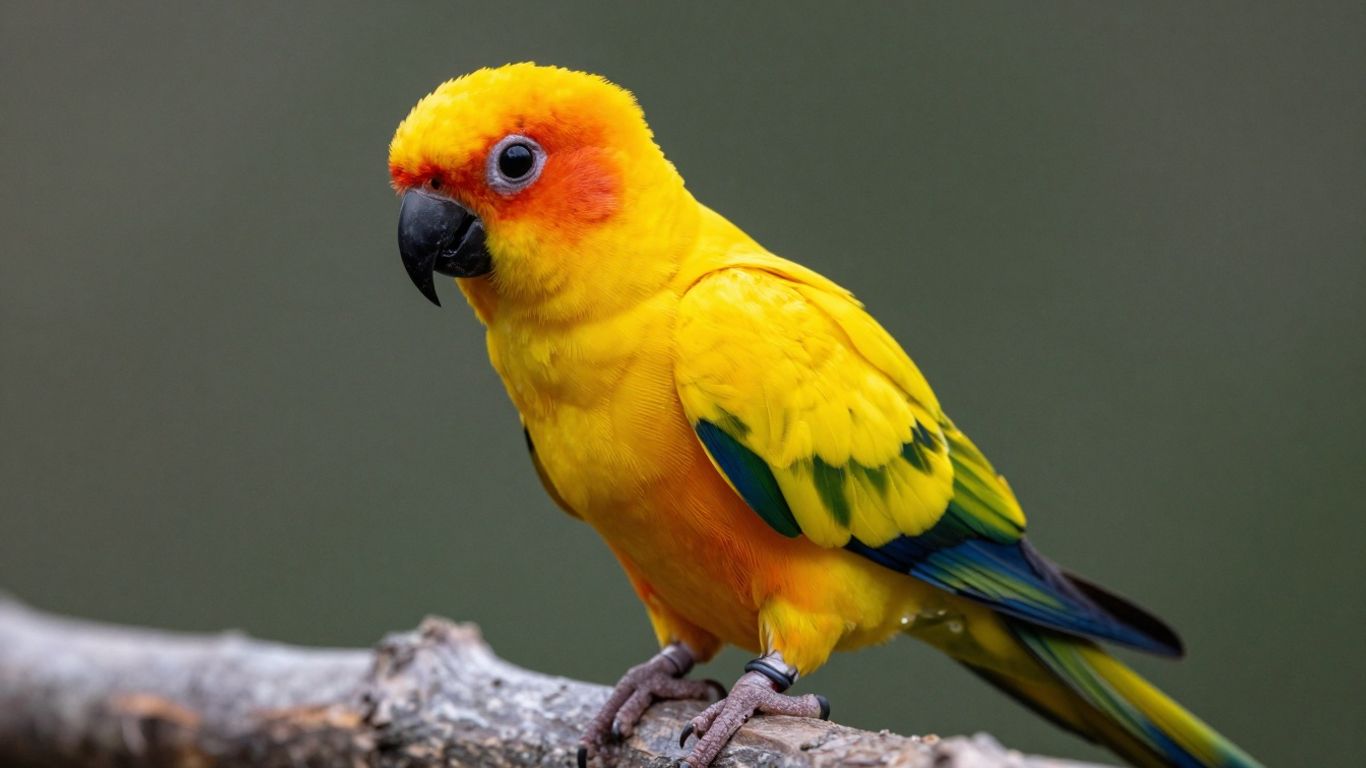
It’s fascinating to think about how these vibrant birds ended up on the radar of European royalty and collectors. The Golden Conure, or Queen of Bavaria Conure as it’s sometimes called, has a history that’s a bit intertwined with the Age of Exploration and the growing fascination with exotic species.
Imperial Fascination with Exotic Species
Back in the day, bringing back unusual animals from far-off lands was a serious status symbol for rulers. Think about it: explorers would return from the Americas or Asia, and among the treasures they’d bring were often live animals. These weren’t just pets; they were living proof of the vastness of the world and the power of the empire to reach it. Parrots, in general, were quite popular. We know that as early as the late 15th century, parrots were being brought back to Spain. It wasn’t just about showing off, though. There was a genuine curiosity about these creatures, their colors, and their calls.
The Prague Menagerie and its Rare Inhabitants
One of the most notable places where these exotic birds might have found a home was the menagerie of Emperor Rudolf II in Prague. He was known for his rather eccentric tastes and his passion for collecting all sorts of rare things, including animals. While specific records detailing the Golden Conure’s presence there are scarce, the general atmosphere of his court, with its interest in natural wonders, makes it a plausible early destination for such a bird. Rudolf II’s collection was quite extensive for its time, aiming to showcase the diversity of the natural world.
Rudolf II’s Eccentric Animal Collections
Rudolf II’s menagerie was more than just a collection; it was a reflection of his worldview. He was interested in alchemy, astronomy, and the arts, and his animal collection fit right into this eclectic mix. It’s believed he housed a wide array of animals, some of which were quite unusual for Europe at the time. The sheer effort and cost involved in transporting these animals across continents meant that only the wealthiest and most powerful could even consider such endeavors. This exclusivity is part of what makes the early history of species like the Golden Conure so intriguing. It speaks to a time when the natural world was still largely a mystery, and owning a piece of that mystery was a sign of immense prestige. The journey of these birds from their native Amazon Basin to European courts is a story in itself.
The Golden Conure in Zoological Gardens
From Menagerie to Modern Zoo
Zoos have come a long way from the old days of menageries, where exotic animals were often kept in pretty basic conditions just for show. Back then, seeing a rare bird like the Golden Conure would have been a real spectacle, a chance to glimpse something truly out of the ordinary. These early collections, while fascinating, weren’t really set up for the well-being of the animals or for educating the public in a meaningful way. It’s a stark contrast to the sophisticated institutions we have today.
Schönbrunn Zoo’s Avian Exhibits
Schönbrunn Zoo in Vienna, one of the oldest in the world, has a long history with exotic birds. Imagine the early days, when bringing a bird like the Golden Conure to Europe was a massive undertaking. The zoo has seen countless species pass through its gates, and its avian exhibits have always been a major draw. They’ve had to figure out how to keep these tropical birds happy and healthy in a completely different climate, which is no small feat. It’s a place where you can really see how zoo keeping has evolved over centuries.
The Golden Conure’s Place in Captivity
Today, zoos play a big role in conservation, and that includes birds like the Golden Conure. They’re not just on display; many institutions are involved in breeding programs to help protect the species. It’s a complex business, trying to replicate the natural environment and social structures these birds need. Captive breeding is a vital tool for preventing extinction, especially for species with limited wild populations.
Here’s a look at some aspects of keeping parrots in zoos:
- Habitat Replication: Zoos work to recreate the natural environment, including temperature, humidity, and vegetation.
- Dietary Needs: Providing the correct mix of fruits, nuts, seeds, and supplements is key to a healthy bird.
- Social Interaction: Many parrot species are social, so zoos often house them in compatible groups.
- Enrichment Activities: Providing toys, puzzles, and opportunities for natural behaviors keeps the birds stimulated.
The shift from simply displaying animals to actively participating in their conservation and welfare marks a significant change in the philosophy of zoological gardens. This evolution is particularly evident in the care and breeding of species like the Golden Conure, where dedicated efforts are made to ensure their survival both in captivity and, where possible, in the wild. It’s a testament to how far we’ve come in understanding and valuing these magnificent creatures.
Many zoos now focus on educating visitors about the importance of parrot conservation efforts and the challenges these birds face in their native habitats. It’s a way to connect people with these amazing animals and inspire them to care about their future.
Conservation and Breeding of the Golden Conure
Parrot Breeding Stations
It’s pretty wild to think about how rare some birds have become, and the Golden Conure is definitely one of them. Back in the day, they might have been more common, but now, keeping them safe and making sure there are more of them is a big deal. Zoos and special breeding places are working hard on this. They’re setting up places just for breeding these kinds of parrots, trying to give them the best environment to raise chicks. It’s not just about having more birds, but about making sure they’re healthy and have a good chance at survival. These stations are super important for species that are struggling in the wild.
Conservation Efforts for Rare Parrots
Saving rare parrots is a huge undertaking, and it involves a lot of different groups working together. It’s not just about breeding them in captivity, though that’s a big part of it. We’re talking about protecting their homes in the wild too, which is a whole other ballgame. Habitat loss is a massive problem for so many species, and parrots are no exception. Conservationists are trying to preserve the places where these birds live, which often means working with local communities and governments. It’s a long road, and sometimes it feels like one step forward, two steps back, but every little bit helps. The ultimate goal is to see these birds thriving in their natural environments again.
The Golden Conure’s Role in Avian Propagation
When we talk about propagating rare birds, the Golden Conure plays a part, even if it’s not the most famous parrot out there. Think of it like this: every species that’s part of a breeding program contributes to the overall effort of keeping parrot diversity alive. Zoos and sanctuaries often have specific goals for breeding certain species, and the Golden Conure might be one of them. They might be part of a larger plan to maintain a healthy population, or perhaps to provide birds for reintroduction programs down the line, though that’s a complex process. It’s all about building up numbers and genetic diversity so the species can bounce back. Finding a good baby conure can be the first step for some people interested in supporting these efforts, though it’s important to go through reputable sources.
Protecting endangered species is a complex puzzle. It requires a mix of scientific research, hands-on breeding programs, habitat preservation, and public education. Success often depends on international cooperation and dedicated individuals who commit years to the cause.
Artistic and Cultural Depictions
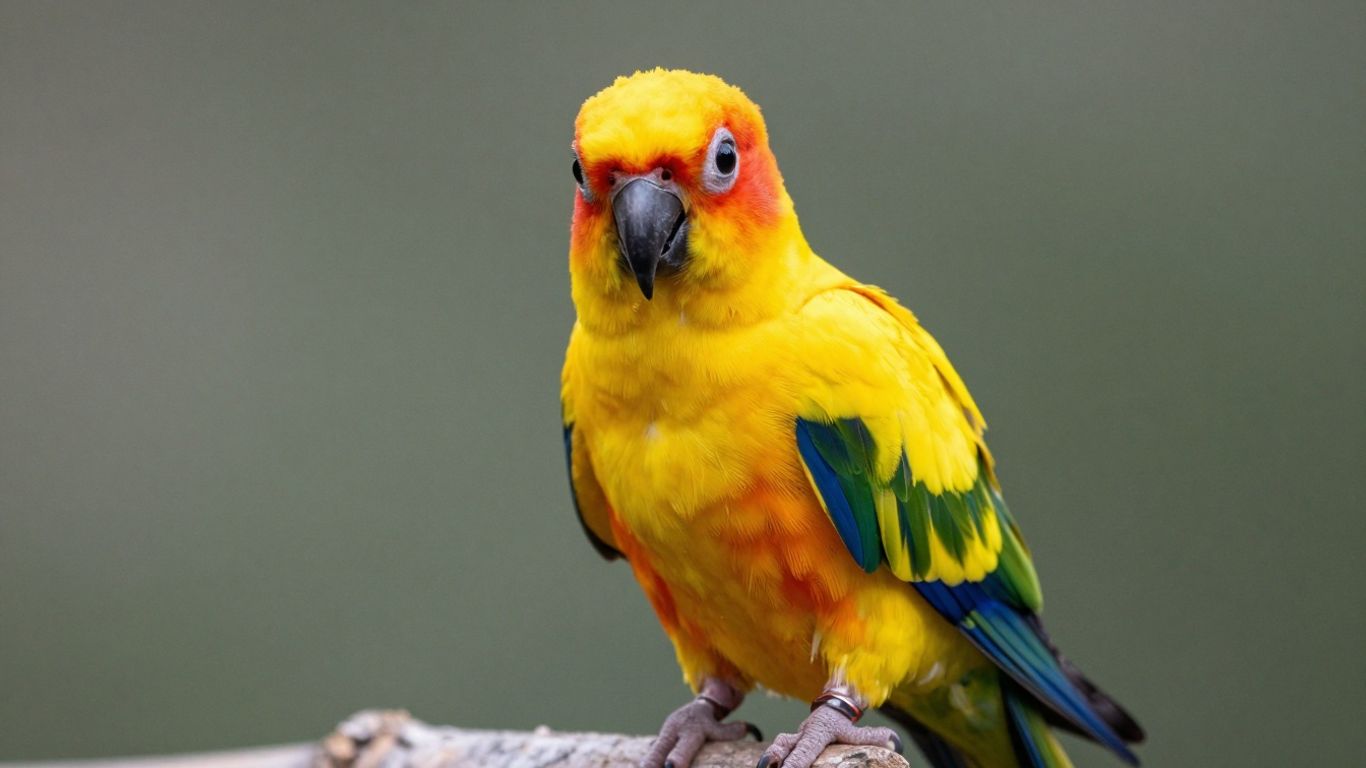
Parrot Motifs in Art and Decor
Parrots, and conures in particular, have a long history of showing up in art and decorative items. Think about it – they’re bright, they’re noisy, and they’re pretty exotic, especially to folks in Europe centuries ago. So, it makes sense that artists and craftspeople would want to capture that. You see them in paintings, often as symbols of wealth or as decorative elements. Sometimes they’re just there to add a splash of color, other times they might represent something more, like a messenger or even a bit of the exotic tropics brought into a stuffy European room. It wasn’t just paintings, either. You’d find them on tapestries, carved into furniture, or even as part of intricate tile work. The vibrant plumage of parrots made them a natural choice for adding visual interest to a wide range of artistic expressions.
Figurines and Statues of Conures
Beyond paintings and general decor, conures have also been immortalized in three-dimensional form. Small figurines and statues, often made from materials like porcelain, ceramic, or carved wood, have been popular for ages. These little guys were perfect for display on mantels, shelves, or desks. They brought a bit of nature indoors without the mess or noise of a live bird. Imagine a little porcelain conure perched on a shelf in a Victorian parlor – it just adds a certain charm, doesn’t it? The craftsmanship varied, of course, from simple, almost cartoonish figures to incredibly detailed and lifelike sculptures. It really shows how much people appreciated these birds, wanting to keep their likeness around even when they couldn’t have the real thing.
The Golden Conure as a Symbol
So, what does a bird like the Golden Conure actually symbolize? Well, it’s a bit of a mix. Because they’re so striking and, let’s be honest, a bit rare, they often represent luxury and status. Think about those royal collections we talked about – owning something so exotic was a clear sign of wealth and power. They can also symbolize communication, given their vocal nature, and perhaps even a connection to the natural world or distant lands. In some contexts, their bright colors might suggest joy or vibrancy. It’s interesting how a single creature can carry so many different meanings depending on who’s looking and where.
The allure of exotic birds like the Golden Conure has long captivated human imagination, leading to their frequent depiction in various forms of art and decoration. Their striking appearance and unique characteristics made them ideal subjects for artists seeking to convey themes of beauty, rarity, and the allure of the natural world.
Here’s a quick look at where you might find conure imagery:
- Paintings: Often as decorative elements or symbols of status.
- Ceramics: Figurines, tiles, and decorative plates.
- Textiles: Embroidered patterns on clothing or tapestries.
- Carvings: Wood or ivory carvings, often found on furniture or decorative objects.
- Jewelry: Motifs incorporated into pendants, brooches, and earrings.
A Lasting Impression
So, that’s the scoop on the Queen of Bavaria conure. Pretty amazing bird, right? It’s a shame they’re so hard to find these days, but it just makes them that much more special. Learning about them makes you appreciate the wilder parts of our world, and maybe even think about how we can help protect these kinds of creatures. It’s a good reminder that there’s a lot of beauty out there, and it’s worth paying attention to.
Frequently Asked Questions
What makes the Golden Conure so special?
The Golden Conure, also known as the Queen of Bavaria’s Conure, is a stunningly beautiful bird with bright yellow and orange feathers. It’s quite rare, making it a prized sight for bird lovers and a symbol of nature’s amazing colors.
Where do Golden Conures come from?
These amazing birds are native to the Amazon rainforest in South America. They live in lush forests, usually near rivers, and are known for their vibrant appearance.
Are Golden Conures hard to find?
Yes, they are considered a rare species. Because their natural homes are shrinking and they are sometimes taken from the wild, finding them in their natural habitat is uncommon. This rarity also makes them special in zoos and among bird keepers.
What do Golden Conures eat?
In the wild, they enjoy a diet of fruits, seeds, nuts, and flowers. In captivity, they are typically fed a mix of seeds, fruits, vegetables, and specialized bird pellets to ensure they get all the nutrients they need.
Why is the Golden Conure called the ‘Queen of Bavaria’?
The name comes from historical connections. It’s believed that royalty, like those in Bavaria, were fascinated by these exotic birds and kept them in their collections, giving them a royal nickname.
Are Golden Conures endangered?
Golden Conures are indeed facing challenges in the wild. Efforts are being made to protect them and their homes to ensure they don’t disappear. Zoos and conservation groups work together to help these beautiful birds thrive.