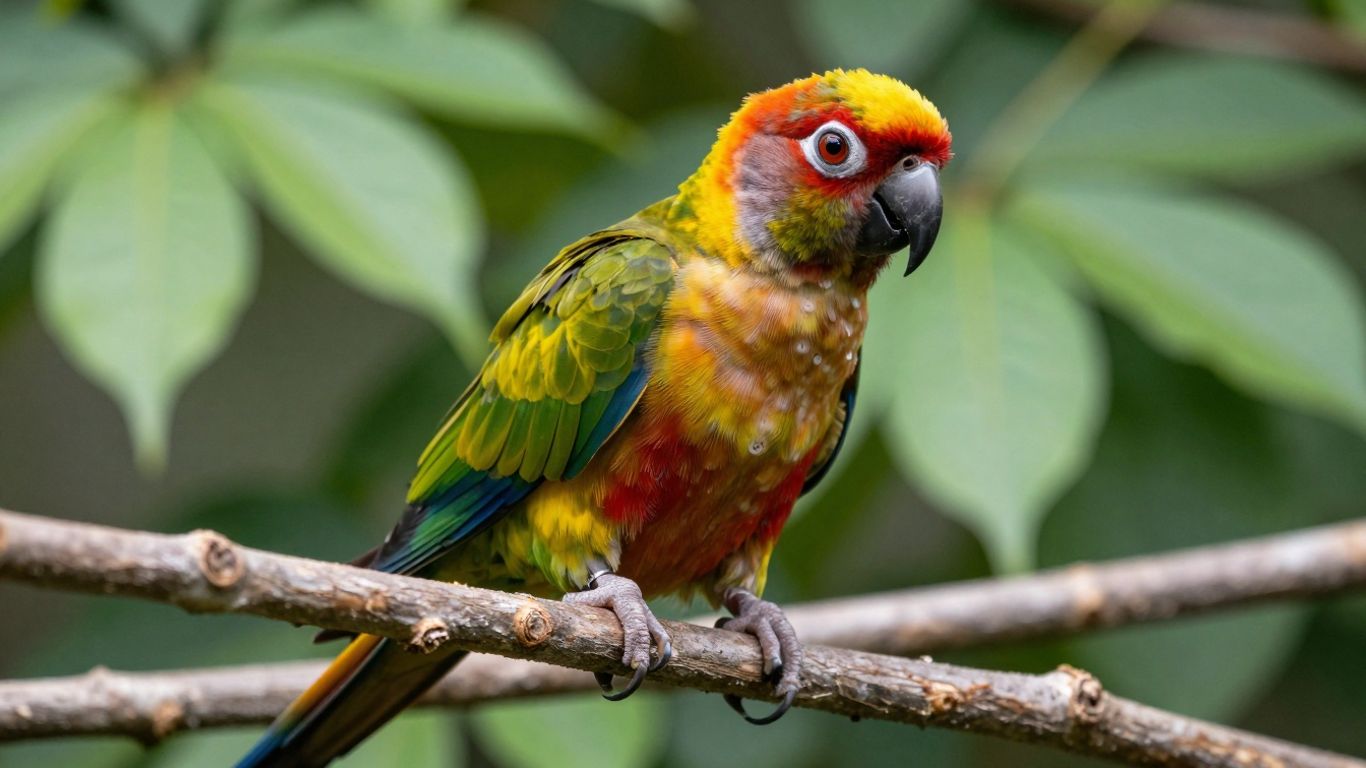
The Fascinating Brown Throated Conure: A Comprehensive Guide
Thinking about getting a new feathered friend? The Brown Throated Conure might just be the bird for you. These little guys are known for being super charming and a blast to have around. They’re not too big, not too small, and have a personality that’s just right for lots of different homes. This guide is here to give you the lowdown on what makes the Brown Throated Conure so special, from what they look like to how to take care of them.
Key Takeaways
- The Brown Throated Conure is mostly green with yellowish undersides and distinctive brown-green cheeks and throat.
- These birds are native to northern South America, including areas like Venezuela, Colombia, and Brazil.
- A balanced diet of seeds, fruits, vegetables, and occasional cooked foods is important for their health.
- Brown Throated Conures are social and playful, needing plenty of interaction and enrichment to prevent boredom and loneliness.
- They are generally vocal but less noisy than some other conure species, making them decent pets for apartments.
Understanding The Brown Throated Conure
Physical Characteristics
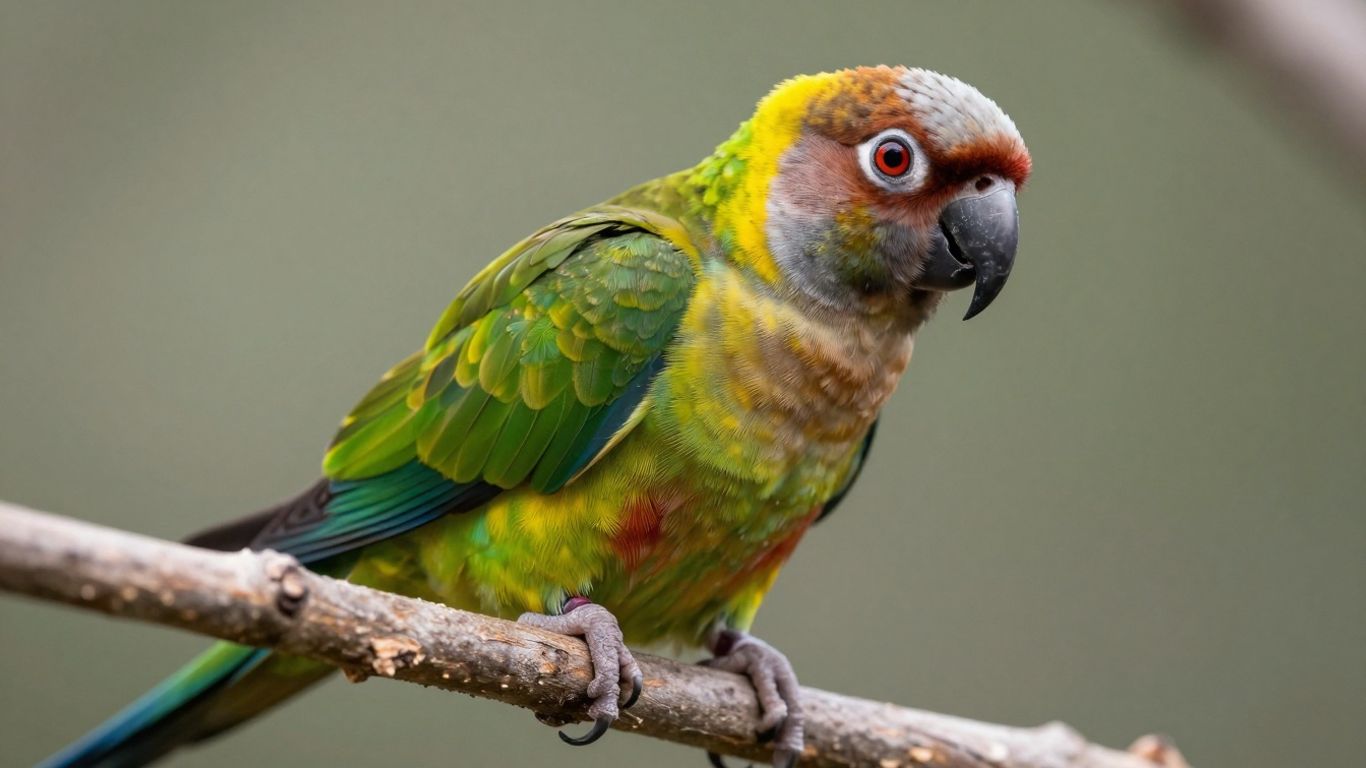
The Brown Throated Conure, scientifically known as Aratinga pertinax, is a charming parrot that often flies under the radar compared to some of its flashier relatives. These birds are not overly large, typically reaching about 10 inches in length. Their build is slender, and they possess a distinctive look that’s both endearing and practical for their natural environment. The primary color is a vibrant green, covering most of their body. However, the magic happens with the subtle details: a wash of yellowish-green on the chest and belly, and the namesake brownish-green throat and cheeks. They have a sturdy black beak and small, dark feet that are perfect for perching and climbing. It’s worth noting that a specific subspecies, Xanthogenia, found only on Bonaire island, sports a bright yellow head, making it quite distinct.
Geographic Distribution
These conures have a pretty wide range across South America and parts of the Caribbean. You can find them in places like Venezuela, Colombia, Brazil, and the Guianas. They’ve also established populations in Panama and Costa Rica. Their preferred habitats are varied, including savannas, woodlands, and scrub areas, though they aren’t shy about venturing into denser forests. This broad distribution means they are generally quite adaptable and can be found in various ecological niches.
Taxonomic Classification
- Species: Aratinga pertinax
- Family: Psittacidae (Parrots)
- Order: Psittaciformes (Parrots and Cockatoos)
- Class: Aves (Birds)
This classification places them within the larger parrot family, sharing common traits with other conures and parrots, but with their own unique set of characteristics that set them apart. They are often compared to other conure species like the Mitred Conure or Jenday Conure, but their specific traits make them a distinct choice for bird enthusiasts.
While not as loud as some other conure species, they can become quite vocal when bored or lonely. Providing ample social interaction and mental stimulation is key to keeping them happy and quiet.
Brown Throated Conures are known for their social nature and friendly demeanor, making them a joy to have around. They are quite energetic and love to play, often exhibiting goofy behaviors that are sure to bring a smile to your face. This playful spirit means they need plenty of opportunities for interaction and exercise. They tend to form strong bonds with their owners, so dedicating time for play and affection is important. Their intelligence means they can learn tricks and enjoy puzzle toys, which helps prevent boredom. For those looking for a companion bird that is both entertaining and affectionate, the Brown Throated Conure is a fantastic option. Their relatively low maintenance needs also make them a good fit for beginner bird owners, though any parrot requires commitment. If you’re considering a parrot, it’s good to research different species, like the Yellow Crowned Amazon, to find the best match for your lifestyle.
Caring For Your Brown Throated Conure
Dietary Needs
Feeding your Brown Throated Conure a balanced diet is key to keeping them healthy and happy. While they enjoy a good seed mix, it’s not enough on its own. Think of it as the base, like the bread in a sandwich. You’ll want to add plenty of fresh fruits and vegetables daily. They really go for things like apples, berries, leafy greens, and carrots. Sometimes, you can even toss in a bit of cooked chicken or potato – just make sure it’s plain, no seasonings!
- High-quality conure or parakeet seed mix
- Daily fresh fruits and vegetables (e.g., apples, bananas, berries, spinach, broccoli)
- Occasional cooked lean protein or plain cooked grains
A varied diet helps prevent vitamin deficiencies, which can lead to issues like poor feather quality or other health problems. It’s all about giving them a little bit of everything to keep their systems running smoothly.
Housing Requirements
These little guys are energetic and need space to move. A cage that’s too small will just make them grumpy. Aim for a cage that’s at least 24 inches wide, 24 inches deep, and 36 inches tall, but bigger is always better. They love to climb and play, so make sure there are plenty of perches at different heights and a variety of toys to keep them busy. Placement is also important; put their cage in a room where the family spends time, so they don’t feel left out. They are quite social, after all.
- Spacious cage: Minimum 24"x24"x36", but larger is preferred.
- Variety of perches: Different textures and diameters to keep their feet healthy.
- Plenty of toys: Rotate them regularly to prevent boredom.
Socialization and Enrichment
Brown Throated Conures are super social birds. They really thrive on interaction with their people. If you’re looking for a bird that will just sit there, this might not be the one. They need daily playtime and attention. Think of it as spending quality time with a feathered friend. This can include talking to them, letting them out of the cage for supervised flights (if you’re brave enough to let them explore!), and teaching them tricks. Without enough social interaction, they can get lonely and bored, which can lead to behavioral issues. A bored conure is often a noisy conure. For more on how to keep your bird engaged, check out parrot enrichment ideas.
- Daily interaction: Aim for at least an hour of direct playtime.
- Out-of-cage time: Supervised exploration and exercise are vital.
- Training and puzzles: Mental stimulation keeps their sharp minds busy.
Health And Well-being
Common Health Concerns
Keeping your Brown Throated Conure healthy involves being aware of potential issues. Like many birds, they can be susceptible to respiratory infections, especially if their environment is dusty or drafty. Feather plucking, while often behavioral, can sometimes be linked to underlying health problems or stress. Nutritional deficiencies are also a concern; a diet lacking essential vitamins and minerals can lead to various health problems. It’s always a good idea to have a veterinarian who specializes in avian care on hand.
Lifespan and Adaptability
Brown Throated Conures are known for their resilience. With proper care, they can live for a good number of years, often into their 20s or even 30s. Their adaptability is quite remarkable; they can adjust to different living situations, provided their core needs for social interaction, mental stimulation, and a balanced diet are met. This makes them a suitable companion for many different types of households.
Preventative Care
Preventative care is key to a long and happy life for your conure. This includes:
- Regular Vet Check-ups: Schedule annual visits with an avian vet. This helps catch potential issues early.
- Balanced Diet: Provide a varied diet rich in fresh fruits, vegetables, and high-quality pellets. Avoid excessive seeds, which are high in fat.
- Clean Environment: Keep the cage clean and free of debris. Ensure fresh water is always available. You can find some great tips on serving up fresh water.
- Mental Stimulation: Offer plenty of toys and opportunities for play to prevent boredom and stress-related issues.
A healthy gut is a happy bird. Just like us, birds have a complex microbiome that plays a big role in their overall health. Ensuring a balanced diet and a clean living space can help support a healthy digestive system, which in turn supports a strong immune system. Pay attention to your bird’s droppings, as changes can sometimes be an early indicator of digestive upset.
Behavioral Traits
Personality and Temperament
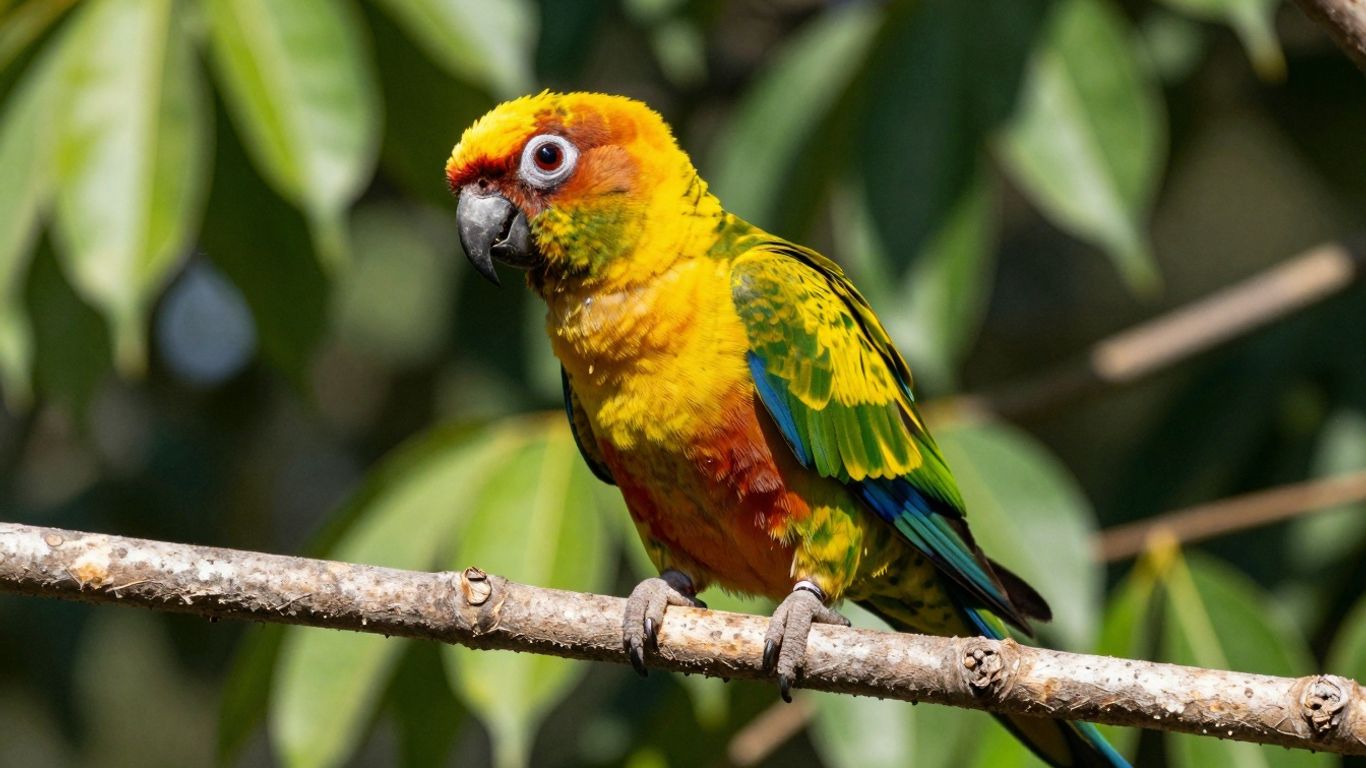
Brown Throated Conures are known for being quite the characters. They’re generally curious, playful, and can be very affectionate with their chosen people. Think of them as little feathered clowns, always ready for a bit of fun. They can form strong bonds, and when they do, they often want to be involved in everything you’re doing. This can be super rewarding, but it also means they need a good amount of attention. If left to their own devices for too long, they might get bored, and a bored conure can sometimes lead to mischief.
These birds are intelligent and social creatures. They thrive on interaction and can become quite attached to their human flock. Providing them with a stimulating environment and plenty of opportunities to engage is key to a happy bird.
Vocalizations and Communication
Get ready for some noise! Brown Throated Conures are not shy about using their voices. They communicate through a variety of squawks, chirps, and whistles. While they aren’t typically known for mimicking human speech like some other parrots, they can learn to associate sounds with actions or objects. Their vocalizations can range from happy chatter when they’re excited to louder calls if they feel something is amiss or if they’re seeking attention. It’s their way of letting you know what’s on their mind.
Here’s a little breakdown of what you might hear:
- Happy Chirps: Usually short, high-pitched sounds when they’re content or playing.
- Alarm Calls: Louder, more urgent squawks when they’re startled or perceive a threat.
- Begging Sounds: Often heard from younger birds or when they want a treat.
- Contact Calls: Used to keep track of their flock (you!).
Interaction with Owners
Building a relationship with your Brown Throated Conure is a journey. Consistent, positive interaction is the name of the game. They respond best to gentle handling and clear communication. Spending quality time with them daily, whether it’s just sitting with them, talking to them, or engaging in supervised playtime outside their cage, will go a long way. They enjoy being part of the family activities. You’ll find they often want to perch on your shoulder or explore your desk while you work. Remember, they are social animals and need that connection. Understanding their essential needs is part of this interaction.
Distinguishing Features
Coloration and Appearance
The Brown Throated Conure, scientifically known as Eupsittula pertinax, has a look that’s pretty easy to spot once you know what to look for. Their most obvious feature, and where they get their name, is that patch of brownish-orange or tawny color right on their throat and upper chest. It’s not a super bright color, more of a muted, earthy tone that stands out against the rest of their plumage. The rest of their body is mostly a vibrant green, especially on their back and wings. Their belly might have a bit of a yellowish or greenish-yellow hue. The head is also green, but often with a bit of a darker, almost olive tone on the crown. They’ve got those classic parrot features too, like a strong, curved beak that’s usually a pale horn color, and a white or pale greyish eye ring that makes their eyes pop. The tail feathers are typically a mix of green and yellowish-green.
It’s worth noting that there can be some variation within the species, especially across different geographic locations. Some might have a slightly more intense throat patch, while others might show a bit more yellow on their underside. It’s these subtle differences that can sometimes make identifying subspecies a bit tricky, even for experienced bird watchers.
Size and Weight
When you picture a conure, you might think of a small, zippy bird, and the Brown Throated Conure fits that image pretty well. They’re not the biggest parrots out there, but they’re not tiny either. On average, these birds measure about 8 to 10 inches from the tip of their beak to the end of their tail. That’s roughly the length of a standard ruler. Their weight is usually pretty light, typically falling between 2.5 to 4 ounces (about 70 to 115 grams). This makes them quite agile and quick flyers.
Here’s a quick look at their typical measurements:
| Measurement | Average Range |
|---|---|
| Length | 8-10 inches (20-25 cm) |
| Weight | 2.5-4 ounces (70-115 g) |
These dimensions are pretty consistent across the species, though individual birds might vary slightly. It’s this moderate size that makes them popular as pets, as they’re manageable without being too small to interact with easily. They’re a good middle ground in the parrot world.
Unique Nesting Habits
Brown Throated Conures, like many other conure species, are cavity nesters. This means they look for holes or hollows in trees to build their nests. They aren’t picky architects, though; they’ll happily use natural tree cavities, old woodpecker holes, or even man-made structures if they seem suitable and safe.
What’s interesting is that they don’t typically bring a lot of extra material into the nest. The lining is usually just the decaying wood or whatever debris is already present in the cavity. The female usually lays a clutch of about 3 to 5 eggs, and both parents take turns incubating them and feeding the chicks once they hatch.
The nesting behavior of these birds is a fascinating glimpse into their adaptability. They’re not tied to a very specific type of tree or cavity, which likely helps them thrive in various environments. This flexibility is a big part of why they’ve managed to spread across different regions.
They are known to be quite communal when it comes to nesting, sometimes even nesting in loose colonies rather than as solitary pairs. This social aspect of their breeding behavior is quite a contrast to some other parrot species. It’s a behavior that might offer some protection against predators and could also be related to their social nature in general. Understanding their nesting habits gives us a better picture of their life cycle and how they raise their young in the wild, which is pretty neat to think about when you see them at a local zoo.
Wrapping Things Up
So, that’s the lowdown on the Brown Throated Conure. They’re pretty neat birds, right? With their chill vibe and funny personalities, they really do make for a great pet. Whether you’re new to birds or have been around them for ages, these conures are a solid choice if you’re looking for a feathered friend that’s both entertaining and loving. Just remember to give them plenty of attention and the right food, and you’ll likely have a happy companion for years to come. They’re not overly complicated, which is a big plus, and their unique look is just the cherry on top. All in all, a pretty fantastic little parrot.
Frequently Asked Questions
What do Brown Throated Conures look like?
These parrots are mostly a vibrant green color. Their chests and bellies are a lighter, yellowish-green. The special feature that gives them their name is the brownish-green color on their cheeks and throat. They also have a black beak and small, cute feet.
Where do Brown Throated Conures come from?
You can find Brown Throated Conures in many parts of northern South America, including places like Venezuela, Colombia, and Brazil. They also live in areas like the Guianas and some islands in the Caribbean. They like living in savannas, woodlands, and scrubby areas, but can also be found in thick forests.
What should I feed my Brown Throated Conure?
In the wild, they eat a mix of fruits, nectar, insects, and seeds. For a pet, a good quality commercial seed mix made for conures or parakeets is a great start. It’s important to also give them fresh fruits and vegetables daily. Sometimes, you can offer them cooked foods like chicken or potato to make sure they get all the vitamins they need.
Are Brown Throated Conures noisy?
Compared to some other conure types, like the Sun Conure or Nanday Conure, Brown Throated Conures are not as loud. They do talk and make sounds, but they are generally more quiet, making them a good choice for people living in apartments. They tend to be loudest when they are bored or feel lonely.
How long do Brown Throated Conures live?
These parrots have a pretty good lifespan, usually living for about 25 years. With good care, a balanced diet, and plenty of attention, they can live a full and healthy life.
What is their personality like?
Brown Throated Conures are known for being very friendly and fun-loving. They have a lot of energy and can be quite goofy, often acting like little clowns. They also love to cuddle and get attention from their owners, forming strong bonds.