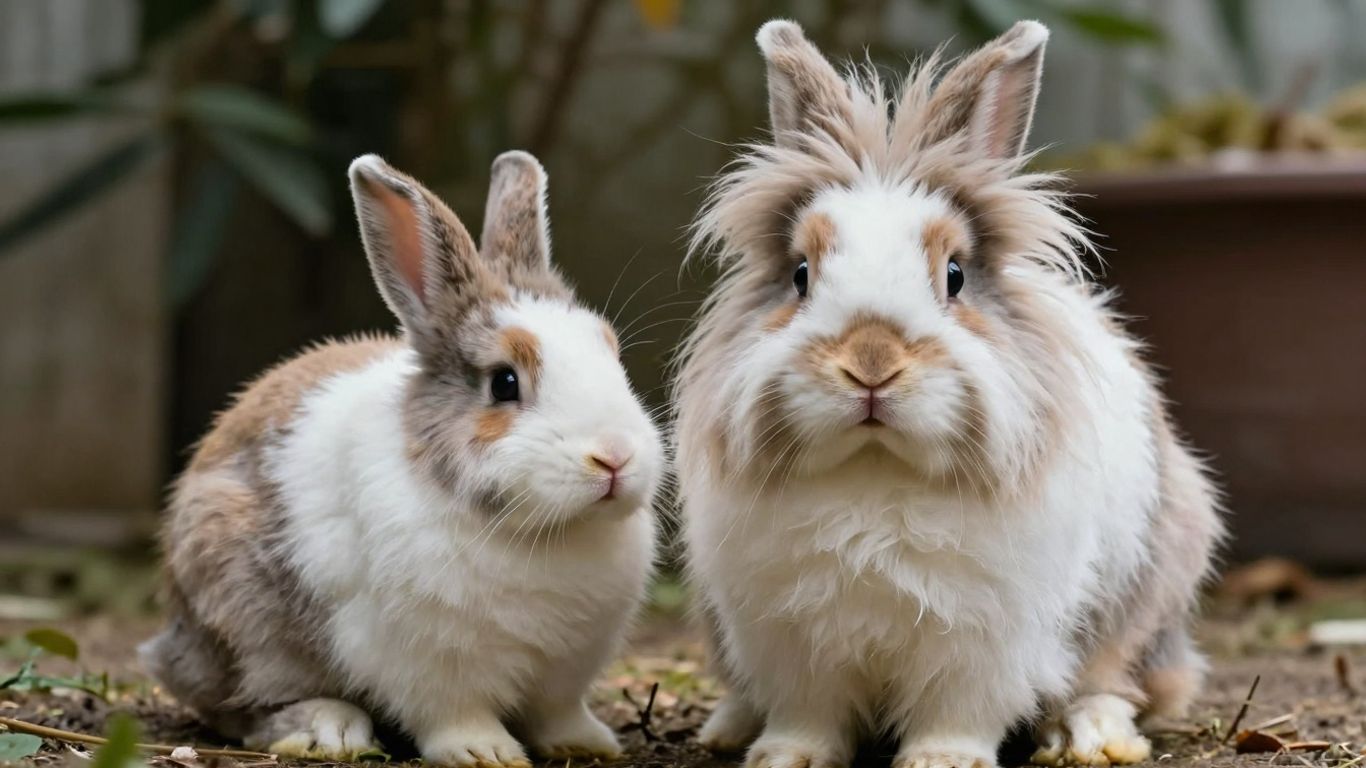
Ready to Buy Male & Female Lionhead Rabbits? Find Your Perfect Companion Today!
Thinking about bringing home some fluffy friends? Lionhead rabbits are super popular, and for good reason. They’ve got that amazing mane, kind of like a little lion! Whether you’re looking to buy male and female Lionhead rabbits as a pair or just one, this guide will help you figure out what you need to know. We’ll cover everything from their personalities to making sure your home is ready for them. Let’s get you ready to find your perfect bunny buddy!
Key Takeaways
- When you’re ready to buy male and female Lionhead rabbits, understanding their individual personalities is important. Males and females can have different traits, but early socialization plays a big role.
- Look for reputable breeders or consider adoption when searching for your Lionhead rabbits. A good source will be knowledgeable about the breed and its health.
- Prepare a safe and comfortable living space for your rabbits. This includes the right housing, food, water, and toys to keep them happy and healthy.
- Caring for your Lionhead involves a proper diet, regular grooming (especially their mane!), and routine vet check-ups to keep them in top shape.
- Bonding with your Lionhead rabbits, especially if you have a male and female, takes time and patience. Providing enrichment activities can help them form a strong connection.
Finding Your Lionhead Rabbit Companion
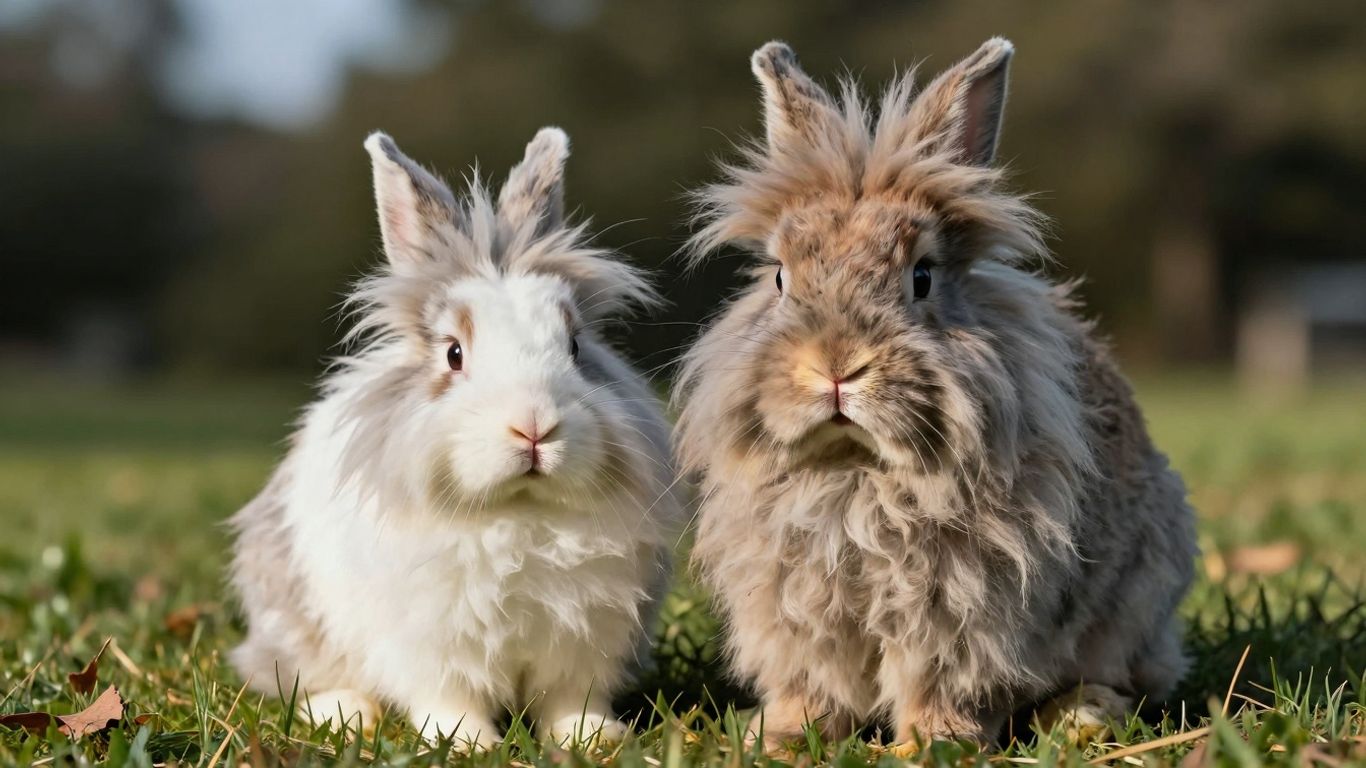
So, you’ve decided a Lionhead rabbit is the one for you. That’s great! These little guys, with their distinctive manes, are really something special. But before you bring one home, it’s good to know a bit about what makes them tick. It’s not just about picking the cutest one; it’s about finding a good fit for your life and making sure they’ll be happy.
Understanding Lionhead Rabbit Temperaments
Lionheads are generally known for being pretty friendly and having a good amount of personality. They can be curious and playful, which is super fun to watch. However, like any pet, their individual personality can vary a lot. Some might be bold and outgoing, while others can be a bit more reserved, especially when they first meet you. Patience is key when getting to know any new rabbit. They often do well with gentle handling and positive experiences, which helps them feel safe and comfortable.
Male vs. Female Lionhead Rabbit Traits
When deciding between a male and a female Lionhead, there are some general differences people notice, though again, individual personalities play a big role. Males, often called bucks, can sometimes be a bit more laid-back and cuddly, though they might be more prone to marking their territory if not neutered. Females, or does, can sometimes be a bit more independent or feisty, especially if they aren’t spayed. They can also be more prone to digging or burrowing behaviors.
Here’s a quick look at some common observations:
| Trait | Male (Buck) | Female (Doe) |
|---|---|---|
| Temperament | Often more relaxed, cuddly, playful | Can be more independent, sometimes feisty |
| Socialization | May seek attention, enjoy petting | Can be more reserved initially |
| Behavior | Potential for marking (if unneutered) | May exhibit more digging/burrowing |
It’s worth noting that spaying and neutering can significantly influence these traits, often making both sexes more agreeable and easier to bond with. If you’re looking for a pair, a bonded male and female often do very well together, but same-sex pairs can also be successful with proper introductions. You can find information on available male and female bunnies to get an idea of what’s out there.
Choosing the Right Age for Your Lionhead
The age of your Lionhead rabbit is another factor to consider. Baby rabbits, often called kits, are undeniably adorable, but they require a lot more time, attention, and supervision. They’re still learning everything, from litter training to social cues. Young adult rabbits, typically between 6 months and 3 years old, are often past the most demanding baby stage but still have plenty of energy and years ahead. Adult rabbits, especially those over 3 years old, might be calmer and already have established personalities, which can make them a predictable and wonderful companion. Older rabbits can also be incredibly rewarding to adopt, as they often just want a comfortable, loving home for their golden years. Each age group brings its own unique joys and responsibilities, so think about what stage best fits your lifestyle and what you’re prepared to handle.
Where to Buy Male & Female Lionhead Rabbits
So, you’ve decided a fluffy Lionhead is the rabbit for you. That’s awesome! Now comes the fun part: finding your new furry friend. It’s not just about picking the cutest one, though. You want to make sure you’re getting a healthy rabbit from a good source. This is super important for their well-being and for your peace of mind.
Reputable Breeders for Lionhead Rabbits
When you’re looking for a Lionhead, a good breeder is often the first place to check. These folks usually know their stuff about the breed. They’ll be able to tell you about the rabbit’s parents, their health history, and what to expect as they grow. A responsible breeder will also let you see where the rabbits are kept and will ask you questions to make sure you’re a good fit for their bunnies. They care about where their rabbits go.
Some breeders specialize in specific breeds, like Lionheads. You might find them through rabbit clubs or online forums. Always ask about their health guarantees and what vaccinations, if any, the rabbits have had. For example, Happily Ever After Rabbitry offers a three-year health guarantee and vaccinates their bunnies against Pasteurella multocida. They also have a clear sales policy you should read before buying.
Adopting a Lionhead Rabbit
Don’t forget about adoption! Sometimes, wonderful Lionheads end up needing new homes through rescue organizations or shelters. This is a fantastic way to give a rabbit a second chance. You might find rabbits that are already bonded, which can be a real bonus if you’re looking for a pair. Many adoption sites let you filter by gender and current bonded status, so you can find a rabbit that fits your situation. You can check out available rabbits for adoption here.
What to Expect When You Buy Lionhead Rabbits
No matter where you find your Lionhead, there are a few things to keep in mind. Most breeders and rescues will have specific policies about deposits and pick-up times. For instance, rabbits are typically ready to go home around 8 weeks old. A deposit is often required to hold a rabbit, and these are usually non-refundable. It’s also a good idea to ask about the rabbit’s diet so you can transition them smoothly to your home. Be prepared to answer questions about your living situation and how you plan to care for the rabbit. They want to make sure their bunnies go to good homes!
Here’s a quick rundown of what to expect:
- Age: Rabbits are usually ready to leave their mother at 8 weeks old.
- Deposits: Most sellers require a non-refundable deposit to hold a rabbit.
- Health: Ask about any health checks or vaccinations the rabbit has received.
- Diet: Inquire about their current food so you can continue their diet.
Finding the right Lionhead rabbit is a journey. Take your time, do your research, and don’t be afraid to ask questions. A little effort upfront can lead to many years of happy companionship with your new bunny.
Preparing Your Home for Lionhead Rabbits
Bringing a Lionhead rabbit home is exciting, but you’ll want to make sure their living space is all set up before they arrive. Think of it like getting a nursery ready for a baby – you want everything to be safe, comfy, and ready to go. This means deciding on their main living area, gathering all the necessary supplies, and making sure it’s a place they’ll feel secure and entertained.
Indoor vs. Outdoor Housing for Lionheads
Deciding whether your Lionhead will live indoors or outdoors is a big first step. Indoor rabbits often become more integrated into the family, getting more social interaction and protection from extreme weather and predators. Outdoor housing can work, but it requires a sturdy, predator-proof hutch that offers good ventilation and protection from sun, rain, and cold. It’s generally recommended to keep rabbits indoors for their safety and well-being. If you opt for outdoor housing, ensure the hutch is well-insulated and provides a safe haven.
Essential Supplies for New Lionhead Owners
Getting your supplies together is key. You’ll need a spacious enclosure, bedding, a food bowl, a water bottle or bowl, hay, and some toys. Don’t forget grooming tools, especially for those magnificent manes!
Here’s a quick checklist:
- Enclosure: A large cage or exercise pen (at least 4ft x 2ft for one rabbit, bigger is always better).
- Bedding: Aspen shavings, paper-based bedding, or fleece liners (avoid pine and cedar).
- Food & Water: Ceramic bowls for food and a sipper bottle or heavy ceramic bowl for water.
- Hay: Unlimited access to fresh timothy hay or other grass hays.
- Litter Box: A medium-sized litter box with rabbit-safe litter (paper-based or aspen).
- Toys: Chew toys made of safe wood, cardboard, or willow.
- Grooming Tools: A slicker brush and a comb for their mane.
Creating a Safe and Stimulating Environment
Your Lionhead’s home should be more than just a place to sleep; it needs to be a place where they can thrive. This means providing opportunities for exercise, mental stimulation, and a sense of security. Rabbits are naturally curious and active, so a boring environment can lead to stress or destructive behaviors. Think about adding tunnels, platforms, or puzzle toys to keep their minds busy. Rotate toys regularly to keep things interesting. Also, make sure their enclosure is in a quiet part of the house, away from loud noises or constant traffic, where they can feel safe and relaxed.
Rabbits are prey animals, so their environment needs to feel secure. This means providing hiding spots within their enclosure, like a cardboard box with holes cut out or a small tunnel. They also need space to run and play, so consider a larger enclosure or supervised time in a rabbit-proofed room or safe outdoor run.
Caring for Your New Lionhead Rabbit
Bringing a Lionhead rabbit home is super exciting, but it’s also a big responsibility. These fluffy guys, with their distinctive manes, need specific care to stay happy and healthy. It’s not just about food and water, though that’s a big part of it. You’ve got to think about their grooming needs, their health, and making sure they feel safe and loved in their new digs.
Dietary Needs of Lionhead Rabbits
Feeding your Lionhead right is pretty straightforward, but consistency is key. The bulk of their diet should be good quality hay, like timothy hay. This is super important for their digestion and helps wear down their teeth, which grow constantly. Think of it as their main course, available 24/7.
- Hay: Unlimited access to timothy hay or other grass hays.
- Pellets: A small, measured amount of high-quality, plain timothy-based pellets daily. Avoid mixes with seeds, nuts, or colorful bits – those aren’t good for them.
- Fresh Greens: A daily serving of leafy greens. Introduce new greens slowly to avoid tummy upset. Good options include romaine lettuce, parsley, cilantro, and dandelion greens.
- Fresh Water: Always available in a heavy ceramic bowl or a sipper bottle. Bowls are often preferred as they allow for more natural drinking.
Rabbits have sensitive digestive systems. Sudden changes in diet can lead to serious health issues. Always introduce new foods gradually and monitor your rabbit for any signs of distress.
Grooming Your Lionhead’s Mane
Those magnificent manes are what make Lionheads so special, but they also require regular attention. Unlike some other breeds, Lionheads, especially those with a full mane, need frequent brushing. If you don’t keep that mane tidy, it can get matted, which is uncomfortable for your rabbit and can lead to skin problems.
- Brushing: Aim for at least a few times a week, or even daily during shedding seasons. Use a comb or a slicker brush designed for small animals. Be gentle, especially around their face and ears.
- Nail Trims: Rabbits’ nails grow continuously. You’ll need to trim them every 4-6 weeks. If you’re not comfortable doing this yourself, a vet or groomer can help.
- Scent Glands: Rabbits have scent glands near their anus. These can sometimes get a buildup of waxy material. Gently clean them with a damp cotton swab if needed, but don’t overdo it.
- Bathing: Generally, rabbits shouldn’t be bathed. They are very clean animals and can groom themselves. Bathing can be stressful and lead to hypothermia or skin issues.
Health and Veterinary Care
Keeping an eye on your rabbit’s health is super important. Rabbits are prey animals, so they often hide signs of illness until they’re quite sick. Regular check-ups with a rabbit-savvy veterinarian are a must.
- Annual Check-ups: Take your rabbit to the vet at least once a year for a general health assessment. This is a good time to discuss diet, behavior, and any concerns you might have.
- Spaying/Neutering: It’s highly recommended to spay female rabbits and neuter male rabbits. This not only prevents unwanted litters but also reduces the risk of certain cancers and can help with behavioral issues like aggression or territorial marking.
- Common Health Issues: Be aware of signs of common rabbit ailments like GI stasis (a dangerous slowdown of the digestive system), dental problems (overgrown teeth), respiratory infections, and parasites. If you notice changes in eating, drinking, droppings, or behavior, contact your vet immediately.
- Emergency Preparedness: Know your nearest emergency vet clinic that treats rabbits. Have a small emergency fund set aside for unexpected vet bills. Prompt veterinary attention can be life-saving for rabbits.
Bonding with Your Lionhead Pair
So, you’ve decided to bring home not one, but two Lionhead rabbits! That’s fantastic. Having a bonded pair can be incredibly rewarding, as they often keep each other company and entertain each other. But getting them to that happy, harmonious state takes a little effort and understanding. It’s not always instant best friends, you know?
Introducing Male and Female Lionheads
When you first bring your Lionheads home, especially if they aren’t already a known bonded pair, you’ll need to introduce them carefully. Think of it like a first date – you don’t want to overwhelm them. Start with separate living spaces, even if they’re side-by-side so they can smell each other. Then, move to neutral territory for supervised "dates." This is where you watch their body language closely. Signs of aggression like thumping, lunging, or chasing mean it’s time to separate them and try again later. Patience is key here. You’re looking for mutual grooming, relaxed postures, and sharing space without tension.
Recognizing Signs of a Healthy Bond
How do you know if your Lionheads are actually getting along? It’s more than just not fighting. A truly bonded pair will often groom each other, sleep close together (sometimes even touching!), and eat side-by-side. You might see them "binky" (those happy jumps and twists) together, or just flop out near each other, completely relaxed. It’s a beautiful thing to witness when they’ve figured each other out. A strong bond means they feel secure and happy in each other’s company.
Enrichment Activities for Bonded Rabbits
Once your Lionheads are chummy, you’ll want to keep their minds and bodies active. This is where enrichment comes in. Think about things they can do together. Tunnels are always a hit, and you can string them together for a fun maze. Cardboard boxes with holes cut out make great hideaways and chew toys. Foraging toys, where they have to work a little to get a treat, can also be a fun challenge for both of them. Rotating toys keeps things interesting, so they don’t get bored. Remember, even bonded rabbits need individual attention and playtime with you, too! It’s about balancing their relationship with each other and their relationship with you. If you’re looking for more tips on rabbit bonding, this guide has some great strategies.
| Activity Type | Examples |
|---|---|
| Physical Play | Tunnels, cardboard mazes, supervised "zoomies" in a safe area |
| Mental Stimulation | Foraging toys, puzzle feeders, new safe objects to explore |
| Social Interaction | Gentle petting, talking to them, shared quiet time |
Building a strong connection between your rabbits is a process. It requires observation, patience, and creating an environment where they feel safe to express their natural behaviors. Don’t get discouraged if it takes time; the reward of a happy, bonded pair is well worth the effort.
Considering Specific Lionhead Rabbit Colors
Popular Lionhead Rabbit Colorations
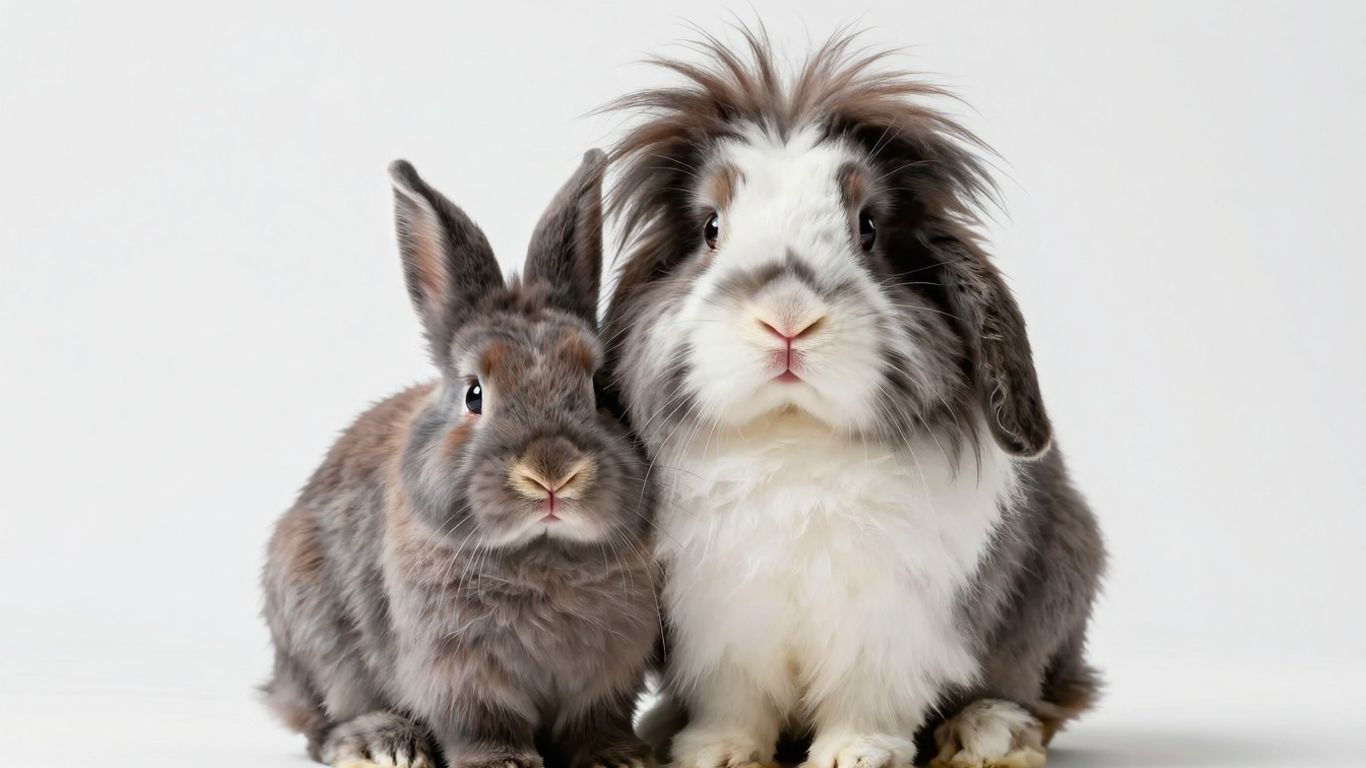
Lionhead rabbits come in a surprising variety of colors, which is part of what makes them so appealing. While some colors are more common, breeders work to produce a wide spectrum. You’ll often see solid colors like black, white, blue, and fawn. Then there are the broken patterns, which are patches of color on a white background. The "mane" or "ruff" characteristic of the breed can also vary in color, sometimes being a lighter or darker shade than the rest of the body. It’s really interesting to see how different color genes express themselves.
Understanding Coat Variations
Beyond the basic colors, Lionheads can have different coat patterns and variations. Some of these include:
- Chinchilla: A greyish color with bands of lighter and darker fur on each hair shaft, giving a shimmering effect.
- Tortoiseshell (Tort): A mix of colors, often appearing as a blend of black, red, and sometimes yellow, creating a mottled look.
- Harlequin: Patches of color, often with a base color and contrasting markings. This can be quite striking.
- Magpie: Similar to harlequin, but typically with specific color placements, often seen in combination with blue eyes.
- Vienna Markings (VM): This gene can cause blue eyes and sometimes white markings, even in otherwise solid-colored rabbits. You might see "blue-eyed whites" or "heavy blue Vienna" rabbits, which have distinct blue eyes.
Finding Unique Lionhead Rabbit Colors
If you’re looking for something a bit different, keep an eye out for less common colorations. Sometimes breeders are working with specific genetic lines to produce unique combinations. For example, you might find "opal" (a dusty grey), "chocolate," or "lilac" (a pale greyish-purple). It’s always a good idea to check with reputable breeders who specialize in Lionheads, as they often have a good understanding of the genetics behind the colors and can tell you what to expect in upcoming litters. Patience is key when searching for a specific color, but the reward of finding your perfect, uniquely colored companion is well worth the wait.
Ready to Welcome Your New Friend?
So, you’re thinking about bringing a Lionhead rabbit into your home. That’s great! These fluffy bunnies are really something special, with their unique manes and sweet personalities. Whether you’re leaning towards a curious male or a gentle female, or maybe you don’t have a preference, the most important thing is finding the right fit for you. Remember to think about where they’ll live and how soon you’re ready to adopt. Taking the time to find your perfect companion means a happier life for both you and your new furry friend. Happy rabbit hunting!
Frequently Asked Questions
Are male or female Lionhead rabbits better pets?
Both male and female Lionhead rabbits can make wonderful pets! Males are often a bit more laid-back and cuddly, while females can be more independent and curious. It really depends on the individual rabbit’s personality. If you’re looking for a pair, a bonded male and female often get along very well.
What age should I get my Lionhead rabbit?
It’s generally best to adopt a Lionhead rabbit that is at least 8 weeks old. This ensures they are fully weaned from their mother and have had enough time to develop socially. Younger rabbits might still be a bit too delicate, and older rabbits are often already litter-trained and calmer.
Where is the best place to buy a Lionhead rabbit?
You can find Lionhead rabbits from reputable breeders who specialize in the breed, or you can consider adopting from a local animal shelter or rabbit rescue. Breeders can offer insights into the rabbit’s lineage and health, while rescues give a loving home to rabbits in need.
What supplies do I need before bringing my Lionhead home?
Before your new friend arrives, make sure you have a spacious cage or hutch, a litter box (yes, rabbits can be litter-trained!), a food bowl, a water bottle or bowl, hay, and rabbit-safe food pellets. You’ll also want some chew toys to keep them entertained.
How do I care for my Lionhead’s mane?
Lionhead rabbits are known for their distinctive ‘mane’ of fur. This fluffy mane needs regular grooming, about 2-3 times a week, to prevent mats and tangles, especially during shedding seasons. Brushing helps keep their coat healthy and comfortable.
Can I keep my Lionhead rabbit indoors or outdoors?
Lionhead rabbits can live happily either indoors or outdoors, but indoor living is often preferred for safety and companionship. If kept outdoors, their hutch must be secure from predators and extreme weather. Indoors, they need plenty of supervised ‘run time’ outside their cage.