Find Your Perfect Plum Headed Parakeet for Sale Today!
Thinking about bringing a feathered friend into your home? A plum headed parakeet might just be the perfect fit! These birds are known for their good looks and smarts, making them a popular choice for many. If you’re curious about finding a plum headed parakeet for sale and want to know what’s involved, stick around. We’ll cover what makes them special, where to find one, and how to take care of your new pal.
Key Takeaways
- Plum headed parakeets are pretty birds with a calm nature, good for families or quieter homes.
- Look for a healthy bird from a good breeder or pet shop to make sure it settles in well.
- A balanced diet with pellets, fruits, and veggies is important for your parakeet’s health.
- These birds need lots of attention and play time to stay happy and prevent boredom.
- With proper care, your plum headed parakeet can live for many years, making them a long-term companion.
Discover Your Plum Headed Parakeet For Sale
Understanding The Plum Headed Parakeet
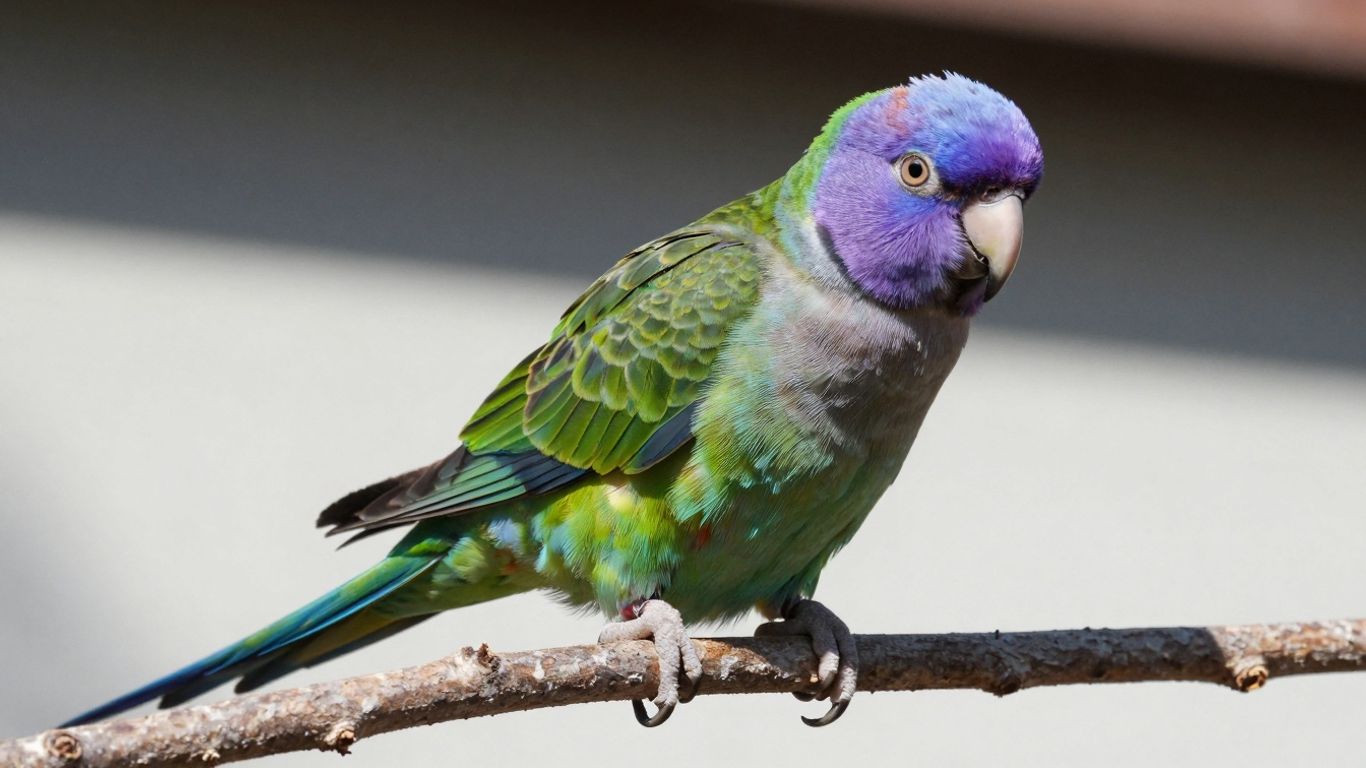
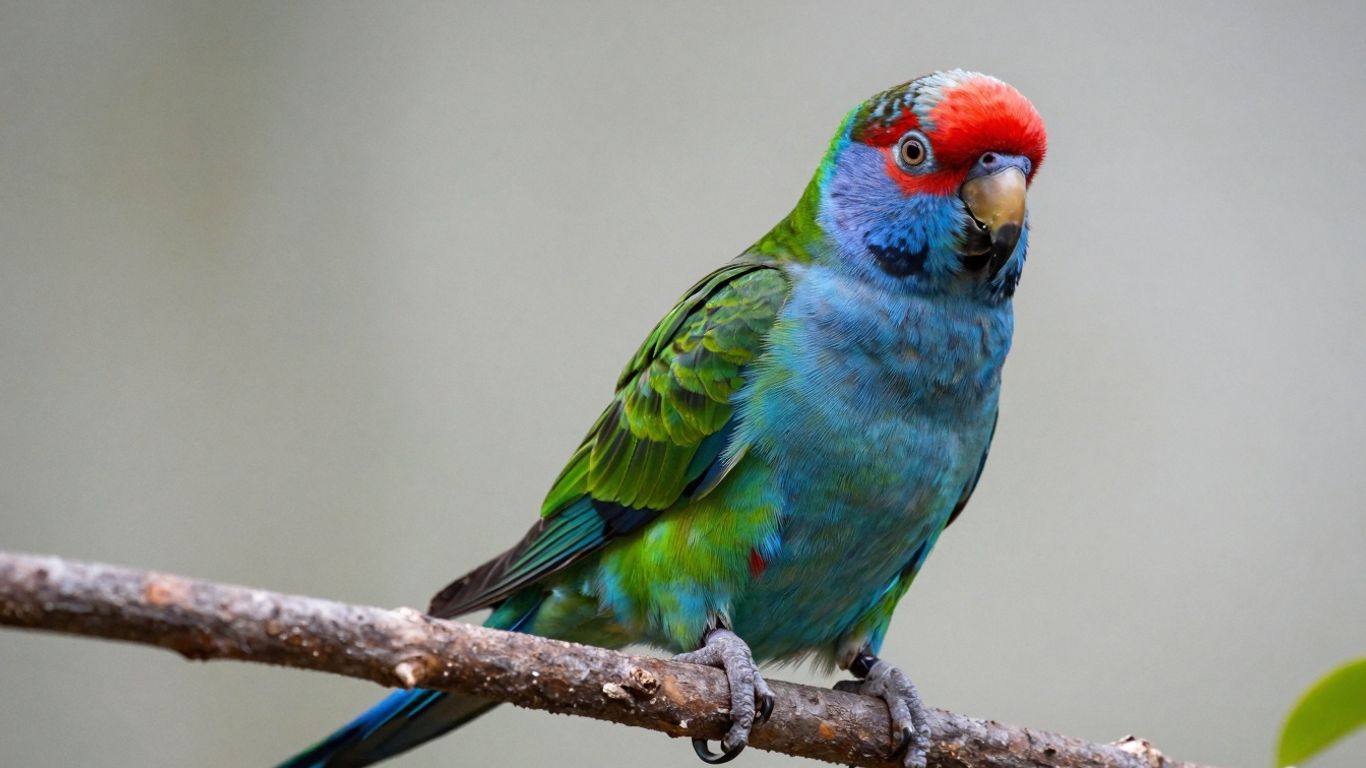
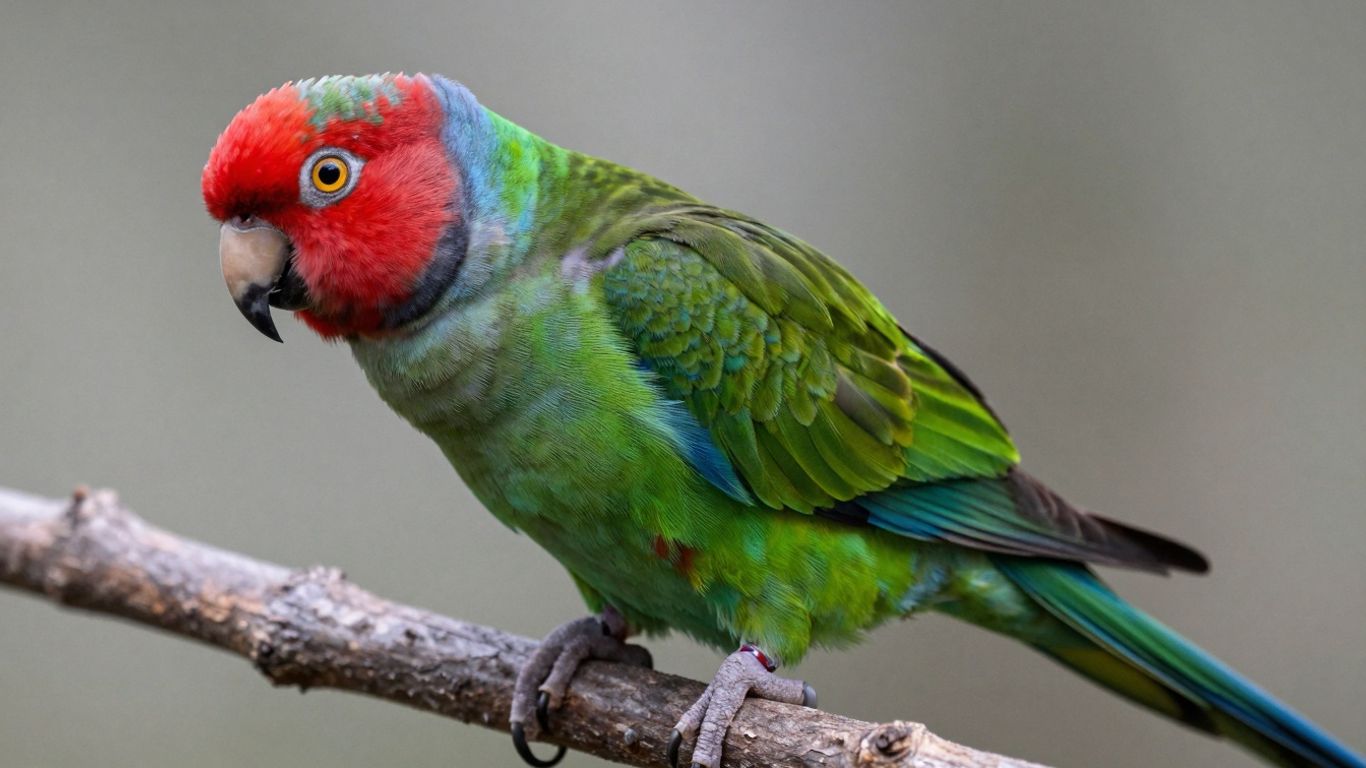
Thinking about adding a Plum Headed Parakeet to your home? These birds are really something special. Native to the Indian subcontinent, they’re known for their striking looks. The males sport a distinctive purplish-red head, while the females have a softer, bluish-gray cap. Both have vibrant green bodies and long, elegant tails. They’re not just pretty faces, though; they’re also known for being gentle and curious. Their chatter is usually soft, making them a good fit for various living situations, even apartments.
Why A Plum Headed Parakeet Is An Ideal Companion
So, why pick a Plum Headed Parakeet? Well, besides their good looks, they are quite social creatures. They tend to form strong bonds with their people, and with a bit of interaction, they can learn to mimic sounds and even pick up words. They’re active and intelligent, which means they need things to do to keep their minds busy. This can be a lot of fun for their owners, as they are engaging birds.
Here’s a quick look at what makes them great:
- Visually Stunning: Their unique head colors and green bodies are eye-catching.
- Affectionate Nature: They bond well with their families.
- Trainable: They can learn sounds and words.
- Adaptable: They can adjust to different home environments.
Exploring Plum Headed Parakeet Varieties
While the classic Plum Headed Parakeet is beautiful, there are a couple of variations you might come across. The Lutino variety, for instance, has a bright yellow body with that signature softer plum-colored head. It’s quite a sight! Then there’s the Purple Ringneck, which stands out with its deep, rich colors. It’s always interesting to see the different looks within a species, and these variations add even more appeal.
When you’re looking for a bird, remember that each one has its own personality. While species traits are helpful, getting to know the individual bird is key to a good match.
Finding A Plum Headed Parakeet For Sale Near You
So, you’ve decided a Plum Headed Parakeet is the bird for you. Awesome choice! Now comes the fun part: finding your feathered friend. It’s not just about picking the prettiest one; you want to make sure you’re getting a healthy, well-adjusted bird from a good source. This is super important for a long, happy life together.
Choosing A Reputable Breeder Or Pet Store
When you’re on the hunt for a Plum Headed Parakeet for sale, where you get it from really matters. You don’t want to just walk into any pet shop. Look for places that seem clean, where the birds are active and alert, and where the staff actually know something about the birds they’re selling. A good breeder will be happy to answer all your questions and might even let you see where the birds are raised. They should also be able to tell you about the bird’s history, like its age and diet. Some places even specialize in hand-raised birds, which can make a big difference in how tame they become. If you’re looking for a baby Plum Headed Parakeet, a breeder who hand-feeds them is often your best bet. For example, Parrot Stars breeds their birds with care.
What To Look For In A Healthy Bird
Spotting a healthy Plum Headed Parakeet is pretty straightforward if you know what to check for. First off, their eyes should be clear and bright, not cloudy or watery. Their feathers should look smooth and sleek, not ruffled or missing in patches. A healthy bird will be active and alert, looking around and maybe even chirping a bit. They shouldn’t be sitting slumped in a corner with their eyes closed. Their droppings should look normal, not runny or discolored. It’s also a good idea to listen for any wheezing or clicking sounds when they breathe, which could signal a respiratory issue. Basically, you want a bird that looks vibrant and engaged with its surroundings.
Considering A Baby Plum Headed Parakeet
Getting a baby Plum Headed Parakeet can be incredibly rewarding. Raising a bird from a young age allows you to bond with it deeply and shape its personality. You get to be there for all the milestones! However, it does require a significant time commitment. Baby birds need frequent feeding, socialization, and training. If you’re a first-time bird owner, you might want to consider a bird that’s already weaned and a bit older, as they can be a little easier to manage. But if you have the time and patience, raising a baby bird is an amazing experience. It’s a big decision, so think about your lifestyle and what you can realistically handle.
Finding the right Plum Headed Parakeet involves more than just a quick search. It’s about finding a healthy bird from a responsible source that fits into your life. Take your time, do your homework, and you’ll find a wonderful companion.
Caring For Your New Plum Headed Parakeet
Bringing a plum-headed parakeet into your home is a really rewarding experience, but it does mean you’ve got some responsibilities. These birds are smart and social, so keeping them happy and healthy involves a few key things.
Essential Nutrition For Your Parakeet
Feeding your new feathered friend right is super important. It’s not just about tossing in some seeds and calling it a day. A good diet for a plum-headed parakeet is a mix of things. High-quality pellets should form the base, kind of like the main course. Then, you want to add in plenty of fresh fruits and vegetables. Think of these as the healthy sides. Make sure they always have access to clean, fresh water. Sometimes, you can give them little treats, like a bit of millet or a few unsalted nuts, but don’t overdo it.
Here’s a quick look at what a balanced diet might include:
- Pellets: A good quality, species-specific pellet blend.
- Vegetables: Leafy greens (kale, spinach), carrots, bell peppers, broccoli.
- Fruits: Apples (seeds removed), berries, melon, bananas.
- Treats (in moderation): Millet spray, small amounts of unsalted nuts.
A varied diet keeps them healthy and prevents boredom. It’s like us humans – eating the same thing every day gets old fast, and it’s not great for us either.
The Importance Of Social Interaction
Plum-headed parakeets are not the kind of pets you can just leave to their own devices all day. They really need and want your attention. Spending time with your bird daily is non-negotiable for a happy pet. This means talking to them, playing with them, and just generally being present. The more you interact, the stronger your bond will be, and the more likely they are to be well-behaved and affectionate. If you’re looking for a companion bird, this is where the magic happens. You can find a Plum Headed Parakeet named Banti that’s already socialized, but continued interaction is key.
Creating A Stimulating Environment
Beyond food and company, your parakeet needs a stimulating environment to thrive. This means a cage that’s big enough for them to move around comfortably, with plenty of toys to keep their minds busy. Think about different types of toys: some they can chew, some they can climb on, and some that challenge them a bit, like puzzle toys. Rotating toys regularly can also help keep things interesting. Don’t forget about out-of-cage time too! Supervised time outside their cage, in a safe area, is great for exercise and exploration. This mental stimulation is just as important as their diet for keeping them healthy and preventing behavioral issues like feather plucking.
Lifespan And Health Considerations
So, you’re thinking about bringing a plum-headed parakeet into your life? That’s awesome! These birds are pretty neat, but like any pet, they need good care to live a long, happy life. With the right attention, your feathered friend could be with you for two decades or even more. It’s not just about food and water, though that’s super important. A lot goes into keeping them healthy and thriving.
Ensuring Longevity With Proper Care
Keeping your plum-headed parakeet around for the long haul really comes down to a few key things. Think of it like this: you wouldn’t eat junk food every day and expect to feel great, right? Your bird is the same.
- Diet: A balanced diet is number one. We’re talking high-quality pellets as a base, then adding in fresh fruits and veggies. Seeds are okay as a treat, but they shouldn’t be the main event. Always make sure they have clean water available.
- Environment: These birds don’t do well in damp or cold places. A clean, dry, and comfortable living space is a must. This means regular cage cleaning and keeping them away from drafts.
- Mental Stimulation: Boredom is a real thing for smart birds like these. Providing plenty of toys, opportunities to fly, and interaction helps keep their minds sharp and prevents behavioral issues.
Recognizing Common Avian Health Issues
Even with the best care, birds can sometimes run into health snags. It’s good to know what to watch out for. Plum-headed parakeets can sometimes develop issues like respiratory problems or feather plucking. These can be signs that something isn’t quite right in their environment or diet. Sometimes, damp conditions can really affect their health, so keeping things dry is a big deal. If you notice changes in their droppings, eating habits, or behavior, it’s time to pay attention.
Keeping a close eye on your bird’s daily habits can help you spot problems early. Small changes can sometimes be the first sign that your parakeet isn’t feeling its best.
The Role Of Regular Veterinary Visits
Just like you go to the doctor for check-ups, your parakeet needs a vet too. Finding an avian vet is key. They know the specific needs of birds and can catch things you might miss. Regular visits help monitor their health and can prevent minor issues from becoming major ones. It’s a good idea to have a vet lined up before you even bring your bird home, just in case. You can find great resources for finding a reputable breeder who can also give you advice on local avian vets.
Bringing Home Your Plum Headed Parakeet
Preparing Your Home For A New Bird
So, you’ve found your perfect Plum Headed Parakeet and are ready to bring them home. That’s exciting! Before they arrive, it’s a good idea to get their living space all set up. Think about the cage first. It needs to be big enough for them to stretch their wings and move around comfortably. You know, not just a tiny box. Make sure it’s made of safe materials – no rusty bits or toxic coatings. Also, think about where you’ll put the cage. They like to be part of the family action, but maybe not right in the middle of a busy doorway or where it’s super noisy all the time. A spot with some natural light but out of direct sun is usually best.
- Cage Setup: Equip the cage with perches of varying sizes and textures to keep their feet healthy. Include food and water dishes that are easy to clean.
- Enrichment: Provide a variety of toys – foraging toys, chew toys, and maybe a swing. Rotate these regularly to keep things interesting.
- Safety First: Bird-proof the room where the parakeet will spend time outside the cage. Cover electrical cords, remove toxic plants, and ensure windows and doors are secure.
Setting up a safe and stimulating environment from day one makes a huge difference in how quickly your new bird settles in and feels comfortable.
The Bonding Process With Your Parakeet
Once your new friend is home, the real fun begins: getting to know each other. It takes patience, honestly. Don’t expect your parakeet to be on your shoulder the first day. Start by just being present. Sit near the cage, talk softly, maybe read a book. Let them get used to your voice and your presence without feeling pressured. When they seem relaxed, you can try offering a treat through the cage bars. Small steps are key here. Building trust is the most important part of the bonding process. Over time, as they become more comfortable, you can start opening the cage door and letting them explore on their own terms, always under supervision, of course.
Integrating Your Parakeet Into The Family
Bringing a new pet into a household is always an adjustment, and a parakeet is no different. If you have other pets, introduce them very slowly and carefully, always supervising. It’s best to keep them separate initially to avoid any stress or potential conflict. For children, teach them how to interact gently and respectfully with the bird. No chasing or loud noises right next to the cage! Everyone in the house should understand the parakeet’s needs and routines. This helps create a harmonious environment where your new feathered family member can truly thrive and become a beloved part of the household.
| Family Member | Role in Integration | Notes |
|---|---|---|
| Adults | Primary caregiver, responsible for feeding and cage cleaning | Ensure consistent routine |
| Children | Gentle interaction, supervised playtime | Teach proper handling techniques |
| Other Pets | Gradual, supervised introductions after initial settling period | Prioritize bird’s safety and comfort |
Ready to Bring Home Your Plum Headed Parakeet?
So, you’ve learned all about the plum headed parakeet – their good looks, smarts, and friendly nature. They really are a special kind of bird. Whether you’re hoping to find a young one to raise or a bird that’s already settled in, there are plenty of options out there. Take some time to look around, connect with breeders, and find the parakeet that feels right for you. Bringing one of these colorful birds into your home is sure to add a lot of cheer and companionship. Happy bird hunting!
Frequently Asked Questions
What makes Plum Headed Parakeets special?
Plum headed parakeets are really eye-catching with their bright colors, especially the males’ purplish-red heads. They’re also known for being smart, friendly, and can even learn to talk or whistle tunes. They tend to be calm, making them great pets for many homes.
Are Plum Headed Parakeets good for first-time bird owners?
Yes, they can be! Plum headed parakeets are generally gentle and social. If you have time to spend with them, play with them, and teach them, they can become wonderful companions. Just be ready to give them attention daily.
What should I feed my Plum Headed Parakeet?
A good diet isn’t just seeds. They need a mix of quality bird pellets, plus fresh fruits and veggies like apples, berries, and leafy greens. Always make sure they have clean water available. Treats like millet or a few unsalted nuts are okay sometimes.
How much attention do these birds need?
These birds are very social and need a lot of interaction. Plan to spend time talking, playing, and training your parakeet every day. The more you engage with them, the happier and better-behaved they’ll be.
How long do Plum Headed Parakeets live?
With the right care, including a good diet, a safe place to live, and regular check-ups with a vet, a plum headed parakeet can live for a long time, often 20 years or even more!
What should I look for when buying a Plum Headed Parakeet?
When you’re looking to buy, find a breeder or pet store that is known for taking good care of their birds. A healthy bird will be active, have clear eyes, and a clean cage. It’s best to get information about the bird’s age and health history from the seller.