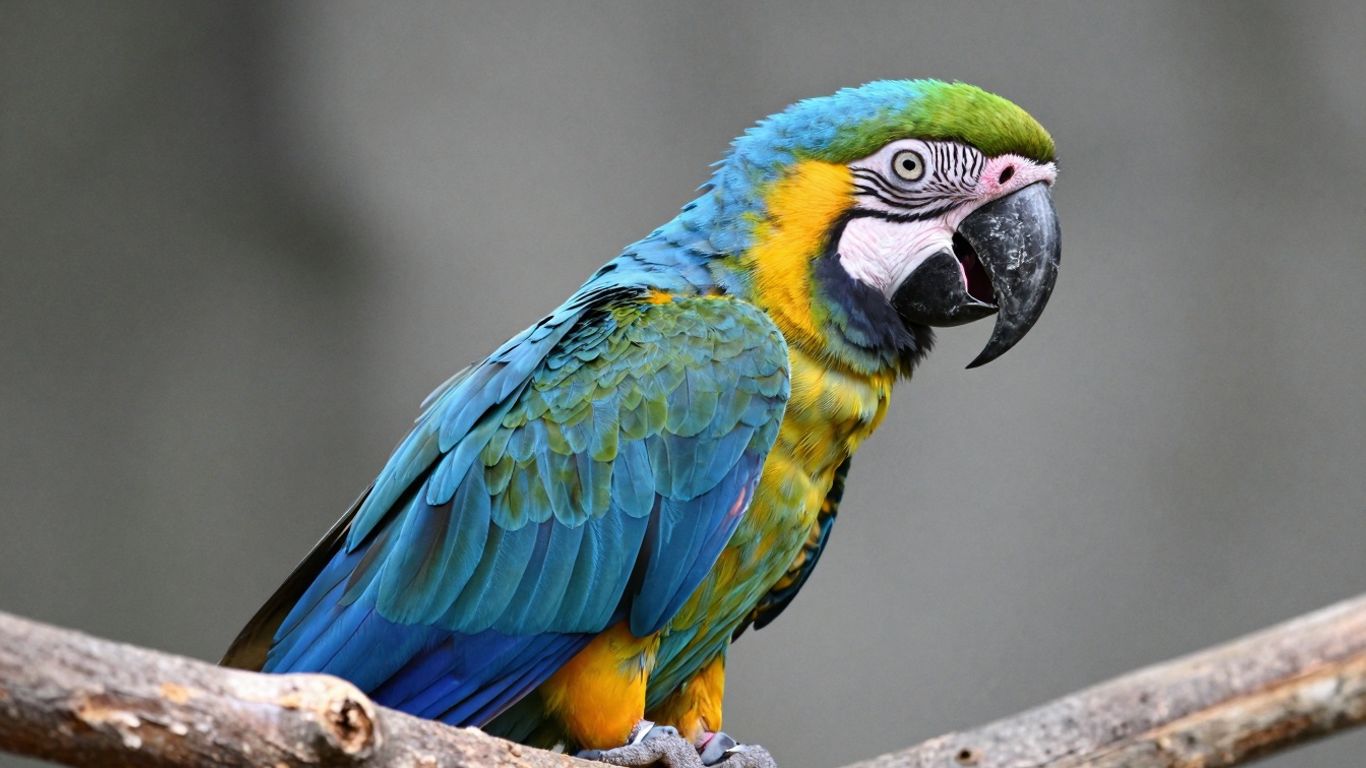
Find Your Perfect Companion: Hahns Macaw For Sale Near You
Thinking about getting a parrot? Maybe you’ve seen those big, beautiful macaws and thought, ‘Wow, I wish I had the space for that!’ Well, good news! There are smaller macaws that pack all the personality and smarts into a more manageable size. We’re talking about the Hahns Macaw. If you’re looking for a Hahns Macaw for sale, you’re in for a treat. These birds are super smart, can learn to talk, and really bond with their people. Let’s dive into why a Hahns Macaw might be just the companion you’re looking for.
Key Takeaways
- Hahns Macaws are the smallest type of macaw, making them a good fit for homes with less space.
- They are very smart birds and can learn to talk and do tricks.
- These macaws form strong bonds with their owners and are quite social.
- When looking for a Hahns Macaw for sale, expect to pay between $1,200 and $2,500, depending on factors like age and breeder.
- Owning a Hahns Macaw is a long-term commitment, as they can live for 50-70 years with proper care.
Understanding The Hahns Macaw
Physical Characteristics Of The Hahns Macaw
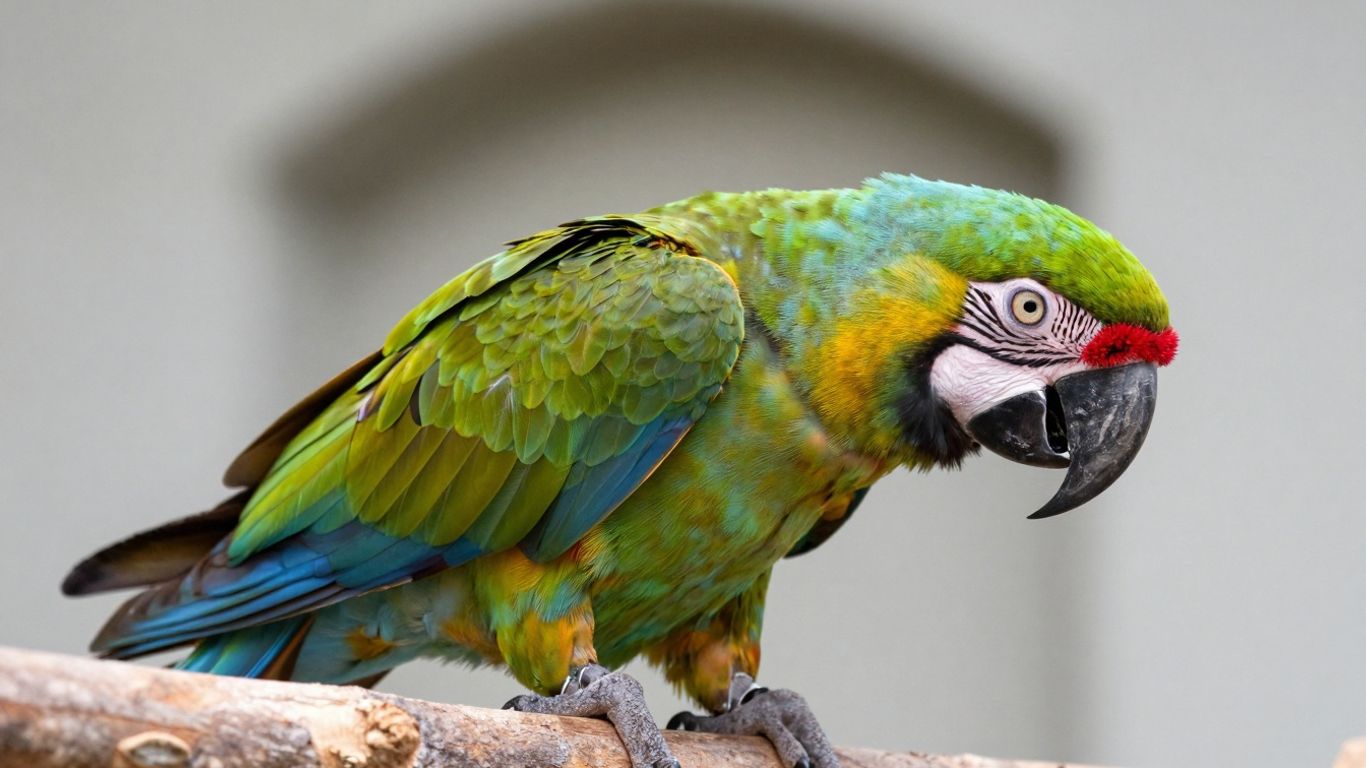
So, you’re curious about the Hahns Macaw? Let’s start with what they look like. These aren’t your giant, flashy macaws, but rather the smallest of the bunch, often called "mini macaws." They typically measure about 12 to 14 inches from head to tail and weigh in around 150 to 165 grams. Their main color is a vibrant emerald green. You’ll spot distinctive patches of red on their shoulders, which is where they get the "Red-shouldered Macaw" nickname. They also have blue flight feathers, yellow bits under their wings, and a black beak with a lighter base. Their eyes are usually a bright orange-yellow, and they have those characteristic bare facial patches that can turn pink when they get excited. They’re a really neat package of macaw traits in a more manageable size.
Native Habitat And Diet
These birds originally come from South America, specifically areas like Venezuela, Guyana, Suriname, French Guiana, and the northern parts of Brazil. They tend to hang out in forests and wooded areas, usually in small groups. Their natural diet is pretty varied, consisting of seeds, fruits, and nuts from palm trees. It’s important to remember this when thinking about what to feed them at home; a balanced diet is key for their health.
Personality And Behavior Traits
Don’t let their smaller size fool you; Hahns Macaws have big personalities. They are known for being super smart and really curious about everything. They love to play and can be a bit mischievous, which keeps things interesting. They also tend to form strong bonds with their people, sometimes becoming quite attached to one person in particular. While they are social, they can also be confident and sometimes a little assertive. They’re good at figuring things out, which ties into their intelligence.
Hahns Macaws are often described as having "big bird personalities in small bird bodies." This means you get a lot of the intelligence, charm, and interaction of a larger macaw, but in a package that’s a bit easier to manage in a home environment.
Here’s a quick rundown of their typical traits:
- Intelligent and Curious: Always exploring and learning.
- Playful and Energetic: They need toys and activities to stay happy.
- Bonding-Oriented: They form strong connections with their families.
- Social: They generally enjoy interaction, both with people and sometimes other birds.
- Vocal: While quieter than larger macaws, they still make noise, especially at dawn and dusk. You can find more information on parrot care.
- Problem Solvers: They enjoy puzzles and figuring things out.
Why A Hahns Macaw Is The Perfect Companion
So, you’re thinking about getting a Hahns Macaw? That’s awesome! These little guys are seriously something special, and honestly, they might just be the perfect feathered friend for a lot of people. They’ve got all the macaw charm but in a size that fits much better into our modern lives.
Ideal Size For Modern Living
Let’s face it, not all of us have a mansion with a dedicated aviary. That’s where the Hahns Macaw shines. They’re the smallest of the macaw bunch, usually topping out around 12 to 14 inches long. This means they don’t need a ridiculously huge cage like their bigger cousins, and they’re much easier to handle.
- Manageable cage size: Less space needed means they fit well in apartments or smaller homes.
- Lower food costs: Smaller birds eat less, which adds up over time.
- Easier handling: Their size makes them less intimidating for new bird owners.
Exceptional Intelligence And Talking Ability
Don’t let their size fool you; Hahns Macaws are incredibly smart. They’re curious and love to figure things out. Many owners say they have the personality of a big bird packed into a small body. They can learn tricks, solve puzzles, and really seem to understand what’s going on around them. And talking? Oh yeah, they can talk! While they might not chat your ear off like some other parrots, many Hahns Macaws pick up a good number of words and phrases. They can even use them in the right situations, which is pretty neat.
These birds are known for their inquisitive nature and their ability to mimic sounds and speech, making them engaging companions for those willing to interact with them regularly.
Strong Bonding Capacity And Social Nature
One of the best things about Hahns Macaws is how closely they bond with their people. They often become very attached to one person, but with good socialization, they can be friendly with the whole family. This deep connection makes owning one a really rewarding experience. They’re social birds, and while they can be happy with just their human family, some might even enjoy the company of another bird. If you’re looking for a companion that will truly be part of your life, a Hahns Macaw is a fantastic choice. They’re known to form strong attachments, and their playful antics will keep you entertained for years. Remember that proper UV lighting is also important for their overall health and well-being, just like it is for many other birds.
Finding Hahns Macaw For Sale Near You
So, you’ve decided a Hahns Macaw is the bird for you. That’s fantastic! These little macaws are truly something special. But where do you actually find one? It’s not quite like picking up a goldfish, you know. You want to make sure you’re getting a healthy, well-adjusted bird from someone who really knows what they’re doing.
What To Expect When Purchasing
When you’re ready to buy, there are a few things to keep in mind. First off, expect to pay a bit. Prices can really vary, but generally, you’re looking at somewhere between $1,200 and $2,500. This depends on a bunch of things like the bird’s age (babies that have been hand-fed usually cost more), how well-trained and socialized it is, and if it’s been DNA sexed. A breeder’s reputation and where they’re located also play a part. Don’t forget to ask what’s included! Good breeders will usually provide:
- A health guarantee and vet records.
- A DNA sexing certificate, if applicable.
- Records of hand-feeding and socialization.
- Detailed care instructions and diet advice.
- Ongoing support for any questions you might have.
The most important thing to remember is that you’re not just buying a pet; you’re bringing a new family member home.
Seasonal Availability Of Birds
While you might find Hahns Macaws available pretty much year-round, the real sweet spot for getting a hand-fed baby is usually during the spring and summer months. That’s when most of the breeding happens. If you have your heart set on a specific bird or age, it’s a good idea to get in touch with breeders early and maybe even put down a deposit. This way, you won’t miss out when they become available. It’s like trying to get tickets to a popular concert – plan ahead!
Choosing A Reputable Breeder
This is probably the most critical step. You want to find someone who is passionate about these birds and prioritizes their health and well-being. Look for breeders who have been around for a while, like Silvergate Bird Farm, which has been breeding Hahns Macaws for over three decades. A good breeder will be happy to answer all your questions, show you their facilities, and let you interact with the birds. They should also have a solid breeding program that focuses on genetic health, proper nutrition for their parent birds, and keeping detailed health records. They’ll also be transparent about the bird’s upbringing, including how and when it was hand-fed and socialized. Finding a breeder who offers ongoing support is a huge plus, as they can be a great resource as you get to know your new companion. You can often find great resources for finding local bird breeders if you search online.
Caring For Your Hahns Macaw
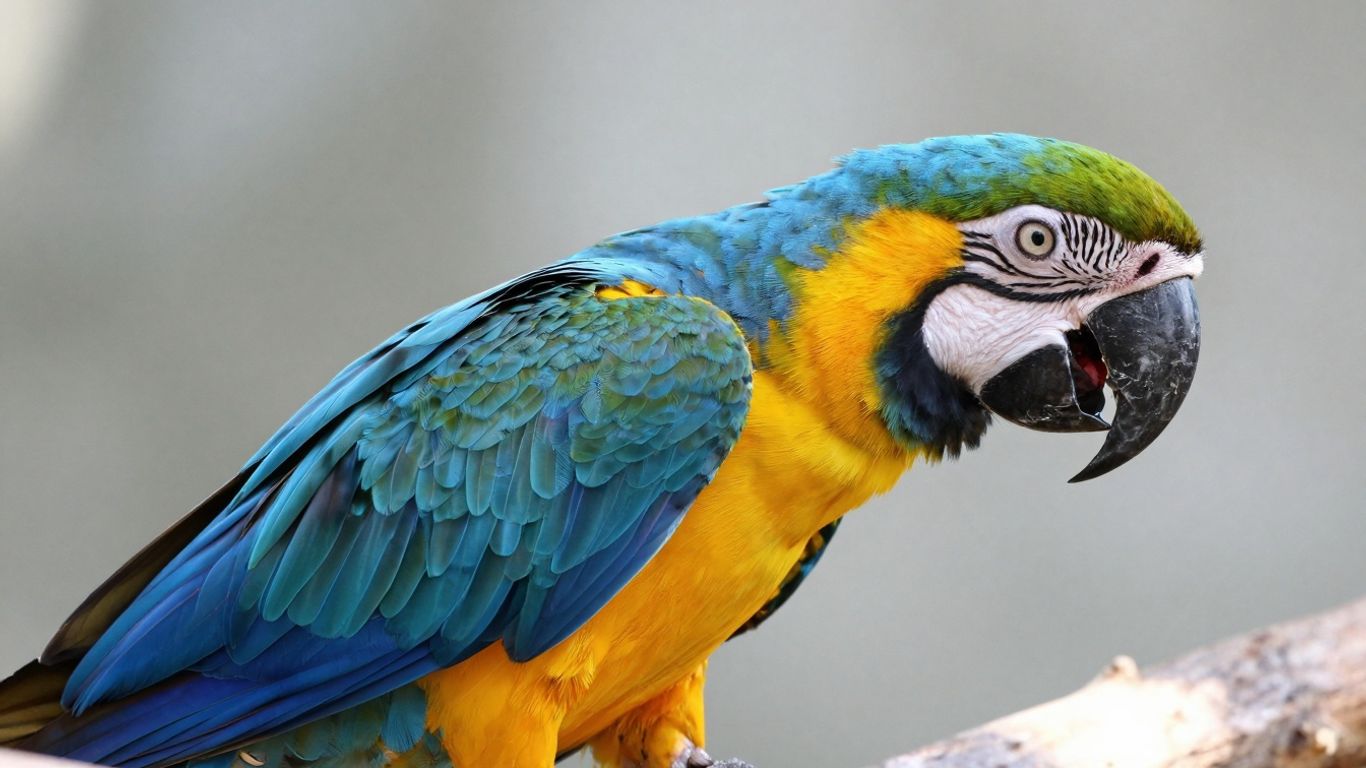
Bringing a Hahns Macaw into your home is a big step, and making sure they’re happy and healthy is key. These birds are smart and social, so they need more than just a cage and some food. They really thrive when they’re part of the family.
Essential Housing Requirements
Your Hahns Macaw needs a good-sized cage. Think about a minimum of 36 inches wide, 24 inches deep, and 48 inches tall. Bigger is always better, though! The bar spacing should be between 3/4 inch and 1 inch so they can’t squeeze through or get their heads stuck. Stainless steel or a good powder-coated finish is best for durability. Inside, you’ll want a variety of perches – different sizes and textures help keep their feet healthy. And don’t forget toys! Lots of them, and rotate them regularly so your bird doesn’t get bored. Food and water dishes should be placed where they won’t get pooped on, which usually means away from perches.
Nutritional Needs For Optimal Health
What you feed your Hahns Macaw makes a big difference in their health. A good diet is mostly high-quality pellets, maybe 70-80% of what they eat. Then, you’ll want to add fresh fruits and vegetables daily, making up about 15-20% of their meals. Healthy nuts and seeds can be given as treats, but keep those to 5-10% because they’re high in fat. Always make sure they have fresh, clean water available and change it every day. Some things are a big no-no, like chocolate, avocado, caffeine, and really fatty foods. Sticking to a balanced diet helps keep them vibrant and active.
Exercise, Enrichment, And Socialization
These birds are active and need plenty of time outside their cage. Aim for at least 3-4 hours a day where they can safely fly or climb around. This is where enrichment comes in. Think about foraging toys that make them work for their treats, or puzzle toys that challenge their smart brains. Social interaction is also super important. They need to spend time with you and your family. If you have a bird-proofed room, that’s ideal for safe playtime. Remember to keep swapping out their toys to keep things interesting. A bored Hahns Macaw can sometimes develop unwanted behaviors.
Hahns Macaws are known for their intelligence and can learn a surprising number of words and phrases. Consistent, positive interaction is key to building a strong bond and encouraging their natural curiosity. They really do best when they feel like a valued member of the household.
Regular check-ups with an avian vet are also part of good care. They’ll need annual exams, and their nails and beak might need trimming now and then. Keeping an eye on their weight and watching for any changes in how they act or eat is also smart. If you get a new bird, it’s a good idea to quarantine them for a bit to make sure they don’t bring any sicknesses home. Taking care of these needs helps your Hahns Macaw live a long, happy life, potentially for many years to come, just like other intelligent birds.
The Investment In A Hahns Macaw
Bringing a Hahns Macaw into your home is definitely more than just acquiring a pet; it’s a significant commitment, both financially and emotionally. These birds aren’t impulse buys. They require a serious look at what you’re getting into, long-term. Think of it like adopting a very smart, very vocal, feathered family member who could be around for a very, very long time.
Understanding Pricing Factors
So, what does a Hahns Macaw actually cost? Prices can swing quite a bit, usually landing somewhere between $1,200 and $2,500. Several things play into this number. For starters, age matters. A hand-fed baby bird, which has had lots of early attention, will typically cost more than an older, already-trained bird. The level of training and socialization the bird has already received also bumps up the price. If you want to know the sex for sure, DNA testing adds a bit to the cost. And, of course, where you get the bird from and how reputable the breeder is makes a difference. A good breeder will also often include health guarantees and ongoing support, which is worth considering.
What Is Typically Included
When you purchase a Hahns Macaw from a good breeder, you should expect more than just the bird itself. Most reputable places will provide:
- A health guarantee, often with recent veterinary records.
- A DNA sexing certificate if you opted for that.
- Records detailing the bird’s hand-feeding and socialization process.
- Clear instructions on diet and general care.
- A promise of ongoing support for any questions you might have down the road.
It’s important to remember that the initial purchase price is just the beginning. You’ll also need to budget for a spacious cage, toys, specialized food, and regular vet check-ups. These birds need a lot of stimulation and specialized care, so factor that into your financial planning.
Long-Term Commitment And Lifespan
This is a big one. Hahns Macaws have impressive lifespans, often living between 50 to 70 years with the right care. This means you’re looking at a companion who could potentially outlive you. It’s a commitment that spans decades, so you really need to think about your life plans and who might care for the bird if your circumstances change. It’s not a pet you can just rehome easily if things get tough. This long-term aspect is why building a strong bond and providing consistent care from day one is so important. It’s an investment in a relationship that can last a lifetime, and many owners find it incredibly rewarding.
Preparing For Your New Companion
Bringing a Hahns Macaw into your home is a big step, and it’s smart to get ready beforehand. These birds are smart and social, so they need a good amount of attention and the right setup to be happy. Thinking ahead can make the transition smoother for both you and your new feathered friend.
Time Commitment and Daily Interaction
Hahns Macaws are not birds you can just put in a cage and forget about. They really need daily interaction to stay well-adjusted and to build that strong bond with you. Expect to spend at least a couple of hours each day interacting with your macaw. This could involve talking to them, playing with them, training them, or just letting them hang out with you while you do other things. Consistent, positive interaction is key to a happy, well-behaved bird. Without enough attention, they can become bored, stressed, or even develop behavioral issues.
Noise Considerations For Your Home
Let’s be real, parrots can be loud. Hahns Macaws, while smaller than some of their larger cousins, can still produce some impressive squawks and calls. They vocalize to communicate, and sometimes it’s just because they’re excited or want attention. Before you bring your macaw home, think about your living situation. Are you in an apartment with thin walls? Do you have close neighbors? It’s a good idea to talk to your landlord or building management if you rent. While you can’t silence them completely, understanding their vocal nature helps manage expectations and can inform where you place their cage. Sometimes, placing the cage in a room that’s less central to the house can help.
Behavioral Training and Socialization
Training and socialization are ongoing processes that start the moment your Hahns Macaw comes home. These birds are incredibly intelligent and can learn a lot, from simple commands to even mimicking speech. Positive reinforcement methods, like using treats and praise, work best. Start with basic training, like step-up commands, and gradually introduce more complex behaviors. Socialization means exposing your macaw to different people, places, and experiences in a controlled and positive way. This helps them become well-rounded and less fearful. It’s also important to socialize them with other pets if you have them, but always do so under strict supervision and with caution.
Getting a Hahns Macaw means committing to a relationship. They are intelligent, social creatures that require significant time, attention, and patience. Preparing your home and your schedule in advance will help ensure a happy and healthy life for your new companion and a rewarding experience for you.
Here’s a quick checklist to get you started:
- Cage Setup: Ensure the cage is large enough and equipped with perches, toys, and food/water dishes.
- Diet Plan: Have a varied and nutritious diet ready, including pellets, fresh fruits, vegetables, and seeds.
- Enrichment: Gather a variety of safe toys that encourage chewing, climbing, and mental stimulation.
- Veterinary Care: Find an avian veterinarian in your area and schedule an initial check-up.
- Time Allocation: Block out dedicated time each day for interaction, training, and play.
Ready to Find Your Feathered Friend?
So, you’re thinking about adding a Hahns Macaw to your life? That’s awesome! These little macaws really do pack a punch when it comes to personality and smarts, all in a size that fits nicely into most homes. Remember, they need your time and attention, but the bond you’ll build is totally worth it. If you’re ready for a smart, chatty, and loving companion that will be with you for years, start looking for a Hahns Macaw near you. It’s a big decision, but finding the right bird can bring so much joy.
Frequently Asked Questions
How long do Hahns Macaws usually live?
With good care, these birds can be your buddies for a really long time, often between 50 and 70 years! They’re definitely a long-term commitment, like a family member for life.
Can Hahns Macaws talk and learn tricks?
Yes! Hahns Macaws are super smart and can learn to talk, sometimes picking up 20 to 50 words or more. They can also learn tricks and figure out puzzles, making them really fun to interact with.
Are Hahns Macaws very loud?
While all parrots can make noise, Hahns Macaws are much quieter than their bigger macaw relatives. They might squawk at dawn or dusk, but they’re generally more manageable for homes where noise is a concern.
What kind of food do Hahns Macaws need?
A healthy diet for them includes good quality bird pellets, lots of fresh fruits and veggies, and just a few seeds or nuts as special treats. Always make sure they have clean water, too!
How big do Hahns Macaws get?
They’re called ‘mini macaws’ for a reason! Hahns Macaws are the smallest of the macaw family, usually growing to about 12 to 14 inches long. This makes them a great choice for smaller living spaces.
Do Hahns Macaws need a lot of attention?
Yes, they really do! Hahns Macaws are very social and need several hours of playtime and interaction with you every day. They can get lonely or bored if they don’t get enough attention.