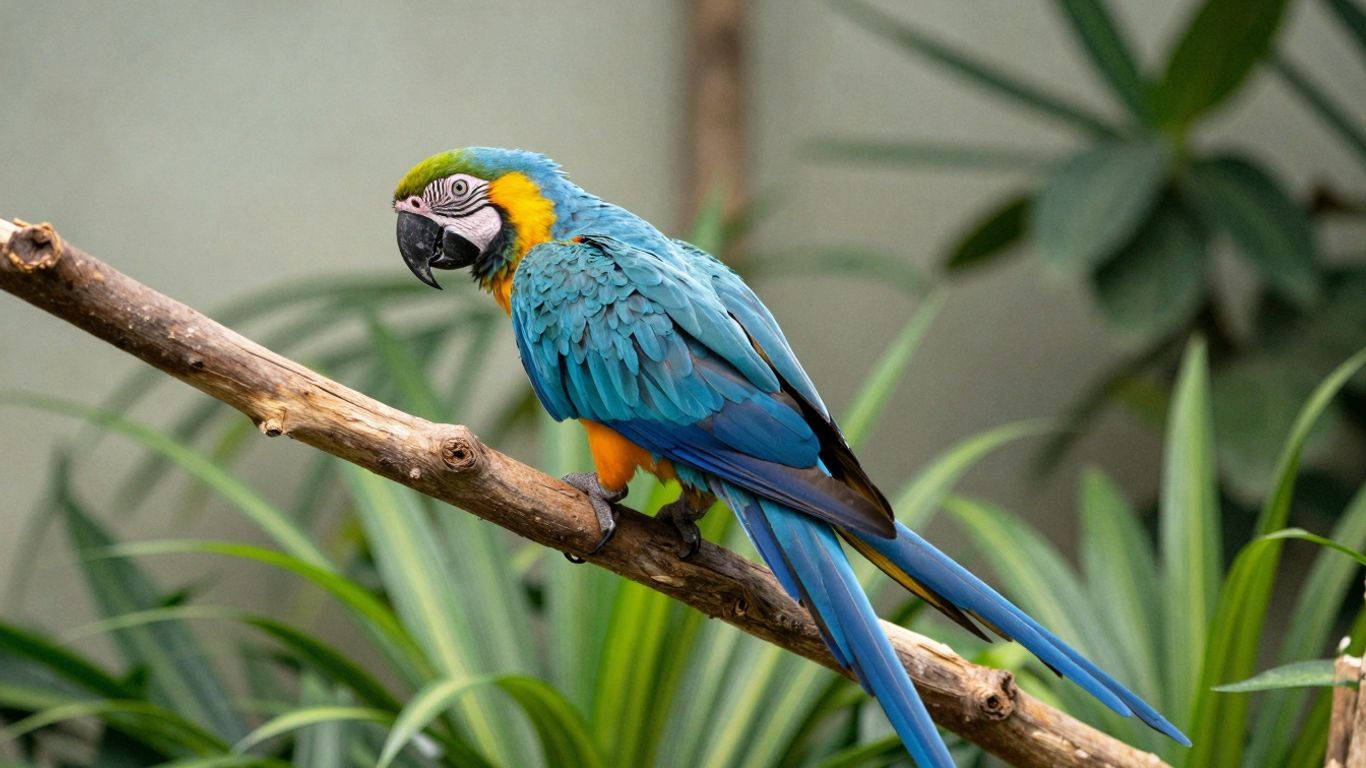
Find Your Perfect Companion: Baby Blue and Gold Macaw For Sale Near You
Thinking about adding a Blue and Gold Macaw to your family? It’s a big decision, and finding the right bird is super important. This article is all about helping you find a baby Blue and Gold Macaw for sale, making sure you know what to look for, how to care for them, and what this amazing commitment really means. We’ll cover everything from picking a good breeder to setting up their home and understanding their unique personalities. Let’s get you ready to welcome one of these smart, colorful birds into your life.
Key Takeaways
- Blue and Gold Macaws are smart, social birds known for their talking abilities and vibrant looks, making them wonderful, though demanding, companions.
- When looking for a Baby Blue and Gold Macaw for sale, prioritize breeders who provide health guarantees, documentation, and a history of good socialization practices.
- Proper care involves a balanced diet of pellets, fresh foods, and treats, along with a spacious cage, plenty of toys, and daily social interaction.
- These birds have a very long lifespan, often 60-80 years, so owning one is a commitment that can span multiple generations of your family.
- Be prepared for their vocal nature, need for attention, and potential for destructiveness if not properly stimulated and trained.
Discover Your Blue and Gold Macaw Companion
Why Choose a Blue and Gold Macaw?
Thinking about bringing a big, colorful parrot into your life? A Blue and Gold Macaw might just be the perfect fit. These birds are truly something special. They’re known for their stunning looks – think bright blue wings and a sunny yellow chest – but there’s so much more to them than just good looks. They’re incredibly smart, form strong bonds with their people, and can live for a really, really long time. If you’re looking for a pet that’s more like a feathered family member, a macaw could be it. They’re not just pets; they’re companions that can be part of your life for decades. They’re social creatures, too, and really thrive when they’re involved in what’s going on around them. Just remember, their intelligence means they need plenty of mental stimulation to stay happy and out of trouble.
Meet Our Hand-Raised Babies
When you’re looking for a Blue and Gold Macaw, finding one that’s been raised by hand from a young age makes a huge difference. Our babies are given lots of attention right from the start. This early handling helps them become super friendly and comfortable around people. They’re used to being around humans and often develop a really sweet, trusting nature. We make sure they get plenty of interaction, so they’re ready to be a part of your family. Each bird comes with a DNA test, so you know exactly what you’re getting, and we check them over carefully to make sure they’re healthy – good wings, clear eyes, healthy feet, the whole deal. They’re ready to play and interact, and they really enjoy that connection with their owners.
A Lifetime of Companionship
Owning a Blue and Gold Macaw is a commitment, but it’s one that can bring so much joy. These birds can live for 50 years or even longer, so you’re really looking at a lifelong friend. They’re known for their personalities and can even pick up on words and phrases, sometimes using them in funny ways. They’re social birds, so spending time with them every day is important. Think of it like having a very intelligent, very vocal toddler who never really grows up! They need interaction, mental challenges, and a stable environment. It’s a big responsibility, but the bond you can form with a macaw is pretty amazing. They become a true part of the family, sharing in your life for many, many years.
Finding a Blue and Gold Macaw For Sale
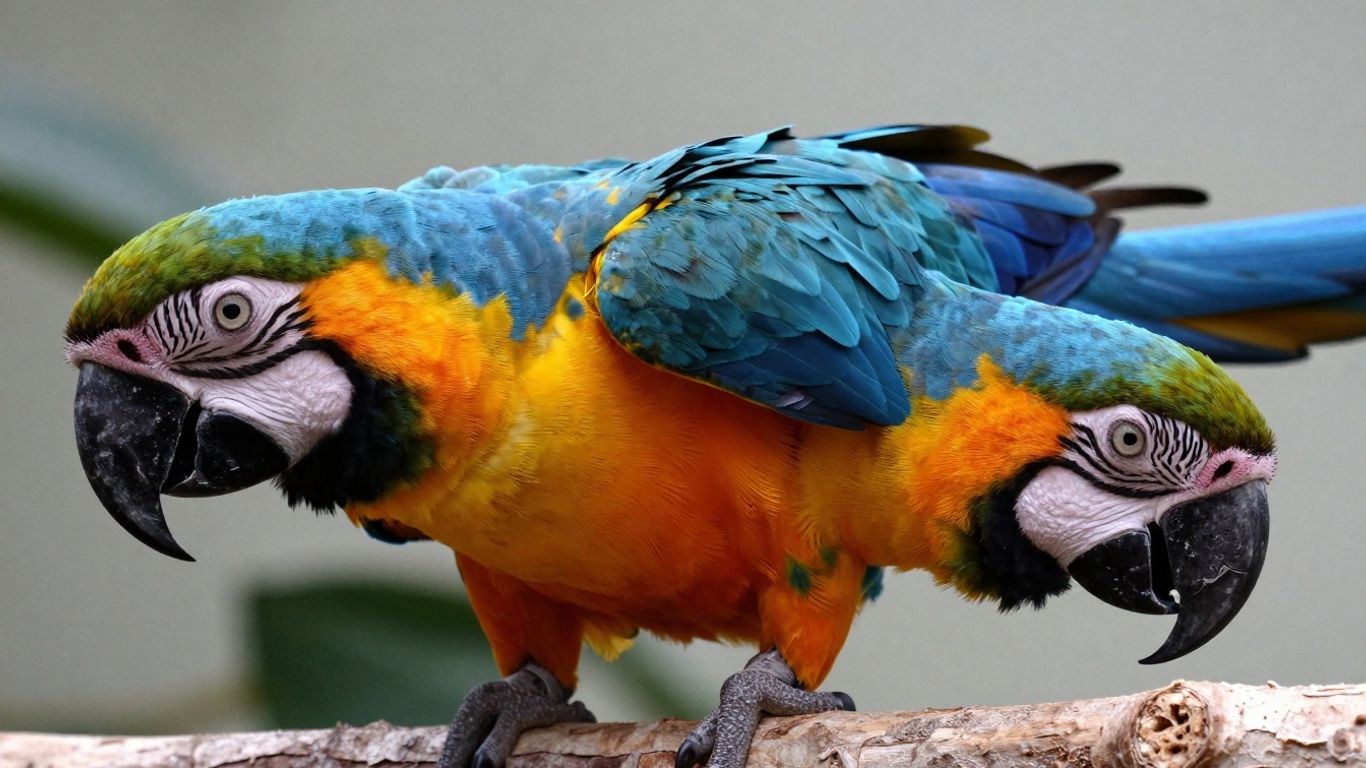
So, you’ve decided a Blue and Gold Macaw is the bird for you. That’s fantastic! These birds are truly something special. But before you bring one home, you need to find a good source. It’s not like picking up a goldfish, you know? You want to make sure you’re getting a healthy, well-adjusted bird from someone who really knows what they’re doing.
What to Look For in a Breeder
Finding the right breeder is probably the most important step. A good breeder isn’t just someone who has baby macaws for sale; they’re someone who cares deeply about the well-being of their birds. They should be knowledgeable and happy to answer all your questions, no matter how basic they might seem. A reputable breeder will prioritize the health and temperament of their birds above all else.
Here are some things to keep an eye out for:
- Health and Documentation: Ask about health guarantees. Do they do any health testing on their parent birds? Will you get a health certificate from a vet? They should also provide documentation like a DNA certificate to confirm the bird’s sex.
- Socialization: How are the babies raised? Are they handled regularly from a young age? A well-socialized macaw will be more comfortable around people and less likely to develop behavioral issues later on.
- Facility Conditions: If possible, ask to see where the birds are kept. It should be clean, spacious, and safe. A breeder who is transparent about their setup is usually a good sign.
- Ongoing Support: Do they offer any advice or support after you take the bird home? A good breeder wants to see their birds thrive in their new environments.
Health Guarantees and Documentation
When you’re looking at a "Blue and Gold Macaw for sale," don’t shy away from asking about health guarantees. A breeder who stands behind their birds will typically offer some kind of guarantee, often for a specific period, against common avian diseases. This shows they are confident in the health of the birds they are raising.
Beyond the guarantee, the paperwork is important. You’ll want to see:
- Veterinary Health Certificate: Proof that a vet has examined the bird and found it to be healthy.
- DNA Sexing Report: If you want to know for sure if your macaw is male or female.
- Parentage Information: Some breeders might provide details about the parent birds, which can give you an idea of potential temperament and health history.
- Dietary Information: What have they been feeding the bird? This helps you transition them to their new diet smoothly.
Shipping and Delivery Options
Sometimes, the perfect Blue and Gold Macaw isn’t just around the corner. If you find a breeder you trust but they’re not local, you’ll need to consider shipping. Reputable breeders who ship will have established procedures to ensure your new pet arrives safely.
- Live Arrival Guarantee: This is a must. It means if the bird doesn’t make it through shipping, you’ll get a refund or a replacement.
- Specialized Shipping Crates: Birds are usually shipped in secure, well-ventilated crates designed for avian transport.
- Temperature Considerations: Good breeders will monitor weather conditions and avoid shipping during extreme heat or cold.
- Documentation for Travel: They should handle all the necessary permits and health certificates required for transport, whether it’s across state lines or internationally.
Finding a reputable breeder is key to starting your journey with a Blue and Gold Macaw on the right foot. It takes a bit of research, but the peace of mind knowing you’re getting a healthy, well-cared-for bird is absolutely worth it. Don’t rush the process; your future feathered friend deserves the best possible start.
Caring for Your Blue and Gold Macaw
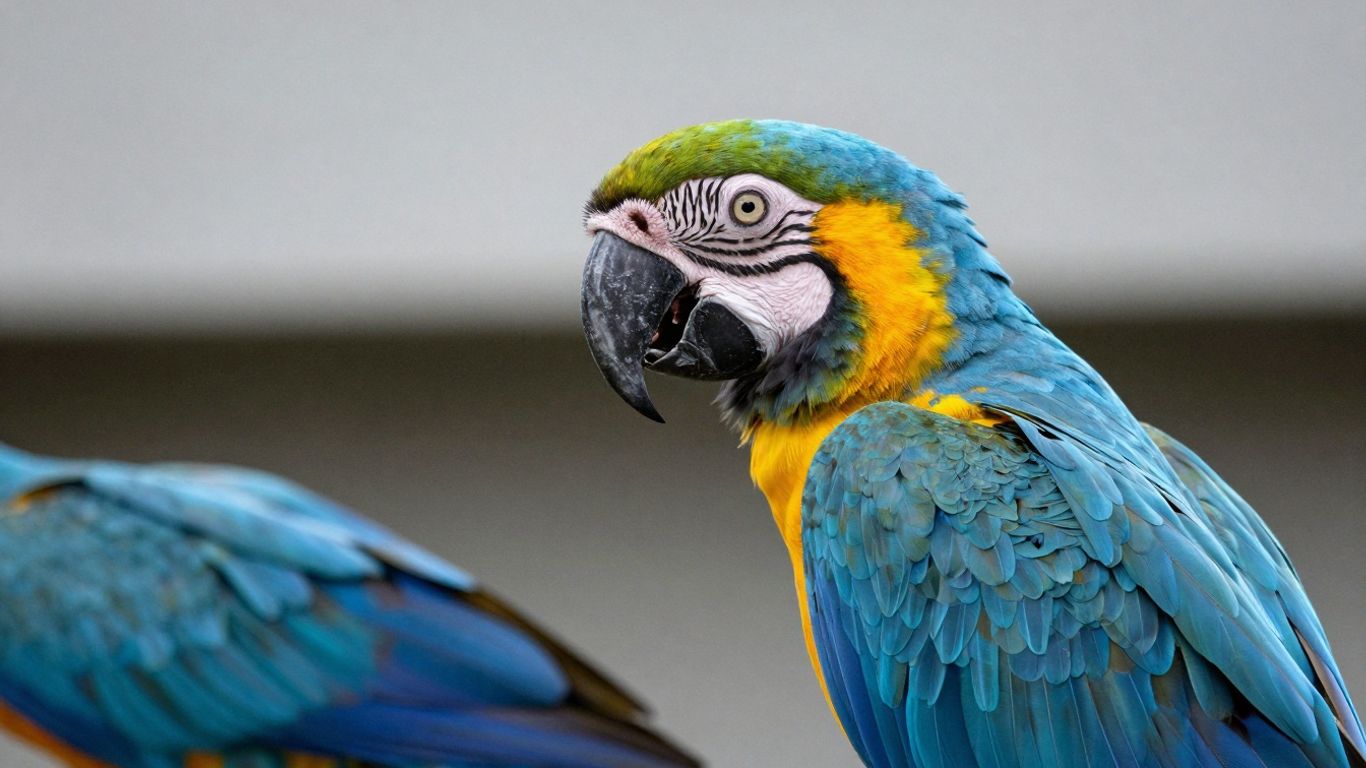
Bringing a Blue and Gold Macaw into your home is a big step, and making sure they’re happy and healthy means paying attention to a few key things. It’s not just about giving them food and water; it’s about creating an environment where they can really thrive.
Essential Cage Setup and Accessories
The cage is your macaw’s main living space, so it needs to be just right. Think big – these birds are large and need room to move. A good starting point for a single bird is a cage that’s at least 40 inches wide, 30 inches deep, and 60 inches tall. The bar spacing should be between 1 and 1.5 inches apart to keep them safe. Stainless steel or powder-coated steel are the best materials; avoid anything galvanized.
Inside the cage, variety is key for perches. Offer different diameters and textures, like natural wood branches or rope perches, to keep their feet healthy. Stainless steel or ceramic bowls for food and water are easy to clean and durable. And don’t forget toys! Macaws are smart and need mental stimulation. Have a rotation system with 3-4 toys at a time, swapping them out weekly to keep things interesting. Puzzle feeders and foraging toys are great for keeping their minds busy.
Placing the cage in a busy part of the house, like the living room, lets your macaw be part of the family action. Just make sure there’s also a quieter spot in the cage where they can retreat and feel secure when they need some downtime. Keep the cage away from the kitchen, bathrooms, or any drafty spots.
Nutrition for Optimal Health
What you feed your macaw makes a huge difference in their overall health and how long they live. A balanced diet is the goal here. The bulk of their food, about 60-70%, should come from a high-quality pellet formulated for large parrots. This gives them a solid nutritional base.
Then, you’ll want to add plenty of fresh vegetables, making up about 20-25% of their diet. Think dark leafy greens, carrots, bell peppers, and sweet potatoes. Fresh fruits should be given in smaller amounts, around 5-10%, like apples, berries, or tropical fruits. Healthy nuts and seeds can be used sparingly as treats or training rewards, making up another 5-10%.
Here’s a quick rundown of what to include and what to avoid:
- Daily Diet Components:
- 60-70% High-quality parrot pellets
- 20-25% Fresh vegetables
- 5-10% Fresh fruits
- 5-10% Healthy nuts and seeds (as treats)
- Foods to Strictly Avoid:
- Chocolate, caffeine, alcohol
- Avocado, onions, garlic
- Salty, fatty, or processed human foods
- Fruit pits and apple seeds
Serve fresh food twice a day, and always remove uneaten portions after a couple of hours to prevent spoilage. Fresh water should be available constantly and changed daily.
Daily Care and Social Interaction
Macaws are incredibly social creatures, and they need a good chunk of your time every single day. Aim for at least 3-4 hours of direct interaction, play, and training. Without this social connection, they can get bored, stressed, and develop behavioral issues. Supervised time outside the cage in a bird-proofed room is also important for exercise and exploration.
Mental stimulation is just as vital as physical activity. Rotate their toys regularly to keep them engaged, and provide opportunities for foraging. Training sessions, even short ones, are fantastic for both mental exercise and strengthening your bond. Keep an eye on their health too – monitor their eating, drinking, and droppings daily. Weekly weight checks and monthly beak and nail inspections are good practices. And of course, regular check-ups with an avian vet are a must.
Understanding Blue and Gold Macaw Behavior
Their Remarkable Talking Ability
Blue and Gold Macaws are known for being quite chatty. They start making noises and trying out words pretty early on, usually around six to eight months old. With a bit of consistent effort, they can pick up a good number of words, maybe 15 to 20, and say them pretty clearly. It’s not just words, though; they can learn short phrases and even little songs. You’ll also notice they’re great at mimicking sounds around the house, like the phone ringing or the microwave beeping. Some macaws even develop their own little speech patterns, favoring certain words or phrases and using them in funny, fitting ways. It’s like they have their own unique way of communicating with you.
Socialization and Training Needs
These birds are super social and really need a lot of interaction. Think at least three to four hours a day spent talking, playing, and training with them. If they don’t get enough attention, they can start acting out. Training works best when you keep it positive. Use treats and praise when they do something right. Keep training sessions short, maybe 10 to 15 minutes a few times a day, and be patient. They learn best with clear, repeated instructions. Basic commands like ‘step up’ and ‘step down’ are a good start, but you can also teach them tricks to keep their minds busy.
- Positive Reinforcement: Always reward good behavior immediately with a favorite treat or praise.
- Consistency is Key: Use the same words and signals for commands every single time.
- Short, Frequent Sessions: Multiple brief training periods are more effective than one long one.
- Patience: Learning takes time; celebrate small victories and don’t get discouraged.
Potential Challenges to Consider
While amazing companions, Blue and Gold Macaws aren’t for everyone. They can be incredibly loud, especially during their morning and evening calls. If they don’t have enough toys and mental stimulation, they can get destructive. Without proper handling and socialization from a young age, they might nip or even get a bit aggressive. They’re also messy eaters, so expect daily cage cleaning. Meeting their complex needs requires a significant time commitment and a good understanding of parrot behavior.
Owning a macaw is a long-term commitment, often spanning decades. Their intelligence and social needs mean they require constant engagement and a stimulating environment to thrive. Without this, behavioral issues can arise, making them challenging pets for unprepared owners.
The Lifelong Commitment of Macaw Ownership
Understanding Their Extended Lifespan
So, you’re thinking about bringing a Blue and Gold Macaw into your life. That’s fantastic! These birds are truly amazing. But before you get swept away by those brilliant colors and intelligent eyes, let’s talk about something really important: how long they live. We’re not talking about a few years here; these parrots can be with you for a very, very long time. Seriously, we’re talking about a commitment that could span 60 to 80 years, sometimes even longer. That’s longer than many marriages, longer than most careers, and definitely longer than most people expect when they first fall in love with a macaw. It means this bird could be a part of your family for generations. Think about it – your kids might grow up with the macaw, and then their kids might too. It’s a pretty wild thought, right? This isn’t a pet you get on a whim; it’s a decision that requires serious foresight.
Preparing for a Multigenerational Pet
Because these macaws can live so long, you need to think beyond just your own lifetime. What happens to your feathered friend if something unexpected happens to you? It’s a tough question, but an important one. You might need to consider making arrangements in your will, just like you would for any other significant family heirloom or responsibility. This ensures that your macaw will continue to receive the best care, no matter what life throws your way. It’s about making sure they’re looked after, always. Think about who in your family or circle of friends would be willing and able to take on such a responsibility. It’s not just about having a bird; it’s about continuing a relationship that you started. You’ll want to make sure that whoever takes over understands the bird’s needs, its personality, and the bond you shared. It’s a way to honor the connection you built.
Ensuring Continued Care
As the years go by, your macaw will change, and so will your life. Their needs might shift as they age, just like ours do. You’ll need to be prepared for potential changes in diet, activity levels, and even their social interactions. Regular check-ups with an avian vet are non-negotiable throughout their entire life. Finding a good vet who knows macaws is key, and you’ll want to establish that relationship early on. It’s also about staying informed. The world of avian care is always evolving, so keeping up with the latest recommendations for diet, enrichment, and health is part of the deal. This long-term dedication is what makes owning a macaw so unique and, for the right person, incredibly rewarding. It’s a journey, not just a pet ownership.
Owning a Blue and Gold Macaw is more than just having a pet; it’s about welcoming a sentient being into your life who will share it with you for decades. This requires a deep commitment to their well-being, adapting to their changing needs, and planning for their future care, even beyond your own. It’s a profound responsibility that, when met, creates an unparalleled bond.
Bringing Home Your New Friend
So, you’ve decided a Blue and Gold Macaw is the bird for you. That’s fantastic! Now comes the exciting part: getting your new feathered family member home. It’s a big step, and we want to make it as smooth as possible for both you and your new companion.
Payment and Financing Options
We understand that bringing home a macaw is an investment. To help make it easier, we accept several payment methods. You can pay with major credit cards, bank transfers, or even explore financing options if you need a little extra flexibility. We want to make sure you can focus on your new bird, not the paperwork.
What to Expect Upon Arrival
When your macaw arrives, it’s important to give them space and time to adjust. They’ve been through a journey, and a quiet, calm environment is best for the first few days. We’ll provide you with a starter kit including some of their usual food, a guide on transitioning them to their new home, and tips for initial bonding. The first few days are all about letting your new friend settle in without too much fuss.
Here’s a quick checklist for arrival day:
- Prepare the Cage: Make sure the cage is set up with food, water, and some familiar toys before they arrive.
- Quiet Zone: Designate a quiet area in your home where the cage will be placed, away from loud noises and high traffic.
- Gentle Introduction: Allow your macaw to explore their new surroundings at their own pace. Avoid overwhelming them with too many visitors or activities right away.
- Observe: Watch for signs of stress or comfort. Every bird is different, and understanding their cues is key.
Ongoing Breeder Support
Our relationship doesn’t end when you take your macaw home. We’re here to support you throughout your bird’s life. Whether you have questions about diet, behavior, or just want to share a cute story, our team is available. We believe in building a community of happy macaw owners, and that means providing help whenever you need it. Don’t hesitate to reach out to us at Ana’s Parrots & Supplies with any concerns or just to chat about your amazing bird.
Adjusting to a new home takes time for any pet, and macaws are no different. Patience and a gentle approach will go a long way in building a strong bond with your new companion. Remember, they are intelligent creatures who thrive on routine and positive interaction.
Ready to Bring Home Your Blue and Gold Macaw?
So, you’ve learned a lot about these amazing birds. Blue and Gold Macaws are truly special, offering a lifetime of fun and companionship. If you’re thinking about adding one to your family, remember they need a lot of attention and the right setup. Finding a good breeder is key to getting a healthy, happy bird. Take your time, do your homework, and get ready for an incredible journey with your new feathered friend. It’s a big commitment, for sure, but the rewards of having such an intelligent and vibrant companion are pretty amazing.
Frequently Asked Questions
How much does a Blue and Gold Macaw usually cost?
You can expect to pay anywhere from $1,200 to $3,000 for a Blue and Gold Macaw from a good breeder. Birds that are raised by hand and are very friendly often cost a bit more. Don’t forget to budget for things like a cage, toys, and the first vet visit, which can add another $1,000 to $2,000.
Is a Blue and Gold Macaw a good choice for a first-time bird owner?
Generally, no. These birds are quite large, live for a very long time, can be very noisy, and need a lot of special care. It’s usually better to start with smaller parrots if you’ve never owned a bird before.
How loud are Blue and Gold Macaws?
They are known to be one of the loudest types of parrots! Their calls can be over 100 decibels, which is super loud. They tend to be most vocal in the morning and evening, sometimes for up to an hour.
Can I keep a Blue and Gold Macaw with other birds?
It’s possible, but you have to be very careful. You need to consider their size differences, how they act around other birds, and each bird’s unique personality. Many macaws do well living alone as long as they get plenty of attention from their human families.
What’s the best age to get a Blue and Gold Macaw?
Getting a baby that’s about 4 to 6 months old is often ideal. They’ll be done with baby food but still young enough to learn and bond with you easily. Older birds can also be great pets, but they might need a little more time to get used to their new home.
Do I need any special papers to own a Blue and Gold Macaw?
Usually, if the bird was born in captivity, you don’t need special permits. However, some places have rules about owning large parrots. It’s always a good idea to check the local laws where you live before you buy one.

Find Your Perfect Green Wing Macaw For Sale: A Comprehensive Guide – TROY Kelso Farms
December 31, 2025[…] These big birds need space, and I mean space. A small cage just won’t cut it. You’ll need a large, sturdy cage, preferably made of stainless steel or a strong powder-coated metal. The bar spacing should be appropriate so they can’t get their heads stuck. Inside, you want a variety of perches – different sizes, textures, and materials are best for their feet. Think natural branches, rope perches, and maybe some flat perches too. They also need plenty of toys to keep them busy. Rotate these toys regularly to prevent boredom. And don’t forget, they need time outside the cage every single day for exercise and interaction. A safe, supervised area is a must for this out-of-cage time. […]