Find Top Quality Gamefowl for Sale: Your Ultimate Guide
Looking for top-notch gamefowl for sale? It can be a bit of a puzzle, right? Whether you’re aiming to show them off, add to your flock, or just admire these amazing birds, finding the right ones is key. This guide is here to help you sort through the options, figure out what makes a good bird, and where to find them. We’ll cover everything from understanding different breeds to making sure you get healthy, quality fowl. Let’s get started on finding that perfect gamefowl for sale.
Key Takeaways
- When looking for gamefowl for sale, know the popular breeds like American, Aseel, and Indian Game, and understand their traits.
- Check out breeders carefully and look into bloodlines to find quality birds; visiting in person is often best.
- Pick individual birds by looking at their physical build, how they act, and their age to match your goals.
- Build good relationships with breeders and be respectful when searching for gamefowl for sale.
- Focus on health and good nutrition to keep your gamefowl active and performing well.
Understanding Gamefowl Breeds for Sale
Exploring Popular Gamefowl Varieties
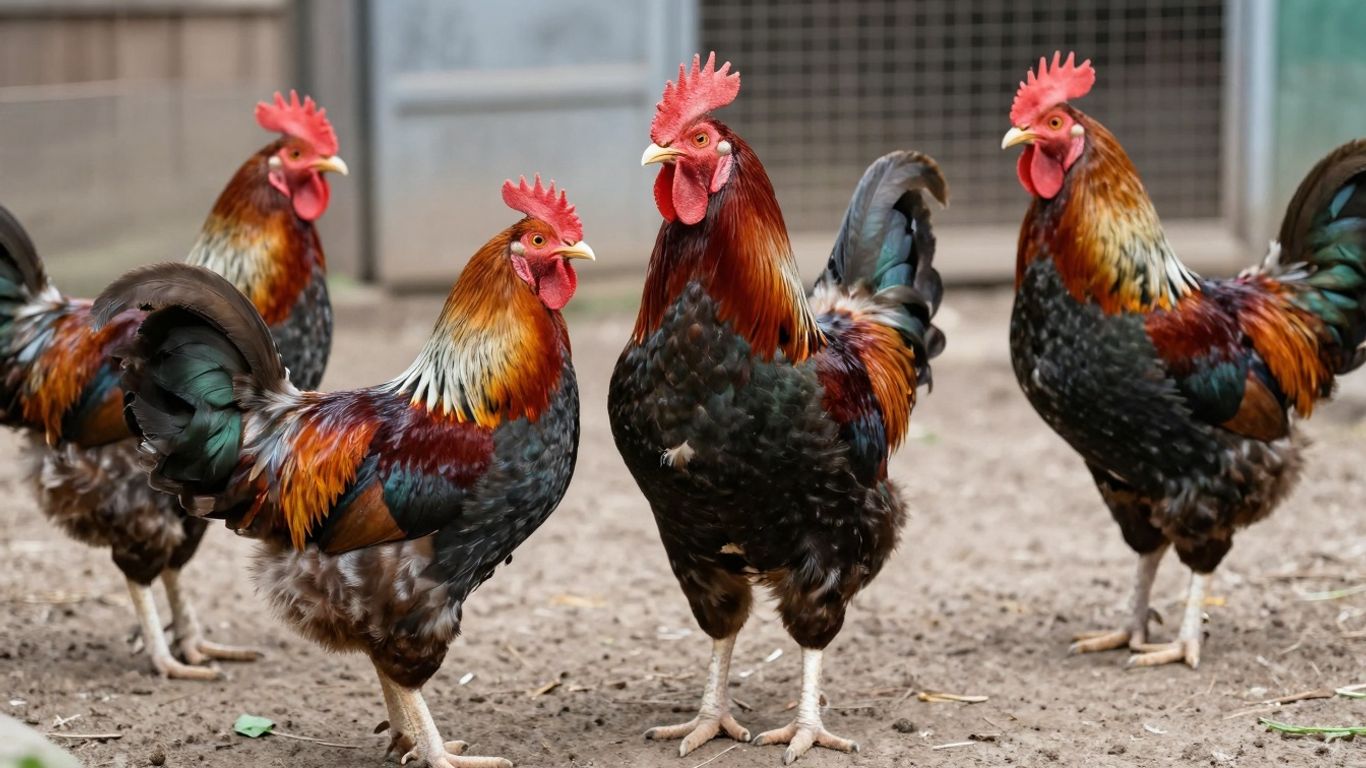
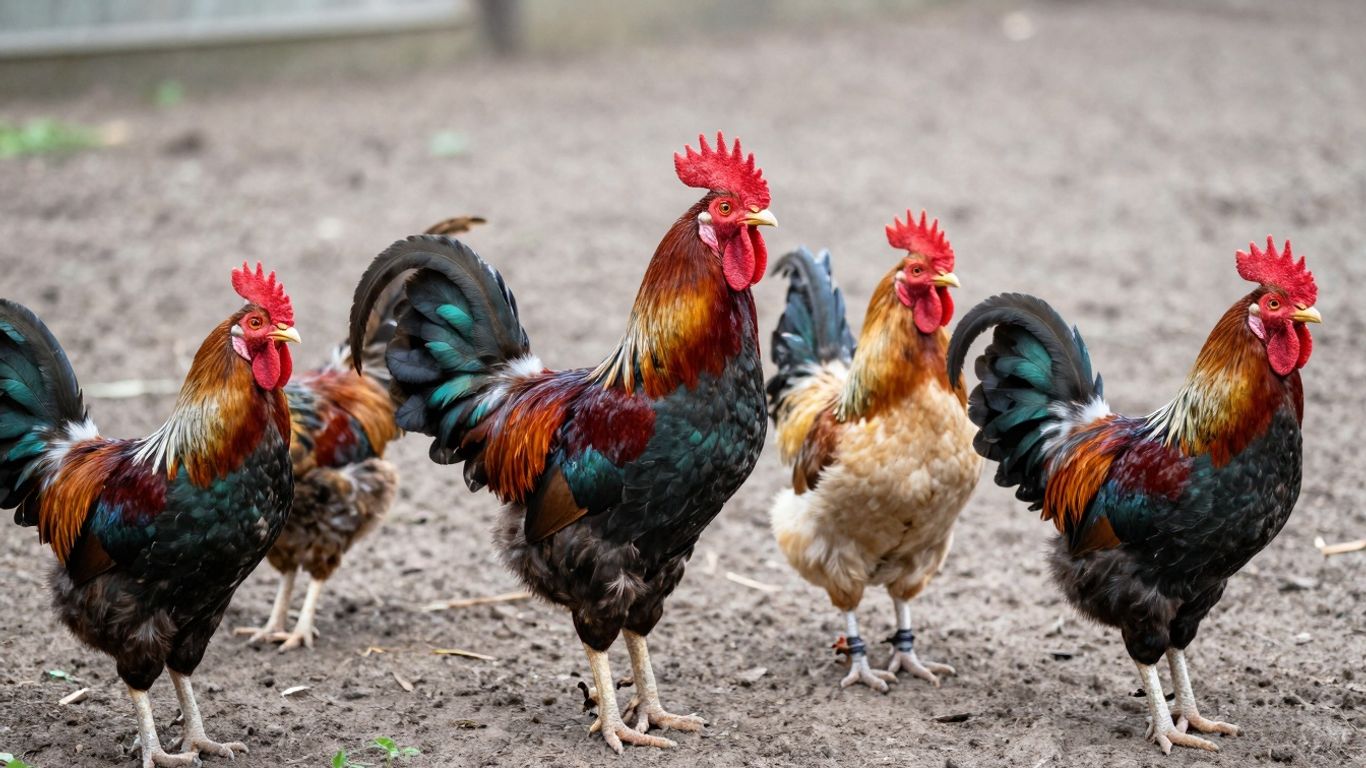
When you’re looking for gamefowl, you’ll find a whole world of different breeds, each with its own history and traits. It’s not just about picking any bird; it’s about understanding what makes each type special. Some breeds, like the American Game, have a long history tied to the early days of the country, with even historical figures like Thomas Jefferson and George Washington being fans of these birds. Others, such as the Australian Game Fowl, developed in a different part of the world and are known for their toughness and striking looks, often seen in shows today. Then there are breeds like the Cubalaya, originally from Cuba, which are admired for their unique upright stance and colorful feathers. Knowing these popular varieties is your first step to finding the right birds for your needs.
Key Characteristics of Top Breeds
What sets the top gamefowl breeds apart? It often comes down to a combination of physical traits and their natural disposition. You’ll see birds bred for stamina, a strong will, and a hardy nature that allows them to thrive in various conditions. Their build is usually muscular and compact, designed for agility and strength. When looking at different breeds, pay attention to:
- Body Structure: Look for a balanced physique, good muscle development, and a strong frame.
- Temperament: While bred for certain qualities, individual birds can vary. Some are known for being more alert and energetic, while others might be calmer.
- Adaptability: Consider how well a breed handles different climates and environments, which is important for overall health.
Historical Significance of Gamefowl
Gamefowl have a really long history, stretching back centuries. They weren’t just farm animals; they were bred for specific purposes, often related to fighting prowess. This selective breeding has shaped the birds we see today, giving them distinct characteristics. Many breeds trace their lineage back to wild junglefowl, and over time, humans have refined them to emphasize certain traits. This legacy means that even though activities like cockfighting are now illegal in many places, the breeds themselves continue to be appreciated for their unique qualities, whether for show, as pets, or for preserving their heritage. It’s fascinating to think about the same qualities that captivated people hundreds of years ago still being admired today. You can find more about the history and characteristics of various breeds on sites dedicated to poultry information.
The history of gamefowl is deeply intertwined with human culture and selective breeding practices. These birds have been admired for their spirit, resilience, and physical attributes for generations, leading to the diverse array of breeds available today. Understanding this background helps in appreciating the unique qualities each breed possesses.
Finding Quality Gamefowl for Sale
So, you’re looking to get some good gamefowl, huh? It’s not as simple as just picking the prettiest bird at the market. You really need to know what you’re looking for and where to find it. The best birds come from breeders who really care about their stock and have a history of producing winners. It takes time and effort to find them, but it’s worth it in the long run.
Evaluating Breeders and Sources
When you’re hunting for quality gamefowl, the breeder is everything. You want someone who’s been in the game for a while, knows their birds inside and out, and isn’t afraid to talk about their bloodlines. Ask questions. How long have they been breeding? Where did their original stock come from? What traits do they focus on? A good breeder will be happy to share this information. Sometimes, you can even find great birds by watching them at derbies. If you see a bird that consistently performs well, try to find out who bred it. It might take some persistence, but building a relationship with a reputable breeder is key. You can also find breeders through online ads or hatcheries like Cackle Hatchery, but always try to do your homework first.
The Importance of Bloodlines
Bloodlines are a big deal in the gamefowl world. It’s not just about looks; it’s about what’s in their genes. A strong bloodline means the birds are more likely to have the traits you want, like good stamina, a strong fighting instinct, and overall health. Think of it like a family tree – you want to know the ancestors were good stock. When you talk to breeders, ask them about the specific bloodlines they work with and what makes them special. They should be able to tell you about the history and the strengths of each line. This knowledge helps you pick birds that will likely pass on those desirable qualities to their offspring.
Tips for Purchasing Broodfowl
Buying birds to start your own breeding program, known as broodfowl, requires extra care. You’re not just buying a single bird; you’re investing in the future of your flock. Here are a few things to keep in mind:
- Health First: Always pick birds that are active, alert, and in good body condition. No lethargic or sickly-looking birds allowed.
- Temperament Matters: Look for birds that are relatively calm and easy to handle. A bird that’s constantly stressed or aggressive might not be the best choice for breeding.
- Age and Testing: While young birds (stags and pullets) can be purchased, many experienced breeders prefer to buy birds that are a bit older, say 2 to 5 years. This gives them a chance to see how the bird performs and if it has any hidden issues before adding it to their breeding pens.
When you’re selecting birds, always keep your breeding goals in mind. Each bird you choose should contribute to the kind of offspring you want to produce. It’s about making smart choices for the long haul, not just picking the flashiest bird today.
Selecting Superior Gamefowl Individuals
So, you’ve found a breeder with a good reputation and a bloodline that catches your eye. That’s a big step! But now comes the really detailed part: picking out the actual birds. It’s not just about grabbing the first ones you see. You’ve got to look closely at each bird to make sure it fits what you’re aiming for. This is where your breeding program really starts to take shape.
Assessing Physical Attributes
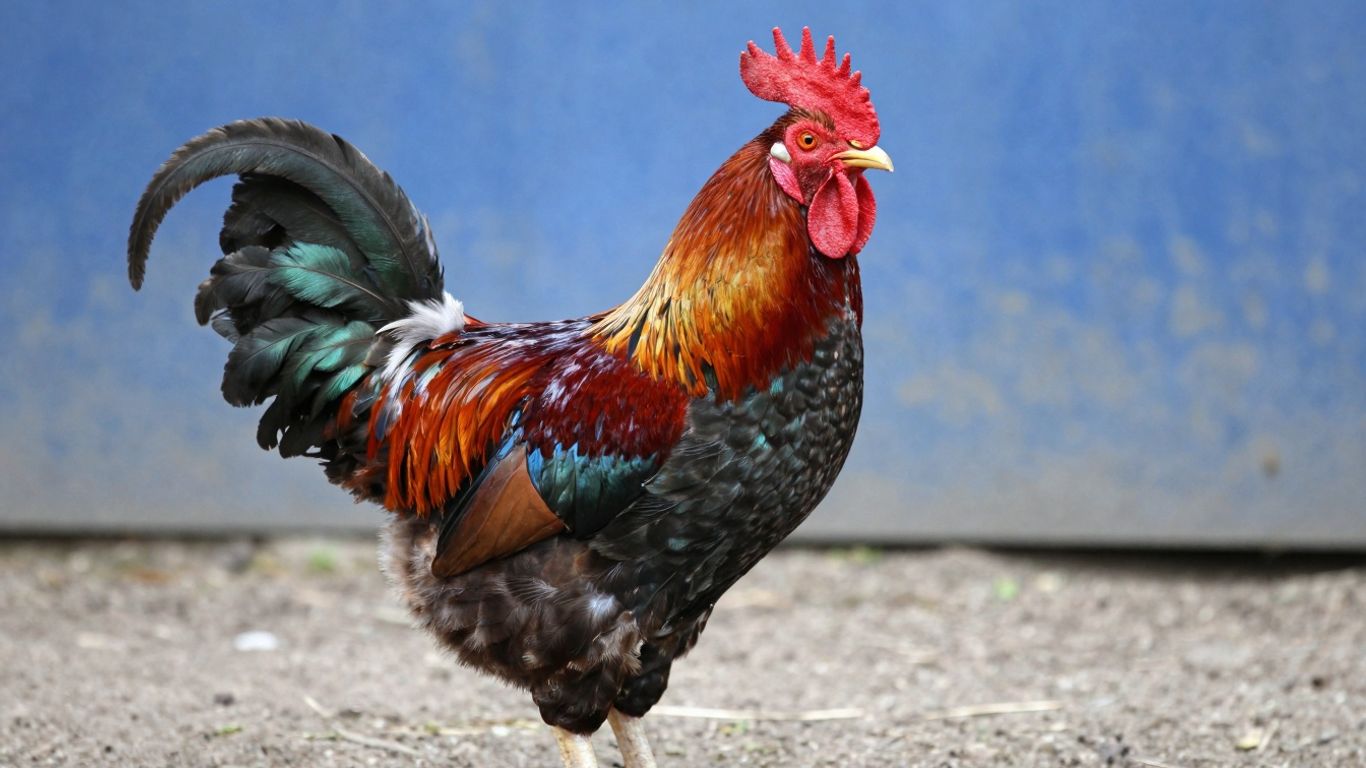
When you’re looking at a bird, its body tells a story. You want to see good conformation – that means the bird is built right, with balanced proportions. Think about the breed’s typical station (how high it stands), its body type, and its overall structure. Are the legs strong and set well? Is the chest deep? Does it look athletic and well-put-together? Uniformity is also a good sign; if a breeder’s birds all look similar in build and color, it suggests they know their breed and are selective. It’s like looking at a well-made tool – you can tell it’s designed for a purpose.
Evaluating Disposition and Temperament
Beyond how a bird looks, how it acts is super important. A bird that’s overly flighty, aggressive, or nervous might be harder to work with in a breeding program. You’re looking for birds that are alert and active, but also relatively calm and sensible. This doesn’t mean they should be sluggish, but a bird that’s easy to handle and doesn’t panic easily will make your life a lot simpler. A good temperament can often be passed down, and it makes the whole process of managing your flock much more pleasant. It’s a trait that’s sometimes overlooked, but it really matters.
Considering Age and Maturity
Age plays a role in selection. While you might be tempted by young, promising birds, sometimes waiting a bit longer is wise. Mature birds, say between two and five years old, have often been tested, either in performance or by showing their traits more clearly. This gives you a better idea of what you’re getting. Young birds (stags and pullets) can be great, but sometimes issues like late-developing traits or hidden defects only show up as they get older. Waiting for maturity can help you avoid surprises and select birds that have proven their worth.
Picking the right individuals is more than just a gut feeling. It’s about careful observation and matching the bird to your specific goals. Think about what you want to achieve with your flock, and then look for the birds that best represent those qualities. Don’t be afraid to spend time observing, asking questions, and making sure you’re happy with your choices before you bring them home. It’s an investment in your future breeding success.
Here are some things to keep in mind when you’re making your final picks:
- Health Check: Always look for bright eyes, clean vents, and good feather condition. A healthy bird is a productive bird.
- Proportionality: Ensure the bird’s parts are in balance. No single feature should look out of place.
- Vigor: The bird should move with purpose and show a lively interest in its surroundings.
- Bloodline Consistency: Does the bird show the key traits of the bloodline you’re interested in? This is where knowing your bloodlines comes in handy.
Responsible Sourcing of Gamefowl
Navigating Online Advertisements
Looking for gamefowl online can feel like a gamble. You see all sorts of pictures and descriptions, but it’s tough to know if what you’re seeing is the real deal. Many ads promise top-quality birds, but the reality can be quite different. It’s easy to get swayed by fancy words or a good photo, only to end up with something less than what you expected. Always be skeptical and do your homework before sending any money.
When you’re browsing online, pay close attention to the details. What information is the seller providing? Are they open about the bird’s lineage and health? If they’re vague or pushy, that’s a red flag. It’s often best to look for breeders who have a solid reputation and are willing to share a lot of information. Sometimes, you can find good breeders advertising their stock in specialized poultry publications or on forums dedicated to gamefowl. These sources might offer a bit more credibility than a random classified ad.
The Value of In-Person Visits
Honestly, nothing beats seeing the birds with your own eyes. If you can, make the trip to the breeder’s farm. This is where you can really get a feel for the quality of their stock. You can check out the living conditions, see how the birds are cared for, and observe their general health and temperament firsthand. It’s also a great chance to ask questions and get a sense of the breeder’s passion and knowledge. You might find that a bird looks amazing in a photo, but up close, it doesn’t have the right build or seems a bit sluggish. Seeing them in person helps you avoid those online surprises.
When you visit, look for:
- Cleanliness: Are the pens and coops well-maintained?
- Bird Condition: Do the birds look alert, well-feathered, and free of obvious health issues?
- Breeder’s Knowledge: Does the breeder know their birds, their bloodlines, and their health history?
Building Relationships with Breeders
Finding good gamefowl isn’t just about a single transaction; it’s about building connections. Getting to know reputable breeders can be incredibly beneficial in the long run. A good breeder is usually passionate about their birds and their bloodlines. They’ll often be happy to share insights, offer advice, and point you in the right direction, even if they don’t have exactly what you’re looking for at that moment. These relationships can lead to future opportunities to acquire quality stock and gain a deeper understanding of the breed. Think of it as finding a mentor in the gamefowl world.
Building trust with a breeder takes time. Be respectful of their time and their birds. Ask thoughtful questions and listen to their answers. A breeder who is willing to invest time in educating you is likely a breeder who cares deeply about the welfare and quality of their fowl. This kind of connection is often more fruitful than a quick online purchase. You might even discover some of the best Claret gamefowl for sale through a trusted contact.
Here’s a quick checklist for evaluating a breeder:
- Reputation: What do other breeders say about them?
- Transparency: Are they open about their breeding practices and bird health?
- Passion: Do they genuinely care about the well-being and quality of their gamefowl?
Breeding Programs for Gamefowl
Establishing Breeding Goals
So, you want to start a breeding program? That’s awesome. But before you even think about pairing up your best birds, you gotta have a plan. What are you actually trying to achieve? Are you aiming for a specific fighting style, better endurance, or maybe a certain look? Setting clear, measurable goals is the absolute first step, and honestly, it’s the most important one. Without goals, you’re just throwing birds together and hoping for the best, which usually doesn’t end well. Think about what traits matter most to you. Are you focused on cutting ability, speed, or maybe a bird’s overall toughness? You can’t improve everything at once, so prioritize. Maybe you want birds that are good at a particular type of fight, or perhaps you’re looking for birds with a specific physical build. It’s like planning a road trip; you need to know where you’re going before you start driving.
Identifying Foundation Bloodlines
Once you know what you’re aiming for, you need to find the right starting material. This means digging into bloodlines. Not all birds are created equal, and their ancestry matters a lot. You’ll want to find lines that have a proven track record for the traits you’re targeting. This might involve a lot of research, talking to experienced breeders, and maybe even traveling to see birds firsthand. It’s about finding those families of birds that consistently produce what you’re looking for. Don’t just grab the first pretty bird you see; look into its history. Understanding the Toppy Grey gamefowl and their established lines can give you a good starting point for what to look for in other breeds.
Strategic Breeding Techniques
Okay, you’ve got your goals and your foundation birds. Now comes the actual breeding part. There are different ways to go about it. You could do line breeding, which is keeping things pretty close to home genetically, or maybe outcrossing, which brings in new genetics. Each has its pros and cons. Line breeding can help solidify desirable traits but can also bring out unwanted ones if you’re not careful. Outcrossing can introduce new strengths but might dilute the traits you’ve worked hard to establish. It’s a balancing act. You’ll need to decide on your mating strategy based on your goals and the birds you have. Some common approaches include:
- Line Breeding: Mating related individuals to concentrate desirable genes.
- Outcrossing: Mating unrelated individuals to introduce new genetic material.
- Crossbreeding: Mating individuals from different breeds or strains to combine traits.
Choosing the right breeding technique is like picking the right tool for a job. It needs to fit your specific needs and the materials you’re working with. A poorly chosen technique can set you back significantly, while the right one can speed up your progress considerably. It requires observation and a willingness to adapt as you learn.
Keeping good records is also super important here. You need to know which birds are producing what, so you can make informed decisions for the next generation. It’s a long game, and good notes are your best friend.
Health and Performance of Gamefowl
Ensuring Vitality and Energy
Keeping your gamefowl lively and full of pep is pretty important, right? It’s not just about looks; it’s about how they perform. Think of it like an athlete – they need to be in top shape to do their best. A good supplement can really make a difference here, giving them that extra boost.
A healthy bird is a bird that’s ready for anything.
Here are a few things to keep in mind for keeping your birds energetic:
- Proper Nutrition: This is the bedrock. Make sure they’re getting a balanced diet that suits their age and activity level. Sometimes, regular feed just doesn’t cut it, and a good supplement can fill those gaps.
- Regular Check-ups: Keep an eye out for any signs of trouble. Early detection of issues means a quicker fix and less downtime for your birds.
- Stress Reduction: Overcrowding or a chaotic environment can wear them down. Giving them enough space and a calm atmosphere helps them stay resilient.
Sometimes, you might see older birds that seem to have lost their spark. With the right care and maybe a little help from a good supplement, they can often regain a lot of their old vigor and become productive again. It’s pretty neat when that happens.
Nutritional Support for Gamefowl
When we talk about feeding gamefowl, it’s more than just filling their bellies. It’s about giving them the right fuel. Different birds have different needs, and what works for one might not be ideal for another. Broodfowl, for instance, need specific nutrients to keep them producing healthy offspring, while birds being prepped for performance might need a different mix to build stamina.
Here’s a quick look at what goes into good nutrition:
- Balanced Feed: This should be the base. Look for feeds that have a good mix of proteins, carbohydrates, fats, vitamins, and minerals.
- Supplements: These aren’t always necessary, but they can be a game-changer. They often provide those extra bits that might be missing from regular feed, like certain amino acids or trace minerals that help with everything from feather quality to reproductive health.
- Fresh Water: It sounds simple, but clean, fresh water is absolutely vital. Birds can dehydrate quickly, and it affects their energy and overall health.
Maintaining Flock Health
Keeping a whole flock healthy takes a bit of work, but it pays off. It’s about being proactive rather than just reacting when something goes wrong. A healthy flock means fewer sick birds, better growth, and better performance overall.
Here are some key practices for keeping your flock in good shape:
- Hygiene: Cleanliness is super important. Regularly cleaning out pens, feeders, and waterers helps prevent the buildup of germs and parasites.
- Parasite Control: Dealing with internal and external parasites is a must. This often involves regular de-worming and de-lousing programs. It might seem like a chore, but it makes a big difference in keeping your birds comfortable and healthy.
- Quarantine New Birds: When you bring new birds into your flock, it’s wise to keep them separate for a while. This way, you can watch them for any signs of illness before they potentially spread it to your existing birds.
- Observation: Just spending time watching your birds can tell you a lot. Noticing changes in their behavior, appetite, or appearance can be the first sign that something isn’t right. The sooner you spot a problem, the easier it usually is to fix.
Wrapping It Up
So, finding the right gamefowl takes some effort, that’s for sure. Whether you’re checking out shows, talking to breeders, or looking online, remember to do your homework. It’s not just about picking the prettiest bird; it’s about finding one with good breeding, a solid build, and the right spirit for what you need. Keep at it, be patient, and you’ll end up with some top-notch birds that you can be proud of. Happy hunting!
Frequently Asked Questions
What are the most popular types of gamefowl?
Some of the most well-known gamefowl breeds include the American Game Chicken, Aseel, Australian Game Fowl, Cubalaya, Indian Game, Malay, Shamo, Sumatra, and Thai Game Chicken. Each has its own unique look and traits.
How can I find good gamefowl for sale?
To find quality gamefowl, it’s best to look for reputable breeders. Visiting their farms in person is ideal. You can also attend events like derbies to see birds in action and talk to their owners. Be cautious when buying online, as it’s harder to judge the quality from pictures alone.
What should I look for when picking out individual gamefowl?
When choosing a specific bird, check its physical health – is it active and well-built? Also, consider its personality; a calmer bird might be better for breeding. Make sure the bird looks like the breed you want and is healthy overall. It’s often best to choose birds that are a few years old so you know more about their traits.
Why are bloodlines important for gamefowl?
Bloodlines refer to a bird’s family history, showing which traits have been passed down. Good bloodlines mean the birds have a proven history of certain qualities, like strength or a specific fighting style. Breeders work hard to maintain and improve these lines.
What’s the best way to start a breeding program for gamefowl?
Starting a breeding program involves setting clear goals for what you want your birds to be like. Then, find good foundation bloodlines, pick the best individual birds from those lines to breed, and keep careful records of everything. It’s a process that takes planning and patience.
Are there any special health or diet tips for gamefowl?
Keeping your gamefowl healthy and energetic is key. This involves providing them with good food and nutrition. Special supplements can also help boost their energy, stamina, and overall health, ensuring they are in top condition.

Where to Find Quality Gamefowl Eggs for Sale Online – TROY Kelso Farms
December 17, 2025[…] incubator is key to giving those eggs the best chance to develop. You can find a good selection of poultry supplies to get you […]
Unveiling the Blueface Hatch Rooster: A Deep Dive into its Traits and Lineage – TROY Kelso Farms
December 18, 2025[…] different types of gamefowl today. If you’re looking for quality birds, understanding the Hatch breed foundation is a good place to […]
Find Quality Albany Gamefowl for Sale Near You – TROY Kelso Farms
December 20, 2025[…] health and care points will help your Albany Gamefowl thrive. You can find more general tips on gamefowl health if you need […]