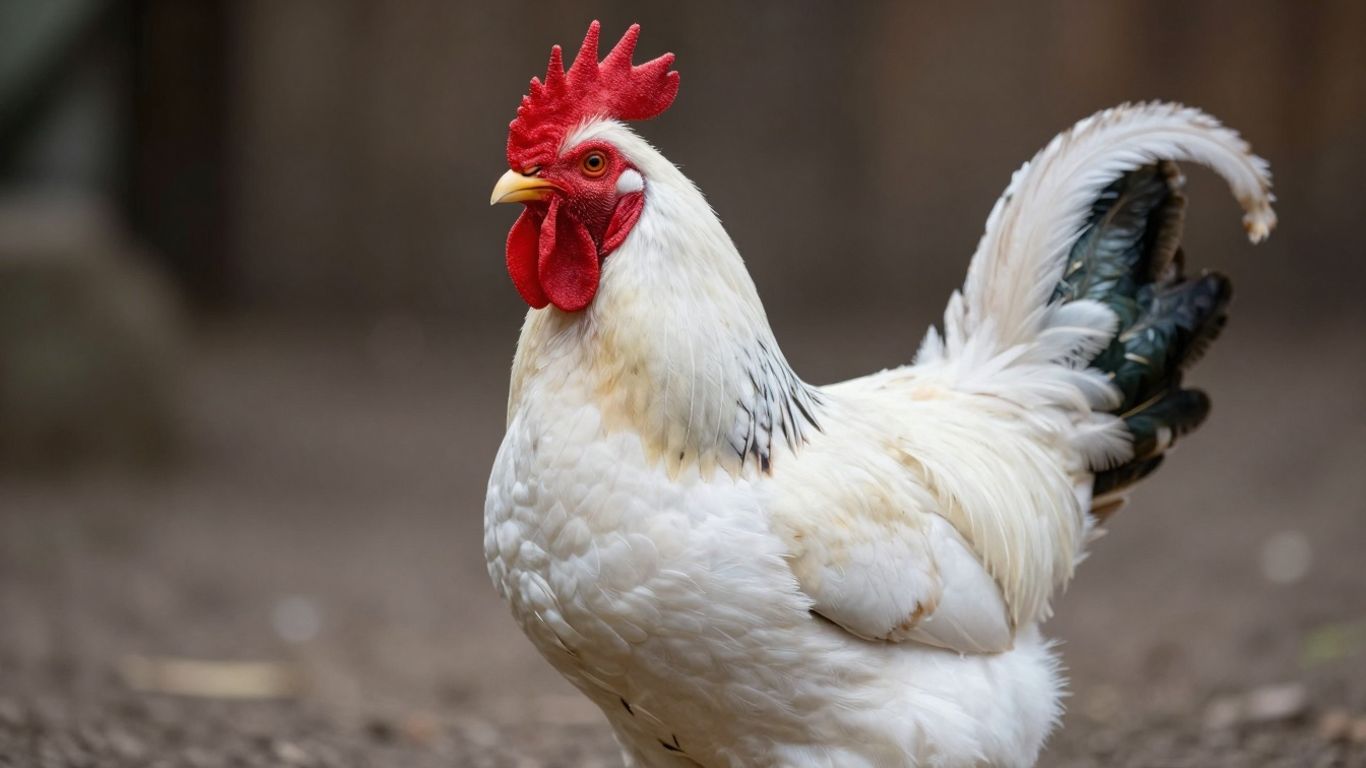
Find Premium White Claret Gamefowl for Sale: Top Bloodlines Available
Looking for top-notch gamefowl? You’ve come to the right place. Whether you’re a seasoned breeder or just starting out, picking the right bloodline is key. We’re talking about the foundation of your flock, the birds that will carry your breeding program forward. This article dives into some of the most sought-after breeds out there, giving you a rundown of what makes them special. If you’re on the hunt for quality, especially if you’re interested in white claret gamefowl for sale, stick around. We’ll cover some classic lines that breeders have relied on for years.
Key Takeaways
- The Claret bloodline, known for its keen cutting ability and derived from the color of claret wine, features black breasts and straight combs.
- Sweater gamefowl are highly sought after for their aggressive, always-engaging fighting style and are one of the winningest breeds.
- Whitehackles are prized for their beauty and intelligence, often called ‘ring generals’ for their tactical approach in the pit.
- Hatches are popular for their high gameness, aggression, and toughness, maturing quickly with sturdy bodies.
- Roundheads, with their compact build, are known for accuracy and strategic movement, excelling in stag fighting.
1. Claret
The Claret bloodline is pretty well-known, especially for its sharp cutting ability. Colonel John Madigin is credited with developing this strain, supposedly to compete with other top breeders of his time. The name itself comes from the deep, wine-like red color many of them have, similar to claret wine. They often show up with black breasts and sometimes white streaks on their wings and tails.
These birds are known for being quick and aggressive, with a knack for timing their attacks. They don’t just rush in; they wait for the right moment to strike, making their hits more effective. It’s said that about one out of every ten chicks from the original stock would come out white, and that trait seems to have stuck around.
- Origin: Developed by Colonel John Madigin.
- Appearance: Often deep red, black breasts, sometimes white wing/tail streaks.
- Temperament: Aggressive, quick, strategic hitters.
- Notable Trait: Tendency to produce white offspring.
It’s interesting how much debate there is about the exact breeding of the original Clarets. Different accounts exist regarding the parentage and even the initial success of the first birds. Some say they were the best around, while others claim the early ones were a bit of a letdown. This confusion extends to later crosses and additions to the bloodline.
Many breeders find the Claret a good choice for crossing with other breeds. Their specific traits can add a unique edge when combined with different bloodlines, making them a versatile option for those looking to experiment with new crosses.
If you’re looking for a gamefowl with a reputation for speed and precision, the Claret is definitely worth considering. Finding genuine Madigin Claret fowl can be a challenge, but their distinct characteristics make them a sought-after strain for many enthusiasts.
2. Sweater
The Sweater line is a real crowd-pleaser in the gamefowl world, and for good reason. These birds are known for their aggressive nature and a "do-or-die" attitude in the pit. They tend to overwhelm opponents with a flurry of moves, making them a popular choice for many breeders.
Originally, Sweaters were often described as being orange-red to light red, with yellow legs and pea combs. However, like many established bloodlines, they’ve seen some interesting developments. Some breeders, like Dolan Owens, have worked to make them uniformly dark, wine-red with straight combs and white legs. Others have introduced blood from lines like the Radio, aiming for a pumpkin color, which many find more appealing. It’s a great example of how breeders can shape a family of fowl over generations.
The foundation of the Sweater line is often traced back to a yellow-legged Hatch cock given to Walter Kelso by Sweater McGinnis. Kelso bred this cock to his own Kelso hens, and the offspring were exceptional. Cecil Davis, a friend of Kelso’s, obtained a cock from this mating and bred it to his Kelso hens, creating the birds that would become the foundation of the Sweater line. They got their name because the McGinnis Hatch cock was their grandfather.
Here’s a quick look at some common characteristics and variations:
- Color: Typically red, but variations include dark wine-red and pumpkin.
- Legs: Often yellow, but white-legged versions exist.
- Comb: Usually pea comb, but straight combs are also found.
- Temperament: Highly aggressive and engaging.
While the original Sweaters might have sometimes lacked endurance, infusions of other bloodlines have helped address this. Today’s Sweaters are a formidable force, often sought after for their winning potential. Finding quality stock, whether you’re looking for specific colorations or proven traits, is key to success with this line. You might even find some breeders specializing in specific variations, much like how some breeders focus on unique rabbit breeds.
Many breeders have kept the original Sweater lines pure, while others have introduced infusions from different breeds to refine certain traits. This ongoing development means there’s a lot of diversity within the Sweater family, offering choices for different breeding goals. If you’re interested in acquiring some of these popular birds, it’s worth researching breeders who focus on the specific traits you’re looking for. You can find a wide variety of gamefowl, including different Sweater variations, from dedicated breeders.
3. Whitehackle
The Whitehackle bloodline is a classic in the gamefowl world, known for its distinctive look and, more importantly, its fighting spirit. These birds typically have a medium build, with a black-streaked breast and a striking red hackle that shades to golden on the shoulders. Their backs are a dark crimson, and their wings are long and wide, hanging low. The tail is carried high, and they usually have short, yellow shanks – white shanks are a no-go for this strain. The body is noticeably wide and short, with a medium-length neck and a broad head. Hens are usually a wheaten color.
What really sets Whitehackles apart is their incredible gameness and intelligence. They’re often called "ring generals" because they’re so tactical in the pit, using smart positioning and quick movements. They hit hard and have good cutting ability, plus they’re tough and can take a beating, making them great for longer fights. Breeders have always valued them for their sheer determination and refusal to quit.
Some of the most famous Whitehackle strains include the Morgan Whitehackle and the Kearney Whitehackle. These lines have a long history of proving themselves in competition. It’s said that if there was ever a strain that never produced a quitter, it was the Whitehackle.
While their appearance is notable, it’s the unwavering courage and fighting prowess that have cemented the Whitehackle’s place in gamefowl history. They are bred for performance, with a focus on heart and tenacity above all else.
When looking for Whitehackles, you might find they’ve been crossed with other breeds to enhance certain traits. For instance, crossing them with Spanish Speeders can result in what are sometimes called Butcher gamefowl, which keep the Whitehackle’s grit but add extra speed. It’s always good to know the specific lineage you’re getting, whether it’s a pure strain or a well-regarded cross. You can find breeders who specialize in preserving these bloodlines and offer birds with a proven track record.
4. Hatch
The Hatch bloodline is a real classic in the gamefowl world, and for good reason. These birds are known for their toughness and a serious level of gameness. They’re not afraid to get in there and mix it up, showing a lot of heart and aggression. Many breeders consider the Hatch fowl to be a cornerstone for developing strong, competitive birds.
Originally developed by people like E.S. Hatch, this line has seen a lot of development and crossing over the years. Different breeders have put their own spin on them, leading to various strains like the Yellow-legged Hatch, McLean Hatch, and the Biloxi Hatch. Each of these might have slight differences, but the core traits of power and grit usually remain.
When you’re looking at Hatch chickens, you’ll often find they mature pretty quickly. This means they build up strong bodies and sturdy bones early on, which is a big plus. They tend to stay in good shape, no matter the weather, which is something any serious breeder appreciates. If you’re looking to add some serious fighting spirit and durability to your flock, the Hatch line is definitely worth checking out. You can often find upcoming hatchlings from breeders who maintain these classic lines.
Here are some key characteristics often associated with Hatch gamefowl:
- High Gameness: They possess an intense willingness to fight and show fierce determination.
- Power and Toughness: Known for their strength, making them suitable for longer, hard-hitting fights.
- Quick Maturation: They develop strong physical attributes relatively fast.
- Adaptability: Generally maintain good condition across different environmental conditions.
While some older strains of Hatch might have been described as a bit slow or clumsy, modern breeding has refined these lines. The goal is often to keep that raw power and fighting spirit while improving their overall effectiveness in the pit. It’s a balance that dedicated breeders work hard to achieve.
5. Roundhead
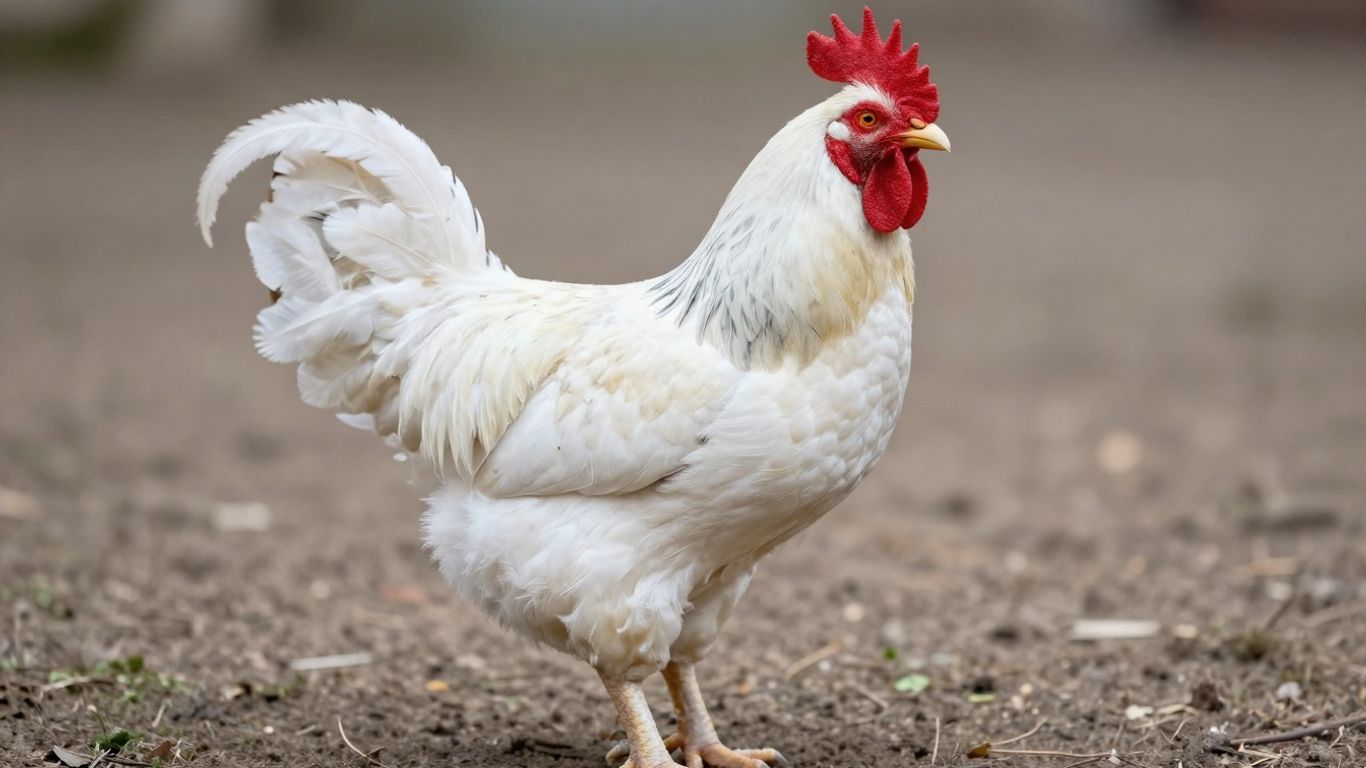
The Roundhead strain is a classic in the gamefowl world, known for its intelligence and fighting style. These birds are often described as smart and quick, using their heads as much as their feet in a fight. They’ve got a reputation for winning a lot of mains and tournaments, especially down South.
These birds are often characterized by their distinctive round heads, which give them their name. They tend to be medium-stationed, not too low or too high, with a tendency to be a bit above average in height. When it comes to their legs, you’ll find both white and yellow-legged varieties, typically weighing between 4.08 and 6.08 pounds. The hens in this line are usually on the smaller side compared to other gamefowl breeds.
Here’s a quick look at some common traits:
- Leg Color: White or Yellow
- Eye Color: Red, Light, or Grey
- Plumage: Often black-breasted reds, but can also appear spangled or ginger. Hens are frequently straw-colored or buff.
- Feathering: Generally not as heavy as some other breeds, with breeders sometimes sacrificing feather for fighting ability.
The disposition of Roundheads is fiery and aggressive. They are known to hold a grudge and will pursue an opponent relentlessly. While they can be gentle when handled with respect, they become fiercely territorial during breeding season, especially around other males.
Historically, strains like the Bowen Roundheads and Shelton Roundheads have made a big name for themselves. The Bowen line, for instance, got its name not from its creator but from someone who reportedly destroyed the strain. Myron J. Bowen, a breeder from New Hampshire, was active in the sport for a long time. The Shelton Roundheads, originating from Mississippi, were later developed by individuals like Judge Lacey, who crossed them with other breeds like the Blue Moon and Whitehackle, influencing the leg color and other traits seen today.
6. Doms
The Doms, a classic line in gamefowl breeding, are known for their distinctive "dominique" coloring, though this can vary quite a bit. You’ll find them in shades from light to dark blues, and sometimes even pure white. They typically have yellow or white legs and red eyes. These birds have a long history, with strains like the O’Neal Doms being successful for many years.
These fowl are recognized for their agility and ability to perform well in various situations. They’re often described as good cutters and fast scorers, making them a popular choice for those looking for a well-rounded bird. Different breeders have developed their own variations over time. For instance, the Chappell Doms were created by crossing black and white strains, leading to a mix of colors and physical traits.
Some notable variations include:
- Cassidy Doms: Developed by R. Cassidy, blending Minton, Chappell, and Harvey doms. They are known for being game, fast, and good finishers.
- Giant White Doms: Originated by George Hathaway, these are larger birds, often white with some dom feathers, and noted for their speed despite their size.
- Sure Shot Doms: Created by Quinn E. Robb, using Minton Dom, White Tails, and Grist Champion bloodlines. They are described as classy pit fowl, good cutters, and great shufflers.
The history of the Dominique fowl is tied to regions like Ohio, Kentucky, and the Virginias, where they were actively bred and fought. Early on, the Dominique color was sometimes seen as a disadvantage, but dedicated breeders proved their worth.
When looking for these birds, you might find specific lines that have been maintained for generations, like the six generations of pure Chappell Doms. It’s always a good idea to research the specific breeder and strain to understand their characteristics and history. If you’re interested in acquiring some high-quality gamefowl, exploring options for White Claret gamefowl can also be a good starting point.
7. White Hornets
The White Hornets are a pretty striking strain, known for being quite savage fighters. Professor J.A. Monroe from Woodville, Mississippi, is credited with developing them. He mixed in bloodlines from Louisiana Cotton Balls and Thompson Whites, along with a couple of other strains he kept pretty quiet about.
These birds are said to be good fighters no matter the length of the heels they’re using. They’re definitely one of the more visually appealing white strains out there, and their fighting spirit is well-documented.
When looking for specific bloodlines, it’s always a good idea to ask breeders about the history and lineage. This helps ensure you’re getting a bird with the traits you’re looking for.
If you’re interested in acquiring some of these, finding a breeder who specializes in them is key. Like with any specialized gamefowl breed, reputation and transparency from the seller matter a lot.
Here’s a quick look at some traits often associated with them:
- Aggressive nature: Known for their fierce fighting style.
- Good in various conditions: Perform well regardless of heel length.
- Distinctive appearance: Often described as visually appealing among white strains.
- Mixed bloodlines: A combination of established strains, adding to their unique qualities.
8. Thompson Whites
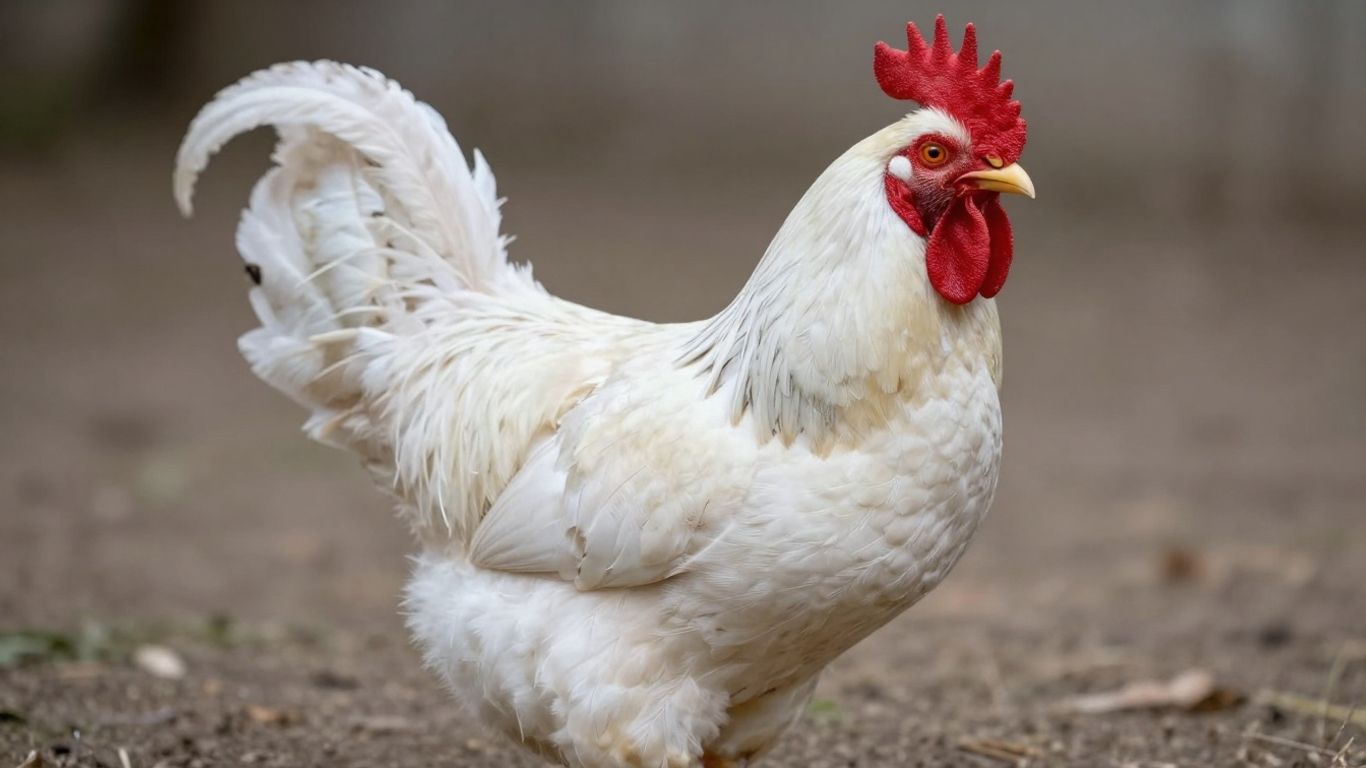
The Thompson Whites are a classic strain, really something to talk about if you’re into the history of gamefowl. Bradford Thompson is the guy credited with starting this line. He got his hands on a white cock from Col. Bragg, which he called the ‘white China Pheasant cock’. Now, this wasn’t just any bird; Thompson paid a hefty $50 for it, even forfeiting a fight just to get his hands on it. He then bred this cock back to his own daughters, a pretty intense breeding strategy.
Over time, he developed a strain that was pure white, with distinctive yellow legs and beaks, red eyes, and straight combs. These cocks typically weighed between 4.04 and 6.00 pounds. It’s said that Thompson himself never sold any of his birds. However, after he passed away in 1859, his wife apparently started selling them to the public. The stories claim Thompson was undefeated in mains and only lost a few minor bouts with this strain.
It’s interesting to note that some sources mention Harry Charles selling Mr. Thompson the original hens that kicked off the Thompson Whites in 1935, which seems a bit later than the 1859 date. Maybe there were different phases or a continuation of the line. Either way, these birds are known for their striking appearance and a winning record that speaks for itself.
- Pure white plumage
- Yellow legs and beaks
- Red eyes
- Straight combs
The dedication to a specific breeding program, even involving inbreeding, highlights a commitment to purity and a desired outcome in gamefowl development. This focus often leads to predictable traits and a strong, recognizable strain.
9. Giant White Doms
When you’re looking for a larger bird with a striking appearance, the Giant White Doms are definitely worth a look. These birds were developed by George Hathaway back in 1920. He crossed some Dom hens with a buff cock that had a mix of Dom and Japanese bloodlines. The result was a substantial fowl, with cocks typically weighing around 8 pounds.
These birds are known for their predominantly white plumage, often with just a few Dom feathers scattered throughout their bodies. They usually have yellow legs and red eyes, and you’ll find them with both straight and pea combs. A notable characteristic is their speed; despite their size, they’re said to be quite fast, with about 80% of them being ‘shakes’. This makes them an interesting option if you’re after a powerful yet agile bird.
Here’s a quick rundown of their typical traits:
- Originator: George Hathaway (Independence, Iowa)
- Year of Origin: 1920
- Size: Cocks around 8 lbs
- Plumage: Mostly white with some Dom feathers
- Leg Color: Yellow
- Eye Color: Red
- Comb Type: Straight or Pea
- Temperament: Said to be very fast for their size
The development of the Giant White Doms shows how breeders experimented with different crosses to achieve specific traits. Hathaway’s work resulted in a bird that combined size with surprising quickness, a combination not always easy to find in gamefowl.
If you’re interested in exploring different types of large fowl, you might also find information on breeds like Flemish Giant rabbits fascinating, though they are, of course, a very different kind of animal.
10. Bromley Pyles
The Bromley Pyles are a distinct line of gamefowl, originating from J. R. Bromley in Michigan. This strain is known to encompass two specific lines: the Gennett Pyle and the Quebec White Pyle, which also has roots in the Roundhead (R.H.) bloodline. Pyle, in general, refers to a plumage coloration that isn’t red, gray, or black. Bromley Pyles can present in various shades, including white, blue, dominant white (dom), off-white, off-gray, or off-red. They typically feature yellow legs and can have either straight combs or pea combs.
These birds are recognized for their unique coloring and are a sought-after variety among breeders.
When looking for Bromley Pyles, keep an eye out for these characteristics:
- Plumage: A wide range of colors beyond the typical red or black, often with white or off-white as a base.
- Leg Color: Predominantly yellow legs.
- Comb Type: Can be either a straight comb or a pea comb.
- Temperament: While specific temperament can vary, Pyle strains are often noted for their spirited nature.
Breeders often seek out specific Pyle lines for their unique genetic contributions. The Bromley Pyles, with their dual lineage and varied colorations, offer a fascinating option for those looking to add a touch of distinction to their flock. Understanding the nuances of Pyle genetics is key to appreciating these birds. For those interested in the broader history of gamefowl, exploring different bloodlines can be quite revealing, much like learning about the Bronze-Winged Pionus offers insights into avian diversity.
The development of specific gamefowl strains like the Bromley Pyles often involves careful selection over many generations. Breeders focus on maintaining desired traits while also introducing new characteristics through strategic crosses. This dedication to lineage is what gives each strain its unique identity and fighting prowess.
Wrapping Up Your Search
So, you’ve looked into some of the top gamefowl breeds out there, like the sharp Claret and the always-ready Sweater. Finding the right bloodline is a big step, whether you’re just starting out or looking to improve your flock. Remember to check out reputable breeders who know their stuff. Getting good stock is key to success, so take your time and pick the birds that fit what you’re aiming for. Good luck with your breeding program!
Frequently Asked Questions
What makes the Claret gamefowl special?
Claret gamefowls are known for being really sharp fighters, both on the ground and in the air. They got their name because they are often a deep red color, like claret wine. These birds have black chests, straight combs, and sometimes white markings on their wings and tails. They are strong hitters and can be a great addition to a breeding program.
Are Sweater gamefowls aggressive?
Yes, Sweater gamefowls are known for their aggressive nature and always being ready to fight. They often overwhelm their opponents with a mix of quick moves. While they used to have trouble with endurance, they’ve been bred with other types of fowl to become much tougher and more competitive.
Why are Whitehackle gamefowls considered beautiful?
Whitehackles are often called the most beautiful gamefowls because of their proud stance, broad shoulders, and thick feathers. They usually have straight combs and are mostly red with some yellow or white markings. Pure whitehackles are stunning with their clean white color, making them a favorite for those who appreciate looks.
What are Hatch gamefowls good at?
Hatch gamefowls are popular because they are very brave and tough, just like Whitehackles. They have a lot of power, which is great for long fights. They also grow fast, developing strong bodies and bones early on, and they stay in good shape no matter the weather.
Where did the Roundhead gamefowl come from?
The exact origin of Roundheads is a bit of a mystery, with some saying they came from England and others from Asia. No matter where they started, they’ve proven their worth to serious breeders. They have a compact body shape and are known for being smart fighters with accurate strikes.
What are White Hornets and Thompson Whites?
White Hornets were created by Professor J.A. Monroe and are known for being very pretty and fierce fighters among white fowl. Thompson Whites were developed by Bradford Thompson and are pure white with yellow legs and red eyes. They are said to have a winning record.