Discover the Majestic Blue-Throated Macaw: A Comprehensive Guide
The Blue-Throated Macaw is a truly special bird, known for its stunning looks and unique personality. If you’re curious about these amazing creatures, you’ve come to the right place. We’ll take a look at what makes them tick, where they live, and why they need our help. Get ready to discover the world of the Blue-Throated Macaw!
Key Takeaways
- The Blue-Throated Macaw, scientifically known as Ara glaucogularis, is a distinct species with striking turquoise-blue plumage and a noticeable blue throat patch.
- These macaws are native to a very specific, small region in Bolivia, making their habitat quite limited.
- Sadly, the Blue-Throated Macaw is listed as endangered, facing serious threats from habitat loss and the illegal pet trade.
- Efforts to save this species include captive breeding programs and initiatives to protect their natural environment.
- Caring for a Blue-Throated Macaw involves providing a proper diet, plenty of mental and physical stimulation, and regular veterinary attention.
Understanding The Blue Throated Macaw
Scientific Classification
The Blue-Throated Macaw, scientifically known as Ara glaucogularis, is a distinct member of the parrot family, Psittacidae. This family is quite large, encompassing many familiar parrot species. However, macaws, including our featured bird, stand out due to their impressive size and vibrant looks. They belong to the genus Ara, which includes several other large macaw species. It’s important to know their scientific name because it helps researchers and conservationists worldwide talk about the same specific bird without confusion. It’s like having a unique ID for each species.
Distinctive Features
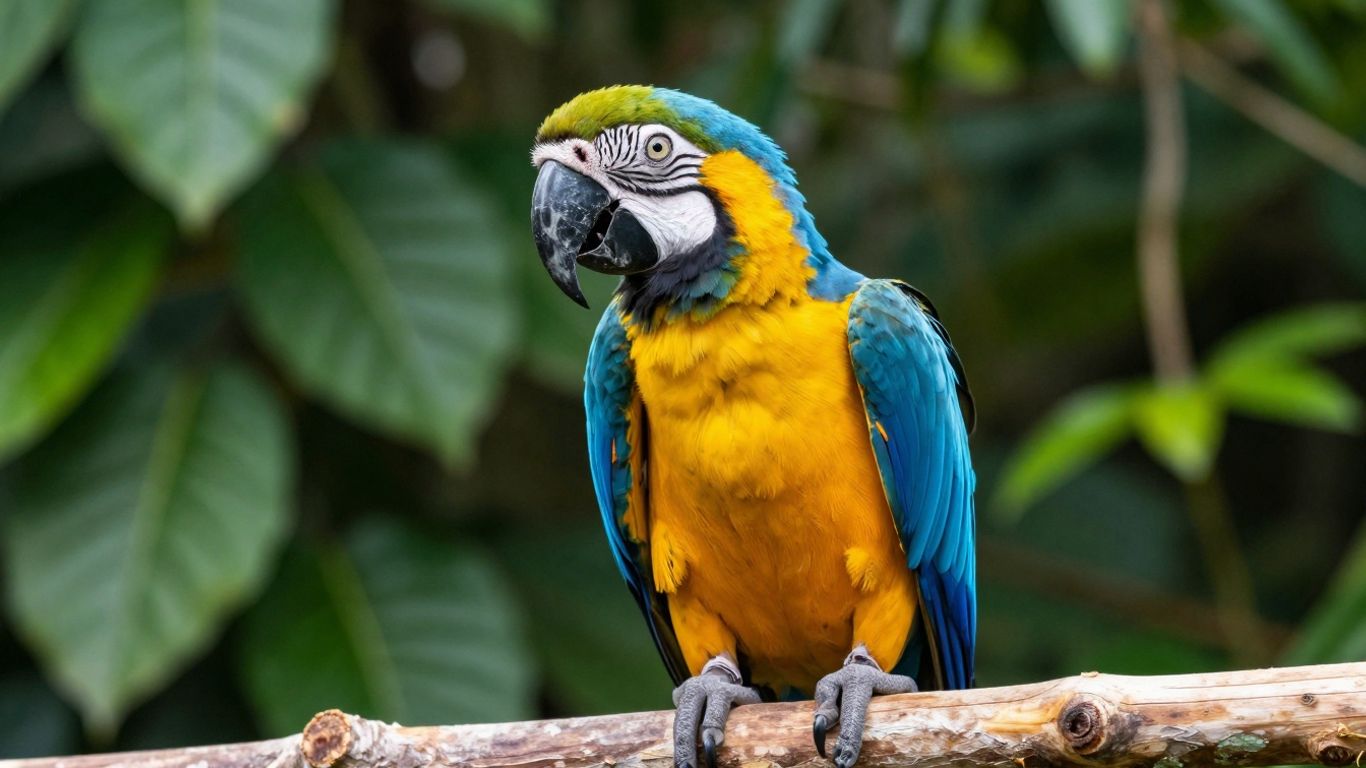
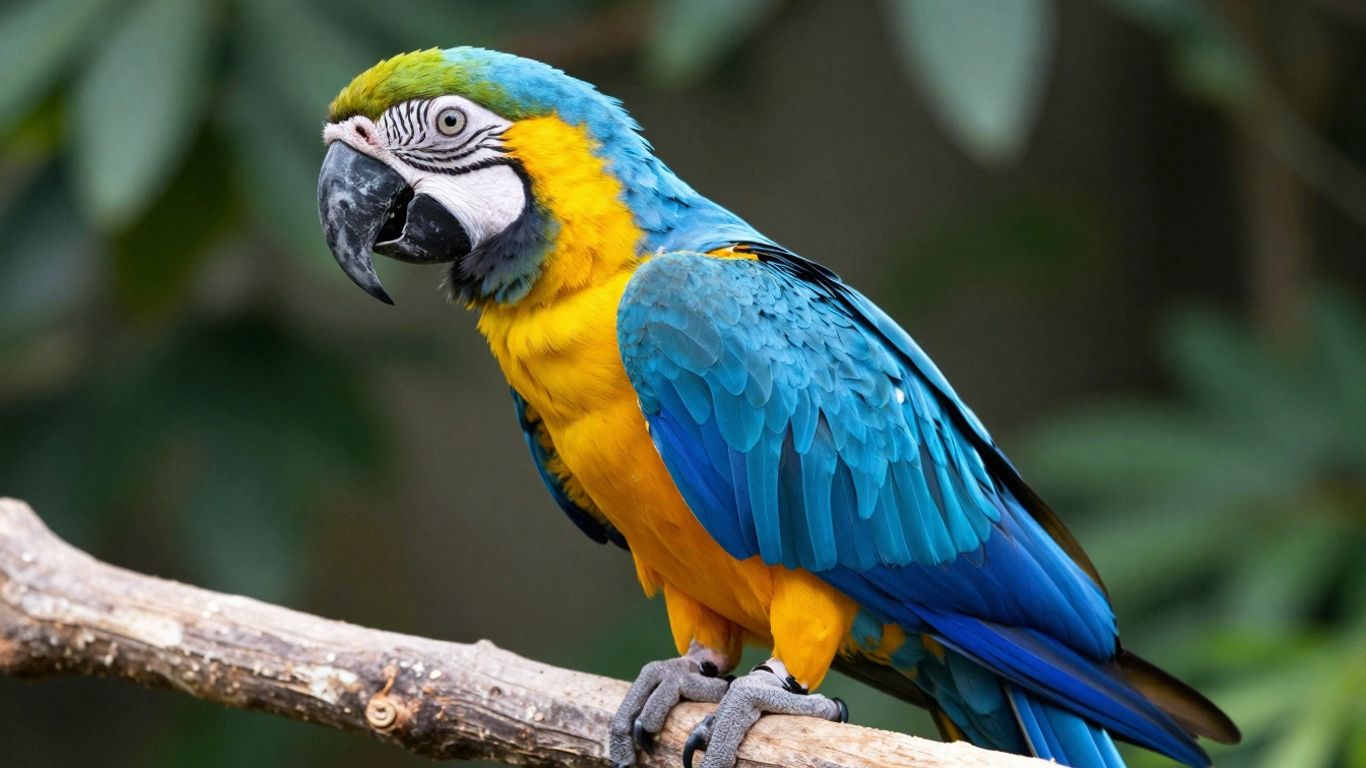
What really makes the Blue-Throated Macaw special is its appearance, of course. The most striking feature is the patch of bare skin on its throat, which is a beautiful sky blue, giving the bird its name. Beyond that, you’ll notice its predominantly turquoise-blue body, with a yellow band across its forehead and green on its wings. They have a large, powerful beak, perfect for cracking tough nuts and seeds found in their natural home. Their eyes are also quite expressive, often a pale yellow in adults. They’re not small birds either; they’re quite large and imposing, with long tail feathers that add to their majestic profile.
Habitat And Distribution
These magnificent birds are found in a very specific part of the world. Their natural home is the tropical savanna woodlands of the Beni Department in northeastern Bolivia. This is a relatively small area, which makes them particularly vulnerable. They tend to prefer areas with palm groves and gallery forests along rivers. You won’t find them just anywhere; their range is quite limited. Sadly, this restricted habitat is one of the main reasons they face so many challenges in the wild. They need these specific types of forests to find food and safe places to nest.
Physical Characteristics Of The Blue Throated Macaw
Plumage And Coloration
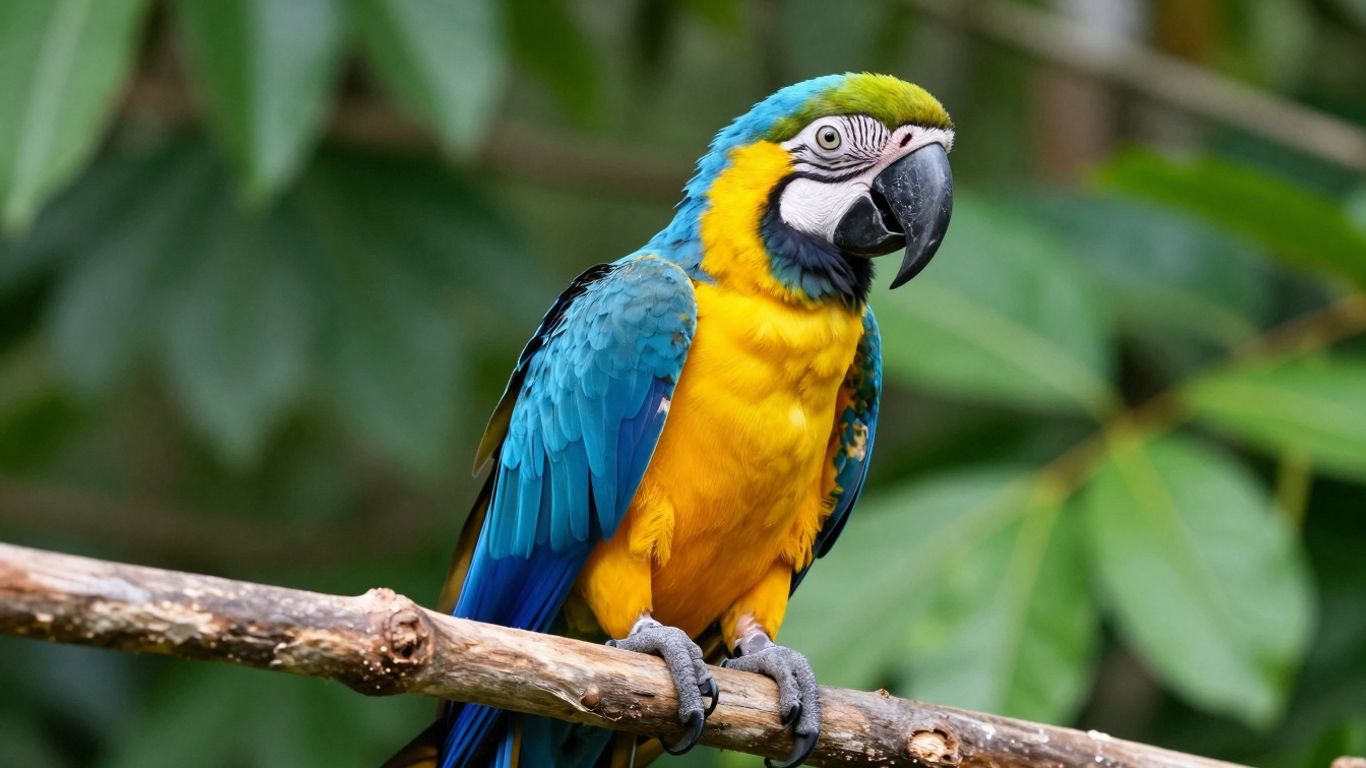
The Blue-Throated Macaw is a real stunner, no doubt about it. Its most defining feature is, of course, that vibrant blue throat patch that gives it its name. The rest of its body is mostly a bright, grassy green, but then you get these flashes of yellow on its belly and underwings. It’s a real mix of colors that makes them stand out, especially when they’re flying around. The feathers on their head are a bit more of a greenish-blue, and they have these distinctive bare white patches around their eyes, which can sometimes have a slight bluish tint. It’s these details that really make them unique.
Size And Build
These birds are big. Like, really big. They’re one of the larger macaw species, and when they stretch out their wings, you’ll notice they can span quite a bit. They’re built sturdy, with a strong body that’s made for life in the rainforest. Their long tail feathers are a big part of their overall length, giving them that classic macaw silhouette. It’s impressive to see one perched; they just have a commanding presence.
| Feature | Measurement (Approximate) |
|---|---|
| Length | 85-90 cm (33-35 inches) |
| Wingspan | Up to 1 meter (3.3 feet) |
| Weight | 1-1.2 kg (2.2-2.6 lbs) |
Beak And Feet Adaptations
Macaws have some pretty specialized equipment for getting by. Their beaks are incredibly strong and curved, perfect for cracking open tough nuts and seeds that other birds can’t manage. It’s not just for food, though; they use that powerful beak for climbing and manipulating objects too. Their feet are zygodactyl, meaning they have two toes pointing forward and two pointing backward. This gives them a really strong grip, which is super helpful for perching on branches and holding onto food while they eat. It’s a neat bit of natural engineering that helps them thrive.
The combination of their striking colors, large size, and powerful beaks makes the Blue-Throated Macaw a truly magnificent bird, perfectly adapted to its environment.
Behavior And Social Structure
Blue-throated macaws are pretty social birds, and they really seem to like hanging out with their own kind. You’ll often see them in pairs or small groups, especially when they’re out foraging for food or just chilling in the trees. They’re not exactly quiet either; their calls can be heard from quite a distance, which is how they keep in touch with each other.
Vocalizations And Communication
These guys have a whole range of sounds they use to talk to each other. It’s not just squawking, either. They have different calls for warning about danger, finding food, or just saying hello. Their loud calls are a big part of how they stay connected in their wide-open habitat. It’s pretty amazing how much information they can pack into a single sound. They also use body language, like fluffing up their feathers or tilting their heads, to get their point across.
Pair Bonding And Lifelong Relationships
When a blue-throated macaw finds a mate, it’s usually for life. Seriously, these birds are committed! They spend a lot of time preening each other, sharing food, and generally just being a unit. This strong bond is super important for them, especially when it comes to raising chicks. They work together as a team to protect their nest and feed their young.
Social Interactions Within Flocks
Even though they form strong pairs, they still interact with other macaws in their flock. These interactions can involve sharing roosting spots, flying together, and sometimes even engaging in playful squabbles. It’s a complex social scene, and they seem to have a pretty good understanding of their place within the group. They’re not usually aggressive towards each other, preferring cooperation over conflict. It’s all about maintaining the group’s safety and well-being.
Conservation Status And Threats
It’s a tough world out there for the Blue-Throated Macaw, and sadly, they’re in a pretty precarious spot. These magnificent birds are currently listed as Critically Endangered, which is the most serious category on the IUCN Red List. This means they’re facing an extremely high risk of extinction in the wild.
Endangered Status
The numbers are not good. Decades of decline have pushed the Blue-Throated Macaw to the brink. It’s estimated that there are only a few hundred individuals left in their natural habitat. This small population makes them incredibly vulnerable to any further disturbances.
Habitat Destruction Impact
One of the biggest culprits is the loss of their home. The Blue-Throated Macaw lives in a very specific type of environment: the seasonally flooded savannas of the Beni region in Bolivia. Unfortunately, these areas are being cleared for cattle ranching and agriculture. When their forest homes disappear, so do their food sources and safe places to nest. It’s a domino effect that’s devastating for the species.
Illegal Pet Trade Dangers
Beyond habitat loss, the illegal pet trade is another major threat. Their stunning beauty makes them highly sought after by collectors, and sadly, many are captured from the wild. This not only reduces the already small wild population but also often involves cruel capture methods that can harm or kill the birds. Even when they survive capture, life in captivity is a far cry from their natural environment.
The delicate balance of their ecosystem is easily disrupted. When their specific habitat shrinks, and individuals are removed for the pet trade, the ability of the species to reproduce and thrive is severely hampered. It’s a double whammy that requires serious attention.
Here’s a quick look at the main threats:
- Habitat Loss: Clearing of savannas for farming and ranching.
- Illegal Pet Trade: Capture of wild birds for the exotic pet market.
- Limited Range: Their existence is tied to a very specific, small geographic area.
- Low Reproductive Rate: Like many large parrots, they reproduce slowly, making recovery difficult.
Conservation Efforts For The Blue Throated Macaw
It’s a tough world out there for the blue-throated macaw, and thankfully, there are people working hard to give them a fighting chance. Because they’re so endangered, a lot of effort goes into making sure they don’t disappear completely. It’s a multi-pronged approach, really, involving breeding them in safe places and protecting the areas where they live.
Captive Breeding Programs
These programs are super important. Think of them as a safety net. Birds are bred in controlled environments, like zoos or special centers, where they’re protected from predators and have all their needs met. The goal isn’t just to have more macaws, but to eventually reintroduce them back into the wild. It’s a slow process, but it’s working.
- Careful Selection: Breeding pairs are chosen to maximize genetic diversity, which is key for a healthy population.
- Raising Young: Chicks are raised with minimal human contact to help them develop natural behaviors needed for survival in the wild.
- Monitoring: Birds in these programs are closely monitored for health and behavior.
Habitat Preservation Initiatives
Saving the macaws also means saving their home. Their natural habitat, mostly in Bolivia, is shrinking, which is a huge problem. So, conservation groups are working to protect the forests they rely on. This includes:
- Establishing protected areas where logging and development are restricted.
- Working with local communities to find sustainable ways of living that don’t harm the environment.
- Restoring degraded areas to make them suitable for macaws again.
Protecting their natural environment is just as vital as breeding them in captivity. If there’s nowhere safe for them to live, reintroduction efforts won’t succeed in the long run.
Public Awareness And Education
Another big piece of the puzzle is letting people know what’s going on. When more people understand how special and threatened these birds are, they’re more likely to support conservation efforts. This involves:
- Educating local communities about the importance of macaws and their habitat.
- Raising awareness globally through media and outreach programs.
- Discouraging the illegal pet trade by highlighting the harm it causes to wild populations.
Caring For A Blue Throated Macaw
Bringing a Blue-Throated Macaw into your home is a big commitment, but incredibly rewarding. These intelligent birds need a lot of attention and the right environment to truly thrive. It’s not like owning a goldfish, that’s for sure.
Dietary Needs
Feeding your macaw a balanced diet is super important for their health and longevity. Think of it like this: you wouldn’t eat junk food all day, and neither should they. Their diet should be varied and nutritious.
- Pellets: High-quality, species-specific macaw pellets should form the base of their diet. Look for ones without artificial colors or flavors.
- Fresh Fruits and Vegetables: Offer a wide array of colorful produce daily. Think leafy greens, berries, apples (seeds removed), carrots, and sweet potatoes. Rotate what you offer to keep things interesting.
- Proteins and Healthy Fats: Small amounts of cooked lean meats, beans, or seeds like sunflower or pumpkin seeds can be given as treats or supplements. Just don’t overdo it with the fatty seeds.
- Avoid: Never feed avocados, chocolate, caffeine, or alcohol. These are toxic to birds.
A varied diet not only keeps them physically healthy but also provides mental stimulation as they forage and explore new tastes and textures.
Enrichment And Exercise
Macaws are smart cookies and need ways to keep their brains busy and their bodies active. Boredom can lead to behavioral issues, and nobody wants that. Providing plenty of toys and opportunities for flight is key.
- Toys: Offer a rotation of destructible toys (like wood or cardboard), foraging toys, and puzzle toys. They love to chew and manipulate things with their beaks.
- Foraging: Hide food in toys or around their enclosure to encourage natural foraging behaviors. This keeps them occupied and mentally engaged.
- Flight Time: If you have a safe, enclosed space, supervised out-of-cage time for flight is fantastic. This is vital for their physical well-being and allows them to stretch their wings. Ensure the area is bird-proofed, meaning no exposed wires or toxic plants.
- Social Interaction: Spend quality time with your macaw every day. Talk to them, play games, and just be present. They are highly social creatures and bond closely with their human flock.
Health And Veterinary Care
Regular check-ups with an avian veterinarian are non-negotiable. These specialists know birds inside and out, and can spot problems before they become serious. Finding a good vet is like finding a good mechanic for your car – you need someone you can trust.
- Annual Check-ups: Schedule at least one visit per year for a general health assessment, beak and nail trim if needed, and to discuss any concerns.
- Signs of Illness: Be aware of changes in droppings, appetite, behavior, or feather condition. Lethargy or ruffled feathers when they aren’t trying to sleep can be a sign something is wrong.
- Hygiene: Keep their cage clean, change water daily, and wash food dishes regularly to prevent the spread of bacteria. A clean environment is the first line of defense against illness.
- Emergency Preparedness: Know the signs of common avian emergencies, like egg binding or respiratory distress, and have your avian vet’s contact information readily available. It’s also wise to have a backup vet in mind for after-hours situations. For more information on parrot care, reputable breeders often have great resources.
A Lasting Impression
So, we’ve taken a good look at the amazing Blue-Throated Macaw. These birds are really something special, aren’t they? From their striking looks to their smarts, they definitely capture your attention. It’s clear that keeping these beautiful creatures safe is a big job, and it takes all of us paying attention and doing our part. Hopefully, this guide has given you a better appreciation for the Blue-Throated Macaw and why it’s so important to protect them for years to come.
Frequently Asked Questions
What makes the Blue-Throated Macaw special?
The Blue-Throated Macaw is a truly unique bird. It’s known for its stunning blue throat patch, which stands out against its otherwise bright blue and yellow body. Sadly, these beautiful birds are endangered, making them quite rare and special.
Where do Blue-Throated Macaws live in the wild?
These amazing macaws are found in a very specific part of the world: a small region in Bolivia, South America. They prefer the dry forests and savannas of this area, where they can find food and nesting spots.
Are Blue-Throated Macaws endangered?
Yes, they are. The Blue-Throated Macaw is listed as endangered. This means there aren’t many of them left in the wild. Their numbers have dropped because their forest homes are being destroyed and because they are sometimes captured for the illegal pet trade.
What do Blue-Throated Macaws eat?
In the wild, Blue-Throated Macaws have a varied diet. They enjoy eating fruits, seeds, nuts, and sometimes even flowers. In captivity, they need a balanced diet that includes high-quality pellets, fresh fruits, vegetables, and occasional seeds or nuts.
How long do Blue-Throated Macaws live?
These large parrots are known for living a long time! With good care, a Blue-Throated Macaw can live for many decades, often between 50 to 80 years. Some have even been known to live longer, making them a long-term commitment as pets.
Why is habitat destruction a problem for these macaws?
Habitat destruction is a huge issue because it takes away the Blue-Throated Macaw’s home. When forests are cut down for farming or other human activities, the macaws lose their food sources, places to nest, and overall safe environment. This makes it harder for them to survive and reproduce.

The Majestic Catalina Macaw: A Comprehensive Guide to Care and Characteristics – TROY Kelso Farms
December 31, 2025[…] plan for their care, especially considering their long lifespan; you might even need to think about estate planning to make sure they’re looked after if something happens to […]