Discover the Charming Gold Capped Conure: A Comprehensive Guide
Thinking about adding a feathered friend to your life? The Gold Capped Conure might just be the perfect fit. These little guys are known for their bright personalities and striking looks. If you’re curious about what it takes to keep one happy and healthy, you’ve come to the right place. We’ll cover everything from their physical traits to what they eat and how to keep them entertained. Let’s dive into the world of the Gold Capped Conure!
Key Takeaways
- The Gold Capped Conure is a lively bird with distinct physical features and a playful temperament.
- Setting up the right environment, including a suitable cage and necessary supplies, is important for a new Gold Capped Conure.
- A balanced diet and good hygiene are key to keeping your Gold Capped Conure healthy and preventing common issues.
- Providing plenty of toys, training, and mental challenges keeps a Gold Capped Conure engaged and happy.
- Understanding the Gold Capped Conure’s lifespan and how it compares to other conure species helps in making informed decisions.
Understanding the Gold Capped Conure
Physical Characteristics of the Gold Capped Conure
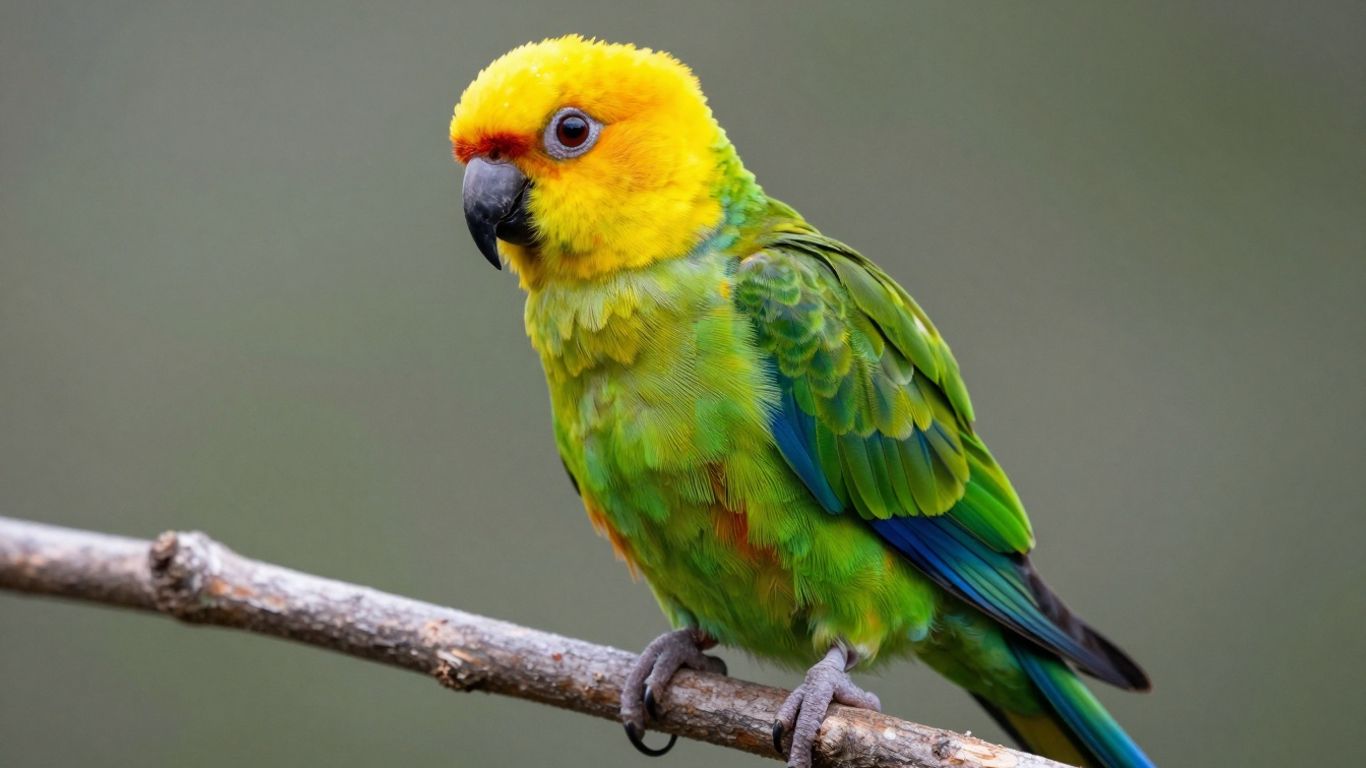
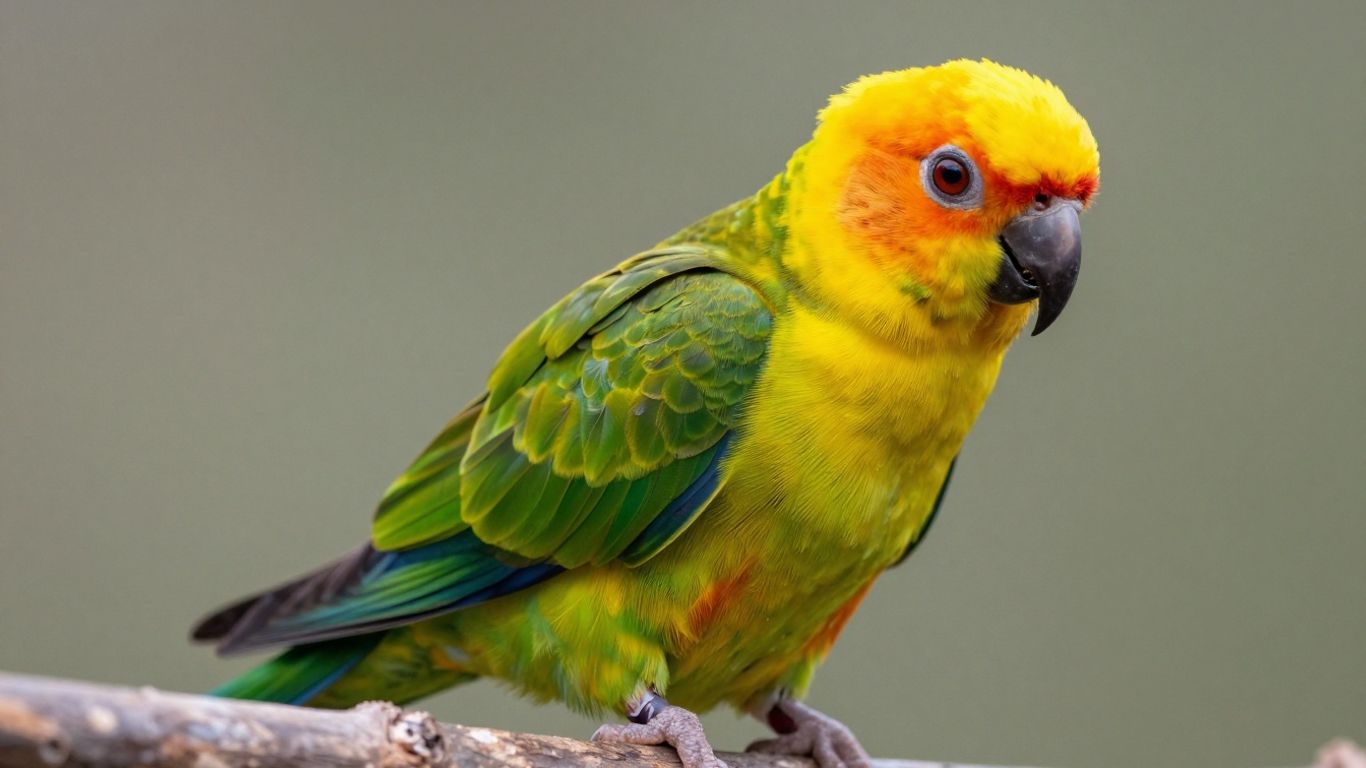
The Gold Capped Conure, scientifically known as Aratinga solstitialis, is a real stunner. They’re medium-sized parrots, usually measuring around 12 inches from beak to tail. What really sets them apart, though, is their incredible plumage. Adults are a vibrant mix of golden yellow and orange, with hints of green on their wings and back. Young birds might look a bit different, often showing more green, and it can take a couple of years for them to fully develop that dazzling adult coloration. Their beaks are strong and curved, perfect for cracking nuts and seeds, and their feet are zygodactyl, meaning they have two toes pointing forward and two backward, which is super handy for climbing and holding food.
Temperament and Personality Traits
These birds are known for being quite the characters. Gold Capped Conures are generally very social, playful, and intelligent. They can be quite cuddly and enjoy interacting with their human flock. However, they also have a mischievous streak and can be quite loud, especially when they’re excited or want attention. They’re not typically a quiet bird, so if you’re looking for a silent companion, this might not be the best fit. They do need a lot of interaction and mental stimulation to stay happy and well-behaved. Boredom can lead to destructive behaviors or feather plucking, which is something nobody wants.
Origin and Natural Habitat
Gold Capped Conures hail from South America, specifically the northeastern parts of the continent. You’ll find them in countries like Brazil, Venezuela, and the Guianas. Their natural environment is typically tropical forests, savannas, and open woodlands. They often live in flocks, which contributes to their social nature as pets.
These parrots are used to a lively social structure in the wild, which is why they often bond so closely with their human families. They thrive on interaction and can become quite attached to their favorite people.
Understanding their natural environment helps us provide the best possible care. For instance, knowing they live in flocks suggests they need plenty of social interaction and shouldn’t be left alone for extended periods. If you’re considering bringing one home, it’s a good idea to get some advice on proper caging and setup to make sure their new environment is suitable. They are also known to be quite active, so providing ample space and opportunities for flight and exploration is key to their well-being.
Bringing a Gold Capped Conure Home
So, you’ve decided a Gold Capped Conure is the bird for you. That’s awesome! Bringing any new pet home is a big deal, and with these smart little parrots, it’s no different. You want to make sure you’re set up for success from day one.
Choosing the Right Cage
The cage is your conure’s castle, so it needs to be just right. Think spacious! These birds are active and love to move around. A good rule of thumb is to go as big as you can reasonably fit and afford. For a Gold Capped Conure, look for a cage that’s at least 24 inches wide, 24 inches deep, and 36 inches tall. Bar spacing is also important; you want it to be no more than 5/8 of an inch apart to prevent your bird from getting its head stuck. Wire-bottom cages aren’t ideal, as they can hurt your bird’s feet. If you get one, make sure to cover the bottom with something safe like newspaper or paper towels.
A spacious cage with proper bar spacing is key for your conure’s safety and well-being.
Essential Supplies for Your Conure
Beyond the cage, there are a few other things you’ll need to have ready. Food and water dishes are obvious, but make sure they’re easy to clean. You’ll also need a variety of perches – different sizes and textures are best for their feet. Think about natural branches, rope perches, and maybe a concrete perch for nail trimming. Toys are super important for keeping your conure entertained and mentally stimulated. We’ll get more into that later, but have a few different types ready to go.
- Food and Water Bowls: Stainless steel is a good choice because it’s durable and easy to sanitize.
- Perches: A mix of diameters and materials like natural wood, rope, and possibly a pumice perch.
- Toys: A few initial toys to get started – think foraging toys, chew toys, and maybe a bell.
- Substrate: Newspaper or paper towels for the cage bottom.
Acclimating Your New Pet
When you first bring your Gold Capped Conure home, give them space. It’s a new environment, and they’ll be a bit overwhelmed. Keep the initial interactions calm and quiet. Let them explore their new cage on their own terms. Don’t force them to come out or interact if they seem scared. Spend time just sitting near the cage, talking softly. You can start offering treats through the bars. It might take a few days or even a week for them to feel comfortable. Patience is really the name of the game here. You want to build trust from the start, and that means letting them set the pace. It’s a big change for them, moving from a breeder or a pet store to a whole new home. Think about how you’d feel in a new place – a little nervous, right? So, just be chill and let them adjust. You can find some great starter kits for new birds that include many of these necessities, making the transition smoother for both you and your new feathered friend. Check out starter kits.
The first few days are all about letting your new bird settle in. Avoid loud noises, sudden movements, and too many visitors. The goal is to create a calm and predictable environment so your conure can begin to feel safe and secure in its new surroundings.
Caring for Your Gold Capped Conure
Taking care of a Gold Capped Conure involves a few key areas to make sure your feathered friend is happy and healthy. It’s not super complicated, but you do need to pay attention to the details.
Nutritional Needs and Diet
What you feed your conure really matters. A good diet is the foundation for a long, vibrant life. They shouldn’t just be eating seeds all day, you know. A balanced diet for a Gold Capped Conure should include a high-quality pelleted bird food as the base. Think of it like their main meal. Then, you supplement that with a variety of fresh fruits and vegetables daily. Some good choices are leafy greens like kale and spinach, bell peppers, carrots, apples (seeds removed, of course!), and berries. You can also offer small amounts of cooked grains like quinoa or brown rice a couple of times a week. Avoid giving them avocado, chocolate, or anything with high salt or sugar content, as these are toxic to birds.
Here’s a quick look at what a daily meal might involve:
- Pellets: About 75% of their diet.
- Fresh Fruits & Veggies: Around 20%.
- Grains/Seeds/Treats: The remaining 5% (use sparingly).
Grooming and Hygiene Practices
Keeping your conure clean is pretty straightforward. They actually help themselves out a lot with preening, which is their way of keeping their feathers in tip-top shape. You’ll see them meticulously running their beak through their feathers. It’s important to provide them with a shallow dish of water for bathing a few times a week. Some conures love to splash around, while others are a bit more hesitant. You can also mist them with a spray bottle filled with lukewarm water. Make sure their cage is cleaned regularly, too. This means wiping down the bars, cleaning the food and water dishes daily, and doing a more thorough clean of the cage bottom weekly. A clean environment helps prevent health problems.
Common Health Concerns and Prevention
While Gold Capped Conures are generally hardy birds, they can be susceptible to certain health issues if not cared for properly. One common problem is feather plucking, which is often a sign of stress, boredom, or a poor diet. Another is respiratory infections, which can be caused by drafts, dusty environments, or poor air quality. Regular veterinary check-ups with an avian vet are super important. Your vet can spot potential problems early on and give you advice tailored to your bird. Keeping their environment clean, providing a good diet, and offering plenty of mental stimulation are the best ways to prevent most health issues. If you notice any changes in your bird’s behavior, appetite, or droppings, don’t hesitate to call your vet.
A healthy conure is an active conure. They should be alert, curious, and engaged with their surroundings. Lethargy, ruffled feathers when not preening, or changes in droppings can be early indicators that something isn’t quite right and warrants a closer look or a call to your avian veterinarian.
Remember, these birds are social creatures, and their well-being is tied to your interaction and care. For more information on parrot care, you might find resources on parrot profiles and care guides helpful.
Enrichment and Interaction
Gold-capped conures, like all parrots, are super smart birds. They need stuff to do to keep their brains busy and their bodies active. If they don’t get enough, they can get bored, which sometimes leads to grumpy behavior or even feather plucking. So, making sure they have plenty of things to keep them entertained is a big deal.
Toys and Playtime
Toys are like the video games and puzzles for your conure. They need a variety of toys to keep things interesting. Think about different textures, sounds, and things they can chew on or manipulate. Rotating toys every week or so is a good idea so they don’t get tired of them. Some birds love destructible toys they can shred, while others prefer puzzle toys that make them work for a treat. A good starting point is a hanging cage toy that attaches easily.
Here are some types of toys that usually go over well:
- Chewable Toys: Made from wood, paper, or safe natural fibers. These are great for their beaks and satisfy their natural urge to chew.
- Foraging Toys: These hide treats or food, making your conure work to get them out. It mimics their natural foraging behavior.
- Foot Toys: Smaller toys they can hold and manipulate with their feet.
- Sound Toys: Bells or rattles can be fun, but make sure they aren’t too loud or annoying for you!
Playtime outside the cage is also super important. This is when you get to interact directly with your bird. Supervised out-of-cage time allows them to explore, stretch their wings, and bond with you. Make sure the room is bird-proofed, though – no open windows, no toxic plants, and no small objects they could swallow.
Training and Socialization
Training your conure isn’t just about teaching them tricks; it’s a fantastic way to build a strong bond and communicate. Positive reinforcement, like using small treats or praise when they do something right, works wonders. You can teach them simple commands, how to step up onto your finger, or even fun tricks. This mental engagement is just as important as physical activity.
Socialization is also key, especially when they are young. Introducing them to different people, sounds, and environments (safely, of course) helps them become well-adjusted birds. If you have other pets, introduce them slowly and always supervise interactions. Remember, every bird is an individual, and some might be more outgoing than others.
The Importance of Mental Stimulation
Think of mental stimulation as brain food for your conure. Without it, they can become listless or even develop behavioral issues. This goes beyond just toys; it involves engaging their natural intelligence.
- Problem-Solving: Puzzle toys are great for this. They challenge your bird to figure things out.
- Learning: Teaching new tricks or words keeps their minds sharp. Even simple things like teaching them to wave can be a big mental workout.
- Exploration: Allowing them to explore new safe environments or objects stimulates their curiosity.
A bored conure is often an unhappy conure. Providing a rich environment with plenty of opportunities for mental engagement is one of the best ways to ensure your bird is healthy and content. It’s about more than just keeping them busy; it’s about respecting their intelligence and providing them with a life that meets their natural needs.
Regular interaction with you is also a form of mental stimulation. Talking to them, singing, or even just being in the same room provides social interaction that is vital for their well-being. They are social creatures, after all, and thrive on connection.
Gold Capped Conure Lifespan and Longevity
Thinking about bringing a Gold Capped Conure into your life means considering the long haul. These birds aren’t just a short-term pet; they can be a companion for a good chunk of your life. With proper care, a Gold Capped Conure can live for a surprisingly long time.
Factors Affecting Lifespan
Several things play a role in how long your feathered friend will stick around. It’s not just about genetics; it’s a whole package deal.
- Diet: What you feed your conure makes a big difference. A balanced diet, not just seeds, is key. Think fresh fruits, veggies, and a good quality pellet. Junk food for birds is just as bad as it is for us.
- Environment: A safe, stimulating, and clean living space is super important. This means a good-sized cage, no toxic fumes from cleaning products or non-stick pans, and a place where they feel secure.
- Veterinary Care: Regular check-ups with an avian vet are a must. Catching any potential health issues early can prevent them from becoming serious problems.
- Mental and Physical Stimulation: Boredom and lack of exercise can lead to stress and health issues. Plenty of toys, training sessions, and out-of-cage time are vital.
- Stress Levels: A happy bird is a healthy bird. Avoiding loud noises, sudden changes, and ensuring they have a consistent routine helps keep their stress down.
Signs of a Healthy, Long-Lived Conure
Spotting a healthy bird is pretty straightforward if you know what to look for. These signs usually point to a conure that’s set up for a long and happy life.
- Bright, Clear Eyes: Their eyes should be alert and clear, with no discharge or cloudiness.
- Smooth, Clean Feathers: Healthy feathers are usually sleek and well-maintained. Molting is normal, but patchy or damaged feathers can be a sign of trouble.
- Active and Alert Demeanor: A healthy conure is usually curious, playful, and responsive to its surroundings. They shouldn’t be lethargic or withdrawn for extended periods.
- Good Appetite and Digestion: Eating well and having regular droppings are good indicators of a healthy digestive system.
- Strong, Clear Voice: While conures can be noisy, a healthy bird will have a strong, clear vocalization. Weak or raspy sounds might signal a problem.
While the exact lifespan can vary, many conure species, including the Gold Capped, are known to live into their late twenties or even thirties when given excellent care. This commitment means you’re looking at a companion who could be with you for a significant part of your adult life, making the investment in their well-being all the more worthwhile.
Gold Capped Conure vs. Other Conure Species
So, you’re thinking about a Gold Capped Conure, huh? That’s awesome! They’re pretty neat birds. But you know, there are a bunch of other conure types out there, and they’re all a little different. It’s good to know what makes your Gold Capped stand out, or maybe what other conures might be a better fit for your life.
Comparing with Sun Conures
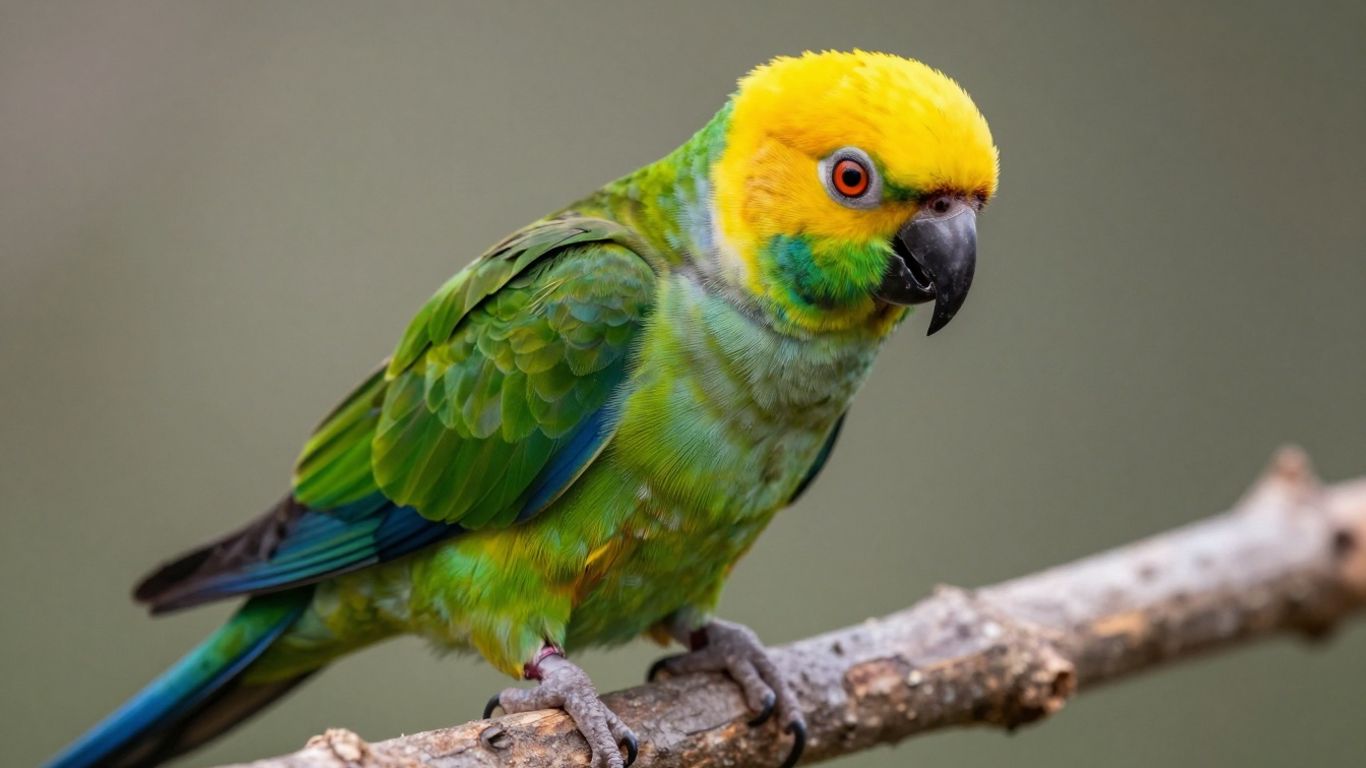
When people think of bright, flashy conures, the Sun Conure often comes to mind. And yeah, they’re super colorful, usually a vibrant orange and yellow all over. They’re also known for being really social and, well, loud. Like, really loud sometimes. Gold Capped Conures, on the other hand, have that distinctive gold cap, but their overall coloring is a bit more subdued, often with green and blue. They tend to be a bit quieter than Sun Conures, which can be a big deal if you live in an apartment or just prefer a less boisterous bird.
Here’s a quick look:
| Feature | Gold Capped Conure | Sun Conure |
|---|---|---|
| Primary Color | Green with gold cap | Bright orange/yellow |
| Noise Level | Moderate | High |
| Temperament | Playful, curious | Very social, vocal |
| Lifespan | 20-30 years | 20-30 years |
Distinguishing from Green-Cheeked Conures
Now, the Green-Cheeked Conure is another popular choice, and they’re quite different from both the Gold Capped and the Sun Conure. These little guys are known for being much quieter, which is why they’re often recommended for people living in smaller spaces or who want a bird that won’t be constantly chirping. They’re also smaller overall. While a Gold Capped Conure has that clear golden patch on its head, the Green-Cheeked is mostly green, with maybe some hints of color on its cheeks or belly depending on the mutation. They’re super sweet and cuddly, but maybe not as
Wrapping Up Your Gold Capped Conure Journey
So, that’s the lowdown on the Gold Capped Conure. They’re pretty neat birds, aren’t they? With their bright looks and lively personalities, it’s easy to see why people fall for them. Just remember, like any pet, they need the right setup and plenty of attention to really thrive. If you’re thinking about bringing one of these little guys into your home, make sure you’re ready for the commitment. It’s a big decision, but for the right person, a Gold Capped Conure can be a really fun and rewarding companion. Happy bird keeping!
Frequently Asked Questions
What makes the Gold Capped Conure special compared to other conures?
The Gold Capped Conure, also known as the Golden Conure or Queen of Bavaria Conure, is quite striking! While many conures are colorful, the Gold Cap has a predominantly golden-yellow body with a distinctive golden cap on its head. They’re often described as being very intelligent and playful, much like other conures, but their unique coloring makes them stand out.
Are Gold Capped Conures noisy birds?
Like most conures, Gold Capped Conures can be quite vocal. They use their calls to communicate, express excitement, or when they want attention. While they might not be the loudest conure species out there, potential owners should be prepared for them to make noise, especially during certain times of the day or when they’re feeling particularly social.
How much attention do Gold Capped Conures need?
Gold Capped Conures are very social birds and need a good amount of daily interaction with their owners. They thrive on playtime, training, and simply being part of the family’s activities. If left alone for too long without enough mental stimulation, they can become bored or stressed.
What kind of diet is best for a Gold Capped Conure?
A balanced diet is key! Their main food should be a high-quality parrot pellet. You can supplement this with a variety of fresh fruits and vegetables, like apples, bananas, berries, carrots, and leafy greens. It’s important to avoid giving them avocado, chocolate, and excessive amounts of seeds, as these can be harmful.
How long do Gold Capped Conures typically live?
With good care, Gold Capped Conures can live for a long time! Many can live for 20 to 30 years, and some even longer. This means they are a long-term commitment, so make sure you’re ready to provide care for them throughout their entire lives.
Are Gold Capped Conures good pets for beginners?
While they are intelligent and can be very rewarding, Gold Capped Conures do require a significant amount of time, attention, and patience. Their vocal nature and need for social interaction mean they might be better suited for owners who have some experience with birds or who can dedicate ample time to them daily. A beginner who is fully prepared for the commitment could certainly have one, though!