Crimson Bellied Conure: Your Ultimate Guide to This Vibrant Bird
Thinking about adding a splash of color and a whole lot of personality to your life? The Crimson Bellied Conure might just be the bird for you. These vibrant little guys are known for their striking looks and lively spirits. If you’re curious about what it takes to care for one of these feathered gems, from setting up their home to keeping them happy and healthy, you’ve come to the right place. We’re going to break down everything you need to know about the Crimson Bellied Conure, making sure you’re well-prepared for this exciting journey.
Key Takeaways
- The Crimson Bellied Conure is a visually striking bird with a vibrant personality, making it an engaging pet.
- Proper preparation is key when bringing a Crimson Bellied Conure home, including budgeting for initial costs and bird-proofing your space.
- Meeting the nutritional needs of your Crimson Bellied Conure with a balanced diet and providing plenty of enrichment are vital for their well-being.
- Understanding common health issues and the importance of regular veterinary care will help keep your Crimson Bellied Conure healthy.
- Building a strong bond with your Crimson Bellied Conure through trust, socialization, and consistent training is a rewarding experience.
Understanding the Crimson Bellied Conure
Crimson Bellied Conure Characteristics
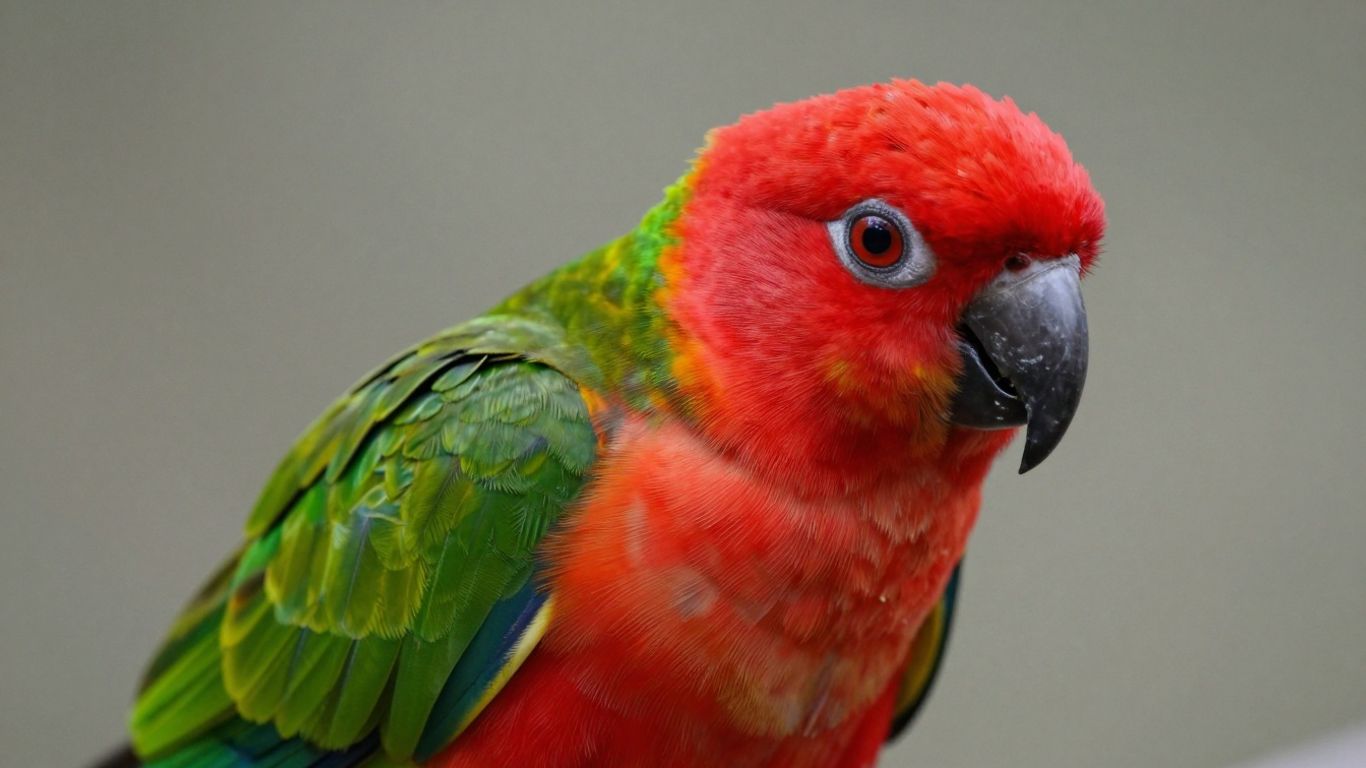
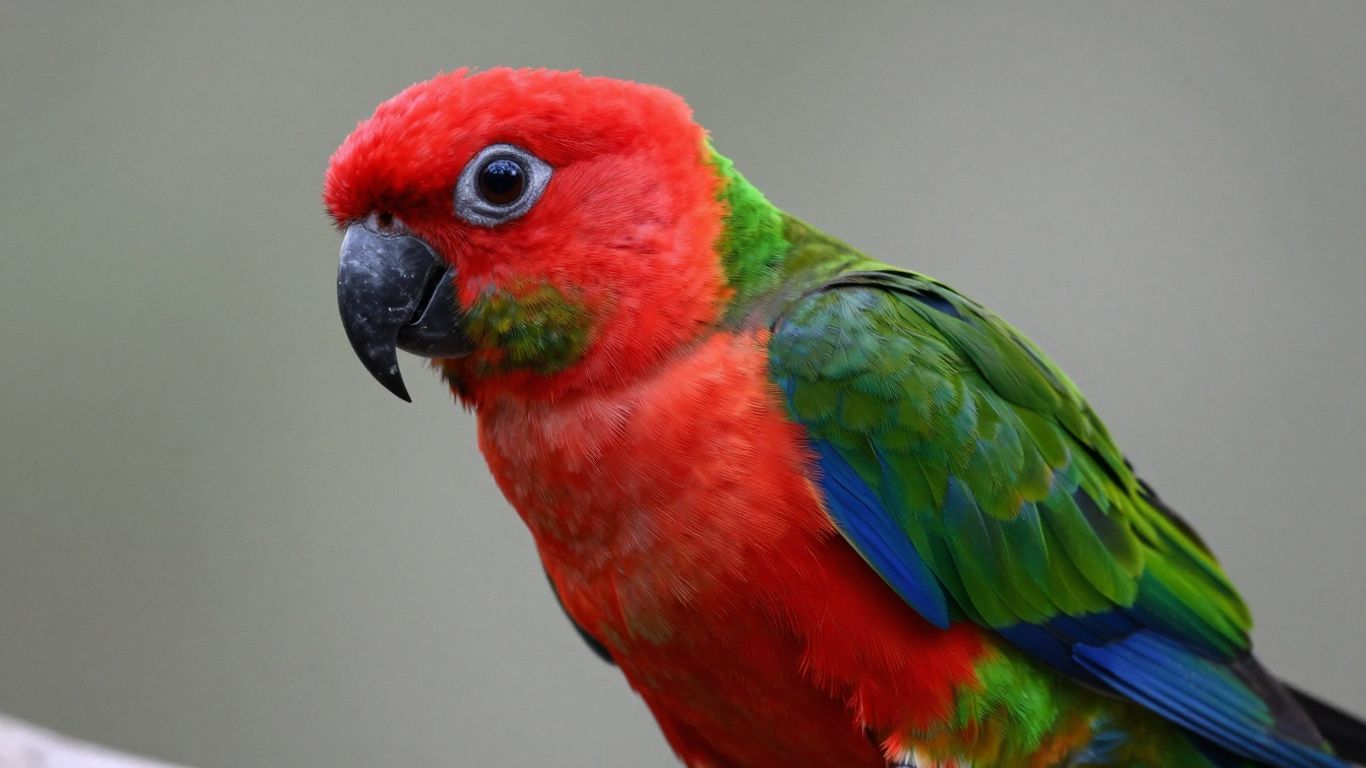
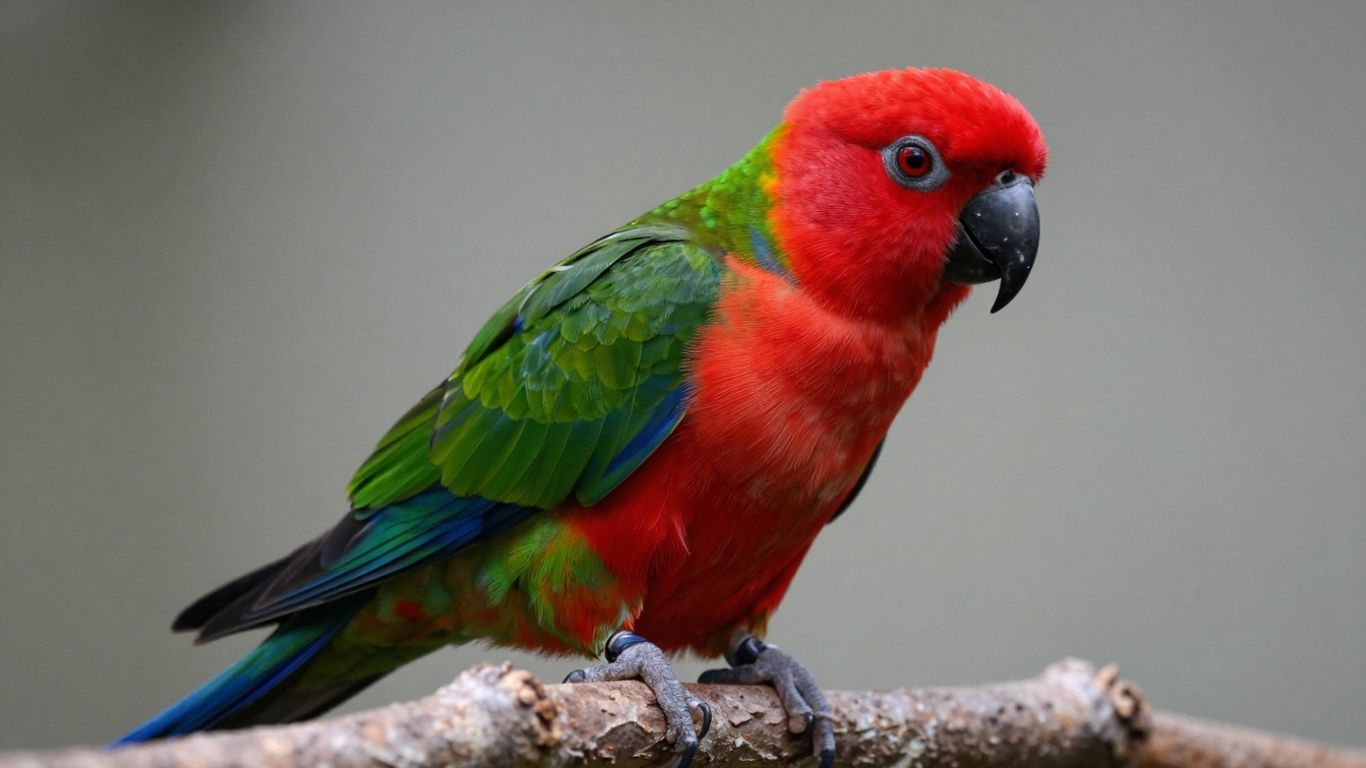
The Crimson Bellied Conure, a member of the Pyrrhura genus, is a small to medium-sized parrot known for its striking appearance and lively personality. As the name suggests, a defining feature is the vibrant crimson or deep red coloring on its belly and chest, which contrasts beautifully with its predominantly green plumage. You’ll also often find splashes of yellow or orange on its wings and head, making it a truly eye-catching bird. They typically measure around 10-11 inches from beak to tail, making them a manageable size for many households. Their build is generally sturdy, and they possess the characteristic conure’s curious and energetic nature. These birds are not just pretty faces; they are intelligent creatures with a lot of spirit.
Temperament and Personality
Crimson Bellied Conures are often described as "little parrots with big personalities." They are known for being incredibly social, playful, and affectionate. If you’re looking for a bird that will actively engage with you, this species is a great choice. They love to be involved in family activities and can become quite attached to their chosen people. Their playful antics can keep you entertained for hours, and they often enjoy learning new tricks. However, like many intelligent birds, they can also develop a stubborn streak if not properly trained and socialized. They thrive on interaction and can become lonely or even destructive if left alone for extended periods without stimulation.
Vocalization Levels
Conures, in general, are not known for being quiet birds, and the Crimson Bellied Conure is no exception, though they tend to be less vocally intense than some of their larger conure cousins like the Sun Conure. They communicate through a variety of sounds, including chirps, squawks, and whistles. While they might not be the best at mimicking human speech compared to other parrot species, they can learn a few words and phrases, and they are often quite adept at imitating household noises. Their vocalizations are a natural part of their social behavior, used to communicate excitement, alarm, or simply to get your attention. It’s important to be prepared for a certain level of noise, especially during morning and evening hours, or when they are excited or feel something is amiss.
It’s a good idea to consider your living situation and your tolerance for noise before bringing any conure species home. While they are wonderful companions, their natural vocalizations are a significant part of their communication and personality.
Bringing Home Your Crimson Bellied Conure
So, you’ve decided a Crimson Bellied Conure is the bird for you. That’s awesome! These little guys are packed with personality and can bring so much joy. But before you bring one home, there are a few things to think about.
Finding a Crimson Bellied Conure for Sale
When you’re looking for your new feathered friend, it’s super important to find a reputable source. You want a bird that’s been well-cared for from the start. This means looking for breeders or rescues that focus on health and socialization. A well-socialized bird will be much happier and easier to bond with.
Here’s a quick rundown of where you might find one:
- Reputable Breeders: Look for breeders who are transparent about their practices, health test their birds, and can answer all your questions. They often raise hand-fed babies, which makes a big difference.
- Bird Rescues and Sanctuaries: Sometimes, you can find amazing conures needing a second chance. This is a great option if you’re open to giving a bird a loving home.
- Specialty Bird Stores: While less common, some stores work with good breeders. Just be sure to ask about where their birds come from.
Prices can really vary depending on where you get your bird and its specific lineage. You might see them ranging from $600 to $1,400 or even more.
Initial Costs and Budgeting
Getting a conure is more than just the bird itself. You’ve got to think about the whole setup. It’s a commitment, and these birds can live for a good long while – think 25 to 30 years, sometimes even longer!
Here’s a rough idea of what you might spend initially:
| Item | Estimated Cost Range | Notes |
|---|---|---|
| Crimson Bellied Conure | $600 – $1,400+ | Varies by breeder, age, and genetics. |
| Large Cage | $200 – $500+ | Bigger is always better for these active birds. |
| Food & Treats | $50 – $100 (monthly) | High-quality pellets, fresh produce, seeds. |
| Toys | $50 – $150 (initial) | Rotate regularly to keep them engaged. |
| Vet Check-up | $75 – $150 | For the initial health assessment. |
Remember, this is just a starting point. Ongoing costs for food, toys, and vet care will add up over the years.
Preparing Your Home for a New Bird
Once you’ve found your bird and budgeted for everything, it’s time to get your place ready. Think of it like baby-proofing, but for a bird!
- Cage Setup: Make sure the cage is ready to go before your bird arrives. Have perches, food and water dishes, and some initial toys in place. We’ll talk more about cage specifics later, but aim for something spacious with appropriate bar spacing.
- Bird-Proofing: If you plan on letting your conure out of its cage, you’ll need to make sure the area is safe. This means covering electrical cords, removing toxic plants, and securing windows and doors. They are curious creatures and can get into trouble fast!
- Quiet Time: The first few days are all about adjustment. Give your new bird plenty of quiet time to get used to its new surroundings without too much hustle and bustle. Let them explore their cage and get comfortable at their own pace.
Bringing a new pet home is exciting, but it’s also a big change for the bird. Creating a calm and safe environment from day one helps them settle in much more smoothly. Patience is key during this initial period.
Essential Care for Your Crimson Bellied Conure
Alright, so you’ve got your eye on a Crimson Bellied Conure, which is awesome! These birds are super neat. But like any pet, they need the right setup and daily grub to stay happy and healthy. Let’s break down what goes into keeping your new feathered buddy thriving.
Cage Size and Setup
First things first, the cage. Think big! These guys are active and need room to move. A good rule of thumb is to get the largest cage you can reasonably fit and afford. We’re talking at least 24 inches wide, 24 inches deep, and 30 inches tall for a single bird. Anything smaller and they’ll start to feel cramped, which can lead to all sorts of behavioral issues. The bar spacing is also important – keep it to no more than 3/4 of an inch so they can’t squeeze through or get their heads stuck. Inside, you’ll want a variety of perches. Mix up the textures and diameters; maybe a natural wood perch here, a rough concrete one there to help keep their nails trimmed naturally. Avoid putting all the perches at the same height; give them different levels to explore.
Nutritional Needs and Diet
What you feed your conure is a big deal. Forget just tossing in a bowl of seeds; that’s like us eating only candy bars all day. A balanced diet is key. Most of their food, about 60-70%, should be a high-quality pellet specifically made for parrots. These pellets have all the vitamins and minerals they need. Then, fill in about 25-30% with fresh, chopped vegetables. Think broccoli, carrots, bell peppers, leafy greens – a good mix! Fruits and seeds can be given as treats, but sparingly. Too many seeds can lead to weight gain and other health problems. And water? Always fresh and clean. Change it at least twice a day, and wash the bowls daily to prevent nasty bacteria buildup.
Enrichment and Playtime
Conures are smart cookies, and if they get bored, they can get into trouble. That means chewing things they shouldn’t or getting loud. You’ve got to keep their minds busy! This is where enrichment comes in. Toys are a must. Get a variety: things they can shred, things they can forage in (hide treats inside!), and things they can climb on. Rotate toys regularly so they don’t get stale. Also, they need time out of the cage every single day. This is their chance to fly, explore, and interact with you. Aim for at least a couple of hours of supervised playtime. Teaching them new tricks is fantastic enrichment too; they love a good mental challenge. A play gym can also be a great addition, giving them a dedicated space to climb and play.
Boredom is the enemy of a happy conure. Providing a stimulating environment with plenty of toys and interaction will prevent destructive behaviors and keep your bird’s spirits high. A busy bird is a happy bird, and a happy bird is a joy to have around.
Remember, these birds are social creatures. They need your attention and interaction to truly thrive. Making time for them every day is just as important as providing the right food and cage.
Health and Wellness of Your Crimson Bellied Conure
Keeping your Crimson Bellied Conure healthy and happy is a big part of being a good bird parent. These birds are pretty good at hiding when they don’t feel well, so you really need to pay attention to their daily habits and appearance. Spotting subtle changes early can make a huge difference in their recovery.
Recognizing Signs of a Healthy Bird
A vibrant Crimson Bellied Conure will usually be active and alert. You’ll notice they have clear, bright eyes without any discharge. Their feathers should look smooth and glossy, not ruffled or dull. A healthy bird will have a strong grip when perched and will eat eagerly. They tend to be playful and curious, often engaging with their surroundings. Their droppings should be firm with a bit of white urates, and their breathing should be smooth and quiet.
Common Health Concerns
Like all birds, Crimson Bellied Conures can be prone to certain health issues. Poor diet is a big one; feeding too many seeds or fatty treats can lead to problems like fatty liver disease. Dirty cages can cause respiratory infections. Sometimes, birds might start plucking their feathers, which can be a sign of stress, boredom, or loneliness. Overgrown beaks and nails are also common if they don’t have enough rough surfaces to wear them down. It’s also important to be aware of potential infections like bornavirus or psittacosis, especially if you get a young bird from an untested source.
The Importance of Veterinary Care
Regular check-ups with an avian veterinarian are super important. These vets are trained to spot problems that the average person might miss. They can perform tests to check for hidden infections or issues with organs like the liver. Getting your bird checked out soon after bringing them home, and then annually, is a smart move. It helps catch things early and ensures your bird gets the right advice on diet and care to live a long, healthy life. Finding a good avian vet is key to your bird’s well-being.
Bonding and Training Your Crimson Bellied Conure
Building Trust and Socialization
Getting your Crimson Bellied Conure to trust you is the first big step. It’s not something that happens overnight, you know? Think of it like making a new friend. You wouldn’t just grab a stranger and expect them to be your best buddy, right? It’s the same with your bird. Start slow. Spend time just being in the same room, talking softly. Let them get used to your presence. Offering treats, like a tiny piece of fruit or a seed, can go a long way. Positive reinforcement is key here. When they do something you like, like stepping onto your finger, give them a reward and some praise. This helps them associate you with good things.
It’s also really important to let everyone in the household interact with the bird. This way, they see the whole family as their flock, not just one person. This helps them feel more secure and less likely to become overly attached to just one individual, which can sometimes lead to behavioral issues later on. Socialization means your conure feels comfortable and safe with everyone.
Teaching Tricks and Commands
Once you’ve built a solid foundation of trust, you can start teaching your conure some fun tricks. Conures are smart birds and often enjoy learning. Things like "step up" (getting them to step onto your finger or hand) are super useful for handling. You can also teach them to wave, turn around, or even mimic a few simple words or sounds. Keep training sessions short and sweet, maybe 5-10 minutes a few times a day. This keeps them engaged without overwhelming them. Use those tasty treats as rewards when they get it right. It’s amazing how quickly they can pick things up when they’re motivated.
Here’s a quick rundown of how to start teaching "step up":
- Hold a treat just above your bird’s eye level.
- Gently present your finger or a perch below their feet.
- When they step onto your finger or perch to reach the treat, say "step up" and give them the reward.
- Practice this regularly, gradually increasing the time they stay on your finger before getting the treat.
Safe Handling Practices
Handling your Crimson Bellied Conure safely is all about respect and understanding their body language. Always approach them calmly. Avoid sudden movements or loud noises that might startle them. When you pick them up, support their feet and body properly. Don’t grab them by their wings or tail feathers. If your bird seems stressed, agitated, or is trying to get away, it’s best to back off and try again later. Pushing them when they’re not comfortable can damage your bond.
Birds communicate a lot through their body language. Fluffed feathers, a gaping beak, or a tense posture can all be signs that they’re feeling uneasy or threatened. Learning to read these cues will help you avoid stressful situations for both you and your feathered friend. It’s about working with them, not against them.
Remember, taming a parrot takes time and patience, but the bond you’ll form is incredibly rewarding. You can find more tips on taming your parrot if you need them.
Grooming Your Vibrant Companion
Keeping your Crimson Bellied Conure looking and feeling its best involves a few key grooming tasks. It’s not just about looks; proper grooming helps prevent health issues and strengthens your bond.
Nail and Beak Maintenance
Regular nail trims are important to prevent overgrowth, which can lead to discomfort or injury. You’ll want to keep an eye on your conure’s beak too. While they do a lot of self-grooming, sometimes a beak can become overgrown or develop rough spots. You can offer safe chew toys to help with natural wear. If you notice significant overgrowth or damage, it’s best to consult with an avian vet. They can trim it safely or advise on how to manage it. For nail trims, you can use small animal nail clippers, but be very careful not to cut the quick, which is the blood vessel inside the nail. If you’re nervous about this, your vet can show you the proper technique or do it for you.
Feather Health and Bathing
Feathers are a bird’s pride and joy, and keeping them in good condition is vital. Conures generally do a good job of preening themselves, but they do appreciate a little help from their humans, especially when it comes to bathing. Bathing helps remove dust and dander, keeps feathers sleek, and can even help with molting. You have a few options for bath time:
- Misting: Use a spray bottle filled with lukewarm, clean water. Gently mist your bird from a distance, allowing them to decide if they want to step into the "rain."
- Shallow Dish: Offer a shallow, sturdy dish of clean water. Some birds love to splash around in this.
- Shower Perch: If your bird is comfortable, you can place a perch in your shower and let them join you for a steamy bath. Always supervise closely.
Grooming Tools and Techniques
When it comes to grooming, having the right tools makes all the difference. For nail trims, small animal clippers are usually sufficient. You might also want a styptic pencil on hand, just in case you accidentally nick a blood vessel. For bathing, a fine-mist spray bottle is a must-have.
Remember that grooming should always be a positive experience for your bird. If your conure seems stressed or fearful, back off and try again another time. Patience and positive reinforcement go a long way in making grooming a routine part of your bird’s care.
When it comes to beak maintenance, providing a variety of safe chew toys is your best bet. Things made of natural wood, cardboard, or even certain types of edible chews can help keep their beaks in shape. If you’re ever concerned about your bird’s beak health, like if you notice a split lower beak, it’s always a good idea to seek advice from a professional. They can offer guidance on diet and care, similar to how they manage parrot beak issues.
Regular grooming isn’t just about keeping your conure looking sharp; it’s a proactive way to monitor their health and build a stronger connection with your feathered friend. A well-groomed bird is often a happier and healthier bird.
Bringing Home Your Crimson Bellied Conure
So, that’s the lowdown on the Crimson Bellied Conure. They’re definitely a lot of bird packed into a smaller package, full of personality and ready to be part of the family. If you’re looking for a pet that’s going to keep you entertained and give you plenty of cuddles, this might just be your guy. Just remember, they need your time and attention, like any pet does. But if you’re up for it, you’ll get a really cool feathered friend who’ll stick by you for years to come. It’s a big commitment, sure, but totally worth it for the laughs and the love.
Frequently Asked Questions
Are Crimson Bellied Conures good pets for people new to owning birds?
Yes, Crimson Bellied Conures can be a great choice for first-time bird owners. They are known for being playful and affectionate. However, like all parrots, they need a good amount of attention and care. It’s important to be ready for the commitment, which includes daily interaction and a proper environment.
Can Crimson Bellied Conures learn to talk or mimic sounds?
While they might not be the best talkers compared to some other parrot species, Crimson Bellied Conures can definitely learn to mimic sounds and a few words. They are quite smart and enjoy learning, so with patience and practice, you might be surprised by what they can pick up, from household noises to simple phrases.
How noisy are Crimson Bellied Conures?
Crimson Bellied Conures can be quite vocal, especially when they are excited or want attention. They have a range of sounds, from chirps and squawks to louder calls. If you live in a place where noise is a big concern, it’s something to consider, though they are generally not as loud as some other conure types like Sun Conures.
What kind of cage do Crimson Bellied Conures need?
These birds need a spacious cage where they can comfortably stretch their wings, climb, and play. A good starting point is a cage that’s at least 24 inches wide, 24 inches deep, and 30 inches high. The bars should be close enough together, no more than 3/4 of an inch apart, so they can’t squeeze through or get their heads stuck.
What should I feed my Crimson Bellied Conure?
A healthy diet for a Crimson Bellied Conure should mainly consist of high-quality bird pellets, making up about 60-70% of their food. You should also give them a variety of fresh fruits and vegetables every day. Seeds and nuts can be given as occasional treats, but not too many, as they can be high in fat.
How long do Crimson Bellied Conures typically live?
With proper care, a good diet, and a loving environment, Crimson Bellied Conures can live for a long time. Many of them live between 15 to 30 years. This means owning one is a long-term commitment, so be prepared to provide care and companionship for many years to come.