Caring for Your Red Sided Eclectus: A Comprehensive Guide
So, you’ve got a Red Sided Eclectus, huh? Awesome birds, really. They’ve got these super cool colors and a personality to match. But, like any pet, they need the right care to keep them happy and healthy. This guide is going to walk you through all the important stuff, from what they eat to how to set up their home. We’ll cover the basics so you can give your Red Sided Eclectus the best life possible. It’s not rocket science, but paying attention to the details really makes a difference.
Key Takeaways
- Red Sided Eclectus parrots have unique dietary needs, leaning heavily towards a plant-based diet rich in fruits and vegetables, with a smaller portion of high-quality pellets.
- Avoid feeding your Red Sided Eclectus toxic human foods, high-fat items, processed foods, and anything with artificial additives or preservatives.
- Provide a spacious cage with appropriate bar spacing, made from safe materials, and ensure your bird gets plenty of undisturbed sleep in a quiet environment.
- Regular bathing and showering are important for your Red Sided Eclectus’s hygiene, and you must be mindful of household toxins like Teflon fumes and dangers from other pets.
- Social interaction, basic training, and environmental enrichment are vital for the mental and emotional well-being of your Red Sided Eclectus.
Understanding Your Red Sided Eclectus
Distinct Plumage and Behavior
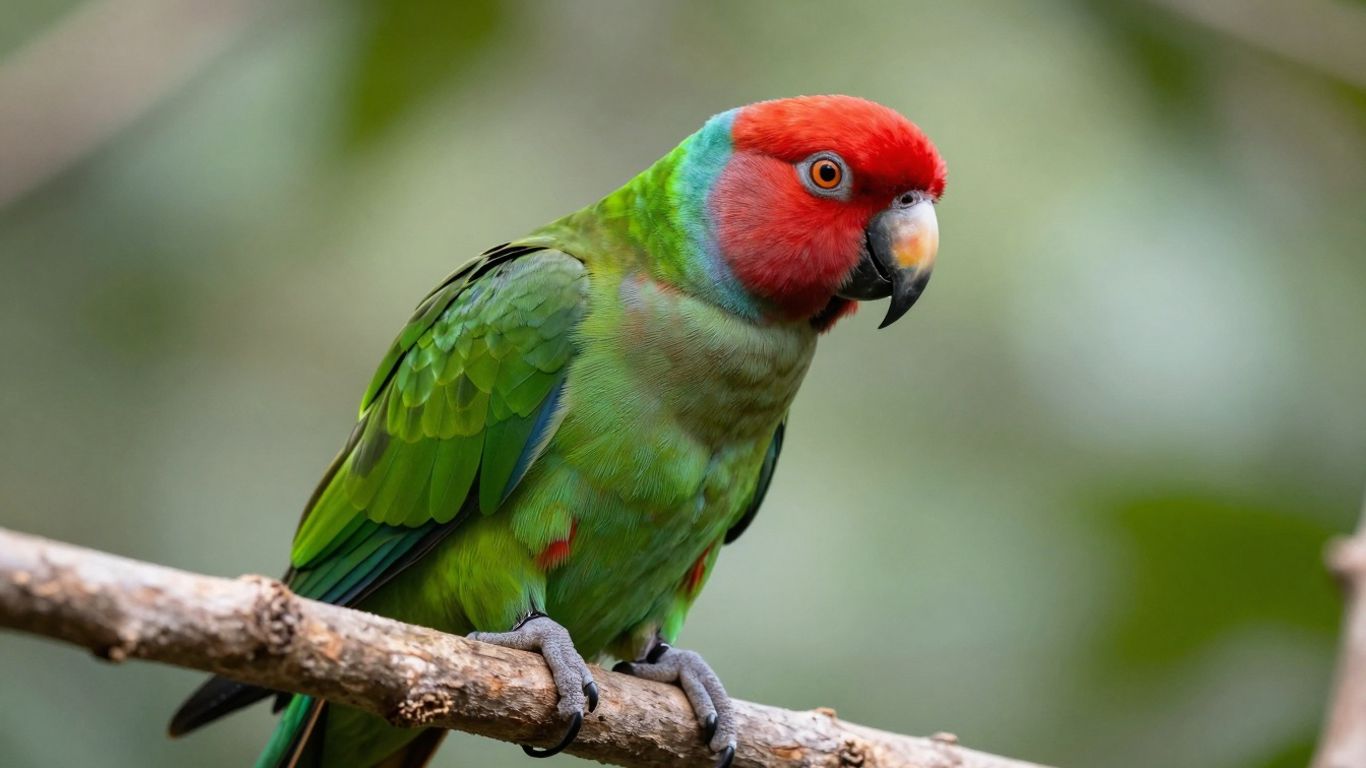
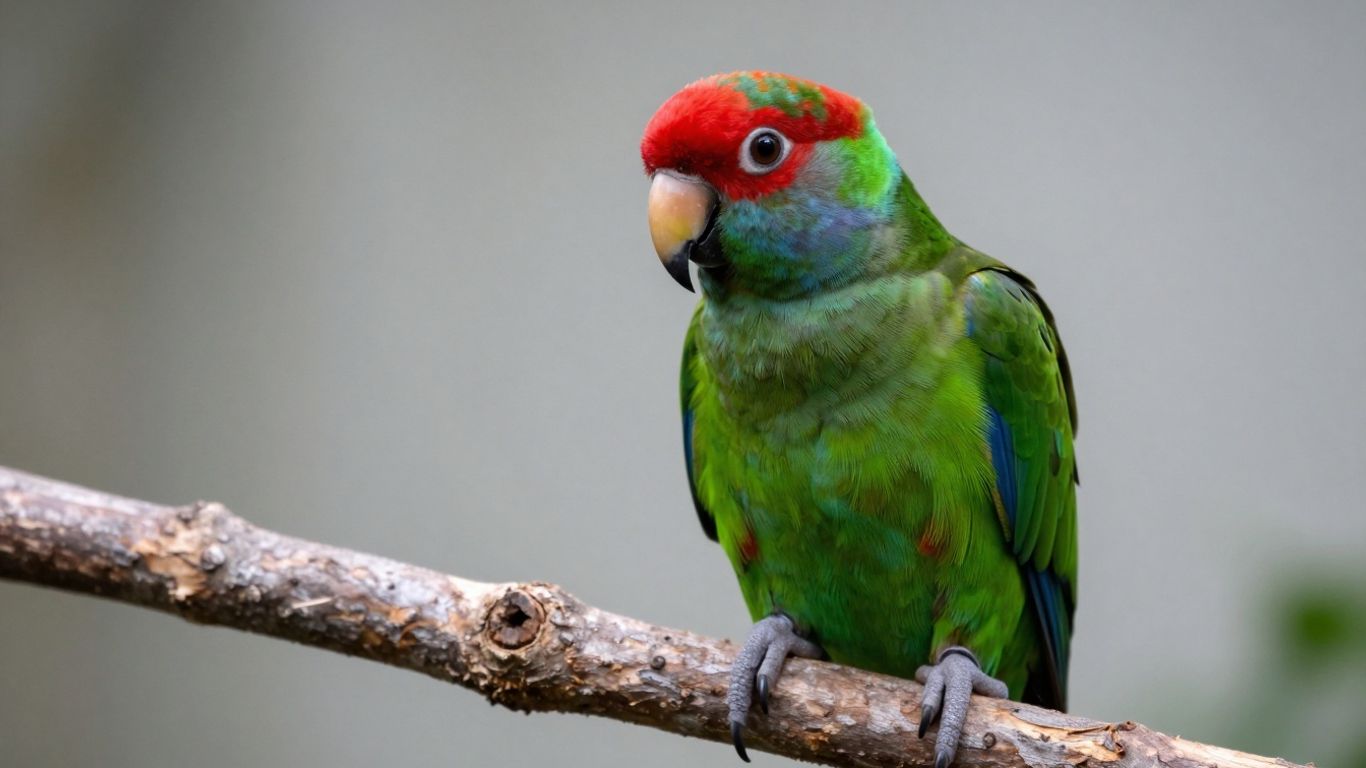
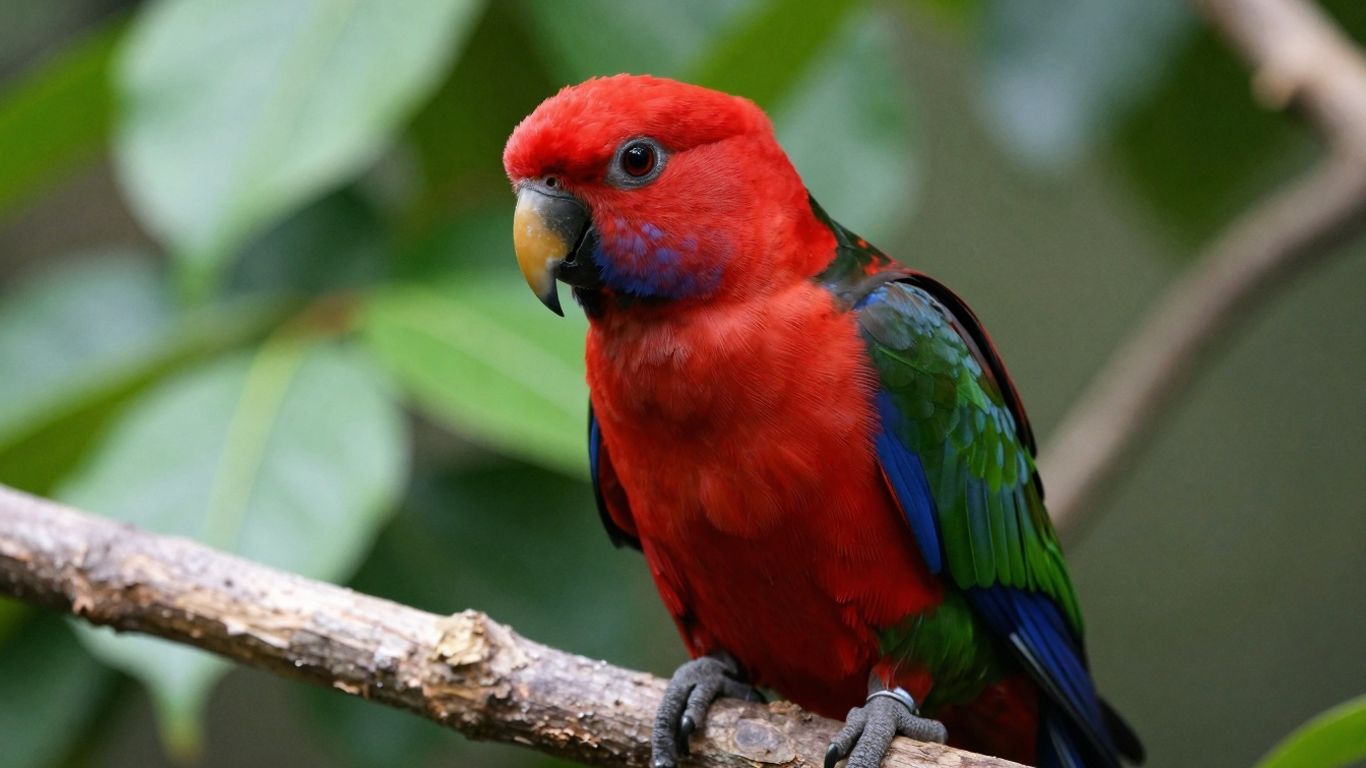
Red Sided Eclectus parrots are pretty striking, and one of the first things you’ll notice is how different the males and females look. It’s called sexual dimorphism, and it’s really pronounced in this species. The males are mostly bright green with a vibrant red on their sides and underwings, while the females are a stunning deep blue and scarlet. Honestly, they look so different that people used to think they were separate bird species! Beyond their looks, their behavior is also pretty unique. In the wild, females spend a long time nesting, sometimes up to nine months, and they have multiple males helping out. It’s a cooperative breeding setup, which is pretty rare in the bird world.
Lifespan and Size
These birds are not small, and they live a good long while. An adult Red Sided Eclectus typically weighs between 350 to 500 grams, which is a decent size for a parrot. When it comes to how long they live, you’re looking at a long-term commitment. Most Eclectus parrots can live anywhere from 30 to 50 years, and some even longer with excellent care. So, when you bring one home, you’re really bringing a companion for a significant part of your life.
Social Nature and Hormonal Cycles
Red Sided Eclectus parrots are generally known for being pretty gentle and affectionate. They do enjoy interacting with their people, and bonding is important. However, it’s worth noting that females, in particular, can go through noticeable hormonal cycles. These can sometimes lead to behavioral changes, and it’s something to be aware of as a pet owner. Understanding these cycles helps you manage their environment and interactions to keep them happy and well-adjusted.
Dietary Foundations for Red Sided Eclectus
The Herbivore and Frugivore Diet
Red-sided Eclectus parrots are built differently than many other parrot species. They’re mostly herbivores and frugivores, meaning their natural diet is heavy on plants and fruits. Think of them foraging high up in the rainforest canopy, not scratching around on the ground. This is a big deal because it means their digestive system works best with foods that are high in fiber and not too fatty. It’s not like feeding a seed-eating bird; their needs are quite specific. This dietary difference is key to their overall health and well-being.
Importance of Fresh, Raw Plant-Based Foods
Because of their natural diet, a huge chunk of what your Eclectus eats should be fresh, raw plant stuff. We’re talking about a wide variety of fruits, vegetables, and even some herbs. This is where they get most of their vitamins, minerals, and fiber. It’s not just about filling them up; it’s about giving them the right building blocks. Trying to feed them mostly seeds or grains just won’t cut it for these birds. They really thrive on a diverse mix of fresh foods, which helps keep their feathers looking good and their energy levels up. It’s a good idea to offer a variety of colors and textures to make sure they get a broad spectrum of nutrients. You can find some great ideas for parrot-safe fruits and vegetables.
Role of High-Quality Pellets
While fresh foods are super important, most vets and experienced owners suggest including some high-quality pellets in their diet too. Pellets can be a good way to make sure they’re getting a balanced amount of nutrients, especially if you’re worried about them not eating enough variety of fresh foods. The trick is to find pellets that are made well, without any artificial colors, flavors, or preservatives. These things can actually be harmful to Eclectus parrots. Look for pellets made with a cold-press process if you can. Think of pellets as a nutritional supplement to their fresh food diet, not the main event. About 20% of their diet can come from these, with the rest being fresh plant matter. It’s a balance, you know? You want to make sure they’re getting everything they need without overdoing it on processed stuff.
Essential Foods for Red Sided Eclectus
When it comes to feeding your Red Sided Eclectus, think fresh and natural. These birds are primarily herbivores and frugivores, meaning their diet in the wild is heavy on plants and fruits. So, in captivity, we want to mimic that as closely as possible. A good rule of thumb is that about 80% of their diet should be raw plant-based foods. This is where you can really get creative and provide a lot of variety.
Nutritious Fruits and Berries
Fruits are a big hit with Eclectus parrots, and for good reason! They offer a fantastic source of vitamins and antioxidants. Think about offering a rainbow of colors to ensure a wide range of nutrients. Some great options include:
- Apples (seeds removed)
- Berries like blueberries, raspberries, and cranberries
- Melons (cantaloupe, watermelon)
- Mangoes and papayas
- Peaches and pears (pits removed)
- Pineapple
- Cherries (pits removed)
While citrus fruits are okay in moderation, their acidity means they shouldn’t be a daily staple. It’s also important to remove any seeds or pits from fruits, as some can be toxic.
Variety of Vegetables and Leafy Greens
Don’t stop at fruits! A diverse mix of vegetables and leafy greens is super important for your Eclectus. These provide fiber and a host of other nutrients. Aim for a good selection of dark, leafy greens, as they are packed with goodness. Some top choices are:
- Broccoli and cauliflower
- Bell peppers (any color)
- Carrots (orange and other colors)
- Sweet potatoes (cooked)
- Leafy greens like kale, spinach, and romaine lettuce
- Pumpkin
- Artichokes
Remember, variety is key here. Rotating different vegetables will help ensure your bird gets a broad spectrum of vitamins and minerals. You can find some excellent pre-made mixes that are great for Eclectus parrots.
Beneficial Herbs and Spices
Believe it or not, herbs and spices can be a wonderful addition to your Eclectus’s diet. Many offer unique nutrients and some even have calming properties. You can offer these fresh or dried. Consider adding things like:
- Basil
- Cilantro
- Mint
- Dill
- Parsley
- Cinnamon bark
- Lavender (known for its calming effect)
Just a little sprinkle can go a long way in adding flavor and nutritional benefits.
Sprouted Legumes and Seeds
Sprouting legumes and seeds is a fantastic way to boost their nutritional content. The sprouting process makes nutrients more available and easier for your bird to digest. When sprouting, stick to beans like mung beans, adzuki beans, and garbanzo beans. Always make sure to rinse them thoroughly. Some beans, like soup beans, should be avoided or cooked thoroughly if not sprouted. This is a great way to add protein and other good stuff to their meals.
A diet rich in fresh, raw plant matter is the cornerstone of a healthy Red Sided Eclectus. While high-quality pellets can supplement their diet, they should not be the main component. Focus on providing a wide array of colorful fruits, vegetables, and beneficial herbs to mimic their natural foraging habits and meet their unique nutritional needs.
Foods to Avoid for Red Sided Eclectus
When it comes to feeding your Red Sided Eclectus, knowing what not to give them is just as important as knowing what they should eat. These birds have specific dietary needs, and some common human foods or even other pet foods can be downright harmful. It’s easy to think, "Oh, they’re just a little bite," but for a parrot, even a small amount of the wrong thing can cause big problems.
Toxic Human Foods
Some things we enjoy without a second thought are absolute no-gos for your Eclectus. Never, ever feed your parrot chocolate, avocado, or anything containing caffeine or alcohol. These are highly toxic and can be fatal. Onions and garlic, while common in our cooking, can also cause serious health issues, including damage to red blood cells. Even seemingly harmless items like fruit pits and apple seeds contain cyanide, so always remove them before offering fruit. Dairy products are also a problem, as parrots are lactose intolerant and cannot digest them properly.
High-Fat and Processed Items
Red Sided Eclectus are not built to handle a lot of fat. Their natural diet is relatively low in fat, and feeding them fatty foods can lead to obesity, liver disease, and other health complications. This means you should steer clear of:
- Fried foods: Anything greasy or oily is a definite no.
- Salty snacks: Pretzels, chips, and salted nuts are too much sodium.
- Processed meats: Deli meats and sausages are loaded with salt and preservatives.
- Sugary treats: Candy, cookies, and pastries are empty calories and can lead to health issues.
Artificial Additives and Preservatives
Parrots, especially Eclectus, are sensitive to artificial ingredients. Many commercial bird seed mixes and pellets contain artificial colors, flavors, and preservatives that can be detrimental to their health over time. These additives can cause behavioral issues, feather plucking, and even more serious internal problems. When choosing any processed food for your Eclectus, always opt for organic options with no added dyes or preservatives. It’s always best to stick to fresh, whole foods as much as possible.
It’s really about keeping things as natural as possible for them. Think about what they would eat in their native habitat – lots of fresh fruits, vegetables, and leafy greens. Anything that looks like it came out of a factory or has a long list of unpronounceable ingredients is probably best left off their menu. Their bodies are designed for simple, plant-based nutrition, not the complex, often artificial, stuff we humans consume.
Housing and Environmental Needs
Setting up the right home for your Red Sided Eclectus is super important. It’s not just about having a place for them to sit; it’s about creating an environment where they can thrive. Think of it as their personal kingdom.
Appropriate Cage Size and Bar Spacing
When picking out a cage, bigger is definitely better. Your Eclectus needs room to spread their wings, climb around, and play without feeling cramped. A good rule of thumb is that they should be able to flap their wings fully without hitting the sides. Also, pay close attention to the bar spacing. You don’t want the gaps to be so wide that your bird could get their head stuck, but not so narrow that they can’t explore or get through easily. For Eclectus parrots, a spacing of about 3/4 inch to 1 inch is usually recommended.
Here’s a quick look at cage dimensions:
| Bird Size | Minimum Cage Width | Minimum Cage Depth | Minimum Cage Height |
|---|---|---|---|
| Eclectus Parrot | 36 inches | 30 inches | 48 inches |
Remember, these are minimums. If you can go bigger, do it! More space means a happier bird.
Safe Cage Materials
Not all cage materials are created equal. Avoid cages made with old or galvanized metals, as these can be toxic to birds. Stick to cages made from stainless steel, powder-coated metal, or wrought iron that has been properly treated. Also, steer clear of cages with lead paint or other toxic coatings. The perches are important too. While cages often come with dowel perches, it’s best to offer a variety. Natural branches from safe trees (like apple or pear wood, thoroughly cleaned) provide better foot exercise and grip. You can also get rope perches or boings, but keep an eye on them to make sure your bird isn’t unraveling them and getting tangled.
Importance of Sleep and Quiet
Just like us, your Eclectus needs a good night’s sleep. They require about 9 to 12 hours of uninterrupted darkness and quiet each night. If your household is very active, especially in the evenings, consider a "sleep cage." This is a smaller, secondary cage placed in a very quiet room where your bird can get undisturbed rest. Lack of sleep can lead to stress, behavioral issues, and a weakened immune system. It’s really not something to mess around with.
Providing a secure, stimulating, and safe living space is more than just a requirement; it’s a commitment to your Eclectus’s well-being. Think about their natural behaviors and try to replicate aspects of their environment to keep them mentally and physically healthy.
Hygiene and Safety for Your Red Sided Eclectus
Keeping your Red Sided Eclectus clean and safe is a big part of making sure they live a long, happy life. It’s not just about looking good; it’s about preventing sickness and keeping them out of harm’s way. Think of it like keeping your own house tidy, but for a feathered friend who can’t exactly grab a broom.
Bathing and Showering Routines
Birds in the wild take baths all the time, whether it’s in puddles or rain. Your Eclectus needs that too! It helps keep their feathers in good shape and gets rid of dust and old skin. Some birds love a big shallow dish of water, while others go wild for a gentle shower. You can try a spray bottle filled with lukewarm water, misting from above so it falls on them like rain. Don’t force it if they seem scared, though. Some birds even get excited about bath time when they hear a vacuum cleaner running – weird, right? Whatever method you choose, make sure it’s a regular thing, maybe a few times a week, depending on how much they seem to enjoy it and how dusty they get.
Household Toxins to Avoid
Our homes are full of things that are perfectly fine for us but can be deadly to parrots. Non-stick cookware, especially when overheated, releases fumes that are incredibly dangerous for birds. This isn’t just about pots and pans; things like irons and hair dryers can also have non-stick coatings. Always use cookware made from stainless steel, ceramic, or cast iron. Other things to watch out for include:
- Air fresheners and scented candles
- Cleaning products with strong chemicals
- Certain types of wood or treated lumber
- Pesticides and insect sprays
It’s best to stick to natural, bird-safe cleaning supplies and keep your parrot away from areas where you’re using any strong chemicals.
Risks from Other Pets and Fumes
Beyond household chemicals, other pets can pose a risk. Even a playful nip from a dog or cat can cause serious injury or infection. Always supervise interactions between your Eclectus and other animals very carefully. Keep them in separate rooms when you can’t watch them directly. Also, be mindful of fumes from cooking, especially if you’re using non-stick pans or anything that might release smoke. Even strong perfumes or smoke from cigarettes can irritate their sensitive respiratory systems. It’s a good idea to have a designated “bird-safe” zone in your home where the air is as clean as possible.
Keeping your Eclectus parrot in a clean environment is more than just aesthetics; it’s a direct contribution to their physical health and overall well-being. Regular cleaning of their cage, toys, and food and water dishes prevents the buildup of bacteria and mold, which can lead to serious health issues. A clean space also reduces stress for your bird, contributing to a more positive and interactive relationship.
Enrichment and Training
Keeping your Red Sided Eclectus engaged and mentally stimulated is just as important as providing the right food and a safe home. These birds are smart, and without enough to do, they can get bored, which sometimes leads to unwanted behaviors.
Social Interaction and Bonding
Your Eclectus needs quality time with you. This isn’t just about petting them; it’s about interacting, talking, and being present. Consistent, positive interaction builds a strong bond. Think of it like building a friendship – it takes time and effort.
- Daily Chats: Spend time talking to your bird. They might not understand every word, but they pick up on your tone and presence.
- Shared Activities: Include them in safe, everyday activities. If you’re reading, let them sit nearby. If you’re in the kitchen (safely away from hazards), let them observe.
- Gentle Handling: Learn how your bird likes to be touched. Some love head scratches, others prefer not to be touched on their back. Respect their signals.
Basic Training Cues
Training your Eclectus can be a fun way to strengthen your bond and provide mental exercise. Remember, these birds respond best to positive reinforcement. Harsh methods just won’t work and can damage your relationship.
- Start Small: Begin with simple cues like "step up." Break down the behavior into tiny steps. Reward any movement towards the desired action, even if it’s just looking at your hand.
- Use Rewards: Small, tasty treats like a sliver of fruit or a favorite seed work wonders. When your bird does what you ask, immediately give them the reward and praise.
- Consistency is Key: Practice these cues regularly, but keep sessions short and fun. A few minutes several times a day is better than one long, frustrating session.
Environmental Enrichment
Beyond direct interaction, their living space needs to be interesting. Think of their cage and play areas as their personal world.
- Toy Rotation: Birds get bored with the same old toys. Swap them out regularly so they always have something new to explore. Offer a variety of textures and types – chewable toys, puzzle toys, and foraging toys.
- Foraging Opportunities: Hide treats or their regular food in different places around their cage or play area. This mimics natural foraging behavior and keeps them busy.
- Variety of Perches: Offer perches of different widths and materials. This is good for their feet and provides different textures to explore. Natural branches are excellent for this. You can find more information on suitable accessories for your parrot here.
Providing a stimulating environment helps prevent boredom and stress. A bored parrot is more likely to develop behavioral issues, like feather plucking. Think about what would keep a curious mind occupied and apply that to your bird’s world. Rotate toys, offer new challenges, and let them explore safely.
Remember, enrichment isn’t a one-time setup; it’s an ongoing process of keeping your Red Sided Eclectus happy and healthy.
Wrapping It Up
So, taking care of a Red Sided Eclectus is a bit of a commitment, but it’s totally worth it. You’ve learned they need a special diet, mostly fresh stuff, not just seeds or a pile of pellets. Keeping their cage clean and safe is a big deal too, and remember those toxic fumes from things like non-stick pans – yikes! They’re smart birds, so keeping them busy with toys and interaction is key. If you give them the right food, a good environment, and plenty of attention, your Eclectus will be a happy, healthy companion for a really long time. It’s all about understanding their unique needs and meeting them consistently.
Frequently Asked Questions
What makes Red Sided Eclectus parrots special?
Red Sided Eclectus parrots are pretty unique! For starters, the boys and girls look really different – the males are usually bright green, and the females are often a vibrant red and blue. They also have a special way of eating, mostly fruits and plants, unlike some other parrots. Plus, they can live a really long time, sometimes 30 to 50 years!
What’s the best diet for my Red Sided Eclectus?
These parrots are mostly plant-eaters and fruit-lovers. Think lots of fresh, raw veggies, fruits, and leafy greens. About 80% of their food should be these fresh items. A small amount of good-quality, plain parrot pellets can also be part of their diet, but avoid anything with artificial colors or preservatives.
What specific fruits and veggies are good for them?
You can give them a wide variety! Good fruits include berries, apples, mangoes, melons, and cherries. For veggies, try things like bell peppers, broccoli, carrots, sweet potatoes, and leafy greens like kale or spinach. Herbs like basil and mint can also be a nice addition.
Are there any foods I should absolutely keep away from my Eclectus?
Yes, definitely! Never give them chocolate, caffeine, alcohol, or anything with dairy. Also, avoid processed human foods, salty snacks, and anything with artificial colors, flavors, or preservatives. Some seeds are okay in small amounts, but they shouldn’t be the main food.
How much sleep do Eclectus parrots need?
Just like us, they need good sleep! Your Eclectus parrot should have about 9 to 12 hours of quiet darkness each night. If your house is busy, consider a separate, quiet cage for them to sleep in so they can get undisturbed rest.
What are some important safety rules for my Eclectus parrot?
Be careful with household items! Things like non-stick cookware (Teflon) can release dangerous fumes if overheated. Also, keep them away from smoke, strong scents like air fresheners or incense, and cleaning chemicals. Other pets can also be a risk, so supervise interactions carefully.