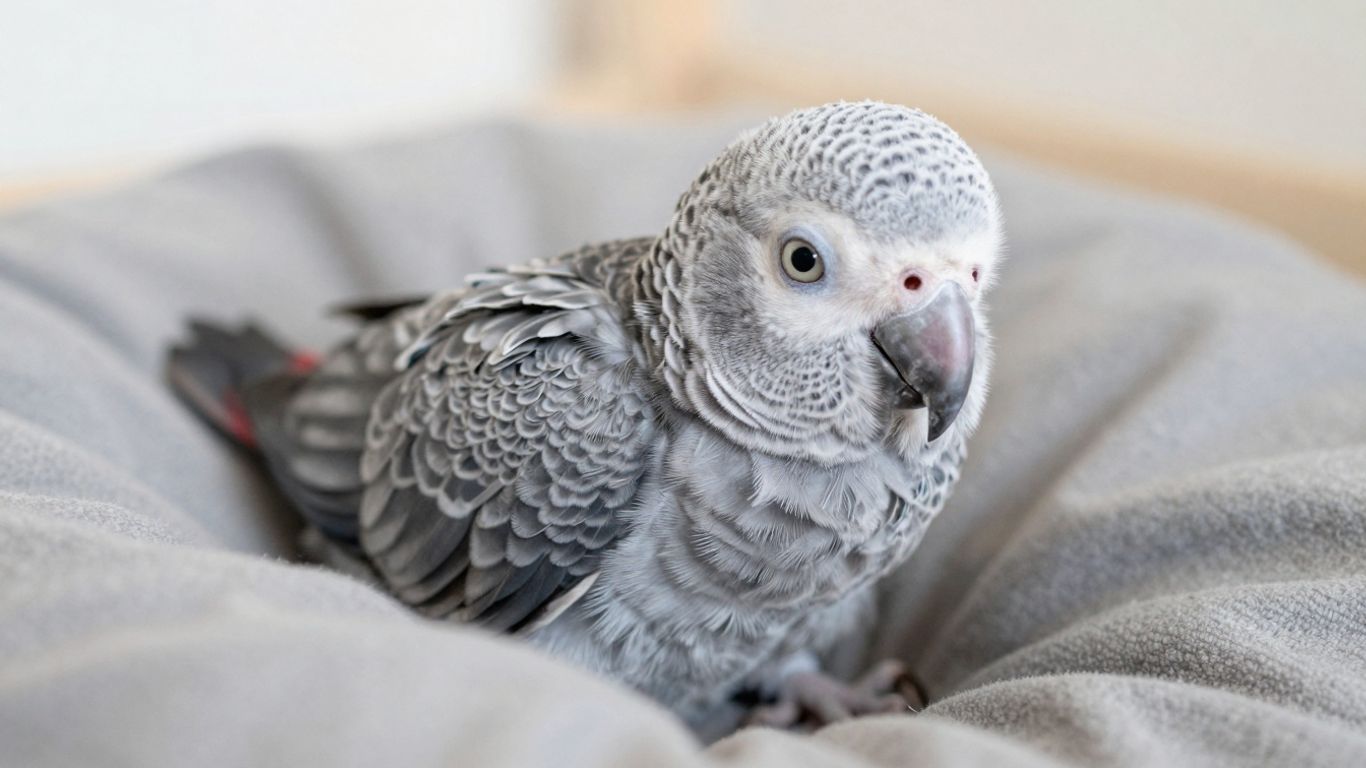
Caring for Your Baby African Grey Parrot: From Hatchling to 12 Months
Bringing a Baby African Grey Parrot into your home is a big deal, and knowing how to care for them from the start is super important. These smart birds have specific needs, especially when they’re young. This guide will walk you through everything you need to know about raising your Baby African Grey Parrot from a tiny hatchling to a one-year-old companion. We’ll cover setting up their space, what to feed them, how to help them grow, and keeping them healthy and clean. Get ready for a rewarding journey with your new feathered friend!
Key Takeaways
- Baby African Grey Parrots need a warm, safe place to start, with the right temperature and humidity levels. As they grow, their cage setup needs to change to help them move around easily.
- Transitioning from formula to solid foods is a gradual process. Offer a variety of healthy options like pellets, fruits, and vegetables, and don’t rush the weaning stage.
- Regularly weighing your Baby African Grey Parrot and checking their crop is a good way to spot any health issues early on. Know the signs of sickness and when to call a bird vet.
- Cleanliness is vital for young birds. Keep their brooder, cage, and feeding tools clean to prevent germs and keep your Baby African Grey Parrot healthy.
- Socialization and attention are just as important as food and shelter for Baby African Grey Parrots. Spend quality time with them to help them grow into well-adjusted adults.
Understanding Your Baby African Grey Parrot’s Needs
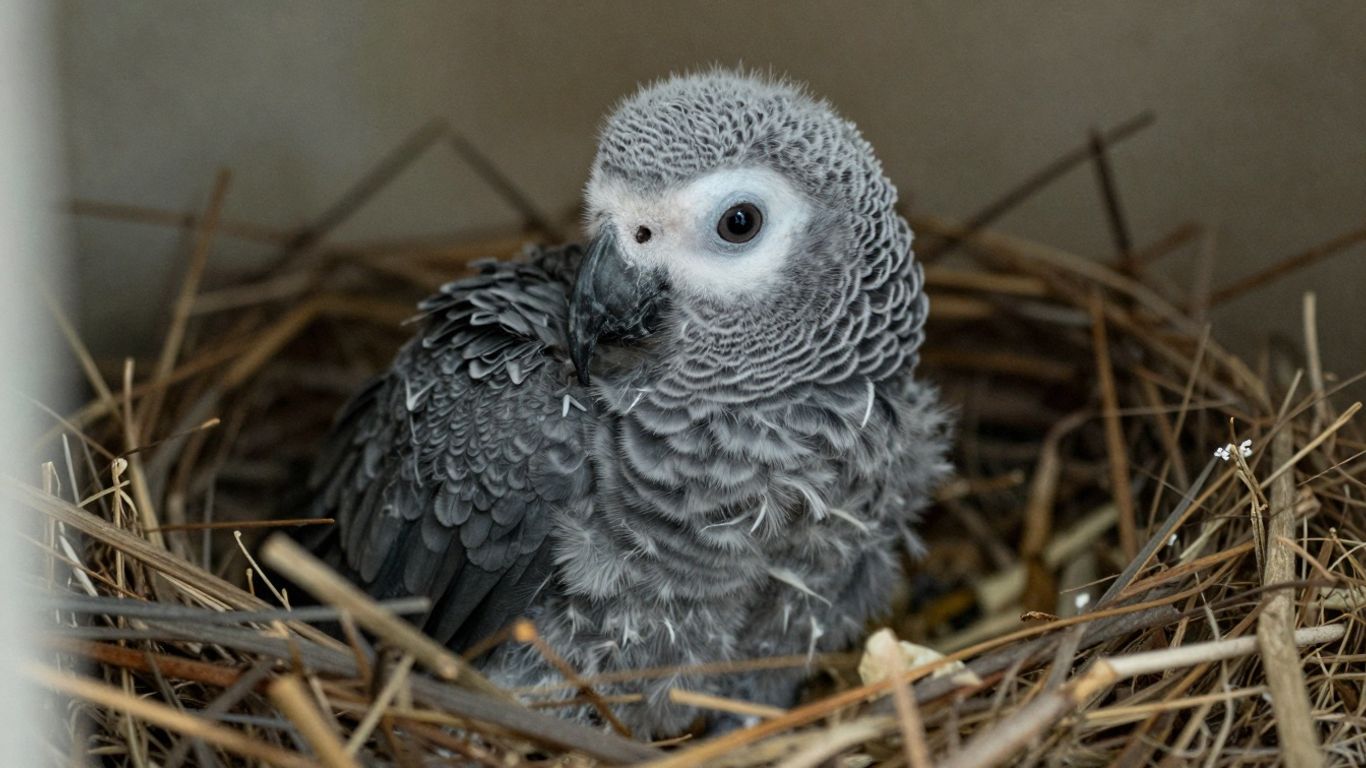
Bringing a baby African Grey parrot into your home is a big deal, and honestly, it’s a lot like raising a human baby in some ways. They need a ton of attention, especially in those first few months. It’s not just about food and a warm place to sleep; it’s about building a bond and helping them grow into a confident, well-adjusted bird. Think of the first year as their big learning phase.
The Importance of Nurturing and Socialization
Parrots, like us, are what we call altricial animals. This means they hatch pretty helpless and rely entirely on their parents (or you!) for everything – food, warmth, and protection. While food is obviously necessary for survival, the actual act of being fed, the tactile stimulation and nurturing touch, is just as important for their development. It helps them thrive and become a well-adjusted adult. It’s hard for breeders with lots of babies to give each one that special one-on-one time, so when you bring your baby home, that’s where you really step in. Spending quality time, talking to them, and just being present helps them feel secure and builds that trust. This early socialization is key to preventing behavioral issues down the line.
A baby parrot’s brain is like a sponge, soaking up information at an incredible rate, especially in the first six months. This period is super important for both their mental and physical growth. They’re learning about the world, their place in it, and how to interact. Providing a stable, loving environment during this time sets them up for a lifetime of good behavior and happiness. It’s all about giving them the right kind of stimulus so they can develop properly.
Developmental Milestones in the First Six Months
Those first six months are a whirlwind of changes for your little Grey. They go from a tiny, dependent hatchling to a curious explorer. Around two months old, they start to become more aware of their surroundings, their senses fully online. This is when they’re ready to really start exploring. The next 45 days or so are particularly critical for their development. They’ll be working on everything from coordination to understanding social cues.
Here’s a general idea of what to expect:
- 0-2 Months: Primarily focused on growth and basic survival. They’re dependent on formula and warmth.
- 2-4 Months: Increased alertness, starting to explore their immediate environment, developing motor skills, and beginning to show interest in solid foods.
- 4-6 Months: More active, practicing climbing and flying (if applicable), interacting more with toys and their surroundings, and becoming more independent with eating.
Remember, every bird is an individual. Some might hit these milestones a little earlier or later, and that’s perfectly normal. The key is consistent observation and providing a supportive environment.
Recognizing Signs of Well-being and Distress
Knowing if your baby is happy and healthy is pretty straightforward if you pay attention. A well bird is usually active, alert, and curious. They’ll have bright eyes, clean feathers (though baby fluff is normal!), and a good appetite. They’ll chirp, play, and interact with you. You might notice them preening themselves, which is a good sign they feel safe and comfortable.
On the flip side, signs of distress or illness can include:
- Lethargy: Sleeping much more than usual, appearing dull or uninterested.
- Changes in Droppings: Watery, discolored, or unusually large amounts of droppings.
- Feather Plucking or Ruffling: Constant ruffling of feathers or actively pulling them out.
- Loss of Appetite: Refusing food or eating significantly less than normal.
- Vocalization Changes: Unusual quietness or strange sounds.
If you see any of these signs, especially if they appear suddenly or persist, it’s time to pay closer attention and potentially consult an avian vet. Early detection is always best when it comes to bird health. You can find more information on general parrot care at avian health resources.
Setting Up the Ideal Environment for Your Baby African Grey
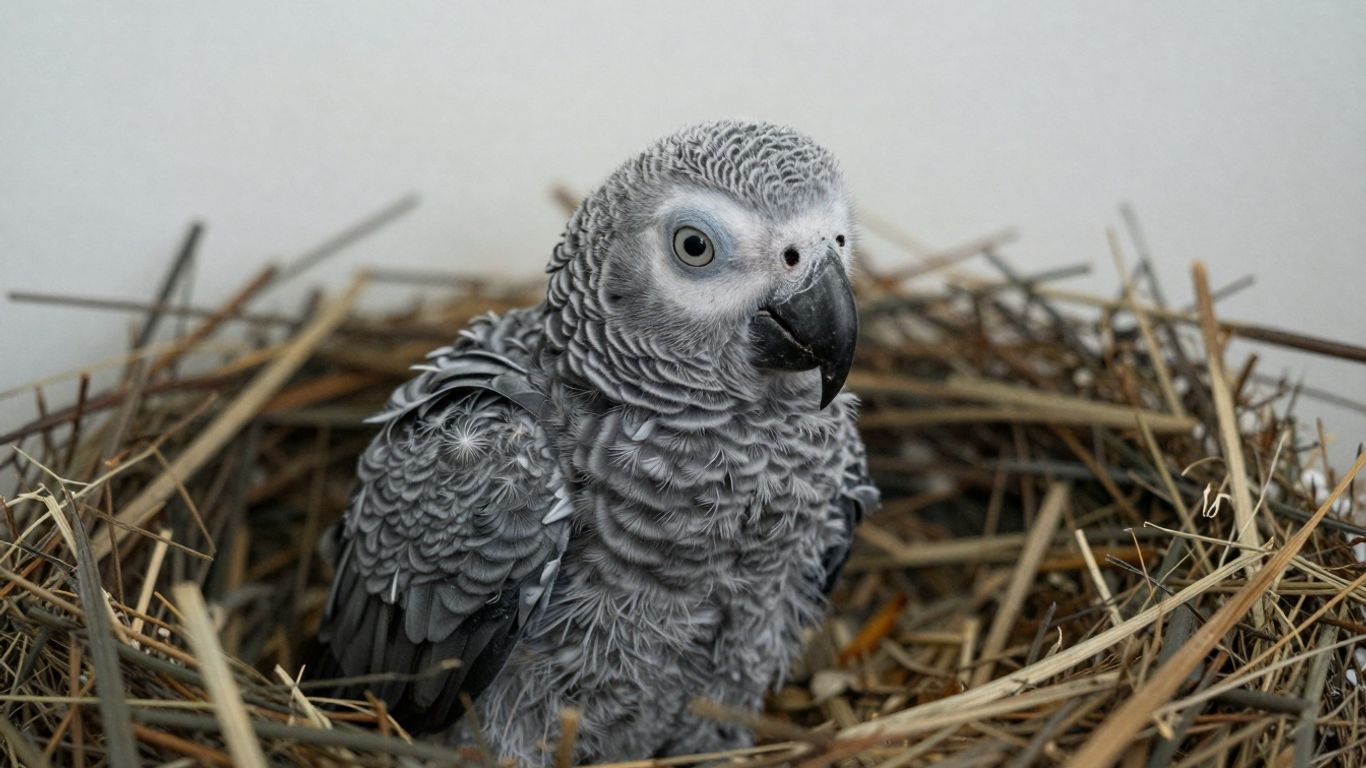
Getting the environment just right for your baby African Grey is super important, especially in those early months. It’s not just about a cage; it’s about creating a safe, warm, and stimulating space where they can grow and learn.
Creating a Safe and Warm Brooding Space
When your baby Grey is very young, they can’t regulate their own body temperature very well. This means they need a special warm spot, often called a brooder. Think of it like a cozy incubator. The temperature needs to be just right – not too hot, not too cold. You’ll want to keep it around 95-100°F (35-38°C) for the first week or two, and then gradually lower it as they get older. A thermometer is your best friend here. If your baby looks all bunched up and fluffed, they’re probably too cold. If they’re panting or stretching out, it’s too warm. You can use a heat lamp or a reptile heating pad, but always make sure there’s a way for the baby to move away from the heat if they get uncomfortable. A simple cardboard box or a plastic tub can work as the brooder itself, just make sure it has good ventilation. It’s also a good idea to have a smaller container inside the brooder, like a bowl, that they can snuggle into if they feel a chill. This is especially helpful if you have more than one baby; they can huddle together for warmth.
Essential Cage Setup for Young Climbers
As your baby Grey grows and starts to move around more, they’ll need a cage. But don’t just plop them into a big adult cage right away. Young Greys aren’t great climbers yet. They might have spent their first few weeks on a flat surface or very low perches. So, when you set up their cage, keep the perches low to the bottom. This makes it easier for them to get around and reach their food and water. You’ll want to place food and water dishes on the cage floor initially, away from perches, to keep them clean. Avoid deep water dishes; a shallow one is better so they don’t accidentally fall in and get chilled. As they get more confident with climbing, you can gradually raise the perches. Think about the bar spacing too – it needs to be narrow enough so they can’t slip through or get their heads stuck. A cage with a solid bottom is often better for young birds than one with wire floors.
Maintaining Optimal Temperature and Humidity
Temperature is key, as we’ve talked about, but humidity plays a big role too. For young parrots, aim for a relative humidity of about 50-60%. Too little humidity can cause dehydration, which can slow down their digestion and lead to other health problems. You can increase humidity by placing a shallow dish of water in the brooder (making sure the baby can’t fall in) or using a humidifier designed for bird enclosures. As your bird gets older and starts flying, you can gradually bring the humidity down to normal room levels. It’s a balancing act, and paying attention to your bird’s behavior is the best way to know if you’ve got it right. Remember, a healthy environment is the foundation for a healthy parrot.
Keeping your baby African Grey comfortable and safe in their early environment is more than just a task; it’s about building trust and providing the security they need to thrive. Small adjustments can make a big difference in their well-being.
Nutrition and Feeding Your Baby African Grey Parrot
Getting the food right for your baby African Grey is super important, especially as they grow from a tiny chick into a young bird. It’s not just about filling their tummies; it’s about giving them the building blocks they need to develop properly. Think of it like this: you wouldn’t feed a human baby junk food all day, right? Same idea here. We need to make sure they’re getting a balanced diet that supports their rapid growth and future health.
Transitioning from Hand-Rearing Formula
This is a big step! For the first few weeks, your baby parrot will likely be on a special hand-rearing formula. This stuff is designed to be a complete meal, providing all the nutrients they need. But eventually, they’ve got to move on. The key here is to do it slowly. You don’t want to shock their system. Start by gradually reducing the number of formula feedings each day. If you’re currently feeding four times a day, maybe drop to three for a few days, then two, and so on. Always watch your bird for any signs of distress or weight loss during this period. It’s a good idea to have some of the same formula on hand that the breeder used, just in case you need to supplement or if your bird seems hesitant about new foods. You can often buy specific brands of formula at pet stores.
Introducing Solid Foods and Pelleted Diets
Once your bird is getting used to fewer formula feeds, it’s time to introduce them to the wonderful world of solid food. This is where variety really comes into play. Offer small amounts of different things. Think finely chopped fruits and vegetables – things like peas, corn, carrots, apples, and bananas are usually a hit. Make sure everything is at room temperature; cold food can upset a young bird’s stomach. Pellets are also a great option. Many vets and experienced breeders recommend a pelleted diet because it’s formulated to be nutritionally complete. It can take some time for your bird to get used to pellets, especially if they’re used to seeds, but it’s worth the effort for their long-term health. Some birds might struggle to crack seeds at first, so offering them in a way that’s easy to eat is helpful.
Establishing a Healthy Feeding Schedule
As your baby African Grey starts eating more solid food, you’ll naturally reduce the formula feeds. The goal is to get them to a point where they’re getting most of their nutrition from solids. This usually means moving from multiple formula feeds a day down to maybe one or two ‘top-up’ feeds, often in the morning and evening. Don’t rush this process; African Greys can take their time weaning. It’s a learning process for them, much like it is for human babies. You might find it helpful to weigh your bird regularly using a small kitchen scale. This is a good way to track their progress and make sure they aren’t losing too much weight as they transition. A consistent schedule helps them feel secure and understand when to expect food.
Remember, the weaning process for African Greys can be lengthy. They learn by watching their parents and exploring different foods over time. Patience is key, and ensuring they are eating enough solids before completely dropping formula feeds is vital for their well-being. Don’t be afraid to offer a variety of healthy options, and always remove any food that’s gone bad.
Here’s a general idea of how you might structure the transition:
- Week 1-2 of Transition: Aim for 3 formula feeds per day, spaced about 8 hours apart (e.g., 7 am, 3 pm, 11 pm). Offer fresh fruits and vegetables between these feeds.
- Week 3-4 of Transition: Reduce to 2 formula feeds per day (morning and evening). Continue offering a wide variety of solids throughout the day.
- Ongoing: As your bird shows more interest and confidence in eating solids, you can further reduce and eventually eliminate the formula feeds. Always have fresh water and a good quality seed/pellet mix available.
The Weaning Process for Baby African Greys
Weaning is a big step for your baby African Grey, and it’s a time that requires patience and observation. It’s not just about stopping formula feeds; it’s about helping your parrot learn to be a confident, independent eater. This transition period can be a bit tricky, but with the right approach, your little one will be munching away on solids like a pro.
Gradually Reducing Formula Feeds
The first part of weaning involves slowly cutting back on the hand-rearing formula. You’ll want to do this gradually, not all at once. Think about dropping one feeding session every few days or so. The goal is to let your parrot get used to eating less formula and more solid food without feeling deprived. You might start by reducing the amount in each feed, or by spacing them out more. The key is to watch your bird closely for any signs of stress or hunger.
Here’s a general idea of how to space out feeds:
- Initial Stage: Aim for three formula feeds spread out, perhaps around 7 am, 3 pm, and 11 pm.
- Transition: As your bird eats more solids, you can reduce this to two feeds a day, usually morning and evening, as ‘top-ups’.
- Final Stage: Continue these top-up feeds until your parrot consistently refuses them, showing they’re no longer reliant on formula.
Offering a Variety of Fruits and Vegetables
While you’re cutting back on formula, it’s time to really introduce a wide array of healthy foods. Think of this as expanding your parrot’s palate. Offer small portions of different fruits and vegetables throughout the day, especially between formula feeds. This gives them plenty of opportunities to explore new tastes and textures. Remember, parrots often prefer food served at room temperature, so avoid anything straight from the fridge, as it can upset their tummies. Warm veggies are usually a hit!
Some good options to start with include:
- Cooked or raw peas and corn
- Small pieces of apple (seeds removed)
- Berries like blueberries and raspberries
- Cooked sweet potato (mashed or in small cubes)
- Leafy greens such as kale or spinach (in moderation)
Ensuring Adequate Solid Food Intake
This is where weighing your parrot becomes really important. You’ll want to keep an eye on their weight using a small kitchen scale. A consistent weight, or a slow, steady gain, is a good sign. If you notice a sudden drop in weight, it means they aren’t eating enough solids to make up for the reduced formula. In this case, you might need to slow down the weaning process and offer a bit more formula temporarily. Also, pay attention to their droppings; they should remain a healthy olive-brown color. If they become dark and scant, it could indicate they aren’t getting enough food.
Weaning is a natural process, but it’s also a time of learning for your parrot. They’re figuring out how to be self-sufficient, and that takes practice. Don’t rush them. Some birds take longer than others, and that’s perfectly okay. Your patience and consistent offering of healthy foods will make all the difference in helping them become a well-adjusted adult parrot.
Monitoring Your Baby African Grey’s Health
Keeping a close eye on your baby African Grey is super important, especially in those first few months. It’s not just about making sure they’re eating enough, but also about catching any little issues before they become big problems. Think of yourself as their personal health detective!
The Role of Weighing and Crop Checks
Regularly weighing your parrot is one of the best ways to track their growth and health. You’ll want to use a small scale that measures in grams, and try to weigh them at the same time each day, maybe first thing in the morning before their first meal. A consistent upward trend in weight is a great sign that everything is going well. You should also get familiar with checking their crop. The crop is like a little pouch in their throat where food is stored before it goes to the stomach. After a feeding, it should feel full and slightly rounded, but not overly stretched or hard. By the next feeding, it should be mostly empty. If the crop feels hard, is still full hours after feeding, or seems to be emptying too slowly, that’s a sign something might be off.
Here’s a quick look at what to expect:
- Crop Feel: Should be soft and pliable after feeding, emptying completely between meals.
- Weight Trend: Consistent daily or weekly gains are normal.
- Feeding Response: A strong, eager response at each feeding is a good indicator.
Identifying Signs of Illness or Malnutrition
Sometimes, your parrot might not be feeling their best, and it’s up to you to spot the clues. Malnutrition can happen if they aren’t getting the right nutrients or enough food, especially during the weaning process. Signs can include a dull appearance, ruffled feathers when they aren’t trying to sleep, lethargy, or a lack of interest in food. If their droppings change drastically – becoming watery, discolored, or absent – that’s also a red flag. Vomiting or regurgitation, which looks different from a normal crop emptying, can indicate illness. You might also notice changes in their breathing, like wheezing or difficulty breathing.
It’s easy to get caught up in the excitement of a new pet, but remember that these little guys are delicate. Their immune systems are still developing, making them more vulnerable to sickness. Paying attention to the small details in their behavior and physical state can make all the difference in keeping them healthy and happy.
When to Seek Avian Veterinary Care
Don’t hesitate to call your avian vet if you’re worried. It’s always better to be safe than sorry. You should definitely contact them if:
- Your parrot stops eating or drinking.
- You notice a significant and sudden weight loss.
- Their crop isn’t emptying properly or seems painful.
- They are showing signs of distress, like labored breathing or extreme weakness.
- You observe persistent diarrhea or vomiting.
Remember, early detection is key. A quick call to your vet can help get your little African Grey the care they need. You can find resources for avian vets through organizations that focus on parrot care.
Hygiene and Safety for Your Young African Grey
Keeping your baby African Grey parrot clean and safe is super important, especially when they’re little and still figuring things out. It’s not just about making things look nice; it’s about preventing sickness and making sure they grow up healthy. Think of it like baby-proofing your house, but for your bird.
Disinfection Practices for Brooders and Utensils
When your parrot is very young, they might still be in a brooder or a special warm box. Keeping this space spotless is key. You’ll want to clean it out regularly. For feeding dishes and syringes, this is where things get really critical. After every single use, these need a good wash. Plain old hot water and soap usually do the trick. If you feel like you need to go a step further, a diluted bleach solution can work, but you have to be really careful to rinse it all off. Bleach can be harsh, and you don’t want any residue left behind. Remember, these are the tools that put food directly into your bird’s mouth, so cleanliness here is non-negotiable.
Preventing Contamination in the Feeding Area
It’s easy to overlook other spots where germs can hang out. Your refrigerator, for example. If you’re storing formula or food in there, make sure the shelves and door handles are wiped down. You don’t want stray bits of old food or whatever else is in the fridge getting onto your baby’s food. Also, think about where you prepare the food. A clean countertop is a must. Don’t let the area where you mix formula or chop veggies become a breeding ground for bacteria. It’s a bit like preparing food for a human baby; you wouldn’t want to do it on a dirty surface, right?
Safe Food Handling for Baby Parrots
When it comes to feeding your little one, a few things can help keep them safe and healthy. Always serve food at room temperature. Cold food can really upset a young bird’s stomach. Veggies are often best served a little warm, too. If food sits out for too long and starts to spoil, get rid of it right away. You don’t want your parrot eating something that’s gone bad. It’s also a good idea to have a supply of fresh seed mix or pellets available all the time, but be aware that young birds might not know how to crack seeds yet. Offering a variety of safe fruits and vegetables is also a good practice, just make sure they’re cut into small pieces. You can find a list of safe options to help you out. Weighing your bird regularly with gram scales is a smart move to make sure they’re eating enough and not losing weight, especially during the weaning phase.
Keeping things clean isn’t just about appearances; it’s a direct line to your parrot’s health. A clean environment and careful food handling prevent a lot of potential problems before they even start. It requires a bit of extra effort, but it’s totally worth it for your feathered friend’s well-being.
Wrapping Up Your Grey’s First Year
So, you’ve made it through the first year with your baby African Grey! It’s been a journey, right? From those first wobbly steps towards solid food to watching them figure out how to climb their cage, it’s a lot. Remember, even when they seem to be eating well, those ‘top-up’ feeds can be important for a while. Don’t rush that weaning process; your bird learns at its own pace, just like a human kid. Keep offering a good mix of healthy foods, and pay attention to their weight. It’s all about giving them that steady, nurturing environment. You’ve learned a ton, and your parrot has too. Keep up the good work, and enjoy the amazing companion you’re helping to raise.
Frequently Asked Questions
When can my baby African Grey start eating solid food?
Around 12 weeks old, your baby African Grey will begin to learn to eat solid foods. However, just because they nibble on solids doesn’t mean they’re fully weaned. Many young Greys still need ‘top-up’ feedings of formula for several more weeks. It’s crucial to ensure they’re eating enough solid food before completely stopping formula.
How should I set up my baby African Grey’s cage?
Since baby African Greys aren’t great climbers at first, place perches low in the cage. Also, put food and water dishes on the cage floor or very low down. This makes it easier for them to reach their meals and water. Avoid deep water dishes, as they can get chilled if they fall in.
What’s the best diet for a weaning African Grey?
A healthy diet should include a mix of pellets and seeds, with pellets being a healthier choice. Always have fresh water available. Offer a variety of safe fruits and vegetables, served at room temperature or slightly warm, as birds don’t like cold food. You can also offer things like sprouted seeds, cooked eggs, or small amounts of plain cooked chicken or fish.
How do I reduce formula feedings during weaning?
Start by reducing formula to about three evenly spaced feedings a day. Offer fresh fruits and veggies between these feedings. As your bird eats more solid food, you can gradually decrease formula feedings to two a day, then eventually just one or two ‘top-up’ feeds a day for several weeks. Don’t rush this process; it can take time.
How can I tell if my baby African Grey is healthy?
Weighing your bird regularly using a gram scale is a great way to track its health. A healthy bird should show a steady weight gain over time. Also, watch for a good feeding response, crops that empty between feedings, and regular droppings. If your bird isn’t gaining weight or seems unwell, contact an avian vet.
How important is cleaning and hygiene for my baby parrot?
Very important! Baby birds have weak immune systems and can get sick easily. Keep the brooder and cage clean. Wash and disinfect all feeding dishes thoroughly between each use. Make sure food is handled safely, and remove any old or spoiled food promptly to prevent contamination.