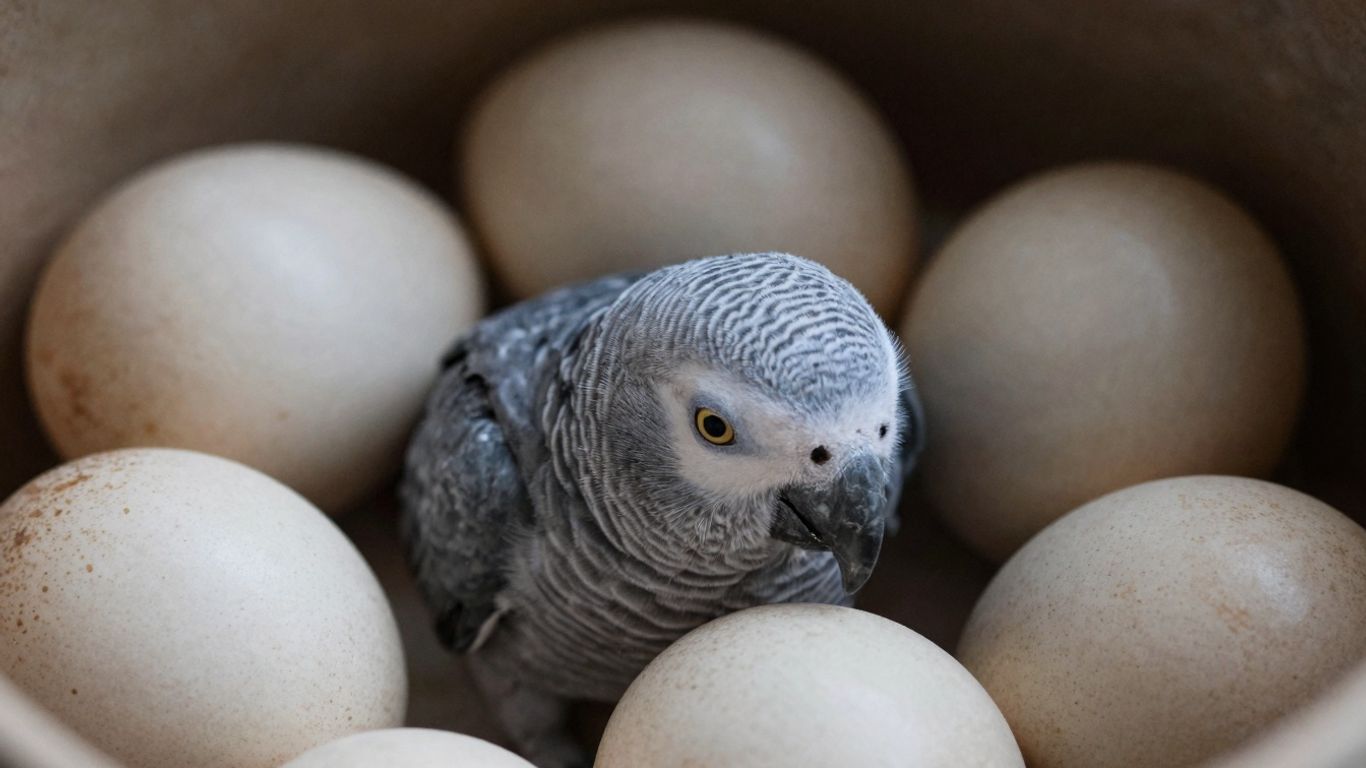
African Grey Parrot Eggs: How Much Do They Cost?
So, you’re thinking about getting an African Grey parrot, maybe even from an egg? It sounds like a cool idea, right? You get to raise your own super-smart bird from the start. But before you go clicking around online, let’s talk about the real deal. There’s a lot to know, especially when it comes to the african grey parrot egg price and whether buying eggs is even a good plan. It’s not as simple as ordering a carton of eggs from the grocery store, that’s for sure.
Key Takeaways
- African Greys are super smart and bond well, making them great pets if raised from a young age.
- Buying eggs might seem cheaper than an adult bird, but it comes with risks and requires a lot of work.
- Finding a trustworthy seller for African Grey parrot eggs is really hard, and many online offers are scams.
- Reputable breeders usually don’t sell hatching eggs online because it’s risky and they prefer to raise the chicks themselves.
- The actual african grey parrot egg price is often misleading, and the costs of incubation, potential failures, and buying from a scammer can far outweigh buying a hand-raised chick.
Understanding the Appeal of African Grey Parrot Eggs
So, you’re thinking about African Grey parrot eggs, huh? It’s a pretty big step, and honestly, there’s a lot that draws people to this idea. These birds aren’t just pretty faces; they’re incredibly smart. People are drawn to African Greys because of their amazing intelligence and their ability to form deep bonds with their owners. It’s like having a feathered family member who can actually hold a conversation, or at least mimic one really well!
The Intelligence and Bonding Potential
African Greys are famous for being super smart. They can learn tons of words and even use them in context. This intelligence means they can be really engaging companions. When you raise one from an egg, you get to be there for all those firsts. It’s a chance to build a connection from the very beginning, which many people find incredibly rewarding. You’re not just getting a pet; you’re raising a partner.
Cost-Effectiveness Compared to Adult Birds
Let’s talk money for a second. Buying an adult or even a young African Grey can set you back quite a bit. While eggs aren’t exactly cheap, they can sometimes be a more accessible entry point for some folks compared to purchasing a fully grown bird. It’s a different kind of investment, for sure. You’re investing time and effort into the incubation and raising process, which can feel more manageable financially for some enthusiasts. It’s a way to get into owning these amazing birds without the upfront cost of a mature parrot.
The Rewarding Experience of Incubation
There’s something really special about watching life develop. The whole process of incubation, from checking the eggs daily to the moment the chick finally hatches, is a unique experience. It requires patience and attention to detail, but seeing that little life emerge is pretty incredible. It’s a journey that connects you to the natural world in a very direct way. Many people find the entire process, from egg to fledgling, to be deeply fulfilling and a great learning experience. It’s a chance to witness a miracle unfold right in your own home.
Raising a parrot from an egg is a significant commitment. It requires dedicated time, specific knowledge about incubation, and a willingness to provide consistent care. While the rewards can be immense, it’s important to be fully prepared for the journey ahead.
Here’s a quick look at what you might expect:
- Intelligence: Known for problem-solving and mimicry.
- Bonding: Capable of forming strong, lifelong attachments.
- Incubation: A process requiring careful temperature and humidity control.
- Cost: Can be a more budget-friendly start than buying an adult bird.
If you’re serious about starting this journey, understanding the fertility guarantees available is a good first step.
Navigating the Purchase of African Grey Parrot Eggs
So, you’re thinking about getting African Grey parrot eggs. It’s a big step, and honestly, it can be a bit of a minefield out there. Finding a trustworthy source is probably the most important thing you’ll do. It’s not like picking up a carton of eggs at the grocery store; these are living potential lives we’re talking about.
Identifying Reputable and Ethical Sources
When you’re looking for where to buy African Grey parrot eggs, the first thing you need to do is some serious digging. You want breeders who actually care about their birds and aren’t just trying to make a quick buck. Look for people who are transparent about their breeding practices and can show you proof of their birds’ health. Sometimes, you can find these folks through bird clubs or forums where experienced keepers hang out. It’s always better to buy from someone with a good reputation.
- Ask for documentation: Good breeders will have health records for their parent birds.
- Check reviews and testimonials: See what other people say about their experience.
- Visit in person if possible: Seeing the birds and the environment can tell you a lot.
Importance of Fertility Guarantees
This is a big one. You absolutely need a fertility guarantee. There’s nothing worse than spending money on eggs, going through the whole incubation process, only to find out they weren’t even fertilized. A reputable seller will usually candle the eggs before shipping to confirm fertility and will offer some sort of guarantee. This shows they stand by their product and are confident in their breeding pairs. It’s a sign of a professional operation.
Ensuring Proper Handling and Transport
Even the most fertile egg can be ruined if it’s not handled and shipped correctly. Think about it – these eggs are delicate. They need to be packed securely to avoid shocks and kept at the right temperature during transit. Some sellers use special packaging with temperature control. You’ll want to ask about their shipping methods and what precautions they take. Getting eggs that have been jostled around or exposed to extreme temperatures is a recipe for disappointment. A good seller will explain their shipping process clearly, often using services like FedEx or UPS for tracked, secure delivery to places like the USA, Canada, and the UK.
The journey from egg to chick is a delicate one. Proper care during handling and transport isn’t just about getting the product; it’s about respecting the potential life within and giving it the best possible start.
The Incubation Process for African Grey Parrot Eggs
So, you’ve got your African Grey parrot eggs, and now the real adventure begins: incubation. It sounds pretty straightforward, right? Just pop them in a warm box and wait. Well, not quite. Getting these intelligent birds to hatch successfully takes a bit of know-how and the right setup. It’s a delicate dance of temperature, humidity, and careful handling.
Essential Equipment for Successful Incubation
First things first, you’ll need a good incubator. Don’t skimp here; a reliable incubator with precise temperature and humidity controls is your best friend. You’re looking for something that can maintain a steady temperature, ideally around 99°F (37.2°C), and keep the humidity levels in the 50-55% range. Some fanciers prefer slightly higher humidity, around 55-60%, especially in the last few days before hatching. It’s also handy to have a hygrometer and thermometer to double-check those readings. A candling light is another must-have; it helps you peek inside the egg to see if things are developing as they should.
Maintaining Optimal Temperature and Humidity
This is where consistency is key. African Grey eggs are pretty sensitive to temperature fluctuations. Too hot, and you risk damaging the developing embryo; too cool, and development can slow or stop altogether. The ideal temperature hovers around 99.3°F (37.4°C). Humidity is also super important. If it’s too low, the egg can lose too much moisture, making it hard for the chick to break free. If it’s too high, the chick might not absorb all the yolk sac properly. Aim for that 50-55% range for most of the incubation, and maybe bump it up a bit towards the end. It’s a balancing act, for sure.
The Role of Regular Egg Turning
Think of turning the eggs like giving them a gentle massage. You need to turn them at least three to four times a day. This stops the embryo from sticking to the inside of the shell. If it sticks, it can cause serious problems or even death. You can mark your eggs with an ‘X’ on one side and an ‘O’ on the other to keep track of which ones you’ve turned. Some automatic incubators do this for you, which is a nice perk if you’re worried about forgetting or not turning them enough. It’s a small step that makes a big difference for the little one inside.
Monitoring Embryonic Development
Candling the eggs is like a mini ultrasound for your parrot eggs. You do this by shining a bright light through the egg in a dark room. Early on, you might see a network of blood vessels forming, and later, you’ll see the chick itself moving around. This is how you can tell if the embryo is alive and developing. If you don’t see any development after a week or so, the egg might not be fertile, or something might have gone wrong. It’s a bit nerve-wracking, but it’s the best way to know what’s happening inside without disturbing the egg too much. You can find more information on hatching parrot eggs from experienced breeders.
Key Considerations for African Grey Egg Purchases
So, you’re thinking about hatching your own African Grey parrot? That’s pretty cool! But before you get too excited, there are a few things you really need to think about. It’s not quite as simple as just ordering some eggs online and waiting for a miracle.
Understanding Incubation Timelines and Requirements
First off, know that African Grey parrot eggs have a specific incubation period. We’re generally looking at about 26 to 28 days from when they’re laid. During this time, the temperature needs to be just right, usually around 99.5°F (37.5°C), and the humidity should be kept between 55-60%. You also have to remember to turn the eggs a few times every day. If you don’t, the little embryo inside might stick to the shell, which is obviously not good. It’s a commitment, for sure.
The Significance of Parent Bird Health
This is a big one. The health of the parent birds directly impacts the quality and viability of the eggs. If the parent birds aren’t healthy, well-fed, and free from diseases, the chances of getting fertile eggs that will hatch into strong, healthy chicks go way down. Reputable sellers will be upfront about the health and conditions of their breeding pairs. Don’t be afraid to ask questions about this. It’s important to know where your eggs are coming from.
What to Expect in Your Egg Shipment
When you finally get your eggs, how they’re packed and shipped is super important. You want to see secure, shock-absorbing packaging, maybe with some heat protection if it’s going to be a long journey. Most sellers will include a guide on incubation and care, which is helpful, especially if you’re new to this. Some even offer support if you run into problems.
- Secure Packaging: Look for materials that prevent movement and protect against bumps.
- Temperature Control: While difficult in transit, sellers should aim for stable conditions.
- Documentation: Sometimes, health certificates or other paperwork might be included.
- Support Materials: A good care guide is a must-have.
Remember, buying eggs is just the first step. The real work begins with proper incubation and then raising a very intelligent and demanding bird. It’s a journey that requires patience and dedication, but for many, the reward of raising their own African Grey is well worth the effort. You can find more general parrot care tips on forums like parrot enthusiast communities.
The overall success rate depends heavily on your preparation and the quality of the eggs you receive.
The Reality of Buying African Grey Parrot Eggs Online
So, you’ve seen those ads online promising fertile African Grey parrot eggs, maybe even with "guaranteed hatching" and "worldwide shipping." It sounds like a great way to get a smart, chatty companion without the hefty price tag of an adult bird, right? Well, hold on a second. The truth is, buying hatching parrot eggs online is a minefield, and most of the time, it’s a scam.
It’s easy to get drawn in. Websites often look professional, complete with glowing (and often fake) reviews and detailed instructions on incubation and chick care. They might even claim their eggs come from "healthy, DNA-tested parent birds" and offer "hatch guarantees." Some even try to trick you with incorrect incubation timelines – saying eggs hatch in 18 days when African Greys actually take closer to 28 days. This makes them seem knowledgeable, but it’s just a way to fool unsuspecting buyers.
Prevalence of Scams in Online Egg Sales
This whole online egg market is unfortunately flooded with dishonest sellers. They prey on people’s desire for these amazing birds. You send them money, and what do you get? Usually, nothing. Or worse, you might receive something that isn’t even a parrot egg, or it’s infertile and never had a chance to hatch. It’s a heartbreaking situation for many who have spent hard-earned cash only to be defrauded.
Why Reputable Breeders Do Not Sell Hatching Eggs Online
Genuine, ethical breeders understand the complexities and risks involved in shipping live embryos. They know that the journey can easily damage an egg, rendering it non-viable. Plus, they are invested in the welfare of their birds and the success of the chicks. Selling eggs online to strangers means they lose control over the incubation process, which is critical for a healthy hatch. Most reputable breeders prefer to sell hand-raised chicks, where they can ensure the bird is healthy and properly socialized, and the buyer is prepared.
Recognizing Deceptive Advertising Tactics
Be super wary of ads that seem too good to be true. Look out for:
- Unrealistic Guarantees: "100% hatch guarantee" is a huge red flag. Fertility and hatching are natural processes with many variables.
- Vague Source Information: They might say "our aviary" but offer no real details or verifiable proof of their breeding setup.
- Pressure Tactics: Phrases like "limited stock" or "order now before the season ends" are designed to make you rush into a decision.
- Requests for Unusual Payment Methods: Scammers often ask for payment via wire transfer, gift cards, or cryptocurrency, which are hard to trace.
The demand for African Grey parrots is high, and unfortunately, this creates opportunities for scammers. While the idea of hatching your own parrot is appealing, the reality is that the online market for hatching eggs is overwhelmingly fraudulent. It’s far safer and more ethical to acquire a parrot through established, reputable channels, even if it means a higher initial cost. The risk of losing money and facing disappointment is simply too great when buying eggs online.
If you’re serious about getting an African Grey, your best bet is to find a well-regarded breeder who sells chicks or young birds. It might cost more upfront, but you’ll have a much higher chance of success and a healthy, happy companion.
The African Grey Parrot Egg Price Landscape
So, you’re thinking about getting some grey parrot eggs for sale? It’s a big decision, and understanding the costs involved is super important. While buying eggs might seem cheaper upfront than getting a grown bird, there’s more to it than just the sticker price. The actual cost of African grey parrot breeding can add up, and you’ve got to factor in everything.
Factors Influencing Demand for Parrot Eggs
Demand for these intelligent birds is pretty high. People love their smarts and their ability to bond. This demand naturally pushes up the price for everything related to them, including fertile eggs. When you see "price of fertile african grey parrot eggs" advertised, remember that popularity plays a huge role. It’s not just about the bird itself, but the whole experience of raising one from the start. Some sellers even offer guarantees, which adds to the cost but gives you some peace of mind.
The Economic Rationale Behind Egg Purchases
Why do people buy eggs instead of chicks? Well, sometimes it’s about the perceived cost savings compared to buying young birds. The cost of African grey parrot chicks can be quite steep, and buying eggs can feel like a more accessible entry point. However, it’s a gamble. You’re investing in the potential for a healthy chick, and that potential comes with its own set of risks and associated costs, like incubation equipment and electricity. It’s a different kind of investment, for sure.
The True Cost of Home Incubation vs. Buying a Chick
Let’s break down what you’re really looking at. Buying a chick means you know you’re getting a bird, but the initial price is higher. Buying eggs means a lower upfront cost, but you need to add in:
- Incubator: A good one isn’t cheap.
- Electricity: Incubators run 24/7.
- Supplies: Disinfectants, thermometers, hygrometers.
- Time and Knowledge: You need to learn how to incubate properly.
- Potential Losses: Not every egg hatches, and sometimes chicks don’t make it.
When you’re looking at the price of fertile african grey parrot eggs, it’s easy to get caught up in the number. But remember, that price is just the beginning. The real cost is the entire process from egg to a healthy, thriving bird. It requires dedication, the right setup, and a bit of luck.
It’s a bit like fixing your bike – the parts might seem affordable, but the tools, the time, and the inevitable mistakes add up. So, when you see those ads for African grey parrot eggs for sale, do your homework on the total investment, not just the initial price tag.
Thinking about getting an African Grey Parrot egg? Prices can change a lot depending on where you look and what you’re getting. It’s a big decision, and knowing the cost upfront helps a lot. We’ve got all the details you need to understand the egg market.
Ready to find out more about African Grey Parrot eggs and their prices? Visit our website today for the latest information!
So, What’s the Real Deal with African Grey Eggs?
Alright, so we’ve talked a lot about African Grey parrot eggs, and if you’re thinking about getting one, it’s a big decision. While the idea of hatching your own super-smart bird sounds pretty cool, and some places claim to sell fertile eggs with guarantees, it’s really important to be super careful. A lot of what you see online, especially ads promising fertile eggs shipped right to your door, can be a scam. Reputable breeders usually don’t sell eggs this way because raising parrots is a serious, time-consuming job. If you’re set on bringing an African Grey into your life, it’s probably safer and more honest to look for a well-established breeder who raises the birds themselves and can offer a young, hand-fed chick. That way, you know exactly what you’re getting and can avoid a lot of potential heartache and wasted money.
Frequently Asked Questions
Why would someone want to buy African Grey parrot eggs instead of a grown bird?
People often choose to buy African Grey parrot eggs because it can be less expensive than buying a fully grown bird. Plus, it offers a really special chance to raise the parrot from the very beginning, which can create a super strong bond. It’s a rewarding project for those who love birds and want to be involved in the whole process from hatching.
Where can I find reliable sellers for African Grey parrot eggs?
Finding honest sellers is tricky. It’s best to look for breeders who are known for being ethical and have a good reputation. Always check reviews, ask for recommendations from bird experts or online communities, and make sure they offer a guarantee that the eggs are fertile. Be very careful, as many online sellers are not legitimate.
What do I need to hatch African Grey parrot eggs at home?
To hatch the eggs, you’ll need a good incubator that can keep a steady temperature around 99°F (37.2°C) and control humidity levels, usually between 50-55%. You also need to remember to gently turn the eggs several times a day. It’s important to follow specific instructions for temperature and humidity, which can vary slightly.
How long does it take for African Grey parrot eggs to hatch?
The incubation period for African Grey parrot eggs is typically about 26 to 28 days. During this time, it’s crucial to maintain the right environment in your incubator and turn the eggs regularly. You can sometimes check on the eggs by candling them to see if the baby bird is developing inside.
Is it safe to buy African Grey parrot eggs online?
Buying African Grey parrot eggs online is generally very risky and often a scam. Many websites advertise fertile eggs, but they don’t actually send them, or the eggs aren’t fertile. Reputable breeders usually don’t sell hatching eggs online because it’s difficult to ensure they arrive safely and hatch successfully. It’s much safer to buy a hand-raised chick from a trusted breeder.
What are the risks of trying to hatch parrot eggs at home?
The biggest risk is that many online sellers are scammers who take your money and send nothing, or send unfertilized eggs. Even with legitimate eggs, hatching is challenging. You need the right equipment, perfect conditions, and there’s no guarantee the eggs will hatch or that you’ll be able to care for a fragile chick. It’s a complex process that requires a lot of knowledge and effort.