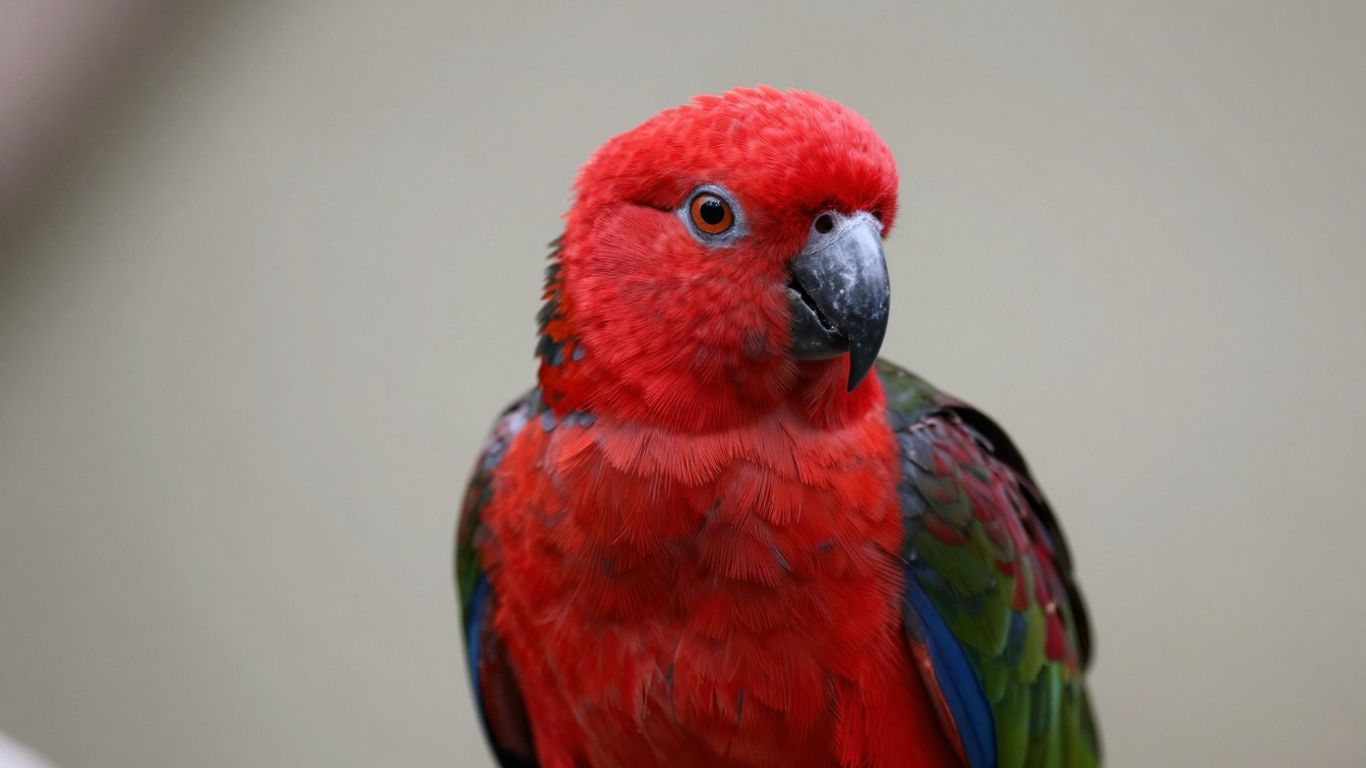
The Stunning Red Factor African Grey Parrot: A Unique Avian Companion
Thinking about getting a parrot? You might have heard about the Red Factor African Grey. These birds are pretty special, not just because of their looks but also how smart and interactive they are. They’ve got this unique splash of red that makes them stand out from other African Greys. If you’re looking for a pet that’s more than just a pretty face, one that can really become part of the family, then these parrots are definitely worth a closer look. We’ll cover what makes them tick, how to care for them, and what to expect if you decide to bring one home.
Key Takeaways
- Red Factor African Grey Parrots are known for their vibrant appearance, featuring deep grey feathers with striking red accents, especially in their tails.
- These birds are exceptionally intelligent and possess remarkable mimicry skills, often learning to speak and understand human language.
- Caring for a Red Factor African Grey involves providing a balanced diet, plenty of social interaction, mental stimulation, and a safe, spacious environment.
- The cost of a Red Factor African Grey can vary, with factors like age, breeder reputation, and rarity influencing the price, alongside ongoing expenses for care.
- Choosing a reputable breeder or source is vital for ensuring the health, temperament, and well-being of your Red Factor African Grey Parrot, leading to a rewarding companionship.
Understanding The Red Factor African Grey Parrot
Vibrant Appearance And Unique Coloration
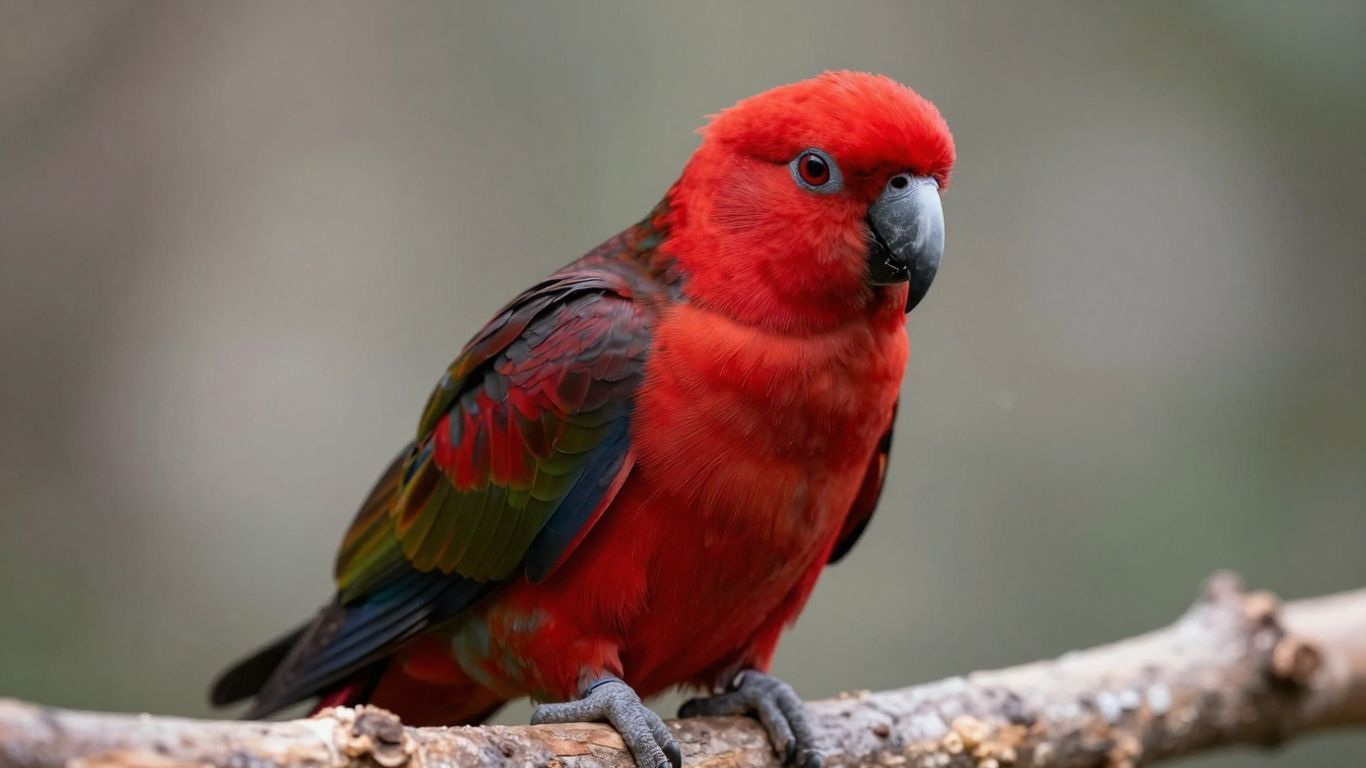
The Red Factor African Grey isn’t your everyday parrot. What sets them apart, visually speaking, is that splash of red. While standard African Greys have those iconic red tail feathers, the Red Factor variety takes it up a notch. You’ll notice deeper, more intense red hues, sometimes appearing as undertones on their wings or even a more pronounced presence in their tail. It’s like they’ve got a little bit of extra flair. These birds are typically around 13 inches long, a good size for a companion bird, and their plumage is a beautiful, deep grey that really makes the red stand out. This striking coloration is a genetic trait that makes them quite special.
Exceptional Intelligence And Mimicry Skills
African Greys, in general, are known for being super smart, and the Red Factor is no exception. They have a knack for problem-solving and can learn a lot of words and phrases. It’s not just about repeating sounds, though; they often seem to understand what they’re saying, or at least the context. They can pick up on routines, recognize people, and even seem to have opinions. Their ability to mimic sounds is uncanny – from doorbells to other household noises, they can surprise you with what they pick up. It’s this intelligence that makes them so engaging.
These birds are incredibly observant and learn quickly from their environment and interactions. Their cognitive abilities mean they need plenty of mental challenges to stay happy and avoid boredom.
Social And Affectionate Temperament
When raised right, Red Factor African Greys are known for being quite social and loving. They tend to bond closely with their families and enjoy being part of the daily goings-on. They aren’t birds that do well being ignored; they crave interaction and attention. This can mean anything from just hanging out in the same room to actively participating in games or learning new tricks. They can be playful and curious, always checking out what’s happening around them. Building a strong relationship with one of these parrots is really rewarding because they give so much affection back. If you’re looking for a pet that’s more than just a pretty face, their personality really shines through. You can find more about their general traits and lifespan on pages discussing African gray parrots.
Here’s a quick look at what makes them special:
- Unique Coloration: Deeper red hues in tail and sometimes wings.
- High Intelligence: Excellent problem-solvers and learners.
- Mimicry: Can replicate a wide range of sounds and speech.
- Social Nature: Thrive on interaction and close bonds with owners.
- Long Lifespan: Can live for many decades with proper care.
Caring For Your Red Factor African Grey
Dietary Needs And Nutritional Requirements
Feeding your Red Factor African Grey a balanced diet is super important for their health and vibrant appearance. Think of it like this: what goes in really does show on the outside, especially with their feathers. A good base for their meals should be a high-quality pellet formulated specifically for parrots. These pellets provide a solid foundation of necessary vitamins and minerals. But don’t stop there! Fresh foods are a must. Your bird will love a variety of fruits like pears, oranges, and apples, along with veggies. Just remember to avoid anything toxic to parrots, like avocado or chocolate. It’s all about giving them a diverse and nutritious menu.
Here’s a quick look at what to include:
- High-quality parrot pellets: The daily staple.
- Fresh fruits: Offer a colorful mix, but in moderation due to sugar content.
- Fresh vegetables: Leafy greens, carrots, bell peppers – great for vitamins.
- Occasional treats: Seeds or nuts can be given sparingly as rewards.
Always research which foods are safe and which to avoid. A little bit of knowledge goes a long way in keeping your feathered friend healthy and happy.
Social Interaction And Mental Stimulation
These birds are incredibly smart and social creatures. They really need a lot of interaction to stay happy and avoid getting bored or developing bad habits. Spending quality time with your Red Factor African Grey every single day is non-negotiable. This means more than just being in the same room; it involves active engagement. Talk to them, play games, or even just sit with them while you read. They thrive on being part of the family activities.
To keep their sharp minds busy, you’ll want to provide plenty of mental stimulation. This can include a variety of toys that challenge them. Think about puzzle feeders where they have to work to get a treat, or toys they can manipulate and destroy. Rotating these toys regularly is key to keeping things interesting. A bored parrot can become a destructive or noisy parrot, so keeping their minds engaged is a big part of good care.
Training And Behavioral Development
Red Factor African Greys are known for their intelligence, and this means they are very trainable. Positive reinforcement is the way to go here. When they do something you like, reward them with praise, a favorite treat, or a gentle head scratch. This could be anything from learning a new word to coming when called. Consistency is super important; short, frequent training sessions are usually more effective than one long one.
Be prepared for their vocal nature. They love to mimic sounds and can learn to talk. Encouraging this with clear speech and repetition can be a fun part of your training. It’s also a good idea to establish clear boundaries and routines early on. This helps them feel secure and understand what’s expected, leading to a well-behaved companion.
Cage Setup And Environmental Needs
Your parrot’s cage is their primary living space, so it needs to be just right. Bigger is definitely better when it comes to cages for African Greys. They need enough room to spread their wings, climb, and play without feeling cramped. Perches of varying sizes and textures are important for their foot health. You’ll also want to include a variety of toys for both chewing and mental engagement. Make sure the cage is placed in an area of your home where they can see what’s going on but also have a sense of security, away from direct drafts or excessive noise.
Beyond the cage, daily out-of-cage time is a must. This allows them to exercise, explore, and interact with you in a safe, supervised environment. Think about bird-proofing the room they’ll be in to prevent accidents. Providing a clean and stimulating environment is a big part of their overall well-being and happiness.
The Cost Of A Red Factor African Grey
So, you’re thinking about bringing a Red Factor African Grey into your life? That’s fantastic! These birds are truly something special. But before you get too swept up in their vibrant plumage and sharp wit, let’s talk about the practical side of things: the cost. It’s not just about the initial purchase price, though that’s a big part of it. Owning any parrot, especially one as intelligent and long-lived as an African Grey, is a commitment that involves ongoing expenses.
Factors Influencing Purchase Price
The price tag on a Red Factor African Grey can swing quite a bit. Several things play a role in how much you’ll end up paying. For starters, where you get the bird from makes a difference. Reputable breeders who invest a lot in health, socialization, and proper care often charge more. They’re usually transparent about the bird’s lineage and health history, which is a big plus. You might find cheaper options elsewhere, but it’s worth asking why they’re priced lower. Sometimes, younger, hand-fed babies are more expensive because they require more intensive care from the breeder.
- Age: Younger birds, especially hand-fed ones, typically cost more.
- Breeder Reputation: Established breeders with good track records often have higher prices.
- Genetics/Rarity: While all Red Factors are special, specific genetic traits or a particularly vibrant coloration might increase the price.
- Location: Prices can vary depending on where you live. Demand and local economies play a part.
A Red Factor African Grey parrot is a significant financial commitment, often ranging from $850 to $3,000 or even more. This initial cost is just the beginning, though.
Additional Expenses For Ownership
Beyond the bird itself, there’s a whole list of things you’ll need to budget for. Think of it like getting a new car – you don’t just pay for the vehicle, right? You need insurance, gas, maintenance. With a parrot, it’s similar.
- Cage and Setup: A spacious, sturdy cage is a must. You’ll also need perches, toys, food and water dishes. This initial setup can easily run a few hundred dollars.
- Food and Treats: High-quality pellets, fresh fruits, vegetables, and occasional treats add up over time. Monthly food costs can be around $30-$50.
- Veterinary Care: Regular check-ups with an avian vet are important. Unexpected illnesses or injuries can also lead to significant vet bills. Budget for annual check-ups and potential emergencies.
- Toys and Enrichment: These birds are smart! They need a constant supply of new toys to keep their minds busy and prevent boredom. This is an ongoing expense.
- Training and Supplies: If you plan on professional training or need specific grooming supplies, factor those in.
Owning a parrot is a long-term commitment, and the financial aspect is a big part of that. It’s wise to have a savings cushion for unexpected vet visits or replacement toys. Planning ahead can prevent stress down the line.
Investment In A Lifelong Companion
When you look at the total cost, it can seem like a lot. But remember, you’re not just buying a pet; you’re investing in a companion that can live for 50 years or more. The Red Factor African Grey is known for its intelligence, personality, and ability to form deep bonds. The joy, laughter, and unique connection they bring to a household are, for many, priceless. It’s about choosing a bird that will be a cherished member of your family for decades. If you’re looking for a unique bird, you might also consider other species like the Plum Headed Parakeet, which also requires careful consideration of costs and commitment.
Choosing A Reputable Source For Your Parrot
Finding the right place to get your Red Factor African Grey is a big deal. It’s not like picking out a new pair of shoes; this is a living, breathing creature that will be part of your family for a long time. So, where do you even start? You want to make sure you’re getting a healthy, well-adjusted bird from someone who really knows what they’re doing.
Expertise and Experience Of Breeders
When you’re looking for a breeder, try to find someone who has been working with African Greys for a while. You can usually tell if they’re passionate and knowledgeable. They should be able to answer all your questions, even the ones you think are silly. A good breeder will also be interested in your experience and lifestyle to make sure the parrot is a good fit for you. It’s a good sign if they seem genuinely invested in the bird’s future home. Look for breeders who focus on specialty pets.
Health and Care Standards
This is super important. You want to see that the birds are kept in clean, spacious environments. Ask about their diet and if they get regular vet check-ups. A breeder who prioritizes health will be upfront about this. You might even be able to see where the birds are kept. A healthy bird is usually alert, has clear eyes, and smooth feathers. It’s worth paying a bit more for a bird that’s been well cared for from the start.
Ethical Breeding Practices
Ethical breeders care about the well-being of their birds above all else. This means they don’t overbreed, they provide proper socialization, and they don’t sell birds that are too young. They should be transparent about their practices and happy to discuss them. You want to avoid places that seem more focused on making a quick sale than on the bird’s welfare. Supporting ethical breeders means you’re not contributing to potentially harmful practices.
Transparency and Trustworthiness
Ultimately, you want to feel comfortable and confident with the person or place you’re buying from. They should be open about the bird’s history, any health checks, and what you can expect. A trustworthy source will provide clear information and be available for follow-up questions even after you take your parrot home. They should be willing to share details about the bird’s personality and any training it has already received.
Choosing a reputable source is more than just a transaction; it’s the first step in building a lifelong bond with your new companion. It sets the stage for a happy and healthy relationship, ensuring you both get the most out of your time together.
The Red Factor African Grey As A Companion
A Bird With Personality and Elegance
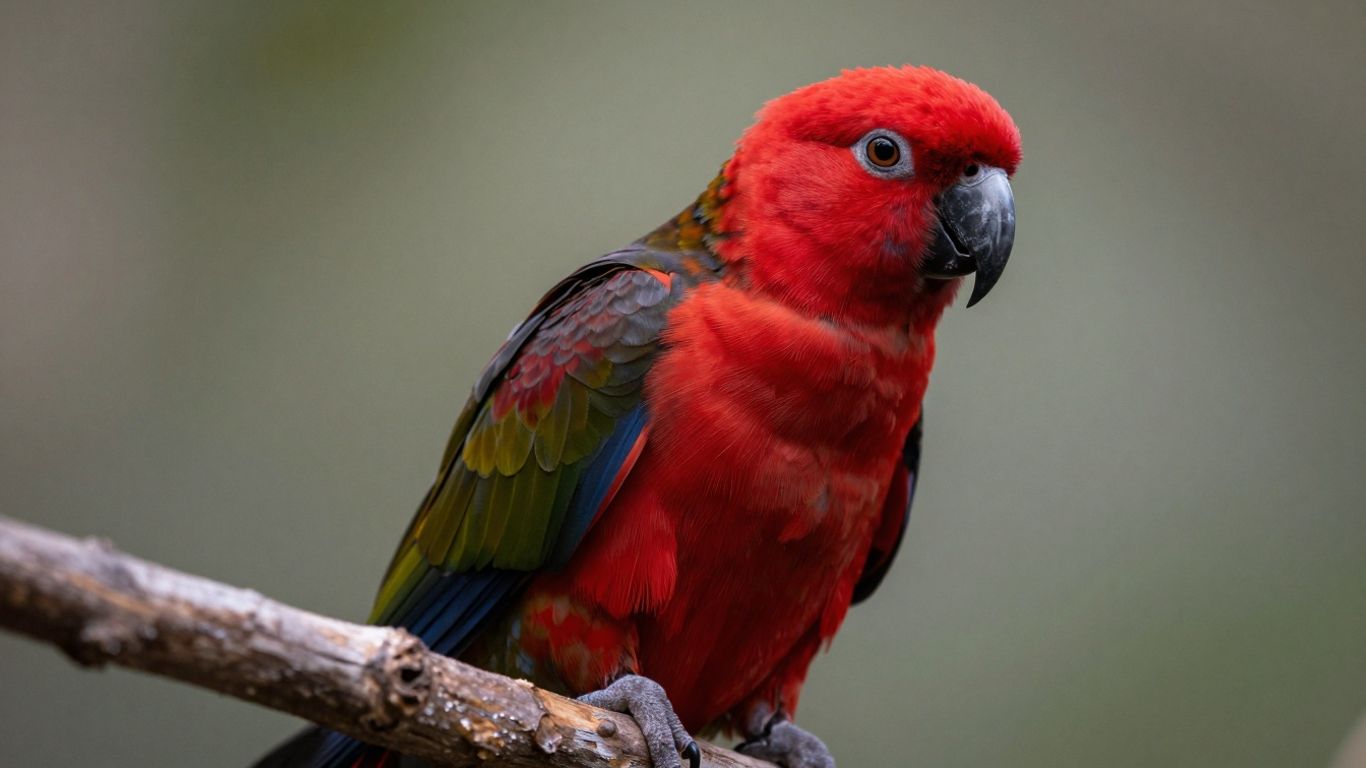
The Red Factor African Grey isn’t just a pretty face; it’s a bird that truly brings a unique sparkle to your home. Their striking appearance, with those deep grey feathers and the distinctive red accents, makes them stand out. But beyond the looks, they possess a personality that’s just as captivating. These birds are known for their intelligence, often surprising their owners with their ability to learn and mimic. They’re not just pets; they’re feathered family members who can become quite the characters.
Building a Strong Bond
Creating a connection with your Red Factor African Grey is a rewarding experience. It takes time, patience, and consistent interaction. Think of it like building any strong relationship – it’s all about communication and shared experiences. Spending quality time with your bird daily is key. This can involve talking to them, playing games, or simply letting them hang out with you while you go about your day. Remember, these are social creatures that thrive on interaction. A bird that feels connected is a happy bird, and a happy bird is a joy to have around. Building this bond can lead to a relationship that lasts for decades, as these parrots can live for a long time with proper care African Grey Parrots can thrive in captivity.
Enriching Your Life With Laughter
One of the most delightful aspects of sharing your life with a Red Factor African Grey is the sheer amount of amusement they provide. Their intelligence means they often get up to all sorts of clever antics. You might find them figuring out how to open their toys in new ways or picking up on phrases you use often, sometimes at the most unexpected moments. Their ability to mimic sounds and voices can lead to some genuinely funny situations, turning everyday moments into sources of laughter. It’s this blend of intelligence, personality, and their unique look that makes them such a special companion.
Here’s a little something to keep in mind:
- Daily Interaction: Aim for at least an hour of focused interaction each day.
- Variety is Key: Offer new toys and challenges regularly to keep their minds sharp.
- Positive Reinforcement: Use praise and treats to encourage good behavior and training.
Owning a Red Factor African Grey is a commitment, but the rewards are immense. Their intelligence, unique beauty, and affectionate nature can bring a lot of joy and personality into your life. It’s about creating a partnership built on trust and mutual respect.
A Truly Special Bird
So, there you have it. The Red Factor African Grey isn’t just another parrot; it’s a real showstopper with a brain to match. They’re smart, they’re social, and yeah, they’re pretty to look at with those unique red feathers. If you’re thinking about getting one, remember they need a good amount of attention and mental games to stay happy. It’s a big commitment, for sure, but having one of these birds around sounds like it could be a pretty amazing experience. They’re more than just pets; they’re like feathered family members who can really become part of your life.
Frequently Asked Questions
What makes a Red Factor African Grey parrot different from a regular one?
The main difference is their stunning color! While most African Greys are gray with red tails, the Red Factor has a more intense, vibrant red in its tail feathers. It’s like a special edition of a very smart bird.
Are Red Factor African Greys really as smart as people say?
Yes, they are incredibly intelligent! They can learn to talk, mimic sounds, and even solve puzzles. Think of them as having a very curious and clever mind that loves to be challenged.
How much attention do these parrots need?
These birds are very social and need a lot of interaction. They do best when they can spend time with their human families every day. If left alone too much, they can get lonely or bored.
What kind of food should I give my Red Factor African Grey?
A healthy diet is super important. They need a good mix of high-quality parrot pellets, plus lots of fresh fruits and vegetables. Just be sure to avoid foods that are bad for them, like chocolate or avocado.
How much does a Red Factor African Grey parrot usually cost?
The price can vary a lot, but generally, they can cost anywhere from $1,000 to $3,000 or even more. This depends on things like the bird’s age, where you buy it from, and if it has any special colors or training.
Are there other costs besides buying the parrot?
Absolutely! You’ll need to budget for a good-sized cage, toys for playing and chewing, food, regular vet visits, and maybe even training classes. It’s an investment in a pet that can live for many, many years.