Finding Your Perfect Hyacinth Macaw For Sale: A Comprehensive Guide
Thinking about bringing a Hyacinth Macaw into your life? These big, blue beauties are truly something else. But before you start looking for a Hyacinth Macaw for sale, it’s good to know what you’re getting into. This guide breaks down what makes these birds so special, how to care for them, and what to expect if you decide one is right for you. We’ll cover everything from their natural home to finding a good breeder.
Key Takeaways
- Hyacinth Macaws are the largest parrot species, known for their stunning blue feathers and yellow accents.
- They need a specialized diet including nuts, fruits, and vegetables, and require regular vet check-ups.
- These birds are intelligent and social, needing plenty of interaction and mental stimulation.
- Finding a Hyacinth Macaw for sale involves connecting with skilled, reputable breeders who prioritize bird welfare.
- Hyacinth Macaws are listed as Vulnerable, making responsible ownership and conservation awareness important.
Understanding The Hyacinth Macaw
Scientific Classification and Description
The Hyacinth Macaw, scientifically known as Anodorhynchus hyacinthinus, is a truly magnificent bird. It belongs to the Psittacidae family, which is a big group of parrots. What’s interesting is that this species is the only one in its genus, meaning there aren’t any close relatives in the same classification group. This makes the Hyacinth Macaw quite unique in the bird world.
Distinguishing Characteristics
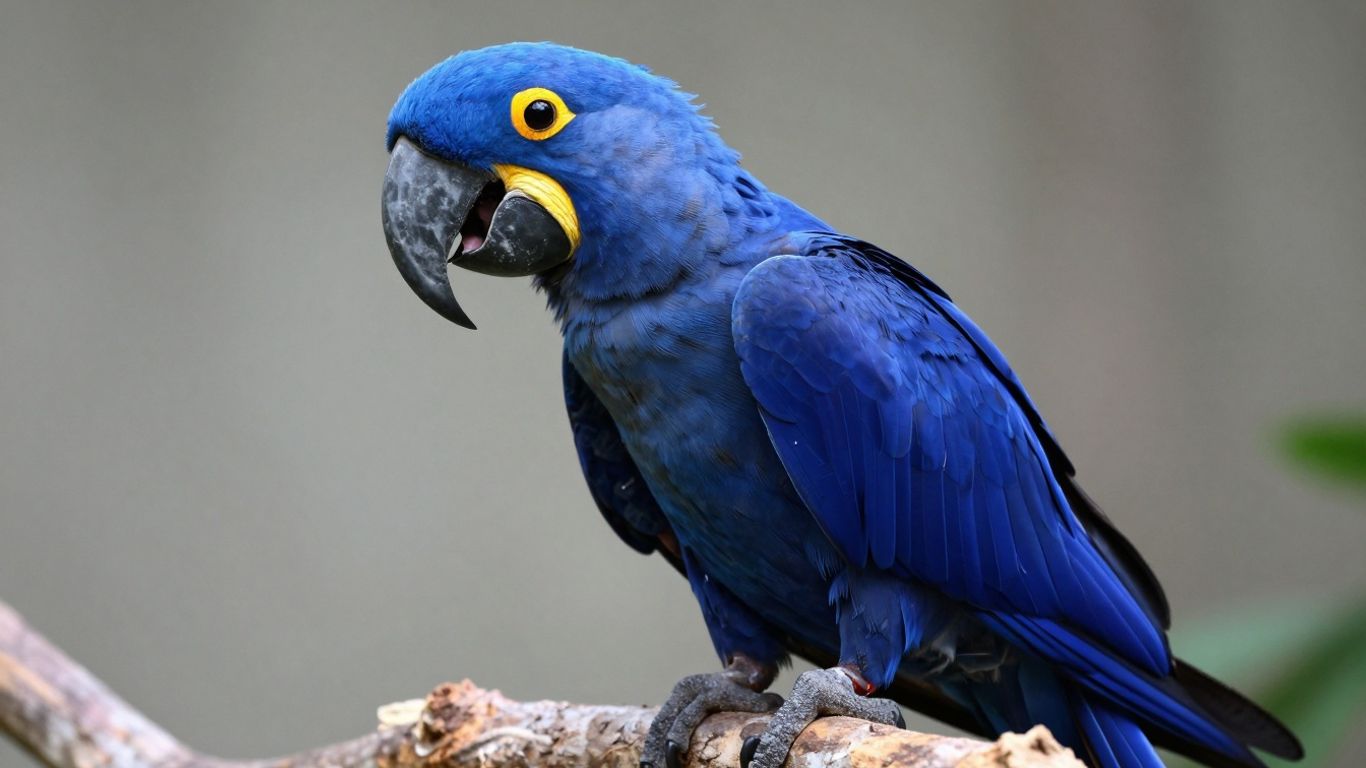
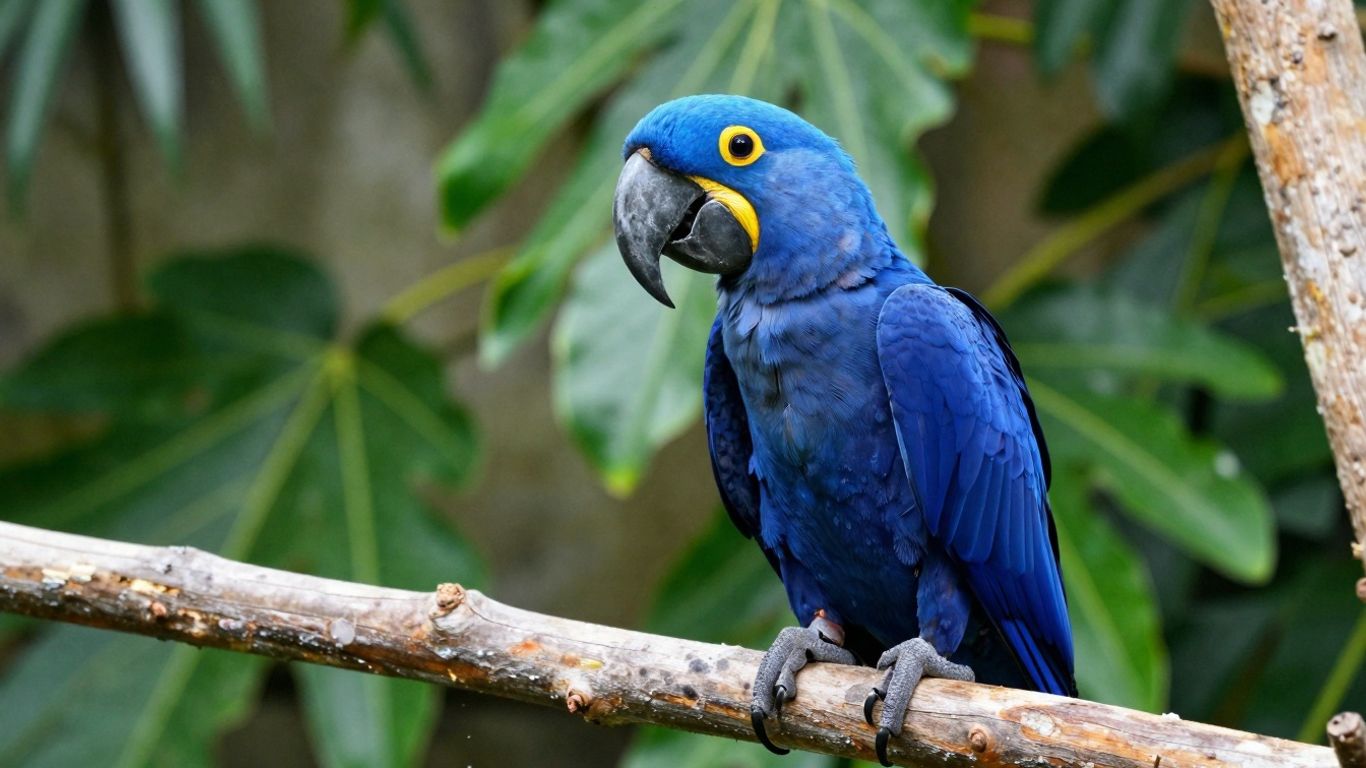
These birds are famous for their stunning, deep blue feathers that cover their entire bodies. They also have bright yellow markings around their eyes and at the base of their beaks, which really makes them stand out. Hyacinth Macaws are the largest parrots out there, measuring up to about 40 inches from head to tail. They have long, flowing tails and very strong beaks, perfect for cracking tough nuts. Their sheer size and vibrant color make them unmistakable.
Natural Habitat
In the wild, Hyacinth Macaws prefer open areas like savannas, grasslands, and places with scattered trees. You can find them mostly in central and eastern South America, particularly in Brazil, but also in parts of Bolivia and Paraguay. These areas provide them with the space they need to fly around and the specific types of palm trees that are a big part of their diet and where they build their nests. Their habitat needs are quite specific, which is why protecting these areas is so important.
Caring For Your Hyacinth Macaw
Dietary Requirements
Feeding a Hyacinth Macaw is a big deal, and it’s not just about tossing some seeds in a bowl. These guys are huge and have specific needs. Think of their wild diet: lots of nuts, especially Brazil nuts, which are packed with good fats and nutrients. In captivity, you’ll want to offer a mix of high-quality pellets designed for large parrots, a variety of fresh fruits and vegetables, and of course, those all-important nuts. Make sure they always have access to clean, fresh water. And a big no-no? Never feed them avocado, chocolate, or anything with caffeine – those are toxic.
Annual Veterinary Care
Taking your Hyacinth Macaw to the vet every year is non-negotiable. It’s not just for when they’re sick; it’s about keeping them healthy. These check-ups are where the vet can give them a good once-over, check for any early signs of trouble, and make sure their diet is on point. It’s like getting an oil change for your car, but for your giant blue bird. Preventative care is key to a long, happy life for your macaw. This includes things like parasite checks and making sure they’re getting all the vitamins they need. It’s an investment in their well-being, and honestly, it’s worth every penny to maintain their health.
Diseases and Other Health Conditions
Hyacinth Macaws can be prone to a few health issues if you’re not careful. One of the scarier ones is Proventricular Dilatation Disease (PDD), which affects their digestive system and can be fatal. Psittacosis, a bacterial infection, is another concern, and it can even spread to humans. Nutritional deficiencies are also common if their diet isn’t balanced – think calcium and vitamin A. Being aware of these potential problems and managing their diet and environment proactively is super important.
Keeping a Hyacinth Macaw healthy means being observant. Watch for changes in their droppings, appetite, or behavior. Early detection of any issues can make a huge difference in treatment and recovery.
Here’s a quick rundown of common dietary needs:
- Base Diet: High-quality parrot pellets formulated for large species.
- Supplements: Fresh fruits (like papaya, mango, berries) and vegetables (leafy greens, carrots, bell peppers).
- Treats/Enrichment: A variety of nuts (Brazil nuts, macadamia nuts, almonds) in moderation.
- Avoid: Avocado, chocolate, caffeine, alcohol, and salty/sugary human foods.
Regular vet visits are your best bet for catching any problems early. They can perform screenings and offer advice tailored to your specific bird. Remember, these birds can live a very long time, so consistent care is a must.
Hyacinth Macaw Lifespan and Behavior
Longevity
Hyacinth Macaws are known for their impressive lifespan. In the wild, they can live for around 50 years. However, when kept as pets in a safe environment, free from predators and with good care, they can often live much longer, sometimes exceeding 60 years. This means that bringing a Hyacinth Macaw into your home is a commitment that could last for a significant portion of your own life.
Aging Characteristics
As these birds get older, you might notice some subtle changes. Their brilliant blue feathers might not look quite as vibrant as they did when they were younger. More importantly, like any living creature, they can develop age-related health issues. Regular check-ups with an avian vet are super important to catch any problems early and make sure they stay comfortable and healthy as they age.
Sexual/Mating Behavior
These macaws are pretty devoted. They tend to mate for life, forming very strong bonds with their chosen partner. You’ll often see them preening each other, sharing food, and vocalizing together, which really strengthens their connection. If you’re thinking about breeding them, it’s important to give them a quiet space where they feel secure, and provide nesting spots that mimic what they’d find in nature, like large tree hollows.
Gender Differences
Figuring out if you have a boy or a girl Hyacinth Macaw can be tricky. Physically, males and females look almost identical. You usually need to do a DNA test or have a vet do a surgical sexing to know for sure. Knowing their gender is mostly important if you’re interested in breeding them, or sometimes to understand specific behavioral quirks.
Owning a Hyacinth Macaw is a long-term commitment, not just in terms of time, but also financially. Beyond the initial purchase price, which can be quite high, you’ll need to budget for a large, sturdy cage, a varied diet of nuts, fruits, vegetables, and quality pellets, plenty of toys to keep their intelligent minds busy, and consistent veterinary care. It’s a significant investment to provide a suitable and enriching life for these magnificent birds.
Here’s a quick look at some key aspects:
- Long Lifespan: Expect a commitment of 50-60+ years.
- Social Bonds: They form strong, lifelong pair bonds.
- Appearance: Males and females look very similar.
- Care Needs: Require significant space, specialized diet, and mental stimulation.
Finding A Hyacinth Macaw For Sale
So, you’ve decided a Hyacinth Macaw is the bird for you. That’s awesome! These big blue beauties are truly something else. But finding one isn’t quite like picking up a goldfish, you know? It takes some real effort and knowing where to look. The most reliable way to find a healthy Hyacinth Macaw is through experienced and reputable breeders.
Connecting With Skilled Parrot Breeders
When you’re looking for a Hyacinth Macaw, you want someone who really knows these birds inside and out. A good breeder will be happy to answer all your questions, show you their birds, and talk about the parents. They should also be upfront about the bird’s health history and any genetic testing they’ve done. It’s a big commitment, and a good breeder understands that. They’ll want to make sure you’re a good fit for one of their birds, too!
Tips for Finding Parrot Breeders in Your Area
Finding these specialized breeders can take a bit of legwork. Here are a few ideas:
- Ask around: Talk to avian vets, bird clubs, or even other experienced parrot owners. Word-of-mouth is often the best way to find someone trustworthy.
- Online resources: Look for breeder directories or forums dedicated to macaws. Just be extra careful and do your homework on anyone you find online.
- Bird shows and expos: These events can be a great place to meet breeders face-to-face and see some amazing birds.
Costs of Ownership
Okay, let’s talk money. Hyacinth Macaws aren’t cheap, not by a long shot. The initial purchase price can be quite high, often running into thousands of dollars. But that’s just the start. You’ll need a really big, sturdy cage – these guys are strong! Then there’s the food, which needs to be varied and nutritious. Don’t forget toys to keep their sharp minds busy, and, of course, regular vet visits. It’s a significant financial commitment that lasts for decades.
| Expense Category | Estimated Cost (USD) |
|---|---|
| Initial Purchase Price | $5,000 – $15,000+ |
| Large Aviary/Cage | $1,000 – $5,000+ |
| Diet (Annual) | $500 – $1,000+ |
| Toys & Enrichment (Annual) | $200 – $500+ |
| Veterinary Care (Annual) | $300 – $800+ |
Owning a Hyacinth Macaw is a long-term commitment, often spanning 50 years or more. Prospective owners must be prepared for the significant financial, emotional, and time investment required to provide a suitable and enriching environment for these intelligent and demanding birds throughout their entire lives.
Conservation Status And Where To See Them
IUCN Red List Status
The Hyacinth Macaw is currently listed as Vulnerable by the International Union for Conservation of Nature (IUCN). This designation isn’t just a label; it’s a serious warning sign about the pressures this magnificent bird faces in the wild. The primary threats include:
- Habitat Loss: As natural landscapes are altered for agriculture or development, their preferred environments shrink.
- Illegal Pet Trade: Despite protections, these birds are still sometimes captured and sold illegally, which significantly impacts wild populations.
- Loss of Food Sources: Changes in their environment can also affect the availability of their staple foods, like certain palm nuts.
This status means that active conservation efforts are really important to help protect them.
Local Places to See This Species Live
While seeing a Hyacinth Macaw in its natural South American habitat is a dream for many, it’s not a realistic option for most. Thankfully, there are other ways to admire these incredible birds.
- Zoos and Wildlife Parks: Many reputable zoos and wildlife parks around the world house Hyacinth Macaws. These institutions often participate in breeding programs and conservation initiatives, so your visit can indirectly support these efforts.
- Aviaries and Sanctuaries: Specialized bird sanctuaries and large aviaries are also great places to observe them. These places often focus on rescue and rehabilitation, providing a safe haven for birds that cannot be released.
- Educational Centers: Some nature centers or educational facilities might have Hyacinth Macaws as part of their outreach programs, offering a chance to learn about them up close.
It’s always a good idea to check the specific institution’s website before visiting to confirm their current residents and any special exhibits or talks they might offer about these amazing birds.
Training And Socialization
Training Challenges and Techniques
Bringing a Hyacinth Macaw into your home is a big step, and training them is a journey that requires a good dose of patience and a consistent approach. These birds are incredibly smart, which is great, but it also means they can get bored easily or figure out ways to push boundaries. Positive reinforcement is definitely the way to go here. Think tasty treats, enthusiastic verbal praise, or a favorite scratch when they get something right. Keep training sessions short, maybe 10-15 minutes a few times a day. It’s better to have several brief, fun sessions than one long, drawn-out one that might lead to frustration for both of you. Focus on simple commands first, like their name or coming when called. Building trust is key, and that starts with making training a positive experience.
Socialization Importance
Socialization is super important for Hyacinth Macaws, especially when they’re young. A well-socialized macaw is generally a happier, more well-adjusted bird. This means exposing them to different people, places, and sounds in a controlled, positive way. If they aren’t socialized properly, they can become fearful or even aggressive, which is something nobody wants. It’s not just about letting them meet other pets; it’s about helping them feel comfortable and secure in various situations. This can involve having friends over, taking them to pet-friendly places (if your vet approves and it’s safe), or even just introducing them to new household objects gradually. Early and ongoing socialization helps prevent behavioral problems down the line.
Here’s a quick rundown of why socialization matters:
- Reduces Fear and Anxiety: Exposure to new things in a safe way helps them feel less threatened.
- Builds Confidence: A confident bird is more likely to explore and interact positively.
- Prevents Aggression: Fear is often a root cause of aggression in parrots; socialization combats this.
- Improves Bond: A well-socialized bird often has a stronger, more trusting relationship with its owner.
Remember that every bird is an individual. What works for one Hyacinth Macaw might not be a perfect fit for another. Always observe your bird’s body language and adjust your training and socialization efforts accordingly. Pushing a bird too far, too fast can set back progress significantly. It’s a marathon, not a sprint, and celebrating small victories is part of the fun. If you’re looking for more general tips on bringing a new bird home, you might find resources on preparing for a new parrot helpful.
Wrapping Up Your Hyacinth Macaw Search
So, you’ve learned a lot about these amazing blue giants. Finding a Hyacinth Macaw for sale is a big step, and it’s not something to rush into. Remember all the things we talked about – their specific needs, the commitment involved, and where to find responsible breeders. It’s really about making sure you can give one of these incredible birds the best life possible. Good luck with your search, and may you find the perfect feathered friend to share your home with!
Frequently Asked Questions
What makes Hyacinth Macaws so special?
Hyacinth Macaws are the largest parrots in the world, known for their stunning, deep blue feathers and bright yellow accents around their eyes and beak. They’re incredibly smart and can be very social, but they also need a lot of attention and space.
What do Hyacinth Macaws eat?
In the wild, they mostly eat nuts, especially Brazil nuts, along with fruits and seeds. For pets, a good diet includes special parrot pellets, a variety of fresh fruits and vegetables, and some nuts. It’s super important to avoid giving them toxic foods like chocolate or avocado.
How long do Hyacinth Macaws live?
These amazing birds have a very long lifespan. In the wild, they can live around 50 years, but in captivity, with good care, they can live for over 60 years. This means they are a commitment for a very long time.
Are Hyacinth Macaws easy to train?
Hyacinth Macaws are very intelligent, which can make them trainable, but they also have strong personalities. They respond best to positive training methods like rewards and praise. Patience and consistency are key, and early socialization is important to help them become well-behaved pets.
What are the biggest challenges of owning a Hyacinth Macaw?
Owning a Hyacinth Macaw is a big responsibility. They need a lot of space, a special diet, plenty of mental stimulation to avoid boredom, and lots of social interaction. Their long lifespan also means a long-term commitment. Plus, they can be quite noisy and require consistent training.
Are Hyacinth Macaws endangered?
Yes, Hyacinth Macaws are considered a vulnerable species. This means they face threats in the wild, like losing their homes and being captured for the pet trade. Efforts are being made to protect them and their natural habitats.