Solomon Island Eclectus Parrots: A Comprehensive Guide to Their Care and Personality
Thinking about getting a Solomon Island Eclectus parrot? They’re really something else! These birds are known for being super chill and smart, making them a popular choice for folks wanting a feathered friend. But like any pet, they need the right setup and a good understanding of what makes them tick. This guide will walk you through everything you need to know about keeping a Solomon Island Eclectus happy and healthy, from their unique looks to their daily needs.
Key Takeaways
- Solomon Island Eclectus parrots stand out with their striking looks, especially the big difference between males and females.
- These birds are generally gentle and smart, which means they can be trained and are fun to interact with.
- Providing a large cage with plenty of toys and perches, plus keeping the temperature right, is important for their home.
- A varied diet is key for a Solomon Island Eclectus, including lots of fruits, veggies, and good quality pellets, while avoiding harmful foods.
- Keeping an eye on their health, doing regular check-ups, and knowing the signs of sickness will help them stay well.
Understanding The Solomon Island Eclectus
Distinctive Physical Characteristics
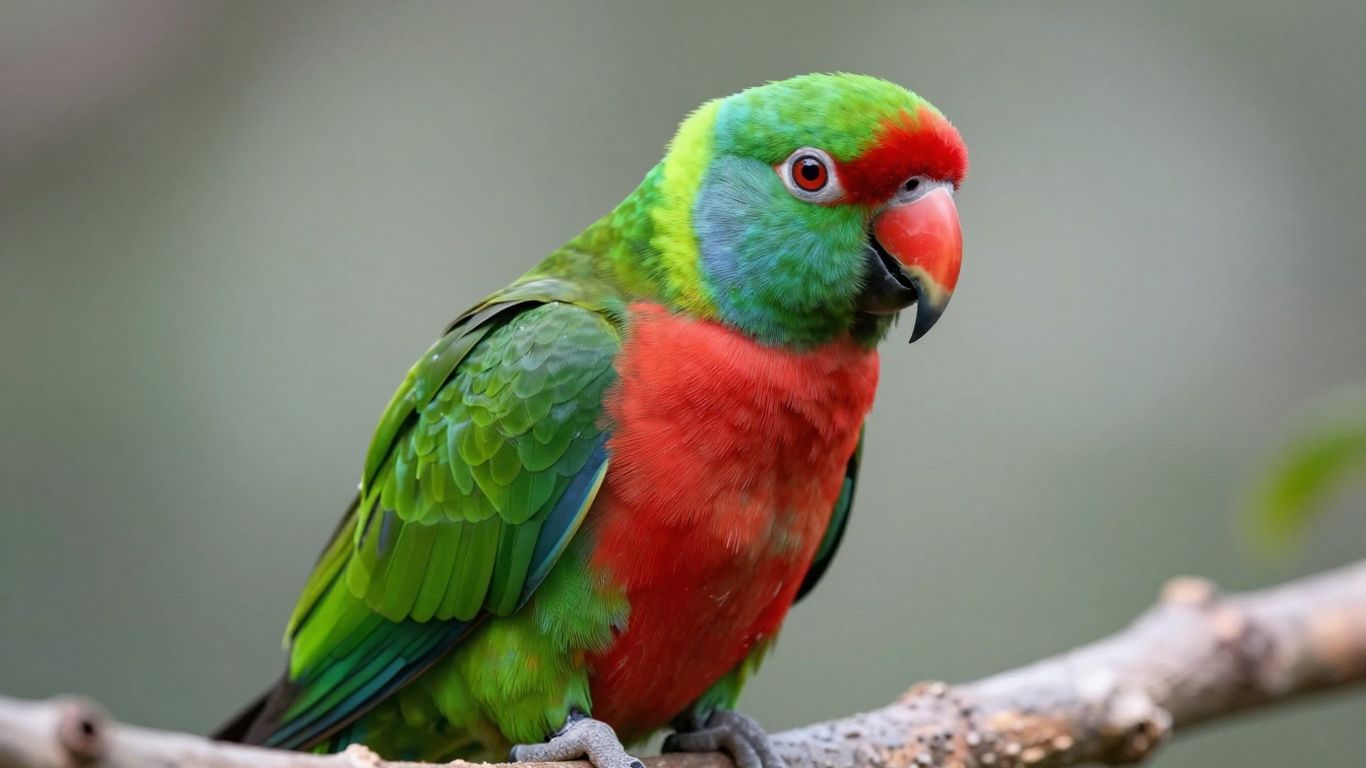
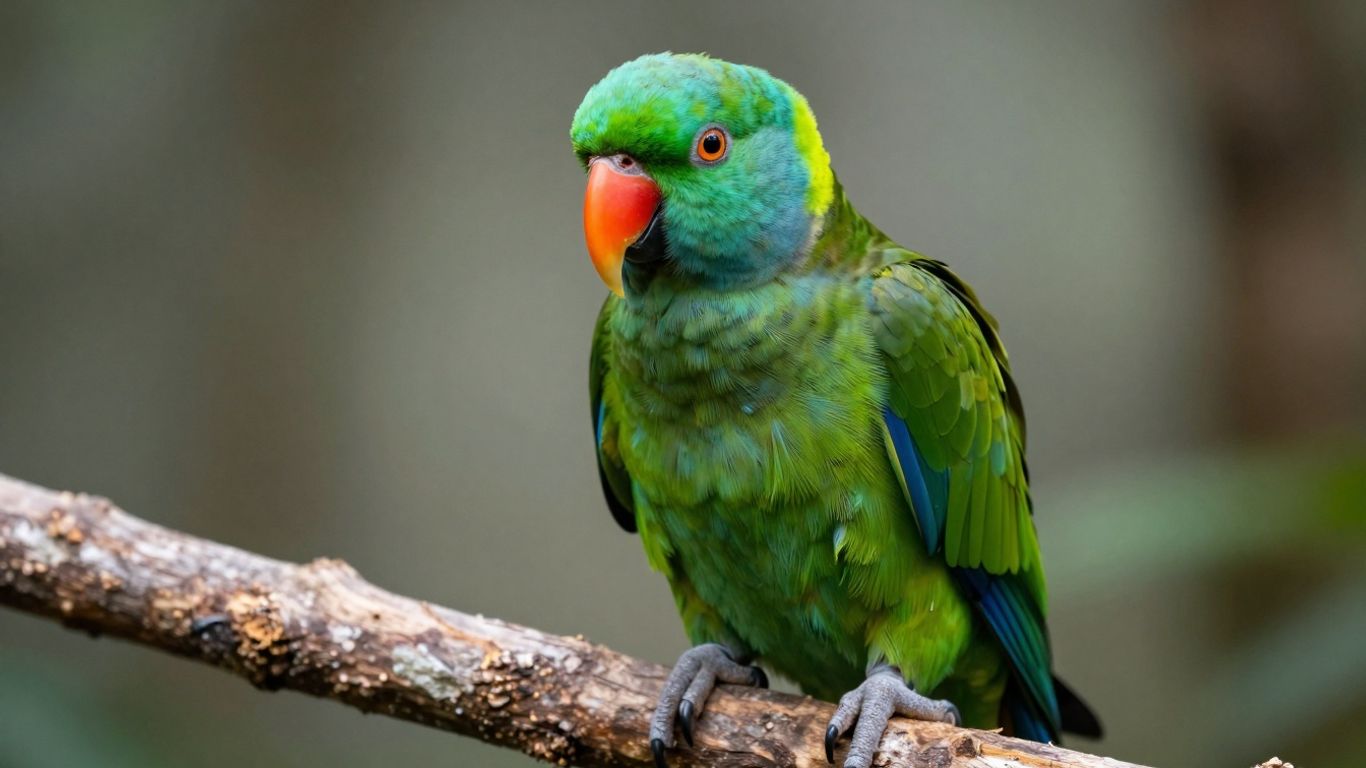
The Solomon Island Eclectus is a really striking parrot, and one of the first things you’ll notice is how different the males and females look. It’s not just a subtle difference; they’re like two different birds! The males are a vibrant emerald green all over, with bright red underwings that flash when they fly. They’ve got a yellow-orange beak and a more delicate build. Females, on the other hand, are a deep, rich red on their chest and abdomen, with a purple or blue tinge on their crown and wings. Their beaks are black and much larger and more robust than the males’. This extreme difference between the sexes is called sexual dimorphism, and it’s one of the most defining features of the Eclectus species.
Sexual Dimorphism in Eclectus Parrots
As mentioned, the visual differences between male and female Solomon Island Eclectus parrots are pretty dramatic. It’s not just about color, either. Females tend to be a bit larger and have a more powerful build, which makes sense given their role in nesting and raising young. This stark contrast means you can usually tell them apart just by looking at them, which is pretty neat. It’s thought that this difference helps them blend into different environments when they’re foraging or nesting, with the green males camouflaging among foliage and the red females being less conspicuous in darker nesting cavities.
Natural Habitat Of The Solomon Island Eclectus
These beautiful birds are native to the Solomon Islands, a chain of islands in Melanesia, east of Papua New Guinea. They live in the lush, tropical rainforests found there. You’ll typically find them in the canopy, flitting between trees in search of food. Their diet in the wild consists mainly of fruits, seeds, nuts, and sometimes flowers and buds. They are often seen in pairs or small family groups. The specific islands they inhabit include Bougainville, Choiseul, Santa Isabel, Malaita, Guadalcanal, and San Cristobal. It’s important to remember that these are wild animals, and their natural environment is a big part of what makes them unique. Understanding their native Solomon Islands environment can give you a better appreciation for their needs as pets.
The Solomon Island Eclectus thrives in a dense, humid rainforest environment. Their diet is primarily frugivorous, meaning they eat a lot of fruit, supplemented with seeds and nuts. This dietary preference is a key consideration when replicating their needs in captivity.
Personality And Temperament Of Solomon Island Eclectus
When you think about getting a Solomon Island Eclectus, you’re probably wondering what they’re like to live with. Well, they’re known for being pretty chill, honestly. They’re not usually the super hyper, loud parrots you might see in movies. Instead, they tend to have a more laid-back vibe.
Gentle And Affectionate Nature
These birds are often described as gentle and quite affectionate. They can form strong bonds with their people, and they really seem to enjoy just hanging out. It’s not uncommon for them to want to be near you, maybe perched on your shoulder while you’re doing chores or watching TV. They aren’t typically the kind of bird that demands constant attention, but they definitely appreciate your presence and interaction. Their calm demeanor makes them a great companion for many households.
Intelligence And Trainability
Don’t let their calm nature fool you; Eclectus parrots are smart cookies. They can learn tricks, solve puzzles, and even pick up on routines. Training them is usually a positive experience because they respond well to positive reinforcement. Think treats and praise! They can learn to step up, wave, and even talk, though their vocabulary might not be as extensive as some other species. Consistency is key, and keeping training sessions short and fun will yield the best results. You can find some great resources on parrot training that can help you get started.
Vocalizations And Communication
Eclectus parrots aren’t usually the loudest birds on the block. They tend to communicate with softer squawks, clicks, and whistles rather than ear-splitting screams. Some owners report their Eclectus will mimic sounds or words they hear frequently, but it’s not a guarantee. They often use their body language to communicate, so learning to read their cues is important. A puffed-up chest might mean they’re happy and content, while pinning eyes could indicate excitement or agitation. Paying attention to these signals will help you understand your bird better.
It’s important to remember that every bird is an individual. While these are general traits of the Solomon Island Eclectus, your specific bird might have a slightly different personality. Spending time with them, understanding their needs, and providing a stable environment will help you build a strong relationship.
Here’s a quick look at what to expect:
- Affectionate: They enjoy being around their people and can be quite cuddly.
- Intelligent: They learn quickly and can be trained with patience.
- Calm: Generally less prone to loud, disruptive vocalizations compared to other parrots.
- Communicative: They use a mix of sounds and body language to express themselves.
Housing Requirements For Your Solomon Island Eclectus
Setting up the right living space for your Solomon Island Eclectus is super important for their well-being. These birds are active and intelligent, so they need room to move and things to do. Think of their cage not just as a place to sleep, but as their whole world.
Cage Size And Bar Spacing
When picking out a cage, bigger is definitely better. Your Eclectus needs space to spread their wings, climb, and play without feeling cramped. A good rule of thumb is to get the largest cage you can reasonably fit and afford. For a single Eclectus, aim for a cage that’s at least 3 feet wide, 3 feet deep, and 4-6 feet tall. Seriously, don’t skimp on this. The more space they have, the happier and healthier they’ll be.
Bar spacing is also a big deal. You want bars that are spaced about 3/4 inch to 1 inch apart. Too wide, and they could get their heads stuck. Too narrow, and it just looks a bit silly and doesn’t offer much climbing surface.
Enrichment And Perches
An empty cage is a boring cage, and a bored Eclectus can develop behavioral issues. You’ll want to fill their space with a variety of perches and toys. Different textures and diameters for perches are great for their feet. Think natural wood branches, rope perches, and even some concrete perches for nail trimming. Just make sure they’re safe and non-toxic.
Toys are where you can really get creative. Eclectus parrots love to chew, climb, and solve puzzles. Rotate toys regularly to keep things interesting. Some good options include:
- Foraging toys that hide treats
- Chewable toys made from wood, paper, or natural fibers
- Swinging toys and ladders
- Foot toys they can manipulate
Remember to check toys regularly for wear and tear and replace them when they become unsafe.
Temperature And Lighting Needs
Solomon Island Eclectus parrots come from a tropical environment, so they appreciate warmth. The ideal temperature range for their cage is typically between 70-80°F (21-27°C). You don’t usually need to worry about heating unless your home gets unusually cold, but it’s good to have a thermometer in the cage area to monitor.
Lighting is also important. They need exposure to natural-spectrum light, which helps with vitamin D3 synthesis and calcium absorption. If you can’t provide enough natural sunlight (without direct, harsh sun exposure which can overheat them), consider using a full-spectrum bird lamp. These lamps mimic natural sunlight and should be on a timer to provide a consistent day/night cycle, usually around 10-12 hours of light per day. This helps regulate their sleep patterns and overall health. For more on setting up a bird’s environment, Parrot Stars has some great tips.
Providing a spacious, stimulating, and safe environment is key to a happy Eclectus. Think about their natural behaviors and try to replicate aspects of their environment to keep them mentally and physically engaged. A well-designed cage setup can prevent a lot of common parrot problems down the line.
Dietary Needs Of The Solomon Island Eclectus
Feeding your Solomon Island Eclectus a balanced diet is super important for keeping them healthy and happy. These birds have a unique digestive system, and what works for other parrots might not be ideal for them. Think of their diet as a puzzle where variety is key.
Importance Of A Varied Diet
A diverse diet helps prevent boredom and ensures your Eclectus gets all the nutrients they need. Just like us, they can get tired of eating the same thing every day. Offering a mix of different foods keeps their minds stimulated and their bodies functioning well. It’s not just about filling their bellies; it’s about providing complete nutrition.
Remember that Eclectus parrots are naturally frugivores, meaning fruits make up a significant portion of their natural diet. While we can’t replicate their wild diet exactly, we should aim to include a good amount of fresh produce.
Fruits, Vegetables, And Pellets
When it comes to what to put in their bowl, think fresh and varied. A good starting point is to base their diet on high-quality pellets, which provide a solid nutritional foundation. Then, you’ll want to supplement this with plenty of fresh fruits and vegetables. Aim for a mix that includes leafy greens, colorful vegetables, and a variety of fruits. Some good options include:
- Leafy Greens: Kale, spinach, romaine lettuce, Swiss chard.
- Vegetables: Broccoli, carrots, bell peppers, peas, sweet potatoes.
- Fruits: Berries, apples (seeds removed), mango, papaya, melon.
It’s a good idea to offer fresh food at least twice a day. Remove any uneaten portions after a few hours to keep things fresh and prevent spoilage. You can find a wide range of parrot-specific pellets that are formulated to meet their dietary needs, and it’s worth exploring different brands to see what your bird prefers. For more information on parrot nutrition, you might find resources on parrot food helpful.
Foods To Avoid
Just as important as knowing what to feed your Eclectus is knowing what to keep away from them. Some common foods that are perfectly fine for us can be harmful, even toxic, to parrots. Always steer clear of:
- Avocado: This is a big no-no for most birds.
- Chocolate and Caffeine: These are toxic and can cause serious health problems.
- Onions and Garlic: While some sources say small amounts are okay, it’s best to avoid them to be safe.
- Salty, Sugary, or Fatty Human Foods: Processed snacks, junk food, and anything heavily seasoned are not suitable.
- Alcohol and Fruit Pits/Seeds: These can be dangerous.
Always ensure your parrot has access to fresh, clean water. Changing it daily is a good habit to get into. Paying attention to their diet is one of the best ways to support their overall well-being.
Health Considerations For Solomon Island Eclectus
Common Health Issues
Solomon Island Eclectus parrots are generally robust birds, but like all pets, they can be prone to certain health problems. One common issue is psittacine beak and feather disease (PBFD), a viral illness that affects the beak, feathers, and immune system. Another concern is obesity, which can arise from an improper diet and lack of exercise. Feather plucking, while often behavioral, can sometimes be linked to underlying health issues or stress. Bacterial and fungal infections, particularly in the respiratory system, can also occur, especially if cage conditions aren’t kept clean.
Preventative Care And Vet Visits
Regular check-ups with an avian veterinarian are super important for keeping your Eclectus healthy. Aim for at least one visit per year, or more if you notice any changes in your bird’s behavior or appearance. Your vet can help catch potential problems early, provide advice on diet and care, and administer necessary vaccinations. Keeping their living space clean is also a big part of prevention. This means daily spot cleaning of the cage and a thorough cleaning at least once a week. Providing a balanced diet and plenty of opportunities for exercise will also go a long way in keeping them in tip-top shape.
Signs Of Illness To Watch For
It’s good to know what to look out for when it comes to your Eclectus’s health. Changes in droppings are often a first sign something’s up – look for unusual color, consistency, or volume. Lethargy, meaning they seem unusually tired or inactive, is another red flag. You might also notice changes in their appetite, whether they’re eating a lot more or a lot less. Difficulty breathing, ruffled feathers when they’re not trying to stay warm, or discharge from the eyes or nostrils are also signs that warrant a call to the vet. Don’t wait to seek professional help if you notice any of these symptoms.
Here are some things to keep an eye on:
- Changes in droppings (color, consistency, volume)
- Lethargy or unusual inactivity
- Changes in appetite (eating more or less)
- Discharge from eyes or nostrils
- Difficulty breathing
- Feather plucking or excessive preening
- Vomiting or regurgitation (beyond normal courtship feeding behavior)
Keeping a close watch on your bird’s daily habits and physical condition can make a big difference in catching health issues early. A healthy Eclectus is an active, alert, and well-groomed bird. Any deviation from their normal routine or appearance should be noted and, if persistent, discussed with your avian vet.
Socialization And Interaction With Your Solomon Island Eclectus
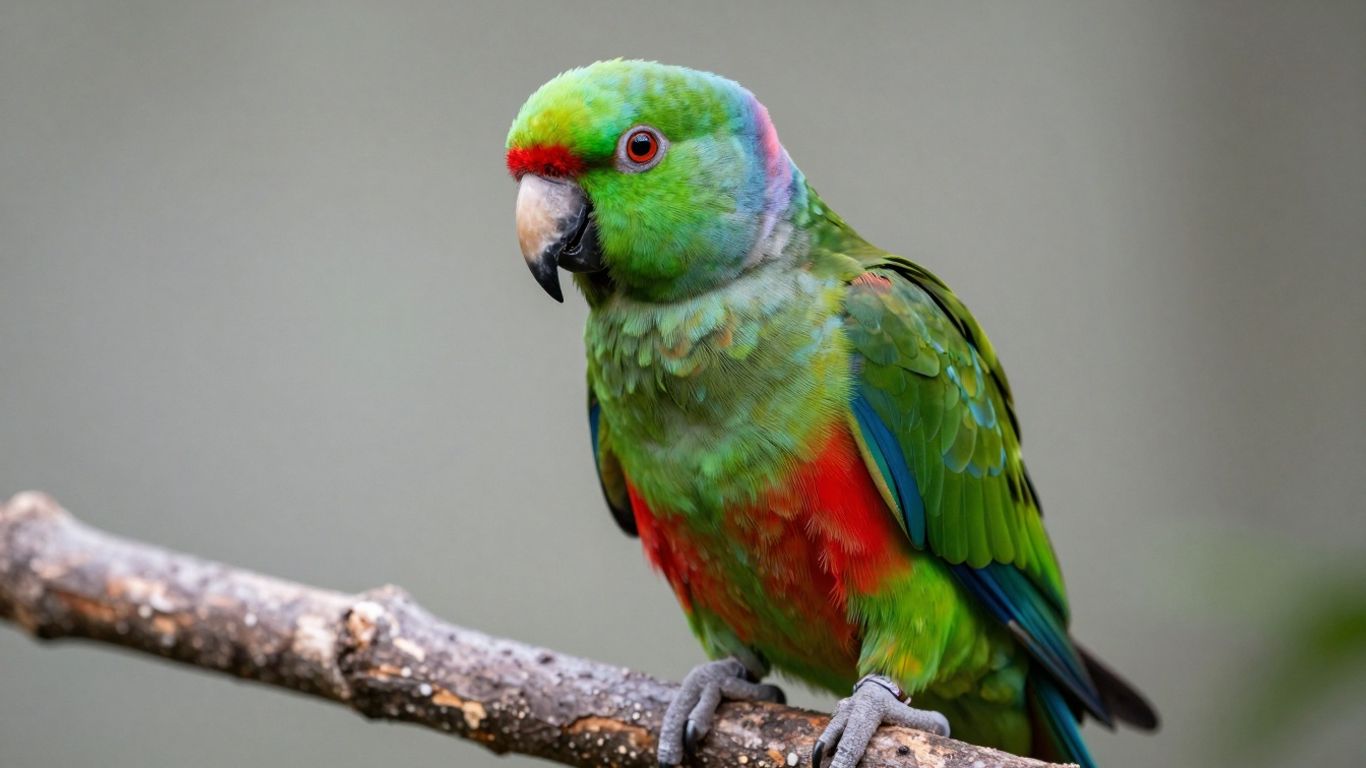
Building a strong bond with your Solomon Island Eclectus is super important. These birds are smart and social, and they really thrive on interaction. Think of it like building a friendship – it takes time, patience, and consistent effort. The more positive time you spend with your Eclectus, the more trusting and affectionate they’ll become.
Building Trust And Bonding
Getting your Eclectus to trust you is the first step. Don’t rush it. Let them get used to your presence first. Talk to them softly, move slowly around their cage, and offer treats through the bars. Once they seem comfortable, you can start offering treats from your hand. This process can take days, weeks, or even months, depending on the individual bird. Remember, consistency is key. Try to have daily interaction sessions, even if they’re short.
- Start slow: Let the bird observe you from a distance.
- Positive reinforcement: Reward calm behavior with praise and small treats.
- Respect their space: Never force interaction if the bird seems scared or stressed.
- Routine helps: Predictable interactions build security.
Building trust is a marathon, not a sprint. Celebrate small victories and don’t get discouraged if progress seems slow. Your patience will pay off in a devoted companion.
Handling And Playtime
Once your Eclectus trusts you, you can start handling them. Begin by gently stroking them while they’re on their perch. If they’re comfortable, you can try letting them step onto your finger or hand. Always support their feet and body. Playtime is also vital. This is where you can really engage with your bird. Offer a variety of toys that encourage problem-solving and physical activity. Think about puzzle toys or foraging opportunities. This kind of mental stimulation is just as important as physical interaction. For ideas on engaging toys, check out resources on parrot training toys.
Introducing New Experiences
Eclectus parrots can be sensitive to new things, so introducing new experiences gradually is a good idea. This could include new toys, new foods, or even new people. When introducing something new, observe your bird’s reaction. If they seem anxious, back off and try again later. You want to associate new things with positive experiences. For example, if you’re introducing a new toy, offer it along with a favorite treat. This helps them see that new things can be good. It’s also a good way to prevent boredom and keep their minds sharp. Regular exposure to different sights and sounds in a controlled way can help them become more adaptable.
Wrapping It Up
So, there you have it. Keeping an Eclectus parrot from the Solomon Islands is a big commitment, for sure. They’re not just pretty faces, you know? These birds have got a lot going on upstairs and a whole lot of personality to go with it. If you’re ready to put in the time for their diet, their environment, and just hanging out with them, you’ll likely end up with a really cool, interesting pet. It’s a lot of work, but from what we’ve talked about, it sounds like it could be totally worth it for the right person.
Frequently Asked Questions
What makes Solomon Island Eclectus parrots stand out?
Solomon Island Eclectus parrots are special because of their stunning looks and calm personalities. Males are bright green with orange beaks, while females are mostly red and purple with black beaks. This big difference between the sexes is called sexual dimorphism.
Are Eclectus parrots good pets for families?
Yes, they are known for being very gentle and loving. They tend to be pretty quiet compared to other parrots and can form strong bonds with their owners. They’re usually good with kids if they’re handled carefully and introduced properly.
How big of a cage does an Eclectus parrot need?
These birds need plenty of space to move around. A good rule of thumb is to get the biggest cage you can afford, with bar spacing that’s not too wide so they can’t slip through. They also need lots of toys and perches to keep them busy.
What should I feed my Solomon Island Eclectus?
A varied diet is super important! Think lots of fresh fruits and veggies, a good quality parrot pellet, and some seeds. It’s best to avoid fatty foods, chocolate, and anything with a lot of salt or sugar, as these can make them sick.
What are common health problems for Eclectus parrots?
Like all pets, they can get sick. Some common issues include feather plucking, digestive problems, and vitamin deficiencies if their diet isn’t right. Regular check-ups with an avian vet are key to catching any problems early.
How do I make sure my Eclectus parrot is happy and socialized?
Spend quality time with your parrot every day. Talk to them, play games, and let them get used to different sights and sounds. Building trust takes time, so be patient and consistent with your interactions.