Find Your Perfect Green Wing Macaw For Sale: A Comprehensive Guide
Thinking about bringing a Green-Winged Macaw into your life? They’re really something else, aren’t they? These big, colorful birds are known for being super smart and, get this, pretty gentle. If you’re looking for a pet that’s more than just a pet, but a real member of the family, a macaw might be your guy. But before you go searching for a ‘Green Wing Macaw for Sale,’ let’s chat about what’s involved. It’s a big commitment, for sure, but the rewards can be huge.
Key Takeaways
- Green-Winged Macaws are large, striking birds with a reputation for being gentle and affectionate.
- When looking for a Green Wing Macaw for sale, prioritize reputable breeders or rescues that offer hand-raised birds.
- These birds need a lot of space, a varied diet, and plenty of social interaction and mental challenges.
- Macaw ownership is a long-term commitment, potentially lasting 50 years or more, requiring significant time and financial investment.
- Understanding their needs for socialization, diet, housing, and mental stimulation is vital for a happy, healthy bird.
Understanding The Green-Winged Macaw
Distinctive Appearance Of The Green-Winged Macaw
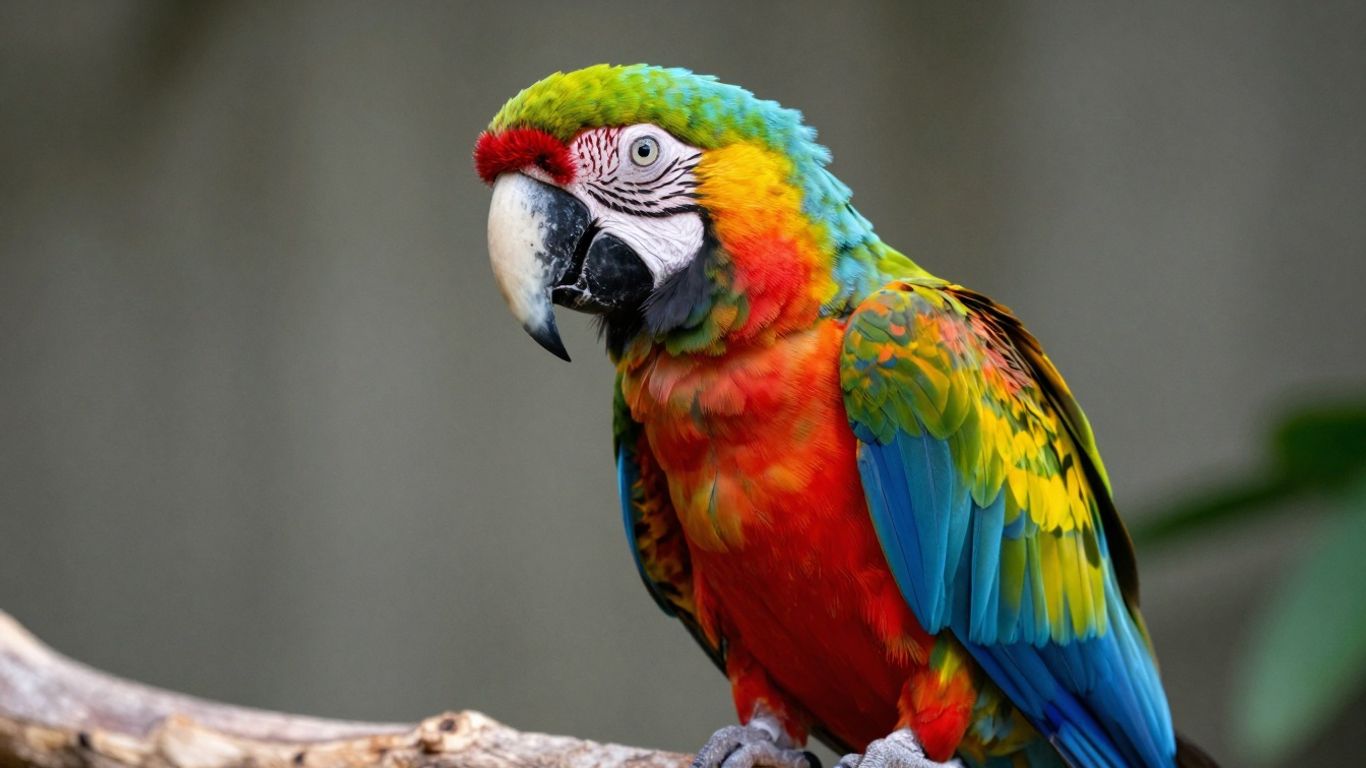
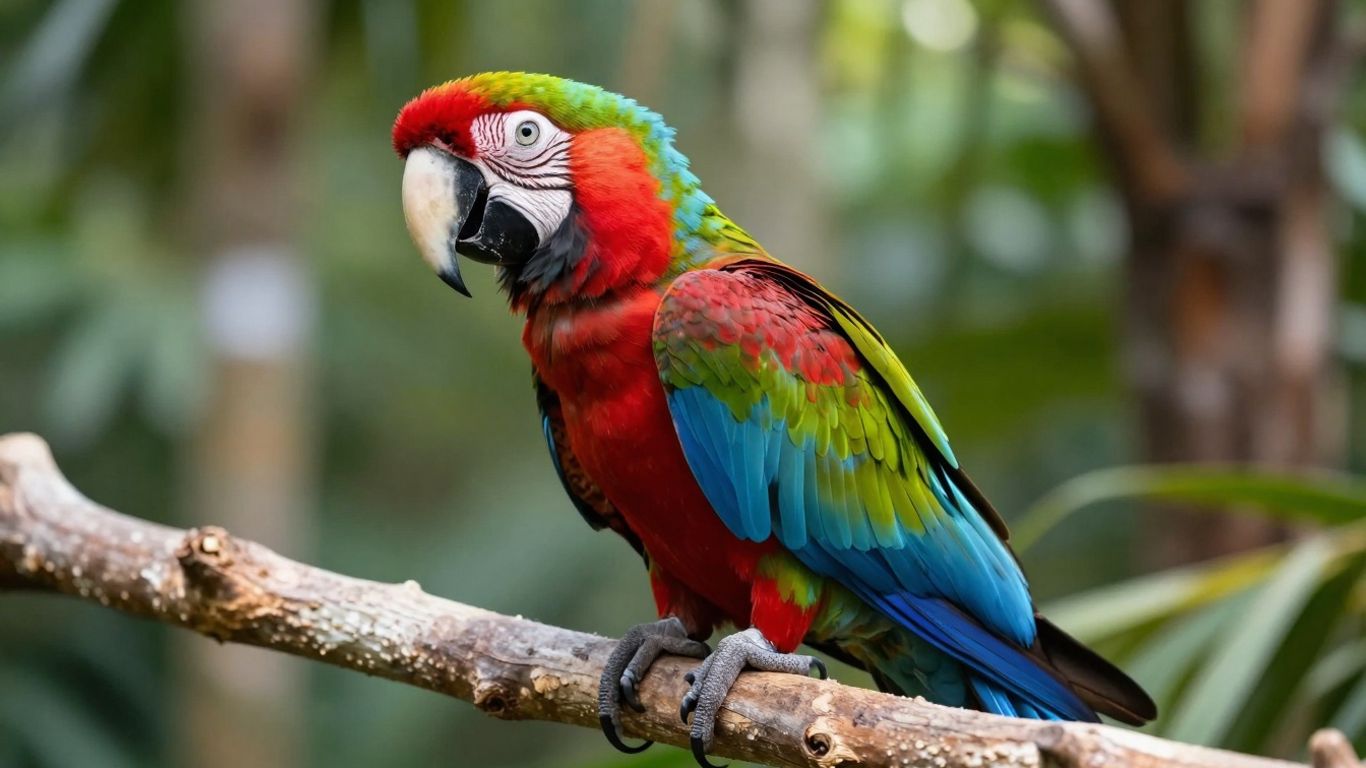
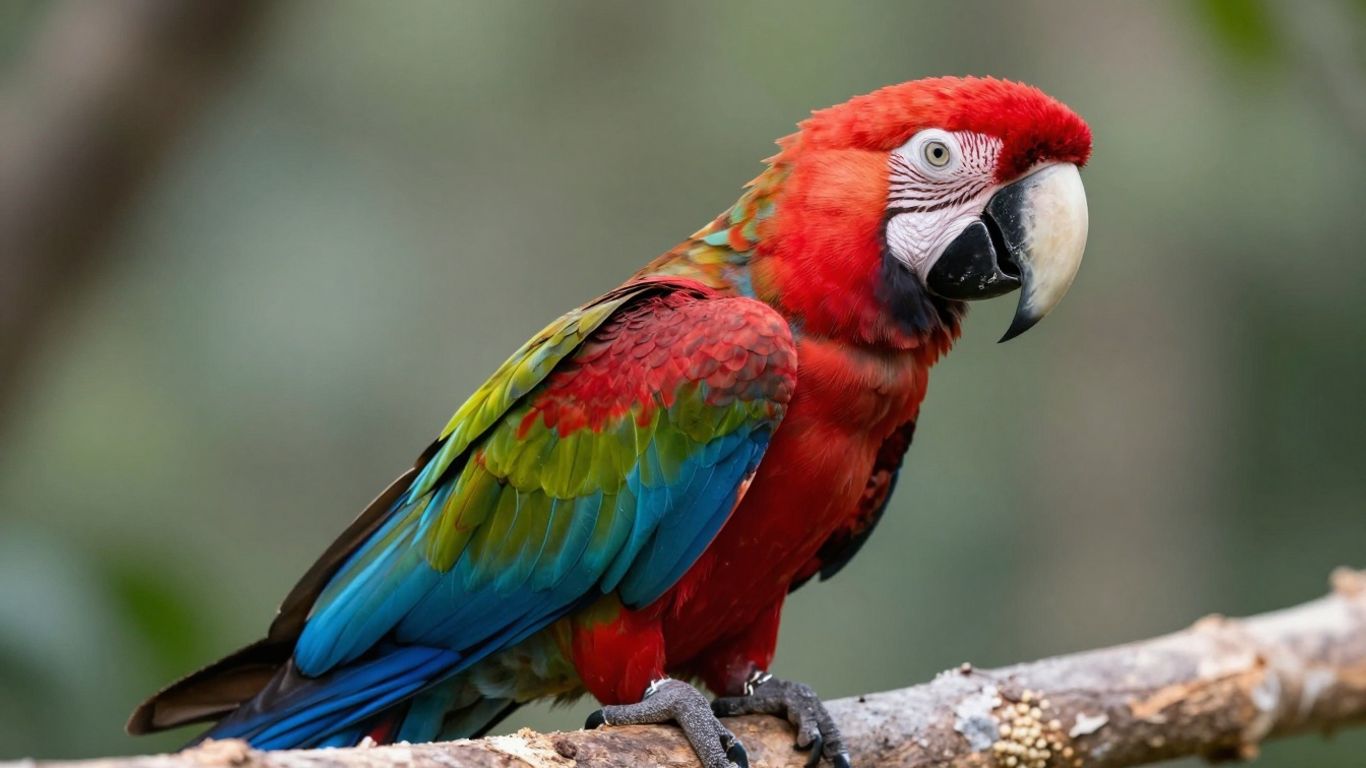
When you first see a Green-winged Macaw, you’ll probably notice its sheer size. These are some of the biggest parrots out there, and they really make a statement. Their most striking feature is their plumage. Imagine a vibrant red base, but then splashed with brilliant green across their wings. It’s a really eye-catching combination that sets them apart. They also have those characteristic bare patches of skin on their faces, which can flush with emotion – pretty neat, right? Their beaks are also incredibly powerful, designed for cracking tough nuts and seeds.
Gentle And Affectionate Nature
Despite their imposing size and powerful beaks, Green-winged Macaws are often described as gentle giants. They’re known for being quite affectionate and can form very strong bonds with their human families. They really enjoy interaction and can be quite playful. This species is often considered one of the more mellow macaw types, which can be a big plus for potential owners. They do need a lot of attention, though; these aren’t birds you can just leave alone for long periods.
Size And Lifespan Considerations
Let’s talk numbers. Green-winged Macaws are big birds, typically measuring around 35-40 inches from beak to tail. That’s a lot of parrot! This size means they need a substantial living space. Think big cages, and plenty of supervised time outside the cage to stretch their wings. When it comes to how long they live, well, these birds are in it for the long haul. With good care, they can easily live for over 80 years. That’s longer than many pets, and definitely something to consider before bringing one home. It’s a commitment that spans decades, so you’re looking at a lifelong companion.
Owning a bird this large and long-lived means you’re signing up for a significant commitment. It’s not just about the initial purchase; it’s about providing a suitable environment, a proper diet, and consistent social interaction for many, many years to come. Planning ahead is key.
Here’s a quick look at what to expect:
- Length: Approximately 35-40 inches (89-102 cm)
- Weight: Around 2.5 to 3.5 pounds (1.1 to 1.6 kg)
- Lifespan: 40-80+ years in captivity
- Temperament: Generally gentle, affectionate, and social
Finding Your Green Wing Macaw For Sale
So, you’ve decided a Green-Winged Macaw is the bird for you. That’s fantastic! These big, beautiful birds are truly something special. But where do you even start looking for one? It’s not like you can just pop down to the local pet store and pick one up. Finding a healthy, well-adjusted Green-Winged Macaw takes a bit of effort, but it’s totally worth it.
Where To Buy A Green-Winged Macaw
Your best bet for finding a Green-Winged Macaw is through reputable breeders or specialized avian rescues. Big box pet stores usually don’t carry these large, specialized birds. Look for breeders who focus on macaws and have a good reputation. Online searches can help, but always do your homework. Check reviews, ask for references, and if possible, visit the breeder’s facility to see the conditions the birds are kept in. Rescues are also a wonderful option; you might find a bird that just needs a loving home. It’s a win-win – you get a great bird, and a deserving animal gets a second chance.
What To Expect When Purchasing
Buying a macaw is a big deal, and it’s important to know what you’re getting into. These birds are a long-term commitment, often living for 50 years or more. You’ll want to see that the bird is active, alert, and has clear eyes and smooth feathers. A good breeder will be happy to answer all your questions and will likely ask you a lot of questions too, to make sure you’re a good fit for their bird. They should also provide you with some information about the bird’s history, diet, and any training it has already received.
- Health Records: Ask for any veterinary records or health checks the bird has had.
- Dietary Information: Understand what the bird has been eating so you can transition its diet smoothly.
- Temperament: Spend time with the bird to get a feel for its personality.
- Legalities: Be aware of any local regulations regarding exotic bird ownership.
Remember, a healthy macaw is an active macaw. They should be curious, engaged with their surroundings, and show interest in interacting with you. Don’t be shy about asking to see the bird’s living space and observing its daily routine.
Importance Of Hand-Raised Birds
When you’re looking for a Green-Winged Macaw, you’ll often hear the term "hand-raised." This is super important. Hand-raised birds are typically socialized from a very young age by humans. This means they’re generally more comfortable around people, less likely to be fearful or aggressive, and more open to training and interaction. Birds that aren’t hand-raised might be more prone to biting or being skittish, which can make the bonding process much harder. Choosing a hand-raised bird is a significant step towards a more harmonious relationship. It sets the stage for a much more enjoyable experience for both you and your feathered friend.
Caring For Your Green-Winged Macaw
Bringing a Green-winged Macaw into your home is a big step, and making sure they’re happy and healthy means understanding what they need. It’s not just about having a pretty bird; it’s about providing a good life for a smart, social creature.
Essential Dietary Needs
Feeding your Green-wing properly is super important. They can’t just live on seeds alone, you know. A good diet is a mix of things. Think high-quality pellets made for large parrots as the base. Then, you add in lots of fresh fruits and vegetables. Things like leafy greens, berries, apples (no seeds!), and carrots are great. You can also give them a few nuts as a treat, but not too many because they’re high in fat. It’s also a good idea to offer some cooked grains like quinoa or brown rice sometimes.
- Pellets: A good quality, species-appropriate pellet should make up about 60-70% of their diet.
- Fruits & Vegetables: Offer a wide variety daily. Aim for a colorful mix.
- Treats: Nuts (unsalted, in moderation), seeds (sparingly), and cooked grains can be given occasionally.
Avoid giving your macaw avocado, chocolate, caffeine, and alcohol. These are toxic and can cause serious health problems or even death.
Providing Adequate Housing
These big birds need space, and I mean space. A small cage just won’t cut it. You’ll need a large, sturdy cage, preferably made of stainless steel or a strong powder-coated metal. The bar spacing should be appropriate so they can’t get their heads stuck. Inside, you want a variety of perches – different sizes, textures, and materials are best for their feet. Think natural branches, rope perches, and maybe some flat perches too. They also need plenty of toys to keep them busy. Rotate these toys regularly to prevent boredom. And don’t forget, they need time outside the cage every single day for exercise and interaction. A safe, supervised area is a must for this out-of-cage time.
Socialization And Mental Stimulation
Macaws are incredibly smart and social. If you don’t give them enough attention and things to do, they can get bored, stressed, and develop behavioral issues. This means daily interaction is non-negotiable. Spend time talking to your macaw, playing games, and just being around them. Training sessions are fantastic for both bonding and mental exercise. You can teach them tricks, commands, or even just work on recall. Puzzle toys, foraging toys, and shreddable toys are great for keeping their minds active when you can’t be directly interacting with them. A bored macaw is an unhappy macaw, and that can lead to problems like feather plucking or excessive screaming.
Health And Well-Being
Keeping your Green-Winged Macaw healthy is a big part of being a responsible owner. It’s not just about feeding them the right stuff; it’s about watching them closely and knowing what’s normal for them. A healthy macaw is a happy macaw, and a happy macaw is a joy to have around.
Recognizing Signs Of A Healthy Bird
So, how do you tell if your feathered friend is feeling their best? It’s usually pretty obvious if something’s off, but knowing the good signs is just as important. A healthy Green-Winged Macaw will typically have:
- Bright, clear eyes with no discharge.
- Smooth, clean feathers that are well-maintained.
- Active and alert behavior, showing interest in their surroundings.
- A steady gait and good coordination.
- Clear breathing without any clicking or wheezing sounds.
- Normal droppings – usually firm with a white urate cap.
If you notice any sudden changes, like lethargy, ruffled feathers when they’re not preening, or a lack of appetite, it’s time to pay closer attention.
Veterinary Care For Macaws
Regular vet visits are a must. Think of it like your own yearly check-up, but for your bird. It’s not just for when they’re sick; it’s for prevention. A good avian vet can spot potential issues before they become big problems. They’ll check your bird over, discuss diet, and answer any questions you might have about keeping your macaw in top shape. Finding a vet experienced with large parrots is key, as they have unique needs. Don’t wait until your bird is visibly unwell to seek professional help; proactive care is always best. You can find avian specialists through resources like the Association of Avian Veterinarians.
Common Health Concerns To Monitor
While Green-Winged Macaws are generally robust birds, they can be prone to certain issues. Being aware of these can help you catch them early. Some things to keep an eye on include:
- Feather plucking: This can be a sign of stress, boredom, or underlying medical issues. It’s important to address the root cause.
- Digestive problems: Changes in droppings can indicate issues with their diet or internal health. Bacterial infections can sometimes cause these problems.
- Respiratory infections: Listen for any unusual sounds when they breathe. Cleanliness of their environment plays a big role here.
- Nutritional deficiencies: This is why a balanced diet is so important. An improper diet can lead to a host of health problems over time.
It’s easy to get caught up in the fun and games with a macaw, but remembering their health needs is paramount. A clean cage, a varied and nutritious diet, and plenty of mental stimulation go a long way in preventing many common ailments. Always observe your bird’s daily habits and be quick to notice any deviations from the norm.
The Commitment Of Macaw Ownership
So, you’re thinking about bringing a Green-Winged Macaw into your life? That’s fantastic! These birds are truly magnificent creatures, but let’s be real, they’re not like getting a goldfish. Owning a macaw is a big deal, a commitment that spans decades. It’s more like adopting a very intelligent, very loud, and very beautiful toddler who never really grows up.
Long-Term Companionship
First off, the lifespan. Green-Winged Macaws can live for 50, 60, even 70 years or more. That’s longer than many marriages! You’re not just getting a pet for a few years; you’re potentially looking at a companion for your entire adult life, and maybe even beyond if you’ve made arrangements. This means thinking about who will care for your bird if something happens to you. It’s a serious consideration, but also a testament to the incredible bond you can form.
Training And Behavioral Development
These birds are smart. Like, really smart. They need mental stimulation to avoid getting bored and developing less-than-ideal behaviors. Think of it like this:
- Daily Interaction: You’ll need to spend quality time with your macaw every single day. This isn’t just about feeding them; it’s about talking, playing, and just being present.
- Enrichment Activities: Puzzles, foraging toys, and training sessions are a must. They love to learn and solve problems.
- Consistency is Key: Macaws respond best to consistent rules and positive reinforcement. Trying to train them is a marathon, not a sprint.
Remember, a bored macaw is often a destructive or noisy macaw. Providing them with outlets for their intelligence and energy is paramount to a happy home for both of you.
Financial Investment In Care
Let’s talk money. Macaws aren’t cheap to acquire, and their ongoing costs can add up quickly. You’ll need a large, sturdy cage – these birds can destroy flimsy ones. Then there’s the diet: high-quality pellets, fresh fruits, vegetables, and occasional healthy treats. Vet care is another big one. Macaws need specialized avian vets, and check-ups, potential illnesses, or injuries can be costly. Don’t forget toys, perches, and other accessories that need regular replacement.
Here’s a rough idea of what you might expect annually:
| Category | Estimated Annual Cost |
|---|---|
| Food | $500 – $1000+ |
| Toys & Enrichment | $200 – $500+ |
| Vet Care (Routine) | $200 – $400+ |
| Miscellaneous | $100 – $300+ |
This doesn’t even include the initial purchase price or unexpected emergency vet visits, which can run into the thousands. Owning a Green-Winged Macaw is a significant financial commitment, so make sure your budget can handle it for the long haul.
Bringing Your Green-Winged Macaw Home
So, you’ve learned a lot about finding a Green-Winged Macaw. It’s a big step, for sure. These birds are amazing, but they need a lot of attention and the right setup. Make sure you’ve thought about the space, the time, and the commitment involved. When you find the right bird from a good source, and you’re ready to give it a great home, it’s going to be a really special experience. Enjoy your new feathered friend!
Frequently Asked Questions
What makes a Green-Winged Macaw different from other macaws?
Green-winged Macaws are one of the biggest parrot types. They have a lovely mix of bright red and green feathers, and they’re known for being super gentle and loving, which is a bit different from some of the more energetic macaws out there. They’re like the calm, cuddly giants of the macaw world.
Where is the best place to find a Green-Winged Macaw for sale?
It’s best to look for Green-winged Macaws from breeders who raise them by hand. These birds are more used to people and tend to be friendlier. You can often find good breeders online or through bird clubs. Make sure they can show you how healthy and happy the bird is.
Are Green-Winged Macaws good pets for families?
Yes, they can be! Green-winged Macaws are known for being very sweet and affectionate. They love spending time with their families. However, they are large birds and need lots of attention and space, so it’s important to be sure your family is ready for that kind of commitment.
What kind of food do Green-Winged Macaws need?
These big birds need a healthy and varied diet. Think of a mix of special parrot pellets, lots of fresh fruits and veggies, and maybe some nuts as a treat. It’s important to avoid giving them too many fatty or sugary human foods, as that’s not good for them.
How much attention does a Green-Winged Macaw need?
A lot! Macaws are very social and smart. They need daily playtime, training, and just hanging out with you to be happy. If they get bored or lonely, they can get into trouble or become unhappy. They really thrive when they’re part of the family’s daily life.
How long do Green-Winged Macaws live?
Green-winged Macaws can live for a very, very long time – often between 40 to 60 years, and sometimes even longer! This means owning one is a huge, long-term commitment, like having a family member for most of your life.