Harlequin Macaw: A Comprehensive Guide to This Stunning Hybrid Parrot
Thinking about getting a Harlequin Macaw? These birds are quite something! They’re a mix of two other cool macaws, the Blue and Gold and the Green-winged. People love them because they look amazing and are super smart. If you’re curious about these colorful parrots, you’ve come to the right place. We’re going to break down what makes the Harlequin Macaw so special, from how they look to how to take care of one.
Key Takeaways
- The Harlequin Macaw is a hybrid, created by crossing Blue and Gold Macaws with Green-winged Macaws.
- They boast a stunning mix of colors, often featuring blue, gold, green, and red.
- These birds are known for being intelligent, social, and playful, needing lots of interaction.
- Caring for a Harlequin Macaw involves a balanced diet, spacious housing, and plenty of mental stimulation.
- Owning a Harlequin Macaw is a long-term commitment, as they can live for many decades with proper care.
Understanding The Harlequin Macaw
Origins And Parentage
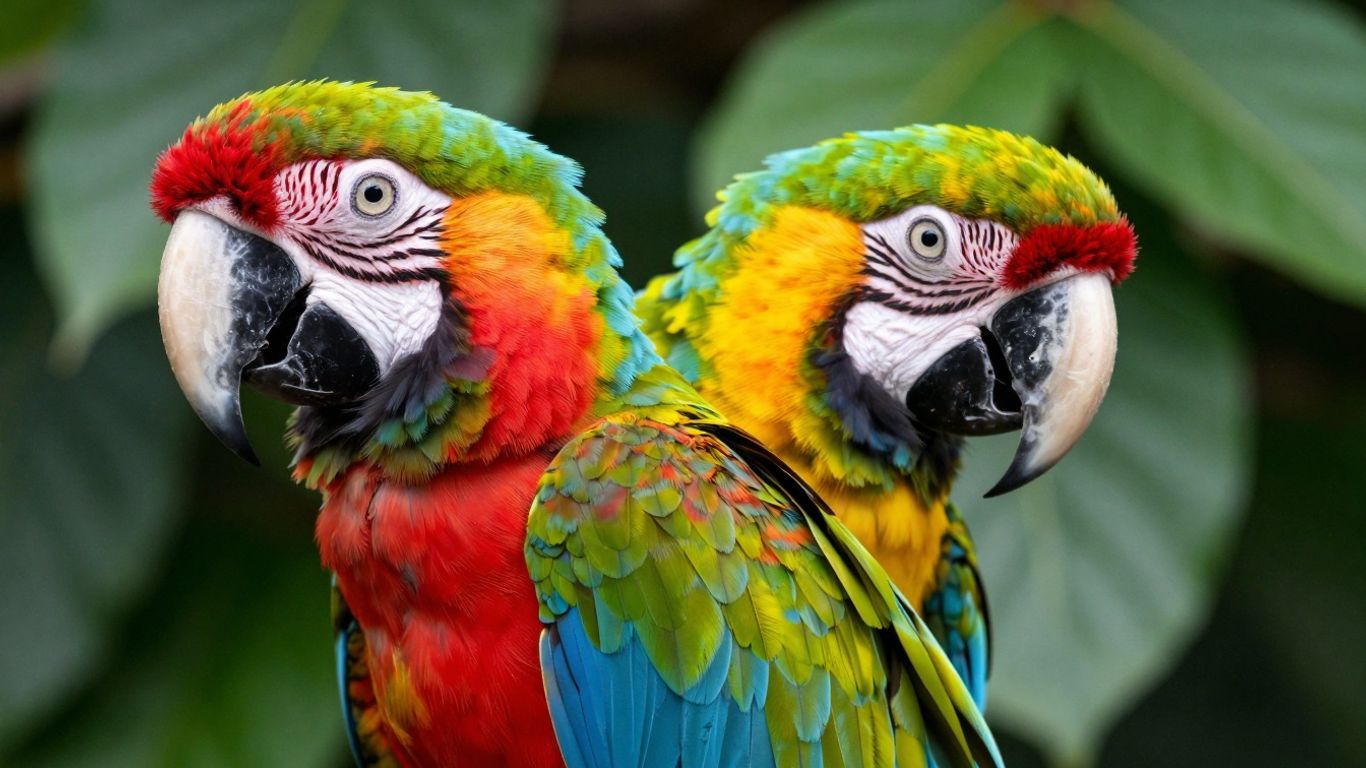
The Harlequin Macaw isn’t a wild bird you’d find in the rainforest; it’s a hybrid, meaning it’s a mix of two different, pure macaw species. Specifically, it comes from crossing a Blue and Gold Macaw (Ara ararauna) with a Green-winged Macaw (Ara chloropterus). This intentional breeding in captivity aims to combine the best traits of both parent birds. Think of it like creating a unique blend, where breeders hope to get the vibrant colors and perhaps a bit of the personality from each. Because they are hybrids, no two Harlequins look exactly alike, which is part of their charm.
Appearance And Coloration
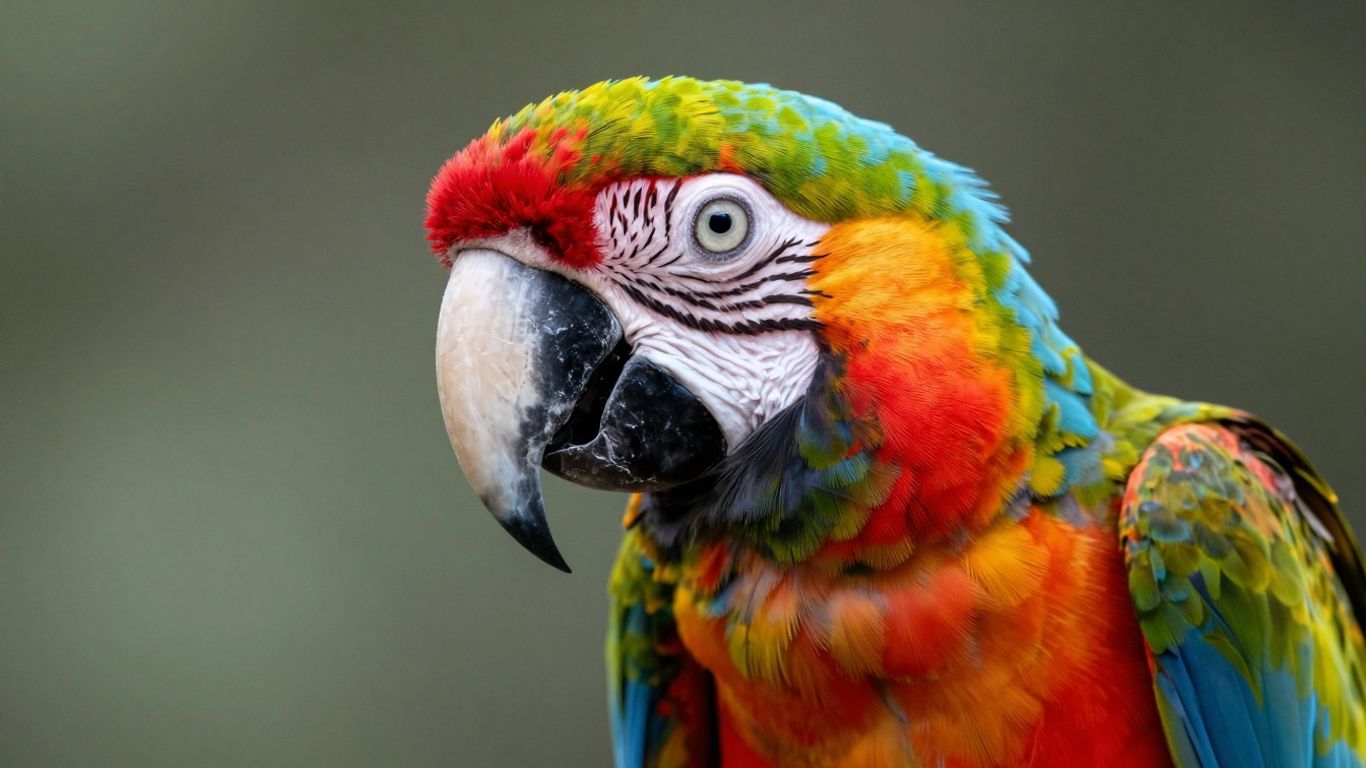
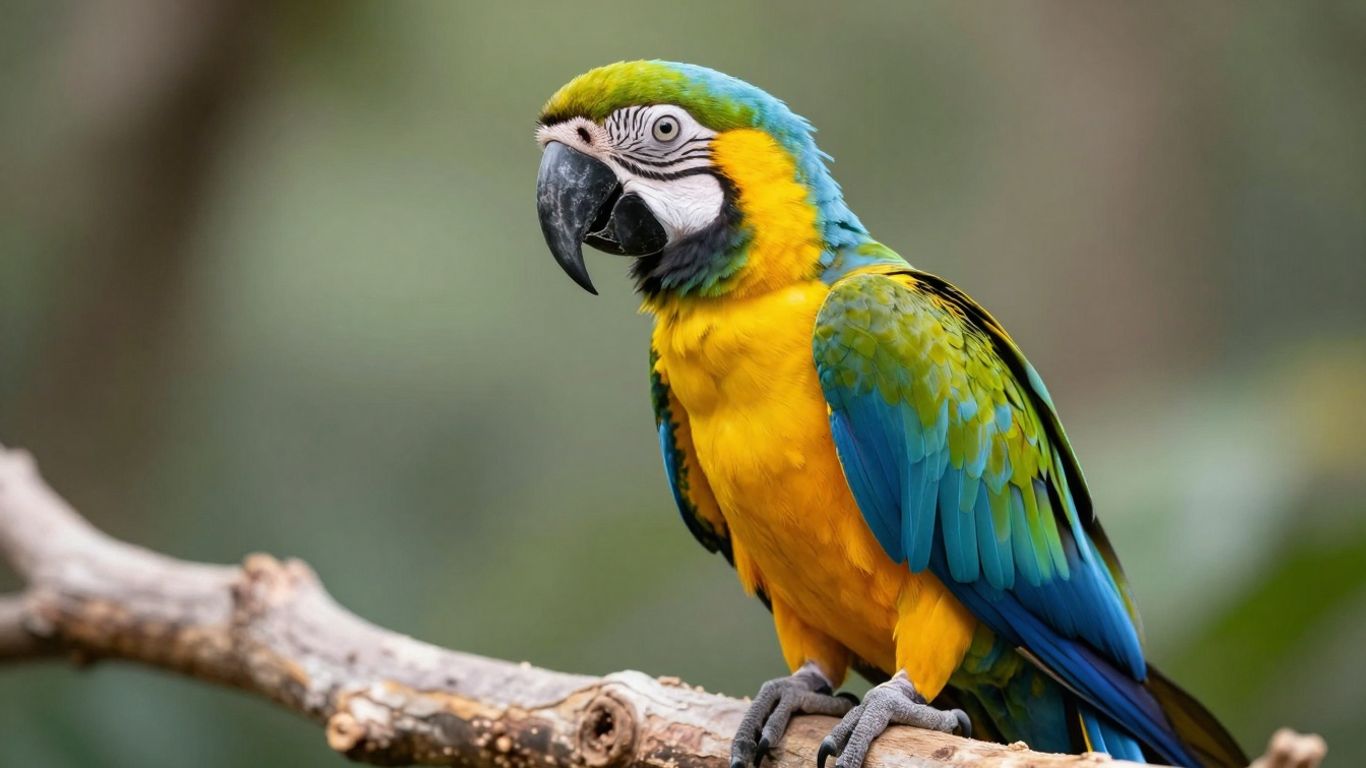
These birds are truly a spectacle of color. They usually sport a beautiful mix of green on their forehead that transitions into turquoise-blue wings. Their chest and belly often have a warm, golden-orange hue, and their long tails feature a blend of red and blue. You’ll also notice the distinctive white facial patches, which are lined with small red feathers, a trait inherited from the Green-winged parent. The exact intensity and pattern of these colors can vary quite a bit from one bird to another, depending on which parent’s genes are more dominant. It’s like a living rainbow!
Size And Physical Characteristics
Harlequin Macaws are quite large birds, fitting for their macaw heritage. They typically measure between 34 to 37 inches from head to tail, and their weight usually falls in the range of 2.5 to 3.5 pounds. They have the strong, powerful beaks characteristic of all macaws, perfect for cracking nuts and seeds. Their build is generally robust, and their long, elegant tails add to their impressive stature. They are definitely birds that command attention when they enter a room.
These birds require a significant amount of space and mental stimulation to thrive. Simply having a large cage isn’t enough; they need opportunities to fly, play, and interact daily.
Here’s a quick look at their typical size:
| Measurement | Range |
|---|---|
| Length | 34–37 inches (86–94 cm) |
| Weight | 2.5–3.5 pounds (1.1–1.6 kg) |
When considering a Harlequin, it’s important to remember their dietary needs, which are similar to other large parrots. They thrive on a balanced diet that includes high-quality pellets, fresh fruits, vegetables, and some nuts. Learning about their specific nutritional requirements is key to keeping them healthy, and you can find more information on macaw diets.
Temperament And Behavior
Harlequin Macaws are often called the "gentle clowns" of the hybrid world, and for good reason. They tend to be a really nice blend of their parent species, the Green-winged and Blue-and-Gold Macaws. This mix usually results in a bird that’s both affectionate and playful, but also a bit more laid-back than some other hybrids. They’re known for being quite social and intelligent, which means they really need a good amount of interaction with their people.
Sociable And Intelligent Nature
These birds absolutely thrive on companionship. They form strong bonds with their families and genuinely enjoy being part of the action. Because they’re so smart, they get bored easily if left to their own devices. This intelligence means they can learn a lot, but it also means they can get into mischief if they aren’t kept mentally stimulated. Providing them with plenty of toys and opportunities to interact is key. It’s like having a feathered toddler around sometimes – always curious and wanting to explore!
A Harlequin Macaw needs a lot of social time. Expect to spend several hours each day interacting with your bird. This isn’t just for their happiness; it’s also important for their overall well-being and helps prevent behavioral issues.
Playful And Affectionate Demeanor
When it comes to personality, Harlequins are usually pretty sweet. They love to play and can be quite silly, which is where the "clown" nickname comes from. They’re also very cuddly and enjoy being petted and spending quiet time with their favorite humans. This combination of playfulness and affection makes them wonderful companions for the right household. They aren’t usually as demanding as some other large parrots, but they still need consistent attention and positive reinforcement to feel secure and happy.
Communication And Vocalizations
Harlequin Macaws can definitely talk, though they might not be quite as chatty as some of their relatives. They tend to have a deeper, more pleasant voice than, say, a Catalina Macaw. They can pick up on words and phrases, and sometimes even mimic sounds they hear around the house. It’s important to remember that even a "quieter" macaw is still a large parrot, and their calls can be quite loud, especially when they’re excited or want attention. Early socialization and training can help manage their vocalizations, but you should always expect some level of noise.
- Mimicry: They can learn words and sounds.
- Volume: Can be loud, especially when excited.
- Tone: Often described as deeper and more soothing than other hybrids.
It’s really important to understand that these birds are not just pretty faces. Their intelligence means they need constant mental engagement. Without it, they can develop stress-related behaviors like feather plucking. Think of it as needing a job to do, even if that job is just figuring out a new puzzle toy or learning a new trick.
When you’re looking for a bird that can be a real part of the family, considering a parrot like the Moustache Parakeet might also be an option, though they differ significantly in size and needs from a macaw.
Caring For Your Harlequin Macaw
Taking care of a Harlequin Macaw is a big job, but super rewarding if you’re up for it. These birds are smart and need a lot to keep them happy and healthy. It’s not just about food and a cage; it’s about giving them a whole environment where they can thrive.
Dietary Needs and Nutrition
What you feed your Harlequin is really important. They need a balanced diet to stay energetic and avoid health problems. Think of it like this: a good diet is the foundation for everything else.
- Pellets: A high-quality commercial parrot pellet should make up about 60-70% of their daily intake. These are formulated to provide a good base of nutrients.
- Fresh Foods: Fruits, vegetables, and leafy greens should be around 20-30% of their diet. Offer a variety like apples, berries, carrots, broccoli, and spinach. Just make sure to wash everything well.
- Treats: Nuts and seeds can be given sparingly, maybe 10% of their diet, as they are high in fat. Think of them as special rewards.
It’s super important to avoid things like avocado, chocolate, caffeine, and alcohol. These are toxic to parrots and can cause serious health issues. Always check with your vet if you’re unsure about a specific food.
A varied diet keeps them mentally stimulated too. Offering different textures and flavors makes mealtime more interesting for your intelligent bird.
Housing and Environmental Enrichment
Your Harlequin needs a spacious place to live. A big cage is a must, but it’s not just about size. It needs to be a place that keeps them busy and safe.
- Cage Size: Aim for the largest cage you can manage. Macaws need room to spread their wings, climb, and play. A minimum width of 3 feet and a height of 4-5 feet is a good starting point, but bigger is always better.
- Bar Spacing: The bars should be spaced about 3/4 to 1 inch apart to prevent them from getting their heads stuck.
- Perches: Offer a variety of perch sizes and textures to keep their feet healthy. Natural branches from safe trees are great.
- Toys: This is where enrichment comes in! Macaws are smart and need constant mental stimulation. Provide a rotation of toys – foraging toys, puzzle toys, shreddable toys, and sturdy chew toys. Rotate them regularly to keep things interesting.
Out-of-cage time is also vital. They need supervised time to fly and explore in a safe, bird-proofed area of your home. This helps with exercise and prevents boredom.
Social Interaction and Training
Harlequin Macaws are very social creatures. They need a lot of interaction with their human flock. Without it, they can become lonely, stressed, or even develop behavioral issues.
- Daily Interaction: Spend quality time with your macaw every single day. This means talking to them, playing with them, and just being present.
- Training: These birds are intelligent and trainable. Use positive reinforcement methods, like treats and praise, to teach them tricks, commands, or even words. Keep training sessions short and fun, maybe 5-10 minutes at a time.
- Consistency: Be consistent with your rules and expectations. This helps them understand boundaries and feel secure.
Building a strong bond takes time and effort, but it’s what makes having a macaw so special. They thrive on routine and knowing what to expect from their human companions. Remember, these birds can live for many decades, so this is a long-term commitment.
Health And Lifespan Considerations
Common Health Concerns
Harlequin Macaws, like other large parrots, can be susceptible to a few health issues if not cared for properly. One common problem is Aspergillosis, a fungal infection that can affect their respiratory system, often due to damp or dusty environments. Another is Psittacosis, a bacterial infection that can cause flu-like symptoms. Feather plucking, while often behavioral, can sometimes be linked to underlying health issues or stress. It’s really important to keep their living space clean and well-ventilated to help prevent these kinds of problems.
Preventative Care And Veterinary Visits
Preventing health issues is way easier than treating them, right? A balanced diet is your first line of defense. This means a good mix of high-quality pellets, fresh fruits, vegetables, and a few nuts or seeds as treats. Avoid giving them toxic foods like avocado, chocolate, or anything with caffeine. Regular check-ups with an avian veterinarian are also a must. Think of it like taking your car in for its regular service – it catches small things before they become big, expensive problems. Your vet can help you stay on top of vaccinations, parasite checks, and general wellness.
- Dietary Balance: Aim for 60-70% high-quality pellets, 20-30% fresh fruits and veggies, and 10% nuts/seeds.
- Clean Environment: Keep the cage and surrounding area spotless to minimize the risk of infections.
- Mental Stimulation: Boredom can lead to stress and behavioral issues, so provide plenty of toys and interaction.
- Regular Vet Visits: Schedule annual check-ups with a vet experienced with exotic birds.
Keeping your Harlequin Macaw healthy involves a proactive approach. This means paying close attention to their diet, environment, and social needs. Early detection of any health concerns through regular observation and vet visits can make a huge difference in their quality of life and longevity.
Longevity Of The Harlequin Macaw
These birds are definitely not a short-term commitment! Harlequin Macaws have a pretty impressive lifespan. With excellent care, a good diet, and a stimulating environment, they can easily live for 50 to 80 years, and some even longer. It’s not uncommon for them to outlive their owners, so it’s something to seriously consider before bringing one home. They truly become a part of the family for generations.
Harlequin Macaw As A Companion
Suitability For Different Households
So, you’re thinking about bringing a Harlequin Macaw into your life? That’s a big step, and it’s totally smart to figure out if one of these amazing birds is the right fit for your home. Harlequins are known for being a bit more laid-back compared to some other macaws, which can make them a good option for families or even first-time large parrot owners, provided you’re ready for the commitment. They do need a good amount of interaction, though, so if you’re out of the house for 10 hours a day, it might be a tough go for the bird. They’re not really the type of pet you can just leave to their own devices.
Commitment And Responsibilities
Let’s be real, owning a Harlequin Macaw isn’t like owning a goldfish. These birds can live for a really long time – we’re talking 50 to 80 years, sometimes even more! That’s a huge chunk of your life. You’ve got to be prepared for that kind of long-term relationship. It means thinking about who will care for them if something happens to you. Beyond the lifespan, they need a lot of space, a good diet, and plenty of mental stimulation to keep them from getting bored or stressed. Boredom can lead to all sorts of problems, like feather plucking.
Here’s a quick rundown of what you’re signing up for:
- Time Commitment: Daily interaction, training, and playtime are non-negotiable.
- Financial Commitment: Food, toys, vet visits, and a large cage add up.
- Environmental Needs: A spacious cage or aviary and a safe, stimulating environment.
- Social Needs: They crave companionship and don’t do well if left alone for extended periods.
Building A Strong Bond
Building a solid connection with your Harlequin Macaw is all about consistency and positive experiences. Think of it like building any friendship, really. You want to be reliable and fun!
- Positive Reinforcement: Use treats and praise when they do something you like. This works way better than any kind of punishment.
- Consistent Routine: Try to feed them, play with them, and let them out of their cage around the same times each day. Birds like predictability.
- Respect Their Space: Don’t force interactions. Let the bird come to you. If they seem stressed or tired, give them some quiet time.
- Talk to Them: Even if they don’t talk back right away, they learn to recognize your voice and tone. It helps them feel secure.
Remember, these are highly intelligent creatures. They need more than just food and water; they need engagement and a feeling of being part of the family. A well-bonded Harlequin Macaw can be an incredibly rewarding companion, full of personality and affection. Just be prepared for the journey, and you’ll likely find yourself with a feathered friend for life.
When you’re getting ready to bring a new bird home, especially a young one, it’s good to have all your ducks in a row. For instance, if you’re considering a baby Hahns Macaw, you’ll want to make sure their environment is set up and ready to go before they even arrive. It makes the transition much smoother for everyone involved.
Wrapping It Up
So, there you have it. The Harlequin Macaw is quite the bird, isn’t it? A real mix of beauty and personality, coming from two pretty amazing parent species. They need a good amount of attention and the right setup, but for the right person, they can be an incredible companion for a really long time. Just remember, these aren’t small pets that you can just leave to their own devices. They need interaction, mental games, and a good diet to stay happy and healthy. If you’re thinking about bringing one into your life, make sure you’re ready for the commitment. It’s a big one, but the rewards of having such a smart and colorful friend can be pretty amazing.
Frequently Asked Questions
What exactly is a Harlequin Macaw?
A Harlequin Macaw is a special kind of parrot that’s a mix of two different pure macaw species. It’s usually a cross between a Blue and Gold Macaw and a Green-winged Macaw. Think of it like a unique blend, getting cool traits from both parents to create a really stunning bird.
What do Harlequin Macaws look like?
These macaws are incredibly colorful! They often have bright green on their forehead that fades into blue wings. Their chest and belly are usually a golden-orange, and their long tail feathers are a mix of red and blue. The exact colors can vary a bit from one bird to another, making each one special.
Are Harlequin Macaws good pets for families?
Yes, Harlequin Macaws can make wonderful family pets because they are known for being gentle, loving, and playful. They are quite social and intelligent, so they enjoy spending time with their human families. However, they do need a lot of attention and interaction to be happy.
How much attention do Harlequin Macaws need?
These parrots are very social and need a lot of daily interaction. They thrive on playtime, training, and just being around their people. If they don’t get enough attention, they can get bored or lonely. So, you’ll need to dedicate several hours each day to spending time with your Harlequin.
What kind of food should a Harlequin Macaw eat?
A healthy diet for a Harlequin Macaw includes a good quality parrot pellet as the main part of their meals. They also need lots of fresh fruits and vegetables, and a small amount of seeds and nuts as treats. It’s super important to avoid giving them foods that are bad for them, like avocado or chocolate.
How long do Harlequin Macaws live?
Harlequin Macaws have a very long lifespan! With the right care, a good diet, and a healthy environment, they can live for a very long time, often between 50 to 80 years, and sometimes even longer. They are truly a long-term companion.