Dusky-Headed Conure: A Comprehensive Guide to Care and Behavior
Thinking about getting a Dusky Headed Conure? These birds are pretty neat. They come from South America and are known for being smart and playful. If you’re looking for a feathered friend that can keep you entertained, this might be the bird for you. But like any pet, they need the right care to be happy and healthy. This guide will walk you through what you need to know about the Dusky Headed Conure, from their looks and personality to how to feed them and keep them busy.
Key Takeaways
- The Dusky Headed Conure is a small to medium-sized parrot from South America, recognized by its dark head and green body.
- These birds are known for being social, intelligent, and playful, often forming strong bonds with their owners.
- Proper housing, a balanced diet of pellets, fruits, and vegetables, and regular hygiene are vital for their well-being.
- Dusky Headed Conures need plenty of mental stimulation through toys and training, plus daily exercise outside their cage to prevent boredom and behavioral issues.
- While generally healthy, they can be prone to obesity, feather plucking, and respiratory problems, making regular vet check-ups important.
Understanding The Dusky-Headed Conure
What Is A Dusky Conure?
The Dusky-Headed Conure, scientifically known as Aratinga weddellii, hails from the lush, tropical forests of South America, particularly the Amazon Basin. These charming birds are part of the Aratinga genus, a group recognized for its lively personalities and vibrant appearances. They’ve become quite popular as pets, and it’s easy to see why once you get to know them. They’re not just pretty faces; they’ve got a lot of character packed into their relatively small bodies.
Dusky Conures are known for their intelligence and social nature, making them engaging companions for those willing to invest time in their care.
Physical Characteristics
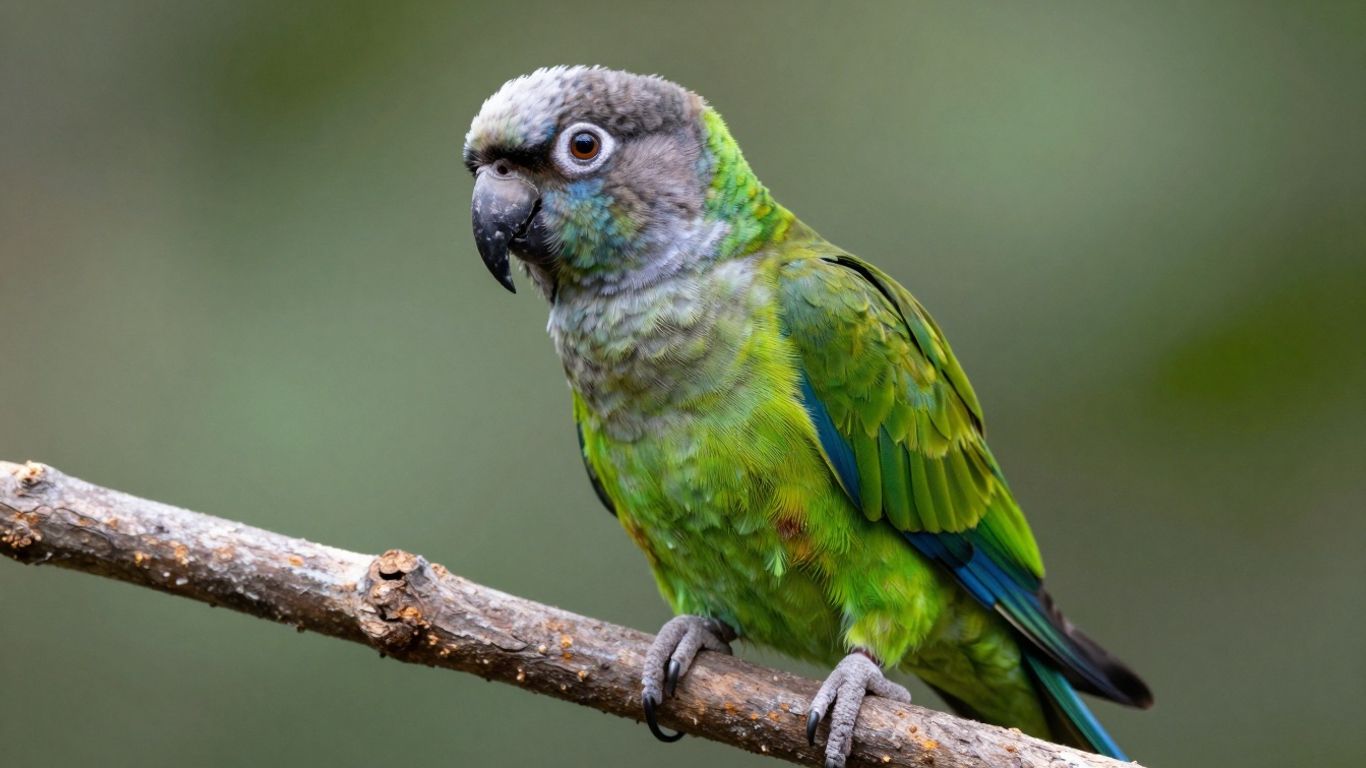
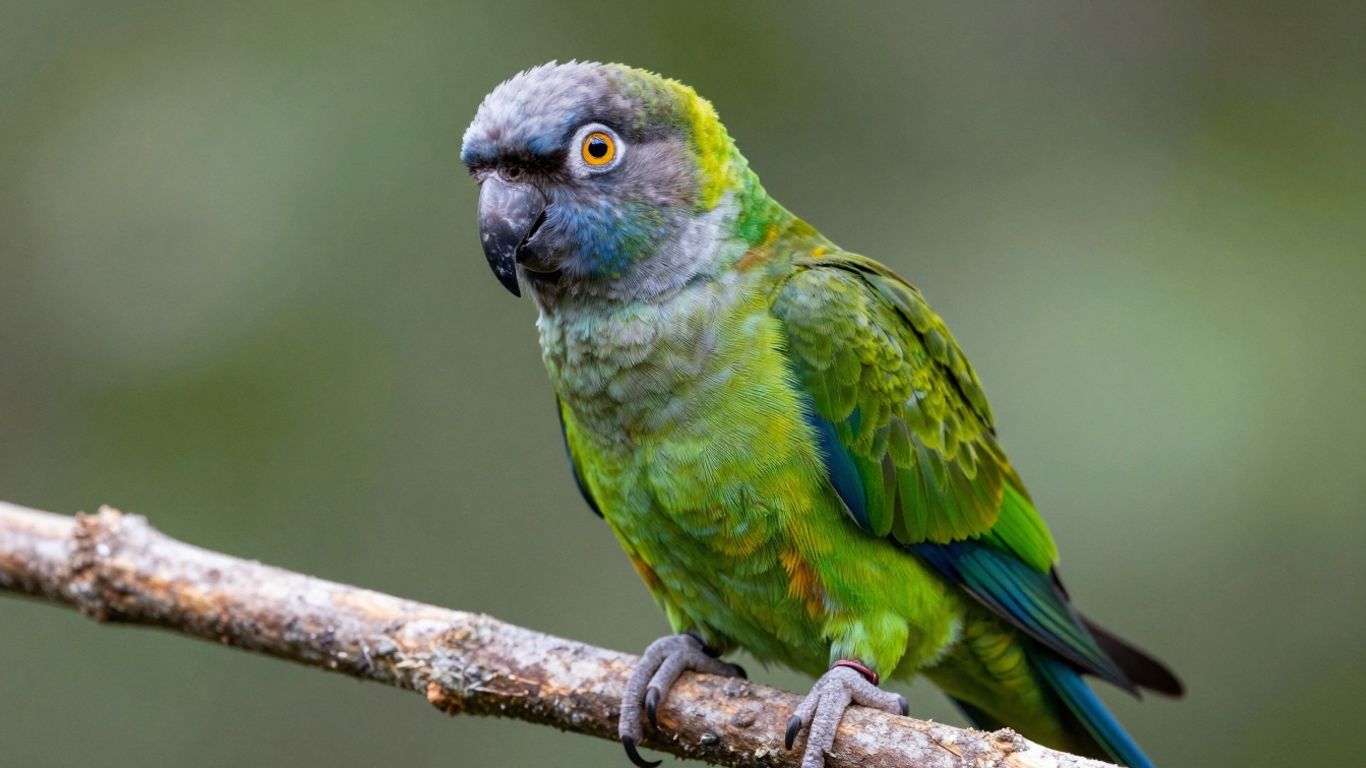
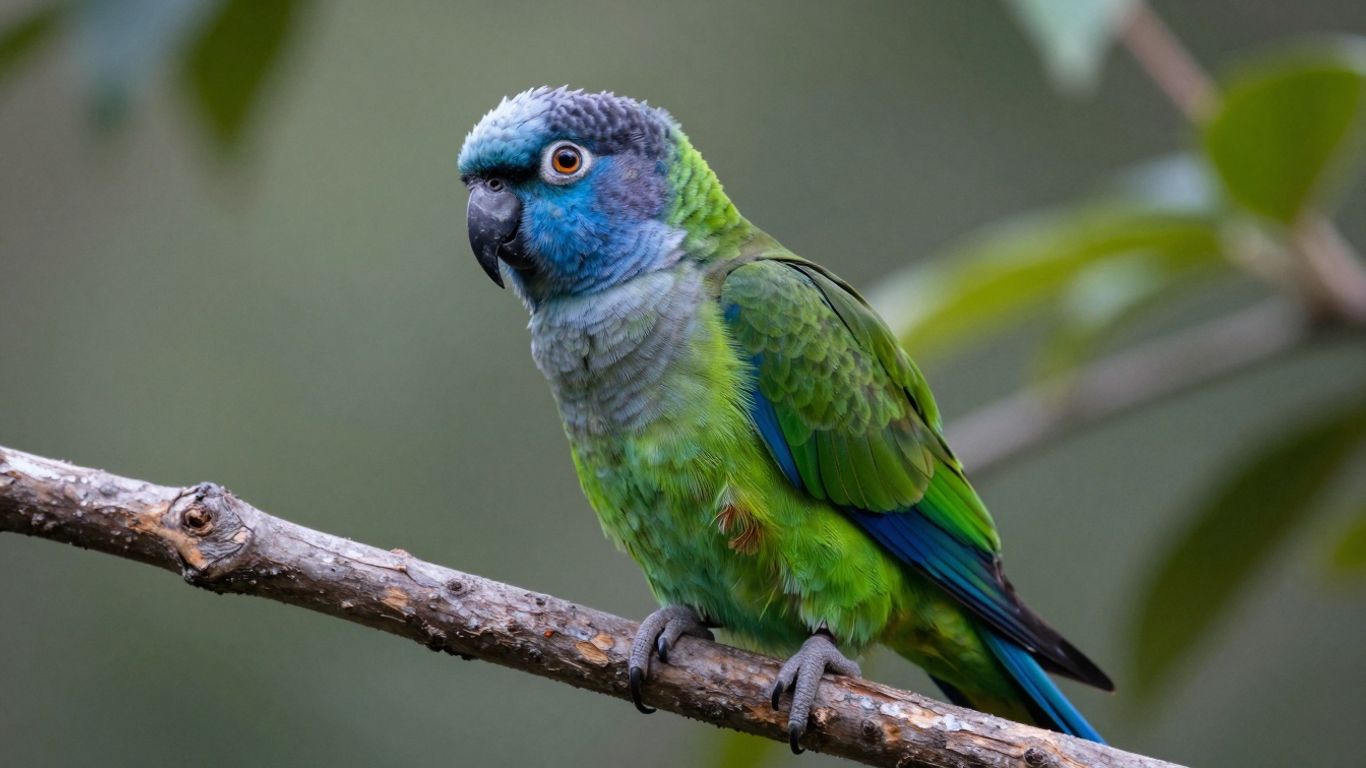
These conures get their name from the distinctive dusky, slate-grey to charcoal coloring on their heads, which sometimes has a subtle greenish tint. The rest of their body is mostly a vibrant green, with lighter, yellowish-green shades on their underside. Their wings and tail feathers tend to be a bit darker. On average, they measure about 12 to 14 inches from head to tail and typically weigh between 80 to 120 grams. Their eyes are quite large and expressive, and their beaks are strong, perfect for cracking seeds and nuts. Like other parrots, they have zygodactyl feet, meaning two toes face forward and two backward, giving them a really secure grip.
Here’s a quick look at their typical size:
| Measurement | Average Range |
|---|---|
| Length | 12-14 inches |
| Weight | 80-120 grams |
Native Habitat And Origin
The Dusky-Headed Conure’s natural home is in the lowland forests of countries like Brazil, Bolivia, and Argentina. They thrive in these environments, which are rich in the food sources and social interactions they need. Understanding their origins helps us appreciate their natural behaviors and needs when we bring them into our homes. It’s important to remember that these birds are naturally social creatures, and this trait carries over into their lives as pets. Their wild counterparts often live in flocks, which influences their need for interaction and companionship. This is a key reason why parrots may not be ideal pets for everyone if they don’t get enough attention.
Dusky Conure Behavior And Temperament
Social And Playful Nature
Dusky-headed conures are known for being super social and really love to play. They’re not the type of bird to just sit around; they want to be involved in what’s happening. Think of them as little feathered clowns, always up for a game or a bit of silliness. They really thrive on interaction, whether that’s with you or other birds. Their curiosity is off the charts, too – they’ll want to check out everything in their environment. This playful spirit is a big part of what makes them such engaging companions.
Intelligence And Vocalizations
These birds are pretty smart, which is both a blessing and a curse. They pick things up quickly, which is great for training, but it also means they can get bored easily if they don’t have enough to do. Because they’re so intelligent, they also tend to be quite vocal. You’ll hear them chirping, squawking, and sometimes even mimicking sounds they hear around the house. While they might not always talk like humans, they definitely have a lot to say! It’s important to remember that their vocalizations are a way for them to communicate and express themselves.
A bird that’s bored or not getting enough attention might start making more noise than usual or even develop some less-than-ideal habits. Keeping their minds busy is key to a happy bird.
Bonding With Owners
When you put in the time and effort, dusky-headed conures can form really strong bonds with their people. They can be incredibly affectionate, sometimes even seeking out cuddles and wanting to be right by your side. This connection is built on trust and consistent interaction. If they feel neglected, though, that’s when you might see some behavioral issues pop up, like excessive noise or feather picking. Building that trust takes time and patience, but the reward is a loyal and loving feathered friend. For more on understanding parrot behavior, check out this guide to parrot behavior.
Here’s a quick look at what to expect:
- Playfulness: Expect a lot of energy and a desire to engage in games.
- Intelligence: They learn quickly, which means they need mental challenges.
- Vocalization: They communicate through a variety of sounds and mimicry.
- Affection: With proper care, they become very attached to their owners.
Essential Care For Your Dusky Conure
Housing and Cage Requirements
Setting up the right home for your Dusky Conure is super important. These birds are active, so they need space to move. Think about a cage that’s at least 24 inches wide, 24 inches deep, and 30 inches tall. This gives them room to flap their wings and explore a bit. The bar spacing should be no more than half an inch apart; this keeps them safe and prevents any Houdini-like escapes.
Where you put the cage matters too. A spot with good light, maybe where the family hangs out, helps them feel like part of the action. Just make sure it’s not in a drafty area, near extreme temperatures, or in direct, harsh sunlight. Variety in perches is also a good idea – mix up wood, rope, and even cement ones to keep their feet healthy and give them different textures to grip.
Diet and Nutritional Needs
Feeding your Dusky Conure a balanced diet is key to keeping them healthy and happy. A good base is a high-quality pellet mix made for parrots. You’ll want to supplement this with lots of fresh fruits, veggies, and a few seeds or nuts as treats. They really enjoy things like apples, carrots, leafy greens, and berries.
Always make sure they have fresh, clean water available. It’s best to steer clear of foods that are too fatty or sugary, as this can lead to weight problems. Also, watch out for salty snacks – those aren’t good for them.
When introducing new foods, always double-check that they’re safe for birds. Things like avocado, chocolate, and anything with caffeine can be really harmful, so keep those far away from your conure.
Bathing and Hygiene Practices
Dusky Conures are pretty good at keeping themselves clean, spending a lot of time preening their feathers. Still, they benefit from a little help from you. Offering them a shallow dish of water for a dip or a gentle misting with a spray bottle can encourage bathing. This helps keep their feathers in top shape.
It’s also a good idea to keep an eye on their beak and nails. If they get too long, it can make it hard for them to eat or perch properly. If you’re not sure how to trim them yourself, it’s always best to ask your avian vet for advice. A clean environment and regular grooming help prevent many common issues. For more on what to feed your bird, check out this info on parrot diets.
Enrichment And Well-Being
Keeping your Dusky-Headed Conure happy and healthy goes way beyond just food and a clean cage. These birds are super smart and need things to do to keep their brains busy and their bodies active. Think of it like this: a bored conure is often a noisy or destructive conure. So, we gotta give them stuff to keep them occupied!
Exercise And Physical Activity
Your conure needs to move! They’re not meant to just sit around all day. Letting them out of their cage for supervised "flight time" is a big deal. This isn’t just about letting them flap around; it’s about letting them explore, climb, and stretch their wings. Make sure the room is "bird-proofed" first – no open windows, no ceiling fans running, and no toxic plants or small objects they could swallow. Aim for at least an hour or two of this daily if you can.
- Supervised Out-of-Cage Time: This is non-negotiable for a well-rounded bird.
- Climbing Opportunities: Provide perches of varying textures and diameters inside and outside the cage.
- Wing Flapping: Encourage natural wing stretches and short flights within a safe space.
Mental Stimulation And Toys
This is where the fun really begins for your conure. Their intelligence means they get bored easily, so a variety of toys is a must. Rotate toys regularly to keep things interesting. What they loved last week might be old news this week!
- Foraging Toys: These are great because they mimic natural behaviors. You hide treats inside, and they have to work to get them out. This keeps their minds sharp and satisfies their natural instincts.
- Shredding Toys: Conures love to chew and destroy things. Paper, cardboard, and safe wood toys are perfect for this. It’s a healthy way for them to release energy and satisfy their chewing needs.
- Puzzle Toys: These can be simple or complex, requiring them to figure out how to get a reward. They’re fantastic for problem-solving skills.
A good rule of thumb is to offer a mix of toys that cater to different needs: chewing, foraging, climbing, and simple interaction. Don’t be afraid to get creative with DIY toys, but always make sure they are safe and bird-appropriate.
Training And Socialization
Training isn’t just for dogs! Your conure can learn a lot, and it’s a fantastic way to bond. Start with simple commands like "step up" and "come here." Positive reinforcement, like small treats or praise, works wonders. Socialization is also key. They need interaction with you and, if possible, other well-socialized birds (under strict supervision, of course). This helps them become well-adjusted and less prone to behavioral issues.
Consistent, positive training sessions build trust and strengthen your relationship.
Here’s a quick look at what to focus on:
- Start Early: The younger you start training, the easier it is.
- Be Patient: Birds learn at their own pace. Don’t get discouraged if they don’t pick something up right away.
- Keep it Fun: Training should be an enjoyable experience for both of you. Short, frequent sessions are better than long, infrequent ones.
- Socialize Safely: Introduce them to new sights, sounds, and people gradually. Always prioritize their comfort and safety.
Lifespan And Health Considerations
Average Lifespan Of A Dusky Conure
So, how long can you expect your Dusky-Headed Conure to stick around? Well, these little guys are built to last. With proper care, a Dusky-Headed Conure can live for a good 20 to 30 years, sometimes even longer. It’s not uncommon for well-loved parrots to reach impressive ages, and Dusky-Headed Conures are no exception. Think of it as a long-term commitment, a feathered friend who could be with you through many life changes. It’s pretty amazing when you consider their size, right? It really highlights the importance of providing them with the best possible environment and diet to support such a long life. It’s a journey, for sure, and one that requires dedication.
Common Health Concerns
Like all pets, Dusky-Headed Conures can be prone to certain health issues. It’s good to be aware of these so you can keep an eye out. Some common problems include:
- Psittacine Beak and Feather Disease (PBFD): This is a nasty viral disease that affects young birds mostly, causing beak and feather problems. Sadly, there’s no cure, but good care can help.
- Proventricular Dilatation Disease (PDD): Also known as "wasting disease," PDD affects the nerves in the digestive tract. Symptoms can include appetite loss, vomiting, and weakness. It’s a serious condition.
- Beak Malocclusion: This happens when the upper and lower beak don’t line up right. It can be caused by injury or genetics. Providing plenty of chew toys and a good diet helps prevent this.
- Diarrhea: This can pop up due to bacteria, parasites, or even dietary issues. Keeping your bird hydrated and on a balanced diet is key.
It’s always better to be prepared. Knowing what to look for can help you catch problems early, which is always the best-case scenario for your bird’s well-being.
Preventative Care And Vet Visits
Preventing health issues is way better than treating them, right? A big part of that is regular check-ups with an avian veterinarian. These vets specialize in birds and know what to look for. Aim for at least an annual visit, or more often if you notice anything unusual.
Here’s a quick rundown on staying proactive:
- Dietary Vigilance: Stick to a balanced diet. Avoid giving them foods that aren’t bird-safe. A good diet is the first line of defense.
- Cleanliness is Key: Keep the cage and all their toys clean. This helps prevent bacterial and fungal infections. Fresh water daily is a must.
- Observe Daily: Get to know your bird’s normal behavior. Any changes – like lethargy, ruffled feathers, changes in droppings, or appetite loss – warrant a closer look and potentially a vet call.
- Safe Environment: Make sure their living space is free from toxins, drafts, and extreme temperatures. Also, be mindful of household fumes from cooking or cleaning products.
Regular vet visits are super important for catching things early. Your vet can spot subtle signs of illness that you might miss. They can also offer advice on diet, behavior, and general well-being, helping your Dusky-Headed Conure live a long, happy life. Finding a good avian vet is a smart move for any bird owner.
Dusky Conures As Companion Birds
Suitability for Different Households
Dusky conures can make fantastic pets, but they aren’t the right fit for everyone. They’re super social and really need a lot of interaction. If you’re someone who’s home a lot or can dedicate significant time each day to your bird, a dusky conure might just be your perfect feathered friend. They bond really closely with their people, so they do best in environments where they get plenty of attention. Think about your daily routine – are you often out for long stretches? If so, this might not be the best match. They’re not really the type of pet you can leave alone for hours on end without consequences. They need company, and they need it regularly. It’s a big commitment, for sure.
Commitment to Care
Owning a dusky conure is a long-term gig. These birds can live for a good 20 to 30 years, sometimes even longer, with the right care. That’s a serious chunk of time, longer than many people keep dogs or cats! So, before you even think about bringing one home, you’ve got to be ready for that kind of dedication. It means consistent feeding, daily cage cleaning, regular vet visits, and, most importantly, a whole lot of your time and attention. They need mental stimulation and social interaction to stay happy and healthy, and without it, they can develop behavioral issues. It’s not just about providing food and water; it’s about being a present and engaged companion for them.
Building a Lasting Bond
Building a strong connection with your dusky conure is all about patience and positive interaction. These birds are smart and curious, and they really enjoy learning new things. Spending time talking to them, playing games, and even teaching them tricks can go a long way. Consistency is key here. Try to establish a routine for feeding, playtime, and training. This helps them feel secure and builds trust. Remember, they are sensitive creatures, and a gentle, consistent approach will always yield better results than anything forceful. When you put in the effort, you’ll find yourself with a loyal and affectionate companion who truly recognizes and appreciates you. It’s a relationship built on mutual respect and understanding, and it’s incredibly rewarding.
Dusky conures thrive on interaction and need regular attention from their owners to feel happy and secure. They are highly intelligent and can get bored easily if not mentally stimulated. Regular interaction, training sessions, and time spent outside the cage are important to prevent destructive behaviors and ensure they remain well-adjusted.
Here’s a quick look at what they need:
- Social Time: Daily, dedicated interaction is a must.
- Mental Stimulation: Puzzle toys, training, and new experiences keep their minds sharp.
- Physical Space: A large cage with plenty of room to move and play.
- Diet: A balanced mix of high-quality pellets, fresh fruits, and vegetables.
If you’re looking for a bird that’s more than just a pretty face, a dusky conure might be for you. They’re lively, intelligent, and can become incredibly attached to their families. Just be prepared for the commitment; it’s a big one, but the rewards of a strong bond with a dusky conure are truly special.
Wrapping Things Up
So, there you have it. Dusky conures are pretty neat birds, aren’t they? They’re smart, they’re playful, and they can be really loving companions if you give them the attention they need. Just remember, they’re not just pretty faces; they need a good diet, plenty of things to do to keep their minds busy, and a safe place to live. If you’re ready for the commitment, a dusky conure could bring a lot of joy and personality into your home. They really do become part of the family when you put in the effort.
Frequently Asked Questions
What makes the Dusky-Headed Conure special?
Dusky-Headed Conures are known for being super friendly and playful birds. They have a really neat dark-colored head that stands out against their mostly green bodies. They’re also smart cookies and love to interact with their families, making them fun companions.
How much space does a Dusky-Headed Conure need?
These active birds need a good-sized cage, at least 24 inches wide, 24 inches deep, and 30 inches tall. This gives them plenty of room to move around, stretch their wings, and play. It’s also important to put their cage in a lively part of the house where they can feel like part of the family.
What should I feed my Dusky-Headed Conure?
A healthy diet for your conure includes a good quality parrot pellet mix. You should also give them fresh fruits, veggies, nuts, and seeds. Think apples, carrots, grapes, and leafy greens. Just be sure to avoid foods that are bad for them, like avocado, chocolate, and anything too salty or sugary.
Are Dusky-Headed Conures noisy?
Yes, conures can be quite vocal! They love to communicate and can make a variety of sounds, from chirps and squawks to sometimes even mimicking words. If you’re looking for a super quiet bird, this might not be the best fit, but their chatter is part of their charm.
How long do Dusky-Headed Conures live?
With good care, a Dusky-Headed Conure can live for a long time, often between 20 to 30 years, and sometimes even longer! This means they are a big commitment, but they can be a loving friend for many years.
How can I keep my Dusky-Headed Conure happy and entertained?
These birds need lots of attention! Make sure they get daily exercise, either flying around in a safe space or playing with toys. Puzzle toys, bells, and swings are great for keeping their minds busy. Training sessions using positive rewards also help keep them mentally sharp and strengthen your bond.