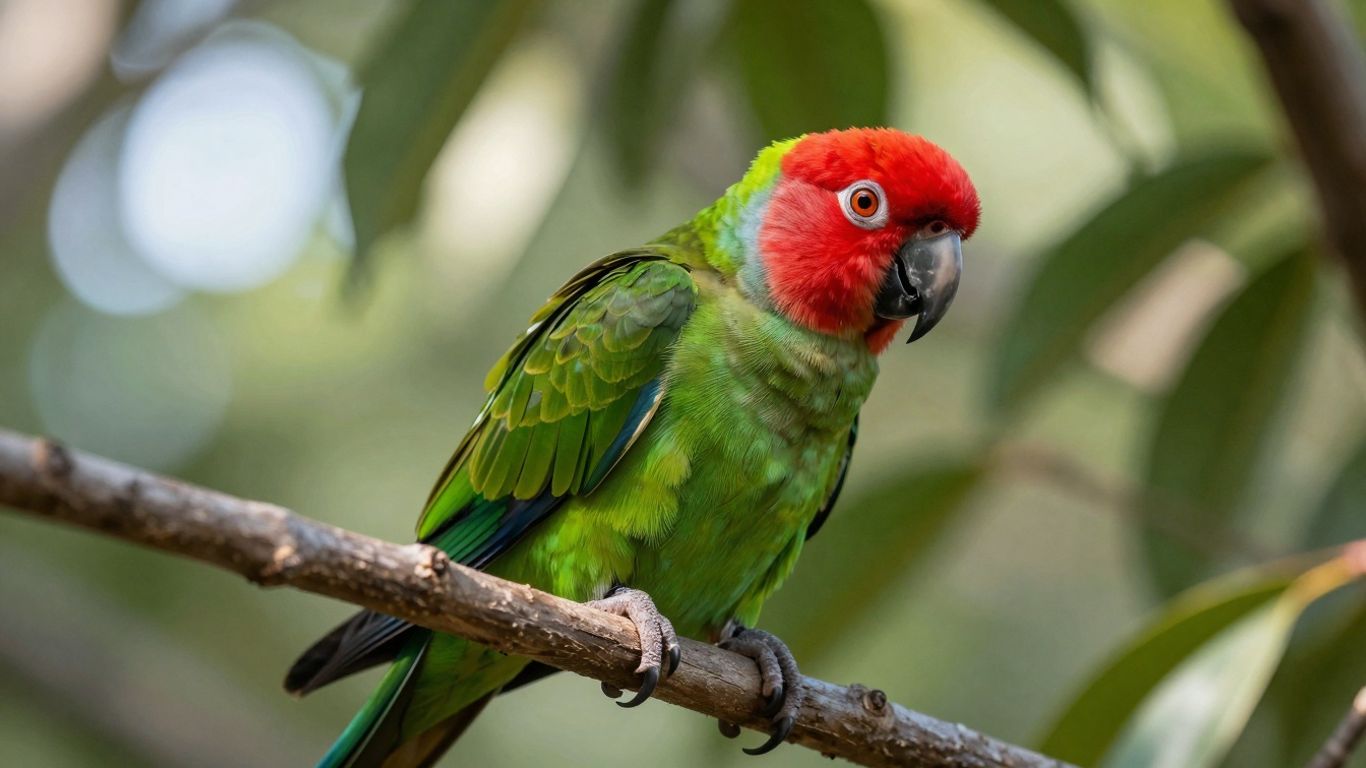
Caring for Your Cherry Headed Conure: A Comprehensive Guide
Thinking about bringing a Cherry Headed Conure into your life? These colorful birds are full of personality and can make wonderful companions. But like any pet, they need specific care to thrive. This guide will walk you through everything you need to know, from setting up their home to keeping them happy and healthy for years to come. We’ll cover the basics of their diet, how to keep them entertained, and what to do if they get sick. So, let’s get started on making sure your Cherry Headed Conure has the best life possible.
Key Takeaways
- Prepare your home by bird-proofing and setting up a comfortable cage before your Cherry Headed Conure arrives.
- A balanced diet is crucial, consisting of pellets, fresh fruits, vegetables, and seeds, while avoiding harmful foods.
- Keep your Cherry Headed Conure engaged with a variety of toys, opportunities for foraging, and plenty of social interaction.
- Gentle handling and consistent, positive reinforcement training will build a strong bond with your Cherry Headed Conure.
- Regular health check-ups with an avian vet are important, and knowing the signs of illness can help you act quickly.
Welcoming Your Cherry Headed Conure Home
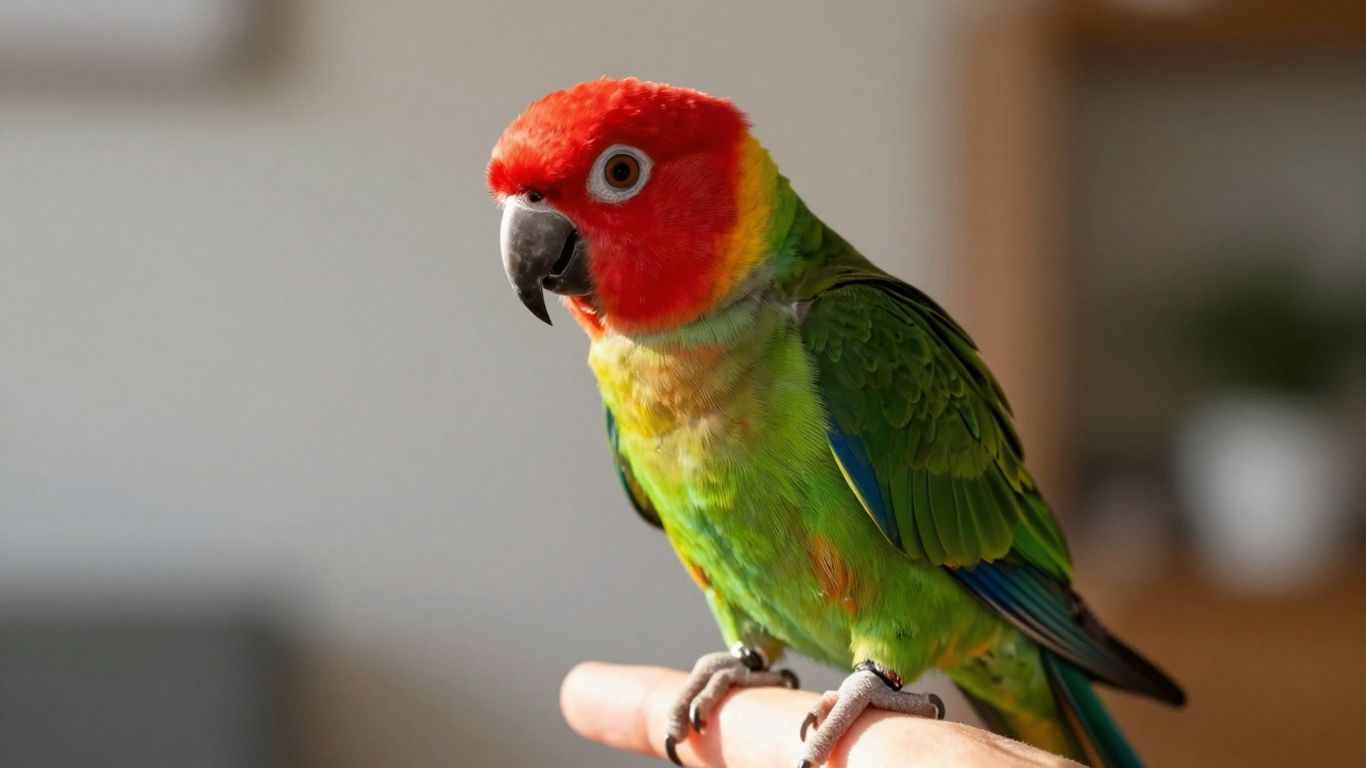
Bringing a new Cherry Headed Conure into your life is an exciting time! It’s like getting a new, very chatty roommate. Before they even set foot (or wing!) in your home, a little preparation goes a long way to make sure everyone feels comfortable and safe. Think of it as setting the stage for a beautiful friendship.
Preparing Your Home for a Cherry Headed Conure
First things first, let’s talk about their living space. The cage is their primary sanctuary, so it needs to be just right. Bigger is generally better, giving them room to spread their wings and move around. Make sure the bar spacing is appropriate for a conure – not too wide, or they could get stuck. Inside, you’ll want to set up a few perches of varying sizes and textures to keep their feet healthy. Food and water dishes should be easy to clean and always accessible. Don’t forget some toys! Conures are smart and need mental stimulation. Rotate them regularly to keep things interesting. Also, consider where the cage will be placed. A spot with some natural light, away from direct drafts and busy, noisy areas, is ideal. They are social birds, so placing the cage in a room where the family spends time is a good idea, but not in the middle of all the chaos.
- Cage Size: Aim for a cage that allows your conure to fully extend its wings without touching the sides.
- Perches: Offer a variety of diameters and materials (like natural wood) to promote foot health.
- Toys: Include a mix of chew toys, foraging toys, and puzzle toys to keep their minds engaged.
- Location: Choose a spot with good lighting, away from extreme temperatures and loud noises.
Initial Days: Building Trust and Comfort
When your new feathered friend first arrives, give them space. It’s a big change, and they need time to adjust. The first few days are all about letting them observe their new surroundings without feeling overwhelmed. Avoid loud noises or sudden movements. Talk to them softly from a distance. You can start by simply sitting near the cage, reading a book or doing a quiet activity. This helps them get used to your presence and associate you with calm, positive experiences. When you do interact, keep it gentle. Offer a treat through the bars or speak in a soothing tone. Building trust takes time, and patience is key here. Remember, they are learning about you just as much as you are learning about them. It’s a two-way street to building a strong bond.
Birds are social creatures, much like us. They thrive on interaction and feeling like part of a flock. While they need time to settle in, complete isolation isn’t beneficial. The goal is to find a balance between giving them space and making them feel included in their new family.
Understanding Cherry Headed Conure Behavior
Cherry Headed Conures are known for their playful and sometimes mischievous personalities. They are intelligent birds and can be quite vocal, especially when they want attention or are excited. You might notice them bobbing their heads, flapping their wings, or even doing little dances – these are all signs of happiness and engagement. They also explore the world with their beaks, which means they might nibble or mouth things, including your fingers. This is normal exploration, not aggression. It’s important to gently redirect this behavior by offering an appropriate chew toy instead of letting them mouth your skin. Understanding these natural behaviors will help you respond appropriately and avoid misinterpreting their actions. Learning to read their body language, like whether their feathers are fluffed or sleek, or if their eyes are wide or squinting, will be a big help in understanding your bird.
| Behavior | Meaning |
|---|---|
| Wing Flapping | Excitement, playfulness, or a need to stretch |
| Head Bobbing | Happiness, excitement, or seeking attention |
| Beak Mouthing | Exploration, play, or testing boundaries |
| Soft Squawks | Contentment, greeting |
| Loud Calls | Seeking attention, alarm, or contact call |
Nurturing Your Cherry Headed Conure’s Diet
Feeding your Cherry Headed Conure right is a big part of keeping them happy and healthy. It’s not just about filling a bowl; it’s about giving them a balanced mix that supports their energy and well-being. Think of it like this: you wouldn’t eat junk food all day, and neither should your bird!
Essential Foods for a Cherry Headed Conure
So, what should be on the menu? A good base is a high-quality pellet specifically made for conures. These are formulated to give them the nutrients they need. But don’t stop there! Fresh foods are super important too. Lots of colorful fruits and vegetables should make up a good portion of their diet. Think about things like:
- Leafy Greens: Spinach, kale, and romaine lettuce are great choices. They’re packed with vitamins and minerals. You can find more info on leafy greens that are good for birds.
- Veggies: Carrots, bell peppers, broccoli, and sweet potatoes offer a variety of nutrients.
- Fruits: Apples (seeds removed!), berries, melons, and bananas are usually a hit. Just remember to offer fruits in moderation because of their sugar content.
- Grains and Legumes: Cooked quinoa, brown rice, and beans can add variety and protein.
A varied diet keeps things interesting and ensures your conure gets a wide range of vitamins and minerals.
Foods to Avoid for Your Cherry Headed Conure
Just as important as knowing what to feed is knowing what to keep away from your conure. Some common human foods can be harmful, even toxic, to birds. Always steer clear of:
- Avocado: This is a big no-no. It’s toxic to birds.
- Chocolate: Another dangerous item. Keep all chocolate products far away.
- Caffeine: Coffee, tea, and soda can be harmful.
- Alcohol: Never give your bird any alcoholic beverages.
- Salty or Sugary Snacks: Processed human foods are generally not good for them.
- Onion and Garlic: These can cause digestive issues.
It’s always better to be safe than sorry when it comes to your bird’s food. If you’re unsure about a particular food, it’s best to avoid it.
Proper Feeding Techniques for Young Conures
If you happen to be hand-feeding a young conure, things are a bit different. Baby birds need a special formula, and the consistency and temperature are key. The formula should be like applesauce – thick but still able to drip from a spoon. Always check the temperature with a thermometer; it should be between 100-110°F (37.8-43.3°C). Never heat formula in the microwave, as this can create hot spots that can burn your bird’s crop. Aim the syringe from the bird’s left to its right when feeding, as the esophagus is on that side. Don’t overfeed; the crop should be a noticeable bulge but not sag. Listen to your bird; they’ll let you know when they’re full. If you’re new to this, there are great resources available to guide you through the process.
Feeding young birds requires patience and attention to detail. Getting the temperature and consistency just right, along with proper feeding technique, can make all the difference in their health and development. It’s a learning curve, but very rewarding.
Remember, a well-fed conure is a happy conure. By providing a balanced diet and avoiding harmful foods, you’re setting your feathered friend up for a long and vibrant life.
Creating a Stimulating Environment for Your Cherry Headed Conure
So, you’ve got a Cherry Headed Conure, and now you’re wondering how to keep this smart little bird happy and engaged. It’s more than just a cage and some food, you know? These birds are super intelligent and need things to do, otherwise, they can get bored and, well, a bit destructive or even start plucking their feathers. Providing a rich environment is key to their overall well-being.
Enrichment Through Play and Foraging
Think about how birds act in the wild. They’re constantly busy, looking for food, interacting with their flock, and exploring. We need to mimic that as much as possible in our homes. Foraging is a big one. Instead of just putting all their food in a bowl, try hiding some of it. You can use puzzle toys designed for birds, or even just stuff some pellets into a cardboard tube with the ends folded. This makes them work for their meals, which is way more interesting for them.
Edible toys are also a hit. Things like a whole stalk of broccoli or a piece of fruit tied with a safe rope can keep them busy for ages. Just make sure whatever you hang is non-toxic and hasn’t been sprayed with pesticides. You can even try hanging whole carrots or apples in their cage. They love to shred and destroy things, and this is a much better outlet than, say, your furniture.
- Foraging toys: These can be simple or complex, encouraging your conure to figure out how to get treats.
- Edible items: Offer whole fruits, vegetables, or safe branches for shredding.
- DIY enrichment: Cardboard tubes stuffed with treats or paper can be surprisingly engaging.
The Importance of Social Interaction
Conures are flock birds. They naturally live in groups and rely on social bonds. When you bring one home, you become its flock. This means you need to spend quality time with your bird every day. If you’re out of the house for long stretches, your conure might get lonely or anxious. This is why some people suggest getting a pair of birds, though that’s a whole other topic! Even with a single bird, consistent interaction is vital. They need to feel like part of the family, not just a pet in a cage. Talking to them, playing with them, and just being present in the same room helps them feel secure. You can find more information on bird social needs.
Birds are not designed to be solitary creatures. Their natural instinct is to be part of a flock. When kept alone, they can experience stress and loneliness if their social needs aren’t met. Providing companionship, whether through human interaction or another bird, is crucial for their mental health.
Designing a Safe and Engaging Cage Setup
Your conure’s cage is its home base, so it needs to be a good one. Bigger is generally better, allowing for plenty of space to move around. Make sure the bar spacing is appropriate for a conure so they can’t squeeze through. Inside, you’ll want a variety of perches at different diameters to keep their feet healthy. Add toys, but rotate them regularly so your bird doesn’t get bored.
Placement of the cage is also important. It should be in a room where the family spends time, but not in the middle of all the chaos. Avoid placing it near windows where there might be drafts or direct, hot sunlight. Ideally, the cage should be at eye level with where people usually sit. This helps your bird feel like part of the action without being overwhelmed. Remember, a stimulating environment isn’t just about toys; it’s about creating a safe, engaging space that caters to your conure’s natural behaviors and social needs.
Handling and Training Your Cherry Headed Conure
Getting your Cherry Headed Conure to trust you and learn is a big part of having a happy bird. It’s not just about putting them in a cage and forgetting about them, you know? They’re smart creatures and need interaction. Building a strong bond takes patience and understanding their birdy ways.
Gentle Introduction to Handling
When you first bring your conure home, give them a little space to settle in. But don’t leave them completely alone for days! They’re used to being around people since they were hand-fed. Start talking to them gently, letting them hear your voice. You can try offering a finger for them to step onto, but don’t force it. Watch their body language. If they seem hesitant, back off a bit. It’s like meeting someone new; you wouldn’t immediately go for a big hug, right? Start slow, maybe with just a gentle scratch under the chin if they seem receptive. The goal is to make them feel safe and comfortable with your touch, not to push them into anything.
- Observe your conure’s mood before attempting interaction.
- Offer a finger or a perch for them to step up onto.
- Reward calm behavior with soft praise.
Birds explore the world with their beaks, much like how we use our hands. This means they’ll often nibble or mouth things to understand them. It’s important to gently redirect this behavior if they start nibbling on your fingers, earlobes, or anything else that isn’t a toy. Have some bird-safe snacks handy to offer them instead. This not only teaches them what’s okay to chew on but also strengthens your bond through shared treats.
Establishing Clear Boundaries and Commands
Consistency is key when training your conure. They thrive on routine, and clear rules help them feel secure. If you don’t want your bird perching on your head or getting into mischief, you need to set that boundary early on. For example, if they fly off your play stand, gently guide them back. Use simple, consistent commands like "step up" whenever you want them to move to your hand or a perch. This helps them understand what you expect.
- "Step Up": Use this command when you want your bird to place its feet on your hand or finger.
- "Step Down": Use this command when you want your bird to move from your hand or finger to a surface.
- "Stay": Use this command to encourage your bird to remain in a designated spot, like a play stand.
Positive Reinforcement Techniques
Training works best when it’s a positive experience for your conure. Instead of punishing unwanted behaviors, focus on rewarding the good ones. When your bird does something you like, like stepping up when asked or staying on its perch, give it praise, a favorite treat, or a gentle scratch. This makes them more likely to repeat the good behavior. Remember, they are social creatures, and positive interaction is a great way to build trust and encourage learning. Think about enrichment for birds as a way to keep their minds active and happy, which also makes training easier.
| Behavior | Desired Outcome | Reward |
|---|---|---|
| Responds to "Step Up" | Steps onto hand promptly | Verbal praise, small treat |
| Stays on perch | Remains on perch calmly | Gentle head scratch |
| Gentle beak use | Nibbles toys, not fingers | Favorite edible toy |
Health and Well-being of Your Cherry Headed Conure
Keeping your Cherry Headed Conure healthy and happy involves paying attention to a few key areas. It’s not just about food and a nice cage; it’s about understanding their needs as social creatures and watching for any signs that something might be off.
Recognizing Signs of Illness
Birds are pretty good at hiding when they don’t feel well, which is an instinct from living in the wild. So, you need to be a good observer. Look for changes in their usual behavior. Are they more sleepy than usual, or maybe puffed up for no reason? Is their droppings’ appearance different – maybe watery, or a change in color? A loss of appetite is a big red flag, as is any difficulty breathing. Feather plucking, while sometimes behavioral, can also be a sign of underlying health issues.
- Lethargy or unusual sleepiness
- Changes in droppings (color, consistency, frequency)
- Loss of appetite or refusal to drink
- Feather plucking or excessive preening
- Discharge from eyes, nostrils, or mouth
- Difficulty breathing or wheezing
Paying close attention to your conure’s daily habits is your first line of defense against illness. Small changes can indicate a problem before it becomes serious.
Basic First Aid for Minor Injuries
Accidents can happen, even in the safest homes. If your conure gets a minor cut or scrape, you can often handle it at home. For small bleeding wounds, like a clipped toenail that bled a bit too much, you can use styptic powder or even cornstarch to help stop the bleeding. Clean the area gently with warm water if possible. For minor scrapes, a bit of an antiseptic designed for birds can be used, but always be very gentle. Never use human medications unless specifically directed by a vet.
When to Seek Veterinary Care
There are times when a trip to the vet is absolutely necessary. If you notice any of the more serious signs of illness mentioned above, or if your bird has sustained a significant injury, don’t wait. This includes things like broken wings or legs, severe bleeding that won’t stop, seizures, or if your bird seems to be in a lot of pain. It’s also wise to find an avian vet before you have an emergency, so you know who to call and where to go. Regular check-ups, even when your bird seems perfectly fine, can help catch potential problems early. An avian vet is specially trained to understand the unique physiology of birds, which is very different from mammals.
The Lifelong Commitment to Your Cherry Headed Conure
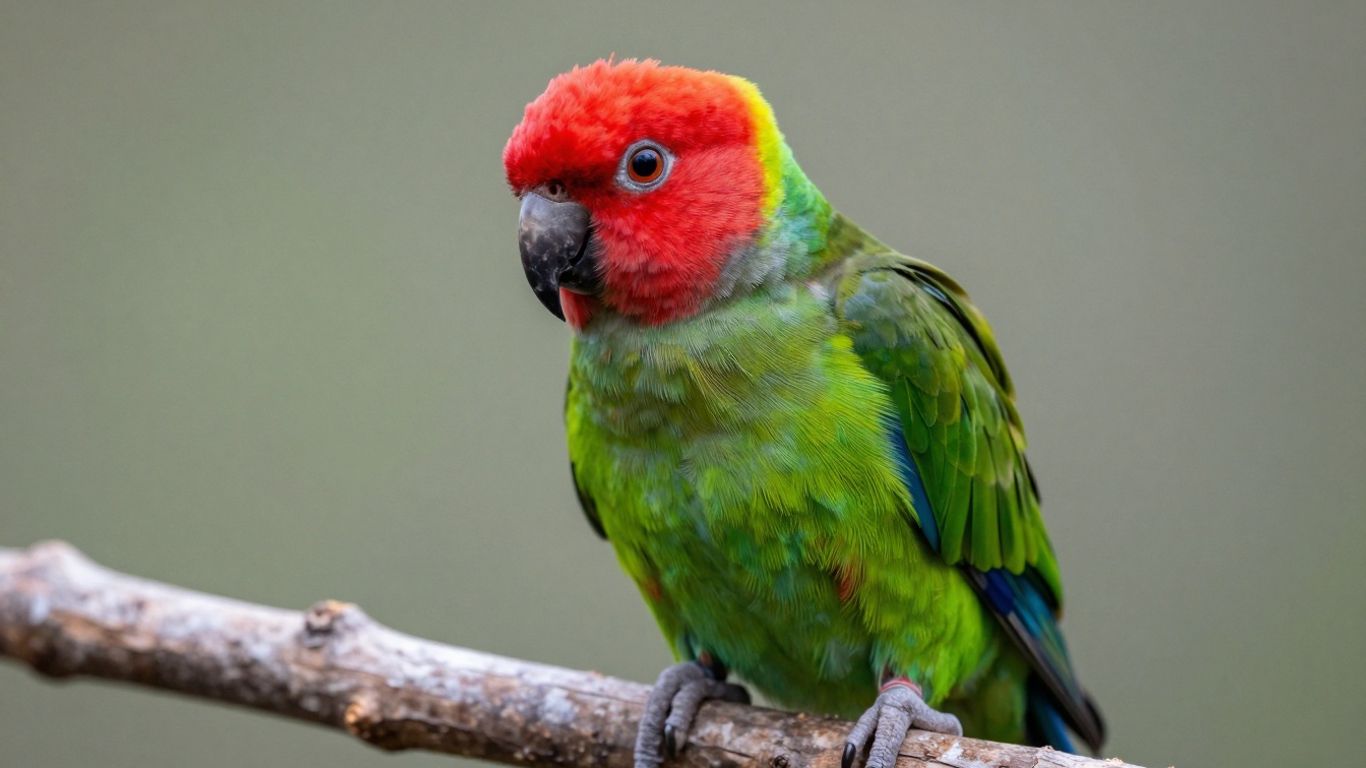
Bringing a Cherry Headed Conure into your life is a big deal, and honestly, it’s a commitment that lasts a long time. These birds can live for quite a while, sometimes 20 to 30 years, or even longer if they’re well cared for. So, when you decide to get one, you’re really signing up for a long-term relationship. It’s not just about the fun times; it’s about being there for them through thick and thin.
Understanding Conure Lifespans
It’s pretty amazing how long these little guys can stick around. A healthy Cherry Headed Conure can easily be a companion for two, maybe even three decades. This means your life will change a lot during the time you have them. You might move, change jobs, or have kids. Through all of that, your conure will still be there, needing your attention and care. It’s a serious responsibility, but also a chance to build a really deep bond.
Providing Consistent Care Through the Years
Life happens, and sometimes you just won’t have as much free time as you’d like to spend with your conure. Maybe work gets crazy, or you have a family event that takes up all your energy. This is where consistency really matters. If your conure has a buddy, another bird, they can keep each other company. This is super important because a bird left alone too much can get lonely and start acting out, like screaming a lot or even plucking their own feathers. Having a companion bird means they’re less likely to feel isolated when you’re busy.
- Routine is Key: Stick to regular feeding times, out-of-cage time, and sleep schedules. This helps them feel secure.
- Social Needs: Even with a companion bird, make time for direct interaction daily. Talk to them, play games, and offer treats.
- Health Checks: Regular vet visits are a must, just like for any family member. Don’t skip these, even if your bird seems fine.
- Environmental Changes: As your life changes, make sure your conure’s environment stays safe and stimulating. Update toys and cage setup as needed.
The Rewards of a Bonded Cherry Headed Conure
While it’s a long commitment, the payoff is huge. When you consistently care for your Cherry Headed Conure, you build an incredible bond. They become more than just a pet; they become a true member of your family. You’ll get to know their personality, their quirks, and they’ll learn to trust you completely. This level of connection is really special and makes all the effort totally worth it. It’s a unique friendship that grows stronger over the years.
Having a bird means accepting that their needs will be a part of your life for a very long time. It requires planning and a willingness to adapt your lifestyle to include them. A well-adjusted bird is one that feels secure and loved, and that comes from consistent, patient care over many years. It’s a journey, not a destination.
Wrapping Things Up
So, you’ve learned a lot about keeping your cherry head conure happy and healthy. It’s a bit of work, sure, but seeing them thrive makes it all worth it. Remember to keep up with their diet, give them plenty of toys to play with, and spend quality time with them every day. They’re smart little birds and really do become part of the family. If you stick with it, you’ll have a feathered friend for years to come. It’s a journey, but a really rewarding one.
Frequently Asked Questions
How much attention does a Cherry Headed Conure need?
These birds are very social and need a lot of interaction. Think of them as part of the family! They thrive on attention and can get lonely or stressed if left alone for too long. Spending time talking to them, playing, and including them in your daily activities is super important for their happiness.
What kind of food is best for my Cherry Headed Conure?
A balanced diet is key. Offer a good quality bird pellet as the main food. You can also add fresh fruits and vegetables like apples, berries, carrots, and leafy greens. Always make sure to research which foods are safe and which ones to avoid, as some common foods can be harmful to birds.
How should I set up my Cherry Headed Conure’s cage?
The cage should be spacious enough for your conure to spread its wings and move around comfortably. Include perches of different sizes and textures to help with foot health. Add a variety of toys for mental stimulation and to prevent boredom. Make sure the cage is placed in a safe area away from drafts and direct sunlight.
Is it okay to let my Cherry Headed Conure out of its cage?
Yes, absolutely! Supervised time outside the cage is crucial for exercise and socialization. Make sure the room is ‘bird-proofed’ by removing hazards like open water, toxic plants, and small objects they could swallow. It’s a great way to bond and let them explore.
How do I train my Cherry Headed Conure?
Training works best with positive reinforcement. Use treats and praise to reward good behavior, like stepping onto your hand when asked. Keep training sessions short, fun, and consistent. Avoid punishment, as it can damage trust and create fear. Patience is key!
How do I know if my Cherry Headed Conure is sick?
Watch for changes in their behavior, like being less active, loss of appetite, ruffled feathers, or unusual droppings. Birds are good at hiding illness, so any noticeable change is worth paying attention to. If you suspect your bird is unwell, contact an avian veterinarian right away.