Ready to Buy Plum Headed Parakeet Online? Your Guide to Finding the Perfect Bird
Thinking about getting a Plum Headed Parakeet? They’re really pretty birds, and honestly, quite smart too. But before you click that ‘buy’ button online, there’s a bit to think about. It’s not just about finding a bird; it’s about finding the right feathered friend for your life. We’ll walk you through what to look for, how to make sure you’re getting a healthy bird, and what you need to do to get your home ready for your new pal. Let’s find you the perfect Plum Headed Parakeet to buy online.
Key Takeaways
- Plum Headed Parakeets have distinct looks and personalities, so know what you’re getting into.
- When you decide to buy Plum Headed Parakeet online, check the seller’s reputation and bird health carefully.
- Setting up the right cage, food, and a safe space is super important for your new bird’s happiness.
- Bringing a new bird home means taking time to help them get used to you and their new surroundings.
- Long-term care involves a good diet, watching for sickness, and regular vet visits to keep them healthy.
Understanding The Plum Headed Parakeet
So, you’re thinking about bringing a Plum Headed Parakeet into your life? That’s awesome! These birds are really something special, and getting to know them before you buy is a smart move. They’re not just pretty faces, you know. They’ve got personalities and needs, just like any other pet.
Distinct Characteristics Of The Plum Headed
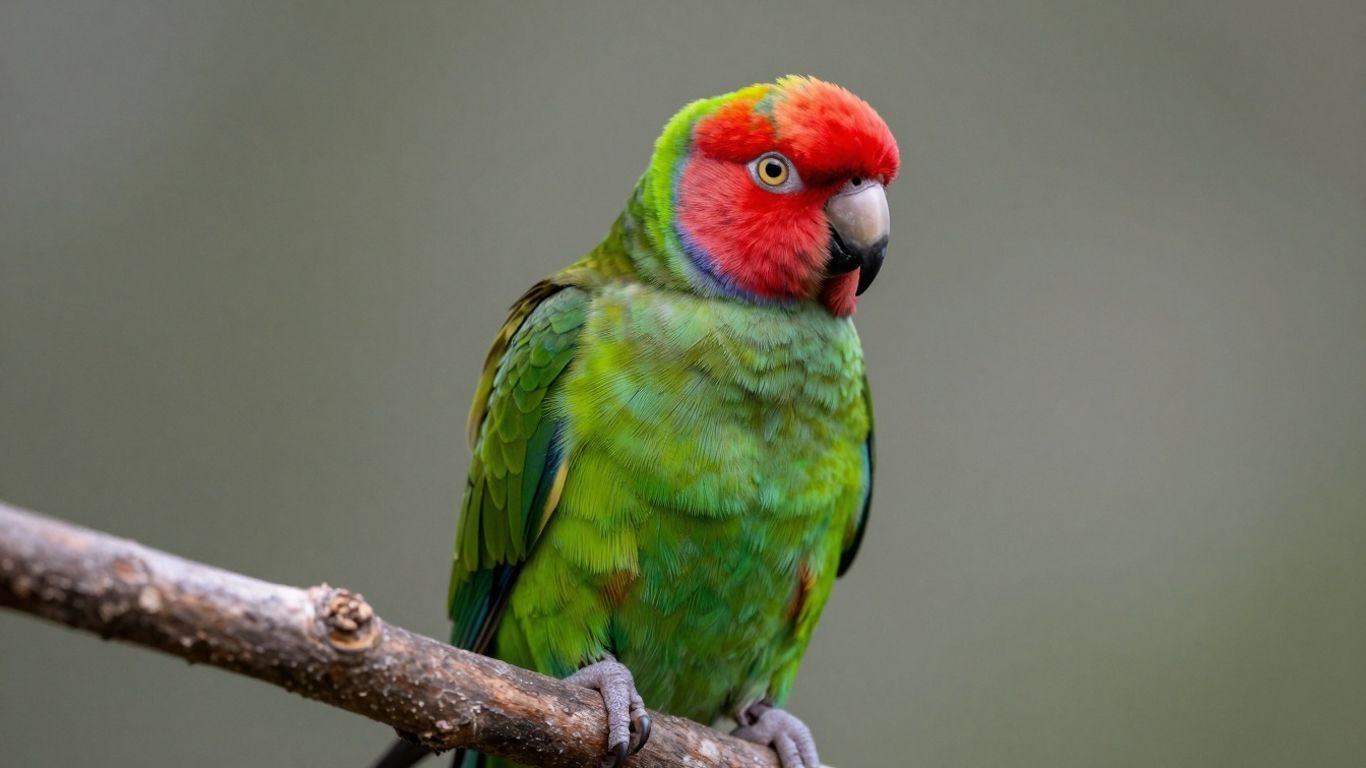
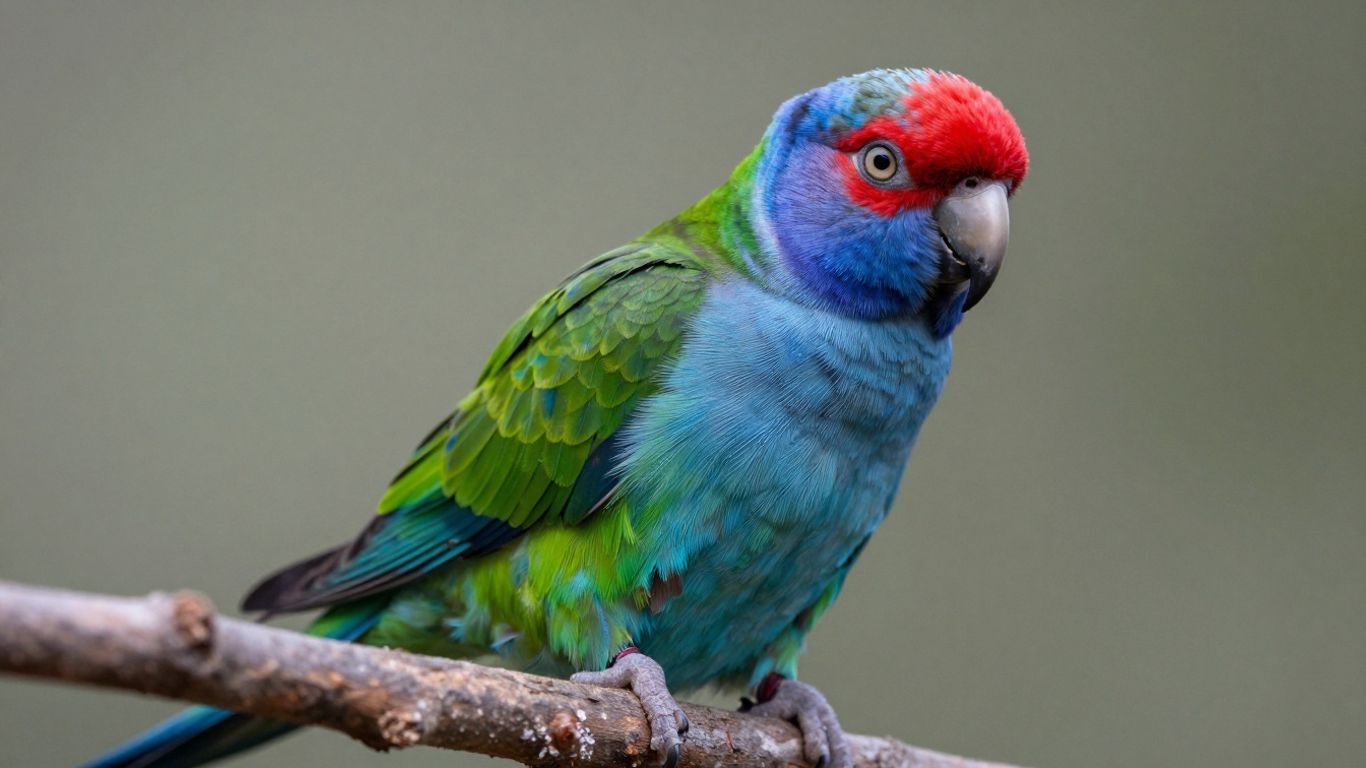
The most striking thing about these birds, and where they get their name, is the head coloration. Adult males sport a vibrant, plum-colored head that’s really eye-catching. Females, on the other hand, have a more subdued bluish-gray head. They’re smaller than some of their parakeet cousins, usually topping out around 13 inches from head to tail. Their plumage is generally a lovely shade of green, with males sometimes showing a bit of blue on their wings. They’re not as large as, say, an Alexandrine Parakeet, which can reach up to 22 inches.
Temperament And Personality Traits
Plum Heads are generally known for being pretty gentle and having a quieter disposition compared to some other parrot species. This makes them a good option if you live in an apartment or just prefer a less boisterous companion. They can be quite affectionate and enjoy interacting with their people. While they can learn to talk and mimic sounds, they might not develop as extensive a vocabulary as some other breeds. They are social birds and thrive on interaction, so don’t expect them to be happy just sitting in their cage all day.
These birds are intelligent and curious, and while they might not be the loudest talkers, they can certainly learn to vocalize and respond to their environment. Providing them with opportunities to interact and learn is key to a happy Plum Head.
Ideal Living Environment For Your Bird
When thinking about where your Plum Headed Parakeet will live, think spacious and stimulating. A good-sized cage is a must. You’ll want something that allows them to spread their wings and move around comfortably. Inside, a variety of perches of different textures and thicknesses is great for their feet. Don’t forget toys! These birds need mental stimulation to prevent boredom, which can lead to behavioral issues. Think about puzzles, shreddable toys, and things they can climb on. They also appreciate a good bath, so a bird bath or a shallow dish of water can be a welcome addition. Proper lighting is also important for their overall health, much like it is for Alexandrine Parakeets.
Here’s a quick rundown of what they need:
- Spacious Cage: Big enough for movement and play.
- Varied Perches: Different sizes and textures for foot health.
- Enrichment Toys: To keep their minds active and prevent boredom.
- Bathing Opportunities: A way to stay clean and entertained.
- Safe Location: Away from drafts and direct sunlight.
Finding Your Perfect Plum Headed Parakeet Online
So, you’ve decided a Plum Headed Parakeet is the bird for you. That’s fantastic! Now comes the exciting part: finding your new feathered friend. The internet has made this easier than ever, but it also means you need to be a bit savvy about where you look and what you’re looking for. It’s not just about picking the prettiest bird; it’s about finding a healthy companion that will fit into your life.
Where To Buy Plum Headed Parakeet Online
When you’re ready to buy a Plum Headed Parakeet online, you’ll find a few different avenues. Reputable breeders are often the best bet. They usually have a good understanding of the birds’ lineage and can provide health guarantees. Online bird stores are another option, but do your homework on them. Look for places that are transparent about their breeding practices and bird care. Sometimes, rescue organizations have parakeets needing homes too, which is a wonderful way to give a bird a second chance. Always prioritize sellers who are open about their birds’ health and living conditions.
Assessing Bird Health Before Purchase
Spotting a healthy bird online requires a keen eye, even through photos and videos. Look for bright, clear eyes, clean feathers without any missing patches, and active, alert behavior. A bird that seems lethargic, has discharge around its eyes or beak, or looks generally unkempt might be unwell. Ask the seller for recent photos or videos, and don’t hesitate to ask specific questions about the bird’s diet and any veterinary care it has received. If possible, look for sellers who provide detailed information about the bird’s temperament and history. You can find more information on bird care at Hazel Bird Store.
Understanding Pricing And Affordability
Plum Headed Parakeets can vary in price depending on factors like age, sex, rarity of coloration, and the seller’s reputation. Generally, you might expect to pay anywhere from a few hundred to over a thousand dollars. It’s important to remember that the initial purchase price is just one part of the cost. You’ll also need to factor in the expense of a good cage, food, toys, and ongoing veterinary care. Don’t be tempted by prices that seem too good to be true; they often signal a problem with the bird’s health or the seller’s practices.
Choosing a parrot is a significant commitment, much like selecting a long-term roommate. It’s vital to find a companion that aligns with your lifestyle and personality, not just one that catches your eye with its colors. Consider the bird’s potential lifespan, which can be many decades, and whether you have the time and resources to provide consistent care and interaction.
Preparing Your Home For A New Parakeet
So, you’ve picked out your perfect Plum Headed Parakeet online and now it’s time to get your place ready. This isn’t just about throwing a cage in a corner; it’s about creating a safe, stimulating, and comfortable environment for your new feathered family member. Think of it as setting up a nursery, but for a bird!
Essential Cage Setup and Supplies
First things first, the cage. Don’t skimp here. Your parakeet needs room to move, stretch its wings, and generally just be a bird. For Plum Headed Parakeets, a cage that’s at least 24 inches wide, 24 inches deep, and 36 inches tall is a good starting point, but bigger is always better. Look for cages with horizontal bars, as these are great for climbing. The spacing between the bars is also important – you don’t want your bird getting its head stuck, so aim for about 1/2 inch to 5/8 inch spacing.
Inside the cage, you’ll want a variety of perches. Different diameters and textures are key for keeping their feet healthy and preventing issues like bumblefoot. Natural wood perches are fantastic. You’ll also need food and water dishes; stainless steel is a good choice because it’s easy to clean and doesn’t harbor bacteria. And of course, toys! Parrots are smart cookies and need mental stimulation. Think about a mix of chew toys, foraging toys, and maybe something that swings.
Here’s a quick rundown of what you’ll need:
- Spacious Cage: Minimum 24"x24"x36", with appropriate bar spacing.
- Perches: Variety of sizes and textures (natural wood recommended).
- Food & Water Dishes: Stainless steel is ideal.
- Toys: A selection of chew, foraging, and puzzle toys.
- Cage Liner: Paper or newspaper works well for easy cleanup.
Creating a Safe and Stimulating Space
Beyond the cage itself, think about where you’ll place it. Avoid direct sunlight, drafts, and areas with constant loud noise or heavy foot traffic. A spot in a main living area where they can observe family activities is usually best, but not so much that they’re overwhelmed. You want them to feel part of the action, but also have a quiet retreat.
When your bird is out of the cage (and they absolutely should be out daily for supervised exercise!), you need to make sure the surrounding area is safe. This means bird-proofing the room. Tuck away electrical cords, remove toxic plants, and ensure windows and doors are secure. Think about potential hazards from your bird’s perspective – what looks like a fun new chew toy could be dangerous.
Parrots are naturally curious creatures. Providing them with a stimulating environment both inside and outside their cage is not just about entertainment; it’s about preventing boredom, which can lead to behavioral problems like feather plucking or excessive screaming. Rotate toys regularly to keep things fresh and interesting.
Dietary Needs for Optimal Health
What you feed your Plum Headed Parakeet is super important for their health and happiness. While many people think seeds are the main food, they’re actually quite fatty and should only be a small part of the diet, more like a treat. The bulk of their food should come from a high-quality pelleted diet specifically formulated for parrots. These pellets provide a balanced mix of nutrients.
In addition to pellets, you’ll want to offer a variety of fresh fruits and vegetables daily. Think colorful! Apples (seeds removed), bananas, berries, carrots, leafy greens like spinach and kale, broccoli – the possibilities are vast. Always wash produce thoroughly before offering it. A cuttlebone should also be available in the cage for calcium and beak conditioning.
Here’s a general guideline for their diet:
- Base Diet (60-70%): High-quality parrot pellets.
- Fresh Foods (20-30%): A mix of fruits and vegetables daily.
- Treats (5-10%): Seeds, nuts, or small pieces of cooked grains (in moderation).
- Calcium Source: Cuttlebone available at all times.
Bringing Your Plum Headed Parakeet Home
So, you’ve found your perfect Plum Headed Parakeet online and it’s on its way! That’s super exciting. But before your new feathered friend arrives, there are a few things you’ll want to get sorted to make sure the transition is as smooth as possible for everyone involved. It’s a big change for them, moving to a new place with new people, so making it a positive experience is key.
Acclimation Process For New Birds
When your parakeet first arrives, give them space. Seriously. They’ve just been through a journey, and the last thing they need is a bunch of faces staring at them. Let them settle into their new cage in a quiet room for at least a few days. Avoid loud noises or sudden movements around the cage. You can talk to them softly from a distance, just so they get used to your voice. Think of it as letting them get their bearings without feeling overwhelmed. This initial quiet period is really important for building their confidence in their new surroundings.
Building Trust And Socialization
Once your parakeet seems a bit more relaxed, you can start working on building a bond. This is where patience really pays off. Start by sitting near the cage and just reading or talking quietly. Don’t try to force interaction. When they seem comfortable with your presence, you can try offering a treat through the cage bars. The goal is to associate your presence with good things. Gradually, you can start opening the cage door while you’re present, letting them decide if they want to come out. Never force them out. Let them explore on their own terms. Socialization is a marathon, not a sprint, and it’s all about positive reinforcement.
Here’s a general timeline to keep in mind:
- Days 1-3: Quiet observation, minimal interaction, focus on settling into the cage.
- Days 4-7: Soft talking, offering treats through bars, sitting nearby.
- Week 2 onwards: Opening the cage door, allowing supervised out-of-cage time if they choose.
- Ongoing: Consistent, gentle interaction and positive experiences.
Remember, every bird is an individual. Some might adjust faster than others. Don’t get discouraged if your parakeet is a bit shy at first. Just keep up the gentle, consistent approach, and they’ll likely warm up.
Training And Encouraging Vocalization
Plum Headed Parakeets can be quite vocal, and encouraging this can be a fun part of bonding. Start by talking to your bird regularly throughout the day. Use a cheerful, consistent tone. When they make a sound, respond positively – maybe with a treat or a word of praise. You can try teaching them simple words or sounds by repeating them often, especially when they are alert and engaged. Keep training sessions short and sweet, maybe 5-10 minutes a few times a day. You might find they mimic sounds they hear often, like the phone ringing or even your laugh! It’s all about making communication a positive and rewarding experience for them. If you’re looking for a companion that can be found in places like Sri Lanka, these birds are quite a sight.
Long Term Care For Your Feathered Friend
Maintaining A Balanced Diet
Keeping your Plum Headed Parakeet healthy over the years really starts with what’s in their food bowl. These birds aren’t meant to just eat seeds all day, even though they might love them. A good diet is a mix. Think of high-quality pellets as the main course, making up a good portion of what they eat. Then, you’ll want to add in a variety of fresh fruits and vegetables every single day. Wash everything well before you give it to them. Things like apples, bananas, carrots, and leafy greens are usually a hit. Seeds and nuts can be given as occasional treats, but don’t go overboard because they can be pretty fatty.
Recognizing Signs Of Illness
Birds are pretty good at hiding when they don’t feel well, so you’ve got to be observant. Watch for any changes in their behavior, eating habits, or droppings. If your bird suddenly becomes very quiet, is sitting puffed up more than usual, or their poop looks off (like watery or a different color), it’s time to pay attention. Other things to look out for include:
- Changes in breathing (like open-mouth breathing or clicking sounds)
- Discharge from the eyes or nostrils
- Feather loss or changes in feather quality
- Lethargy or unwillingness to move
- Vomiting or regurgitation
If you see any of these signs, don’t just wait and hope it gets better. It’s usually best to get them checked out.
The Importance Of Veterinary Care
Just like we need to see a doctor now and then, your parakeet needs regular check-ups with a vet who knows birds. An annual visit is a good starting point. Your avian vet can spot potential problems before they become big issues, give you advice on diet and behavior, and make sure your bird is up-to-date on any necessary care. Finding a vet that specializes in birds is really important because they understand the unique needs of these animals. They can help with everything from routine check-ups to dealing with unexpected health scares.
Keeping your bird’s environment clean is also a big part of long-term health. Regularly cleaning the cage, food dishes, and water bowls helps prevent the spread of germs and keeps your bird from getting sick. It might seem like a chore, but it makes a big difference in their overall well-being.
Shipping Your Plum Headed Parakeet Safely
Professional Shipping Processes
Getting your new Plum Headed Parakeet to your doorstep involves a carefully planned shipping process. Reputable breeders and sellers work with specialized animal transport services that prioritize the bird’s well-being. These services often use climate-controlled vehicles and have trained staff who know how to handle avian passengers. The goal is to minimize stress and ensure the bird arrives healthy and ready to settle into its new home. This professional approach is key to a successful long-distance adoption.
Ensuring A Stress-Free Journey
To make the trip as smooth as possible for your parakeet, several steps are taken. The bird will typically travel in a secure, well-ventilated carrier designed for small animals. Food and water are usually provided in ways that prevent spills during transit. The journey is often direct, with minimal stops, and the transport team monitors the bird’s condition throughout. Some services even offer live tracking so you can follow your new friend’s progress.
Delivery To Your Region
While many sellers ship nationwide, it’s good to check their specific delivery areas. Major metropolitan areas and surrounding regions are usually covered. For example, you might find shipping available to:
- California (e.g., Los Angeles, San Francisco)
- Texas (e.g., Dallas, Houston)
- New York (e.g., New York City, upstate)
- Florida (e.g., Miami, Orlando)
- Illinois (e.g., Chicago area)
It’s always best to confirm with the seller if your specific location is within their shipping network before making a purchase. They can provide details on delivery times and any specific requirements for your area.
When arranging shipping, always ask about the seller’s policy on live arrival guarantees. This provides a safety net in the unlikely event of a problem during transit, ensuring you’re protected.
Your Feathered Friend Awaits
So, you’ve done your homework and are ready to bring a Plum Headed Parakeet into your life. That’s fantastic! Remember, finding the right bird is just the first step. Providing a good home with the right food, plenty of toys, and lots of your time will make all the difference. It’s a commitment, sure, but the chirps, the personality, and the companionship you’ll get back are totally worth it. Happy bird hunting!
Frequently Asked Questions
Are Plum Headed Parakeets good pets for beginners?
Yes, Plum Headed Parakeets can be great for beginners if you’re ready for a bird that needs regular interaction and mental stimulation. They’re smart and can be trained, but like many parrots, they need attention to be happy and well-behaved. If you have the time to spend with them, they can be wonderful companions.
How long do Plum Headed Parakeets typically live?
With good care, a Plum Headed Parakeet can live for a surprisingly long time, often between 15 to 20 years, and sometimes even longer! It’s a long-term commitment, so be prepared to care for your feathered friend for many years.
Can Plum Headed Parakeets learn to talk?
While they are known more for their beautiful colors and playful nature, some Plum Headed Parakeets can learn to mimic sounds and even a few words. It takes patience and consistent effort, and not all birds will become great talkers. They often communicate through chirps and whistles.
What kind of cage does a Plum Headed Parakeet need?
Your Plum Headed Parakeet needs a spacious cage where it can spread its wings and move around. Look for a cage that’s wider than it is tall, with bar spacing that’s not too wide so they can’t escape. It should also have plenty of room for toys, perches, and food dishes.
What should I feed my Plum Headed Parakeet?
A healthy diet for your parakeet should include a good quality pellet mix as the main food. You should also offer a variety of fresh fruits and vegetables daily. Seeds and nuts can be given as occasional treats, but they are high in fat and shouldn’t be the main part of their diet.
How can I make sure my new parakeet is healthy when I buy it online?
When buying online, look for reputable sellers who provide clear photos and detailed descriptions of their birds. Ask about the bird’s health history and if it has been vet-checked. A good seller will be transparent about the bird’s condition and happy to answer your questions. It’s also important to understand their shipping process to ensure the bird arrives safely.