Discover the Unique Caparrotua Cockatoo: A Comprehensive Guide
So, you’re thinking about getting a Caparrotua Cockatoo? That’s cool. These birds are pretty unique, and honestly, they’re a big commitment. They’re not just some pretty face; they’ve got a lot of personality and needs. This guide is going to break down what you really need to know before you bring one of these amazing birds home. We’ll cover everything from what they look like and where they come from to how to keep them happy and healthy for the long haul.
Key Takeaways
- The Caparrotua Cockatoo has distinct physical traits and a specific native habitat, making it a unique bird species.
- Proper care involves a balanced diet, a stimulating environment with plenty of toys, and dedicated socialization and training.
- These birds are highly intelligent and emotional, requiring significant bonding and clear communication from their owners.
- Ethical sourcing, health checks, and finding trustworthy sellers are vital steps when acquiring a Caparrotua Cockatoo.
- Owning a Caparrotua Cockatoo is a long-term commitment, often spanning several decades, demanding ongoing care and enrichment.
Understanding the Caparrotua Cockatoo
Distinctive Physical Characteristics
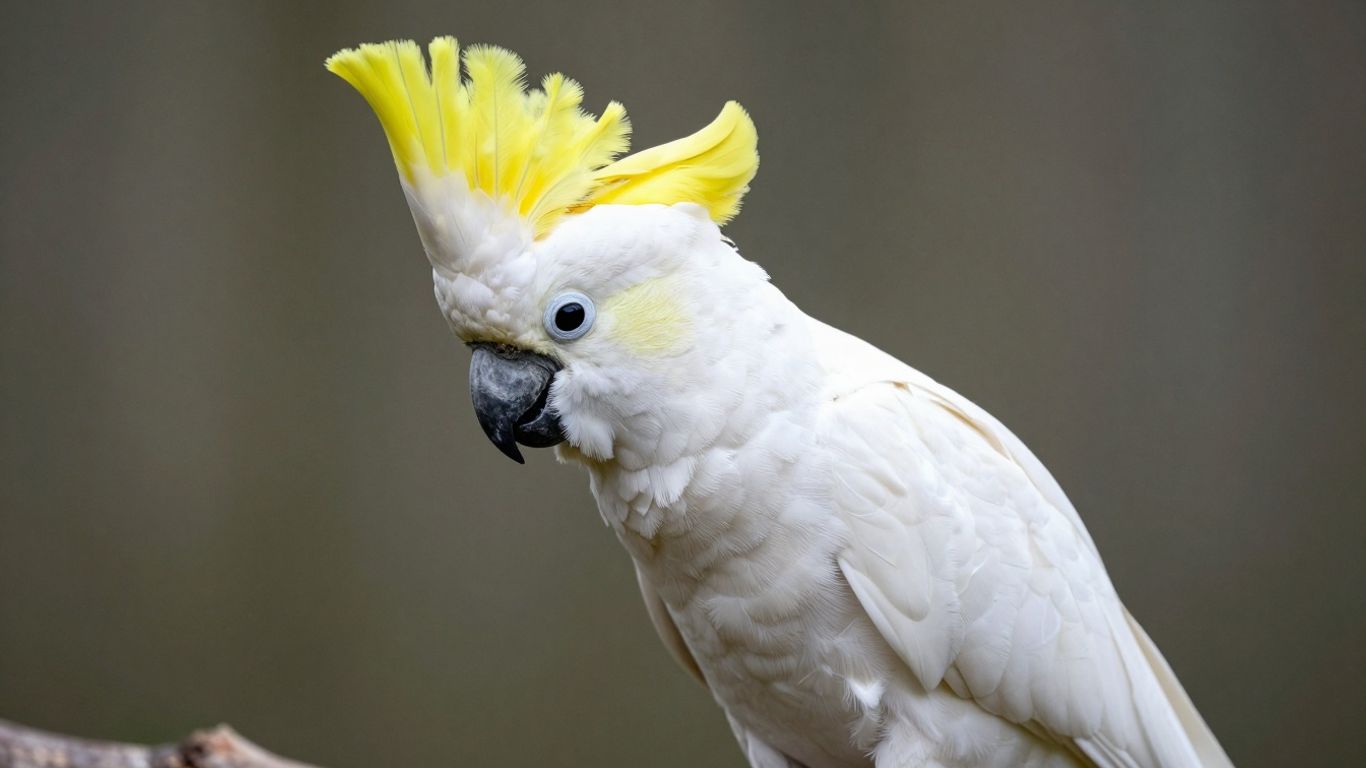
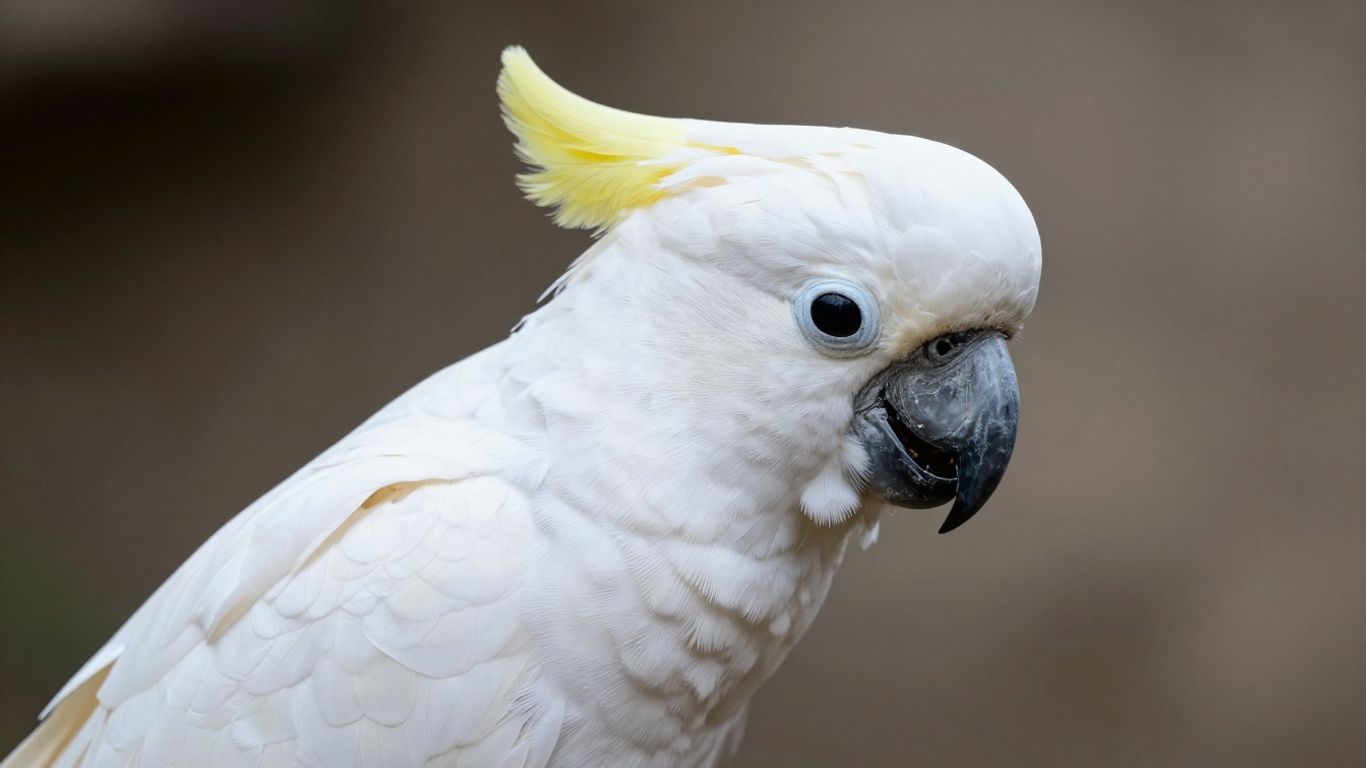
The Caparrotua Cockatoo, often known as the Solomons Cockatoo or Ducorp’s Cockatoo, is a striking bird with a predominantly white plumage. What really sets them apart are those subtle hints of color, like the pale yellow undersides of their wings and tails, and sometimes a faint pinkish base to their head and breast feathers. They’ve got this cool blue eye-ring that really pops against their white feathers. And then there’s the crest – it’s usually held back, but when they raise it, it fans out like a little sail. They’re not the biggest cockatoos out there, usually topping out around 30-35 cm (about 12-14 inches) long, making them a bit smaller than, say, an Umbrella Cockatoo but bigger than a Goffin’s. Their beaks are a grayish-white, and their feet are gray too.
Native Habitat and Distribution
These birds are native to a very specific part of the world: the Solomon Islands archipelago, way out in the South Pacific. You’ll find them hanging out in lowland rainforests, but they’re also pretty adaptable and can be seen in secondary forests, cleared areas, and even gardens. They’re pretty common throughout most of the Solomons, except for the island of Makira down in the south. It’s interesting how they’ve managed to thrive in these island environments.
Size and Lifespan Expectations
When fully grown, a Caparrotua Cockatoo typically measures between 30 to 35 centimeters (12 to 14 inches) from head to tail. They’re a medium-sized cockatoo, fitting nicely between some of the smaller and larger species. Now, about how long they live – this is where things get serious. With good care, these birds can easily live for 40 to 70 years. That’s a really long time, meaning they can be a companion for most of your adult life, and even potentially be passed down through generations. It’s definitely not a pet you get on a whim.
Owning a Caparrotua Cockatoo is a significant commitment. Their long lifespan means you’re signing up for decades of care, attention, and companionship. It’s important to be prepared for this long-term relationship before bringing one of these intelligent birds into your home.
| Characteristic | Detail |
|---|---|
| Average Length | 30-35 cm (12-14 inches) |
| Lifespan | 40-70 years (with proper care) |
| Native Region | Solomon Islands archipelago |
| Plumage | Predominantly white with yellow undertones |
| Crest | Recumbent, fans out like a sail when raised |
| Eye Ring | Blue |
Caring for Your Caparrotua Cockatoo
Bringing a Caparrotua Cockatoo into your home is a big deal, and getting their care right is super important. These birds are smart and need a lot to stay happy and healthy. It’s not just about food and water; it’s about making sure they have a life that keeps their minds busy and their spirits up.
Essential Dietary Requirements
What you feed your Caparrotua is the foundation of their health. Forget just throwing in some seeds; they need a balanced diet. A good base is a high-quality pellet formulated for large parrots. But that’s just the start. You’ll want to add lots of fresh fruits and vegetables daily. Think leafy greens, bell peppers, apples, and berries. Some nuts can be given as treats, but sparingly, as they are high in fat. Always make sure fresh, clean water is available.
- Pellets: A good quality, species-appropriate pellet should make up about 60-70% of their diet.
- Fresh Produce: Offer a variety of colorful fruits and vegetables daily. Aim for at least 20-30% of their diet.
- Treats: Nuts, seeds, and occasional cooked grains can be given in small amounts.
A varied diet not only provides necessary nutrients but also offers mental stimulation as the bird explores and consumes different textures and flavors.
Creating a Stimulating Environment
These birds are not meant to sit in a cage all day. They need space to move, climb, and explore. A large, sturdy cage is a must, but it’s what you put inside that really counts. Think about different types of perches – natural wood branches are great for their feet. Toys are also super important. Rotate them regularly to keep things interesting. They love to chew, so provide safe chew toys. A bird-safe play stand outside the cage is also a good idea for supervised out-of-cage time.
- Cage Size: The bigger, the better. It should allow for full wing extension and climbing.
- Perches: Offer a variety of textures and diameters to exercise their feet.
- Toys: Include foraging toys, shreddable toys, and puzzle toys to keep their minds engaged.
Socialization and Training Needs
Caparrotua Cockatoos are incredibly social creatures. They thrive on interaction with their human flock. Daily, dedicated time spent with your bird is non-negotiable. This means talking to them, playing with them, and even just being in the same room. Training is also a big part of their lives. Positive reinforcement methods work best. Teaching them tricks not only strengthens your bond but also provides mental exercise. Start with simple commands and gradually move to more complex tasks. Early socialization, exposing them to different sights and sounds in a controlled way, can help them grow into well-adjusted adults. You can find resources on parrot training to get started.
- Daily Interaction: Aim for at least 1-2 hours of direct interaction daily.
- Positive Reinforcement: Use treats and praise to encourage desired behaviors.
- Early Socialization: Introduce new experiences gradually and positively from a young age.
Caparrotua Cockatoo Temperament and Behavior
Intelligence and Playfulness
Caparrotua Cockatoos are seriously smart birds. Like, "figure out how to open their own cages" smart. This intelligence means they get bored easily, which is why toys and puzzles are a big deal. They love to play and explore, and you’ll often find them upside down or hanging from things. They’re not just pretty faces; they’ve got a lot going on upstairs.
Emotional Needs and Bonding
These birds form really strong bonds with their people. They crave attention and can get quite attached. If you’re looking for a bird that will just hang out in its cage, this isn’t it. They need daily interaction and can become quite distressed if they feel ignored or lonely. Building trust and a solid relationship takes time and consistent effort.
Communication and Vocalizations
Caparrotuas are not exactly quiet birds. They communicate through a range of sounds, from squawks and whistles to more complex calls. While they can learn to mimic speech, it’s not their primary mode of communication. Their vocalizations often reflect their mood – happy chirps when they’re content, louder calls when they want something or feel anxious. It’s a whole language, really, and learning to read their sounds is part of the fun (and challenge).
Remember, these are highly social creatures. Their behavior is often a direct reflection of their environment and the attention they receive. A well-stimulated and loved Caparrotua is a happy Caparrotua, and that makes all the difference.
Here’s a quick look at what they need:
- Mental Stimulation: Puzzle toys, foraging opportunities, and new challenges daily.
- Social Interaction: Dedicated time for play, training, and just hanging out.
- Consistent Routine: Predictable feeding and interaction times help them feel secure.
- Clear Communication: Learning their body language and vocal cues is key to a good relationship.
Acquiring a Caparrotua Cockatoo
So, you’re thinking about bringing a Caparrotua Cockatoo into your life? That’s a big step, and honestly, a really exciting one! These birds are something else, but getting one isn’t like picking up a goldfish. You’ve got to do your homework, and that means looking into where they come from and making sure you’re getting a healthy, well-adjusted bird. It’s all about making a good start for both you and your new feathered friend.
Ethical Breeding Practices
When you’re looking for a Caparrotua, the first thing to really focus on is how they’re bred. You want to find breeders who are all about the birds’ well-being, not just making a quick sale. This means they’ll be raising the chicks with plenty of human interaction from a young age. Hand-rearing is a big deal because it helps the birds become super comfortable around people, which is pretty important for a pet that’s going to be part of your family for a long time. A good breeder will also be happy to talk to you about their methods and show you the environment where the birds are raised. They should be knowledgeable about the species and genuinely care about where their birds end up. It’s a good sign if they ask you questions too, to make sure you’re a good fit for the bird.
Health Guarantees and Vet Checks
This is non-negotiable, folks. Before you even think about taking a Caparrotua home, you need to know it’s healthy. Reputable breeders will always have their birds checked by an avian veterinarian. They should be able to provide you with documentation, like a vet check certificate, showing the bird is in good health. This usually includes details about vaccinations and any treatments the bird might have had. Some breeders also offer DNA sexing, which is handy if you’re planning on breeding or just want to know for sure. A healthy bird is the foundation for a happy life together. Don’t be shy about asking for these records; it’s your right as a buyer and a sign of a responsible seller.
Finding Reputable Sellers
Okay, so where do you actually find these birds? It can be a bit of a hunt. Sometimes, you’ll find breeders who specialize in cockatoos, and they’re often the best bet. Online marketplaces can be a mixed bag, so you really need to vet the sellers carefully. Look for reviews, ask for references, and if possible, visit the breeder in person. Sometimes, rescue organizations also have cockatoos needing homes, which is another fantastic option if you’re open to it. Remember, these birds can live for a very long time, so taking your time to find the right seller and the right bird is totally worth it. You might even find a great resource for other parrot species if you’re exploring options.
Caparrotua Cockatoo Species Overview
Comparison with Other Cockatoo Varieties
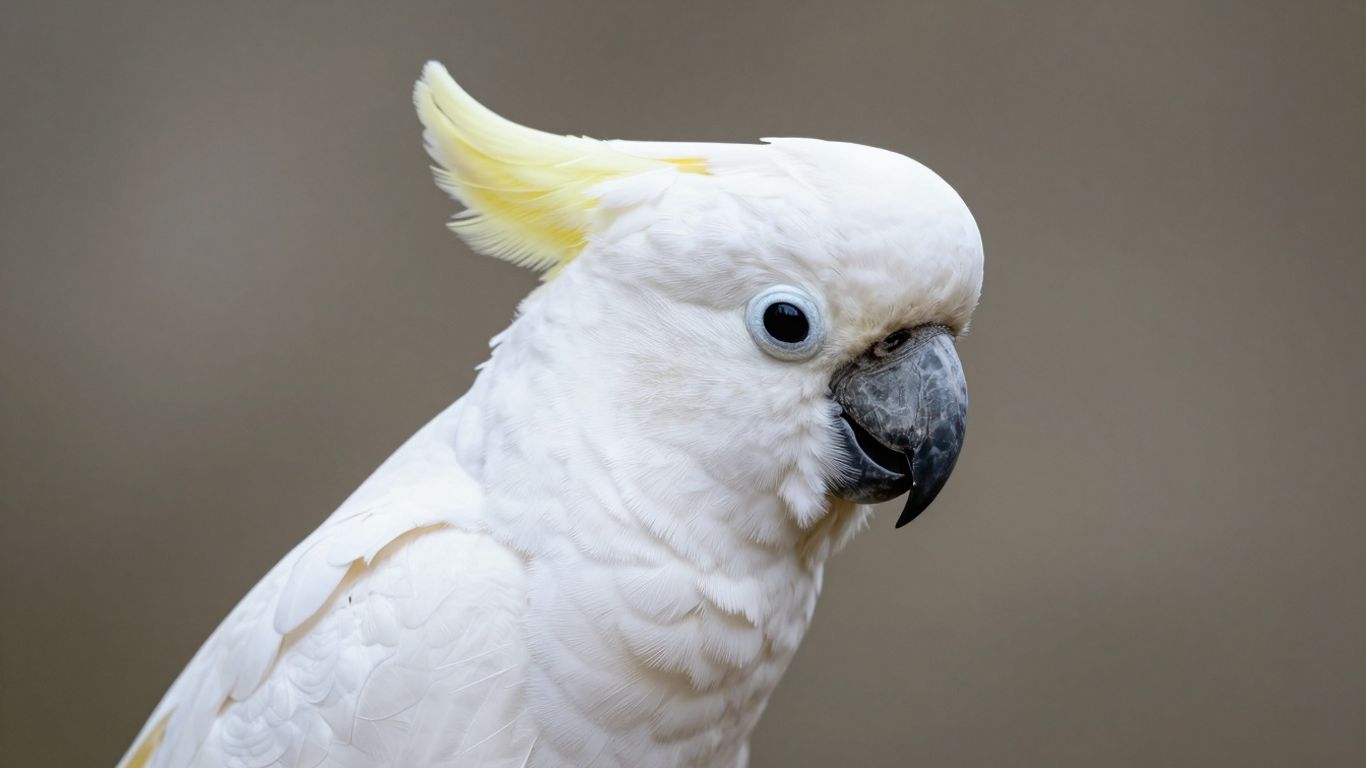
When you look at the world of cockatoos, the Caparrotua (or Ducorp’s) stands out, but not always for the reasons you might expect. It’s not the biggest, nor the loudest, but it has its own charm. Think of it as the middle child of the cockatoo family. It’s smaller than the big guys like the Moluccan or the Greater Sulphur-crested, but definitely larger than the Goffin’s. This size difference matters when you’re thinking about cage space and handling. Unlike some of the more common white cockatoos, the Caparrotua has a distinctive pale bill and a lovely blue eye-ring, which really makes it pop.
Rarity and Exotic Appeal
These birds aren’t exactly everywhere. They’re mostly found in the Solomon Islands, which gives them a bit of an exotic flair. While you might see Moluccan or Umbrella cockatoos more often in homes, the Caparrotua is a bit harder to come by. This rarity can be appealing to people looking for something a little different.
The Caparrotua’s native range means it has specific environmental needs that are important to consider for its well-being outside of its natural habitat.
Suitability for Experienced Keepers
So, who is this bird for? While they are intelligent and can be quite social, they aren’t exactly beginner birds. They need a good amount of attention and mental stimulation. If you’ve had parrots before, especially other cockatoos, you’ll probably have a better handle on their needs. They can be quite active, so having a roomy cage and plenty of toys is a must.
Here’s a quick look at how they stack up:
| Feature | Caparrotua (Ducorp’s) | Moluccan Cockatoo | Goffin’s Cockatoo |
|---|---|---|---|
| Size | Medium | Large | Small |
| Crest Color | White | Salmon | White |
| Native Range | Solomon Islands | Indonesia | Indonesia |
| Rarity in Aviculture | Moderate | Common | Common |
| Temperament | Playful, Social | Affectionate, Loud | Lively, Curious |
If you’re looking for a unique companion and have some experience with birds, the Caparrotua might be a good fit. They’re not as common as some of the other Moluccan or Salmon-Crested Cockatoos, but they certainly have a lot to offer.
Long-Term Commitment to a Caparrotua Cockatoo
Bringing a Caparrotua Cockatoo into your life is a big decision, and honestly, it’s not something to jump into lightly. These birds can live for a really long time, sometimes 40 to 70 years, which means they’re looking at being part of your family for a huge chunk of your life. It’s like adopting a child, but one that might outlive you! So, before you even think about it, you’ve got to be ready for that kind of commitment.
Lifelong Companionship Potential
These aren’t just pets; they’re companions. Caparrotuas form incredibly strong bonds with their people. They thrive on interaction and can become quite attached. This deep connection means they need consistent attention and affection every single day. If you’re someone who travels a lot or is rarely home, this might not be the best fit. They can get lonely, and a lonely cockatoo can develop behavioral issues. Think of them as a feathered shadow, always wanting to be where you are.
Ongoing Veterinary Care
Just like any living creature, your Caparrotua will need regular vet visits. Finding a vet who specializes in avian care is super important. These check-ups aren’t just for when they’re sick; they’re for preventative care, making sure everything is on track. Things like beak trims, nail care, and general health assessments are part of the routine. It’s also wise to have a bit of an emergency fund set aside, because unexpected vet bills can pop up.
Here’s a quick look at what ongoing care might involve:
- Annual Wellness Exams: A yearly check-up to catch any potential problems early.
- Dietary Adjustments: As they age, their nutritional needs might change.
- Behavioral Consultations: If issues arise, a specialist can help.
- Grooming: Regular nail and beak checks, and sometimes wing trims.
Enrichment for a Long Life
To keep your Caparrotua happy and healthy for all those years, you need to keep their minds busy. Boredom is the enemy of a well-adjusted parrot. This means providing a variety of toys that they can chew, shred, and manipulate. Rotating these toys keeps things interesting. Think about puzzle toys, foraging toys, and even just sturdy branches for them to gnaw on. A large, secure cage is a must, giving them space to move around and stretch their wings. It’s also a good idea to let them out for supervised time outside the cage daily, allowing them to interact with you and their environment. This kind of stimulation is what helps prevent destructive behaviors and keeps them mentally sharp throughout their very long lives. If you’re looking for a bird that can truly be a part of your life for decades, consider looking into hand-reared cockatoos that are known for their social nature.
Wrapping Up Your Caparrotua Journey
So, that’s the lowdown on the Caparrotua cockatoo. These birds are pretty amazing, right? They need a lot of attention and the right setup, but for the right person, they can be a really rewarding pet. Just remember, they live a long time, so it’s a big commitment. If you’re thinking about bringing one home, make sure you’ve done your homework and are ready for the responsibility. It’s not just about having a pretty bird; it’s about giving a smart, social creature a good life. Good luck with your feathered friend adventures!
Frequently Asked Questions
What makes the Caparrotua Cockatoo special compared to other cockatoos?
The Caparrotua Cockatoo, often known as the Solomons Cockatoo, has a unique look with its sail-like crest and blue eye ring. While many cockatoos are white, this one stands out with its specific features and its home in the Solomon Islands. It’s a bit smaller than some of the bigger cockatoos but still has that smart and social personality that makes cockatoos so loved.
How long do Caparrotua Cockatoos typically live?
These birds can be very long-lived companions. With the right care, including a good diet, a stimulating environment, and regular vet visits, a Caparrotua Cockatoo can live for many years, often between 40 and 70 years. This means they can truly be a part of your family for a lifetime.
What kind of food should I give my Caparrotua Cockatoo?
A healthy diet for a Caparrotua Cockatoo is a mix of things. High-quality bird pellets should be the main part of their meals. You should also give them plenty of fresh fruits and vegetables. Sometimes, you can offer them nuts as a treat, but not too often. It’s important to provide a balanced diet to keep them healthy and happy.
Are Caparrotua Cockatoos good at talking?
Many parrots, including cockatoos, have the ability to learn words and phrases. Caparrotua Cockatoos are known to be intelligent and can learn to talk with patient training. However, not all birds will become great talkers, and some might be quieter than others. They also have sweet voices, but teaching them takes time and effort.
What kind of living space does a Caparrotua Cockatoo need?
Caparrotua Cockatoos need plenty of room to move around. A large and secure cage is essential, giving them space to climb and stretch their wings. It’s also important to fill their cage with lots of different toys and things to keep their minds busy. This helps prevent boredom and keeps them entertained.
Is it hard to take care of a Caparrotua Cockatoo?
Caring for a Caparrotua Cockatoo is a big responsibility. They are very smart and social birds that need a lot of attention and interaction from their owners. They require a good diet, a safe and engaging environment, and regular check-ups with a vet. Because they can live for so long, it’s a commitment that lasts for many, many years.

Solomon Island Eclectus Parrots: A Comprehensive Guide to Their Care and Personality – TROY Kelso Farms
January 1, 2026[…] and their natural environment is a big part of what makes them unique. Understanding their native Solomon Islands environment can give you a better appreciation for their needs as […]