Everything You Need to Know About the Blue Headed Pionus Parrot
So, you’re thinking about getting a Blue Headed Pionus parrot? That’s cool. These birds are really something else, with their bright colors and generally chill vibes. But like any pet, they need specific care and attention. We’ll break down what makes the Blue Headed Pionus tick, from what they eat to how they act, so you can figure out if one of these feathered buddies is the right fit for your home. It’s not just about the pretty feathers, you know?
Key Takeaways
- The Blue Headed Pionus parrot is known for its striking green body and vibrant blue head, with distinctive red markings on its tail and beak.
- These parrots come from the tropical regions of Central and South America and generally live for up to 40 years in captivity.
- A balanced diet for a Blue Headed Pionus includes high-quality pellets, fresh fruits and vegetables, and occasional seeds, while avoiding toxic foods like avocados.
- They require daily supervised playtime outside their cage, about 3-4 hours, in a bird-proofed area to stay active and healthy.
- Blue Headed Pionus parrots are considered relatively quiet compared to other parrot species, with a reputation for being gentle, independent, and affectionate companions.
Understanding The Blue Headed Pionus
Physical Characteristics
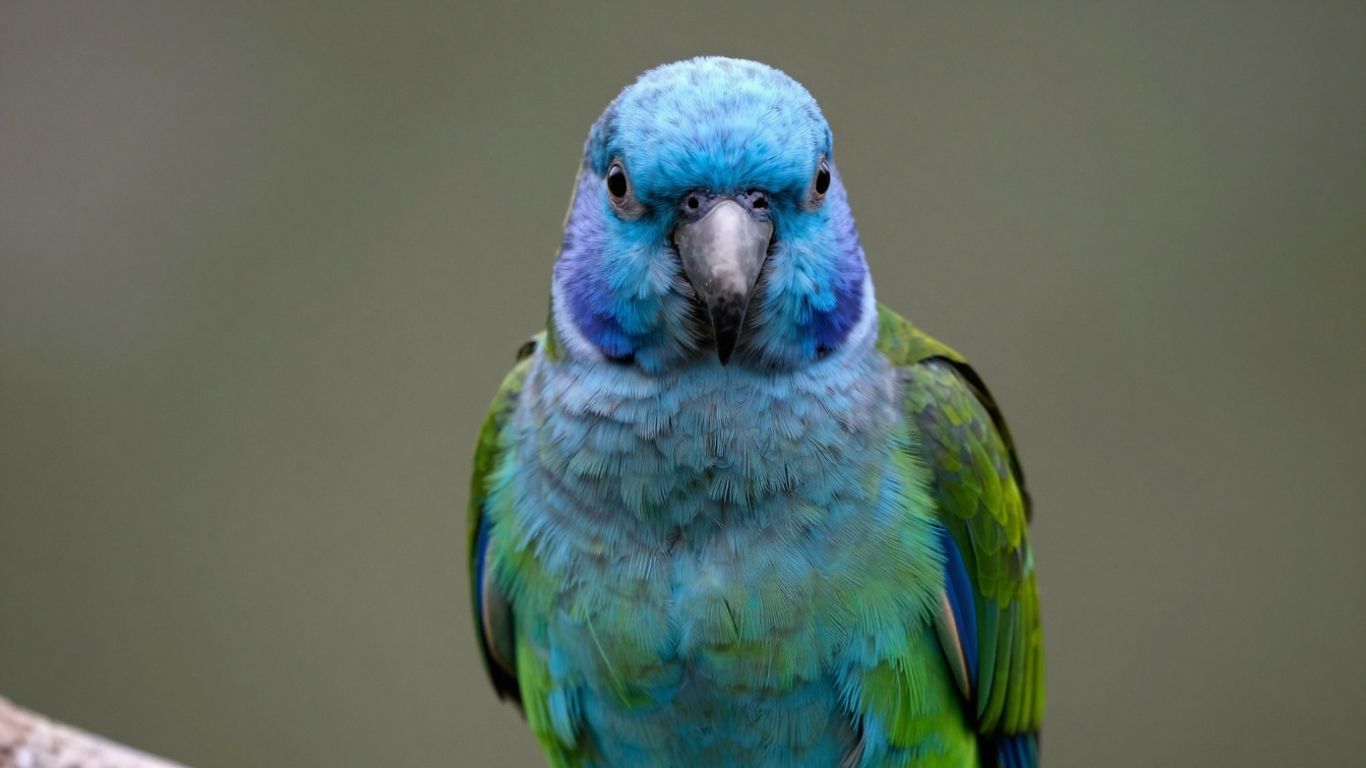
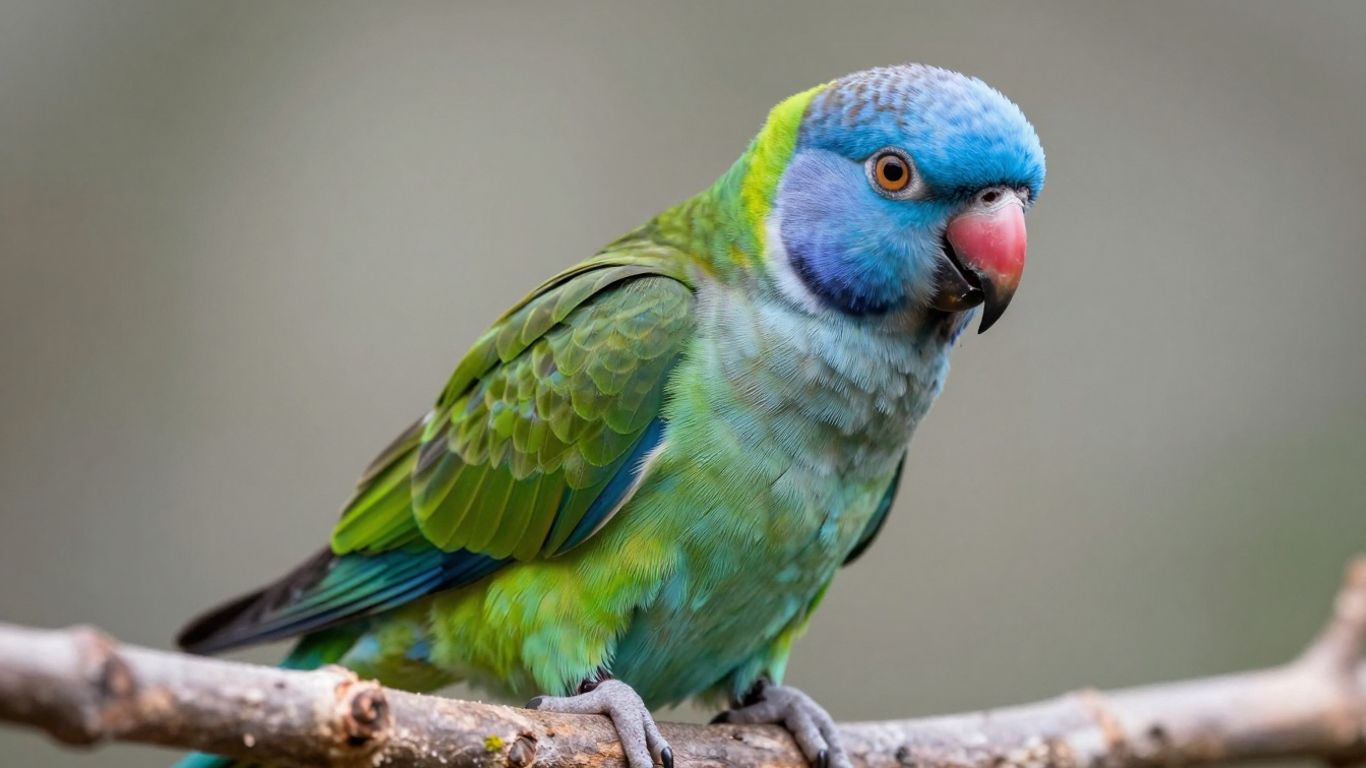
The Blue Headed Pionus, scientifically known as Pionus menstruus, gets its name from the striking blue plumage that covers its head and extends down to its chest. The rest of its body is primarily a vibrant green, often with bronze tinges on the upper wings. A distinctive feature shared by all Pionus parrots is the red coloration on the underside of their tail feathers. You might also notice some dusty-looking circles around their eyes, and a unique red patch on the upper part of their beak. They’re not the biggest parrots out there, but they have a sturdy build.
Origin and Habitat
These beautiful birds originally hail from the tropical regions of Central and South America, including countries like Costa Rica. They tend to hang out in humid forests and make their homes in tree hollows. Because they’ve been kept as pets for a long time, you can now find them in homes all over the world, far from their native jungles.
Size and Lifespan
Blue Headed Pionus parrots are considered medium-sized birds. When fully grown, they typically measure around 11 to 12 inches from the tip of their beak to the end of their tail. They’re also quite stocky, usually weighing between 8 to 9 ounces. Now, here’s something to think about: these birds can live a really long time. With good care, a Blue Headed Pionus can easily live for 40 years, and some have even been known to stick around even longer. That’s a serious commitment, so make sure you’re ready for the long haul before bringing one home.
Caring For Your Blue Headed Pionus
Taking care of a Blue Headed Pionus involves a few key areas to make sure they live a happy and healthy life. It’s not super complicated, but you do need to pay attention to the details.
Dietary Needs
When it comes to feeding your Blue Headed Pionus, the main thing is a balanced diet. Think of it like this: a good base with some tasty extras. High-quality pellets should make up the bulk of their food, as they’re made to give birds most of what they need. You’ll want to add fresh fruits and veggies every single day. Just a heads-up, avocados are a big no-no for parrots – they’re toxic. Seeds can be given, but only as occasional treats, not as a main food source. These birds don’t do well with a lot of fat in their diet, so keep that in mind.
Here’s a quick rundown of what to offer:
- Base Diet: High-quality parrot pellets.
- Daily Additions: A variety of fresh, bird-safe fruits and vegetables (like apples, berries, leafy greens, carrots).
- Occasional Treats: Seeds (in moderation), bird bread, sprouts.
- Foods to Avoid: Avocado, chocolate, caffeine, alcohol, salty snacks, fatty foods.
Always consult with an avian veterinarian for specific dietary recommendations tailored to your individual bird’s needs. They can offer the best advice based on your Pionus’s health and age.
Exercise and Playtime
Blue Headed Pionus parrots are pretty active birds, and they really need time outside their cage to stretch their wings and explore. Aim for at least 3 to 4 hours of supervised playtime each day. This isn’t just about letting them fly around; it’s about mental stimulation too. Make sure the area they’re playing in is "bird-proofed" – meaning no electrical cords they can chew on, no open windows they could escape from, and no toxic plants.
- Out-of-Cage Time: Minimum of 3-4 hours daily, supervised.
- Environment: Bird-proofed play area, free from hazards.
- Enrichment: Provide a variety of toys for chewing, foraging, and mental engagement.
Creating A Safe Environment
Your home needs to be a safe haven for your feathered friend. This means being mindful of common household items that can be harmful. Things like scented candles, air fresheners, and even non-stick cookware (like Teflon) can release fumes that are dangerous, even deadly, to birds. It’s best to avoid these products altogether. Also, keep an eye on cleaning supplies and any plants you have in the house; some can be toxic if ingested.
- Air Quality: Avoid aerosols, strong perfumes, smoke, and scented candles.
- Kitchen Safety: Never use non-stick cookware (Teflon) when your bird is present, as fumes are toxic.
- Household Hazards: Keep cleaning products, pesticides, and toxic plants out of reach.
The Blue Headed Pionus As A Companion
These birds are really something special when it comes to companionship. They’ve got this neat balance of being affectionate and devoted, but they also have a bit of an independent streak. It means they’re not constantly demanding your attention, which can be a relief for busy folks. They enjoy interacting with their human families, playing games, and generally just being part of the household buzz. Many owners describe them as having easygoing, gentle personalities, and thankfully, they tend to be less prone to biting than some other parrot species, though it’s always a possibility if they feel threatened.
Temperament and Personality
The Blue Headed Pionus is often described as a laid-back and quiet parrot, especially when you compare them to other larger parrot species. They aren’t usually the type to be overly cuddly, but they definitely appreciate a good head scratch and gentle interaction. They’re smart birds, so they need mental stimulation to stay happy. Without it, they can get bored, and nobody wants a bored parrot, right?
- Independent: Happy to entertain themselves with toys and food.
- Affectionate: Enjoy interaction and bonding with their people.
- Gentle: Generally have a calm demeanor.
- Quiet: Compared to many other parrot species, they are known for being less noisy.
Interaction and Bonding
Building a strong bond with your Blue Headed Pionus takes time and consistent effort. They thrive on positive reinforcement and gentle handling. Spending quality time with them daily is key. This doesn’t always mean active play; sometimes just being in the same room while you go about your day is enough for them to feel connected. They really do enjoy being part of the family activities.
When you’re interacting with your bird, remember:
- Be patient: Building trust takes time.
- Be consistent: Regular interaction helps them feel secure.
- Be gentle: Avoid sudden movements or loud noises that might startle them.
- Offer choices: Let them decide when they want to interact or have quiet time.
While they might not be the most
Is A Blue Headed Pionus The Right Pet For You?
So, you’re thinking about bringing a Blue Headed Pionus into your life? That’s awesome! These birds are really something special, but like any pet, they aren’t a perfect fit for everyone. It’s super important to be honest with yourself about whether your lifestyle and your home can actually accommodate one of these feathered friends. They’re not just pretty faces, you know; they’re living beings with needs.
Assessing Your Lifestyle
Think about your daily routine. Are you home a lot, or are you out for long hours? Blue Headed Pionus parrots are social creatures and don’t do well if left alone for extended periods. They need interaction and mental stimulation to stay happy and healthy. If you’re constantly on the go, this might not be the best time to get a bird that thrives on companionship. Also, consider the noise factor. While generally quieter than some other parrot species, they still vocalize. If you live in a place with thin walls or have neighbors who are easily bothered, it’s something to seriously think about.
Commitment to Care
These birds can live a long time – we’re talking up to 40 years, sometimes even more! That’s a huge commitment, longer than many marriages! You’ve got to be prepared for the long haul. This means:
- Daily Interaction: Spending quality time with your bird, talking to them, and letting them out of their cage for supervised playtime (at least 3-4 hours daily is recommended).
- Proper Diet: Providing a balanced diet of high-quality pellets, fresh fruits, vegetables, and occasional seeds. No avocados, though – they’re toxic!
- Safe Environment: Bird-proofing your home, which includes avoiding scented products like candles and air fresheners, and being mindful of cookware like Teflon, as the fumes can be dangerous.
- Veterinary Care: Regular check-ups with an avian vet are a must.
Owning a parrot is more like having a feathered child than a pet you can just leave to its own devices. They require a significant amount of attention, mental engagement, and emotional connection to truly thrive. It’s a responsibility that shouldn’t be taken lightly.
Suitability for First-Time Owners
Blue Headed Pionus parrots are often considered a good option for first-time parrot owners, especially compared to some of the more demanding species. They’re known for being relatively gentle and less prone to excessive screaming. Their independent streak means they can entertain themselves for short periods, which is a plus. However, ‘less demanding’ doesn’t mean ‘no effort.’ You still need to be dedicated and willing to learn. If you’re looking for a pet that’s a bit more low-maintenance than, say, a Bronze-Winged Pionus, this species might be a good starting point, provided you do your homework and are ready for the commitment. Just remember, every bird is an individual, and patience is key when building a bond.
Distinguishing Features Of The Blue Headed Pionus
Plumage Details
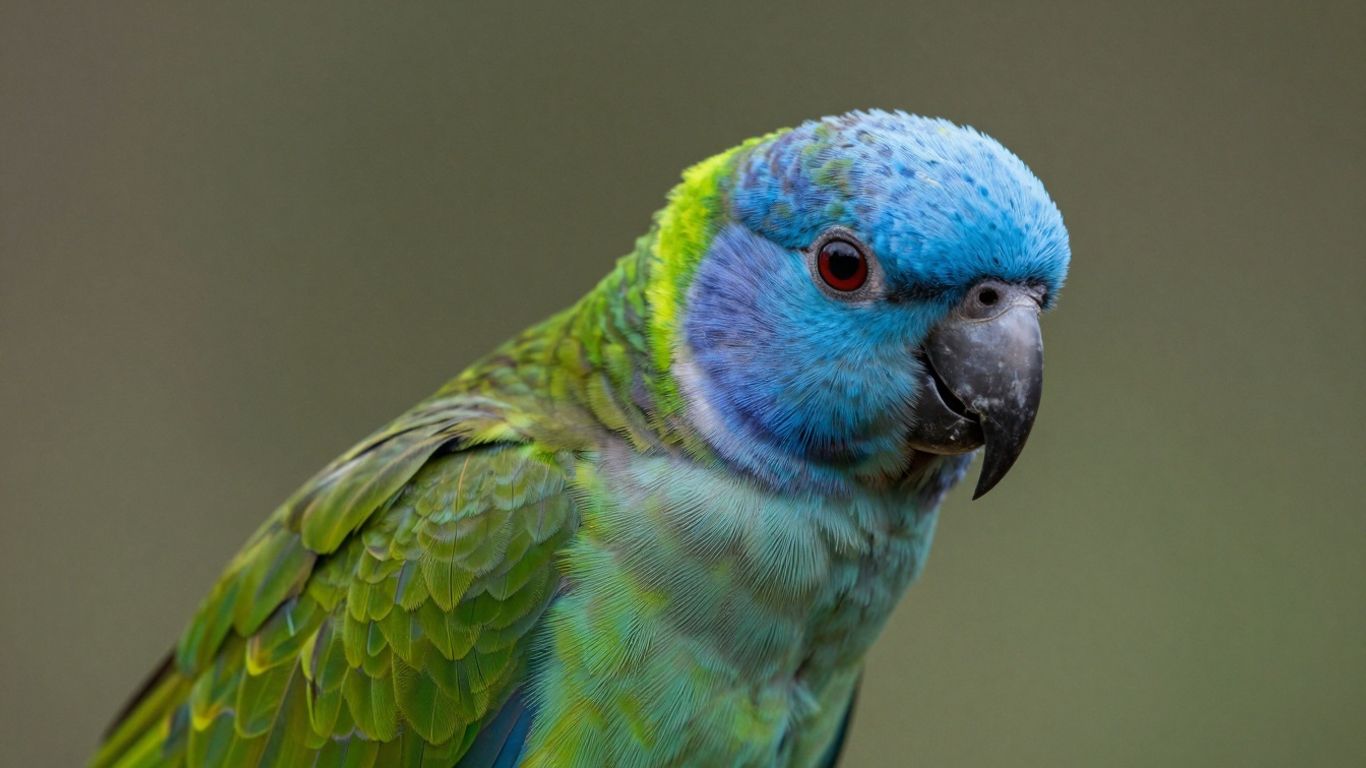
The most striking feature, and the one that gives this parrot its name, is the vibrant blue that covers its head. This brilliant blue extends down to the mid-chest area, creating a beautiful contrast with the otherwise predominantly green body. The wings often show a bronze sheen on their upper parts, adding another layer of color. Like all Pionus parrots, they have red feathers on the underside of their tails, a detail that’s easy to miss but adds to their unique look. The overall effect is a bird that’s both colorful and subtly elegant.
Unique Markings
Beyond the signature blue head, keep an eye out for some other specific markings. You’ll notice dusky, almost dusty-looking circles on their cheeks, which are quite distinctive. Another interesting detail is a small, but noticeable, red patch often found on the upper part of their beak. This little splash of red is a consistent trait among these birds. They also have grey eye rings, which frame their intelligent eyes.
Sexual Dimorphism
When it comes to telling the males and females apart, it’s not as simple as looking at their feathers. The Blue Headed Pionus doesn’t really show obvious physical differences between the sexes. This means that if you need to know for sure whether you have a boy or a girl, you’ll likely need to get a DNA test done. It’s one of those quirks that makes them a bit mysterious, isn’t it? This lack of obvious visual cues means you can’t just guess their gender based on looks alone.
So, Is a Blue-Headed Pionus Right for You?
Thinking about bringing a Blue-Headed Pionus into your home? They’re really beautiful birds, and many owners find them to be sweet companions. Just remember, like any pet, they need a good amount of your time and attention. They’re not the loudest parrots out there, which is a big plus for apartment living, but they still need plenty of space to play and explore outside their cage. Make sure you’re ready for that commitment, and that your home is safe for a curious bird. If you are, you might just find yourself with a wonderful feathered friend who brings a lot of joy.
Frequently Asked Questions
What do Blue Headed Pionus parrots eat?
These birds do best with a main diet of high-quality pellets made for parrots. You should also give them fresh fruits and vegetables every day. Seeds can be given as a treat sometimes. Avoid avocados, as they are poisonous to parrots. It’s always a good idea to talk to your vet for specific advice on feeding your bird.
How much attention do Blue Headed Pionus parrots need?
Blue Headed Pionus parrots are smart and enjoy interacting with their owners. While they can entertain themselves for a bit, they really thrive on attention. They need several hours outside their cage each day for supervised playtime in a bird-safe area. They enjoy playing games and getting head scratches.
Are Blue Headed Pionus parrots noisy?
Compared to many other types of parrots, Blue Headed Pionus parrots are known for being quieter. They might make some sounds, but they aren’t usually as loud as larger parrots like Amazons or Macaws. This makes them a good choice for people living in apartments or condos.
How long do Blue Headed Pionus parrots live?
With good care, a Blue Headed Pionus parrot can live for a long time, often up to 40 years, and sometimes even longer. Because of their long lifespan, it’s important to be sure you’re ready for a long-term commitment before bringing one home.
Can you tell if a Blue Headed Pionus is male or female just by looking?
No, you can’t tell the difference between a male and female Blue Headed Pionus just by looking at them. They look the same, so you’ll need to get a DNA test to know for sure if your bird is a boy or a girl.
What makes a Blue Headed Pionus parrot unique?
These parrots are named for their striking blue heads. Their bodies are mostly bright green, often with a bronze shine on their wings. They also have distinctive dark circles on their cheeks and red feathers under their tails. A small red patch on their upper beak is another unique feature.