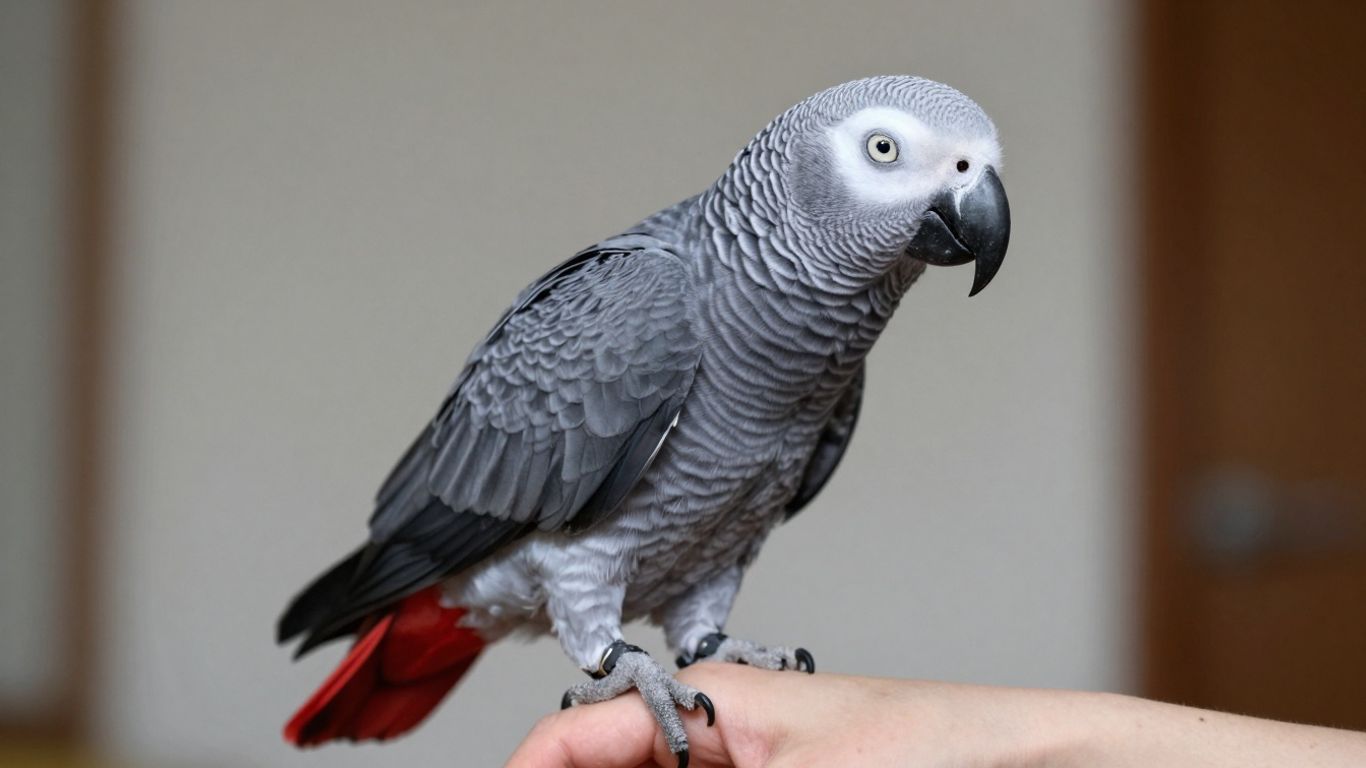
Where to Buy Congo African Grey Parrots Online Safely and Responsibly
So, you’re thinking about getting a Congo African Grey parrot? They’re super smart birds, really engaging, and can be amazing companions. But, like any pet, especially one with such a long life span and complex needs, you want to make sure you get one the right way. It’s not just about finding one; it’s about finding a healthy bird from a good source. This guide will help you figure out where to buy a Congo African grey parrot online safely and responsibly, covering everything from checking out breeders to making sure your home is ready.
Key Takeaways
- When you want to buy Congo African grey parrot online, look for established online parrot shops that connect you with breeders, rather than just general marketplaces.
- Always try to find reputable breeders or aviaries. They should be open about their birds’ health, allow visits, and provide health records.
- Check the bird’s health carefully. Look for clear eyes, smooth feathers, and alert behavior. Ask about diet and socialization.
- Be aware of laws protecting wildlife. It’s best to buy captive-bred birds. Avoid sellers who can’t prove their birds are captive-bred.
- Adoption from a rescue organization is a great option. Rescued birds often need homes and can make wonderful pets, though they might require extra patience.
Where To Buy Congo African Grey Parrots Online
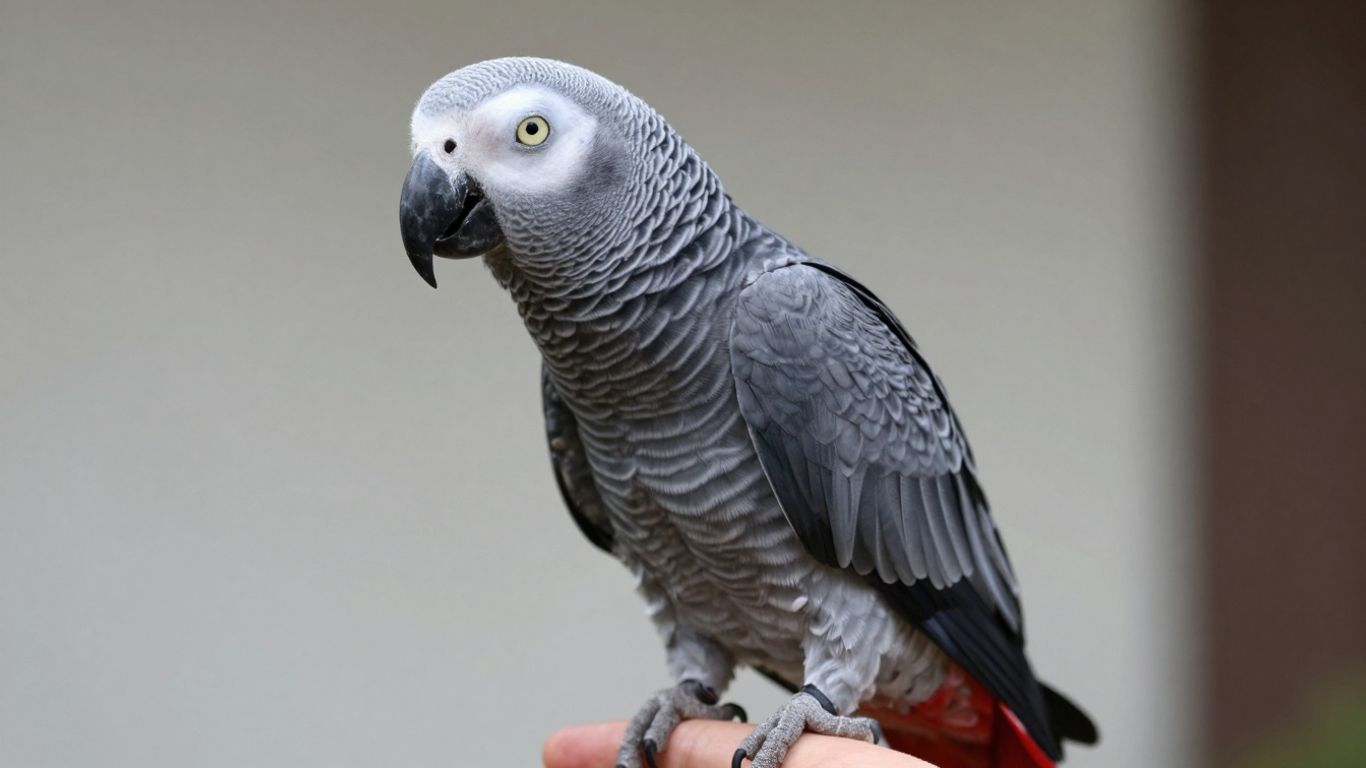
So, you’ve decided a Congo African Grey parrot is the bird for you. That’s awesome! These birds are super smart and can be really engaging companions. But where do you actually find one online, and how do you do it without getting ripped off or, worse, supporting bad practices? It can feel like a bit of a minefield out there, honestly.
Exploring Online Parrot Shops
Online shops have made it way easier to see what’s available. You can browse different birds, compare prices, and sometimes even read reviews from other buyers. It’s a good starting point for seeing what’s out there. Some sites are pretty straightforward, listing birds with details about their age and temperament. You might even find places that connect you directly with breeders. Just remember, convenience doesn’t always mean safety, so keep your guard up.
Understanding Online Marketplaces
Beyond dedicated shops, there are broader online marketplaces where individuals or smaller breeders might list parrots. These can sometimes offer more variety or unique opportunities. However, this is also where you need to be extra careful. It’s harder to vet sellers on these platforms, and the risk of encountering someone less than reputable is higher. Always do your homework on the seller before even thinking about a purchase.
Risks of Unverified Online Sellers
This is the part that really worries me. Unverified sellers can be a huge problem. They might not have the bird’s best interests at heart, and you could end up with a sick bird or one that hasn’t been properly cared for. Sometimes, these sellers are just looking to make a quick buck and don’t understand the commitment these amazing creatures need. It’s vital to look for sellers who provide clear health records and are transparent about their breeding practices.
When you’re looking online, think about it like this: you wouldn’t buy a used car without checking it out thoroughly, right? A parrot is a living being with complex needs, and you need to be just as, if not more, diligent. Ask for photos and videos, and if possible, see if you can arrange a visit or at least a video call to see the bird and its environment.
Here are some things to watch out for with online sellers:
- Vague or missing health information: A good seller will have vet records and be happy to share them.
- Unwillingness to answer questions: If they dodge your questions about diet, socialization, or health, that’s a big red flag.
- Pressure to buy quickly: Scammers often try to rush you into a decision.
- Unrealistic prices: While some deals are good, prices that seem too low to be true usually are.
Finding a healthy bird online requires patience and a sharp eye. You might find a great deal on a bird, like the Congo African Grey at Brenda Billy’s Aviary, but always remember to verify the seller’s legitimacy and the bird’s well-being before committing.
Finding Reputable Breeders And Aviaries
So, you’ve decided a Congo African Grey is the bird for you. That’s fantastic! Now comes the important part: finding a good breeder or aviary. This isn’t like picking up a goldfish; these are intelligent, long-lived creatures, and where you get yours from really matters. The goal is to find someone who genuinely cares about the well-being of their birds, not just making a sale.
Characteristics Of Responsible Breeders
A good breeder is more than just someone with a few parrots. They’re usually deeply knowledgeable and passionate about the species they raise. You’ll notice a few key things:
- Cleanliness is paramount: Their facilities should be spotless. This means clean cages, fresh food and water, and a general lack of strong, unpleasant odors. A clean environment is a huge indicator of good health practices.
- Bird health is obvious: The birds themselves should look alert, active, and well-preened. You shouldn’t see any signs of discharge from eyes or nostrils, nor should they be constantly fluffed up and lethargic.
- They ask you questions: A responsible breeder wants to make sure their bird is going to a good home. They’ll ask about your experience, your living situation, and your plans for the bird. This shows they care about the bird’s future.
- They welcome visits: You should be able to visit the aviary, or at least see where the birds are raised. If they’re hesitant or make excuses, that’s a big red flag.
Questions To Ask Potential Breeders
Don’t be shy about asking questions. A good breeder will be happy to answer them. Here are some things you should definitely inquire about:
- Age and history: How old is the parrot? Do you know anything about its parents or its upbringing?
- Socialization: Has the bird been hand-raised? How much interaction has it had with people?
- Diet: What has the bird been eating? A sudden diet change can cause health problems.
- Health records: Can you see any veterinary records or proof of health screenings?
- Breeding practices: Are the birds captive-bred? Do they have proper permits?
The Importance Of Health Records
Health records are non-negotiable. A reputable breeder will keep detailed records for their birds. This should include:
- Veterinary check-ups: Records of regular visits to an avian vet.
- Vaccinations and treatments: Any medications or vaccinations the bird has received.
- Genetic information: If possible, information about the parents’ health and lineage can be helpful.
Getting a parrot is a big commitment, and you want to start off on the right foot. A breeder who provides thorough health documentation is showing you they’re serious about the health of their birds and are transparent about their practices. It’s a sign of professionalism and care.
It’s also a good idea to ask if they offer a health guarantee, typically for about a week or two after purchase. This gives you time to get your new bird to your own vet for a check-up. If any issues arise that were present at the time of sale, a good breeder will stand by their bird. You can often find reputable breeders through avian organizations or by asking experienced parrot owners for recommendations. For instance, looking into breeders who specialize in Alexandrine parakeets can give you an idea of the standards to expect from any dedicated breeder Alexandrine parakeets.
Remember, finding the right breeder might take a little more time and effort, but it’s absolutely worth it for the health and happiness of your future feathered friend.
Assessing The Health Of Your Parrot
So, you’ve found a potential African Grey, maybe online or through a breeder. That’s exciting! But before you get too attached, it’s super important to check if the bird is actually healthy. It’s not always obvious, and sometimes sellers might not be totally upfront, or they might just not know. A sick bird can mean a lot of heartache and vet bills down the road, so taking a little time to look closely is totally worth it.
Key Indicators Of A Healthy Bird
When you’re looking at a parrot, you want to see a bird that’s bright and alert. Think about how you feel when you’re sick – usually not very energetic, right? It’s the same for birds. A healthy parrot will have clear, open eyes, no gunk or discharge around them. Their feathers should look smooth and sleek, not all ruffled up or patchy. You want to see them moving around, maybe preening themselves, and generally looking engaged with their surroundings. Their breathing should be quiet and easy, no weird clicking or wheezing sounds. And, if you can check, their droppings should look normal – not too watery or oddly colored. A bird that’s active, has clear eyes, and smooth feathers is usually a good sign.
Recognizing Red Flags And Warning Signs
Now, what should make you pause? If the bird seems really sluggish, just sitting there fluffed up for a long time, that’s not great. Discharge from the eyes or nostrils is a definite no-go. Any weird noises when it breathes? Big red flag. If its droppings look off – like really runny, or a strange color, or smell bad – that’s another warning. Also, look at the beak and feet. The beak should be smooth, not overgrown or cracked, and the feet should look clean. If a seller seems hesitant to let you get a good look or answer questions about the bird’s history, that’s also a bit suspicious. It’s always a good idea to ask about the bird’s diet and if it’s been to a vet. You can find some general advice on parrot health at PetMD’s African Grey Parrot resource.
The Role Of Veterinary Examinations
Honestly, the best way to know for sure if a bird is healthy is to have an avian veterinarian check it out. If you’re buying from a breeder or a shop, ask if you can get a vet exam before you finalize the purchase. Some sellers might even offer a health guarantee for a week or two, which is a good sign they stand by their birds. A vet can do tests for common parrot illnesses that you wouldn’t be able to spot just by looking. This is especially important for older birds or if you’re getting the parrot from a less-than-ideal situation. It’s an extra step, but it can save you a lot of trouble later on. Think of it like getting a pre-purchase inspection for a car – you want to know what you’re getting into.
Ethical And Legal Considerations
When you’re looking to bring a Congo African Grey into your home, it’s not just about finding the prettiest bird. There are some pretty important rules and ethical points to think about. It’s like getting a new pet, but with a bit more paperwork and a bigger responsibility.
Understanding Wildlife Protection Laws
First off, you need to know about laws that protect wild birds. In the U.S., the Wild Bird Conservation Act is a big one. It basically puts the brakes on importing most wild-caught parrots. This is to help protect species that are struggling in the wild. There’s also an international agreement called CITES that keeps an eye on trade across borders. So, if someone’s selling a parrot, especially a rare one, they should be able to show you it’s legally sourced. It’s your job to make sure you’re not accidentally breaking any laws. Some states even have their own rules about owning certain types of parrots, so it’s always a good idea to check with your local authorities. You don’t want to get a beautiful bird only to find out you can’t legally keep it.
The Impact Of Wild-Caught Versus Captive-Bred
This is a really big deal ethically. Wild-caught parrots often have a rough time. They get captured, which is stressful, and then they’re transported, often in poor conditions. A lot of them don’t even make it. Plus, taking birds from the wild can really hurt wild populations. That’s why buying captive-bred birds is so much better. Breeders who raise parrots themselves can tell you about the bird’s parents, its health history, and how it was raised. It’s a more sustainable way to get a pet parrot and helps keep wild parrots where they belong – in their natural habitats. You can often find information on ethical breeders through organizations like the American Federation of Aviculture.
Ensuring Legal Compliance For Ownership
So, how do you make sure you’re on the right side of the law? It starts with the seller. Ask for proof that the bird was captive-bred. If you’re looking at a bird that might be rare, ask about permits or any special documentation. A good breeder will be happy to show you this information. It’s also smart to ask about the bird’s health records. A vet check before you buy is a really good idea, especially if you’re buying from someone you don’t know well. This helps you avoid problems down the road and confirms the bird is healthy and legally obtained. If you’re thinking about buying fertile eggs, make sure the seller is transparent about their breeding pairs and provides proof of fertility purchasing fertile macaw eggs.
Here’s a quick rundown of what to look for:
- Documentation: Ask for proof of captive breeding and any relevant permits.
- Health Records: Request veterinary records and consider a pre-purchase vet exam.
- Seller Transparency: A reputable seller will be open about their breeding practices and the bird’s history.
- Legal Checks: Verify state and local regulations regarding parrot ownership.
Owning a parrot is a long-term commitment that comes with responsibilities. Understanding the laws and choosing ethical sources protects both you and the birds. It’s about making a responsible choice for a companion that can live for many decades.
Adoption As A Rewarding Alternative
Thinking about bringing an African Grey into your life is a big step, and honestly, sometimes the most fulfilling paths aren’t the ones where you buy a brand new bird. Adoption is a really wonderful option that many people overlook. It’s a chance to give a home to a bird that, for whatever reason, needs one. These birds often come with a history, and while that might sound daunting, it can also mean they’re already past the super demanding baby stage.
Benefits Of Adopting An African Grey
Adopting an African Grey parrot comes with a bunch of good points. For starters, you’re directly helping a bird in need. Many parrots end up in rescue situations because their previous owners couldn’t care for them anymore, maybe due to life changes or unexpected challenges. By adopting, you’re not only saving a life but also freeing up space and resources for other birds at the rescue. Plus, adoption fees are usually much lower than what you’d pay a breeder. It’s a win-win, really.
- Giving a second chance: You provide a loving home to a bird that might otherwise be overlooked.
- Cost-effective: Adoption fees are typically less than purchasing from a breeder.
- Supporting ethical practices: You help reduce the demand for newly bred birds, especially if the rescue focuses on birds from difficult situations.
- Potential for existing training: Some older rescue birds may already be partially trained or have established routines.
What To Expect From Rescued Birds
When you adopt, you’re getting a bird with a past. This isn’t necessarily a bad thing. Some rescued parrots are already socialized and might even have some vocabulary. However, it’s also possible they’ve picked up some less-than-ideal habits or have behavioral quirks stemming from their previous experiences. It’s important to be patient and understanding. They might be a bit shy or wary at first, and building trust can take time. Think of it like getting to know any new friend – it requires effort and consistency. You might need to work on retraining certain behaviors or helping them adjust to new routines. It’s a commitment, but seeing a bird blossom in a stable, loving environment is incredibly rewarding. You can find great resources on caring for a baby African Grey parrot which can offer insights into general parrot needs, even if your bird isn’t a baby.
Rescued birds often require a period of adjustment. Patience, consistency, and a calm environment are key to helping them feel secure and loved. Understanding their past, even if you don’t know all the details, can help you anticipate their needs and reactions.
Finding Local Sanctuaries And Rescue Organizations
Finding a rescue organization is easier than you might think. A good starting point is to search online for "African Grey parrot rescue" or "parrot adoption" along with your city or state. Many national organizations have local chapters or affiliated rescues. Websites dedicated to animal adoption can also be helpful. Don’t be afraid to reach out to avian veterinarians in your area; they often know of local rescues or individuals looking to rehome birds. When you connect with a rescue, be prepared to answer questions about your experience with birds and your home environment. They want to make sure it’s a good match for both you and the parrot. Visiting the rescue and spending time with the birds is usually part of the process, which is a great way to see who you connect with.
Preparing Your Home For A New Parrot
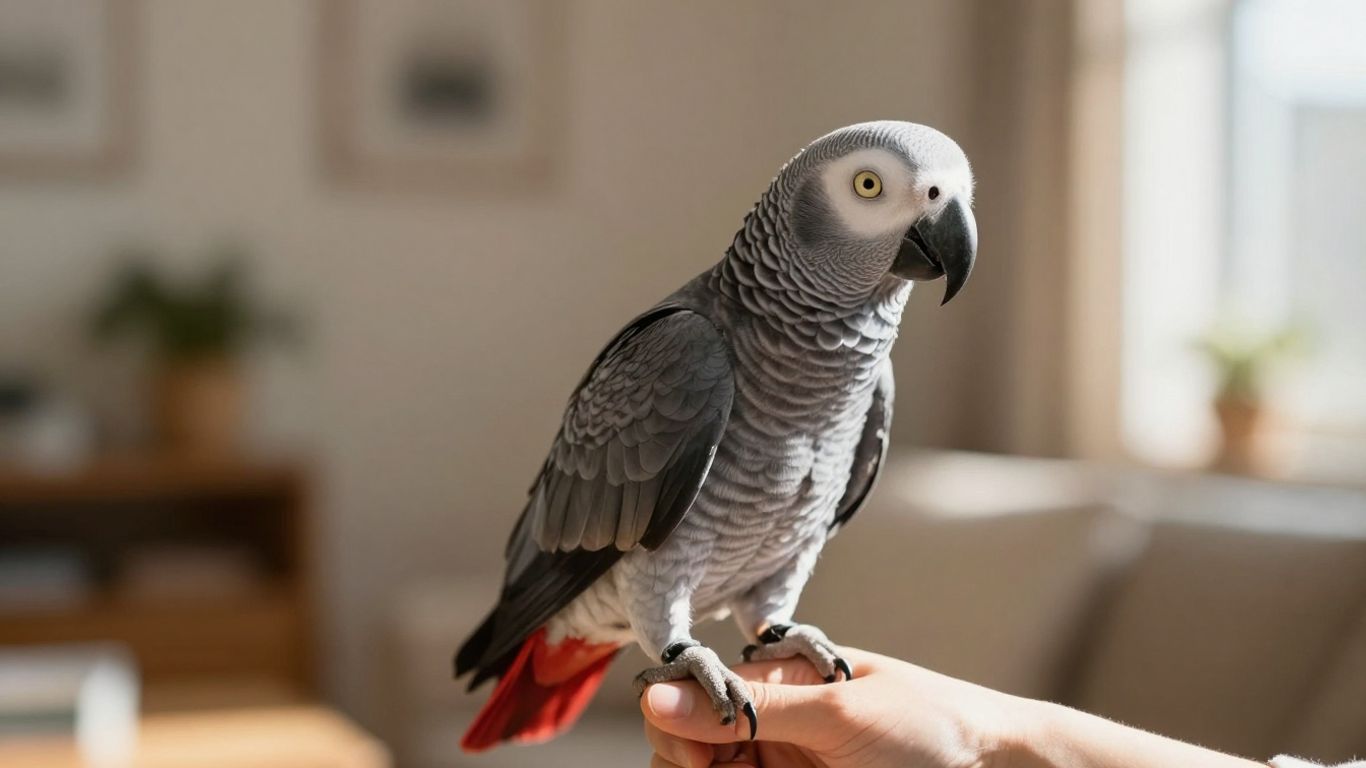
Bringing a Congo African Grey parrot into your home is a big deal, and honestly, it requires some serious prep work. It’s not just about having a cool bird; it’s about making sure your place is safe and stimulating for a creature that’s incredibly smart and social. You wouldn’t just plop a toddler into a house full of hazards, right? Same idea here.
Essential Housing And Cage Requirements
First things first: the cage. This isn’t just a place for your parrot to sleep; it’s their whole world for a good chunk of the day. African Greys are active and need space to move, climb, and play. A cage that’s too small is a recipe for boredom and behavioral issues. We’re talking about a cage that’s at least 36 inches wide, 24 inches deep, and 48 inches tall, but bigger is always better. Look for sturdy construction, preferably with a non-toxic finish. The bar spacing is also important; too wide and they could get their heads stuck, too narrow and they might not be able to climb properly. For an African Grey, aim for bar spacing around 3/4 inch to 1 inch.
Beyond the cage itself, you’ll need to outfit it. Think about:
- Perches: Offer a variety of textures and diameters to keep their feet healthy. Natural branches are great, but make sure they’re from safe, non-toxic trees.
- Food and Water Bowls: Stainless steel is usually the best bet – easy to clean and durable.
- Toys: This is super important for mental stimulation. We’ll get to that more in a bit.
- Substrate: Some people use newspaper, others opt for specialized cage liners. Whatever you choose, make sure it’s safe if ingested and easy to clean.
Remember, the cage needs to be placed in a social area of your home, not tucked away in a quiet corner. Parrots are flock animals, and they want to be part of the family action. Just keep it away from direct sunlight, drafts, and the kitchen, especially if you use non-stick cookware, as those fumes can be deadly.
Creating A Stimulating Environment
So, you’ve got the cage sorted. Now, how do you make it a place your parrot actually wants to be? It’s all about keeping their sharp minds busy. These birds are problem-solvers, and if they don’t have an outlet for their intelligence, they’ll find one – usually in ways you won’t appreciate, like feather plucking or excessive screaming.
- Toy Rotation: Don’t just stuff the cage full of toys and call it a day. Rotate them regularly to keep things interesting. What’s old and boring one week can be a brand-new adventure the next.
- Foraging Opportunities: Parrots in the wild spend a lot of time looking for food. You can mimic this by hiding treats or food within toys or puzzle feeders. This taps into their natural instincts and provides mental exercise.
- Interaction: This is huge. Your parrot needs daily, positive interaction with you. This means talking to them, playing games, and just generally being present. Think of it as quality time, not just a chore.
- Out-of-Cage Time: Most experts recommend at least 2-4 hours of supervised out-of-cage time daily. This allows them to explore, stretch their wings, and interact with you in a different setting. Make sure the room is bird-proofed first!
A parrot’s environment is more than just its cage; it’s the entire home and the social dynamics within it. Providing a rich, engaging space is key to their well-being and can prevent many common behavioral problems before they even start. Think of yourself as the curator of their personal enrichment program.
Dietary Needs For Optimal Health
What you feed your African Grey parrot has a massive impact on their health, energy levels, and even their behavior. Forget the old notion that parrots just eat seeds. While seeds can be part of the diet, they’re often high in fat and lack essential nutrients. A balanced diet is the goal.
- Pellets: High-quality, species-appropriate pellets should form the base of their diet, typically around 60-70%. Look for brands that don’t have a lot of artificial colors or added sugars. Parrot Essentials has some great advice on choosing the right food.
- Fresh Foods: Offer a wide variety of fresh fruits and vegetables daily. Think dark leafy greens, bell peppers, carrots, apples (no seeds!), berries, and melon. Introduce new foods gradually.
- Protein and Healthy Fats: Small amounts of cooked lean protein (like chicken or beans) and healthy fats (like a tiny bit of avocado or nuts) can be offered occasionally.
- Treats: Seeds, nuts, and other high-value treats should be given sparingly, mostly for training or bonding.
Always provide fresh, clean water daily. Some owners also like to offer filtered water or add a bit of apple cider vinegar to their water a couple of times a week to help with digestion and keep the water clean. It’s a good idea to consult with an avian veterinarian about the best diet for your specific bird, as individual needs can vary. They can also help you understand portion sizes and what to avoid.
Bringing Your African Grey Home Responsibly
So, you’ve done your homework and are ready to welcome an African grey parrot into your life. That’s fantastic! Remember, finding a healthy bird from a good source is just the start. These birds are super smart and need lots of attention, so be prepared to spend time with them every day. Whether you found your new friend through a breeder like BT Aviary or decided to adopt, the key is to give them a safe, engaging home. It’s a big commitment, these guys can live a long time, but the bond you’ll build is totally worth it. Enjoy the journey with your new feathered family member!
Frequently Asked Questions
Is it safe to buy an African Grey parrot online?
Buying an African Grey parrot online can be safe if you choose a seller who is well-known and has good reviews. Always look for breeders or shops that show proof of good health for their birds and allow you to see them or have video calls. Be very careful with online ads that seem too good to be true, as they might be scams or involve birds that aren’t healthy.
What should I look for in a healthy African Grey parrot?
A healthy African Grey parrot will be alert, active, and curious. Its feathers should look smooth and clean, and its eyes should be bright and clear, with no runny discharge. The bird should breathe easily without any strange noises. Also, watch for normal droppings, which are usually firm with a bit of white and green.
What are the signs that an African Grey parrot might be sick?
Watch out for signs like feathers being constantly fluffed up, looking sleepy or uninterested, having discharge from the eyes or nose, or breathing with difficulty. If the bird’s droppings look watery, have a bad smell, or are an unusual color, these are also warning signs that something might be wrong.
How much does an African Grey parrot typically cost?
The price of an African Grey parrot can vary a lot. Generally, you might expect to pay anywhere from $1,500 to $4,000 or even more. This cost depends on factors like the breeder’s reputation, the bird’s age, and whether it’s been hand-raised and socialized.
What are the main differences between Congo and Timneh African Greys?
Congo African Greys are usually bigger, have lighter grey feathers, and a bright red tail. Timneh African Greys are a bit smaller, have darker grey feathers, and a darker, often maroon-colored tail. Both are smart, but Congos are often considered slightly more sensitive.
Are there any laws I need to know about when buying an African Grey parrot?
Yes, there are laws to protect birds. In the U.S., the Wild Bird Conservation Act makes it hard to import wild birds, so most parrots sold legally are bred in captivity. Always check your local and state rules, as some places might have specific rules about owning certain types of parrots.

Discover Top Quality Gamefowl for Sale: Your Premier Source for Championship Bloodlines – TROY Kelso Farms
January 1, 2026[…] bird can be as important as its current physical condition, much like when you’re looking to buy a parrot online – knowing where it comes from matters. This diligence ensures you’re investing in a […]