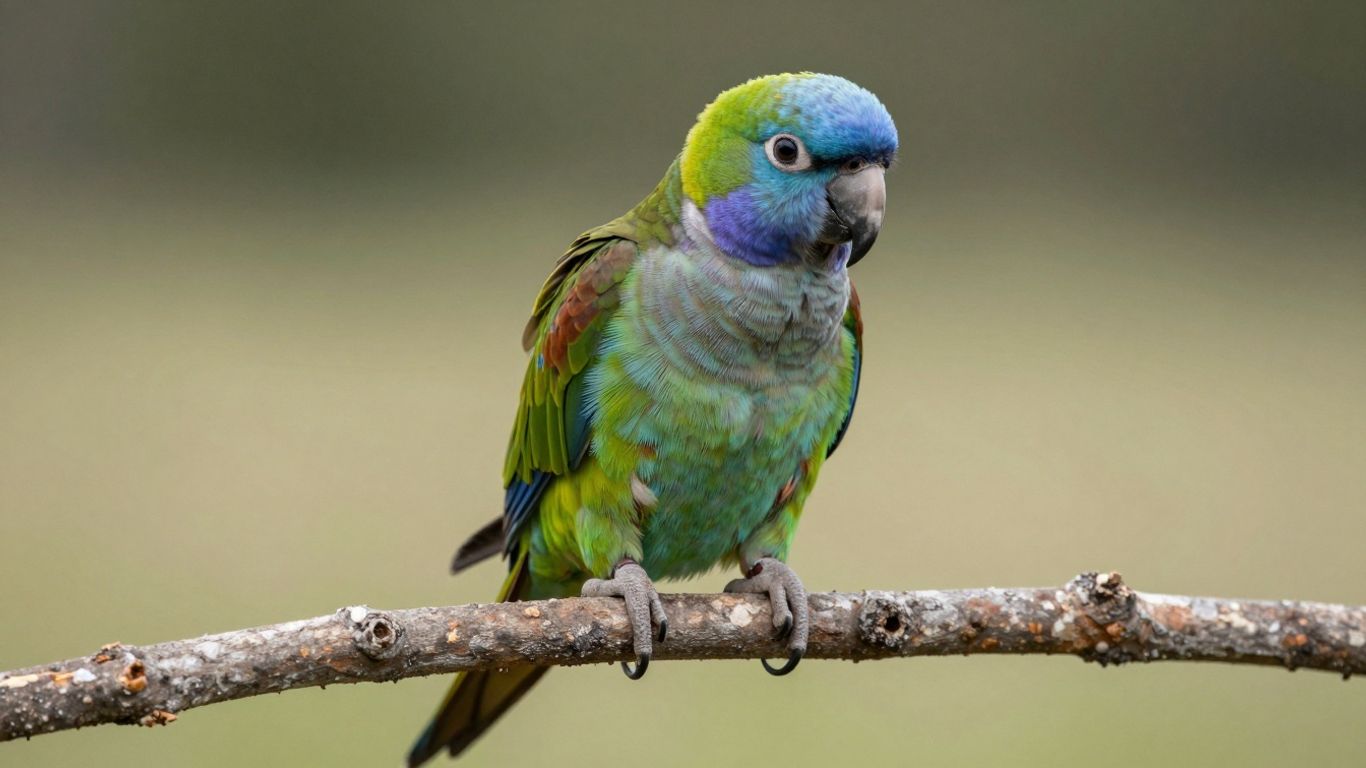
Bronze Winged Pionus: Understanding This Loyal Parrot Companion
Looking for a parrot that’s more chill than loud? The Bronze Winged Pionus might just be your bird. These parrots are known for being pretty laid-back and gentle, which is a nice change if you’ve ever dealt with some of the more boisterous parrot types. They’re not exactly the life of the party in a noisy way, but they offer a quiet, steady kind of companionship. Let’s dive into what makes the Bronze Winged Pionus such a unique and loyal friend.
Key Takeaways
- The Bronze Winged Pionus is known for its exceptionally gentle and calm personality, making it a quieter alternative to many other parrot species.
- These parrots are affectionate and bond deeply with their owners but also maintain an independent streak, content to be near you without constant attention.
- Physically, they are robust birds with predominantly blue plumage, distinguished by striking bronze patches on their wings.
- They are remarkably quiet for parrots, with vocalizations limited to soft chirps and a unique ‘wheeze’ when excited, making them suitable for apartments.
- Bronze Winged Pionus have moderate intelligence, are trainable with patience, and require regular exercise and socialization to thrive as companions.
Understanding The Bronze Winged Pionus Temperament
Bronze-Winged Pionus parrots are known for having one of the most pleasant and steady personalities in the parrot world. They’re generally calm, gentle, and not overly demanding, which makes them a great choice if you’re looking for a quieter bird companion. Their demeanor is often described as dignified and peaceful, a nice change from some of the more boisterous parrot species out there.
A Gentle And Calm Disposition
These birds really shine when it comes to their calm nature. They aren’t typically prone to sudden outbursts or excessive noise. This makes them quite suitable for apartment living or for households that prefer a more tranquil atmosphere. While they can be cautious, especially if not well-socialized, they tend to avoid confrontation rather than engage in it. Their calm disposition means they’re less likely to be destructive and are generally easier to manage during their out-of-cage time.
Affectionate Yet Independent Nature
Bronze-Winged Pionus can form deep bonds with their people, especially if they’re hand-raised and get plenty of positive interaction. They show affection in quiet ways, like sitting nearby, lowering their heads for a gentle scratch, or making soft chirping sounds. What’s nice is that they don’t usually demand constant attention. They’re happy just to be in the same room, observing what’s going on, and enjoying your presence without being overly clingy. This independent streak means they can entertain themselves for periods, which is a big plus for busy owners. They are known for their affectionate nature, enjoying interaction with their human families. They are also independent and can keep themselves entertained with various bird toys.
Sociability With Family And Strangers
When socialized properly from a young age, these parrots can get along well with different family members. They might have a favorite person, but they’re usually accepting of others. When introduced to new people, they might be a bit reserved at first, observing quietly rather than immediately being overly friendly. They don’t typically show aggression towards strangers; instead, their natural caution usually fades with gentle, positive introductions. This makes them adaptable to various household dynamics, provided everyone interacts with them respectfully.
Their moderate intelligence and calm demeanor make them receptive to patient training. Focusing on positive reinforcement, like gentle praise and small treats for good behavior, works best. Starting with basic commands such as "step up" is key for safe handling and building trust.
Here’s a quick look at what to expect:
- Calm Demeanor: Generally quiet and peaceful.
- Affectionate: Bonds deeply but isn’t overly demanding.
- Social: Can adapt to family and new people with proper introductions.
- Independent: Content to entertain themselves for periods.
Physical Characteristics Of The Bronze Winged Pionus
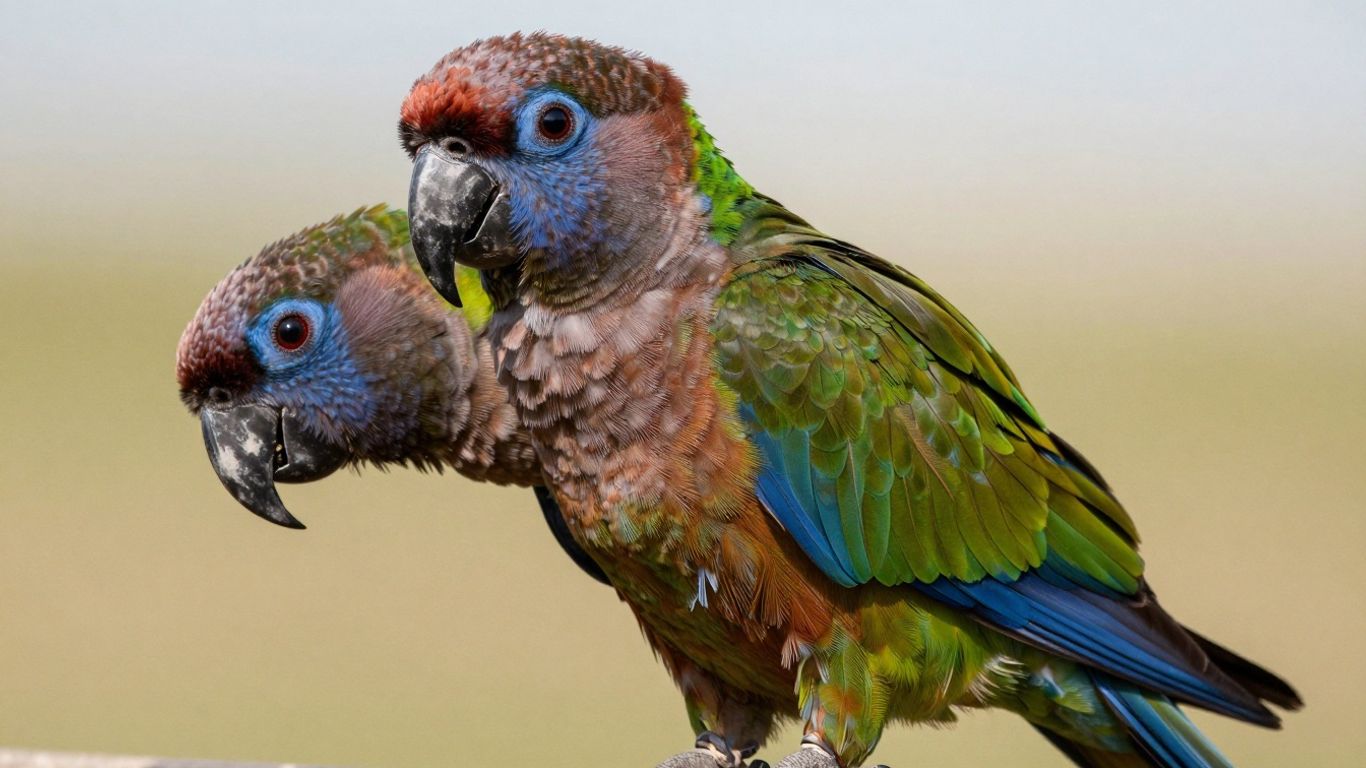
When you first see a Bronze-Winged Pionus, you’ll notice they’re not exactly small birds, but they’re not huge either. They usually clock in around 11 to 12 inches long and weigh about 220 to 275 grams. They’ve got this solid, sturdy build that just looks strong, with a good chest on them and a short, square tail that’s pretty typical for the whole Pionus group. It gives them a kind of dignified look, you know?
Predominantly Blue Plumage
The main color you’ll see is this really deep, dark blue, almost like a navy or a dark blue-violet. It’s especially noticeable on their head, neck, and chest. The back and wings can look even darker, sometimes almost blackish-blue if the light isn’t great. The feathers have this subtle shimmer to them, catching the light and showing hints of blue, purple, and even bronze depending on how you look at them. Some of them have a bit of white or pale pink on their throat, which is a nice contrast to the darker feathers around it.
Distinctive Bronze Wing Patches
This is where they get their name, and it’s pretty cool. They have these patches on their wings that are a stunning bronze color. When the light hits them just right, they shimmer with metallic copper, gold, and even greenish tones. It’s most noticeable on the shoulders and upper parts of the wings. It really makes them stand out, especially when they stretch their wings or are flying around. The actual flight feathers are dark blue-black, but you might catch a hint of green on the edges if you look closely.
Robust Build And Zygodactyl Feet
Their legs and feet are gray and look pretty strong, perfect for gripping branches and climbing. Like other parrots, they have what’s called zygodactyl feet – that means two toes point forward and two point backward. This setup is great for holding onto things, like a perch or a piece of food. Their beak is also quite substantial and a really striking coral-red or pinkish-red color, often with a darker tip. This bright beak really pops against their darker head feathers. And get this, they have these bare, gray-white eye rings around their dark eyes that make them look quite expressive, almost like they’re always contemplating something.
It’s interesting how the most striking features of the Bronze-Winged Pionus are often subtle. The bronze on their wings isn’t loud or flashy, but it catches the light in a way that’s really captivating. Similarly, the bright red beak and the white eye rings add pops of color without being overwhelming. It’s a design that feels both natural and sophisticated.
Other Notable Features
- Tail Underside: When they lift their tail, you might see a flash of bright coral-red or crimson underneath. This is usually hidden unless they’re displaying or flying.
- Eye Rings: The bare skin around their eyes is typically gray-white and can become more noticeable as the bird ages or when they’re feeling certain emotions.
- Sexual Dimorphism: Telling males and females apart just by looking is pretty much impossible. They look almost identical, so if you need to know for sure, you’ll have to get some kind of testing done.
- Juveniles: Young birds look a lot like the adults, but their colors are a bit duller. The bronze on their wings might look more brownish, and their beaks are darker, gradually turning red as they get older. Their eye rings are also less prominent when they’re young.
Communication And Intelligence
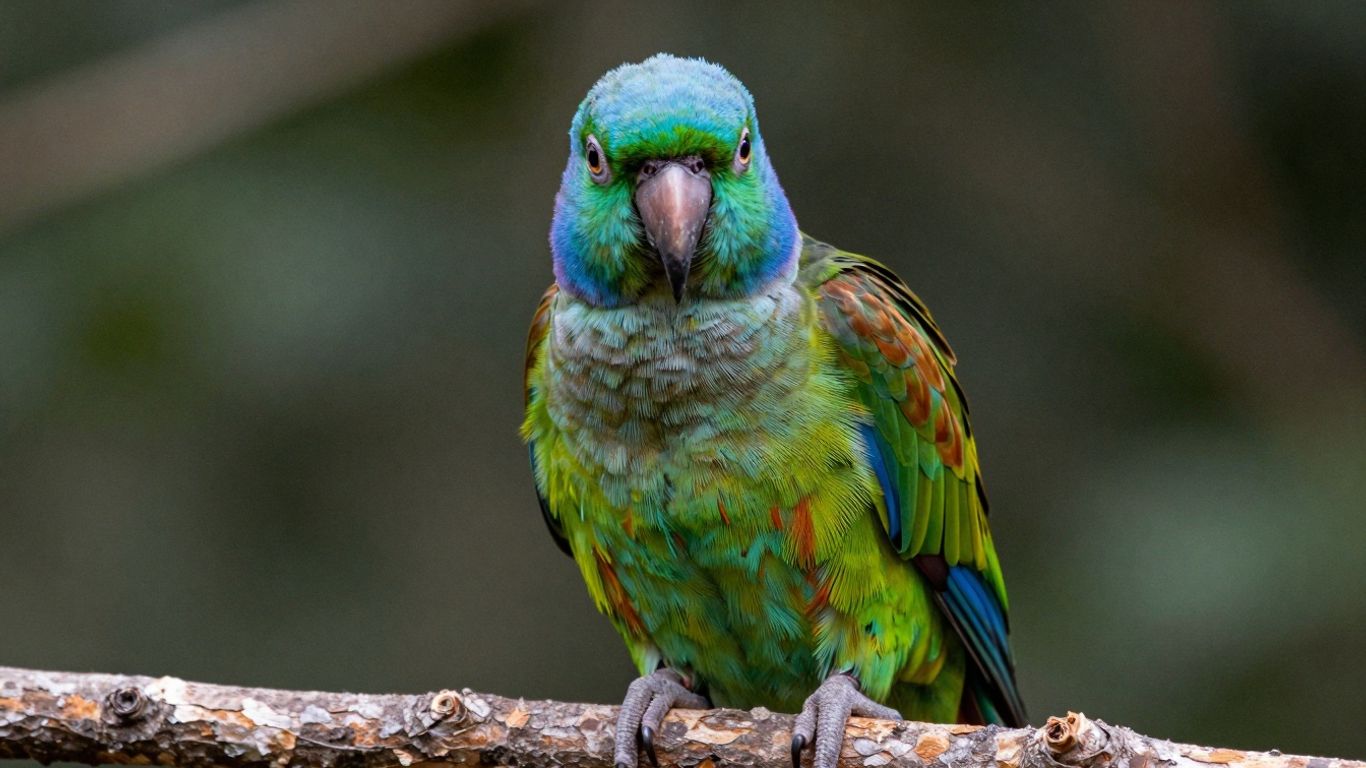
When it comes to talking and understanding, Bronze Winged Pionus parrots are a bit different from some of the more chatty birds out there. They’re not exactly known for being chatterboxes, which honestly, can be a good thing for many households.
Exceptional Quietness Among Parrots
One of the first things people notice about these birds is how quiet they are. Compared to other parrot species, they really don’t make a lot of noise. You won’t typically hear loud squawks or constant talking. Instead, they communicate with softer sounds like chirps and gentle murmurs. This makes them a great choice if you live in an apartment or just prefer a more peaceful home environment. It’s not that they’re unhappy; it’s just their natural way of being. They evolved in quiet forests, so they don’t feel the need to be loud.
The Unique Pionus Wheeze
Now, there’s a sound that all Pionus parrots make, including the Bronze Winged, that can sometimes surprise new owners. It’s a sort of wheezing or snorting sound. It usually happens when they’re really happy, excited, or feeling close to you. It might sound a bit like they’re having trouble breathing, but it’s actually a sign they’re content. Learning to recognize this sound helps you understand your bird’s emotional state better. It’s a unique vocalization that’s part of their charm.
Moderate Intelligence And Learning Ability
Bronze Winged Pionus parrots are pretty smart, but they aren’t going to be reciting Shakespeare. Their intelligence is moderate, meaning they can learn tricks, commands, and pick up on daily routines. They’re observant and will watch what you do, often learning your schedule. They enjoy puzzles and foraging toys, which is a good way to keep their minds busy.
- They can learn simple tricks like waving or turning around.
- Target training is a great way to start teaching them new behaviors.
- Keep training sessions short and positive to avoid overwhelming them.
While they might not be as vocally gifted as some other parrots, like the African Grey, they can learn a few words or phrases. However, their natural quietness means they don’t practice speaking as much. Patience and consistency are key if you’re hoping they’ll pick up on any words. They might be more inclined to mimic whistles or household sounds.
It’s important to remember that every bird is an individual. While there are general traits, your specific Bronze Winged Pionus might surprise you with its unique personality and abilities. Building trust and understanding their individual communication style is the most rewarding part of owning one.
Caring For Your Bronze Winged Pionus
Taking care of a Bronze Winged Pionus is a commitment, but a really rewarding one. These birds are pretty hardy, but like any pet, they need the right setup and attention to thrive. It’s not just about food and water; it’s about creating an environment where they can be happy and healthy for years to come.
Exercise and Activity Needs
Bronze Winged Pionus aren’t exactly marathon runners, but they definitely need to move! They aren’t as hyper as some other parrot species, but they still need room to stretch their wings and explore. A good-sized cage is a must. Think at least 24 inches long by 24 inches wide and 30 inches tall, but bigger is always better, especially if your bird spends a lot of time in its cage. Many owners find that cages around 30x24x36 inches or even larger work best. The bars should be about ¾ to 1 inch apart so they can climb around easily without getting stuck or escaping. Horizontal bars on a couple of sides are great for climbing, which they really seem to enjoy. And make sure the cage has a strong lock; these guys are smart and can sometimes figure out simple latches!
- Provide plenty of safe toys: Rotate them regularly to keep things interesting. Think about foraging toys, shreddable toys, and puzzle toys.
- Daily out-of-cage time: Aim for at least an hour or two each day. This is their chance to fly, climb, and interact with you outside the cage.
- Supervised exploration: Let them explore different rooms with you. This helps them feel like part of the family and builds their confidence.
Training and Socialization Strategies
These parrots are intelligent and gentle, so positive reinforcement is the way to go. Patience and consistency are key. Start training as soon as you bring your new friend home. This helps build trust and good habits right from the start.
- Step-up command: This is super important for handling. Use a clear verbal cue like "step up" and offer your hand or a perch. Reward them immediately with praise and a small treat when they do it. Practice this often in short, fun sessions.
- Gentle handling: Always approach them calmly and slowly. Avoid loud noises or sudden movements that might startle them. Respect their space if they seem hesitant.
- Socialization with family: Teach everyone in the house how to interact properly. Kids, especially, need to learn that birds are delicate and require gentle handling. Show them how to offer treats and avoid rough play. It’s also vital to teach them about washing hands before and after interacting with the bird to prevent any germ spread.
It’s really important to remember that Bronze Winged Pionus can be a bit shy. They respond best to a calm, quiet approach. Loud noises or quick movements can easily scare them, so try to keep the environment peaceful, especially when you’re first getting to know them. This quiet nature makes them great for households that aren’t constantly buzzing with activity.
Building Trust and Bonding
Bonding with your Bronze Winged Pionus is all about spending quality time together. It’s about showing them they can trust you and that you’re a reliable part of their flock.
- One-on-one time: Dedicate time each day just for your bird. This could be during training sessions, quiet petting, or just sitting nearby while you read or watch TV.
- Treats from your hand: Offering their favorite treats directly from your hand is a fantastic way to build trust. It shows them you’re a source of good things.
- Respect their signals: Pay attention to their body language. If they lean away or seem stressed, give them space. Forcing interaction will only damage the trust you’re trying to build. Gentle head scratches are usually a hit, but always watch their reaction.
- Shared meals: Eating bird-safe foods together can strengthen your bond. It mimics natural flock behavior and makes them feel included. You can even take your Pionus to different rooms with you on your hand, letting them be part of your daily activities. This helps them feel secure and part of the family. Remember, a well-cared-for Pionus can live for a long time, often 25-40 years, so this bond is a long-term investment. A good diet, including plenty of fresh fruits and vegetables alongside quality pellets, is key to their long-term health, much like the varied diet of Amazon parrots in the wild.
The Bronze Winged Pionus In The Avian World
Genus Pionus Characteristics
The Bronze-Winged Pionus is part of the Pionus genus, a group of parrots known for their generally calm demeanor and quieter nature compared to some other parrot species. There are about eight recognized types within this genus, including the Blue-Headed, Maximilian’s, and White-Capped Pionus. What they all seem to share is a sturdy build, a short, square tail, and often, subdued but beautiful coloration with a bit of iridescence. This makes the whole genus a good choice for people who might live in apartments or just prefer a less boisterous bird. They’re not usually the loudest birds on the block, which is a big plus for many owners.
Rarity Of Color Mutations
When it comes to color variations in Bronze-Winged Pionus, you’re pretty much looking at the standard look. Unlike some other popular pet birds that have been bred for all sorts of wild colors, these guys tend to stick to their natural appearance. It seems like there aren’t many color mutations happening in captivity, and honestly, most people who love this species prefer it that way. The natural deep blue and those amazing bronze wing patches are what make them so striking. It’s a bit of a throwback to their wild beauty, and that’s part of their charm.
Suitability For Different Households
So, who is this bird a good fit for? Well, if you’re looking for a parrot that’s affectionate but also has a bit of an independent streak, the Bronze-Winged Pionus could be a great match. They bond well with their families and enjoy being around people, but they don’t usually demand constant attention. They’re also known for being relatively quiet, which is a huge advantage if you have close neighbors or just prefer a more peaceful home environment. They can be a bit reserved with new people at first, but with proper socialization, they tend to do well. They’re not overly demanding when it comes to interaction, making them suitable for households where people are around but maybe not home 24/7. If you’re interested in a parrot that’s a bit more laid-back and less prone to loud squawking, you might want to look into a Pionus parrot. They’re generally considered a moderate care level bird, which is good for people who have some experience with birds but aren’t necessarily looking for the most challenging species out there.
These parrots are known for their quiet nature and gentle disposition, making them a good choice for those seeking a calmer avian companion. Their striking appearance, characterized by deep blue plumage and distinctive bronze wing patches, sets them apart. While they form strong bonds with their owners, they also possess an independent spirit, appreciating interaction on their own terms.
Here’s a quick look at some of their traits:
- Temperament: Gentle, calm, and affectionate.
- Vocalization: Generally quiet to low noise level.
- Sociability: Moderately social, bonds well with family.
- Appearance: Predominantly deep blue with iridescent bronze wing patches.
- Size: Medium to large parrot, around 11-12 inches long.
A Peaceful Parrot Pal
So, if you’re looking for a parrot that’s more chill than chaotic, the Bronze-Winged Pionus might just be your bird. They’re not the loudest or the most acrobatic, but they make up for it with a calm, gentle nature that’s pretty rare in the parrot world. They bond well without being overly demanding, and their quiet ways make them great for smaller living spaces. Just remember, like any pet, they need patience and understanding, especially if they’re a bit shy at first. But with a little effort, you’ll find a loyal, peaceful companion that’s a joy to have around.
Frequently Asked Questions
Are Bronze Winged Pionus parrots good for beginners?
Yes, Bronze Winged Pionus parrots are often considered good for beginners. They have a calm and gentle nature, are not overly noisy, and are affectionate without being too demanding. Their moderate intelligence means they can learn, but they aren’t as prone to behavioral issues from boredom as some other parrot species. However, like all parrots, they still require commitment, proper care, and socialization.
How much attention do Bronze Winged Pionus parrots need?
Bronze Winged Pionus parrots enjoy being part of the family and need daily interaction. While they are affectionate, they also have an independent streak and don’t require constant attention. Aim for a few hours of out-of-cage time each day for exercise and bonding, and engage with them through gentle play, training, or just quiet companionship.
Are Bronze Winged Pionus parrots loud?
Compared to many other parrot species, Bronze Winged Pionus are remarkably quiet. They are known for their soft chirps, gentle murmurs, and occasional soft wheezing sounds when they are happy or excited. They typically do not have loud, piercing screams, making them a great choice for apartments or noise-sensitive households.
What do Bronze Winged Pionus parrots eat?
A balanced diet for a Bronze Winged Pionus should be based on high-quality parrot pellets. Supplement this with a variety of fresh fruits, vegetables, and some seeds. It’s important to offer a diverse diet to ensure they get all the necessary nutrients. Always research which foods are safe and avoid those that are toxic to birds.
How long do Bronze Winged Pionus parrots live?
Bronze Winged Pionus parrots have a good lifespan, typically living between 25 to 40 years when provided with proper care, a healthy diet, and a stimulating environment. This means they are a long-term commitment, so be prepared for many years of companionship.
Can Bronze Winged Pionus parrots talk?
While not known for extensive talking abilities like some other parrot species, Bronze Winged Pionus can learn to mimic words and phrases. Their vocalizations are generally softer and less frequent. They are more likely to pick up on tones and simple sounds rather than complex conversations, but some individuals may surprise you with their learning capacity.

Everything You Need to Know About the Blue Headed Pionus Parrot – TROY Kelso Farms
December 30, 2025[…] to learn. If you’re looking for a pet that’s a bit more low-maintenance than, say, a Bronze-Winged Pionus, this species might be a good starting point, provided you do your homework and are ready for the […]