Find Your Perfect Baby Conure For Sale: A Buyer’s Guide
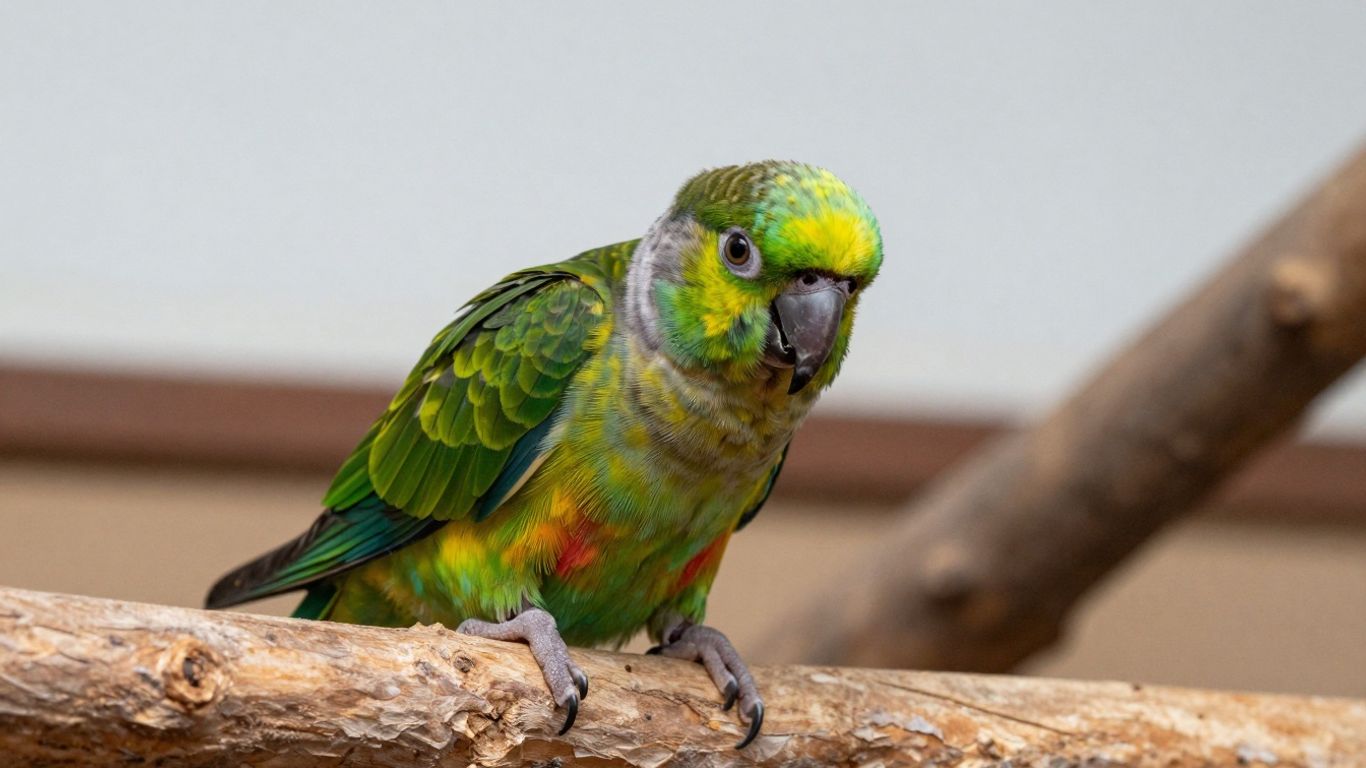
Thinking about getting a baby conure? They’re such lively little birds, full of personality. It can be exciting to look for a new feathered friend, but there’s a lot to consider before you bring one home. This guide will help you figure out where to find a baby conure for sale, what to expect price-wise, and how to make sure you’re getting a healthy bird from a good source. We’ll also touch on what you’ll need to get your home ready for your new pet.
Key Takeaways
- When looking for a baby conure for sale, check current listings and see where they are available geographically.
- Understand that baby conure prices can vary a lot, so know the average cost and what makes prices go up or down.
- Find breeders who are known for being good and honest. Look for signs of a reputable breeder and ask them questions.
- Get ready for your new baby conure by preparing your home and knowing what they need to be happy and healthy, including vet visits.
- When you decide to buy, know about deposit rules, what comes with your new bird, and how you’ll get them home.
Understanding Baby Conure Availability
So, you’ve decided a baby conure is the bird for you. That’s awesome! But before you get too far ahead of yourself, let’s talk about actually finding one. It’s not quite as simple as walking into any pet store and picking one out, you know?
Current Listings for Baby Conures For Sale
When you start looking, you’ll find there are usually a decent number of baby conures available. Right now, for instance, there are about 126 conures listed for sale across the country. This number can change pretty quickly, though, depending on the season and demand. It’s a good idea to check listings regularly if you’re serious about finding a specific type or age of conure. You’ll see a variety of species, from the popular Sun Conure to the more striking Nanday Conure. Some listings might even include details about their personality or what they come with, which is super helpful.
Geographic Distribution of Available Conures
Where are all these little guys located? Well, they’re spread out, but you’ll often find more breeders concentrated in certain areas. Major cities like Los Angeles, New York, and Chicago tend to have a higher number of conure breeders. This makes sense, as these are larger population centers. However, don’t get discouraged if you’re not near one of these hubs. Many breeders ship their birds, so you can still find a conure from further away. It’s worth checking out resources that list breeders by location to see who’s closest to you, or who offers shipping options that work.
Finding a baby conure involves a bit of searching, but with a little patience, you can locate a wonderful companion. It’s all about knowing where to look and what to expect in terms of availability.
Here’s a quick look at what you might find:
- Variety of Species: You’ll encounter different types of conures, each with its own charm.
- Availability Fluctuations: The number of available birds can go up and down.
- Geographic Spread: While some areas have more breeders, many offer shipping.
If you’re also thinking about supplies for your new bird, places like Magnolia Bird Farms have a good selection, though it’s always best to check their current stock.
Navigating Baby Conure Prices
So, you’ve decided a baby conure is the bird for you. That’s awesome! Now comes the part where we talk about money. It’s not always a straightforward number, and there are a few things that can make the price go up or down.
Average Cost of a Baby Conure
When you’re looking at conures for sale, you’ll see a range of prices. In the United States, you can expect to pay anywhere from about $225 to $1,000 for a baby conure. The average price tends to hover around $480. This is actually quite a bit lower than the national average for many other types of birds, which is good news for your wallet.
Factors Influencing Baby Conure Pricing
Why the big difference, you ask? Well, a few things play a role. The specific species of conure is a big one. Some are rarer or more in demand than others. For example, a Golden Conure, known for its stunning yellow plumage, can be quite expensive and harder to find compared to more common varieties.
Here’s a quick look at what can affect the price:
- Species: As mentioned, some conure species are more sought after or less common, driving up their cost.
- Breeder Reputation: A breeder who is well-known for raising healthy, well-socialized birds might charge more. They often put in extra time and care.
- Age and Weaning Status: A very young, hand-fed baby might cost more than one that is closer to being fully weaned. Some breeders offer a hand-feeding syringe and instructions, which is a nice bonus.
- Health Guarantees and Testing: Breeders who provide health guarantees and have their birds tested for common avian diseases (like PBFD or Polyoma Virus) often reflect that thoroughness in their pricing. This is a really important factor to consider for the long-term health of your bird.
- Location: Prices can sometimes vary depending on where you are in the country. While there are many conure breeders across the US, you might find different price points in different regions.
Remember that the initial purchase price is just one part of the cost of owning a bird. You’ll also need to factor in the price of a good cage, toys, food, and regular vet visits. Thinking about the long-term costs will help you budget better.
When you’re looking at listings, you might see a deposit policy. For instance, one seller mentioned requiring a $420 deposit for a baby Nanday Conure, with a specific timeframe for pickup or shipping. It’s always good to understand these policies upfront. Some breeders might even charge a daily fee if you can’t pick up your bird by the agreed-upon date, so be sure to clarify that. You can find many verified conure breeders who are upfront about their pricing and policies.
Finding Reputable Baby Conure Breeders
Identifying Verified Conure Breeders
Finding a good breeder is super important when you’re looking for a baby conure. You want to make sure you’re getting a healthy bird from someone who really knows what they’re doing. Look for breeders who are transparent about their practices and happy to answer all your questions. Some platforms have a "Verified Seller" badge, which is a good starting point. It means they’ve met certain standards, but it’s still wise to do your own digging.
What to Look For in a Breeder
When you’re checking out potential breeders, keep a few things in mind. A good breeder will have a clean environment for their birds, and the birds themselves should look healthy and alert. They should be knowledgeable about the specific conure species they’re selling, including their temperaments and care needs. A reputable breeder will also be upfront about any health testing they do on their birds. They should be willing to let you see where the babies are raised and meet the parent birds if possible. It’s also a good sign if they ask you questions about your experience and home environment to make sure you’re a good fit for one of their birds.
Here’s a quick checklist:
- Cleanliness: Is the living space for the birds clean and well-maintained?
- Bird Health: Do the baby conures look bright-eyed, active, and free from visible signs of illness?
- Knowledge: Does the breeder know the species well and can they discuss its needs?
- Transparency: Are they open to showing you their facilities and answering questions?
- References: Do they have positive reviews or testimonials from previous buyers?
Key Questions to Ask Breeders
Don’t be shy about asking questions! It shows you’re serious about providing a good home. Here are some things you might want to ask:
- What is the baby conure’s hatching date and current age?
- What diet has the baby been eating, and what hand-feeding schedule are you following?
- Have the baby conure and its parents undergone any health screenings or vaccinations? If so, what were the results?
- What is your policy on deposits and final payments?
- What is your policy if I need to return the bird or if there are health issues shortly after purchase?
- What kind of support do you offer after I take the bird home?
It’s important to remember that buying a baby conure is a long-term commitment. A good breeder understands this and will want to ensure you’re prepared for the responsibilities involved. They should be a resource for you, even after you’ve brought your new feathered friend home. If you’re looking for birds in Canada, you might find local listings on sites like Kijiji Ottawa.
Some breeders might have specific deposit policies. For instance, a deposit might be required to hold a baby conure until it’s weaned and ready for pickup. It’s also good to understand what exactly is included in the purchase price. Sometimes, this can include initial health checks, a starter supply of food, or even a small cage. Always clarify these details beforehand. If you’re looking for a wide variety of birds, you can often find them through online marketplaces that connect buyers with verified breeders.
Essential Care for Your New Baby Conure
Preparing Your Home for a Conure
Bringing a baby conure home is exciting, but you need to get your place ready first. Think about safety – cover up any electrical cords they might chew on. Also, make sure there aren’t any small objects they could swallow. Conures are curious, so a secure environment is key. You’ll need a good-sized cage, too. For a Nanday conure, for example, a cage around 25 inches long, 21 inches wide, and 29 inches high with half-inch bar spacing is a good start. It gives them room to move and play.
Basic Needs and Temperament
Baby conures are known for being super social and playful. They really thrive on interaction with their people. Expect them to be noisy; they have a strong voice, so a high noise tolerance is a must if you’re considering one. They love to be part of the family action. These birds are smart and can get into mischief if they’re bored, so providing plenty of toys and mental stimulation is important. They can be quite cuddly and form strong bonds with their owners.
Importance of Veterinary Check-ups
Your new conure needs a vet visit soon after you bring them home. It’s a good idea to find an avian vet before you even get your bird. This first check-up is for a general health assessment. The vet will look for common issues and can give you advice tailored to your specific bird. They’ll also discuss vaccinations and preventative care. Regular check-ups, usually annually, help catch any potential health problems early on, which is always better than waiting until your bird seems sick. It’s also a good time to discuss diet and any behavioral concerns you might have.
Popular Baby Conure Varieties
Exploring Different Conure Species
Conures are a lively bunch, and there are quite a few types that make fantastic pets. Each has its own quirks and charms, so picking the right one really depends on what you’re looking for in a feathered friend. It’s not just about looks; their personalities can vary quite a bit too.
Characteristics of Popular Conures
When you’re looking at baby conures for sale, you’ll notice some species are more common than others. Each has a distinct look and temperament. Understanding these differences will help you find a bird that fits your home and lifestyle.
Here are a few popular types you might encounter:
- Green-cheek Conure: These are probably the most popular, and for good reason. They’re smaller, generally quieter than some other conures, and known for being very affectionate. They come in various color mutations, like pineapple, turquoise, and cinnamon.
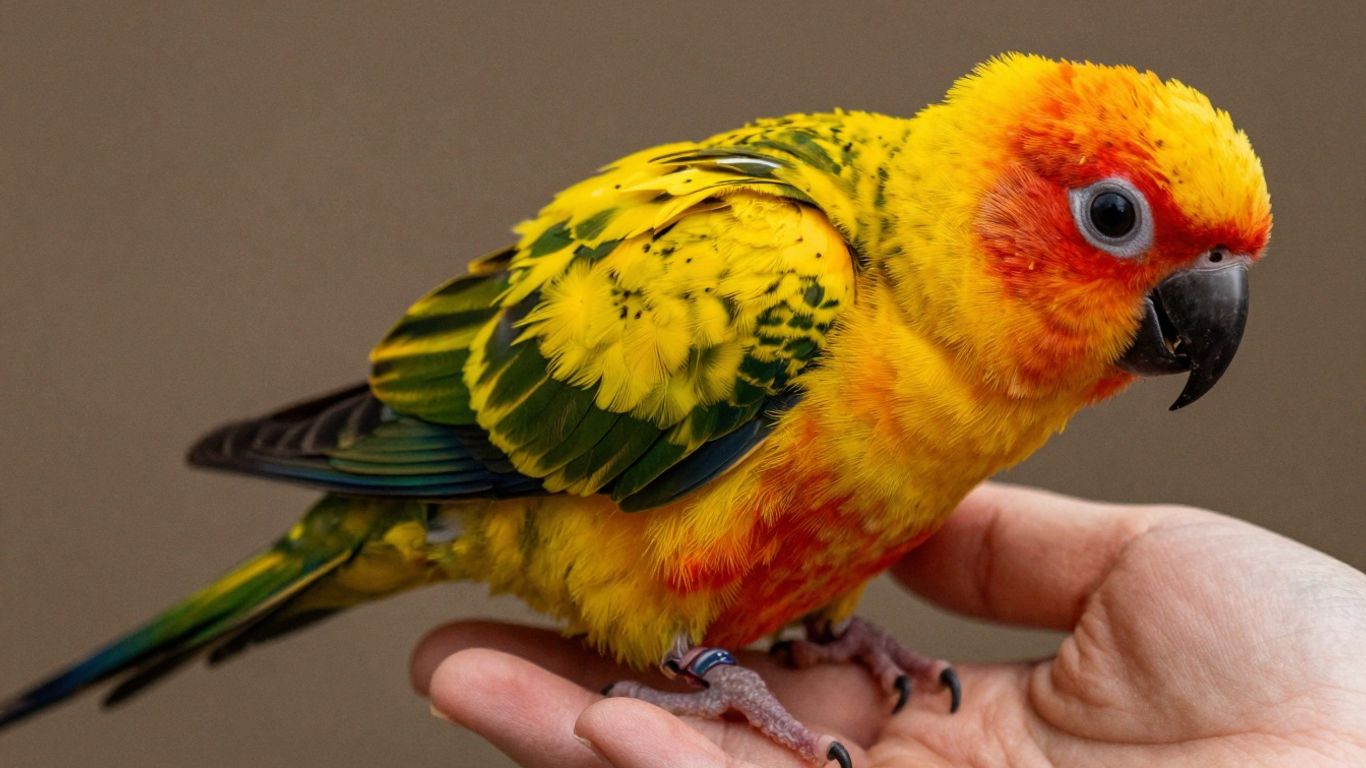
- Sun Conure: Famous for their stunning bright yellow, orange, and red plumage, Sun Conures are real showstoppers. They are very social and playful, but they also have a loud call, so they’re best suited for homes that can handle a bit of noise.
- Nanday Conure: With their distinctive black face and green body, Nanday Conures are quite striking. They are energetic, social, and can be quite the clowns. Like Sun Conures, they have a strong voice and need owners who appreciate a chatty bird. They can make wonderful family companions if you have a high noise level tolerance.
- Jenday Conure: Similar in appearance to Sun Conures but with more green on their bodies, Jenday Conures are also very social and playful. They are known for their intelligence and can be quite mischievous.
- Golden Conure (Queen of Bavaria Conure): These are truly magnificent birds, almost entirely yellow with a touch of white around the eyes and on the wingtips. They are known for being incredibly fun and having big personalities, though they can be a bit harder to find and are often more expensive. Their scientific name, Guaruba, comes from a native word meaning "small yellow macaw."
Choosing a conure is a big decision. While many are known for being cuddly and entertaining, their energy levels and vocalizations can be significant. It’s wise to research each species thoroughly to ensure a good match.
When you’re ready to find your new companion, you can look at available baby conures for sale to see what’s out there.
Making the Purchase Decision
Understanding Deposit Policies
So, you’ve found your feathered friend and you’re ready to make it official. Often, breeders will ask for a deposit to hold your baby conure. It’s super important to know the details of this. Most deposits are non-refundable, meaning if you change your mind, that money usually isn’t coming back. Make sure you’re completely sure about the bird and the breeder before handing over any cash. Ask the breeder directly about their policy – don’t be shy! It’s better to be clear upfront than to have a misunderstanding later.
What’s Included with Your Baby Conure Purchase
When you buy a baby conure, what exactly are you getting? It’s not just the bird itself. Good breeders often include a few things to help you get started. This might be:
- A small bag of the food the baby is currently eating.
- A health guarantee, which is pretty standard.
- Sometimes, a small toy or a sample of their bedding.
- Information about the bird’s lineage or any initial training.
Always ask what’s included. This helps you know what you need to buy separately before you bring your new pal home. It’s all about making the transition as smooth as possible for everyone involved.
Shipping and Transportation Options
Getting your new conure home is a big step. If the breeder isn’t local, you’ll need to figure out transportation. Some breeders might offer hand-delivery services, especially if they’re within a few hours’ drive. This is often the least stressful option for the bird. Others might work with specialized pet transport companies that fly the bird to your nearest major airport. This can be more expensive and might involve more stress for the conure, so it’s worth researching the transport company’s reputation. Driving to pick up your bird yourself is also an option, and it gives you a chance to meet the breeder again and ensure everything is as expected.
When considering how your new conure will travel, think about the bird’s well-being first. A long journey, whether by car or plane, can be tough on a young animal. Discuss the travel arrangements thoroughly with the breeder and choose the method that seems safest and least disruptive for your future pet.
Ready to Find Your Feathered Friend?
So, you’ve read through all this, and you’re feeling ready to bring a baby conure into your life. That’s awesome! Remember, finding the right bird means looking for a healthy one from a breeder you trust. It might take a little time, but seeing that little guy or gal settle into your home and become part of the family is totally worth it. Give them the love and care they need, and you’ll have a chatty, fun companion for years to come. Happy bird hunting!
Frequently Asked Questions
How much does a baby conure usually cost?
In the United States, baby conures typically cost between $225 and $1,000. The average price you’ll see is around $480, which is quite a bit less than the national average for pets. Prices can change depending on things like the bird’s background, its looks, health promises from the seller, and how well-known the breeder is.
Where can I find baby conures for sale?
There are usually many baby conures available for sale across the United States. Many breeders are located near big cities like Los Angeles, New York, and Chicago. You can use online tools to find breeders that are close to you. Always look for breeders who have been checked out and have a good reputation.
What should I look for when choosing a breeder?
When picking a breeder, make sure they are trustworthy. In the U.S., commercial breeders are watched over by the USDA. It’s a good idea to ask for health records, try to meet the baby bird’s parents if possible, and check if the breeder has good reviews from other customers. Look for a ‘Verified’ badge on online platforms.
What supplies do I need before bringing a baby conure home?
Before your new feathered friend arrives, get some essentials ready. You’ll need food and water dishes, good quality bird food, a comfy place to sleep like a bed or cage, a collar and leash if you plan on taking them out, grooming tools, and toys that are safe for their age. Also, set up an appointment with a vet for a check-up and any needed shots.
Are conures good pets for families?
Yes, conures can be very loving and loyal pets, making them great companions. They often adjust well to living in homes, whether in cities or suburbs. Just remember they need regular visits to the vet and have a good amount of energy, so be prepared for playtime and care.
What comes with a baby conure when I purchase it?
When you buy a baby conure, the seller might include a few things. This could be a special feeding syringe, instructions on how to hand-feed and care for the baby, a certificate showing when the baby hatched, and a DNA certificate to confirm its gender. Sometimes, a health pack with tests for common bird illnesses is also included.