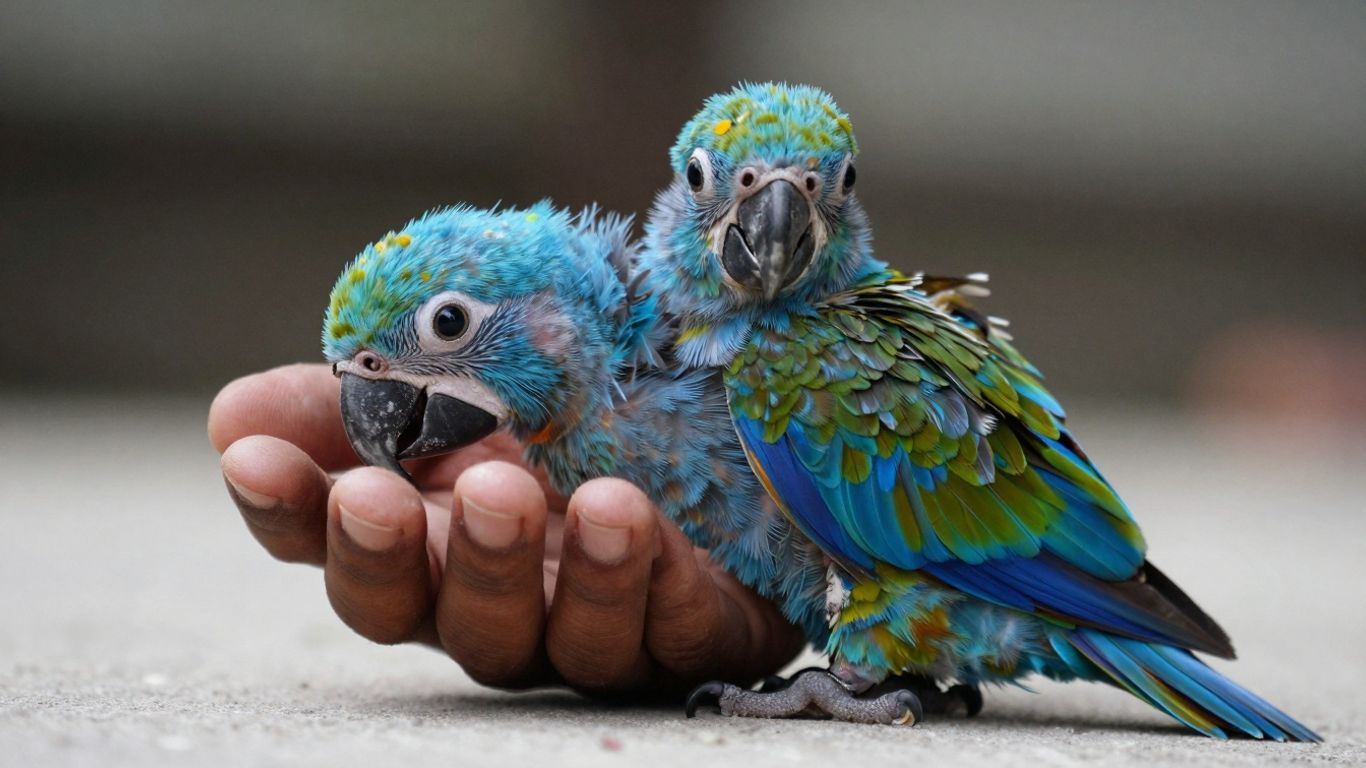
Welcoming a Baby Hahns Macaw: What New Owners Need to Know
So, you’ve decided to bring a Baby Hahns Macaw into your home? That’s fantastic! These little guys are full of personality and can bring so much joy. But like any new pet, especially a smart bird like a macaw, there’s a bit to learn. We’ve put together some pointers to help you get started on the right foot, making sure both you and your new feathered friend have a great time together.
Key Takeaways
- Understand that Baby Hahns Macaws are social and need lots of interaction to bond with you.
- Set up a safe and stimulating environment with the right cage and accessories.
- Provide a balanced diet, introducing new foods gradually to ensure good nutrition.
- Start training early using positive methods to build good habits and communication.
- Prioritize regular veterinary check-ups and grooming for your Baby Hahns Macaw’s health.
Understanding Your Baby Hahns Macaw
Temperament and Personality Traits
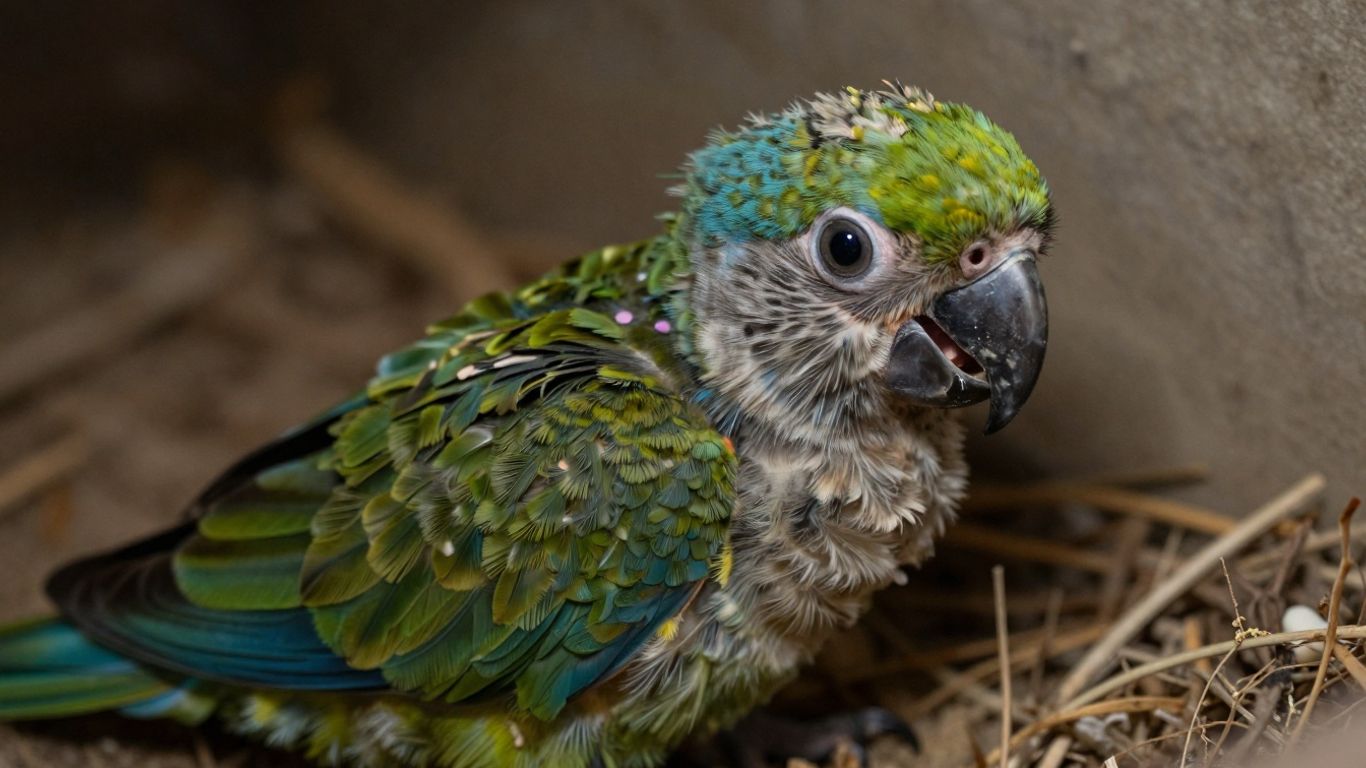
Hahns Macaws, despite their small size, pack a big personality. They’re known for being intelligent, curious, and quite social. These birds form strong bonds with their owners, often becoming very attached. You’ll find they can be playful and energetic, but also enjoy quiet time snuggled up with their favorite person. They can be a bit nippy sometimes, especially when they’re young and still figuring things out, so patience is key. Understanding their individual quirks will be part of the fun of getting to know your new feathered friend.
Socialization and Bonding
Getting your baby Hahns Macaw used to you and your household is super important. Spend lots of time handling your bird gently, especially when they are young. This helps build trust. It’s a good idea to let them get comfortable with different people and sounds in your home. Just be mindful of where they perch; while snuggling is nice, letting them sit on your shoulder too often might lead to them thinking they’re in charge, which can sometimes cause issues down the line. Building a solid foundation of trust early on will make for a happier bird and a happier you. You can start training basic commands like ‘step up’ right away, which is a great way to interact and build that bond.
Recognizing Early Signs of Health
Keeping an eye on your baby Hahns Macaw’s health from the start is a smart move. Look for clear, bright eyes, clean nares (nostrils), and smooth, well-kept feathers. A healthy bird is usually active and alert, with a good appetite. They should be responsive to their surroundings. If you notice anything off, like ruffled feathers when they’re not preening, changes in droppings, lethargy, or a lack of interest in food, it’s worth paying attention to. Early detection is always best when it comes to bird health, so familiarizing yourself with what’s normal for your specific bird is a good practice. Consulting with a vet experienced with avian species is always a good idea if you have concerns about your bird’s well-being. You can find more information on Hahns Macaw care to help you understand their needs.
Setting Up The Perfect Environment
Getting your Hahn’s Macaw’s living space ready is a big step, and it’s more than just picking out a cage. You’re creating a whole world for your new feathered friend, a place where they’ll feel safe, stimulated, and happy. It takes a bit of thought to get it just right.
Choosing The Right Cage Size
When it comes to cages, bigger is almost always better for a Hahn’s Macaw. These birds are active and need room to move, stretch their wings, and play. A cage that’s too small can lead to boredom, behavioral issues, and even health problems. Think about the dimensions: width is often more important than height for these active flyers. You want enough space for multiple perches at different heights, food and water dishes, and plenty of toys, all without making the bird feel cramped.
- Minimum Width: Aim for at least 30 inches.
- Minimum Depth: At least 24 inches is recommended.
- Minimum Height: 36 inches is a good starting point, but more is always appreciated.
Remember, this is their primary living space, so give them room to thrive. A spacious cage is a happy cage.
Essential Cage Accessories
Once you have the right size cage, you’ll need to fill it with the right stuff. Perches are super important for foot health. You don’t want just one type; offer a variety of diameters and textures. Natural branches from safe trees are great, as are rope perches and some of the textured ones available commercially. This variety helps prevent foot problems and keeps things interesting.
- Perches: A mix of natural wood, rope, and textured perches.
- Food and Water Dishes: Stainless steel or ceramic are best. Make sure they’re easy to clean and placed where they won’t get fouled easily.
- Cage Liners: Paper or newspaper works well. Change it daily to keep things clean and hygienic.
- Toys: A variety of toys for chewing, foraging, and mental stimulation. We’ll talk more about toys later, but have a few ready from day one.
Creating A Safe Play Area
Your Hahn’s Macaw will need time outside the cage to explore and interact. This is where a safe play area comes in. It could be a play stand, a designated corner of a room, or even a bird-proofed section of your home. The most important thing is safety. This means removing any potential hazards like toxic plants, open water sources they could drown in, electrical cords, and other pets that might pose a threat. Think of it as a bird-safe zone where they can explore without you constantly worrying. You can set up foraging toys or simple perches in this area to make it more engaging for your bird. It’s a great way to encourage natural behaviors and provide mental exercise outside of their cage.
Bird-proofing your home is an ongoing process. Regularly check for new hazards as your bird grows and explores different areas. It’s better to be overly cautious than to have an accident.
Nutrition For A Growing Baby Hahns Macaw
Balanced Diet Essentials
Feeding your baby Hahns Macaw a well-rounded diet is super important for their growth and overall health. Think of it like building a strong foundation for a house; you need all the right materials. For these little guys, that means a mix of things, not just one type of food. A good quality seed or pellet mix designed for macaws should be the base. Many owners find that a good seed/cereal/nut mix, sometimes called ‘tidymix’, works well. It’s often supplemented with dried fruits and veggies.
But don’t stop there! Fresh foods are a must. You’ll want to offer a variety of fresh vegetables daily. Think about things like carrots, broccoli florets, green beans, peas, and corn. On alternate days, you can switch it up with fresh fruits. Apples, grapes, oranges, and bananas are usually a hit. Some birds even enjoy a bit of corn on the cob as a weekly treat. It’s all about variety and making sure they get a wide range of vitamins and minerals. Remember, a balanced diet helps prevent health issues down the line.
Introducing New Foods
Getting your baby Hahns Macaw to try new things can sometimes be a bit of a challenge. They can be picky, just like us! If your bird seems to only want their usual food, don’t get discouraged. Keep offering new foods regularly. Sometimes it takes a bird many tries before they even consider tasting something new. You can try different preparations – maybe raw veggies one day, lightly steamed the next. Mixing a new food with a favorite can also help. For example, finely chop a new vegetable and mix it into their regular chop or a small amount of their favorite wet food. Patience is key here. You might also find that they prefer certain foods served in specific ways, like on a skewer or in a puzzle toy. It’s a learning process for both of you.
It’s important to remember that macaws, especially when young, are still figuring out their preferences. What they reject today, they might love tomorrow. Consistent, positive exposure to a wide range of healthy foods is the goal, even if it doesn’t seem to be working right away. Don’t give up on offering variety.
Treats and Supplements
Treats are great for training and bonding, but they should be given in moderation. Things like small pieces of fruit, a bit of cooked whole grain toast, or specially formulated bird treats like Nutri-Berries can be good options. Just be mindful of the size and frequency, especially if they are high in sugar or fat. Some owners also give their birds a small amount of scrambled egg once a week, which is a good source of protein. For calcium, cuttlebone is a common recommendation, though some birds ignore it. If your bird isn’t getting enough calcium from their diet, you might need to look into a calcium supplement, but always talk to your avian vet first before adding anything to their water or food. They can help you figure out the right dosage and type for your specific bird. Remember, treats should be just that – a small part of an overall healthy diet, not the main event.
Training and Behavior Guidance
When To Start Training
It’s never too early to start building a good relationship with your baby Hahns Macaw through training. Even a young bird, just a few months old, can begin learning basic commands. Think of it less as formal ‘training’ and more as guided interaction. At this stage, the focus is on positive association and building trust. Simple ‘step up’ commands, where the bird learns to step onto your finger or hand, are a great starting point. This not only teaches them a useful behavior but also helps them feel secure and comfortable with your touch and presence. Consistency is key, even if it’s just for a few minutes each day.
Positive Reinforcement Techniques
When it comes to training your Hahns Macaw, positive reinforcement is the way to go. This means rewarding good behavior rather than punishing unwanted actions. Rewards can be anything your bird finds motivating, like a favorite small treat, verbal praise, or a gentle head scratch. The trick is to deliver the reward immediately after the desired behavior so the bird makes the connection. Clicker training can also be very effective. You use a clicker to mark the exact moment the bird does what you want, followed by a treat. This clear communication helps them learn faster.
Here’s a simple breakdown of how to use positive reinforcement:
- Identify the desired behavior: What do you want your macaw to do? (e.g., step up, stay on a perch).
- Mark the behavior: Use a clicker or a consistent verbal marker like "yes!" the moment the bird performs the action.
- Reward immediately: Offer a small, high-value treat or praise right after marking.
- Keep sessions short: Aim for 5-10 minute sessions, a few times a day, to keep your bird engaged.
- Be patient: Every bird learns at its own pace.
Common Training Goals
Beyond the basic ‘step up,’ there are many fun and useful things you can teach your Hahns Macaw. These goals not only provide mental stimulation for your bird but also strengthen your bond.
- Step Down: The opposite of step up, teaching your bird to step off your hand or a perch on command.
- Target Training: Teaching your bird to touch a specific object (like a target stick) with its beak. This is a building block for many other behaviors.
- Recall: Training your bird to come to you when called.
- Simple Tricks: Like waving a wing, turning around, or even saying a few words.
- Cage Return: Teaching your bird to go back into its cage willingly, especially when it’s time for bed or meals.
Addressing Nipping and Biting
Nipping and biting can be a common challenge with parrots, but it’s usually a form of communication rather than aggression. Young macaws might nip if they’re startled, scared, or if they’re testing boundaries. The most important thing is not to react with anger or punishment, as this can make the problem worse. Instead, try to understand why the biting is happening. If your bird nips, calmly say "ouch" and withdraw your hand or attention for a short period. This teaches them that biting makes the fun stop. Redirecting their attention to a toy or a different activity can also be helpful. If the biting is persistent, it might be worth consulting with an avian behaviorist to get tailored advice.
Health and Well-being
Recognizing Signs of Illness
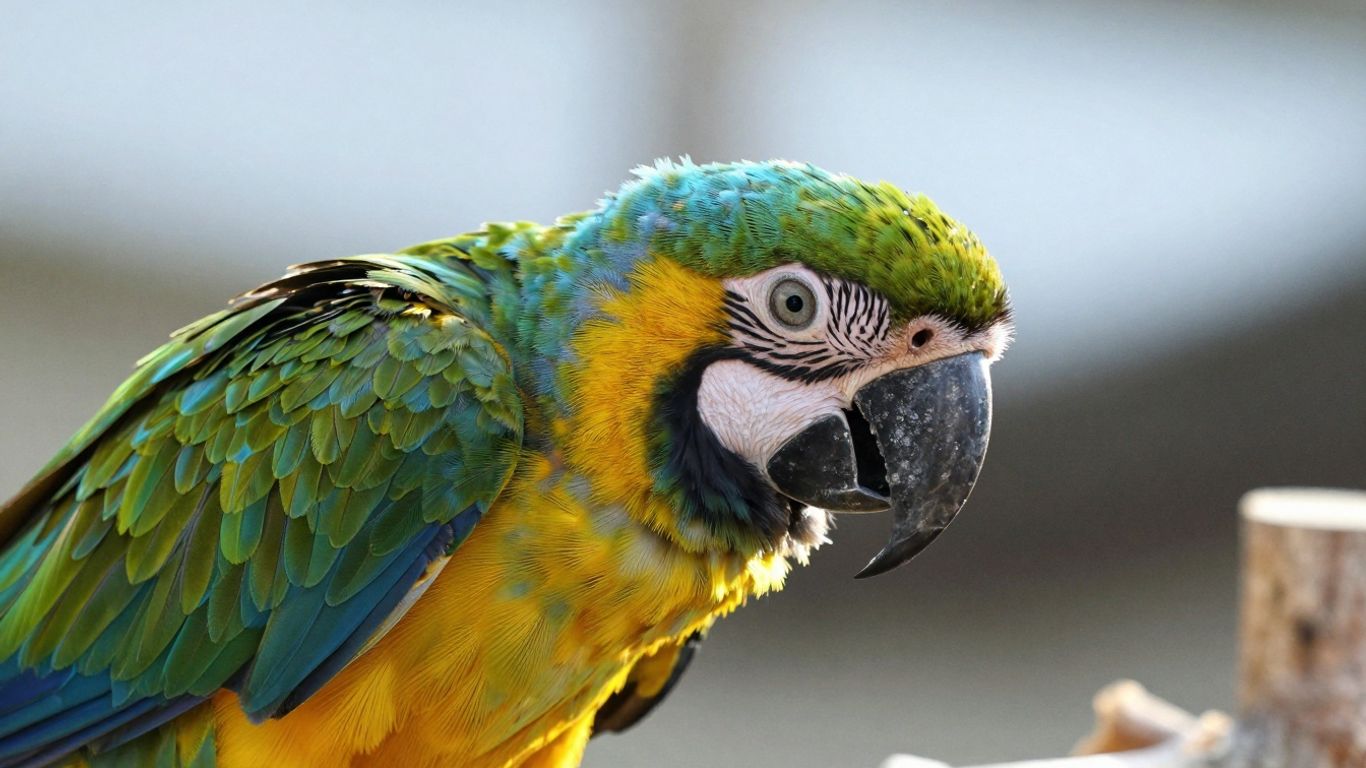
Keeping a close eye on your baby Hahns Macaw is super important. Birds are really good at hiding when they don’t feel well, so you need to know what to look for. Changes in droppings are often the first clue. If you notice they’re suddenly watery, have a different color, or there’s a lot more of them, it’s time to pay attention. Other things to watch out for include:
- Changes in behavior: Is your bird unusually quiet, lethargic, or fluffed up more than normal?
- Physical changes: Look for ruffled feathers that don’t smooth out, discharge from the eyes or nostrils, or any swelling.
- Appetite and thirst: A sudden decrease or increase in how much they eat or drink can be a sign something’s up.
- Breathing: Listen for any clicking, wheezing, or labored breathing.
The Importance of Veterinary Care
Regular check-ups with an avian vet are a must. Think of it like taking your car in for its yearly service – it helps catch little problems before they become big ones. Your vet can give your macaw a good once-over, check for parasites, and offer advice tailored to your specific bird. It’s a good idea to find a vet experienced with parrots before you even bring your baby home, just in case. Don’t wait until there’s an emergency; proactive care is the best approach for a long, healthy life for your feathered friend. You can find avian vets through resources like the Association of Avian Veterinarians.
Grooming Needs
While your Hahns Macaw will do a lot of its own grooming, there are a few things you might need to help with. Nail trimming is usually necessary every few months. If you’re not comfortable doing this yourself, your vet or a professional groomer can help. Some owners also choose to trim wing feathers to prevent escape if the bird is allowed outside or to manage flight in the house, but this is a personal choice and should be done carefully. Baths are also great for feather health and can be offered through a shallow dish of water or a gentle misting spray. This helps keep their feathers in good condition and can be a fun activity for your bird.
Enrichment and Play
Age-Appropriate Toys
Keeping your baby Hahns Macaw entertained is super important for their well-being. Think of toys like you think of snacks – variety is key! For a young macaw, you want toys that are easy to break down and explore. Soft woods, cardboard, and even some paper-based toys are great because they can shred them to bits. This is a natural behavior for them, and it keeps their beaks busy and their minds engaged. As they get a little older, you can introduce more durable toys made of harder woods, acrylics, or even metal, but for a baby, start with the softer stuff.
Here’s a quick rundown of good toy types for young macaws:
- Shredding toys: Anything they can tear apart, like paper rolls, palm leaves, or balsa wood.
- Chewable toys: Soft woods, yucca, or even bird-safe branches.
- Foraging toys: These hide treats or food, making your bird work for their reward. This taps into their natural instincts.
- Noise-making toys: Simple bells or rattles can be fun, but make sure they’re not too loud or overwhelming.
Interactive Playtime
Your Hahns Macaw needs more than just toys in a cage; they need you! Interactive playtime is where the real bonding happens. This means taking them out of their cage and engaging with them. Play fetch with a soft toy, teach them simple tricks (like step-up, which they’ll likely pick up fast), or just let them explore a safe space under your supervision. Spending dedicated time playing with your bird every day is one of the best ways to build trust and a strong relationship. It also helps them learn about the world outside their cage in a safe way.
Encouraging Natural Behaviors
Macaws are smart birds, and they have a lot of natural behaviors that you can encourage. Foraging is a big one. You can create foraging opportunities by hiding food or treats in puzzle toys or even just around their play area. This mimics how they would find food in the wild and keeps them mentally stimulated. Another natural behavior is chewing. Providing safe chewing materials helps satisfy this need and prevents them from chewing on things they shouldn’t, like furniture or electrical cords. Remember, a bored macaw can become a destructive macaw, so keeping them busy and engaged is really the name of the game.
Enrichment isn’t just about toys; it’s about providing opportunities for your bird to express natural behaviors like foraging, chewing, and exploring. This mental stimulation is just as important as physical exercise for a happy and healthy Hahns Macaw. You can find a variety of toys and enrichment ideas at bird toy suppliers.
Enjoying Your New Companion
Bringing a Hahn’s Macaw into your home is a big step, but it’s also incredibly rewarding. Remember that patience and consistency are key, especially when it comes to training and building trust. These birds are smart and social, and with the right care, a good diet, and plenty of interaction, you’ll build a strong bond. Don’t be afraid to learn as you go, and enjoy all the unique personality and joy your new feathered friend brings into your life. It’s a journey, for sure, but one that’s well worth the effort.
Frequently Asked Questions
How young can I start training my baby Hahns Macaw?
You can begin training your baby Hahns Macaw as soon as you bring them home! Even at a very young age, they can learn basic commands like ‘step up.’ The key is to start early and be patient. Introducing simple actions and words helps them get used to learning and interacting with you.
What kind of treats are best for a Hahns Macaw?
While some Hahns Macaws might stick to their main food, many enjoy a variety of treats. Small pieces of fruits like apples or bananas, or certain vegetables like cooked peas or corn, can be good options. Some owners find success with bird-specific treats like nutri-berries, but remember to offer them in moderation. Experiment to see what your bird likes best!
Is it okay for my Hahns Macaw to sit on my shoulder?
It’s generally advised to be cautious about letting your Hahns Macaw sit on your shoulder, especially when they are young. While the idea of ‘dominance’ is often debated, a shoulder perch can put your bird in a high position, and it can be harder for you to manage them safely. It’s better to keep them at a lower, more controlled level until you both understand each other’s behavior well. This also helps prevent accidental nips from a higher vantage point.
My Hahns Macaw seems nippy. What should I do?
Nipping is common with young birds as they explore the world with their beaks. Instead of getting upset, try to understand why they’re nipping. Are they bored, scared, or overstimulated? Offer them a toy to chew on instead of your fingers. Gentle redirection and positive reinforcement when they are calm can help them learn to control their beak.
What should I know about a Hahns Macaw’s personality?
Hahns Macaws are known for being intelligent, curious, and playful. They can be very affectionate and enjoy spending time with their human families. However, they also have a mischievous side and can be quite demanding of attention. Early socialization and consistent training are important to help them grow into well-behaved companions.
How important is playtime and mental stimulation for a baby Hahns Macaw?
Playtime and mental challenges are super important for a baby Hahns Macaw! They need toys that they can chew, shred, and solve puzzles with to keep their smart brains busy. Interactive games with you also build your bond and prevent boredom, which can lead to unwanted behaviors. Providing a variety of engaging activities will help your macaw thrive.