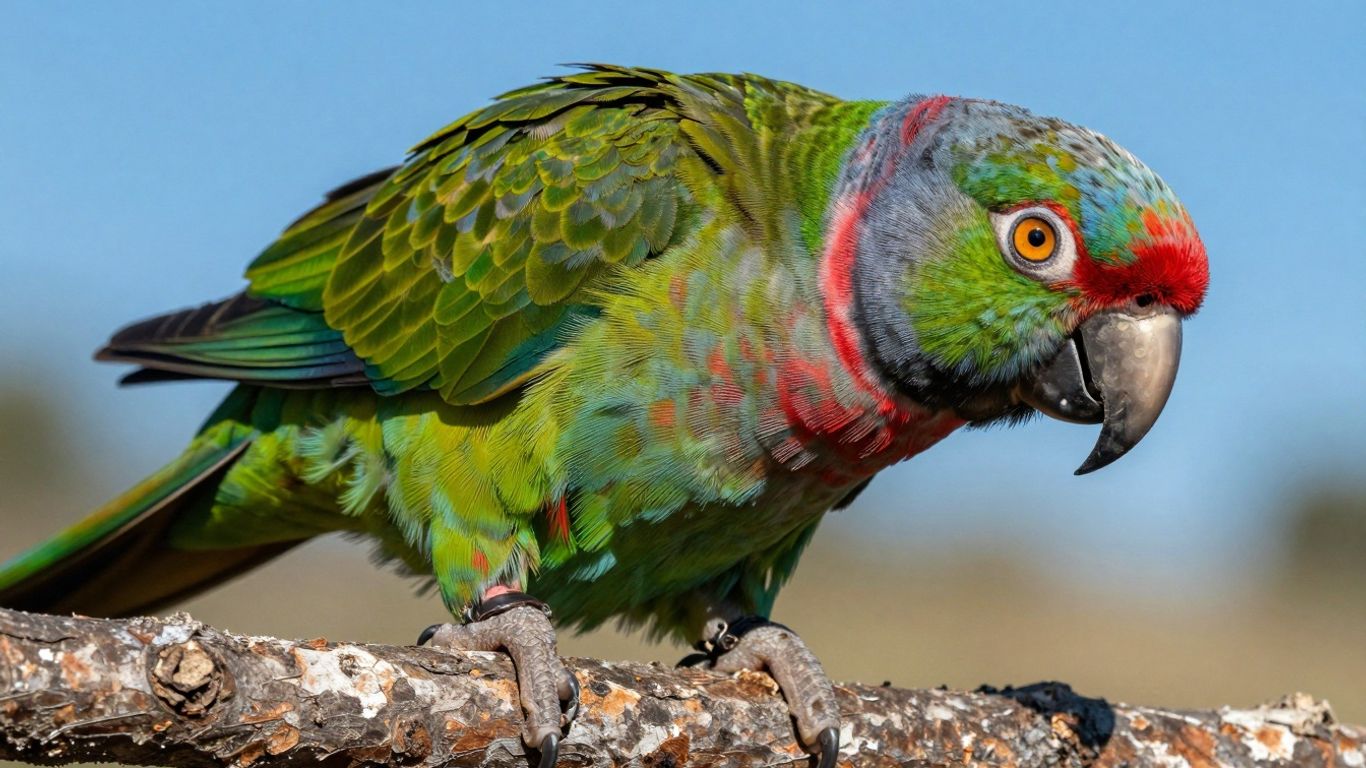
Find Your Perfect Alexandrine Parakeet for Sale: A Comprehensive Guide
So, you’re thinking about bringing home an Alexandrine Parakeet? That’s pretty cool. These birds are known for being smart and having a bit of personality. If you’re looking for an Alexandrine Parakeet for sale, it’s a good idea to know what you’re getting into. They need specific care, and finding the right one takes some homework. This guide is here to help you figure it all out, from what they’re like to how to find a healthy bird and get your home ready.
Key Takeaways
- Alexandrine Parakeets are intelligent and can form strong bonds with their owners, but they need plenty of interaction and mental stimulation.
- Proper housing is vital; a large cage with varied perches and toys is necessary to prevent boredom and behavioral issues.
- Watching for subtle signs of illness and practicing preventative care, like daily cage cleaning and a balanced diet, is key to your bird’s long-term health.
- Finding a healthy Alexandrine Parakeet for sale involves looking for reputable breeders and knowing what to check for in a bird’s appearance and behavior.
- Preparing your home and understanding the commitment, including a lifespan of 25-30 years or more, is crucial before bringing one home.
Understanding the Alexandrine Parakeet
Behavior and Personality Traits
Alexandrine Parakeets are pretty neat birds, known for being generally gentle and affectionate, especially if they grow up in a good home. They tend to get really attached to their people, sometimes to just one person in the house. This can be awesome, but it also means they might get a little jealous if they feel like they’re not getting enough attention. They’re naturally curious, smart, and love to play. Expect them to explore everything and mess around with toys. They aren’t exactly lap birds, though; they like being near you and chatting or playing more than being constantly held. Being consistent with them is super important. A bird that’s been handled a lot from when it was young will be way easier to get along with than one that hasn’t. They’re also pretty sensitive and can pick up on your mood, so if you’re chill, they’ll probably be chill too. These birds bond closely with their human caretakers, often forming a deep attachment to one particular person in the household. You can find more details on their typical behaviors here.
Social Interaction and Mental Stimulation
Leaving an Alexandrine alone in its cage all day isn’t a recipe for a happy pet. These birds really need interaction. Without it, they can get bored, lonely, and even a bit grumpy or aggressive. Think of them as having the smarts of a young kid – they need things to do to keep their minds busy and stay healthy. Here are some ways to keep them entertained:
- Daily Out-of-Cage Time: Let your parakeet fly around in a safe, bird-proofed room for a few hours each day.
- Toys and Enrichment: Switch out their toys regularly. Puzzle toys, things they can chew on, and foraging activities are great for keeping them interested.
- Training Sessions: Teach them simple tricks or commands. This not only helps you bond but also gives them something to focus on.
If they don’t get enough mental stimulation, you might see problems like constant screaming, feather plucking, or chewing things they shouldn’t. These aren’t bad behaviors; they’re usually just signs of frustration.
Boredom and lack of mental engagement can lead to a variety of behavioral issues in Alexandrine Parakeets. These birds are intelligent and require consistent stimulation to maintain their well-being.
Training and Taming Tips
Building trust with an Alexandrine takes time, patience, and understanding. They’re smart, but they won’t be your best friend overnight. If your bird is new or a bit shy, let them set the pace. Start by just sitting near the cage and talking softly so they get used to you. You can offer treats through the bars to create good associations. Try not to make sudden movements or loud noises. Once they seem more relaxed, you can open the cage and let them come out on their own. Use a perch or your hand to encourage them to step up, and reward them with a treat or praise. Always end training on a good note, even if progress feels slow. Remember, trust is earned over time. Hand-tamed Alexandrines are much easier to train. If you’re getting a bird from a breeder, ask if it’s been hand-fed and handled a lot from a young age, as this makes training much simpler. Alexandrines can also learn to talk. Start with simple words like "hello" and say them often, especially during routine times like when you uncover their cage. Reward any attempts they make to mimic you. For tricks, positive reinforcement works best. Keep training sessions short, about 5-10 minutes, because they can lose interest quickly. Make it fun and never punish them for mistakes; just try again later. With consistent effort, you can teach them quite a bit.
Essential Care for Your Alexandrine Parakeet
Housing and Cage Setup
When it comes to housing your Alexandrine Parakeet, think big. These birds are not small and need plenty of room to move, stretch their wings, and generally just be birds. A cramped cage is a recipe for a stressed, unhappy bird, and nobody wants that. For a single Alexandrine, you’re looking at a minimum cage size of about 36 inches wide, 24 inches deep, and 48 inches tall. The bar spacing should be between half an inch and three-quarters of an inch to keep them safe.
Where you put the cage matters too. Find a spot that’s part of the family action, where they can see what’s going on but aren’t in the middle of all the chaos. Avoid the kitchen – those fumes from cooking can be really bad for birds. Also, don’t put the cage right in front of a window; sudden changes in light or seeing things outside can spook them.
Must-Have Accessories for Enrichment
A big cage is just the start; it needs to be a fun place to live! Boredom is a bird’s worst enemy, leading to all sorts of unwanted behaviors. You’ve got to keep their minds and bodies busy.
- Perches: Offer a variety of textures and diameters. Think natural branches, rope perches, and even some rougher ones for foot health.
- Toys: Rotate toys regularly to keep things interesting. Chewable toys are great for their beaks, puzzle toys for their brains, and bells for a bit of fun.
- Foraging opportunities: Hide treats in paper rolls, small boxes, or specialized foraging toys. This taps into their natural instinct to search for food.
- Bathing: Alexandrines love a good bath. Provide a shallow dish or a spray bottle for them to enjoy.
Lighting Requirements
Birds need light, just like we do, but for different reasons. They need exposure to natural or full-spectrum artificial light to help their bodies make Vitamin D. This vitamin is super important for strong bones and good feather quality. Without enough proper light, they can develop health issues. So, make sure their environment has access to good light, whether it’s from a window (but not direct, harsh sun all day) or a specialized bird lamp.
Birds are sensitive creatures, and their environment plays a huge role in their overall health and happiness. Providing adequate space, mental stimulation, and proper lighting isn’t just about comfort; it’s about preventing health problems before they start. Think of it as setting them up for success from day one.
Health and Well-being of Your Parakeet
Keeping your Alexandrine parakeet healthy and happy is a big part of being a responsible owner. These birds can be pretty robust, but like any pet, they can run into health issues if we’re not careful. It’s super important to know what to watch out for.
Signs Your Bird May Be Unwell
Birds are really good at hiding when they don’t feel well, which can be a problem for us. They often wait until things are pretty bad before showing it. So, you’ve got to be observant. Some common things to look out for include:
- Changes in droppings: Anything weird with the color, how solid it is, or if it starts smelling off.
- Being unusually sleepy or fluffed up: If your bird is sitting around looking like a fluffy ball for long stretches, that’s not a good sign.
- Not eating: If they suddenly turn their beak up at their favorite foods, it’s a red flag.
- Feather plucking: This can happen for a bunch of reasons, including stress, boredom, or actual medical problems.
- Breathing issues: Things like a runny nose, sneezing, or breathing that looks difficult, especially if their tail bobs with each breath, need immediate attention.
- Beak or nail problems: If their beak or nails look overgrown, it might point to diet issues.
It’s a good idea to give your bird a quick once-over every day. Check their droppings, see how they’re acting, and just generally make sure they seem like their usual self. If you notice anything concerning, don’t just wait it out. It’s always best to get them checked by a vet who knows birds.
Preventative Health Care Tips
Honestly, the best way to deal with health problems is to stop them before they start. A lot of this comes down to good daily care. Think of it like this: you wouldn’t skip brushing your teeth, right? Well, your bird needs consistent care too.
- Keep the cage clean: This means daily clean-outs of old food, droppings, and fresh water. A dirty cage can lead to all sorts of infections.
- Provide safe toys: Make sure any toys you give your bird are safe. Avoid anything with lead, zinc, or small parts that can break off and be swallowed. Rotating toys also keeps them from getting bored.
- Offer varied perches: Different sizes and textures of perches are good for their feet and help prevent problems.
- Avoid drafts and fumes: Keep the cage away from open windows, vents, or places with sudden temperature changes. And definitely no smoking around your bird – those fumes are really bad for them. A clean environment is key for bird health.
Lifespan and Commitment
Alexandrine parakeets can live a long time. We’re talking potentially 30 to 40 years, sometimes even longer with excellent care. This is a huge commitment, much longer than many people realize when they first get a bird. It’s not just a few years; it’s a lifelong companion. You need to be prepared for that long haul, both in terms of time and finances. A healthy Alexandrine is usually active, makes noise, and is curious about everything going on around them. They really thrive when they have a good diet, plenty of things to do, and lots of interaction with you.
Taking care of a bird means being prepared for the long haul. They can live for decades, so it’s a serious commitment. Think about your lifestyle and if you can provide consistent care for many years to come. It’s more than just a pet; it’s a family member for a very long time.
Finding Your Alexandrine Parakeet for Sale
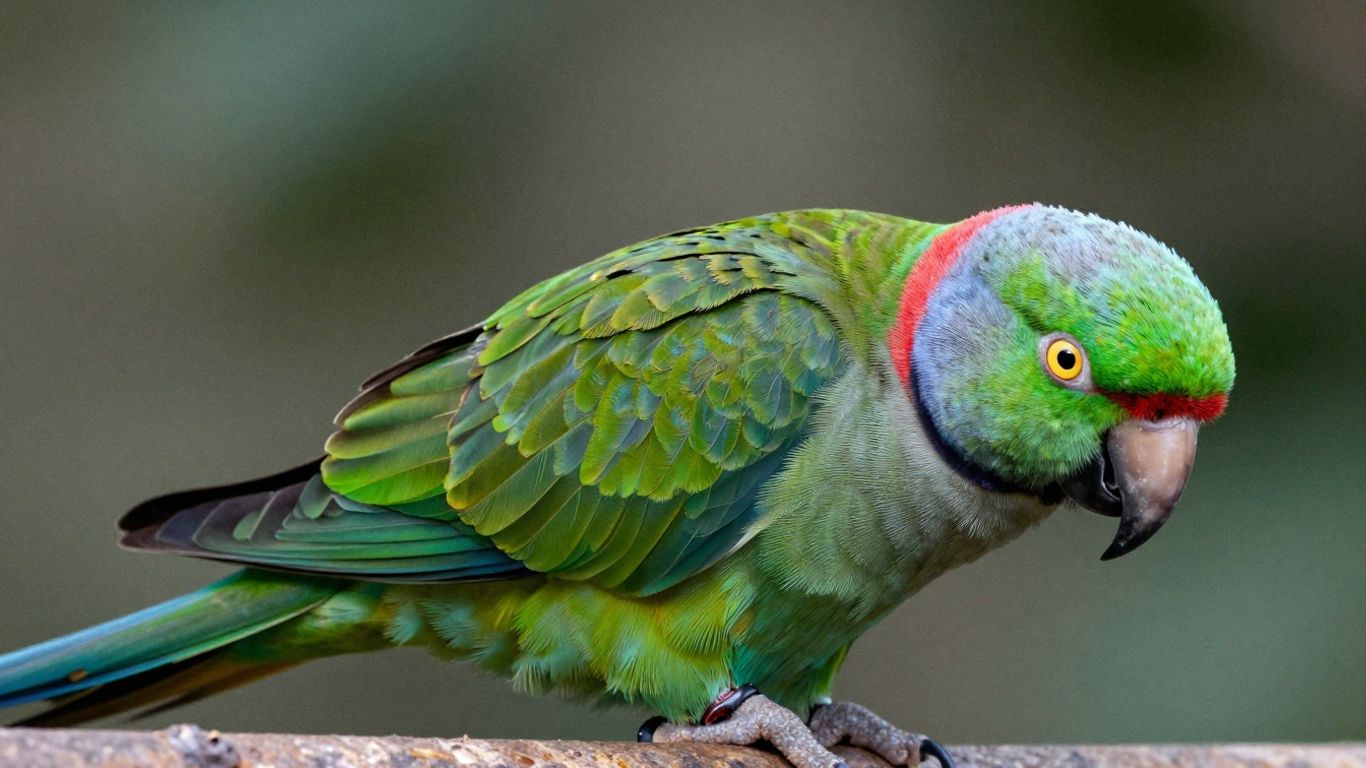
So, you’ve decided an Alexandrine Parakeet is the bird for you. That’s awesome! These big, beautiful birds are quite something. But where do you actually find one? It’s not like picking up a goldfish, you know. You want to make sure you’re getting a healthy bird from a good source. This is a big decision, and taking your time to find the right one is super important.
Where to Find Reputable Breeders
Finding a good breeder is probably the best way to go. Reputable breeders really care about their birds. They know the species inside and out and can tell you all about the bird’s parents and its history. They’ll also be happy to answer your questions and usually let you see where the birds are kept.
- Ask for recommendations: Talk to avian vets, bird clubs, or even other Alexandrine owners. They might know some good breeders.
- Look for breeders specializing in Alexandrines: Someone who focuses on one or a few species will likely have more knowledge.
- Check online resources: Websites dedicated to bird sales or forums can be helpful, but always do your homework on the seller.
- Consider rescues: Sometimes, Alexandrines end up in rescue situations. It’s a great way to give a bird a second chance.
What to Look for in a Healthy Bird
When you’re looking at a bird, you want to see a happy, healthy creature. It’s not always obvious, but there are signs. A healthy Alexandrine should be alert and active, not sitting around looking sleepy or fluffed up all the time. Their eyes should be clear, and their breathing should be smooth, without any clicking or wheezing sounds. You also want to check their droppings – they should be firm with a bit of white and green. A clean vent area is also a good sign. A bird that’s bright-eyed and curious is usually a good sign.
Here’s a quick checklist:
- Eyes: Clear and bright, no discharge.
- Feathers: Smooth, clean, and well-kept. Avoid birds with plucked or damaged feathers.
- Activity Level: Alert, responsive, and moving around.
- Breathing: Easy and quiet, no tail bobbing.
- Droppings: Firm, with white and green parts, no watery or bloody stool.
Questions to Ask Before You Buy
Don’t be shy about asking questions! A good breeder will expect it. It shows you’re serious about providing a good home. You’ll want to know about the bird’s diet, its age, and if it’s been socialized or hand-tamed. Asking about the parents can also give you clues about the bird’s temperament. It’s also wise to ask if they offer any kind of health guarantee or if they’ve had any recent vet checks. Understanding the bird’s background helps you prepare for its arrival. You can find Alexandrine Parakeets for sale in various places, with prices often ranging from $1,400 to $2,800, depending on age and location, so knowing these details is important before you commit to a specific descriptive phrase.
It’s easy to get swept up in the excitement of finding a new pet, but remember that Alexandrines are a big commitment. They need a lot of attention, space, and specialized care. Make sure you’re ready for the long haul – these birds can live for decades!
Preparing Your Home for a New Parakeet
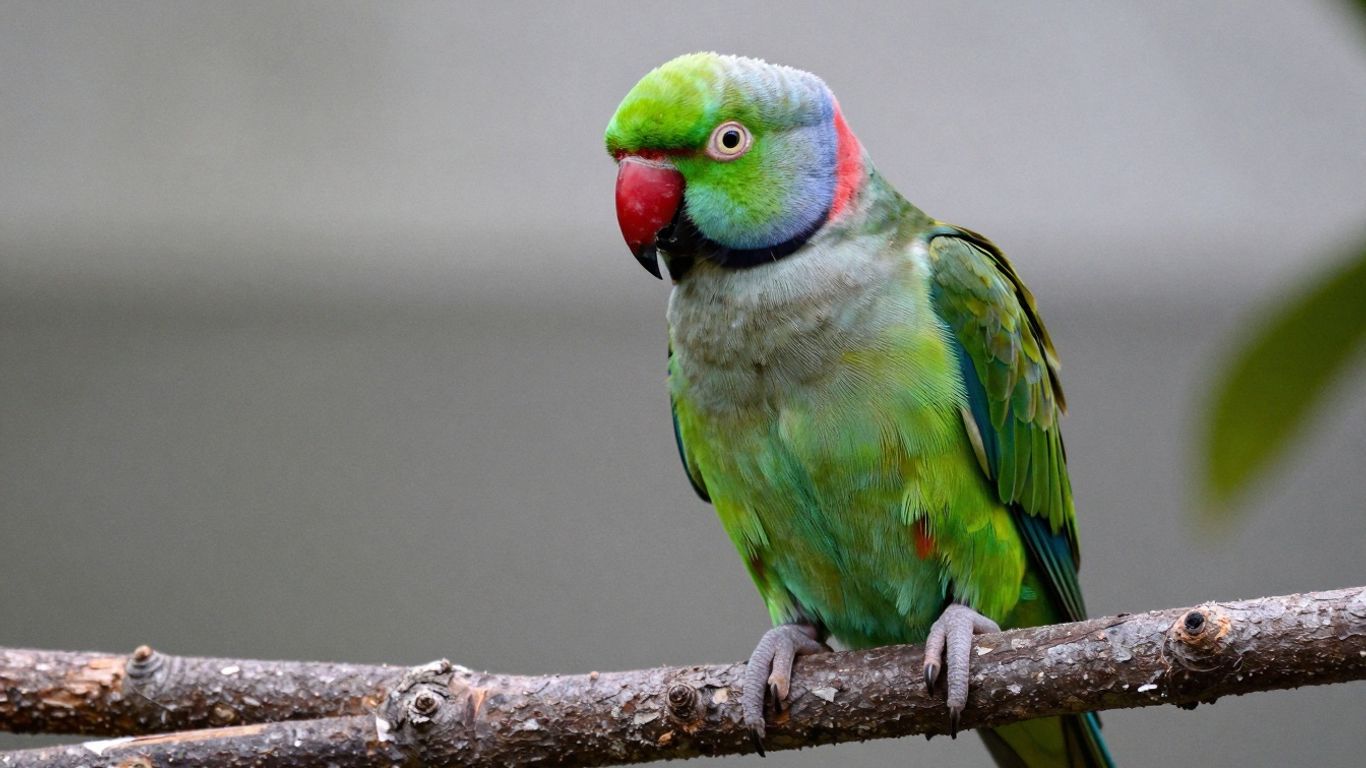
Bringing a new Alexandrine Parakeet home is super exciting, but you gotta get your place ready first. It’s not just about tossing a cage in the corner; there’s a bit more to it to make sure your new feathered buddy feels safe and happy from day one.
Bird-Proofing Your Living Space
Before your parakeet even sets a tiny claw inside your home, you need to make sure the area they’ll be in is safe. Think of it like baby-proofing, but for a bird. They can chew through things you wouldn’t expect, and some common household items are actually toxic to them. So, get down on their level and look around. Are there any electrical cords within reach? Those need to be covered or moved. What about houseplants? Some are poisonous, so research any plants you have and remove the risky ones. Also, keep windows and doors closed when the bird is out of its cage, and make sure ceiling fans are off. It’s all about creating a secure zone where they can explore without getting into trouble.
Parrots are curious by nature and will explore their surroundings with their beaks. It’s your job to remove anything that could be harmful, whether it’s a toxic plant, a dangling cord, or a small object they could swallow.
Setting Up the Cage
Okay, the cage itself. Alexandrines are big birds, so they need a big cage. Seriously, don’t skimp on space. A cage that’s too small is a recipe for a stressed-out bird, and nobody wants that. Aim for something at least 36 inches wide by 24 inches deep and 48 inches tall, with bar spacing between half an inch and three-quarters of an inch. This gives them room to flap their wings and move around. Inside, you’ll want a variety of perches – different sizes and textures are best for their feet. Think natural branches, rope perches, and maybe even a concrete one for nail trimming. Toys are also a must for mental stimulation. You’ll want chewable toys, puzzle toys, and things they can swing on. Rotate these regularly to keep things interesting. And don’t forget food and water bowls; stainless steel is a good choice because it’s easy to clean. Place the cage in a room where there’s activity, but not so much that it’s overwhelming. Avoid the kitchen, as cooking fumes can be dangerous. A good location is key for their comfort.
Introducing Your Parakeet to the Home
When you first bring your new Alexandrine home, give them space. They’ve just gone through a big change, and they’ll need time to adjust. Let them settle into their cage for a day or two without too much fuss. Keep noise levels down and avoid sudden movements. You can start by just sitting near the cage, talking softly. Don’t force interaction. Let them come to you. Offer treats through the bars initially. Once they seem more comfortable, you can try opening the cage door and letting them explore on their own terms. Always supervise them when they’re out of the cage. It’s a gradual process, so be patient. Building trust takes time, but it’s totally worth it for a happy, well-adjusted bird.
Here’s a quick rundown of what to do:
- Day 1-2: Let the bird settle in its cage. Keep noise low and avoid direct interaction.
- Day 3-7: Start talking softly near the cage. Offer treats through the bars.
- Week 2 onwards: If the bird seems relaxed, try opening the cage door for short periods. Always supervise.
- Ongoing: Continue with gentle interaction and positive reinforcement to build a strong bond.
Diet and Nutrition for Alexandrine Parakeets
Feeding your Alexandrine Parakeet right is super important for their health. These birds are pretty big, and they need a good mix of things to stay happy and active. It’s not just about filling up their bowl; it’s about giving them the right fuel.
Balanced Diet Essentials
A good diet for an Alexandrine is a varied one. Think of it like a human’s diet – you wouldn’t just eat one thing every day, right? Your parrot needs a mix of seeds, pellets, fresh fruits, and vegetables. Pellets are often recommended as a base because they’re formulated to provide a good range of nutrients. However, relying solely on pellets can be a bit boring for them. A quality seed mix can be part of the diet, but make sure it’s not just a bunch of fatty seeds. Fresh foods are where it gets fun! Offer a rainbow of fruits and veggies daily. Think dark leafy greens, bell peppers, carrots, apples, berries, and melon. A varied diet helps prevent boredom and ensures they get all the vitamins and minerals they need.
Here’s a general idea of what to include:
- Pellets: A high-quality, species-appropriate pellet should make up a good portion of their food.
- Seeds: A small amount of a good quality seed mix can be offered, but watch out for too many sunflower seeds.
- Fresh Produce: A wide variety of fruits and vegetables daily. Aim for at least 2-3 different types each day.
- Cooked Grains: Small amounts of cooked rice, quinoa, or pasta can be a nice treat.
It’s a good idea to explore different food options to see what your bird enjoys. You can find some great choices for your Alexandrine at ShopParrots.
Foods to Avoid
Just as important as knowing what to feed them is knowing what not to feed them. Some common human foods can be toxic or harmful to parrots. Always err on the side of caution. If you’re unsure about a food, it’s best to skip it.
Here are some things to keep away from:
- Avocado: This is toxic to birds.
- Chocolate: Also toxic and can cause serious health issues.
- Caffeine: Things like coffee, tea, and soda are a no-go.
- Alcohol: Obviously, this is dangerous.
- Salty or Sugary Snacks: These offer no nutritional value and can lead to health problems.
- Onions and Garlic: In large quantities, these can be harmful.
- Fruit Pits and Seeds: Many contain cyanide, so remove them before serving.
Always research any new food item before offering it to your Alexandrine. What’s safe for one pet might not be safe for another, and parrots have sensitive digestive systems.
Providing Fresh Water
Clean, fresh water is non-negotiable. Your Alexandrine needs access to water all day, every day. The water dish should be cleaned daily, and the water changed. If you use a water bottle, make sure the spout is working correctly and that your bird knows how to use it. Some birds prefer to bathe in their water, which can quickly make it dirty. If this is the case, you might need to change the water more often or provide a separate bathing dish. Keeping their water clean is a simple step that makes a big difference in preventing illness.
Ready to Find Your Feathered Friend?
So, you’ve learned a lot about Alexandrine Parakeets, from their chatty personalities to their need for a good-sized cage and plenty of toys. It’s a big commitment, for sure, these birds can live for decades! But if you’re ready for a smart, engaging companion who can learn tricks and even mimic sounds, an Alexandrine might just be the perfect fit for your home. Do your homework, find a reputable seller, and get ready for a rewarding experience. Your new best friend is out there waiting!
Frequently Asked Questions
How much space does an Alexandrine Parakeet need?
Alexandrine Parakeets are large and active birds, so they need plenty of room to fly and play. A small cage just won’t cut it! For one bird, aim for a cage that’s at least 36 inches wide, 24 inches deep, and 48 inches tall. The bars should be spaced about half an inch to three-quarters of an inch apart.
What kind of toys and accessories should I get for my Alexandrine?
To keep your Alexandrine happy and busy, you’ll need lots of fun stuff! Offer a variety of perches like wood, rope, and natural branches. Toys are super important too – think chewable toys, puzzle toys, and things that make noise. Hiding treats in paper rolls or special foraging toys will also keep their minds sharp. Don’t forget a bathing dish or a spray bottle, as they love to get clean!
How long do Alexandrine Parakeets live?
With good care, these birds can be your companions for a really long time! They typically live between 25 and 30 years, and sometimes even longer. This means they are a big commitment, like having a dog or cat, so be prepared for a long-term friendship.
Are Alexandrine Parakeets good at talking?
Yes, Alexandrine Parakeets are known for being pretty good talkers! While they might not have the super clear voice of some other parrots, they have a lot of enthusiasm. You can teach them words and sounds by saying them often and rewarding them when they try to copy you. It’s all about practice and making it fun!
What are some signs that my Alexandrine Parakeet might be sick?
Birds are good at hiding when they don’t feel well, so you need to watch closely. Look out for changes in their poop, if they seem extra sleepy or aren’t eating like usual. Feather plucking, sneezing, or having trouble breathing are also important signs. If you notice any of these, it’s best to call a bird vet right away.
How can I make sure my home is safe for a new parakeet?
Before bringing your Alexandrine home, you need to make sure your place is safe. This is called ‘bird-proofing.’ It means checking for any small holes they could get into, making sure there are no toxic plants, and securing windows and doors so they don’t fly out. Also, be careful with things like cleaning products, candles, and cooking fumes, as these can be harmful to birds.

Where to Buy Congo African Grey Parrots Online Safely and Responsibly – TROY Kelso Farms
December 30, 2025[…] It’s also a good idea to ask if they offer a health guarantee, typically for about a week or two after purchase. This gives you time to get your new bird to your own vet for a check-up. If any issues arise that were present at the time of sale, a good breeder will stand by their bird. You can often find reputable breeders through avian organizations or by asking experienced parrot owners for recommendations. For instance, looking into breeders who specialize in Alexandrine parakeets can give you an idea of the standards to expect from any dedicated breeder Alexandrine parakeets. […]
Ready to Buy Plum Headed Parakeet Online? Your Guide to Finding the Perfect Bird – TROY Kelso Farms
December 30, 2025[…] When thinking about where your Plum Headed Parakeet will live, think spacious and stimulating. A good-sized cage is a must. You’ll want something that allows them to spread their wings and move around comfortably. Inside, a variety of perches of different textures and thicknesses is great for their feet. Don’t forget toys! These birds need mental stimulation to prevent boredom, which can lead to behavioral issues. Think about puzzles, shreddable toys, and things they can climb on. They also appreciate a good bath, so a bird bath or a shallow dish of water can be a welcome addition. Proper lighting is also important for their overall health, much like it is for Alexandrine Parakeets. […]