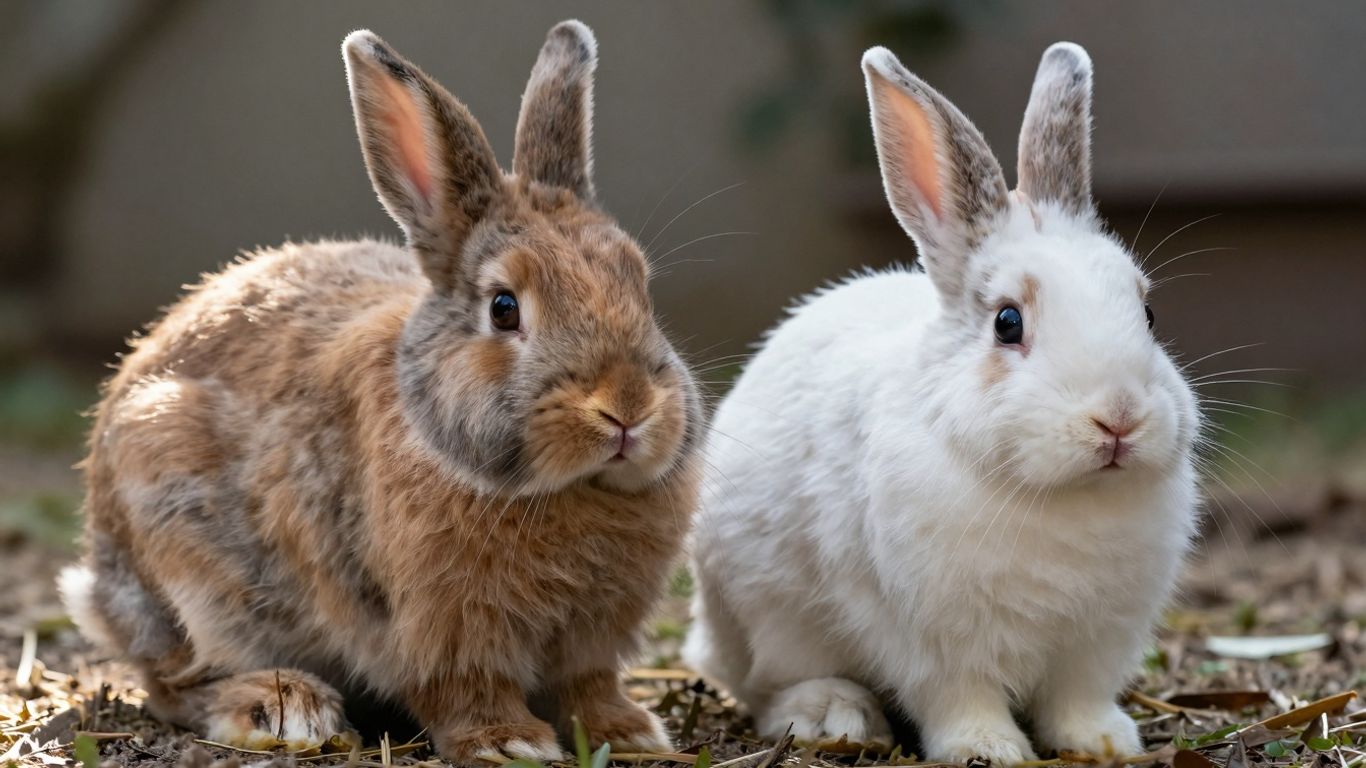
Ready to Buy Male & Female Netherland Dwarf Rabbits? Find Your Perfect Companion!
Thinking about adding a Netherland Dwarf rabbit to your family? They’re super cute, right? But before you jump in and buy male & female Netherland Dwarf rabbits, there’s a bit to think about. This guide will help you figure out what to look for, how to find the right bunny, and what to expect when you bring your new friend home. It’s not just about picking the cutest one; it’s about finding a companion that fits your life.
Key Takeaways
- When looking to buy male & female Netherland Dwarf rabbits, consider their temperament and personality to ensure a good match for your home.
- Understand the factors influencing the price of Netherland Dwarf rabbits, such as breed standards, health, and specific traits.
- Prioritize breeders who offer health guarantees and vaccinations, and be prepared for potential health issues.
- Prepare your home by focusing on socialization, proper diet, and creating an environment that encourages your rabbit’s well-being.
- Explore adoption and rescue options for Netherland Dwarf rabbits, including adults and those needing a second chance.
Choosing Your Netherland Dwarf Companion
Understanding Netherland Dwarf Temperament
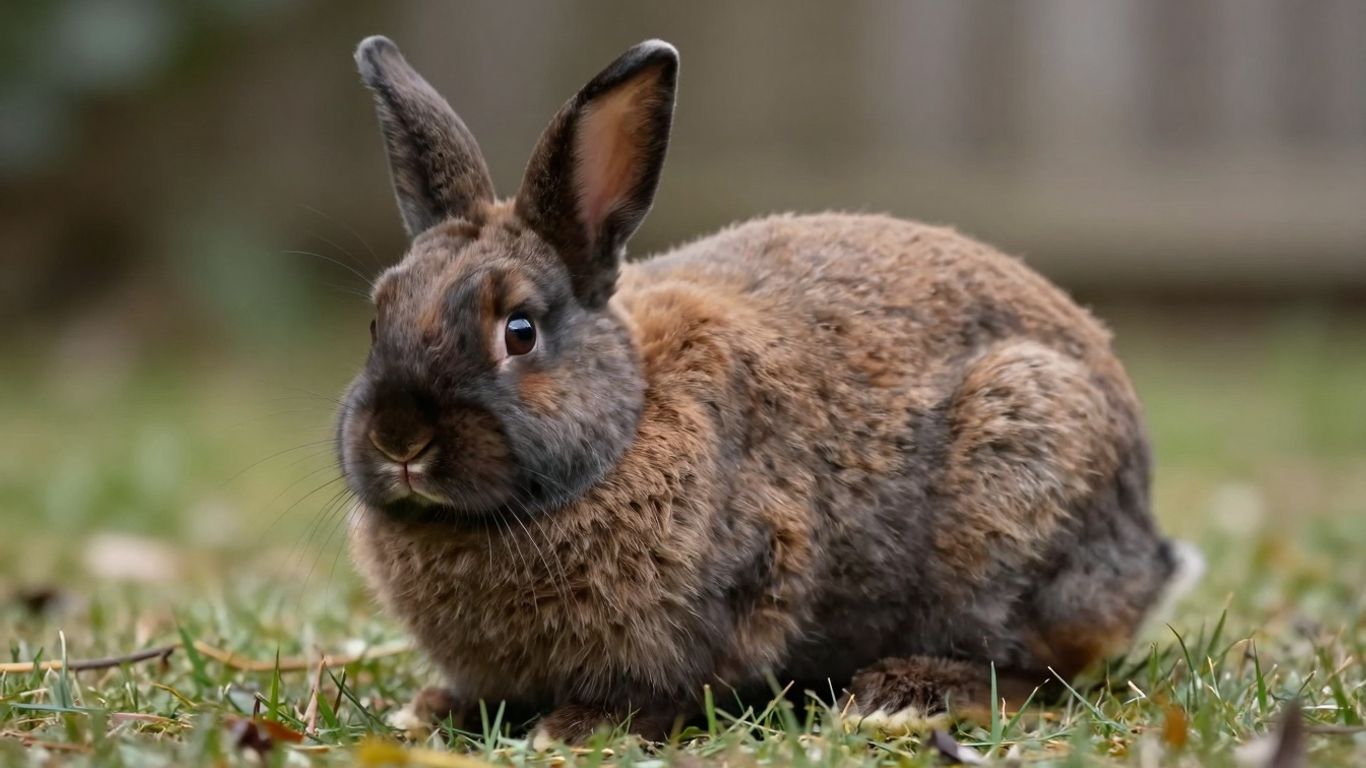
Netherland Dwarfs are known for their spunky personalities packed into a tiny package. They’re intelligent, curious, and can be quite active. While they’re generally sweet-natured, their energy levels mean they need stimulation and interaction. Some can be a bit skittish if not handled regularly from a young age, so it’s good to know what you’re getting into. They often bond closely with their people, but it might take a little patience to earn their trust.
- Curious and Intelligent: They love to explore and figure things out.
- Active and Playful: Expect zoomies and binkies!
- Can be Shy: Proper socialization is key to a confident bunny.
- Affectionate: Once they trust you, they can be very loving.
Assessing Physical Traits
When looking at Netherland Dwarfs, you’ll want to check a few things to make sure you’re getting a healthy bunny. Look for bright, clear eyes, a clean nose and rear end, and smooth fur. Their ears should be upright and well-formed. Since they are a dwarf breed, they are naturally small, but you don’t want to see ribs or bones sticking out – a healthy weight is important. Their body should be compact and well-proportioned.
| Trait | What to Look For |
|---|---|
| Eyes | Clear, bright, no discharge |
| Ears | Upright, clean, no excessive wax or debris |
| Coat | Smooth, clean, free of mats or bald spots |
| Body | Compact, well-muscled, not too thin or overweight |
| Feet & Nails | Clean, nails trimmed or not overgrown |
Considering Personality Nuances
Even within the Netherland Dwarf breed, individual personalities can vary a lot. Some bunnies are bold and outgoing, while others are more reserved. Think about what kind of companion you’re looking for. A more confident bunny might be easier to handle right away, whereas a shy one might need a bit more time and gentle encouragement. It’s also worth considering if you have other pets; some Netherland Dwarfs get along better with other rabbits than with cats or dogs, and vice-versa.
It’s always a good idea to spend a little time with a rabbit before you decide to bring them home. See how they react to you, if they seem curious or fearful, and if they seem comfortable being petted. This initial interaction can tell you a lot about their potential personality.
- Bold vs. Timid: Does the bunny approach you or hide?
- Playful vs. Calm: Are they immediately exploring or observing?
- Social with Others: How do they react to other rabbits or people around them?
Finding Male & Female Netherland Dwarf Rabbits For Sale
So, you’ve decided a Netherland Dwarf is the rabbit for you. That’s fantastic! Now comes the exciting part: finding your new furry friend. When looking for available bunnies, you’ll notice that breeders often list them with details about their sex, color, and sometimes even their lineage. It’s important to find a reputable source that prioritizes the health and temperament of their rabbits.
Available Netherland Dwarf Bunnies
When you start browsing, you’ll see a variety of Netherland Dwarfs. Some breeders focus solely on this breed, while others might have a few litters here and there. You’ll find information like:
- Breed: Always Netherland Dwarf, but sometimes listed with other breeds they might be crossed with (though for purebred, you want just Netherland Dwarf).
- Sex: Male (Buck) or Female (Doe).
- Color: This can range from solid colors like black, blue, or chocolate, to broken patterns, or even more unique varieties like chinchilla or sable.
- Age/Birthday: This tells you when they were born and when they’ll be ready to go to a new home. Bunnies usually go to their new homes around 8-10 weeks old.
- Parents: Sometimes breeders list the parents, which can give you an idea of the potential size and temperament of the baby.
It’s not uncommon to see listings for specific bunnies, like Cooper, an Orange Male Netherland Dwarf, or Vera, a Black Otter Female Netherland Dwarf. Each bunny is an individual, and while breed standards are important, their personal quirks are what make them special.
Understanding Pricing Factors
Prices for Netherland Dwarf rabbits can really vary. You might see a range from a couple of hundred dollars to much more. Several things influence the cost:
- Genetics and Bloodline: Rabbits from show-quality lines with proven pedigrees often cost more.
- Color and Markings: Rare or highly sought-after colors can command higher prices.
- Physical Traits: Bunnies bred to meet specific breed standards (like head shape, ear set, and body type) might be priced higher.
- Breeder Reputation: Established breeders who invest heavily in health testing, good nutrition, and socialization often have higher prices, reflecting their commitment.
For example, a Netherland Dwarf with exceptional traits might be listed at $350, while another with a less common color might be $800. It’s not just about the bunny itself, but the care and quality that went into raising it. You can find more information on Holland Lop bunnies which share some similar pricing considerations.
Identifying Ready-to-Go Bunnies
When you see a listing, pay close attention to the "Ready to go home" date. This is usually about 8 weeks after their birth date. Some breeders will have a "Found a Home" or "Sale Pending" status for bunnies that have deposits placed on them. If a bunny is listed as "Available," it means they are still looking for their forever family. It’s also good to know if a bunny is already fixed or if that’s something you’ll need to consider, as neutering costs can add up.
When you’re ready to bring your Netherland Dwarf home, make sure you’ve prepared their living space. This includes a suitable cage or enclosure, food and water dishes, hay, and appropriate bedding. Having everything ready beforehand makes the transition much smoother for both you and your new pet.
Health and Guarantees When You Buy
When you’re looking to bring a Netherland Dwarf rabbit home, understanding the health and any guarantees offered is super important. It’s not just about picking a cute bunny; it’s about making sure you’re getting a healthy animal from a responsible breeder.
Commitment to Genetic Excellence
Reputable breeders put a lot of effort into making sure their rabbits are healthy from the start. This often means they focus on good genetics, trying to avoid problems that can pop up in certain breeds. They’ll usually be happy to talk about the health history of the parents and the lineage of the bunnies they’re selling. A breeder committed to genetic excellence will be transparent about their practices and the health of their rabbits.
Vaccinations and Health Guarantees
Some breeders will have already given their bunnies some initial vaccinations, like for RHDV (Rabbit Hemorrhagic Disease Virus), especially if it’s common in your area. Always ask what, if any, vaccinations have been administered. Regarding health guarantees, these can vary a lot. Some might cover genetic defects for a certain period, like 30 days or even longer. It’s really key to read the fine print on any guarantee. What exactly is covered? What isn’t? For example, common issues like digestive upset or minor infections might not be included.
Here’s a general idea of what a health guarantee might look like:
| Coverage Type | Duration | Specifics |
|---|---|---|
| Genetic Defects | 30 Days | Covers death due to inherited conditions. |
| Congenital Issues | 72 Hours | Covers visible birth defects. |
| General Health Check | At Purchase | Vet check within 72 hours recommended. |
What to Expect with Health Issues
Even with the best breeders, sometimes health problems can arise after you take your bunny home. This is why having a good relationship with your breeder and a clear understanding of their policies is so helpful. If a health issue does come up, the breeder might offer a replacement bunny, but usually not a refund. It’s also a good idea to have a rabbit-savvy vet lined up before you even bring your new friend home. They can give your bunny a check-up and be there if any unexpected issues pop up.
It’s wise to ask about the breeder’s policy on returns or exchanges if a health problem is discovered shortly after purchase. While refunds are rare, a good breeder will want to work with you to find a solution, like offering a replacement bunny, to ensure the animal finds a good home and you’re not left without a companion.
Remember, a healthy rabbit is a happy rabbit, and taking the time to understand these health aspects will help you find a wonderful, long-lived companion.
Preparing for Your New Rabbit
Bringing home a Netherland Dwarf rabbit isn’t just about picking out the cutest bunny with the best coloring. It’s about getting your space ready to make their arrival as easy and stress-free as possible. Let’s talk about what you’ll want to work on before your new friend hops in.
Socialization and Human Interaction
- Start slowly. Let your rabbit explore the new environment at their own speed.
- Be patient—Netherland Dwarfs can be shy at first, so quiet voices and gentle movements go a long way.
- Try short, regular sitting sessions on the floor nearby; let your bunny come to you to sniff due to their curious nature.
- Keep early interactions positive by offering treats and praise instead of picking them up right away.
Getting your rabbit to trust you can take time, but once that bond clicks, it turns every little moment—every morning binky or relaxed flop under the table—into something special.
Dietary Considerations
- Fresh water, daily! Refill their bowl or bottle every morning and check it at night.
- Mainstay diet: Lots of high-quality hay (like Timothy or orchard grass), which keeps their digestion moving right.
- Fresh greens: Kale, romaine, and dandelion are solid choices but introduce each slowly.
- Good-quality pellets are fine, just as a supplement.
- Avoid: Iceberg lettuce, too many sugary fruits, and anything unfamiliar.
Here’s a basic table for reference:
| Food Type | Quantity/Day |
|---|---|
| Hay | Unlimited |
| Fresh Greens | 1 cup per 2 lbs |
| Pellets | 1/8 cup per 2 lbs |
| Fresh Water | Unlimited |
Creating an Enriching Environment
- Rabbit-proof your home by covering electrical wires and removing plants that might be toxic.
- Set up a cozy space: a cage, X-pen, or safe room with plenty of room to stretch and hide.
- Essential supplies include a litter box (with paper-based litter), soft blankets or towels, and chew-safe toys.
- Offer hiding spots—simple cardboard boxes or special tunnels work great.
- Rotate toys and rearrange things every so often to keep them curious and stimulated.
- Pay attention to temperature and airflow; rabbits are sensitive to heat and drafts.
Adding the right touches to your home—not just the basics, but the fun stuff like enrichment and hiding spots—makes a giant difference in your bunny’s happiness. For a few more prep tips and what to expect on the first day, you can see advice about getting your home rabbit-ready from experienced owners.
Adoption and Rescue Options
Adult Rabbits Seeking Retirement Homes
Sometimes, the most rewarding companions are those who have already lived a little. Many Netherland Dwarf rabbits, often retired from breeding or therapy programs, are looking for quiet, loving homes to spend their golden years. These bunnies, typically between six months and three years old, are past the energetic kitten stage and are ready to be spoiled. They often come with a bit of history, but their desire for a comfortable, safe place to relax is strong. These mature rabbits can make incredibly devoted pets.
Giving a Home to Rescue Rabbits
Rescue organizations often take in rabbits from all sorts of situations – some are strays, others are surrendered due to owner circumstances, and some might have had a rough start. These rabbits, including Netherland Dwarfs, might need a little extra patience as they learn to trust again. They often come with veterinary screenings, spay/neuter, and litter training already done. It’s a wonderful feeling to provide a safe haven for a rabbit who truly needs it. You might find a rabbit with some unique needs, like Havyn, who, despite a spinal injury, is a gentle soul looking for a home that can accommodate her. Or perhaps Siri, who is learning to trust after being abandoned in the cold.
Considering Adoption for a Companion
Adopting a Netherland Dwarf can be a deeply fulfilling experience. You’re not just getting a pet; you’re giving a second chance. Many rescue groups have detailed profiles of their available rabbits, outlining their personalities, any special needs, and what kind of home would be best. For example, Xena, a survivor of abandonment and multiple litters, is looking for a patient, rabbit-experienced adopter who understands that building trust takes time. You can find many adoptable rabbits waiting for their forever homes at places like House Rabbit Society.
Here’s what you might expect when adopting:
- Veterinary Care: Most rescue rabbits are spayed or neutered and have received initial health checks.
- Temperament Evaluation: Rescues often assess a rabbit’s personality to help match them with the right family.
- Support: Many organizations offer ongoing advice and support to adopters.
When you choose to adopt, you’re making a significant difference in an animal’s life. These rabbits, despite their pasts, have so much love to give and deserve a chance at happiness. It’s a commitment, for sure, but one that brings immense joy.
The Purchase Process
So, you’ve found your perfect Netherland Dwarf bunny and you’re ready to bring them home. That’s exciting! But before you do, let’s talk about how the actual purchase works. It’s usually pretty straightforward, but there are a few steps involved to make sure everything goes smoothly for both you and the bunny.
Holding Deposits and Appointments
Most breeders will ask for a deposit to hold a bunny for you, especially if it’s still young and not quite ready to leave its mother. This deposit is usually a percentage of the total price and is often non-refundable. It shows you’re serious about buying and takes the bunny off the market for other potential buyers. You’ll typically need to schedule an appointment to meet the bunny, especially if it’s under 8 weeks old. This is a good chance to see your future pet in person and ask any last-minute questions. Remember, deposits are typically non-refundable, so be sure about your decision before putting money down.
Pickup and Delivery Options
Once your bunny is old enough to go home (usually around 8 weeks), you’ll need to arrange pickup. Most breeders prefer you to pick up in person. They’ll want to schedule a specific date and time with you. If you can’t make it right away, some might offer to hold the bunny for a few extra days, but there could be a daily boarding fee. It’s important to coordinate this carefully. Delivery options are less common and might come with extra charges, depending on the distance.
Waitlist for Future Litters
Sometimes, the perfect Netherland Dwarf bunny isn’t available right now. Maybe you have your heart set on a specific color or gender, or all the current litters are already spoken for. In these cases, breeders often have a waitlist. You can put your name down for future litters. This means you’ll be among the first to know when new babies are born and have a chance to reserve one before they’re widely advertised. It requires a bit of patience, but it can be worth it to get exactly the bunny you’re dreaming of. You can find more information on choosing a bunny that fits your life.
It’s always a good idea to have a clear understanding of the breeder’s policies regarding deposits, pickup dates, and any potential fees before you commit. This avoids any confusion down the road and helps ensure a happy transition for your new pet.
Ready to Welcome Your Netherland Dwarf?
So, you’ve learned all about these adorable Netherland Dwarf rabbits and are ready to bring one home. It’s a big decision, but a super rewarding one! Remember to prepare a cozy space for your new friend, get the right food and toys, and be ready for lots of fun. Whether you’re looking at a tiny baby or a sweet adult, finding the right rabbit means finding a companion who will bring joy to your life for years to come. Happy bunny hunting!
Frequently Asked Questions
What makes Netherland Dwarf rabbits special?
Netherland Dwarf rabbits are known for their small size and cute, compact bodies. They have round heads, short ears, and big, expressive eyes. Despite their small stature, they often have lively personalities and can be very cuddly and friendly when they get to know you. They’re a popular choice for a pet because they’re so charming and manageable in size.
How do I know if a Netherland Dwarf rabbit is right for me?
Think about how much time you can spend with a pet. Netherland Dwarfs need daily attention, playtime, and grooming. They also need a safe space to hop around. If you have a calm household and can provide a loving environment with proper care, a Netherland Dwarf could be a great fit. They do best when they aren’t left alone too much.
What should I look for when buying a Netherland Dwarf?
When choosing a bunny, check its physical health. Look for clear eyes, a clean nose and bottom, and smooth fur. Also, pay attention to its behavior. A healthy bunny is usually active and curious. If possible, observe how it interacts with people. A well-socialized bunny will be more comfortable with you.
Are male or female Netherland Dwarfs better pets?
Both male and female Netherland Dwarfs can make wonderful pets! Males are sometimes said to be a bit more laid-back, while females can be more independent. However, personality really depends on the individual rabbit and how it’s raised. Spaying or neutering can also help with behavior, making them more even-tempered.
What kind of health guarantees are offered?
Reputable breeders often provide health guarantees to show they care about their rabbits’ well-being. This might include a guarantee for genetic health for a certain period. Some may also offer initial vaccinations. Always ask about their health policies and what they cover before you buy.
How much do Netherland Dwarf rabbits usually cost?
The price of a Netherland Dwarf can vary quite a bit. Factors like the bunny’s color, lineage (its parents’ background), and whether it’s being sold as a pet or for breeding purposes can affect the cost. You might see prices ranging from a couple hundred dollars to much more for rabbits with specific traits or from champion bloodlines.