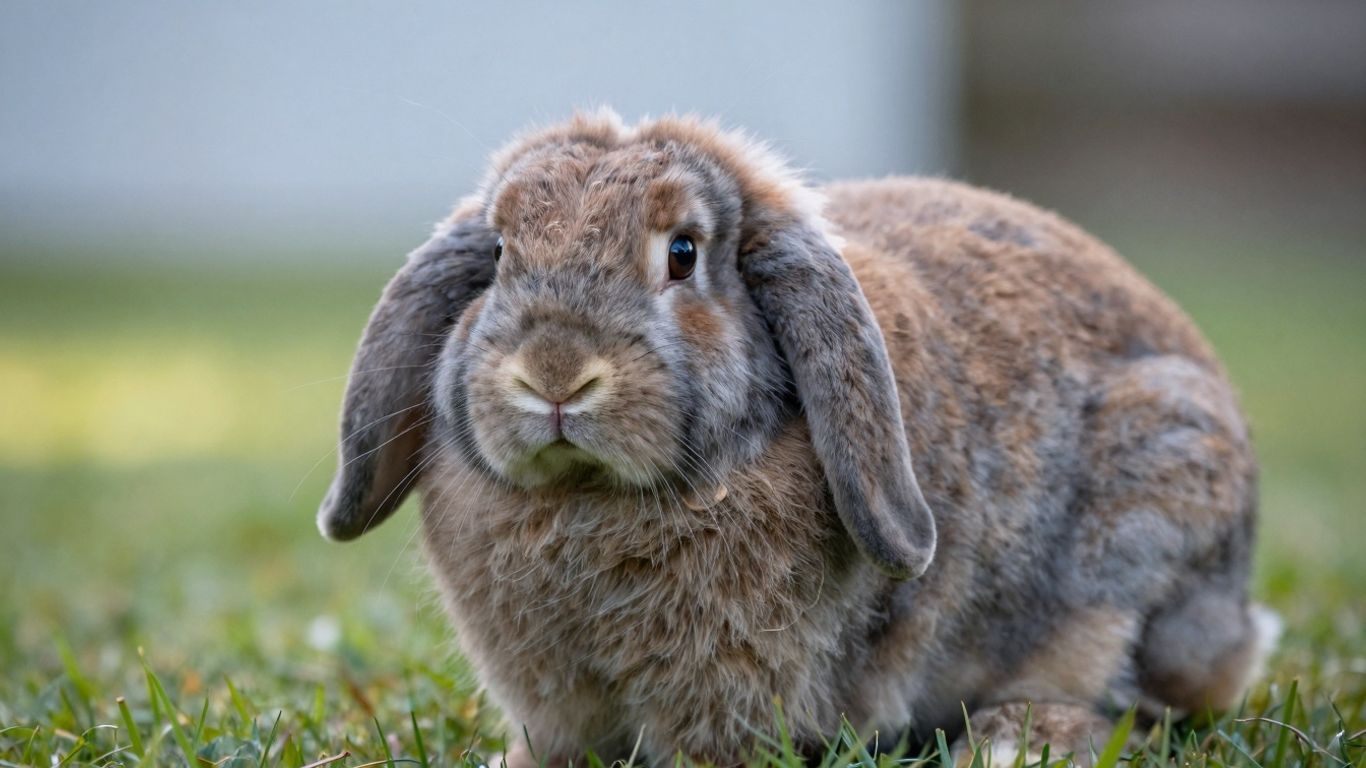
Ready to Buy Flemish Giant Bunnies? Find Male & Female Companions Here!
Thinking about bringing a Flemish Giant rabbit into your home? These gentle giants are truly special, known for their impressive size and even more impressive personalities. If you’re ready to buy male & female Flemish Giant bunnies, you’ve come to the right place. We’ll walk you through what makes this breed so unique, where to find your new furry friend, and how to give them the best life possible.
Key Takeaways
- Flemish Giants are one of the largest rabbit breeds, often weighing 15-20+ pounds, with a calm and friendly nature earning them the nickname ‘Gentle Giants’.
- When looking to buy male & female Flemish Giant bunnies, consider reputable breeders who focus on health, temperament, and size, often providing health guarantees and vaccinations.
- These large rabbits need ample space for exercise, a diet rich in hay and fresh vegetables, and regular grooming due to their dense fur.
- Flemish Giants can make wonderful companions, known for forming strong bonds with their owners and offering therapeutic benefits.
- Proper preparation, including gathering necessary supplies and understanding their care needs, is important before bringing your Flemish Giant home.
Discover Your Gentle Giant Companion
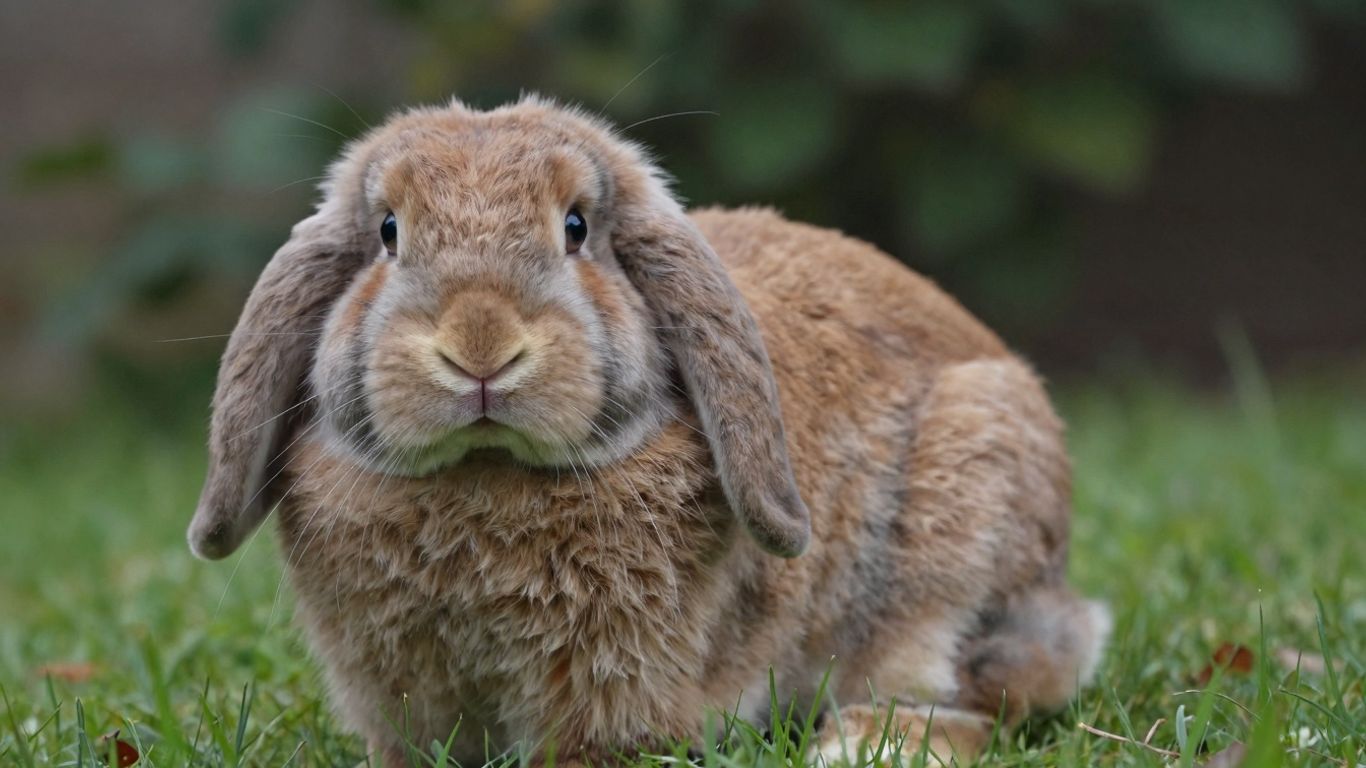
Thinking about bringing a Flemish Giant into your life? That’s fantastic! These rabbits aren’t just big; they’re known for being incredibly sweet and laid-back. Seriously, they’re like the gentle giants of the rabbit world. If you’re looking for a pet that’s more than just a furry face, a Flemish Giant might be your perfect match. They have a way of just melting into your life, becoming a real part of the family.
Understanding The Flemish Giant Breed
The Flemish Giant is one of the oldest and largest rabbit breeds out there. They originated in Belgium, and let me tell you, they live up to their name. These bunnies can get pretty hefty, often weighing in between 15 to 22 pounds, though some can be even larger. They come in a variety of colors, including grey, black, white, fawn, and blue. Their bodies are long and powerful, with broad hindquarters and a deep chest. It’s important to remember their size means they need more space and more food than your average bunny, so be prepared for that commitment.
Temperament Of These Majestic Rabbits
When people talk about Flemish Giants, the first thing they usually mention is their temperament. These rabbits are generally known for being very docile and friendly. They’re not typically skittish or aggressive. Instead, they tend to be calm, curious, and quite affectionate. Many owners find they form strong bonds with their Flemish Giants, enjoying quiet time together. They often don’t mind being petted or even held, as long as you’re gentle and support their large bodies properly. They’re intelligent too, and can even learn a few tricks if you’re patient.
Ideal Home For A Flemish Giant
Because of their size, Flemish Giants need a bit more room than smaller breeds. Think of it like this: a cramped space just won’t do for such a grand animal. They need plenty of space to hop, stretch out, and explore. A large hutch or a dedicated room in your house can work well. They also benefit from supervised time outside their enclosure to exercise and interact. It’s important to rabbit-proof any area they’ll be in, as they can be curious chewers. Providing a safe and stimulating environment is key to keeping your Flemish Giant happy and healthy. You’ll want to make sure they have plenty of room to move around, maybe even a large enclosure for their daily adventures.
Flemish Giants are a significant commitment due to their size. Prospective owners should be prepared for the increased needs in terms of space, food, and general care. Their gentle nature, however, makes them wonderful companions for those who can provide the right environment.
Finding Male & Female Flemish Giant Bunnies For Sale
Where To Buy Flemish Giant Bunnies
If you’re looking for Flemish Giant bunnies, you’re definitely not alone. These rabbits are popping up everywhere, but you still want to know you’re getting your bunny from a reputable breeder or adoption spot. Here’s what to keep in mind when you’re hunting for your new gentle giant:
- Contact recognized, responsible breeders who have a good reputation and provide health guarantees.
- Check rescue organizations and animal shelters; occasionally, even rarer breeds need second homes.
- Look into rabbit clubs or regional shows—sometimes breeders offer bunnies there.
| Source | Pros | Cons |
|---|---|---|
| Breeder | Health guarantees, pedigree | More expensive |
| Rescue/Shelter | Adopt, sometimes cheaper, helps animals | Less predictable availability |
| Rabbit Shows | Chance to see parents and siblings | May require travel, not always available |
Finding a good breeder takes a bit of time, but it makes all the difference when it comes to your bunny’s health and happiness.
Choosing Between Male And Female Companions
Wondering whether to go for a male or female Flemish Giant? The choice matters if you’ve got other pets or certain personality preferences, but both sexes can make great companions. Here’s a breakdown:
- Males (bucks) are typically laid-back, often a bit more sociable.
- Females (does) can be feisty as youngsters but usually mellow out, especially after being spayed.
- Consider whether you’ll want to neuter or spay; it’ll help with behavior and prevent accidental litters.
Remember, temperament varies by individual, so always spend a little time with your potential bunny first if you can.
What To Expect When You Buy Flemish Giant Bunnies
Getting your new Flemish Giant is pretty exciting, but there’s more to it than just the pickup day. Here’s what to expect as you go through the process:
- You may need to get on a waiting list—Flemish Giant bunnies aren’t usually available on-demand.
- Health checks and sometimes the first vaccine will be provided by reputable breeders.
- Bunnies are usually ready to go to new homes at 8-12 weeks old.
Table: Typical Cost Range (as of 2025)
| Quality/Source | Price Range |
|---|---|
| Pet Quality | $100 – $300 |
| Show Quality | $300 – $700+ |
| Rescue/Shelter | $40 – $150 |
Be ready for plenty of questions from the seller—they want to make sure their bunnies go to homes that are genuinely prepared for the responsibility.
Caring For Your New Flemish Giant
Bringing a Flemish Giant into your home is a big step, and like any large breed, they have specific needs to keep them happy and healthy. It’s not just about having a bigger cage; it’s about understanding their diet, grooming requirements, and creating a living space that truly suits their size and nature.
Essential Diet and Nutrition
These gentle giants have appetites to match their stature. While their dietary needs are similar to smaller rabbits – lots of hay, some pellets, and fresh greens – the quantities are significantly larger. Hay should make up the bulk of their diet, around 80%, providing necessary fiber for digestion. Think unlimited Timothy or orchard hay. Pellets are supplementary; a Flemish Giant might eat around 100-150 grams daily, compared to a smaller rabbit’s 25-50 grams. Fresh leafy greens are also important, with a Flemish Giant enjoying 3-5 handfuls a day. Always research new vegetables before introducing them, and do so slowly to avoid upsetting their stomachs. Remember, their nutritional needs can fluctuate, especially before they reach full maturity around 18 months old, so keep an eye on their weight and adjust food amounts as needed.
Grooming Needs Of A Large Breed
Regular grooming is more than just keeping your bunny looking sharp; it’s a vital part of their health. Daily brushing, using a soft brush or a Cuddlecomb, helps remove loose fur, prevents matting, and is a great way to bond with your rabbit. It also gives you a chance to check their skin, eyes, and ears for any issues. Because they have such dense coats, matting can become a real problem if not addressed. This is also a good time to get them used to being handled, which is important for such a large animal. You’ll want to have a few grooming tools on hand, and it’s a good idea to get them accustomed to this routine early on. For a more in-depth guide on tools and techniques, you might find resources on grooming your pet rabbit helpful.
Creating a Safe and Spacious Environment
Flemish Giants need room to roam. A small hutch just won’t cut it. They require a spacious enclosure, or better yet, a rabbit-proofed room or area where they can move freely, stretch their long legs, and explore. Think about providing plenty of space for a litter box, food and water dishes, and areas for them to rest comfortably. Their size means they can also be quite active, so ample space for exercise is a must. A secure environment, free from hazards and escape routes, is key to their well-being. They are known for forming strong bonds, and a comfortable, safe space will help them feel secure and relaxed in their new home.
Health And Well-Being Of Your Bunny
Vaccinations And Health Guarantees
Keeping your Flemish Giant healthy starts with preventative care. Reputable breeders often provide initial vaccinations against common rabbit diseases, like Rabbit Hemorrhagic Disease (RHD). It’s a good idea to ask for vaccination records and understand what diseases the bunny has been protected against. Some breeders also offer a health guarantee, which can provide peace of mind. This might cover genetic issues for a certain period after you bring your bunny home. Always clarify the terms of any guarantee, including what it covers and for how long.
Veterinary Care For Flemish Giants
Finding a veterinarian experienced with rabbits, especially large breeds like Flemish Giants, is really important. Regular check-ups are key to catching any potential health problems early. Your vet can advise on diet, parasite prevention, and spaying/neutering, which is often recommended for both male and female rabbits to prevent certain health issues and behavioral problems. Don’t hesitate to ask questions; your vet is your best resource for keeping your gentle giant in top shape.
Signs Of A Healthy And Happy Rabbit
Observing your Flemish Giant’s daily behavior is a great way to monitor their well-being. A healthy rabbit is typically active, curious, and has a good appetite. Their fur should be clean and smooth, and their eyes, nose, and ears should be clear of discharge. You’ll want to see them eating and drinking regularly. They should also be producing normal droppings – firm, round pellets. A happy bunny might also exhibit playful behaviors like binkying (a sort of hop and twist) or simply relaxing contentedly.
A rabbit’s diet is a huge part of their overall health. Providing plenty of fresh hay is not just about fiber; it’s also vital for keeping their teeth in good condition. Flemish Giants, like all rabbits, have teeth that grow continuously, and chewing on hay helps wear them down naturally. Without enough hay, dental problems can arise, leading to discomfort and other health issues.
Here are some things to look out for:
- Clear eyes and nose: No crusting or discharge.
- Healthy coat: Fur should be smooth and free of mats or bald spots.
- Good appetite: Eating and drinking consistently.
- Normal droppings: Firm, round fecal pellets.
- Active and alert: Showing interest in their surroundings.
If you notice any changes, like lethargy, loss of appetite, or unusual droppings, it’s time to contact your vet. Early detection often makes a big difference in treatment outcomes. Remember, a well-cared-for Flemish Giant can be a companion for many years, and proper nutrition is a big part of that.
The Benefits Of Flemish Giant Companionship
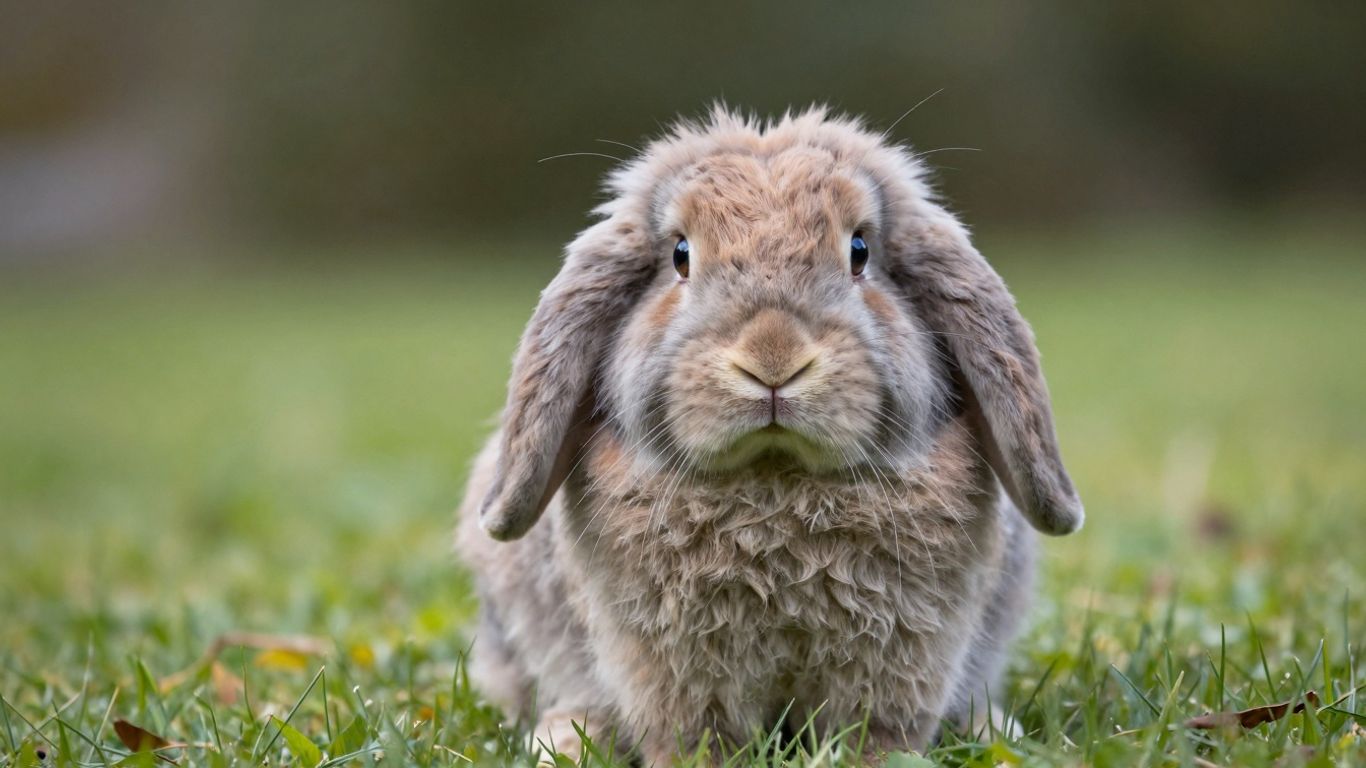
Bringing a Flemish Giant into your home is more than just getting a pet; it’s welcoming a large, gentle presence that can truly enrich your life. These rabbits, often called "Gentle Giants," are known for their calm and docile nature. They tend to form deep connections with their people, often enjoying quiet time spent lounging nearby. Their sheer size means they have a calming effect, and their presence can be quite grounding.
Therapeutic Qualities Of Rabbits
It might surprise you how much comfort a rabbit can bring. Just being around them, petting their soft fur, and watching their peaceful movements can help lower stress levels. For many, the quiet companionship of a Flemish Giant offers a unique kind of solace. They don’t demand constant attention like some pets, but their steady presence is always there. This makes them wonderful companions for anyone seeking a bit of calm in their day.
Building A Strong Bond With Your Pet
Developing a connection with a Flemish Giant is a rewarding experience. Because they are so large, they often tolerate handling well, especially if you’re gentle and supportive. Spending time grooming them, talking to them softly, or just sitting with them can build trust. It’s a two-way street; the more you interact positively, the stronger your bond will become.
Here are a few ways to strengthen your bond:
- Daily Grooming: Brushing their thick coat not only keeps it healthy but also provides a great opportunity for gentle interaction.
- Quiet Time Together: Simply share the same space, allowing them to relax near you.
- Positive Reinforcement: Reward calm behavior with small treats or gentle praise.
- Consistent Routine: Rabbits thrive on predictability, which helps them feel secure with you.
Socialization With People And Other Animals
Flemish Giants can be quite social, but it’s important to introduce them to new experiences gradually. Proper socialization from a young age helps them become well-adjusted adults. This means exposing them to different sights, sounds, and gentle interactions. If you have other pets, introductions should always be supervised and done slowly, respecting each animal’s space and comfort level. Remember, they are prey animals, so their interactions with other pets, especially dogs, need careful management.
While they are large, Flemish Giants are not typically boisterous. Their movements are often deliberate, and they tend to be quite graceful for their size. This makes them suitable for households where a calmer energy is preferred, though they still need plenty of space to move and explore.
Preparing For Your Flemish Giant’s Arrival
So, you’ve decided to bring home one of these magnificent Flemish Giants! That’s fantastic. But before your gentle giant hops into their new life with you, a little preparation goes a long way. It’s not just about having a big cage; it’s about setting up a whole environment that suits their unique needs. Think of it like getting ready for a new family member – you want everything to be just right from day one.
Necessary Supplies For New Owners
Getting the right gear is step one. Since these are large rabbits, their needs are a bit scaled up. You’ll need a spacious enclosure, and I mean spacious. A dog crate for a large breed might work, or a custom-built hutch, but make sure they have room to stretch out fully, stand up on their hind legs without their ears touching the top, and take a few hops. Don’t forget a sturdy water bowl (heavy ceramic ones are good so they don’t tip them) and a hay feeder. Litter boxes for rabbits are a must, and for a Flemish Giant, you’ll want a larger one. Think about a cat litter box, maybe even a storage tote with an entrance cut out. And of course, bedding – something absorbent and safe, like paper-based bedding or aspen shavings. Avoid pine and cedar, as those can be harmful.
Here’s a quick rundown of what you’ll likely need:
- Enclosure: Big enough for movement and play.
- Water and Food Bowls: Heavy and stable.
- Litter Box: Large size.
- Bedding: Safe and absorbent.
- Hay Feeder: To keep hay clean and accessible.
- Grooming Tools: A good brush for their thick coat.
- Safe Chew Toys: To keep their teeth healthy and minds busy.
Bringing Your Bunny Home
When the big day arrives, try to keep things calm. Rabbits can get stressed easily, especially in new environments. Have their enclosure set up and ready to go before you pick them up. When you get them home, gently place them in their new space. Let them explore on their own terms. Don’t force interaction right away. Sit near the enclosure, talk softly, and let them get used to your presence. They might hide at first, and that’s perfectly normal. Give them a few days to settle in before you start handling them extensively. Patience is key during this adjustment period.
The first few days are all about letting your new Flemish Giant feel secure. They need to understand that their new home is a safe place. This means a quiet environment with minimal disruptions. Avoid having a lot of visitors or loud noises around them. Let them establish their routine and feel comfortable in their surroundings before introducing new experiences.
Training And Socialization Tips
Flemish Giants are smart cookies, and they can be litter-trained! It takes a bit of consistency, but it’s totally doable. Place a litter box in the corner of their enclosure where they naturally tend to go. You can put a little hay in the litter box to encourage them to use it, as rabbits like to eat and poop at the same time. Clean up any accidents outside the box and place them in the litter box to show them where it belongs. Positive reinforcement works wonders – praise them when you see them using the box. Socialization is also important. Once they’re settled, gentle handling and interaction will help them bond with you. Spend time sitting with them, offering treats, and letting them come to you. If you have other pets, introduce them slowly and under strict supervision, as the size difference can be a concern. Remember, these are gentle giants, but their size means you need to be mindful of how they interact with smaller children or other animals.
Ready to Welcome Your Gentle Giant?
So, you’re thinking about bringing a Flemish Giant into your home? That’s fantastic! These big, sweet bunnies make amazing companions. Remember, they need plenty of space, good food, and lots of love. If you’re prepared to give them that, you’ll have a loyal friend for years to come. Finding the right Flemish Giant, whether male or female, is the first step to a wonderful friendship. Happy hopping!
Frequently Asked Questions
What makes Flemish Giants special?
Flemish Giants are super special because they’re HUGE! They’re one of the biggest rabbit breeds out there, often weighing as much as a small dog. But don’t let their size fool you; they’re known for being really gentle and friendly, which is why people call them ‘gentle giants’.
Are Flemish Giants good pets for families?
Yes, they can be! Flemish Giants are usually very sweet and get along well with people. They make great companions, especially for families with older kids who know how to be gentle. Just remember, because they’re so big, you need to make sure everyone knows how to handle them carefully.
How much space do these big bunnies need?
These large rabbits need plenty of room to hop around and stretch their legs. Think of it like giving a big dog a place to play. They’ll need a spacious cage or a safe, bunny-proofed area in your home where they can explore and get exercise every day.
What do Flemish Giants eat?
Like all rabbits, hay is the most important part of their diet – they should have unlimited access to it! They also need a measured amount of good-quality rabbit pellets and a variety of fresh vegetables and herbs. It’s smart to research which veggies are safe for them and introduce new foods slowly.
Do Flemish Giants need a lot of grooming?
Because they have such thick, dense fur, Flemish Giants do need regular brushing. Aim to brush them a few times a week to keep their coat healthy, prevent tangles, and reduce shedding. It’s also a great way to bond with your bunny and get them used to being handled.
Can Flemish Giants live with other pets?
Flemish Giants can sometimes get along with other pets, like cats or dogs, but it takes careful introductions and supervision. They also do best with another rabbit friend because they are social animals. However, it’s best if the other rabbit is not too much smaller than them to avoid any accidental harm.