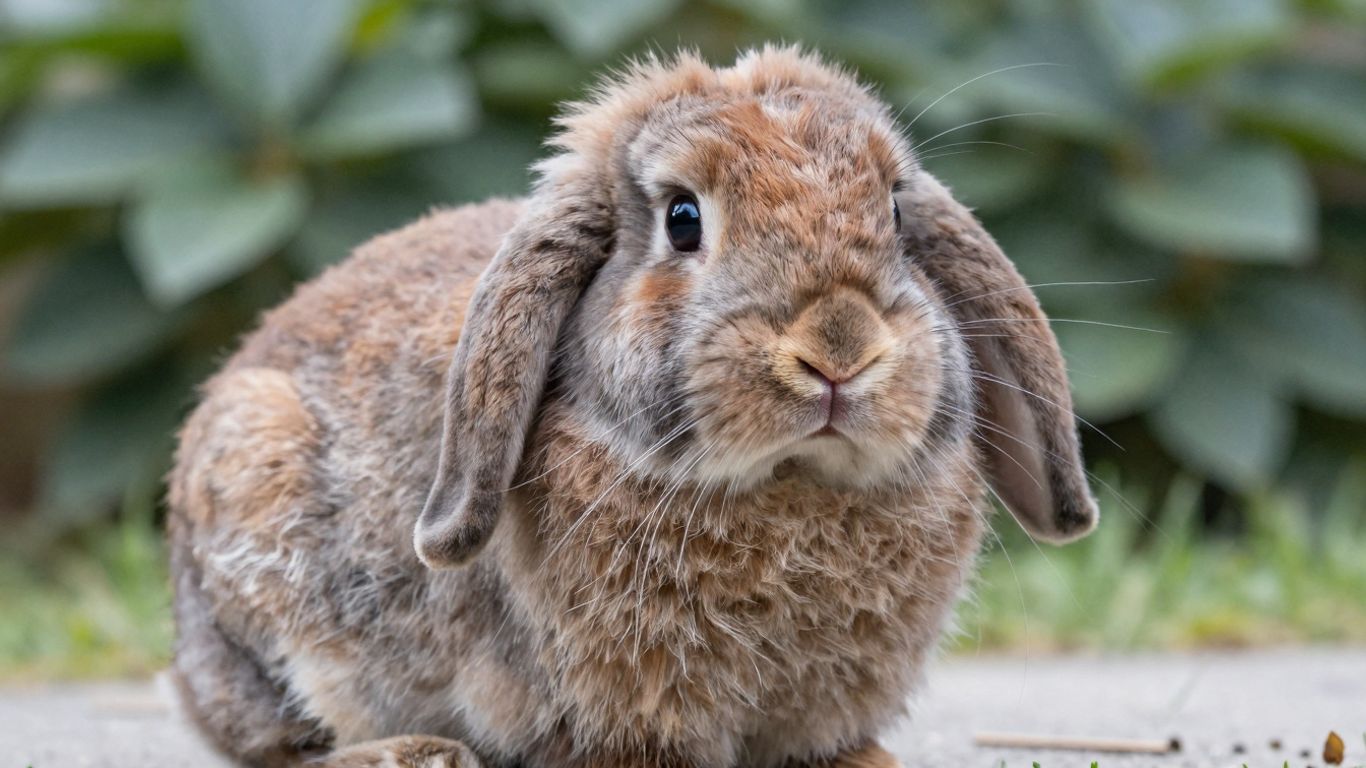
Ready to Buy? Find Adorable Male & Female Holland Lop Bunnies Here!
Thinking about adding a fluffy friend to your family? Holland Lops are super popular, and for good reason! They’re small, cute, and have those adorable floppy ears. Whether you’re leaning towards a playful boy or a cuddly girl, finding the right Holland Lop bunny to buy is an exciting step. This guide will help you through the process, from understanding the breed to bringing your new pal home.
Key Takeaways
- Holland Lop bunnies are known for their small size, floppy ears, and friendly personalities, making them great pets.
- When looking to buy male & female Holland Lop bunnies, consider their individual temperaments, ages, and socialization levels.
- Finding a reputable breeder or rescue is important for ensuring you get a healthy and well-adjusted bunny.
- Proper preparation of your home, including necessary supplies, is key for a smooth transition for your new pet.
- Building a strong bond with your Holland Lop bunny involves patience, understanding, and providing a safe, loving environment.
Discover Adorable Holland Lop Bunnies Ready To Buy
Are you ready to welcome a fluffy friend into your home? Holland Lops are a fantastic choice, known for their charming personalities and distinctive floppy ears. We have a wonderful selection of both male and female Holland Lop bunnies eagerly awaiting their forever families. Each one is raised with care, ensuring they are well-socialized and ready to hop into your life.
Find Your Perfect Male Holland Lop Companion
Male Holland Lops often have a reputation for being a bit more laid-back and affectionate, though individual personalities can really vary. They tend to be curious and enjoy exploring their surroundings. Many owners find their male bunnies to be quite cuddly once they feel comfortable and secure in their new environment. If you’re looking for a companion who might be a bit more content to lounge around with you, a male Holland Lop could be just the ticket.
Meet Our Charming Female Holland Lop Bunnies
Female Holland Lops can be full of spunk and personality! They are often very active and playful, enjoying zoomies around the house or garden. While they might be a little more independent than males, they form strong bonds with their humans and can be incredibly sweet. They often show their affection in unique ways, and their playful antics are sure to bring a smile to your face.
Explore a Variety of Holland Lop Colors and Personalities
Holland Lops come in a dazzling array of colors, from solid shades like black, white, and grey to more complex patterns like harlequin and broken. Beyond their looks, each bunny has a unique personality. Some are bold and adventurous, while others are shy and gentle. Taking the time to observe their behavior and interact with them can help you find the bunny whose temperament best matches your lifestyle. Remember, finding the right bunny is about more than just looks; it’s about finding a friend. You can find more information on choosing the right bunny for you at understanding rabbit breeds.
When choosing a bunny, consider not just their appearance but also their energy level and how they interact with you. A good breeder or rescue will be able to tell you about each bunny’s individual quirks and preferences, helping you make an informed decision.
Your Guide to Buying Male & Female Holland Lop Bunnies
Understanding Holland Lop Breed Characteristics
Holland Lops are a pretty popular choice for a reason. They’re small, generally good-natured, and have those adorable floppy ears that just melt your heart. They typically weigh between 2 to 4 pounds when fully grown, making them manageable pets for many households. Their compact size doesn’t mean they’re low-energy, though; they still need plenty of space to hop around and explore. It’s important to know that their size can also make them a bit more delicate, so handling them gently is key, especially with younger ones. They’re known for being curious and can be quite playful, which is fun to watch.
What to Expect When You Buy a Holland Lop
When you decide to bring a Holland Lop home, there are a few things to keep in mind. Prices can really vary depending on where you get your bunny from and if they have a specific pedigree. You might see them listed anywhere from $30 to over $400. It’s not just about the initial cost, though. Think about the ongoing care: food, hay, bedding, and vet check-ups. A healthy bunny is a happy bunny, and that’s what we all want. It’s also good to know that some breeders offer health guarantees, which can be a nice bit of reassurance. Always ask about the bunny’s background and any known health history.
Preparing Your Home for a New Holland Lop
Getting your home ready for a new bunny is a big step. You’ll need a safe, spacious enclosure. This could be a large cage or a dedicated bunny-proofed room. Rabbits love to chew, so anything you don’t want damaged needs to be out of reach or protected. Think about electrical cords, furniture legs, and houseplants – they can all be tempting targets. You’ll also need a litter box, as Holland Lops can be litter trained, which makes cleanup much easier. Providing fresh hay and water daily is a must, along with a good quality pellet food. Setting up their space before they arrive helps them settle in more smoothly.
Rabbits are sensitive creatures and can get stressed easily. Creating a calm and predictable environment from the start will help your new bunny feel secure and begin to trust you. Avoid loud noises and sudden movements in the initial days.
Here’s a quick checklist of what you’ll need:
- A spacious enclosure (cage or pen)
- Litter box and rabbit-safe litter
- Hay rack or feeder
- Water bottle or heavy ceramic bowl
- High-quality rabbit pellets
- Fresh hay (Timothy hay is a good choice for adults)
- Bunny-safe chew toys
- A carrier for vet visits or transport
Where to Buy Healthy Holland Lop Bunnies
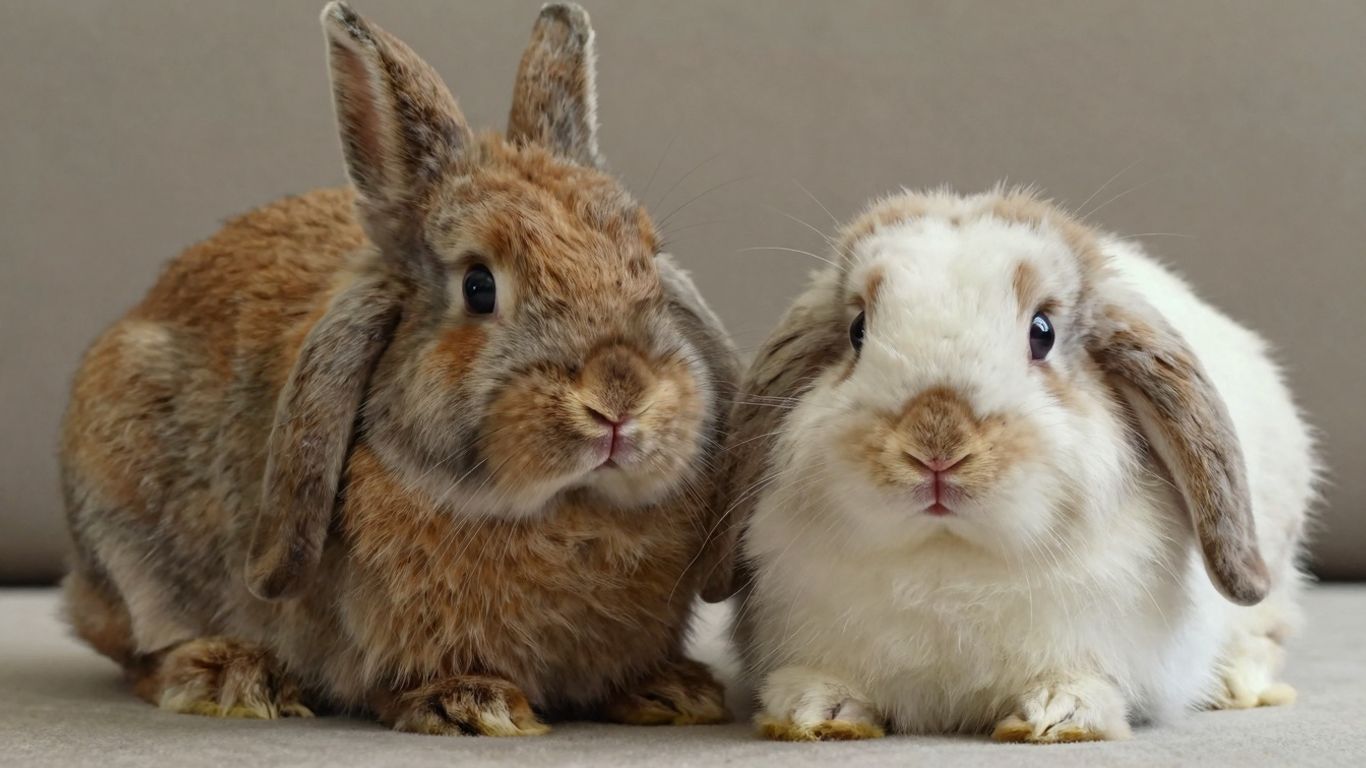
Reputable Breeders for Holland Lop Bunnies
Finding a good breeder is key to getting a healthy bunny. You want someone who really knows their stuff and cares about the rabbits. A good breeder will be happy to answer all your questions and show you where the bunnies live. They should also be able to tell you about the bunny’s parents and any health history. Look for breeders who focus on the health and temperament of their Holland Lops. They often have waiting lists because they raise their bunnies with care, not just for profit. Some breeders even offer health guarantees, which is a nice bonus.
Adopting a Holland Lop: What to Consider
Adopting a bunny from a rescue or shelter is a wonderful option. You’re giving a home to a rabbit that needs one. When you adopt, the bunny might already be litter-trained or have some basic socialization. It’s a good idea to ask the shelter staff about the bunny’s personality and any known history. Sometimes, older bunnies are available, which can be great if you want a calmer pet. Remember that adopted bunnies might need a little extra patience as they adjust to their new surroundings.
Finding Holland Lop Bunnies Near You
When you’re looking for Holland Lops, checking local classifieds or online marketplaces can be a starting point. You might find someone rehoming a bunny or a small, local breeder. It’s important to be cautious and do your homework, though. Not everyone selling bunnies is an expert. Always try to see the bunny in person before committing. If you’re looking for a specific color or lineage, you might need to search a bit wider. Sometimes, rabbit shows or clubs can be a good place to connect with breeders in your area. You can also check out English Lop bunnies if you’re open to other lop breeds.
Choosing the Right Holland Lop Bunny For You
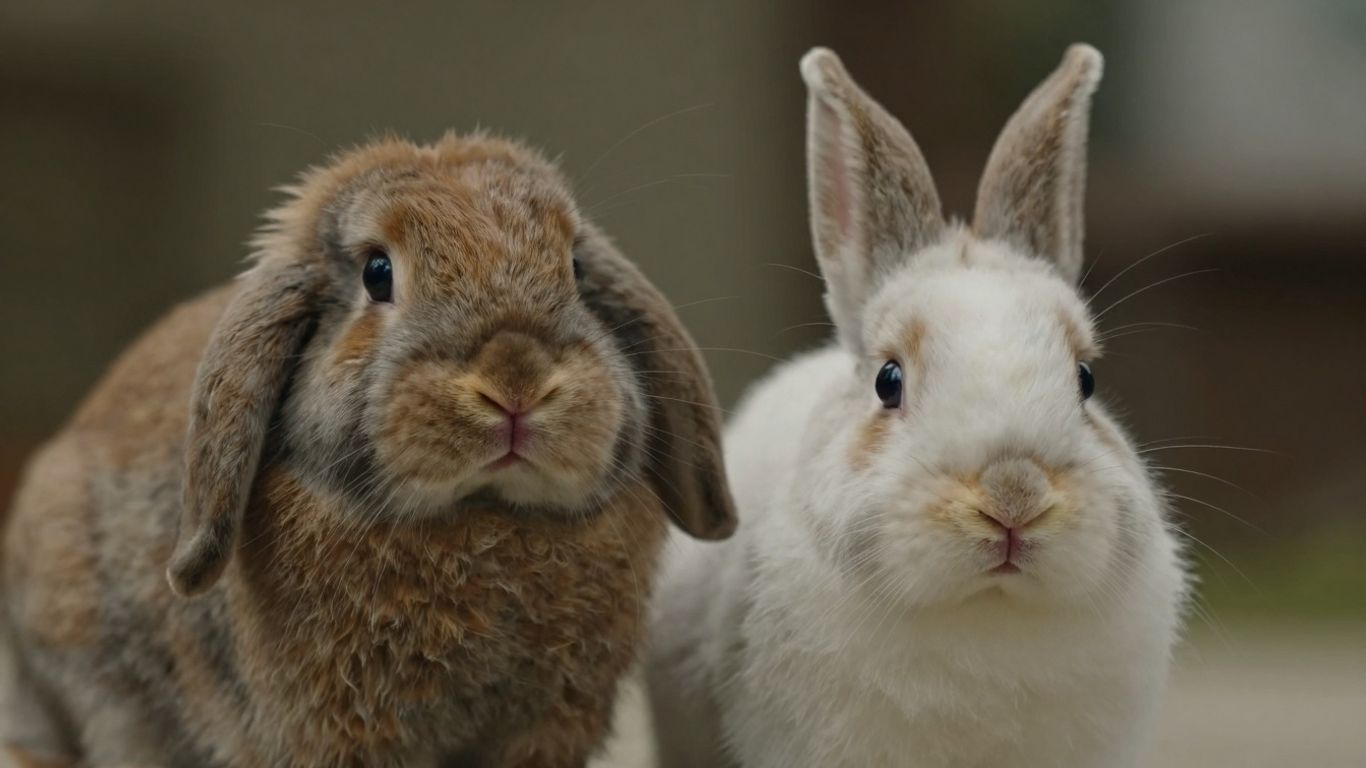
So, you’ve decided a Holland Lop is the bunny for you. Awesome! Now comes the fun part: picking out your specific furry friend. It’s not just about looks, though. You’ll want to think about a few things to make sure you and your new bunny are a perfect match.
Male vs. Female Holland Lop Temperaments
When it comes to personality, both male and female Holland Lops can be super sweet. Generally, unspayed females can sometimes be a bit more territorial or moody, especially around maturity. Unneutered males might be more prone to marking their territory with urine, though this can often be managed with neutering and training. Neutered males and spayed females tend to be quite similar in temperament – curious, playful, and affectionate. It really comes down to the individual bunny’s upbringing and socialization.
- Males (Bucks): Often described as more laid-back and less prone to mood swings once neutered. They can be very cuddly and enjoy attention.
- Females (Does): Can be very independent and sometimes a bit more reserved initially. Once they bond with you, they can be incredibly loving.
Age and Socialization of Available Bunnies
The age of the bunny you choose can make a difference. Younger bunnies are like little sponges, soaking up everything and easily adapting to your home and routines. They require more hands-on attention and training, though.
Older bunnies, on the other hand, might already have some basic litter training or a more established personality. They can be just as loving and often settle in quite quickly. A well-socialized bunny, regardless of age, is usually a happier and more adaptable pet. Look for bunnies that have been handled regularly from a young age, especially by different people and even children, if that’s part of your household.
Assessing the Health and Well-being of Bunnies
Before you fall in love with a bunny, take a moment to check them over. You want to make sure you’re bringing home a healthy little creature.
Here’s a quick checklist:
- Eyes: Should be clear and bright, with no discharge.
- Nose: Should be clean and dry, not runny or crusty.
- Ears: Check inside for any redness, dirt, or mites. They should be clean and free of debris.
- Coat: Should be clean, shiny, and free of mats or bald spots. Pay attention to the rear end; it should be clean.
- Activity Level: A healthy bunny should be alert and curious, not lethargic or hiding away constantly.
- Eating/Drinking: Observe if they are actively eating and drinking. A bunny that isn’t eating is a serious concern.
When you’re looking at bunnies, don’t be afraid to ask the breeder or rescue about their health history. They should be able to tell you if the bunny has had any issues or if they’ve received any veterinary care. It’s always a good idea to have a plan for a vet check-up shortly after bringing your new bunny home, just to be safe.
Bringing Home Your New Holland Lop
So, you’ve picked out your perfect Holland Lop! That’s fantastic news. Now comes the exciting part: getting your new bunny settled into its forever home. It’s a big change for them, and a little preparation goes a long way in making sure everyone has a smooth transition.
Essential Supplies for Your Holland Lop
Before your bunny even arrives, you’ll want to have a few things ready. Think of it like preparing a nursery. You wouldn’t bring a baby home without a crib, right? Bunnies need their own setup too.
- Housing: A spacious cage or hutch is a must. Make sure it has a solid floor (wire floors can hurt their feet) and enough room for them to hop around, stretch, and stand up.
- Litter Box: Rabbits are surprisingly easy to litter train! Get a small litter box and fill it with rabbit-safe litter (like paper-based pellets or aspen shavings – avoid clay or clumping cat litter).
- Food and Water: You’ll need a heavy ceramic bowl for food and a water bottle or a sturdy bowl for fresh water. Don’t forget high-quality Timothy hay – it should be available at all times.
- Bedding: Soft, absorbent bedding like straw or paper-based products will make their living space comfy.
- Toys: Chewing is a natural bunny behavior. Provide safe chew toys like untreated wood blocks, cardboard tubes, or willow balls to keep them entertained and their teeth healthy.
Tips for a Smooth Transition
Bringing a new pet home is always a bit of an adjustment, for both the bunny and you. Give your new friend some space initially. They’re in a new environment and might be a little shy or overwhelmed.
The first few days are all about letting your bunny explore their new space at their own pace. Avoid loud noises and sudden movements. Let them come to you when they’re ready for interaction. This patience will build trust.
- Quiet Time: Allow your bunny at least 24-48 hours to acclimate to their new surroundings before expecting too much interaction.
- Introduce Slowly: Once they seem comfortable, start spending quiet time near their enclosure. Talk to them softly.
- Gentle Handling: When you do start handling, be gentle and support their body properly. Never pick them up by their ears!
- Supervised Playtime: Once they’re settled, let them have supervised time outside their cage in a bunny-proofed area. This is where you can really start to see their personality shine.
Building a Bond with Your Bunny
This is where the real fun begins! Building a strong bond with your Holland Lop is incredibly rewarding. It takes time, consistency, and understanding their unique bunny language.
- Hand-feeding: Offering treats like small pieces of carrot or a bit of parsley from your hand is a great way to build trust and positive associations.
- Grooming: Regular grooming, including brushing their fur and trimming their nails, is not only good for their health but also a great bonding activity. Start slow and make it a positive experience.
- Play Together: Get down on their level and engage with them. Many bunnies enjoy gentle games of chase or simply having you sit with them while they explore. You can find a month-by-month care plan to help you stay on track with their needs.
Remember, every bunny is an individual. Be patient, observant, and shower them with affection, and you’ll soon have a happy, well-adjusted companion.
Ready to Welcome Your New Friend?
So, you’ve seen all these cute Holland Lops looking for homes. It’s a lot to take in, right? Finding the perfect bunny is exciting, and there are so many sweet ones out there. Whether you’re looking for a playful boy or a cuddly girl, remember to think about what kind of companion would fit best with your life. Taking home a bunny is a big deal, but it’s also super rewarding. They bring so much joy and silliness into a home. Go ahead and find that special little floof who’s waiting just for you!
Frequently Asked Questions
What makes Holland Lop bunnies special?
Holland Lops are super cute! They are a small breed, so they don’t take up a lot of space. They have floppy ears and a round face, which makes them look like little teddy bears. People love them because they are usually pretty calm and enjoy being petted.
Are male or female Holland Lops better pets?
Both boy and girl Holland Lops can be wonderful pets! Sometimes, boy bunnies are a bit more laid-back and friendly, while girls might be a little more independent. But really, it depends on each bunny’s personality. Spending time with them helps you see who you connect with best.
What should I know before buying a Holland Lop?
Before you get a bunny, make sure you have a safe and comfy place for them to live. This includes a cage or hutch, a litter box (they can be trained!), fresh hay, water, and special bunny food. It’s also good to know they need exercise time outside their cage and lots of love!
How can I be sure a Holland Lop is healthy?
Look for a bunny that is active, has clear eyes and nose, and clean fur. A healthy bunny will usually eat well and be interested in its surroundings. If you’re buying from a breeder, ask about their health records and if the bunnies have had any check-ups.
How much do Holland Lop bunnies usually cost?
The price for a Holland Lop can change a lot depending on where you get it from, its color, and if it’s purebred. You might see prices ranging from about $30 to $200 or even more. Sometimes, the cost includes supplies like a cage or food, which is a nice bonus.
What do I need to buy for my new Holland Lop bunny?
You’ll need a good-sized cage or hutch, a litter box, bedding (like hay or paper), a food bowl, a water bottle or dish, and plenty of fresh hay and rabbit pellets. Toys are great too, to keep them busy and happy!

Ready to Buy Male & Female Netherland Dwarf Rabbits? Find Your Perfect Companion! – TROY Kelso Farms
December 26, 2025[…] bunny itself, but the care and quality that went into raising it. You can find more information on Holland Lop bunnies which share some similar pricing […]