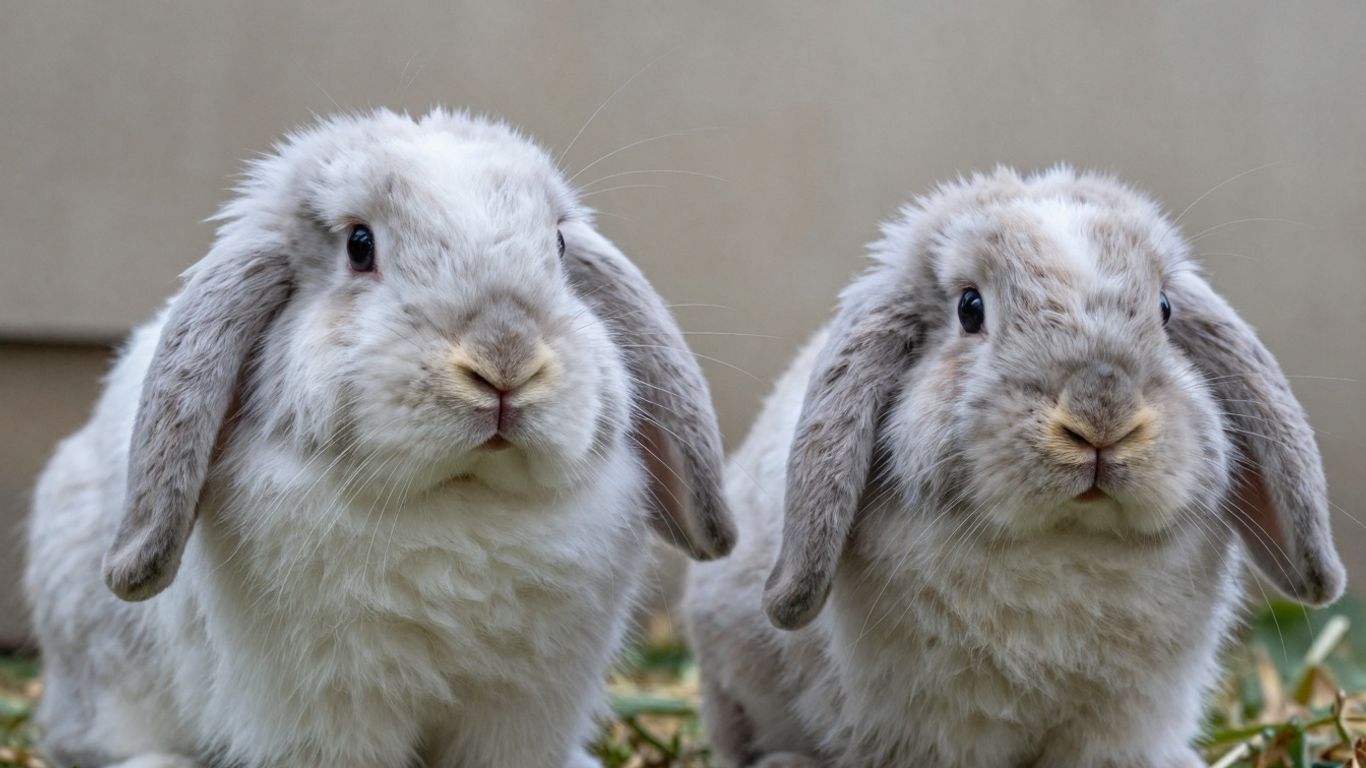
Ready to Buy Male & Female French Lop Bunnies? Find Your Perfect Pet Today!
Thinking about bringing a French Lop bunny into your home? They’re big, beautiful, and can be incredibly loving pets. If you’re ready to buy male & female French Lop bunnies, this guide will walk you through what you need to know. From understanding the breed’s history and traits to getting your home ready and completing the purchase, we’ve got you covered. Let’s find your perfect floppy-eared friend!
Key Takeaways
- French Lops are large, gentle rabbits originating from France, known for their distinctive lop ears and friendly nature.
- Before you buy male & female French Lop bunnies, consider the space they need, their dietary requirements as a large breed, and their temperament.
- These bunnies can be very affectionate and good with children, often described as being like puppies.
- The purchasing process involves understanding pricing, scheduling appointments to meet the bunnies, and checking for health guarantees.
- Proper preparation for bringing your new bunny home includes setting up their living space and understanding their dietary needs.
Understanding French Lop Bunnies
A Glimpse into French Lop History
The French Lop breed has a fascinating past, originating in France during the mid-1800s. Initially brought to the UK, they were primarily raised for meat. However, their striking appearance and gentle nature soon led to their recognition as show rabbits, a status they’ve held since their first exhibition in 1965. Today, they remain a popular choice for both enthusiasts and as beloved pets.
Key Characteristics of the Breed
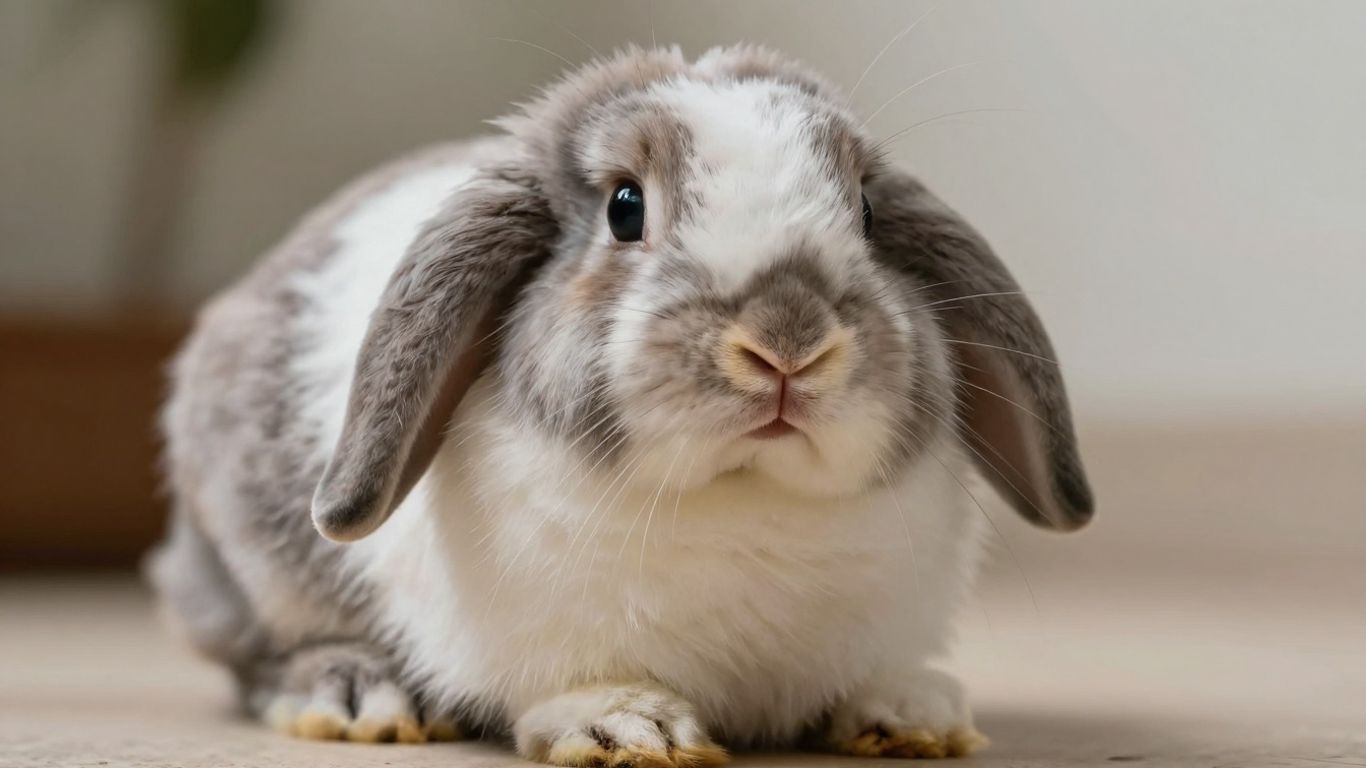
French Lops are truly impressive rabbits, known for their substantial size. They typically weigh over 10 pounds, boasting a sturdy, almost cubic build with a short, thick body and a large head. Their most distinctive feature, of course, is their long, floppy ears. They have straight front legs and hind legs that sit parallel to their body. These gentle giants require ample space to move and thrive.
Available French Lop Color Varieties
One of the joys of French Lops is the wide array of colors they come in. You can find them in classic shades like:
- Black
- White
- Brown
- Blue
- Orange
- Fawn
Beyond these solid colors, they also appear in patterns such as Agouti, Chinchilla, Opal, Sooty Fawn, Siamese Sable, Steel, and the striking Butterfly pattern. The Butterfly variety features white on the underbelly, chest, and feet, with one of the other colors dominating the back and ears, often accented by a distinctive butterfly marking on the head. You can find adorable, well-socialized male and female English Lop bunnies ready for new homes, and while they share some traits, French Lops are a distinct, larger breed.
While their size is a defining characteristic, it’s important to remember that French Lops, like all rabbits, need careful handling. Their robust build means they can be quite placid, but they also require a confident approach from their owners. This breed is not ideal for very young children or homes with limited space due to their size and needs.
Finding Your French Lop Companion
Temperament and Behavior Traits
French Lops are known for their generally calm and gentle nature. They can be quite placid, especially as adults, but like any pet, their individual personality really shines through. Some owners describe them as being "puppy-like" in their affection and desire to be around their people. They often follow their owners around the house and might even hop onto your lap for a cuddle. This breed can be very affectionate and form strong bonds with their families. However, it’s worth noting that they can also be hormonal and a bit temperamental, particularly when they reach maturity. This means they’re often better suited for experienced rabbit owners who understand how to manage these phases. They are also quite intelligent and can be litter trained, though their larger size means their litter box might need more frequent cleaning.
Suitability for Families and Homes
When considering a French Lop for your family, think about the space you have and the general atmosphere of your home. Because they are a large breed, French Lops need plenty of room to move around comfortably. A cramped hutch just won’t cut it for these big bunnies. They do well as house rabbits, provided they have a safe, bunny-proofed area where they can explore and play. Their calm demeanor often makes them a good fit for families with children, as they tend to be less skittish than smaller breeds and can tolerate a bit of noise. However, supervision is always recommended, especially with younger children, to ensure both the child and the bunny are safe and comfortable. They generally get along well with gentle interactions and can even be quite playful with kids.
The Affectionate Nature of French Lops
One of the most rewarding aspects of owning a French Lop is their capacity for deep affection. Many owners report that their French Lops are incredibly loving companions, often seeking out attention and enjoying being petted, especially on their foreheads. They can become very attached to their owners, showing their love through nudges, following you from room to room, and simply enjoying your presence. This breed can be a wonderful source of comfort and companionship. Their gentle nature, combined with their size, makes them feel substantial and comforting to interact with. If you’re looking for a pet that will truly be a part of the family and offer a lot of love back, a French Lop might be the perfect choice for you. You can find out more about the French Lop breed and its characteristics.
Preparing to Buy Male & Female French Lop Bunnies
So, you’ve decided a French Lop is the bunny for you. That’s awesome! These big, gentle giants are truly special. But before you bring one home, there are a few things to think about. It’s not quite like picking up a goldfish, you know? Making sure you’re ready for a large rabbit breed is key to their happiness and yours.
Essential Considerations Before Purchase
Getting a French Lop means committing to their needs for the next 8-12 years, sometimes even longer. They’re not small pets, and their care reflects that. Think about:
- Time Commitment: French Lops, like all rabbits, need daily attention. This includes feeding, cleaning their space, and importantly, spending quality time with them. They thrive on interaction.
- Financial Responsibility: Beyond the initial purchase price, factor in ongoing costs. This includes high-quality hay, pellets, fresh vegetables, bedding, and potential vet visits. Large breeds can sometimes have higher food and medication needs.
- Household Harmony: Do you have other pets? How will they interact? While French Lops are generally good-natured, introductions need to be slow and supervised. Also, consider if your living space can accommodate a larger rabbit.
Space and Housing Requirements
Forget those tiny pet store cages. French Lops need room to stretch out, hop, and explore. A spacious enclosure is non-negotiable. Think:
- Minimum Enclosure Size: A good starting point is an enclosure that’s at least 4 feet long by 2 feet wide and 2 feet high. Many owners opt for large dog exercise pens (x-pens) or even dedicate a room or a section of a room for their bunny.
- Indoor vs. Outdoor: While some people keep rabbits outdoors, bringing a French Lop indoors is often recommended. This allows them to be part of the family and protects them from extreme weather and predators. If outdoors, their hutch needs to be robust and well-insulated.
- Enrichment: Inside their space, provide plenty of hay, a heavy ceramic food bowl, a water bottle or heavy crock, and a litter box. Toys for chewing and mental stimulation are also a must. Rabbits love to dig and chew, so providing safe outlets is important.
Dietary Needs for Large Breeds
Feeding a French Lop is a bit different than for smaller breeds. Their size means they eat more, and their diet needs to support their larger frame.
- Hay is King: Unlimited access to fresh, high-quality grass hay (like Timothy hay) should be available at all times. This is vital for their digestion and dental health.
- Pellets: A measured amount of plain, high-fiber Timothy-based pellets is recommended. Avoid muesli-style mixes, as rabbits can pick out the unhealthy bits. For a large breed, this might be around 1/4 to 1/2 cup per 6 pounds of body weight daily, but always consult with a rabbit-savvy vet.
- Fresh Greens: A variety of fresh, leafy greens should be introduced gradually. Think romaine lettuce, parsley, cilantro, and dandelion greens. Introduce new greens one at a time to monitor for any digestive upset. A good rule of thumb is about 1 cup of packed greens per 2 pounds of body weight daily.
French Lops are known for their calm demeanor, but like any pet, they require consistent care and attention. Preparing their living space and understanding their dietary needs are the first steps to a happy, healthy life together. It’s about creating an environment where they can truly thrive.
Don’t forget to check out organic herbal blends for a healthy addition to their diet!
The Purchase Process
So, you’ve decided a French Lop is the bunny for you. That’s fantastic! Now comes the exciting part: actually getting your new furry friend. It’s not quite as simple as just walking into a store, though. There are a few things to consider to make sure everything goes smoothly.
Understanding Pricing Factors
When you’re looking at French Lop bunnies, you’ll notice prices can vary. This isn’t just random. Several things play a role in how a bunny is priced. Think about the bunny’s build – is it a nice, solid structure? How’s the head and ear shape? These are important breed characteristics. Then there are the colors; some are rarer and might cost a bit more. And yes, sometimes gender can be a factor too. Most breeders will list individual prices once the bunnies are around 5 to 8 weeks old, giving you a good idea of what to expect.
Scheduling Bunny Appointments
Once you’ve found a bunny you’re interested in, you’ll likely need to schedule a time to meet them. It’s a good idea to do this when the bunnies are at least 6 weeks old, but they can usually go home after 8 weeks. It’s really important to book your appointment in advance. This helps the breeder manage their time and ensures you get dedicated attention. You’ll usually get the address for the meeting once you’ve scheduled it. Remember, breeders often have strict policies about visitors to keep their bunnies healthy, so you might not be able to wander around freely.
Health Guarantees and Vaccinations
This is a big one. You want to know your new bunny is healthy. Many reputable breeders offer health guarantees. These can vary, but they’re meant to give you some peace of mind. Some breeders also provide initial vaccinations, like for Pasteurella, before the bunny leaves. It’s good to ask about this. They’ll usually tell you if a booster shot is needed later and that it should be done by a vet. Always inspect your bunny carefully before taking them home. If you’re looking for a specific breed, you might find places like Aimee’s Rabbitry that focus on quality care.
When you decide to put a deposit down, understand that it’s usually non-refundable. This is standard practice to hold the bunny for you. Make sure you’re ready for the commitment before sending any money. Also, be aware of pick-up deadlines. If you can’t pick up your bunny by the agreed-upon date, there might be extra fees for holding them longer, or you could even forfeit your deposit. Planning your pickup is key!
Bringing Your New Pet Home
So, you’ve picked out your perfect French Lop bunny, or maybe a pair! That’s fantastic news. Now comes the exciting part: getting them settled into their new digs. It’s a big transition for your new furry friend, and how you handle it can make all the difference. Let’s talk about making this move as smooth as possible.
Local Pickup and Delivery Options
If you’re lucky enough to be close to the breeder or rescue, picking up your bunny in person is often the best way to go. This allows you to see their current environment and ask any last-minute questions. When you arrange for pickup, make sure you have a secure way to transport your bunny. A sturdy pet carrier lined with soft bedding is ideal. Avoid leaving them in a hot car, even for a short time, as rabbits can overheat very quickly. Some breeders or rescues might also offer local delivery services. This can be a great option if you’re unable to travel, but be sure to discuss the logistics and any associated fees beforehand. A calm and quiet car ride is key to a stress-free start.
Shipping Your Bunny Across States
Sometimes, your ideal French Lop might be located further away, necessitating shipping. This is a more complex process and requires careful planning. Reputable breeders and rescues will have specific protocols for shipping rabbits to minimize stress and ensure their safety. This usually involves specialized animal transport services that understand the needs of small animals. They’ll ensure the bunny travels in a climate-controlled environment with proper ventilation and food/water access. It’s important to research and choose a shipping company with a good track record for animal welfare. You’ll want to discuss the exact travel route, estimated time of arrival, and what to do immediately upon receiving your bunny. This is a big undertaking, and it’s worth investing time to get it right.
Joining the Waitlist for Future Litters
French Lops are popular, and sometimes the perfect bunny isn’t available right away. Don’t get discouraged! Many breeders and rescues maintain waitlists for upcoming litters. Joining a waitlist means you’ll be among the first to know when new bunnies are born and ready for adoption. This also gives you time to prepare your home and gather all the necessary supplies. When you join a waitlist, be sure to understand the breeder’s policies regarding deposits, selection order, and expected timelines. It’s a great way to secure a bunny that fits your preferences while allowing everyone involved to plan ahead. You can often find wonderful rabbits like Jane, who was patiently waiting for her forever home, by connecting with reputable organizations.
Bringing a new rabbit home is a significant event. It requires thoughtful preparation to ensure your bunny feels safe, secure, and loved from the moment they arrive. Patience and understanding during this adjustment period are incredibly important for building a lasting bond.
Enhancing Your Bunny’s Well-being
Once your French Lop has settled into their new home, keeping them happy and healthy is the next big step. It’s not just about food and water; it’s about making sure they have things to do and ways to connect with you. Think of it like giving them a little enrichment in their daily lives.
Nutritious Bonding Treats
Treats can be a fantastic way to build trust and a positive relationship with your bunny. They’re not just for tricks or training; they’re a way to show affection and encourage interaction. When you’re first getting to know your French Lop, offering a small, healthy treat can go a long way in making them feel comfortable around you. Always choose treats that are specifically made for rabbits and are low in sugar. Overdoing it can lead to health problems, so moderation is key.
Here are some ideas for healthy treats:
- Small pieces of fresh, rabbit-safe vegetables like romaine lettuce, kale, or parsley.
- A tiny sliver of fruit, like apple or banana, given very sparingly.
- Commercially available rabbit treats made with natural ingredients, like those with dried herbs or hay.
Organic Herbal Blends
Beyond just treats, incorporating organic herbs into your bunny’s diet can offer a variety of benefits. Many herbs are not only tasty to rabbits but can also have properties that support their digestion and overall health. You can offer these fresh or in dried blends. Just make sure they are safe for rabbits and free from any pesticides or artificial additives.
Some popular and beneficial herbs include:
- Dandelion Greens: Good for digestion and a source of vitamins.
- Parsley: Rich in Vitamin K and can help with urinary tract health.
- Mint: Can aid digestion and freshen breath.
- Basil: Contains antioxidants and has a calming effect.
Always introduce new herbs one at a time to see how your bunny reacts.
Building a Strong Bond with Your Bunny
Creating a strong bond with your French Lop takes time and patience. These bunnies, like many rabbits, can be a bit shy at first. They need to feel safe and secure before they really open up. Spend quiet time near their enclosure, letting them get used to your presence. Talk to them in a soft voice. When they seem comfortable, you can start offering gentle pets, usually on their head or back, avoiding their chin or feet initially. Respect their space; if they move away, let them. Building trust is a two-way street, and it’s incredibly rewarding when your bunny starts seeking you out for attention, doing happy little hops, or even nudging you for pets.
Rabbits communicate a lot through body language. Learning to read their signals – like ear position, tail flicks, and thumping – will help you understand their mood and needs better. A relaxed bunny might stretch out or even do a "flop" onto their side, showing they feel completely at ease. Pay attention to these cues, and you’ll build a much deeper connection.
Ready to Welcome a French Lop?
So, you’re thinking about bringing a French Lop into your home. That’s great! These big, gentle bunnies can make wonderful companions. Remember, they need plenty of space and gentle handling, especially if you have kids around. Take your time, do your research, and find a breeder you trust. Getting a French Lop is a commitment, but the joy they bring is totally worth it. Happy bunny hunting!
Frequently Asked Questions
What are French Lop bunnies like?
French Lops are big, friendly rabbits that originated in France a long time ago. They have droopy ears and a sturdy, somewhat square body with a large head. They can weigh over 10 pounds! They are known for being gentle and can be very affectionate, almost like a puppy. They come in many colors like black, white, blue, and even patterned ones called butterfly.
Are French Lops good pets for families?
Yes, French Lops can be wonderful family pets, especially for families with older children. They are usually calm and not easily scared, even by loud noises or kids playing. They tend to be very loving and enjoy being petted. However, because they are large, they need plenty of space to move around.
What kind of space do French Lops need?
Since French Lops are large rabbits, they need a lot of room! This means a big hutch or enclosure where they can hop, stretch, and play freely. If kept indoors, they need a dedicated space where they can explore safely. They can’t be kept in small cages.
How much do French Lop bunnies cost?
The price of a French Lop bunny can vary. It often depends on things like the bunny’s coloring, its body shape, and whether it’s a male or female. Sometimes, breeders will list prices when the bunnies are about 5 to 8 weeks old.
What should I feed a French Lop?
Like all rabbits, French Lops need a diet mostly of hay, which is good for their digestion. They also need fresh vegetables and a good quality rabbit food. Because they are big, they will eat more than smaller rabbit breeds, so be prepared for higher food costs.
Do French Lops come with any health guarantees?
Many breeders offer health guarantees for their bunnies. Some may also provide initial vaccinations, like one for a common rabbit illness called ‘snuffles.’ It’s always a good idea to ask about health records and any guarantees when you purchase your bunny.