Ready to Buy Baby Bunnies? Find Male & Female Litters of Baby Rabbits for Sale Near You
Thinking about bringing home a fluffy friend? Buying baby bunnies can be a really rewarding experience. Whether you’re looking for a male or female, or even a whole litter, there are some things to consider before you jump in. This guide will help you figure out the best way to find and prepare for your new hopping companions. We’ll cover everything from choosing the right bunny to making sure they settle in well.
Key Takeaways
- When looking to buy baby bunnies, consider if you prefer a male or female, or if a whole litter is the right fit for your home.
- Different bunny breeds like Holland Lops, Lionheads, and Netherland Dwarfs have unique traits to consider.
- Prepare for your new arrival by gathering necessary supplies and setting up a safe living space before bringing them home.
- Understand the adoption process, including appointments, deposits, and payment policies, to ensure a smooth transition.
- Be aware of health guarantees, vaccinations, and the importance of spaying/neutering to keep your bunny healthy and happy.
Finding Your Perfect Baby Bunny
So, you’re thinking about bringing a little fluffball into your life? That’s awesome! But before you get too caught up in the cuteness, let’s talk about finding the right bunny for you. It’s not just about picking the one that looks the cutest, though they all are pretty darn cute.
Understanding Bunny Breeds Available
There are tons of rabbit breeds out there, and they all have their own quirks. You’ve got the tiny Netherland Dwarfs, known for their compact size and sometimes feisty personalities. Then there are the Holland Lops, with those adorable floppy ears and generally chill vibes. Lionheads are super distinctive with their mane, making them look like little lions. And don’t forget the Mini Plush Lops, which are a rarer find and often weigh around four pounds when fully grown. Each breed has different needs when it comes to space, grooming, and even diet, so it’s good to do a little homework on which one might fit best with your lifestyle. Some breeds are considered more hypoallergenic than others, which could be a factor if allergies are a concern.
Male vs. Female Bunnies: Making the Choice
Deciding between a male and female bunny can be a bit of a puzzle. Honestly, once they’re spayed or neutered, their personalities tend to even out a lot. Before that, though, males can sometimes be a bit more prone to marking their territory, and females might have mood swings, especially around certain times of the month. It really comes down to what you’re looking for. Some people find males to be a bit more laid-back, while others prefer the perceived affection of females. It’s also worth noting that finding genuine Blue and Gold Macaw eggs for sale involves a different set of considerations, but with bunnies, the gender choice is more about personality and potential behaviors before any medical procedures.
Here’s a quick look at some general tendencies:
| Gender | Common Traits (Unspayed/Unneutered) |
|---|---|
| Male | Can be territorial, sometimes more playful |
| Female | Can be moody, sometimes more independent |
Ultimately, the individual bunny’s personality is way more important than its gender. Spend time with them if you can before making a decision.
Considering Bonded Pairs or Litters
Sometimes, you might see bunnies listed as "bonded pairs" or "litters." A bonded pair means two rabbits that have already been introduced and get along well. Adopting a bonded pair can be great because they often keep each other company, which is a big plus if you’re away a lot. It’s like getting a ready-made friendship! On the other hand, taking on a whole litter might seem overwhelming, but it can also be a unique experience. If you’re looking for multiple bunnies or want to raise them from a young age, a litter could be an option. However, remember that each bunny will eventually need its own space or a compatible friend. It’s a lot to think about, but finding the right fit from the start makes all the difference.
When you’re looking at baby bunnies for sale, remember that their personalities are still developing. What seems shy now might become outgoing, and what seems bold might mellow out. Patience and observation are key.
If you’re not local, you might also want to look into shipping options. Some places offer hand delivery to your door, which can be super convenient if you live far away. Just make sure to check out their shipping bunnies page for details on where they deliver.
Preparing for Your New Arrival
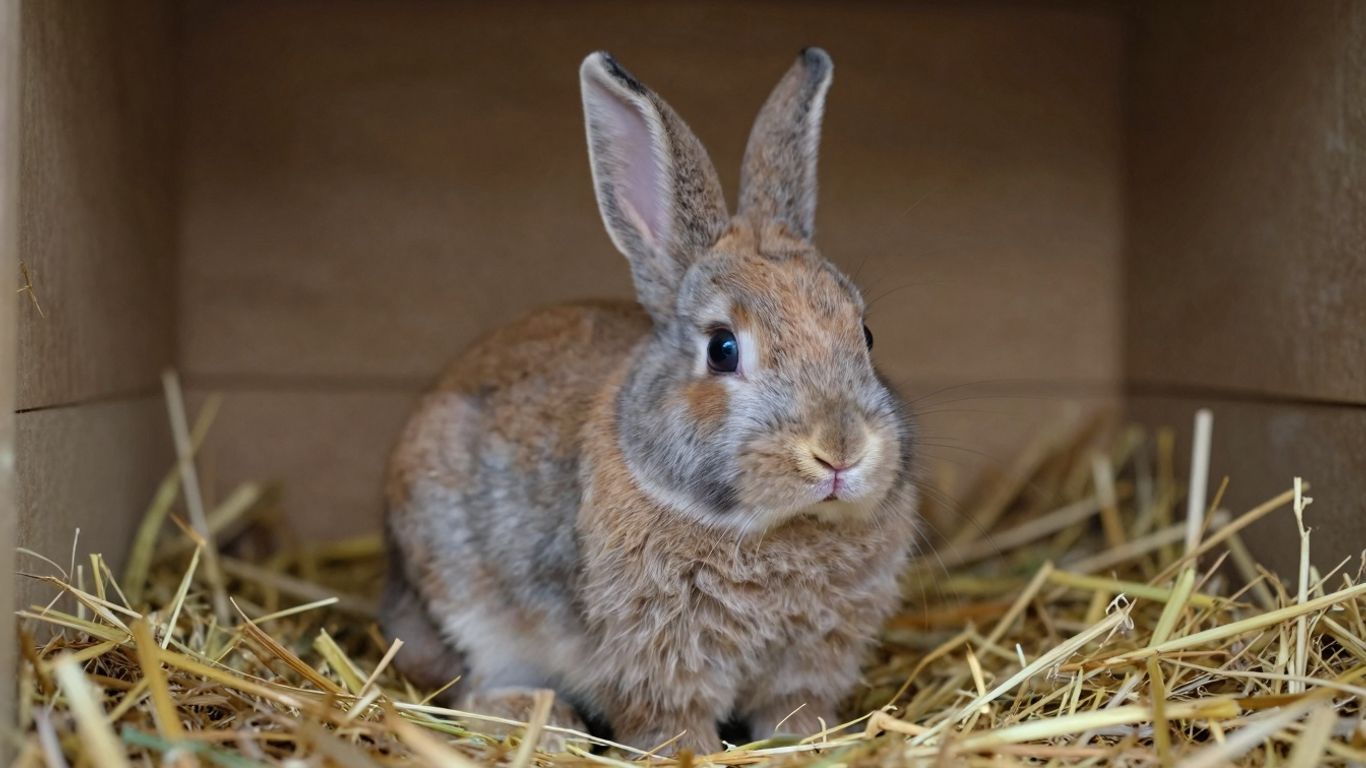
Bringing a new baby bunny home is super exciting, but it also means getting ready for them. You can’t just plop them into your house and expect them to be fine. They need a safe space, the right food, and you need to know a bit about how to care for them. It’s not rocket science, but a little planning goes a long way.
Essential Supplies for Baby Rabbits
Before your little fluffball even hops through the door, you’ll want to have some basics ready. This makes the transition smoother for everyone involved. Think of it like setting up a nursery, but for a bunny!
- Housing: A spacious cage or enclosure is a must. Make sure it has a solid floor, not wire, to protect their delicate feet. It should be big enough for them to stretch out, hop around a bit, and have separate areas for sleeping and their litter box.
- Bedding: Soft, absorbent bedding is key. Aspen shavings or paper-based bedding are good choices. Avoid pine or cedar shavings, as their oils can be harmful to bunnies.
- Litter Box: Rabbits are pretty easy to litter train. Get a small litter box and fill it with rabbit-safe litter (like paper pellets or aspen shavings). Hay should be placed in or near the litter box, as bunnies like to eat while they go.
- Food and Water: You’ll need a heavy ceramic bowl for water (less likely to tip) and another for their food. A hay rack is also helpful to keep their hay clean and accessible.
- Food: Young bunnies need a specific diet. High-quality alfalfa hay should be available at all times, along with a good quality rabbit pellet formulated for young rabbits. Fresh greens will be introduced gradually.
Creating a Safe and Comfortable Habitat
Setting up your bunny’s space is more than just putting a cage in a room. You want to make it a place where they feel secure and can explore without getting into trouble. Rabbits are curious creatures, and they can chew on things they shouldn’t.
- Location: Choose a quiet spot in your home, away from drafts and direct sunlight. Bunnies can get stressed by loud noises and a lot of activity, so a calmer area is best.
- Bunny-Proofing: If you plan to let your bunny have supervised time outside their enclosure, you’ll need to bunny-proof the area. This means covering electrical cords, moving houseplants out of reach, and blocking off any small spaces they could get stuck in. They have a knack for finding the most inconvenient places to explore!
- Enrichment: Don’t forget toys! Cardboard tubes, untreated willow balls, and safe chew toys will keep your bunny entertained and help satisfy their natural urge to chew. A happy bunny is a busy bunny.
Understanding Bunny Care and Health
Taking care of a baby bunny involves more than just feeding them. You need to be aware of their specific needs, especially when they are young and still developing. Regular observation is your best tool for spotting any potential issues early on.
- Dietary Needs: As mentioned, hay is super important. For baby bunnies, it’s alfalfa hay. Pellets should be given in limited amounts, and fresh water should always be available. Introducing new foods should be done slowly.
- Grooming: While bunnies are clean animals, they do need some help. Regular brushing, especially during molting periods, helps prevent hairballs. You’ll also need to check their nails and trim them if they get too long.
- Veterinary Care: Find a rabbit-savvy veterinarian before you bring your bunny home. Regular check-ups are important, and it’s good to know who to call if your bunny seems unwell. You can find a great month-by-month care plan here.
Rabbits are prey animals, and they can hide signs of illness very well. It’s up to us as owners to pay close attention to their behavior, eating habits, and droppings. Any sudden changes could indicate a problem that needs attention.
Remember, preparing properly makes all the difference. It sets the stage for a happy, healthy life for your new bunny and a wonderful bond between you two.
The Adoption Process
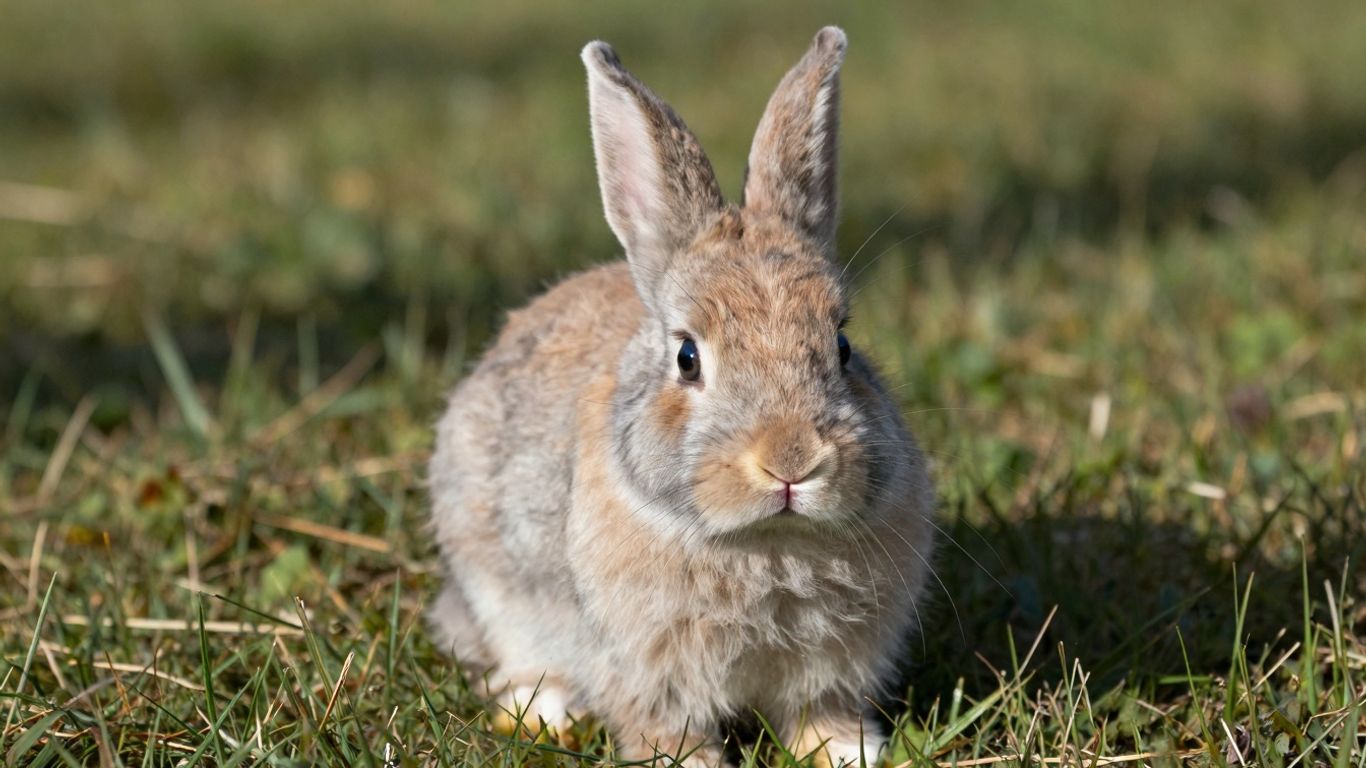
So, you’ve decided a fluffy bunny is the right pet for you. That’s fantastic! Now comes the exciting part: actually bringing your new friend home. The adoption process might seem a little daunting at first, but it’s really just about making sure you and your bunny are a good match and that you’re prepared for what’s ahead. It’s all about setting everyone up for a happy, long life together.
Scheduling Bunny Appointments
Most places that have bunnies for adoption work by appointment. This isn’t just to keep things organized; it’s to give you dedicated time to really get to know the bunnies and for them to meet you. You’ll usually fill out an application first, and then someone will contact you to set up a time. This appointment is your chance to see where the bunnies live, what they eat, and, most importantly, to spend some quality time interacting with them. Don’t rush this part; it’s important to feel a connection. Some places even offer "meet and greets" where you can bring your existing bunny to see if they might get along, though this is usually a separate process.
Deposit and Payment Policies
When you decide on a bunny (or a pair!), there’s usually a fee involved. These fees can vary quite a bit, depending on the bunny’s age, breed, and any medical care they’ve already received. For example, a single rabbit might cost anywhere from $85 to $160, while a bonded pair could be around $135 to $255, sometimes with a small discount if you adopt both. These fees often cover a lot, like spaying or neutering, a starter bag of hay, and sometimes even free nail trims for life. It’s a good idea to ask about their specific payment methods and if a deposit is required to hold your bunny while you get everything ready at home.
Bringing Your Bunny Home
Once the paperwork is done and payment is settled, it’s time for the big day! You’ll get your bunny, along with any information they have about their health, diet, and personality. It’s a good idea to have their habitat all set up before they arrive. This means having their food, water, litter box, and some safe chew toys ready to go. The first few days are all about letting your new bunny settle in. They might be a bit shy or nervous, which is totally normal. Give them space, speak softly, and let them explore their new surroundings at their own pace. You can start exploring the adoption portal to see what kind of bunnies are waiting for their forever homes.
The transition to a new home can be stressful for a young rabbit. Providing a quiet, predictable environment in the initial days will help them feel secure and begin to trust you. Avoid overwhelming them with too many visitors or loud noises right away. Patience is key to building a strong bond.
Popular Bunny Breeds for Sale
Choosing the right breed for your new bunny friend is a big part of the fun! Different breeds have unique personalities and physical traits, so it’s good to know what you’re looking for. Here are a few of the most popular breeds you might find when looking for baby rabbits for sale.
Adorable Holland Lops
Holland Lops are a favorite for a reason. They’re small, generally weighing between 2 to 4 pounds when fully grown, making them a great fit for many homes. They have those signature floppy ears and a rounded body that just screams "cuddle me!" Holland Lops are known for being pretty laid-back and friendly, which is a big plus if you have kids or other pets. They do need regular grooming, especially around their ears, to keep them healthy and clean.
Charming Lionheads
Lionheads are easily recognized by their distinctive mane of fur around their head, giving them a regal, lion-like appearance. These bunnies are typically smaller, usually under 4 pounds. They tend to be curious and enjoy interacting with their owners. Because of their unique coat, they require a bit more grooming attention, especially the mane, to prevent matting. Regular brushing is key to keeping a Lionhead looking its best.
Compact Netherland Dwarfs
Netherland Dwarfs are one of the smallest breeds, often weighing just 1 to 2.5 pounds. They have a more compact body, a short face, and erect ears. While they are very cute and can be quite lively, they can also be a bit more skittish than other breeds due to their small size and energetic nature. They are best suited for homes where they can get gentle handling and have a secure environment. Their small size means they don’t need a huge amount of space, but they still need plenty of room to hop and play.
Unique Mini Plush Lops
Mini Plush Lops are a rarer find, and they’re quite special. Descended from original lines and sometimes blended with European blood, these bunnies typically reach about 4 pounds at maturity. They’re often considered hypoallergenic, which is a bonus for some owners. Their coat is dense and plush. If you’re looking for something a bit different and appreciate a bunny with a luxurious coat, the Mini Plush Lop might be your perfect match. They are known for their calm demeanor and make wonderful companions. You can find out more about available bunnies for sale and their specific traits.
When considering any breed, remember that individual personalities can vary greatly. It’s always a good idea to spend some time with a bunny before bringing it home to see if your personalities click. A happy bunny is one that feels safe, loved, and has plenty of space to explore and play.
Health and Guarantees
Understanding Health Guarantees
When you’re looking to bring a baby bunny home, it’s smart to know what kind of health assurances are in place. Most reputable breeders will offer some form of health guarantee. This guarantee is typically focused on genetic conditions that might affect your bunny’s long-term well-being. It’s important to read the specifics, though, because not all guarantees cover the same things. Some might cover serious congenital defects, while others might have a much narrower scope. Always ask for a written copy of the guarantee and go over it carefully before making a purchase.
Vaccinations for Your Bunny
Many breeders will provide initial vaccinations for their bunnies before they go to their new homes. A common vaccination is for Pasteurella multocida, often called "snuffles." This is a respiratory illness that can affect rabbits. Usually, a bunny will get its first dose before leaving the breeder. However, it’s really important to know that a booster shot is typically needed about a month later. This follow-up vaccination needs to be given by a veterinarian. Keeping up with these vaccinations is a big part of keeping your bunny healthy.
The Importance of Spaying and Neutering
While breeders might not always do this before you take your bunny home, spaying and neutering are super important for your rabbit’s health and behavior. For female rabbits, spaying helps prevent reproductive cancers, which are quite common. For both males and females, neutering can reduce aggression, spraying (marking territory with urine), and other hormonal behaviors. It also makes it much easier to bond rabbits if you decide to get a second bunny later on. It’s a good idea to talk to your vet about the best time to get your bunny fixed, usually when they are a few months old.
It’s really common for breeders to have a "closed rabbitry" policy. This means they don’t allow visitors to walk through their facilities. The main reason for this is to protect the health of their rabbits. By limiting outside contact, they reduce the risk of introducing diseases or illnesses into their rabbitry. This helps them ensure that the bunnies they sell are as healthy as possible when they go to their new homes.
Beyond the Purchase
So, you’ve picked out your perfect little bunny and brought them home. That’s fantastic! But the journey doesn’t stop there. There’s a bit more to think about to make sure your new furry friend settles in well and stays happy and healthy.
Bunny Bonding Treats and Herbs
Building a strong connection with your bunny is super important. Think of it like making friends with a new person – it takes time and positive interactions. Treats can be a great way to start this process, but you have to be smart about it. Not all human foods are safe for bunnies, and even some bunny-safe treats should only be given in small amounts. Fresh herbs are often a hit and can be healthier than processed treats. Things like parsley, cilantro, and dill are usually well-loved. Always introduce new foods slowly and watch for any tummy troubles.
Here are a few ideas for safe treats:
- Small pieces of carrot (a tiny bit, not a lot!)
- A sliver of apple (no seeds, of course)
- Fresh dandelion greens (make sure they haven’t been sprayed with pesticides)
- A small sprig of mint or basil
Remember, these are treats, not a main part of their diet. Hay should still be their primary food source.
Shipping and Delivery Options
Sometimes, the perfect bunny isn’t right around the corner. If you’re looking at bunnies from a breeder who isn’t local, you might need to consider shipping or delivery. This can be a bit nerve-wracking, I know. You want to make sure your bunny travels safely and comfortably. Reputable breeders will have specific protocols for this. They might use specialized pet transport services or even drive the bunny to you themselves if the distance isn’t too great. It’s really important to ask about their process, what kind of carrier they use, and how they ensure the bunny stays hydrated and stress-free during the journey. Sometimes there’s an extra fee for this, which is understandable given the extra care involved.
Joining the Waitlist for Future Litters
If you’ve got your heart set on a specific breed, color, or even a particular pairing of parents, you might find yourself on a waitlist. This is pretty common, especially for popular breeds. It means you’re willing to wait for the right bunny to come along. When you join a waitlist, you’ll usually need to put down a deposit to hold your spot. It’s a good idea to get clear information on how the waitlist works: how long do people typically wait? How are potential buyers notified when a litter is born or when a bunny matching their preferences is available? Understanding the breeder’s process for assigning bunnies from a waitlist is key to managing expectations. It shows you’re serious about finding your bunny and willing to be patient.
It’s always a good idea to have a conversation with the breeder about their policies regarding waitlists and deposits. Make sure you’re comfortable with their timeline and how they communicate updates. This helps avoid any misunderstandings down the road and ensures a smoother experience for everyone involved.
Ready for Your New Friend?
So, you’ve read all about finding the perfect baby bunny, whether it’s a boy or a girl. It’s a big decision, for sure, but a really rewarding one. Remember to check out the different breeds available and think about what kind of personality would fit best with your home. Don’t forget to look into the adoption policies and what’s needed to bring your new furry friend home. Taking these steps means you’re setting yourself and your new bunny up for a happy life together. Happy hopping in your search!
Frequently Asked Questions
What’s the difference between male and female bunnies?
When choosing a bunny, you might wonder if a boy or girl is better. Honestly, both make wonderful pets! Male bunnies, often called bucks, can sometimes be a bit more laid-back, while females, or does, might be a bit more energetic. But really, it depends on the bunny’s personality, not just its gender. If you’re not sure, you can always ask the breeder or rescue group about each bunny’s unique traits.
How much does a baby bunny usually cost?
The price of a baby bunny can change depending on its breed, its looks like its fur color or ear shape, and if it’s male or female. Some bunnies might cost around $400, while others could be more. It’s good to check with the seller about specific prices, as they often list them when the bunnies are about 5 to 8 weeks old.
What supplies do I need before bringing a bunny home?
Before your new fluffy friend arrives, you’ll want to get a few things ready. This includes a safe and comfy place for them to live, like a hutch or a large cage. You’ll also need food and water bowls, a litter box (since bunnies can be litter-trained!), hay, and bunny-safe food. Toys are great for keeping them entertained too!
Can I get a bunny if I live far away?
Yes, you can! If you’re not close to the seller, some places offer shipping or hand-delivery services to different states. You can ask about their ‘Shipping Bunnies’ page or inquire about delivery options. This way, your new bunny can still make it to your home, even if it’s a bit of a journey.
What is a ‘health guarantee’ for a bunny?
A health guarantee is like a promise from the seller that the bunny is healthy when you get it. Some places offer a guarantee for a certain amount of time, like three years. They might also give you information about vaccinations, like BunnyVac, to help protect your bunny from sickness. It’s a way for them to show they care about the bunnies they raise.
What does it mean if a bunny is ‘found a home’ or ‘N/A’?
When you see ‘Found a Home’ next to a bunny’s name, it means someone has already put a deposit down to adopt it. If that doesn’t work out, the bunny might become available again. ‘N/A’ or ‘Not Available’ means the bunny isn’t ready for adoption right now, or maybe it’s not for sale at the moment. It’s always best to check with the seller for the most current information.