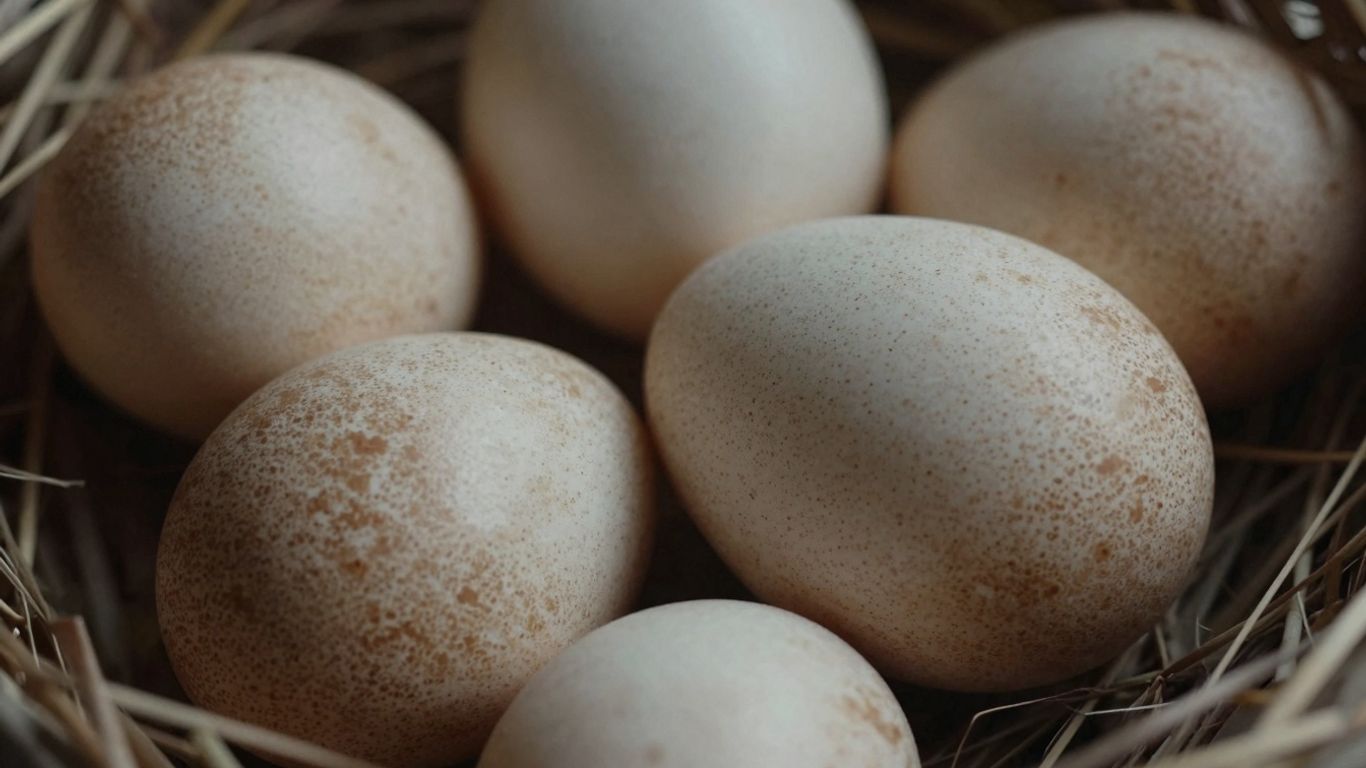
Discover Fertile Macaw Parrot Eggs for Sale: Your Guide to Responsible Hatching
Thinking about bringing a macaw into your life from the very beginning? It’s a big step, and getting fertile macaw parrot eggs for sale can seem like a shortcut to a hand-raised bird. But honestly, it’s not as simple as just buying an egg. There’s a whole lot to consider, from making sure the egg is actually fertile and healthy to having the right setup to hatch it. Plus, you’ve got to deal with shipping and all the legal stuff. This guide is here to walk you through what you really need to know before you even think about buying macaw parrot eggs for sale.
Key Takeaways
- When looking for macaw parrot eggs for sale, always check seller honesty and get proof of fertility, like candling images. Don’t trust sellers who seem shady or offer prices that are too good to be true.
- Proper incubation is super important. You’ll need a good incubator that keeps the temperature and humidity just right, and you have to turn the eggs regularly.
- Make sure you know all the legal rules. Depending on where you live and the type of macaw, you might need special permits or licenses to buy or transport eggs.
- Hatching a macaw egg is risky. Even with perfect care, not all eggs hatch. Be prepared for the possibility of failure and the costs involved, including equipment and potential vet care.
- Ethical sourcing matters. Buy from breeders who treat their birds well and contribute to healthy parrot populations, avoiding anything that looks like it supports illegal wildlife trade.
Understanding Macaw Parrot Eggs for Sale
What Are Macaw Parrot Eggs for Sale?
So, you’re thinking about hatching a macaw? That’s pretty cool! When people talk about "macaw parrot eggs for sale," they’re usually referring to fertilized eggs from macaws that are being bred in captivity. These aren’t for eating, obviously, but for folks who want to raise their own baby macaws. It’s a way to get a bird that might bond really closely with you from day one. Most of the time, these eggs are sold pretty quickly after they’re laid, ideally within a couple of days. The idea is to get them to their new incubator while the little embryo inside is still doing well. People buying these are usually serious bird enthusiasts, breeders, or maybe even involved in conservation efforts. It’s not really a casual purchase.
Why Interest in Macaw Parrot Eggs for Sale Is Growing
There’s definitely a bigger buzz around buying macaw eggs lately. A lot of that has to do with people wanting hand-raised companion birds. The thinking is, if you raise a macaw from an egg, you can influence how it socializes early on. This can lead to a bird that’s less fearful and more comfortable around people as it grows up. It’s a big commitment, for sure, but the idea of having that early connection with such an intelligent and beautiful bird is a big draw for many.
Types and Variants of Macaw Parrot Eggs
When you’re looking into macaw eggs, you’ll find a few popular types. The most common ones you’ll see advertised are usually from species like:
- Blue-and-Gold Macaws (Ara ararauna): These are probably the most recognizable with their bright blue and yellow feathers.
- Scarlet Macaws (Ara macao): Famous for their vibrant red, yellow, and blue plumage.
- Green-winged Macaws (Ara chloropterus): Often called the "gentle giants," they have striking green, red, and blue colors.
Beyond these well-known species, there are also hybrid macaws, which are crosses between different species. Sometimes you might even find eggs from rarer species or specific color mutations, though these are much less common and usually come with a higher price tag. It’s important to know exactly what species you’re getting, as their needs can vary.
It’s really important to know that not all eggs sold as "macaw eggs" are from pure species. Sometimes they can be hybrids, and sellers might not always be clear about that. Always ask for specific details about the parent birds and the species of the egg you’re considering.
Evaluating Macaw Parrot Eggs for Sale
Key Features and Specifications to Assess
So, you’ve decided you want to hatch a macaw, which is pretty cool. But before you hand over your cash, you really need to check out the eggs themselves. It’s not just about picking the prettiest one. There are some important details to look into to give yourself the best shot at success. Don’t skip this part; it’s where many potential buyers go wrong.
Here’s what you should be looking at:
- Fertility Verification: Ask the seller for proof of fertility. This usually comes in the form of candling photos or videos taken about a week after the egg was laid. You should be able to see little blood vessels inside, showing that the embryo is developing. If it just looks like a plain yolk, it’s probably not fertile.
- Laying Date: Freshness matters. Ideally, you want eggs that are no more than 48 hours old when they ship. The longer an egg sits around, the lower the chances of it hatching successfully. Ask for the exact date the egg was laid.
- Storage Conditions: How were the eggs kept before shipping? They need to be stored at a specific temperature, usually around 64-68°F (18-20°C), with decent humidity. They also need to be turned regularly. If they weren’t stored properly, the embryo could be damaged.
Fertility Verification and Laying Dates
This is super important. You need to know if the egg is actually alive and kicking, or at least, developing. Sellers should be able to provide you with candling results. This is done by shining a bright light through the egg in a dark room. Around day 5 to 7, you should see a network of blood vessels. If you don’t see this, or if the egg looks cloudy, it might be infertile or have died early on. Always ask for recent candling proof. Also, get the laying date. The sooner you can get the egg into your incubator after it’s laid, the better your chances. Waiting too long, even just a few days, can really hurt viability. It’s best to aim for eggs that are shipped within 24 to 72 hours of being laid. This is why finding a reputable breeder who knows their stuff is key. They’ll be on top of these details.
Storage Conditions and Shipping Methods
Think about how you’d feel if you were an egg. You wouldn’t want to be jostled around or left in a hot car, right? The same goes for macaw eggs. Before they get to you, they need to be stored correctly. This means a cool, stable temperature (around 64-68°F or 18-20°C) and the right amount of humidity. They also need to be gently turned a few times each day to prevent the yolk from sticking to the shell. When it comes to shipping, there’s really only one way to do it: overnight express. Anything slower than that, especially if it takes more than 48 hours, drastically cuts down the chances of the embryo surviving. Look for sellers who use insulated boxes with temperature-controlled packs to keep the eggs stable during their journey. It might cost a bit more, but it’s worth it for the peace of mind and the potential for a healthy hatch. Remember, the global trade in parrots is shifting, and responsible sourcing starts with understanding these details about captive-sourced individuals.
When you’re evaluating macaw parrot eggs, think of it like buying a used car. You wouldn’t just take the first one you see, right? You’d check the mileage, look for rust, maybe even get a mechanic to look it over. Buying eggs is similar, but instead of a mechanic, you’ve got candling reports and seller reviews. You’re investing a lot of time, money, and hope into these eggs, so doing your homework upfront is absolutely critical.
The Process of Responsible Macaw Egg Acquisition
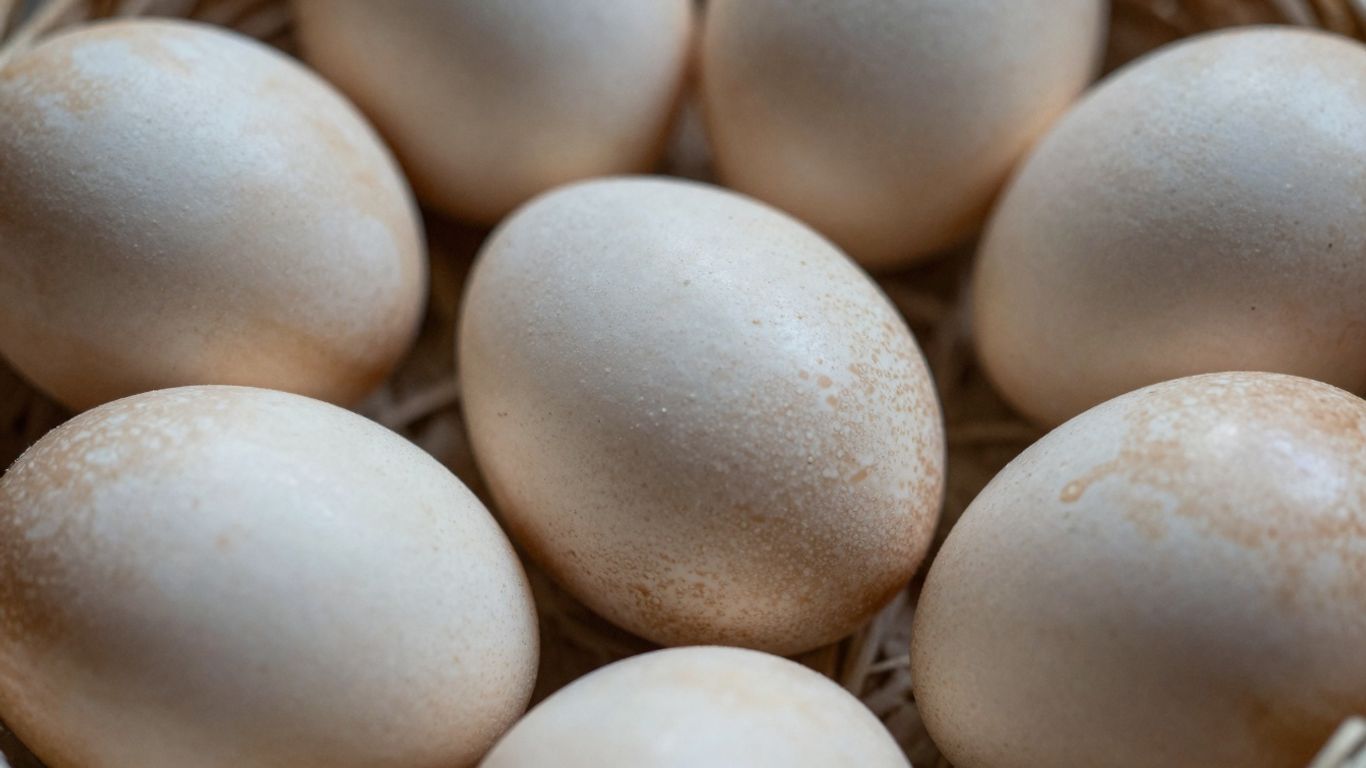
So, you’ve decided you want to hatch a macaw, and you’re looking at buying eggs. That’s a big step, and honestly, it’s not something to jump into without some serious thought. It’s not like picking up a carton of eggs at the grocery store, that’s for sure. The whole process of getting those precious eggs to your doorstep safely and ethically is pretty involved. You really need to know what you’re doing to make sure you’re not only getting a viable egg but also supporting good practices in the bird breeding world.
Verifying Seller Credentials and Reputation
First things first, you absolutely have to vet your seller. This isn’t just about finding the cheapest option; it’s about finding someone trustworthy. A good seller will be transparent about their breeding pairs, their health, and their history. Look for breeders who are members of reputable avicultural organizations. They often have codes of conduct they adhere to. Check online reviews, but be smart about it – look for patterns, not just isolated comments. A seller who is willing to share information about their birds and their breeding setup is usually a good sign. Don’t be afraid to ask questions. Lots of questions. If they get defensive or vague, that’s a major red flag.
Requesting Candling Proof and Species Confirmation
Once you’ve found a potential seller, you need proof that the eggs are actually fertile and what species they are. This is where candling comes in. Candling is basically shining a bright light through the egg to see the embryo inside. A reputable seller should be able to provide you with clear candling photos or videos, usually taken within a few days of the egg being laid. You want to see signs of development, like a network of blood vessels. Also, confirm the species. Macaw eggs look similar, but different species have different needs and legal statuses. Make sure you’re getting what you think you’re getting. This is where you can really start to understand the value of what you’re buying.
Understanding Shipping Protocols and Return Policies
Shipping live eggs is tricky business. They need to be kept at a specific temperature and handled with extreme care. Ask the seller about their shipping methods. Ideally, they use overnight express shipping in specialized, temperature-controlled packaging. Some even include temperature loggers to show you the conditions during transit. What happens if the egg arrives damaged or, worse, isn’t fertile? A good seller will have a clear return or replacement policy for these situations. It might be conditional, like requiring you to provide candling proof yourself, but it should exist. Don’t buy from anyone who refuses to discuss shipping details or offers no recourse if something goes wrong. It shows a lack of commitment to the welfare of the egg and, ultimately, the potential chick.
Buying macaw eggs is a significant commitment that requires thorough research into the seller’s practices and the logistics of transport. Prioritizing ethical sourcing and clear communication from the seller is paramount for a successful and responsible acquisition.
Incubation Essentials for Macaw Parrot Eggs
So, you’ve got your fertile macaw eggs, and now the real work begins. It’s not just about sticking them in a box and hoping for the best. Getting the environment just right is super important if you want those little guys to make it.
Optimal Incubation Temperature and Humidity
Temperature is probably the most critical factor. You need to keep it steady, like, really steady. Most macaw species do best between 99.0°F and 99.5°F (37.2°C to 37.5°C). Even a small fluctuation can cause problems. Humidity is also a big deal. For the first part of incubation, aim for around 45% to 55%. Then, as hatching time gets closer, you’ll want to bump that up to between 65% and 75% to help the chick break out of the shell. Getting this right helps prevent the eggshell membranes from drying out too much, which can make hatching really tough. You can find more details on ideal humidity levels for hatching and post-hatching periods here.
Incubation Duration and Turning Frequency
Macaw eggs have a pretty specific timeline. Most species will hatch between 24 and 28 days. It really depends on the exact type of macaw and how consistent your incubation conditions are. You’ll need to turn the eggs regularly, too. Doing this at least three to five times a day is standard practice. This stops the embryo from sticking to the shell. Keep turning them until about day 21. After that, it’s usually best to stop turning and let the egg settle in for hatching, which is often called the ‘lockdown’ period.
Post-Arrival Egg Inspection and Candling
Once your eggs arrive, don’t just put them straight into the incubator. First, give them a good look-over. Check for any cracks or damage from shipping. You’ll also want to candle them within the first 24 hours. This means shining a bright light through the egg to see if there’s any sign of development. You’re looking for tiny blood vessels or movement. If you don’t see anything, it might mean the egg isn’t viable. It’s a bit nerve-wracking, but it’s a necessary step to know what you’re working with.
Setting up the right incubation environment requires attention to detail. Consistent temperature and humidity, along with regular egg turning, are key to a successful hatch. Don’t skip the initial inspection and candling; they provide vital information about the egg’s status right from the start.
Navigating Legal and Ethical Considerations
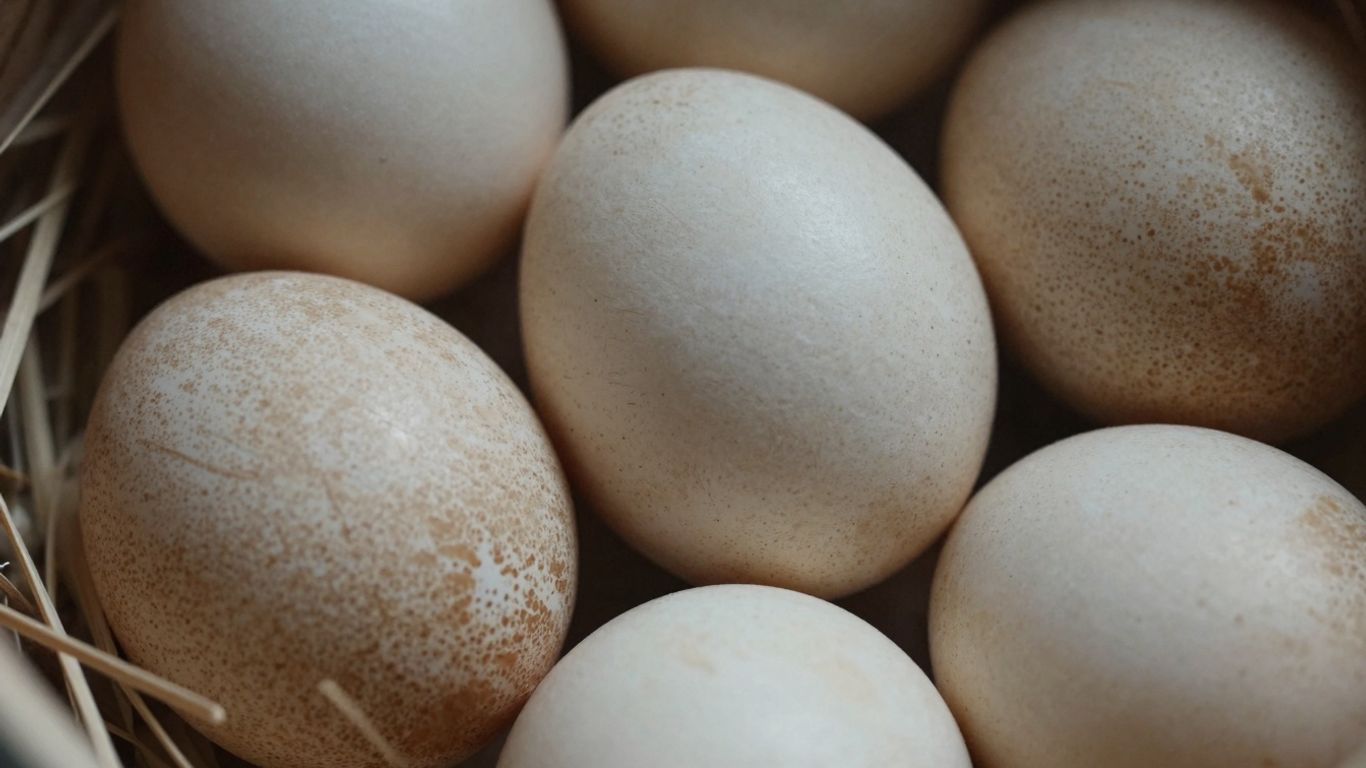
So, you’re thinking about hatching macaw eggs. That’s exciting! But before you get too far, we really need to talk about the rules and what’s right. It’s not just about buying an egg; it’s about making sure you’re doing things the proper way, both legally and ethically. This stuff can get complicated, and honestly, it’s easy to mess up if you’re not careful.
CITES Permits and USDA Regulations
First off, many macaw species are protected. This means they fall under international agreements like CITES (Convention on International Trade in Endangered Species). If you’re importing or exporting eggs, or even if you’re just buying from a breeder in another country, you’ll likely need CITES permits. These aren’t just a formality; they’re serious documents that track the trade of protected wildlife. In the United States, the USDA also has rules, especially if breeders are selling eggs across state lines. They might need to be licensed under the Animal Welfare Act. It’s a lot to keep track of, and getting it wrong can lead to big fines or even confiscation of your eggs.
Local Ordinances and Wildlife Authority Compliance
Don’t forget about your local laws. Some cities or counties have specific rules about owning exotic birds, and this can extend to the eggs. You might need special permits just to have them in your home, even before they hatch. It’s always a good idea to check with your local animal control or wildlife authority. They can tell you exactly what’s allowed in your area. Ignoring these local rules is just as risky as ignoring federal ones.
Ethical Concerns and Avoiding Exploitation
Beyond the paperwork, there’s the whole ethical side of things. Where are these eggs coming from? Are the parent birds being kept in good conditions? Are they healthy? Responsible breeders prioritize the well-being of their parent birds and ensure they have plenty of space, good food, and regular vet check-ups. Unfortunately, not all sellers are like that. Some might be involved in less-than-ideal breeding operations where the welfare of the birds is secondary to profit. You want to avoid supporting those kinds of practices. Look for sellers who are transparent about their breeding program, can show you proof of the parent birds’ health, and are happy to answer all your questions about their methods. It’s about making sure you’re not contributing to the mistreatment of these amazing animals.
Here’s a quick rundown of what to look for in a responsible seller:
- Transparency: They openly share information about their breeding pairs, facility, and health testing.
- Health Documentation: They provide records of parent bird health screenings and any relevant veterinary care.
- Ethical Practices: They can explain their approach to bird welfare, including space, diet, and social needs.
- Legal Compliance: They are knowledgeable about and adhere to all CITES, USDA, and local regulations.
Buying macaw eggs is a big commitment, and it comes with responsibilities that go beyond just incubation. Understanding and respecting the legal framework, along with making ethical choices about your source, is key to a positive and responsible experience. It’s about more than just hatching a bird; it’s about contributing to the conservation and ethical treatment of these species.
Market Insights and Pricing for Macaw Parrot Eggs
So, you’re thinking about getting a macaw egg? It’s a big step, and knowing what to expect price-wise is super important. It’s not just about the egg itself, but all the stuff that comes with it. Prices can really bounce around depending on a bunch of things.
Average Price Ranges and Factors Influencing Cost
Generally, you’re looking at a pretty wide range for a fertile macaw parrot egg. Most often, prices fall between $120 and $300 per egg. But honestly, this can go up a lot if you’re looking at rarer types or eggs from breeders with a really solid reputation. Some special color variations or eggs with known lineage can even push past $400. It’s a bit of a wild west out there, so doing your homework is key.
Here’s a quick look at what influences the cost:
- Species: Some macaws are more common than others. Blue-and-Gold macaws are usually less expensive than, say, a Scarlet or a rarer hybrid.
- Breeder Reputation: Established, licensed breeders who provide lots of documentation and support will charge more. They’ve got a track record.
- Genetics and Lineage: If the parents are known for specific traits or come from a well-documented line, that adds to the price.
- Fertility Guarantee: Some sellers offer a conditional guarantee, which can affect the upfront cost.
Unrealistically low prices, like under $100, are often a big red flag. They might mean the seller isn’t experienced, the egg isn’t properly documented, or there’s a higher chance of issues down the line.
Assessing Value Beyond Price
It’s easy to get caught up in just the number, but the real value isn’t always in the cheapest option. Think about what you’re actually getting for your money. Does the seller provide proof of fertility, like candling photos? Are they transparent about the parents’ health? Do they offer any guidance if you run into trouble? A slightly more expensive egg from a trustworthy source who gives you support can save you a lot of heartache and money in the long run. It’s about the whole package, not just the sticker price. You want to find fertile Blue and Gold Macaw parrot eggs from a seller who makes you feel confident.
Understanding the Total Cost of Ownership
Buying the egg is just the beginning. You’ve got to factor in all the other costs to successfully hatch and raise a macaw chick. This includes:
- Incubation Equipment: A good incubator can cost anywhere from $200 to $600.
- Brooder Setup: You’ll need a safe, warm space for the chick once it hatches, which can run $150 or more.
- Specialized Formula: Macaw chicks need specific hand-feeding formula, and this can add up to $30–$50 per month for several months.
- Veterinary Care: It’s always wise to have an avian vet lined up, and check-ups or potential emergencies can be costly.
When you’re looking at the price of an egg, always do the math for the entire process. The initial purchase is only a fraction of what it truly costs to bring a healthy macaw chick into the world and raise it properly. Don’t let a low egg price blind you to the significant ongoing expenses.
So, before you commit, make sure you’ve got a clear picture of the total investment. It’s a rewarding journey, but it requires preparation, both financially and emotionally. Looking into resources like national avicultural associations can also help you find reputable breeders and understand market norms better.
Pros and Cons of Hatching Macaw Parrot Eggs
Thinking about hatching a macaw egg yourself? It’s a big undertaking, for sure. On one hand, you get the chance to bond with a baby bird right from the start, which can lead to an incredibly close relationship. Plus, if you’re into breeding, it’s a way to contribute to keeping these amazing birds around in captivity. It’s also a pretty cool learning experience, watching a chick develop and grow.
Advantages of Early Bonding and Breeding Programs
- Deep Bonding: Raising a macaw from an egg means you’re there from day one. This can create a super strong bond, making the bird more comfortable and trusting with you throughout its life.
- Contribution to Conservation: For those involved in responsible breeding, hatching eggs helps maintain healthy, genetically diverse populations of macaws outside of the wild. This is especially important given the pressures on wild populations.
- Educational Journey: There’s a lot to learn about avian development, incubation science, and the specific needs of a growing chick. It’s a hands-on education in animal husbandry.
Disadvantages Including High Failure Risk and Costs
However, it’s not all smooth sailing. The reality is that hatching eggs, especially something as complex as a macaw, has a pretty high failure rate. Even with the best setup, things can go wrong. And let’s not forget the cost – incubators, special food, vet visits – it all adds up fast. You’re looking at a significant investment of both time and money.
- Risk of Failure: Even experienced breeders don’t have a 100% success rate. Incorrect temperature, humidity, or even just a jostled egg during shipping can mean the difference between a chick and a dud. It’s heartbreaking when an egg doesn’t hatch.
- Significant Expenses: Beyond the egg itself, you’ll need a reliable incubator, a brooder setup for the chick, specialized hand-feeding formula, and potentially emergency funds for avian vet care. These costs can easily run into hundreds, if not thousands, of dollars.
- Intensive Care Needs: A newly hatched macaw chick requires constant attention. This means feeding every few hours, keeping it warm, and monitoring its health very closely. It’s a full-time job for the first few weeks.
Legal Restrictions and Ethical Sourcing Challenges
Before you even get an egg, you have to deal with the legal side of things. Depending on where you live and the specific macaw species, there can be permits required. And then there’s the ethical part – making sure the eggs you buy aren’t contributing to illegal trade or coming from questionable breeding operations. It’s a minefield, honestly.
Sourcing macaw eggs responsibly is paramount. Always verify the seller’s legitimacy and ensure all necessary permits are in order. The welfare of the parent birds and the potential chick should be the top priority, steering clear of any practices that could be construed as exploitative or illegal.
Wrapping Up Your Hatching Journey
So, you’ve looked into buying macaw eggs. It’s a big step, for sure. Remember, getting fertile eggs is just the start. You really need to be ready for what comes next – keeping them at the right temperature, making sure the humidity is spot on, and knowing when to stop turning them. It’s not a casual thing. If you’re serious about this, find sellers who are upfront about everything, from where the eggs came from to how they were shipped. Don’t just buy because the price is low. Doing your homework and being prepared will make all the difference. It can be an amazing experience, but it’s definitely not for everyone. Make sure you’ve got the time, the space, and the know-how before you commit.
Frequently Asked Questions
Can I really hatch a macaw egg at home?
Yes, you can try hatching a macaw egg at home, but it’s not simple! You’ll need a special machine called an incubator that keeps the temperature and humidity just right. You also need to know how to take care of the egg and the baby bird once it hatches. It takes a lot of time, effort, and learning.
How do I know if the macaw egg is fertile?
A good seller will show you proof by ‘candling’ the egg. This means shining a bright light through it. If it’s fertile, you’ll see tiny blood vessels or even a small developing baby bird inside. They should also provide a guarantee that the egg is fertile.
How are the eggs shipped to make sure they don’t break or get ruined?
Sellers use special boxes that are insulated to keep the temperature steady. They often use fast shipping like overnight delivery so the egg isn’t traveling for too long. They also pack them carefully to prevent cracks and damage during the journey.
Are there laws about buying and shipping macaw eggs?
Yes, there are! Different countries and even local areas have rules about owning and moving exotic birds and their eggs. You might need special papers, like CITES permits, especially if the macaws are rare. It’s super important to check these rules before you buy.
What’s the most important thing to remember when buying macaw eggs?
The most important things are to buy from a seller you can trust, make sure the egg is fertile, and understand all the rules and care needed. Don’t buy from sellers who seem shady or offer eggs for a really low price, as this can be risky.
How long does it take for a macaw egg to hatch?
Most macaw eggs will hatch after about 24 to 28 days of being kept warm in an incubator. The exact time can change a little depending on the type of macaw and how well the temperature and humidity are managed.