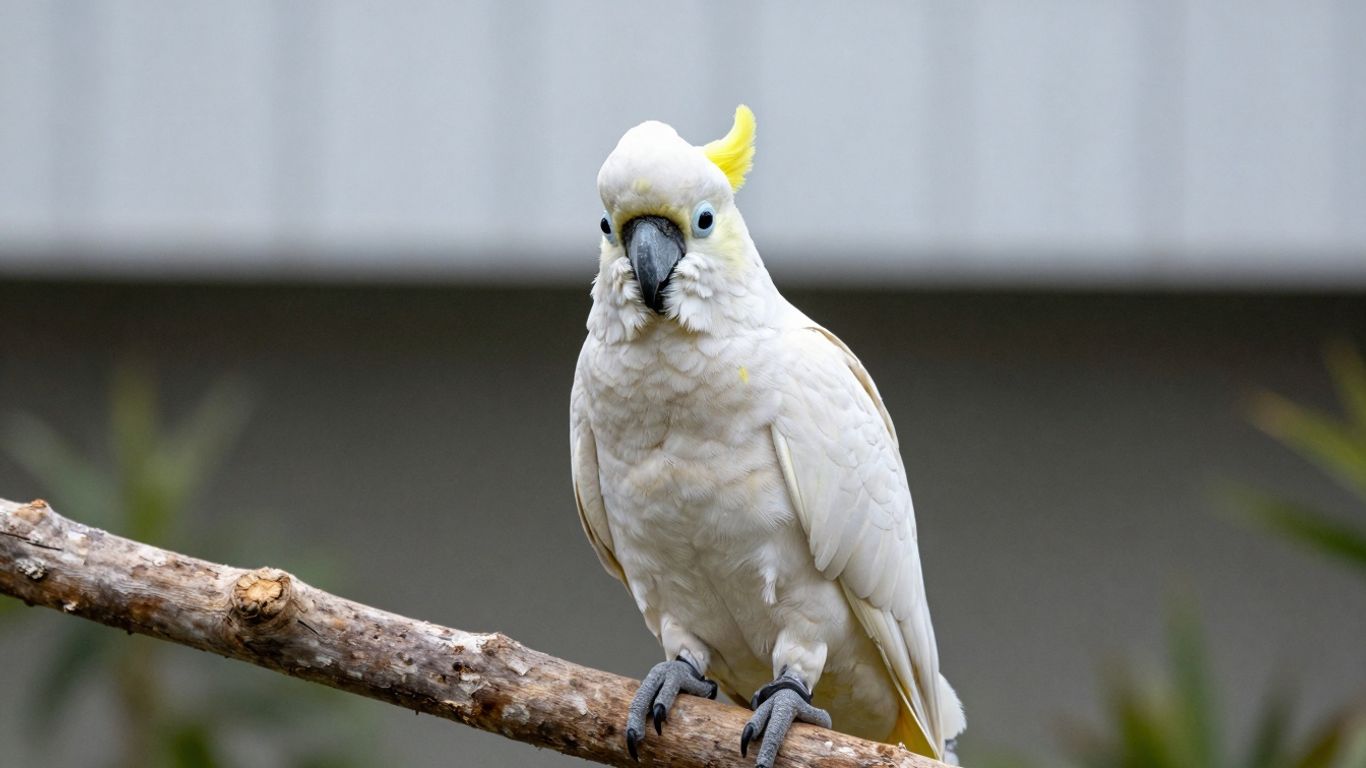
Finding Your Perfect Moluccan Cockatoo for Sale: A Comprehensive Guide
Thinking about bringing home a Moluccan Cockatoo? These big, beautiful birds are known for being super affectionate and smart, but they need a lot of attention and the right care. If you’re looking for a feathered friend that will be part of the family, a Moluccan might be perfect. This guide will walk you through everything you need to know, from finding a Moluccan cockatoo for sale to making sure they’re happy and healthy in their new home. It’s a big commitment, but totally worth it if you’re ready.
Key Takeaways
- Moluccan Cockatoos are large, social birds with a striking pink appearance and a very loving nature.
- Finding a Moluccan cockatoo for sale means looking for ethically sourced, hand-raised birds from reputable breeders.
- These birds need a lot of interaction, mental stimulation, and a proper diet to stay healthy and happy.
- Owning a Moluccan is a long-term commitment, often lasting 60-80 years, requiring significant time and dedication.
- Prepare your home with a large cage, safe toys, and a routine that includes plenty of social time for your new companion.
Understanding The Moluccan Cockatoo
Moluccan Cockatoo Species Profile
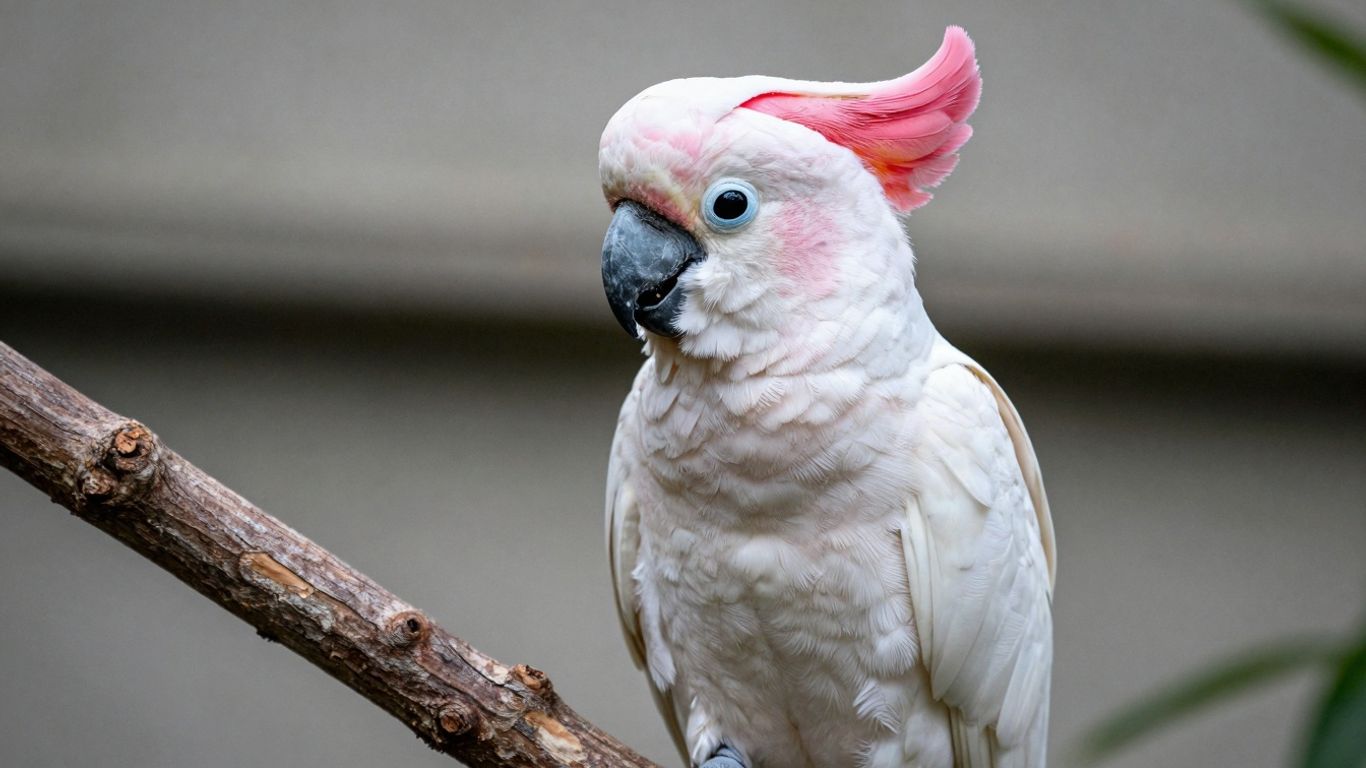
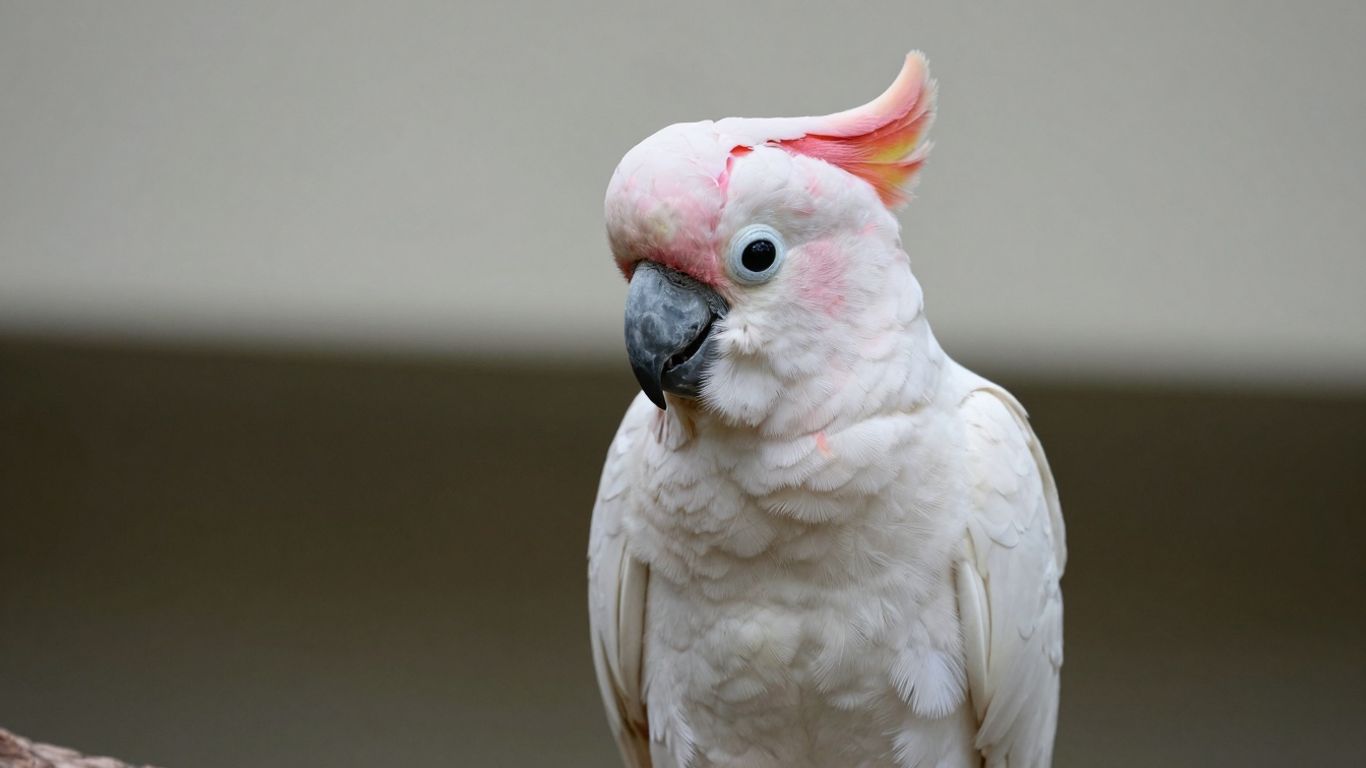
The Moluccan Cockatoo, scientifically known as Cacatua moluccensis, is a truly magnificent bird. Hailing from the southern Moluccan Islands in Indonesia, these large parrots are instantly recognizable by their stunning, vibrant coral-pink plumage and a beautiful salmon-colored crest. They’re not just pretty faces, though; Moluccans are known for being incredibly intelligent and social creatures. They typically grow to be over 20 inches long and can weigh between 700 to 1,000 grams. With proper care, these birds can live for a very long time, often reaching 80 years or more, making them a lifelong commitment. They tend to live in small, loose flocks in dense forests.
Key Moluccan Cockatoo Facts:
- Origin: Southern Moluccan Islands, Indonesia
- Size: 20+ inches long
- Weight: 700-1,000 grams
- Lifespan: 80+ years with optimal care
- Noise Level: Very Loud
Unique Characteristics of Moluccans
Moluccans are often called the "friendliest" cockatoos, and for good reason. They form very strong bonds with their human families and crave interaction. Their intelligence is off the charts; they can learn tricks, mimic sounds, and solve puzzles. This smarts means they need a lot of mental stimulation to stay happy and out of trouble. They are also known for being quite loud, so they aren’t the best fit for apartment living or noise-sensitive households. One thing to watch out for is their tendency towards feather plucking or self-mutilation if their needs aren’t met, which is why understanding their unique care requirements is so important. They can also go through hormonal periods, which might make them a bit more assertive or vocal.
Moluccan Cockatoos are highly social and intelligent birds that require significant attention and mental engagement. Their strong desire for companionship means they thrive in environments where they are an active part of the family’s daily life. Providing a variety of stimulating toys and opportunities for interaction is key to their well-being.
Origin and Habitat
These spectacular birds are native to the dense forests of the southern Moluccan Islands in Indonesia. In their natural environment, they live in small, somewhat scattered groups. They are accustomed to a tropical climate and spend their days foraging for food, socializing, and flying through the trees. Understanding their natural habitat helps us appreciate the kind of environment they need to thrive as pets. This includes needing plenty of space, opportunities for flight, and a diet that mimics what they’d find in the wild, though adapted for pet life. It’s important to remember that they are not suited for small living spaces and need room to move and explore. If you’re looking for a bird that’s a bit smaller and perhaps more adaptable to different living situations, you might want to look into the Rose-Breasted Cockatoo Galahs.
Finding Your Moluccan Cockatoo For Sale
So, you’ve decided a Moluccan Cockatoo is the bird for you. That’s awesome! These big, beautiful birds are truly something special. But where do you even start looking for one? It’s not like you can just pick one up at the local pet store. Finding a healthy, well-adjusted Moluccan takes a bit of effort, and you want to make sure you’re getting a bird from a good place.
Where to Buy a Moluccan Cockatoo
When you’re on the hunt for a Moluccan, your best bet is to look for reputable breeders or specialized avian rescues. Avoid places that seem shady or can’t provide much information about the bird’s history. A good breeder will be happy to answer all your questions and let you meet the bird and its parents if possible. They should also have health records and be able to tell you about the bird’s personality. Online listings can be tricky; always do your homework and try to visit in person if you can. Sometimes, dedicated cockatoo rescues have these amazing birds looking for new homes too, which is a fantastic option if you’re open to it.
What to Expect When Purchasing
Buying a Moluccan Cockatoo is a big commitment, and it’s not just about the initial price tag. These birds are intelligent and need a lot of attention. You’ll want to ask about the bird’s age, its diet, and its socialization history. A good seller will also want to know about your experience with birds and your home environment to make sure it’s a good fit. Be prepared for a bird that might be a bit shy at first, or one that’s already quite bold and used to interaction. They can be loud, so that’s something to consider too.
Here’s a quick rundown of what to discuss:
- Age and Hatch Date: Knowing how old the bird is helps you understand its developmental stage.
- Dietary History: What has the bird been eating? This is important for a smooth transition.
- Temperament: Is the bird generally calm, playful, or a bit feisty?
- Health Records: Any vet visits, vaccinations, or known health issues.
- Weaning Status: Has the bird been fully weaned off formula?
Bringing home a large parrot like a Moluccan is a decision that impacts your life for decades. They require significant time, mental stimulation, and a dedicated owner who understands their complex needs. It’s not a pet you can leave alone for long periods without consequence.
Ethical Sourcing and Hand-Raised Birds
This is super important. You really want to find a bird that has been hand-raised by experienced people. Hand-raised birds are typically more socialized and comfortable around humans, which makes a world of difference. Ethical breeders focus on the well-being of their birds, not just making a sale. They’ll be transparent about their breeding practices and won’t sell birds that are wild-caught or have health problems. Ask about their socialization process – how much time do the babies spend interacting with people? This early interaction is key to developing a well-adjusted companion. A bird that’s been raised with love and attention from a young age is much more likely to thrive in your home.
Caring For Your Moluccan Cockatoo
Taking care of a Moluccan Cockatoo is a big job, but super rewarding if you’re up for it. These birds are really smart and need a lot to keep them happy and healthy. It’s not just about giving them food and a place to sleep; it’s about giving them a whole life that makes sense for them.
Diet and Nutritional Needs
What you feed your Moluccan is super important. They can’t just eat seeds all day. A good diet is a mix of things. High-quality pellets should be the base, kind of like our main meals. Then, you add in lots of fresh stuff. Think fruits and veggies – but be careful, some things are a no-go for parrots. A varied diet helps stop them from getting sick and keeps their feathers looking nice.
Here’s a general idea of what a good diet looks like:
- Pellets: A reputable brand of large parrot pellets should make up about 60-70% of their food.
- Fresh Foods: Offer a variety of chopped fruits (like apples, berries, mango) and vegetables (like broccoli, carrots, leafy greens) daily. Aim for about 20-30% of their diet.
- Treats: Small amounts of healthy treats like cooked grains (quinoa, brown rice), nuts (in moderation due to fat content), and seeds can be given sparingly.
Avoid giving your Moluccan avocado, chocolate, caffeine, and alcohol. These are toxic and can cause serious health problems. Always research if a food is safe before offering it.
Housing and Environmental Enrichment
Your Moluccan needs a big cage. Seriously, these birds are large and need room to move. A cage that’s at least 3 feet wide, 3 feet deep, and 4 feet tall is a good starting point, but bigger is always better. Inside, you’ll want different kinds of perches at various heights and textures to keep their feet healthy. But the cage is just the start. They need things to do! Toys are a must – lots of them, and rotate them so they don’t get bored. Think about foraging toys where they have to work to get a treat, puzzle toys, and destructible toys they can chew up. This mental stimulation is just as important as food.
- Cage Size: Minimum 3’x3’x4′ (W x D x H), but larger is highly recommended.
- Perches: Offer natural wood perches of varying diameters and textures.
- Toys: Provide a variety of safe, destructible, and foraging toys. Rotate them weekly.
- Bathing: Moluccans love to bathe! A large, shallow dish or a spray bottle with lukewarm water can be used regularly.
Socialization and Training
Moluccans are super social birds. They need a lot of interaction with you. Spending time with them every day is key. This isn’t just about petting them, though they do enjoy that. It’s about engaging with them, talking to them, and letting them be part of your daily life. Training is also a big part of socialization. Using positive reinforcement – like treats and praise – you can teach them tricks, words, and good behaviors. This builds a strong bond and keeps their smart brains busy. Consistent, positive interaction is the bedrock of a well-adjusted Moluccan. Be aware that they can go through hormonal phases, and their behavior might change a bit. During these times, sticking to a routine and providing extra mental stimulation can help a lot.
Health and Well-being
Common Health Concerns
Moluccan Cockatoos are generally robust birds, but like all pets, they can be prone to certain health issues. One of the most talked-about problems is feather picking and self-mutilation. This isn’t usually a physical ailment but a behavioral one, often stemming from stress, boredom, or lack of proper stimulation. Providing a rich environment and plenty of interaction is key to preventing this. Other concerns include psittacine beak and feather disease (PBFD), which is viral, and issues like fatty liver disease and obesity, which are often diet-related. Regular check-ups can help catch these early.
Veterinary Care and Checkups
Finding a good avian veterinarian is super important. You’ll want someone who really knows their stuff when it comes to large parrots. Plan on taking your Moluccan for a check-up at least once a year, maybe more if they’re young or if you notice anything off. The vet will do a physical exam, check their weight, and might suggest blood work or fecal tests. This is also your chance to ask any questions you have about their diet, behavior, or anything else that’s on your mind. Think of it as a wellness visit for your feathered friend.
Ensuring Long-Term Health
Keeping your Moluccan healthy for the long haul is all about consistency and attention. A balanced diet is a big part of it. We’re talking high-quality pellets, fresh fruits, and vegetables – not just seeds. Plenty of exercise and mental stimulation are also vital. These birds are incredibly smart and need things to do to keep their minds sharp. This includes foraging toys, training sessions, and lots of social interaction. Remember, a happy bird is usually a healthy bird. A good diet can help manage common issues like obesity and fatty liver disease. You can find more information on parrot wellness supplies that are science-backed to support your bird’s health. Parrot wellness supplies can be a great addition to their care routine.
The Moluccan Cockatoo As A Companion
Temperament and Personality
Moluccan Cockatoos are often called the
Preparing Your Home For A New Arrival
Bringing a Moluccan Cockatoo into your home is a big step, and getting your space ready beforehand makes a world of difference for both you and your new feathered friend. It’s not just about having a cage; it’s about creating a safe, stimulating, and comfortable environment where they can truly thrive. Think of it as setting up a luxury suite for a very special guest who’s going to be around for a long, long time.
Essential Cage Requirements
When it comes to cages, bigger is definitely better for a Moluccan. These birds are large and active, and they need plenty of room to move, stretch their wings, and play. Look for a cage with sturdy construction and bar spacing that’s not too wide, so they can’t accidentally get their heads stuck. Horizontal bars are a plus, as they give your cockatoo something to climb on. The cage should be tall enough for them to perch comfortably without their tail feathers touching the bottom.
Here’s a quick rundown of what to look for:
- Size: Aim for a cage that’s at least 36 inches wide, 30 inches deep, and 60 inches high. More space is always better.
- Bar Spacing: Between 0.5 and 0.75 inches is generally recommended to keep them safe.
- Material: Stainless steel or powder-coated metal cages are durable and easier to clean. Avoid cages with zinc or lead, as these can be toxic.
- Door Latches: Make sure they’re secure. Moluccans are smart and can figure out how to open simple latches.
Creating A Safe Environment
Your home needs a bit of a bird-proofing makeover before your Moluccan arrives. These curious creatures love to explore, and some common household items can be dangerous for them. It’s vital to remove any potential hazards from areas where your cockatoo will spend time, especially when they’re out of their cage.
- Toxic Plants: Many common houseplants are poisonous to birds. Do some research and remove any that could be harmful.
- Chemicals: Keep cleaning supplies, aerosols, and air fresheners out of reach. Their respiratory systems are sensitive.
- Electrical Cords: Birds love to chew, and exposed cords are a serious risk. Cover or hide them.
- Open Water: Avoid leaving open containers of water, like toilets or buckets, accessible. They can easily fall in and drown.
- Fans: Ceiling fans and portable fans should be turned off and secured when your bird is out.
Necessary Supplies and Toys
Beyond the cage, you’ll need a variety of supplies to keep your Moluccan happy and healthy. Think about perches, food and water dishes, and, of course, plenty of toys.
- Perches: Offer a variety of textures and diameters. Natural branches from safe trees (like apple or pear) are great, as are rope perches and standard dowel perches. This helps keep their feet healthy.
- Food and Water Dishes: Stainless steel dishes are easy to clean and durable. You’ll need at least two – one for food and one for water.
- Toys: This is where you can really have fun! Moluccans are incredibly intelligent and need constant mental stimulation to prevent boredom and destructive behaviors. Provide a mix of:
- Foraging toys: These make them work for treats, mimicking natural behavior.
- Chew toys: Wood, paper, and natural fibers are great for satisfying their need to chew.
- Puzzle toys: These challenge their problem-solving skills.
- Foot toys: Smaller toys they can hold and manipulate with their feet.
Rotate toys regularly to keep things interesting. What was old and boring can become new and exciting again after a few weeks!
Ready to Find Your Feathered Friend?
So, you’ve learned a lot about Moluccan Cockatoos and what it takes to bring one home. It’s a big decision, for sure. These birds are super smart and need a lot of attention, but they can also be incredibly loving companions. Remember to think about your own lifestyle and if you can give a cockatoo the time and space it needs. If you’re ready, doing your homework on reputable breeders and understanding their specific care needs is the next step. It’s all about finding that perfect match so you and your new feathered buddy can have a great life together.
Frequently Asked Questions
Are Moluccan Cockatoos good pets for beginners?
Moluccan Cockatoos are very smart and loving birds, but they need a lot of attention and care. They aren’t usually recommended for first-time bird owners because they can be demanding. It’s best if you have some experience with large parrots before getting a Moluccan.
How much attention do Moluccan Cockatoos need?
These birds really need a lot of social time with their owners. They can get sad or develop behavior problems if they don’t get enough interaction every day. Think of them as needing a few hours of your undivided attention daily.
What kind of food should I feed my Moluccan Cockatoo?
A healthy diet for a Moluccan Cockatoo includes good quality pellets, plus lots of fresh fruits and vegetables like carrots, apples, and spinach. Avoid giving them junk food like chocolate, caffeine, or salty snacks.
How noisy are Moluccan Cockatoos?
Moluccan Cockatoos can be very loud! They often make loud calls, especially in the morning and evening. If you live in an apartment or have close neighbors, their noise level might be a problem.
How long do Moluccan Cockatoos live?
With the right care, Moluccan Cockatoos can live a very long time, often up to 80 years! This means owning one is a big commitment that can last a lifetime.
Where is the best place to buy a Moluccan Cockatoo?
It’s best to buy from breeders who raise their birds by hand and socialize them well. Look for places that focus on the bird’s health, provide all the necessary paperwork, and offer support after you take your bird home. Avoid places that sell wild-caught birds.

Find Your Perfect Companion: Hahns Macaw For Sale Near You – TROY Kelso Farms
December 23, 2025[…] Vocal: While quieter than larger macaws, they still make noise, especially at dawn and dusk. You can find more information on parrot care. […]
Find Your Perfect Black Palm Cockatoo For Sale: A Comprehensive Guide – TROY Kelso Farms
December 29, 2025[…] way to give a bird a second chance and form a really deep bond. You can find many resources for adoption options if you look […]