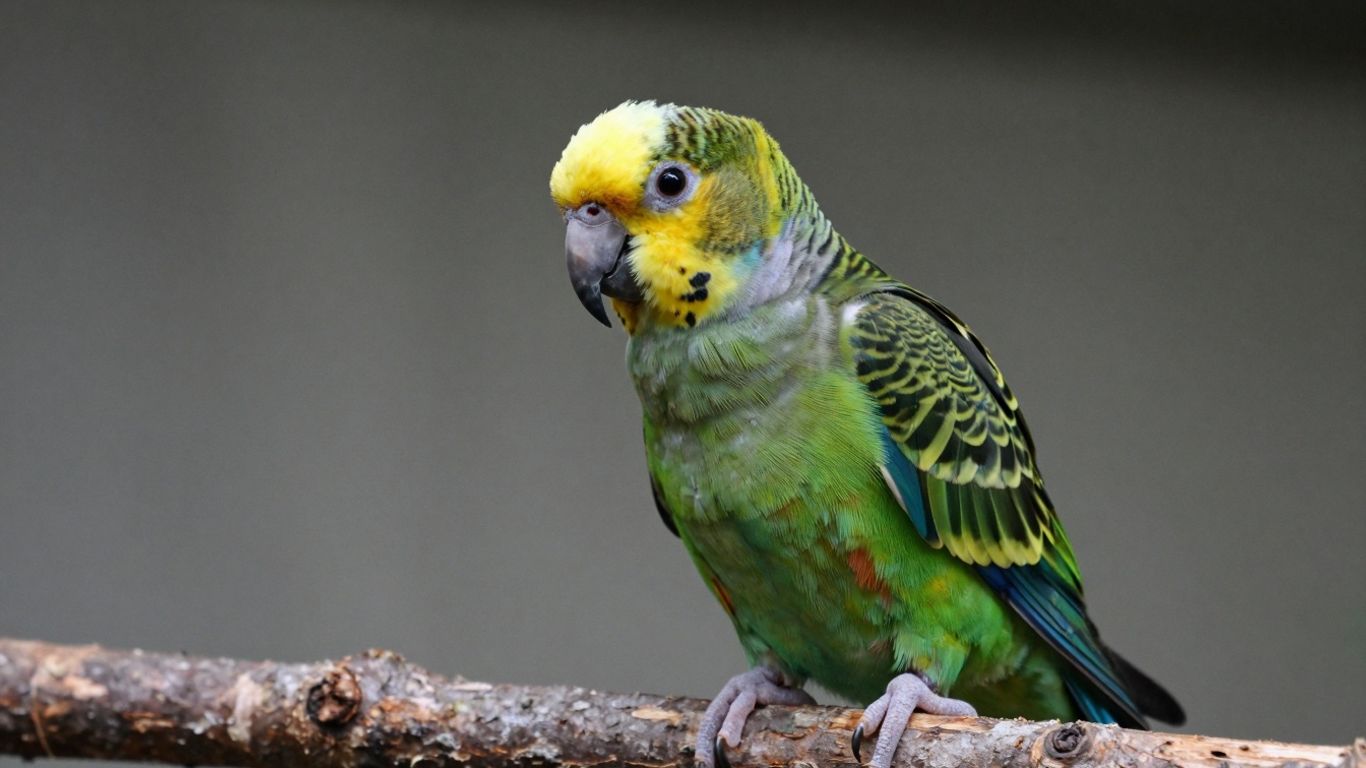
Caring for Your Double Yellow Head Amazon Parrot: A Comprehensive Guide
Thinking about bringing a double yellow head Amazon parrot into your home? These birds are known for their bright personalities and can be quite the characters. They’re smart, love to chat, and really bond with their people. But like any pet, they need specific care to stay happy and healthy. This guide will walk you through what you need to know to give your double yellow head Amazon parrot a great life.
Key Takeaways
- Double yellow head Amazon parrots are intelligent, talkative, and social birds that form strong bonds with their owners.
- A spacious, safe cage with plenty of toys and perches is vital for their well-being.
- A balanced diet rich in fruits, vegetables, and grains, with avoidance of harmful foods, is necessary for good health.
- Consistent training using positive methods and ample playtime are important for their mental stimulation and your bond.
- Regular vet check-ups and awareness of potential health issues are key to long-term care for your double yellow head Amazon parrot.
Understanding Your Double Yellow Head Amazon Parrot
Unique Personality Traits
Double Yellow Head Amazon parrots are known for having quite a bit of personality packed into one bird. They’re often described as being very intelligent, which means they can learn a lot, not just words but also how to get what they want. They can be quite charming and will use their smarts to interact with you. It’s not uncommon for them to be a bit opinionated, too. They know what they like and what they don’t, and they’re usually not shy about letting you know.
These birds are sensitive creatures. While they can be boisterous and playful, they also pick up on the mood of their household. A calm, consistent environment helps them feel secure.
Intelligence and Curiosity
These parrots are seriously smart. Think of them as feathered little scientists, always wanting to figure things out. They’ll investigate new toys, explore their surroundings with great interest, and can even solve simple puzzles if you offer them the chance. This curiosity is a big part of what makes them so engaging. It means they need plenty of things to do and learn, otherwise, they can get bored, and a bored parrot isn’t usually a happy parrot. They can pick up on routines and even anticipate what’s coming next, which is pretty amazing to watch.
Playful and Social Nature
Double Yellow Heads really enjoy being part of the family. They’re not the type of bird that’s happy just sitting in its cage all day. They want to interact, play, and be involved in what’s going on. This often means they’ll be quite vocal, mimicking sounds and even conversations they hear. They love to play with toys, especially those that challenge their minds, and they generally do well with positive interaction. Building a bond with them involves a lot of playtime and shared activities. They thrive on attention and can become quite attached to their people.
Creating a Welcoming Habitat for Your Double Yellow Head Amazon Parrot
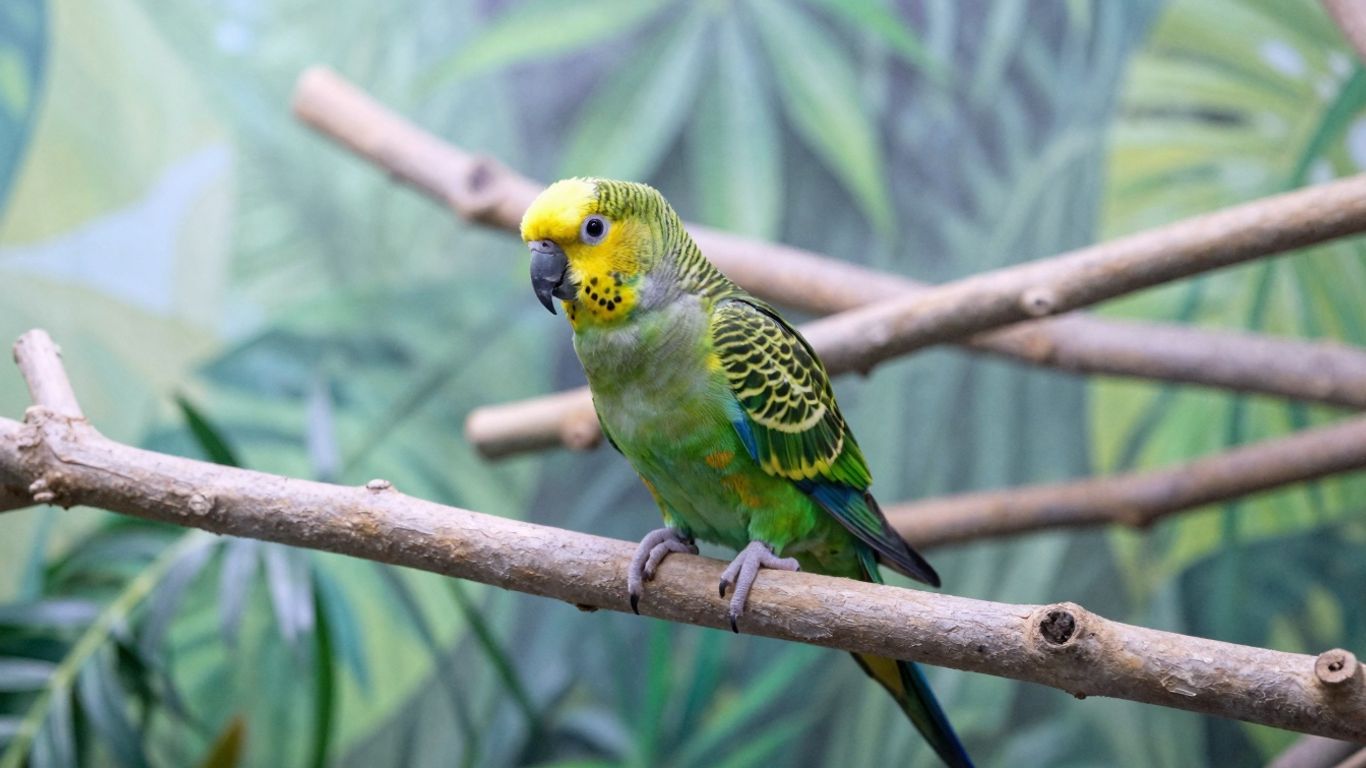
Setting up the right living space for your Double Yellow Head Amazon is super important. Think of it as their whole world, so it needs to be safe, comfy, and interesting. They’re smart birds, and a boring cage can lead to a bored, unhappy parrot.
Essential Cage Requirements
When picking out a cage, size really matters. These guys are not small birds, and they need room to spread their wings and move around. A good rule of thumb is to go as big as you can possibly fit and afford. Look for cages made from sturdy materials like powder-coated steel or stainless steel. Avoid cages with bars spaced too far apart, as they could get their head stuck. The bar spacing should typically be around 3/4 inch to 1 inch for an Amazon parrot.
- Minimum dimensions: Aim for at least 36 inches wide, 30 inches deep, and 48 inches high. Bigger is always better.
- Bar spacing: Keep it between 3/4 inch and 1 inch.
- Door latches: Make sure they are secure. Amazons are clever and can figure out simple latches.
- Tray: A removable tray at the bottom makes cleaning way easier.
Enriching Cage Accessories
Once you have the cage, it’s time to make it a parrot paradise. This means lots of things to climb on, chew, and play with. Variety is key here to keep your parrot from getting bored.
- Perches: Offer a variety of perch sizes and textures. Natural branches from safe trees (like apple or ficus, thoroughly cleaned) are great, as are rope perches and different diameter dowel perches. This helps keep their feet healthy.
- Toys: Amazons love to chew and solve puzzles. Provide a mix of destructible toys (like wood or cardboard ones they can shred) and more durable toys (like stainless steel foraging toys or acrylic toys). Rotate toys regularly to keep things interesting.
- Food and Water Dishes: Stainless steel bowls are the easiest to clean and are durable. Have at least two – one for food and one for water. Some owners like to have a separate dish for bathing water too.
Maintaining a Safe Environment
Safety is non-negotiable. You need to be mindful of what’s in and around the cage.
Always be aware of potential hazards in your parrot’s environment. This includes toxic plants, household chemicals, fumes from non-stick cookware, and even small objects they could swallow. Regular cleaning of the cage and toys is also vital to prevent the buildup of bacteria and mold.
- Toxins: Keep the cage away from windows where direct sunlight could overheat the cage. Also, avoid placing it near kitchens where fumes from cooking can be harmful. Never use cleaning products with harsh chemicals inside or near the cage.
- Electrical Cords: Ensure all electrical cords are out of reach. Parrots have a tendency to chew on them, which can be very dangerous.
- Drafts and Temperature: Avoid placing the cage in drafty areas or near heating/cooling vents. Amazons prefer a stable room temperature, generally between 65-75°F (18-24°C).
Nourishing Your Double Yellow Head Amazon Parrot
Feeding your Double Yellow Head Amazon parrot right is a big deal. It’s not just about filling a bowl; it’s about giving them the fuel they need to be happy, healthy, and chatty. These guys are smart and active, so their diet needs to keep up.
Balanced Dietary Needs
Think of their diet like a well-rounded meal plan. A good base is a high-quality pelleted food specifically made for parrots. This takes a lot of the guesswork out of getting the right nutrients. But don’t stop there! Fresh foods are super important too. We’re talking a variety of fruits and vegetables every single day. Aim for a colorful mix – think leafy greens like kale and spinach, bright veggies like carrots and bell peppers, and fruits like apples, berries, and melon. Just be sure to remove any uneaten fresh food after a few hours so it doesn’t spoil.
Here’s a general idea of what a good daily diet looks like:
- Pellets: About 50-60% of their diet. Choose a reputable brand.
- Fresh Vegetables: Around 20-30%. Offer a wide variety.
- Fresh Fruits: About 10-15%. Offer in moderation due to sugar content.
- Grains and Legumes: A small portion, like cooked quinoa or beans, can be a nice addition.
- Seeds and Nuts: These should be treats, not a main food source, because they’re high in fat. Think of them like candy for your bird.
Foods to Avoid
Some things that are fine for us can be really bad for parrots. It’s super important to know what to keep away from their beak. Never feed your Double Yellow Head Amazon chocolate, avocado, alcohol, caffeine, or anything with excessive salt or sugar. Dairy products can also be problematic. Onions and garlic are also on the no-fly list. If you’re ever unsure about a food, it’s always best to skip it or do some quick research. Better safe than sorry, right?
Hydration and Bathing
Fresh, clean water needs to be available at all times. Change it daily, or more often if it gets dirty. Parrots also love to bathe! It helps keep their feathers in good condition and is a great way for them to cool off and have some fun. You can offer a shallow dish of water for them to splash in, or mist them gently with a spray bottle filled with plain water. Some birds even enjoy a shower with you, but always make sure the water temperature is comfortable and there’s no soap involved.
Building a Strong Bond with Your Double Yellow Head Amazon Parrot
Effective Training Techniques
Training your Double Yellow Head Amazon isn’t just about teaching tricks; it’s a conversation. These birds are sharp, and they learn fast, but they also have opinions. Think of training as a way to show them you’re a reliable partner, not just the food dispenser. Positive reinforcement is the name of the game here. When your parrot does something you like, like stepping onto your hand when asked or saying a word you’ve been working on, reward them. This could be a small, healthy treat they love, or just some enthusiastic praise. Keep training sessions short and sweet, maybe 5-10 minutes a couple of times a day. Long sessions can bore them, and a bored parrot is often a mischievous parrot. Consistency is key, too. If you’re working on a cue, use the same words and gestures every time. Trying to teach them to step up? Always use the same command and offer your hand in the same way. It helps them understand what you’re asking.
Here’s a quick rundown of how to start:
- Start with the basics: "Step up" is probably the most important command. It means they’ll put their foot on your finger or hand when you ask. This is vital for handling and moving them safely.
- Use clear cues: Keep your words simple and consistent. For "step up," just say "step up" clearly.
- Reward immediately: As soon as they do what you want, give them their reward. Timing is everything so they connect the action with the reward.
- Be patient: Some days they’ll be champs, other days they might seem like they’ve forgotten everything. That’s normal. Just keep at it without getting frustrated.
Remember, your parrot is an individual. What works for one might not work for another. Pay attention to your bird’s mood and energy levels. If they seem stressed or uninterested, it’s better to stop and try again later.
The Importance of Playtime
Playtime is way more than just fun and games for your Double Yellow Head Amazon; it’s a critical part of their mental and emotional health. These birds are naturally curious and intelligent, and without enough stimulation, they can get bored, stressed, and even start developing unwanted behaviors like feather plucking. Think of their toys as their puzzles and challenges. Rotate toys regularly to keep things interesting. What was a favorite yesterday might be ignored today, so having a stash of new or rediscovered toys is a good idea. Interactive toys, like those they have to manipulate to get a treat, are fantastic for engaging their minds. But don’t forget about playing with them. Fetch with a soft toy, or even just letting them explore a safe, supervised area outside their cage can be great bonding time.
Meaningful Communication
Talking to your Double Yellow Head Amazon is a two-way street. They’re known for their ability to mimic sounds and even learn words, but communication goes beyond just talking. Pay attention to their body language. Are their feathers fluffed? Are they bobbing their head? Are their eyes pinning (pupils dilating and constricting rapidly)? These are all signals about how they’re feeling. When you talk to them, use a friendly, upbeat tone. They respond well to positive vocalizations. You can also try to teach them specific words or phrases. Start with simple things they might associate with actions, like "hello" when you enter the room or "goodbye" when you leave. They might not always say what you want them to, but the effort to communicate builds a connection. The more you interact and talk with your parrot, the stronger your bond will become.
Ensuring the Health and Well-being of Your Double Yellow Head Amazon Parrot
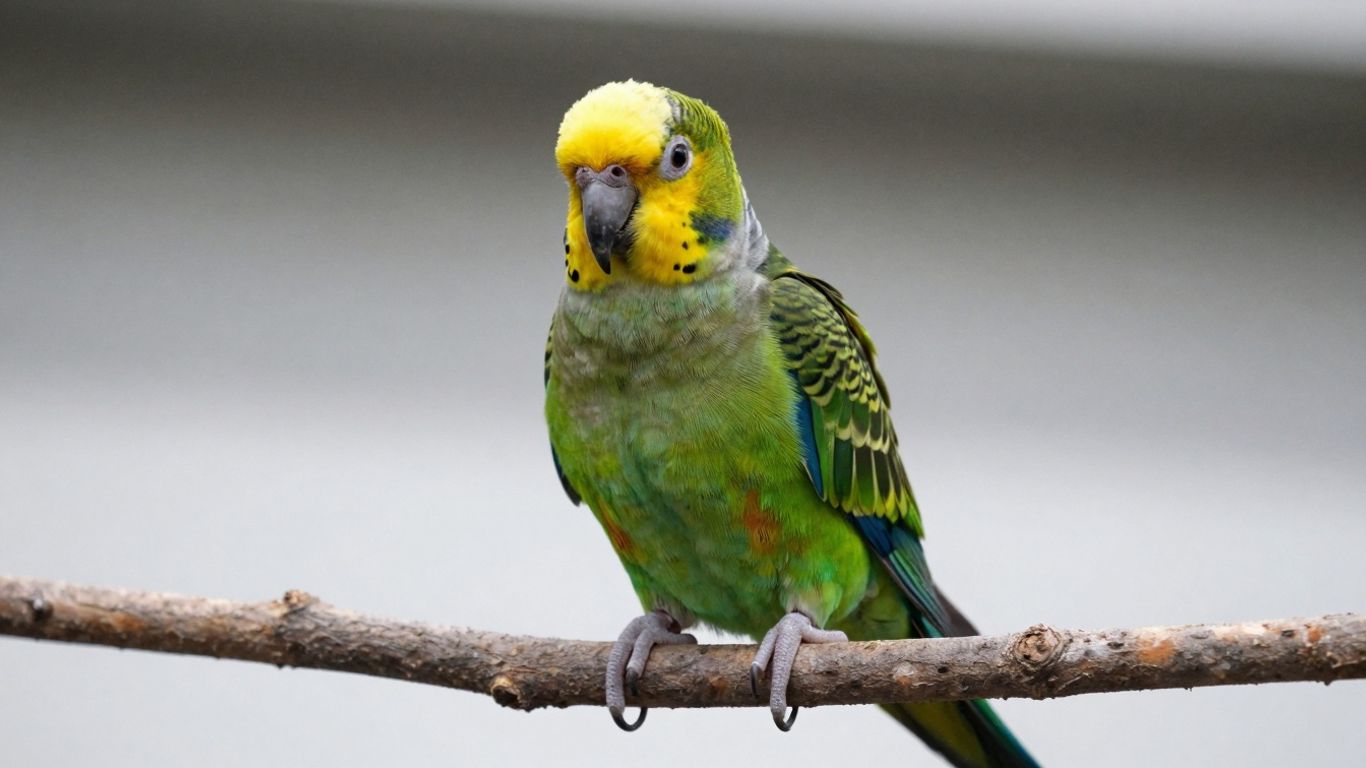
Keeping your Double Yellow Head Amazon parrot healthy and happy is a big part of being a responsible owner. These birds are pretty smart and can get into trouble if they aren’t feeling their best, so paying attention to their health is key. It’s not just about avoiding sickness; it’s about making sure they have a good life.
Recognizing Common Health Concerns
Double Yellow Heads, like many parrots, can be prone to a few issues. Feather picking is one that owners often see, and it can be caused by stress, boredom, or even skin irritation. Respiratory infections can also pop up, especially if their environment isn’t kept clean or if they’re exposed to drafts. Obesity is another concern, usually from a diet that’s too heavy on seeds and not enough fresh stuff. Sometimes, they can develop issues with their feet or beaks if their perches aren’t right or if they aren’t getting the right nutrients. Paying attention to changes in their droppings, feather condition, and behavior is your first line of defense.
Preventive Healthcare Measures
An ounce of prevention is worth a pound of cure, right? For your Double Yellow Head, this means a few things. First off, diet is huge. A balanced diet, rich in fresh fruits, vegetables, and a good quality pellet, is way better than just seeds. You can find some really good complete bird food formulated for large parrots that helps cover all their nutritional bases. Regular cage cleaning is also super important to prevent bacteria and mold. Providing a variety of safe toys and opportunities for exercise helps keep them mentally stimulated and physically fit, which can ward off stress-related issues like feather picking. Also, make sure their cage setup is safe – no toxic plants nearby, no sharp edges on toys, and appropriate perches to keep their feet healthy.
Finding Expert Avian Veterinary Care
When it comes to vet care, you can’t just take your parrot to any old animal doctor. You need someone who really knows birds, specifically parrots. Finding an avian veterinarian before you actually need one is a smart move. Ask other parrot owners for recommendations or search online directories for specialists in your area. Regular check-ups, even when your bird seems perfectly fine, can catch potential problems early. Your vet can also offer advice on diet, behavior, and preventative care tailored to your specific bird. It’s a good idea to have a relationship with a vet who understands the unique needs of a Double Yellow Head Amazon.
Keeping your parrot’s environment clean and free from hazards is a daily task that significantly impacts their health. This includes daily spot cleaning of the cage, regular washing of food and water dishes, and periodic deep cleaning of the entire enclosure. A clean space reduces the risk of infections and keeps your bird comfortable and content.
Commitment and Considerations for Double Yellow Head Amazon Parrot Ownership
So, you’re thinking about bringing a Double Yellow Head into your home? That’s awesome! These birds are super smart and can be really fun companions. But, before you jump in, let’s chat about what it really means to own one of these guys. It’s not just about the cool factor; it’s a big commitment, like, a really big one.
Lifelong Companionship Expectations
First off, these parrots aren’t like a goldfish or even a dog that might live 10-15 years. Double Yellow Heads can live a really long time, often 50 to 60 years, sometimes even more! That means you’re looking at a companion for a huge chunk of your life. This isn’t a pet you get on a whim; it’s a decision that impacts your future for decades. You need to think about where you’ll be in 10, 20, or even 40 years and if a parrot will fit into those plans. It’s a serious, long-term relationship you’re signing up for.
Finding a Reputable Source
When you’re ready to find your feathered friend, where you get them matters a lot. You don’t want to just pick one up from anywhere. Look for breeders who really know their stuff and care about the birds’ health and socialization. They should be happy to answer all your questions and let you see where the birds are kept. Sometimes, adoption is also an option, and there are great organizations out there dedicated to rehoming parrots. Doing your homework here means you’re more likely to get a healthy, well-adjusted bird.
Legal Aspects of Ownership
It might surprise you, but there are actually some legal things to consider. Amazon parrots, including the Double Yellow Head, are protected species in some ways. This means there are rules about how they can be bought and sold, especially across state lines or internationally. Some cities or states might even have specific regulations about owning exotic birds. It’s a good idea to check your local laws and CITES regulations just to make sure you’re all clear on what’s allowed. You don’t want any surprises down the road.
Owning a parrot like the Double Yellow Head is a significant undertaking. It requires patience, dedication, and a willingness to adapt your life to their needs. They are sensitive creatures that thrive on interaction and a stable environment. Understanding their long lifespan and specific care requirements is key to a successful and rewarding relationship.
Wrapping Things Up
So, you’ve learned a lot about keeping a Double Yellow Headed Amazon parrot happy and healthy. It’s a big commitment, for sure, but totally worth it if you’re ready for it. These birds are smart, they’re social, and they can be really loving companions. Just remember to give them plenty of attention, a good diet, and a safe place to live. With the right care, you’ll have a feathered friend for many, many years. It’s a journey, but a really cool one.
Frequently Asked Questions
What makes Double Yellow-Headed Amazon parrots special?
Double Yellow-Headed Amazons are known for being super smart and really loving. They’re very curious about everything around them, which makes them fun to play with. They also love to chat and can learn to talk, which is pretty amazing!
Are these parrots good for first-time bird owners?
While they can be wonderful companions, Double Yellow-Headed Amazons need a lot of attention and consistent training. They can be strong-willed, so it’s best if you have some experience with birds or are ready to commit a lot of time and effort to learning how to care for them properly.
How long do Double Yellow-Headed Amazon parrots live?
These parrots can live a very long time! They are considered lifelong companions, often living for 50 to 60 years, and sometimes even longer in captivity. It’s a big commitment, like having a family member for many decades.
What kind of food should I give my Double Yellow-Headed Amazon?
A healthy diet for them includes lots of fresh fruits, vegetables, and a good quality parrot pellet. Think of it like a balanced meal plan for humans – a mix of healthy stuff! It’s important to avoid giving them fatty foods or things that can be bad for them, like avocado or chocolate.
How much attention do they really need?
These birds are very social and need a lot of interaction. They thrive on spending time with their human families. You’ll need to spend time talking to them, playing with them, and letting them be part of your daily activities. They can get lonely or sad if they don’t get enough attention.
Are they noisy birds?
Yes, Amazon parrots, including the Double Yellow-Headed, can be quite vocal. They love to make noise, and that includes mimicking sounds and learning to talk. While this can be entertaining, it’s something to consider, especially if you live in a place where noise is an issue.