Mastering the Toppy Grey Gamefowl: Breeding, Care, and Performance Insights
Thinking about getting into the gamefowl world, or maybe just looking to add a specific type to your flock? The toppy grey gamefowl is a name you’ll hear quite a bit. They’ve got a reputation for being tough and good in the pit, but there’s more to them than just that. This article is going to break down what makes these birds special, from how you should breed them and what they need to eat, to how they perform and their place in the gamefowl scene. We’ll cover the basics so you can get a solid grasp on the toppy grey gamefowl.
Key Takeaways
- The toppy grey gamefowl has a distinct look and history within gamefowl circles.
- Successful breeding involves careful selection of parent stock and managing the mating process.
- Proper nutrition and housing are vital for the health and performance of toppy greys.
- Training and conditioning play a big role in how well a toppy grey gamefowl performs.
- Understanding the historical context and ethical aspects is important for anyone keeping toppy grey gamefowl.
Understanding the Toppy Grey Gamefowl
Origins and Characteristics
The Toppy Grey gamefowl, a distinct breed within the gamecock world, has a lineage that’s often traced back to specific regional breeding programs. While pinpointing an exact origin can be tricky, they are generally recognized for their hardiness and a particular set of physical traits. These birds aren’t just about looks; they’re bred for a combination of stamina, agility, and a certain ‘gameness’ that enthusiasts value. Their temperament can vary, but generally, they are known to be alert and active. Understanding their foundational traits is key before diving into breeding or care.
Distinguishing Features of Toppy Greys
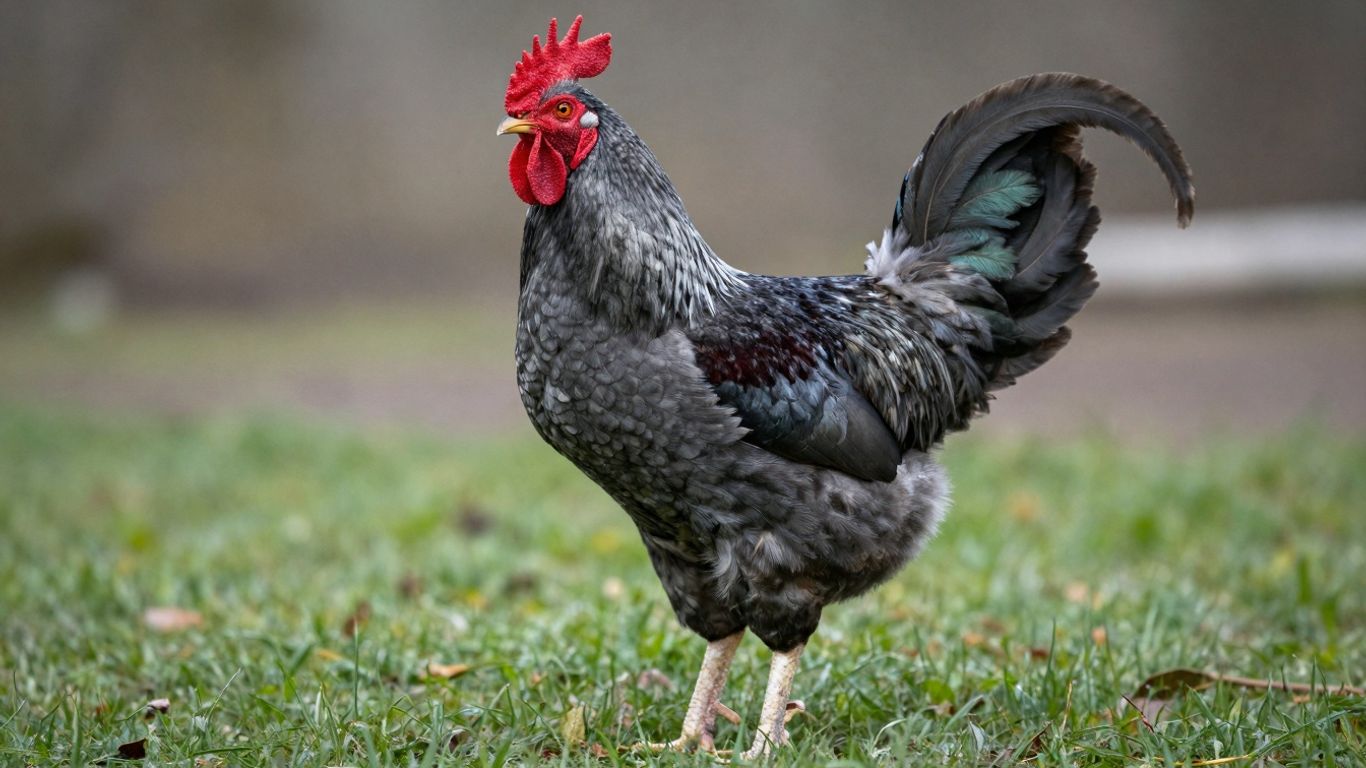
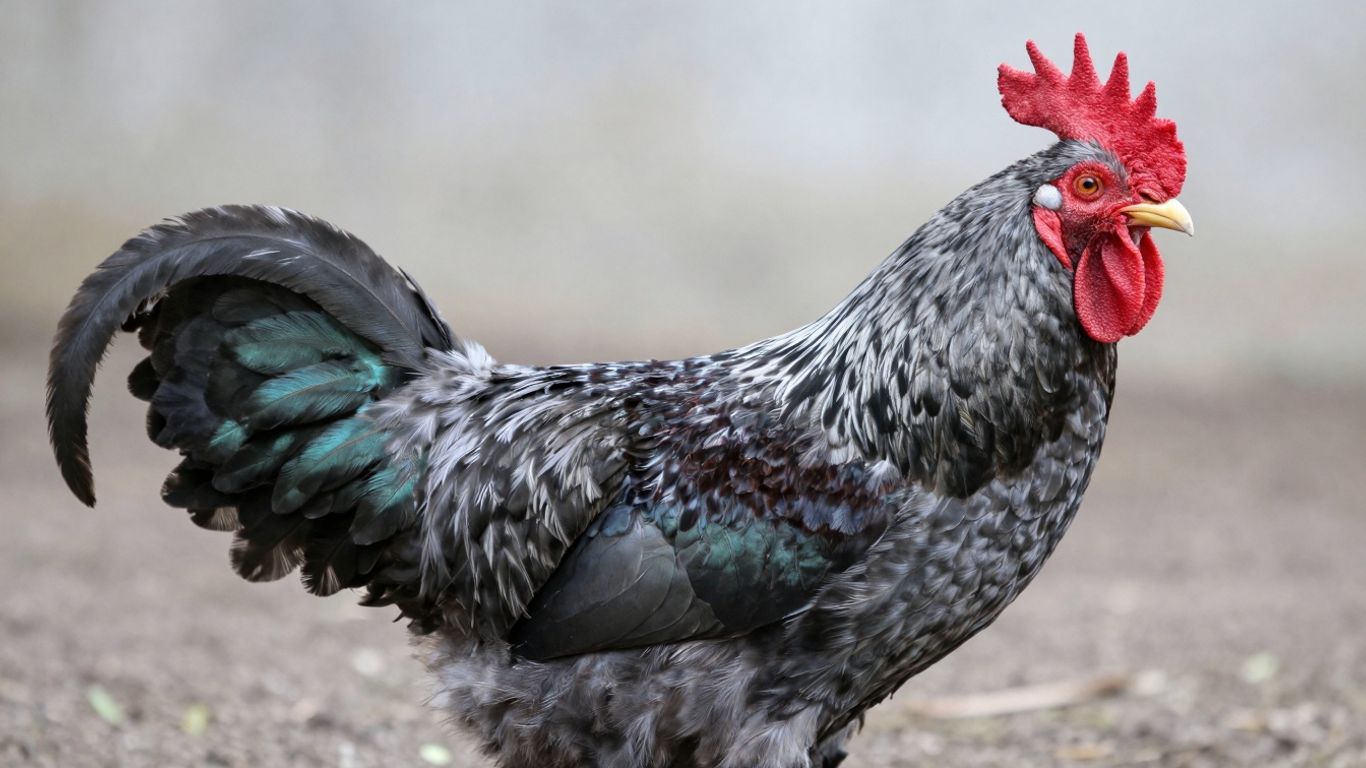
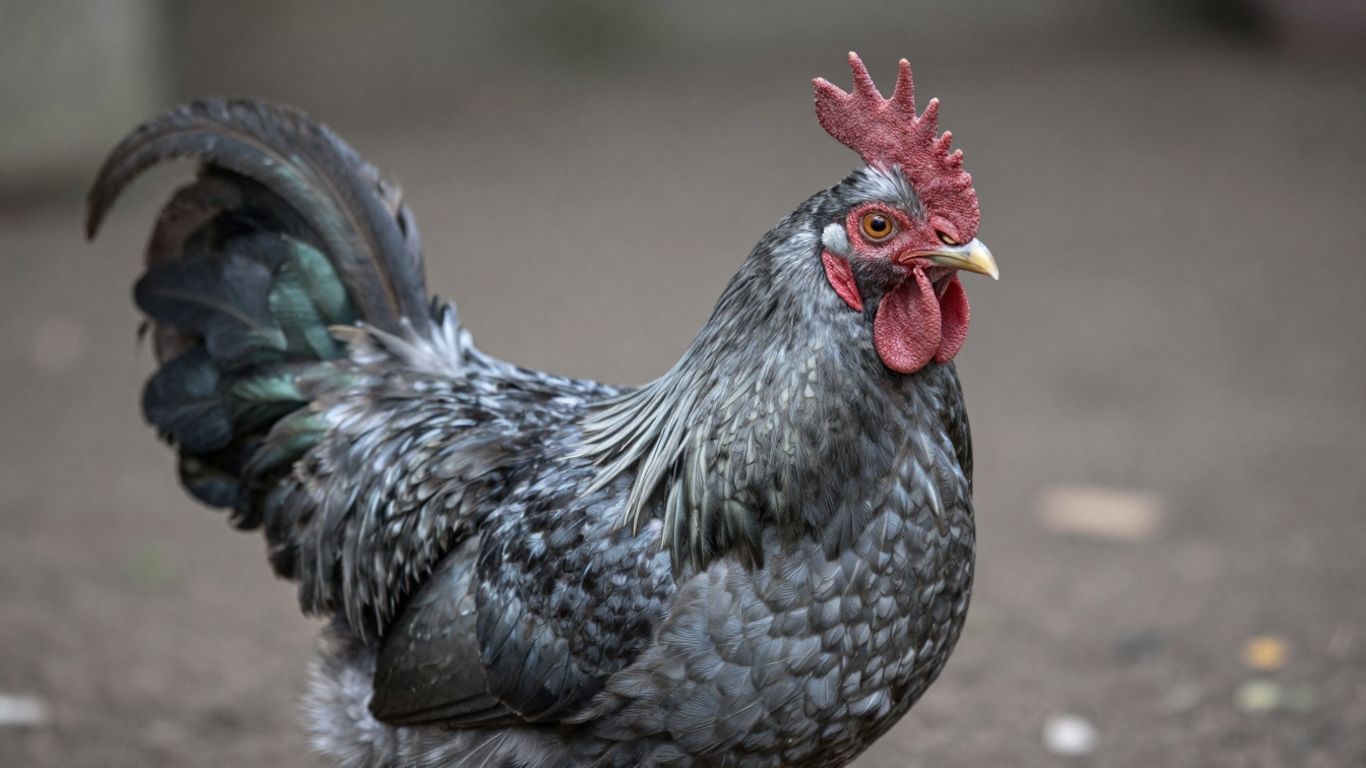
What sets a Toppy Grey apart? Visually, they often sport a plumage that ranges from a deep, slate grey to lighter, almost silvery tones, sometimes with subtle hints of other colors depending on the specific bloodline. Their build is typically athletic, with a medium-to-long leg, a well-proportioned body, and a proud carriage. You’ll notice their eyes are usually bright and intelligent, and their comb and wattles are typically a vibrant red. They tend to be medium-sized birds, not overly heavy but solid enough for their intended purpose.
Here’s a quick look at some common features:
- Plumage: Predominantly grey, with variations in shade.
- Build: Athletic, well-muscled, medium frame.
- Temperament: Alert, active, and responsive.
- Legs: Often medium to long, sturdy.
Genetic Lineages and Bloodlines
Within the Toppy Grey breed, there are several recognized bloodlines, each with its own subtle variations and history. Some of the more well-known strains might include specific family names or geographical origins that breeders have worked with for generations. For instance, you might hear about ‘Ginn Toppy’ or other variations that indicate a particular breeder’s focus or a specific set of traits passed down. When looking to acquire Toppy Greys, it’s wise to ask about the specific lineage. This helps in understanding the bird’s potential strengths and weaknesses, and how it might fit into your existing flock or breeding program. It’s a bit like knowing the pedigree of a racehorse; it gives you clues about what to expect. If you’re interested in the specifics of breeding, looking into African Grey parrot eggs can offer some parallels in terms of careful selection and incubation, though the species are entirely different, of course.
The world of gamefowl breeding is deeply rooted in tradition and keen observation. Success often hinges on a breeder’s ability to recognize subtle differences and make informed decisions about which birds to pair. It’s a continuous cycle of learning and applying that knowledge to improve the stock year after year.
Breeding Strategies for Toppy Grey Gamefowl
Getting a good Toppy Grey program going takes some thought, you know? It’s not just about throwing birds together and hoping for the best. You’ve got to be smart about it.
Selecting Foundation Stock
This is where it all starts. You can’t build a solid house on a shaky foundation, right? For Toppy Greys, you want birds that show the traits you’re after. Look for good conformation, strong legs, and that alert, keen look. Don’t be afraid to ask questions about where the birds came from. A good breeder will be happy to share information about their lines. Sometimes you’ll find folks advertising specific bloodlines like "Ginn Toppy" or mentioning crosses with other known strains like "Dan Grey Roundhead Cross." That’s the kind of detail that can tell you a lot about what you’re getting into.
Mating Pairs for Desired Traits
Once you’ve got your birds, it’s time to think about who mates with whom. This is where you try to improve on what you have or fix certain things. If you have a hen that’s a bit too flighty, you might pair her with a cock that’s known for being calm and steady. Or maybe you want to bring out a specific color pattern; you’ll need to know which parents tend to pass that on. It’s a bit of a puzzle, and you learn a lot by observing the offspring.
Managing Broodmares and Cocks
Keeping your breeding birds in good shape is key. The hens, or broodmares, need good nutrition and a calm environment when they’re setting eggs or raising chicks. The cocks need to be healthy and vigorous, but also managed so they don’t get too worn out, especially during the main breeding season. You don’t want them spending all their energy fighting or chasing hens. A good balance is important.
Hatching and Early Chick Care
This is the exciting part! Whether you’re using an incubator or letting a hen do the work, watching those little chicks hatch is pretty neat. Once they’re out, they need a warm, dry place to live, called a brooder. Clean water and the right chick feed are super important for their first few weeks. You’ll want to keep an eye on them to make sure they’re all eating, drinking, and staying warm. It’s a lot of little details, but it makes a big difference in how they grow up.
The goal in breeding is to consistently produce birds that meet a certain standard, whether that’s for looks, temperament, or a specific type of performance. It’s a long game, and patience is definitely a virtue here.
Optimal Care and Nutrition for Toppy Greys
Keeping your Toppy Grey gamefowl in top shape means paying close attention to what they eat and where they live. It’s not just about throwing feed at them; it’s about giving them the right stuff at the right times.
Dietary Requirements for Growth and Performance
What you feed your Toppy Greys directly impacts their energy, feather quality, and overall health. For growing chicks, a high-protein starter feed is a must. As they mature, you’ll want to switch to a grower feed. For adult birds, especially those being prepped for any kind of show or activity, a good quality layer or game bird feed is usually the way to go. Don’t forget grit! They need it to properly digest their food. Fresh, clean water should always be available. Think of it like this: you wouldn’t expect to run a marathon on junk food, right? Same idea here.
Here’s a general breakdown:
- Chicks (0-6 weeks): High-protein starter (20-24% protein). This is where they build their foundation.
- Growers (6 weeks to maturity): A balanced grower feed (16-18% protein). Supports steady development.
- Adults/Layers: Game bird feed or layer feed (16-18% protein). Provides maintenance and energy.
- Conditioning Birds: May require higher protein or added supplements, depending on activity level. Consult with experienced breeders for specific gamefowl conditioning advice.
Supplementing with fresh greens, like chopped lettuce or spinach, can be a nice treat and adds vitamins. Some folks also add a bit of cooked rice or oats now and then, but keep it in moderation. Too many treats can throw off their balanced diet.
Housing and Environmental Needs
Your Toppy Greys need a safe, clean, and comfortable place to live. This means a coop or run that protects them from predators and the elements. Drafts are a big no-no, especially for young birds. Good ventilation is important, though, to keep the air fresh and prevent moisture buildup. The space should be large enough for them to move around freely, dust bathe, and roost comfortably. Cleanliness is key; regular cleaning of the coop and feeders/waterers helps prevent disease.
- Space: Allow adequate room per bird to prevent stress and pecking.
- Protection: Secure housing against predators (foxes, raccoons, hawks) and weather extremes.
- Ventilation: Ensure good airflow without creating drafts.
- Roosting: Provide sturdy roosts at appropriate heights.
Health Monitoring and Disease Prevention
Keeping an eye on your birds daily is the best way to catch problems early. Look for changes in their behavior, appetite, droppings, or physical appearance. Are they active? Are their feathers smooth? Are they eating and drinking normally? Any bird that seems lethargic, has ruffled feathers when it shouldn’t, or isn’t eating needs attention. Regular deworming and parasite control are also important parts of prevention. Keeping their living area clean is probably the single most effective way to prevent many common illnesses.
A healthy Toppy Grey is a happy Toppy Grey. It’s all about consistency in their diet, a secure and clean environment, and being observant. Small issues can become big problems fast if you’re not paying attention.
Vaccinations might be something to consider, depending on what diseases are common in your area. It’s always a good idea to have a relationship with a local avian vet, even if it’s just for advice. They can be a great resource for understanding specific health concerns related to gamefowl breeds like the Toppy Greys.
Performance and Training of Toppy Grey Gamefowl
Assessing Natural Abilities
When you’re looking at Toppy Greys, you want to see what they’ve got right out of the gate. It’s not just about how they look, but how they move and react. Watch them in a controlled setting, maybe a small pen, and see their natural instincts kick in. Are they alert? Do they have good balance? A good Toppy Grey will show a natural readiness to engage and a keen awareness of their surroundings. You’re looking for signs of quick reflexes and a certain ‘presence’ about them. This initial assessment helps you understand their raw potential before any training even begins.
Conditioning for Competition
Getting a Toppy Grey ready for any kind of performance takes time and a smart approach. It’s a bit like getting an athlete in shape. You need to build up their stamina and strength gradually. This usually involves a mix of controlled exercise and a diet that supports peak physical condition. Think about daily walks or jogs, maybe some light sparring sessions with a trainer, all designed to build muscle and endurance without overdoing it. The goal is to have them in top physical shape, ready to perform when needed.
Here’s a basic conditioning schedule:
- Week 1-2: Focus on light daily walks and observation. Introduce controlled feeding routines.
- Week 3-4: Increase walk duration. Begin short, controlled sparring sessions (1-2 minutes).
- Week 5-6: Introduce more varied exercises like short sprints. Increase sparring duration slightly. Monitor weight and energy levels closely.
- Week 7-8: Peak conditioning. Maintain rigorous exercise. Focus on recovery and optimal nutrition.
Training Techniques and Temperament Development
Training a Toppy Grey isn’t just about teaching them moves; it’s also about shaping their attitude. You want a bird that’s confident but not overly aggressive or fearful. Early handling is key. Gentle, consistent interaction from a young age helps them get used to people and learn to trust. When it comes to specific training, positive reinforcement works best. Rewarding good behavior, like responding to calls or showing focus, helps build a good working relationship. It’s a slow process, and patience is a must. You’re aiming for a bird that is responsive, alert, and has a good head on its shoulders.
Building a strong bond with your Toppy Grey through consistent, positive interaction is just as important as physical conditioning. Their mental state and willingness to cooperate will significantly impact their performance.
The Role of Toppy Greys in Gamefowl Circles
Historical Significance
The Toppy Grey gamefowl, like many specialized breeds, carries a history intertwined with the development of gamecock strains. While specific origins can be murky, their presence in certain bloodlines suggests a long-standing role in the pursuit of specific fighting qualities. They’ve been selectively bred for generations, not just for looks, but for traits that matter in the pit. Think about it, these birds weren’t just pets; they were bred for a purpose, and that purpose shaped their genetics and their place in the gamefowl world. Their lineage is often traced through a complex web of breeders and their prized birds, making them a part of a living history.
Popularity and Demand
Today, Toppy Greys are sought after by a dedicated group of breeders and enthusiasts. Their popularity stems from a combination of factors: their distinctive appearance, their reputation for certain performance traits, and their value as a foundation for developing new crosses. Breeders often look for Toppy Greys when they want to introduce specific qualities into their own lines, like speed or a particular type of gameness. The demand can fluctuate, but a good Toppy Grey bird, with a solid pedigree, will always find a buyer. It’s a niche market, for sure, but a passionate one. You can find mentions of various grey strains, including Toppy Greys, in classifieds and breeder networks, showing their continued presence in the gamefowl community.
Ethical Considerations in Gamefowl Keeping
It’s impossible to talk about gamefowl without touching on the ethical side of things. The keeping and breeding of gamecocks, particularly for fighting, is a controversial topic and illegal in many places. While many enthusiasts focus on the breeding, preservation of bloodlines, and the sporting aspect, the welfare of the birds is paramount. Responsible breeders prioritize health, proper care, and humane treatment. This includes:
- Providing adequate housing and nutrition.
- Regular health monitoring and prompt veterinary care.
- Avoiding overbreeding or creating birds with exaggerated traits that compromise their health.
- Understanding and adhering to all local laws and regulations regarding poultry.
The conversation around gamefowl often gets heated, and for good reason. But for those involved, the focus is often on the intricate genetics, the history of the breeds, and the dedication to preserving what they see as a unique aspect of poultry heritage. It’s a complex subject with deeply held beliefs on all sides.
Many breeders are deeply invested in the health and well-being of their birds, seeing them as living pieces of history. The goal for many is to maintain the integrity of these specialized breeds, ensuring they are robust and healthy for future generations, regardless of their intended use. This dedication to the birds themselves is a significant part of the modern gamefowl keeper’s ethos.
Wrapping It Up
So, that’s the lowdown on Toppy Grey gamefowl. We’ve talked about getting them started right, keeping them healthy, and what makes them tick in the pit. It’s not just about having a bird; it’s about the whole process, from picking the right bloodlines to making sure they’re in top shape. Remember, good breeding and solid care go a long way. Keep learning, keep watching your birds, and you’ll be well on your way to success with these tough birds.
Frequently Asked Questions
What makes Toppy Grey gamefowl special?
Toppy Grey gamefowl are known for their unique look and strong fighting spirit. They often have a distinct grey color and are bred for their toughness and agility in the gamecock world.
How do I start breeding Toppy Grey gamefowl?
To begin breeding, you’ll need to find good quality parent birds, often called ‘foundation stock.’ It’s important to pick birds that show the best traits you want to pass on, like good health and a strong build. Then, you carefully choose which male and female birds to mate together.
What’s the best food for Toppy Greys?
Feeding them right is key for them to grow strong and perform well. They need a balanced diet that includes grains, protein, vitamins, and minerals. A good diet helps them stay healthy and energetic, whether they’re just growing or getting ready for a show.
How should I take care of my Toppy Grey chickens?
These birds need a clean and safe place to live, with enough space to move around. Keeping their living area clean helps prevent sickness. Regular check-ups are also important to catch any health problems early.
What are Toppy Greys good at?
Toppy Greys are often raised for their natural abilities, like speed and fighting skills. People train them to improve these natural talents and develop their confidence and focus. Their temperament is also something breeders work on.
Are Toppy Greys still popular today?
Yes, Toppy Greys have a history in gamefowl circles and are still sought after by many enthusiasts. Their specific traits and bloodlines make them a valuable part of the gamecock community, though there are also important discussions about the ethics of keeping these birds.