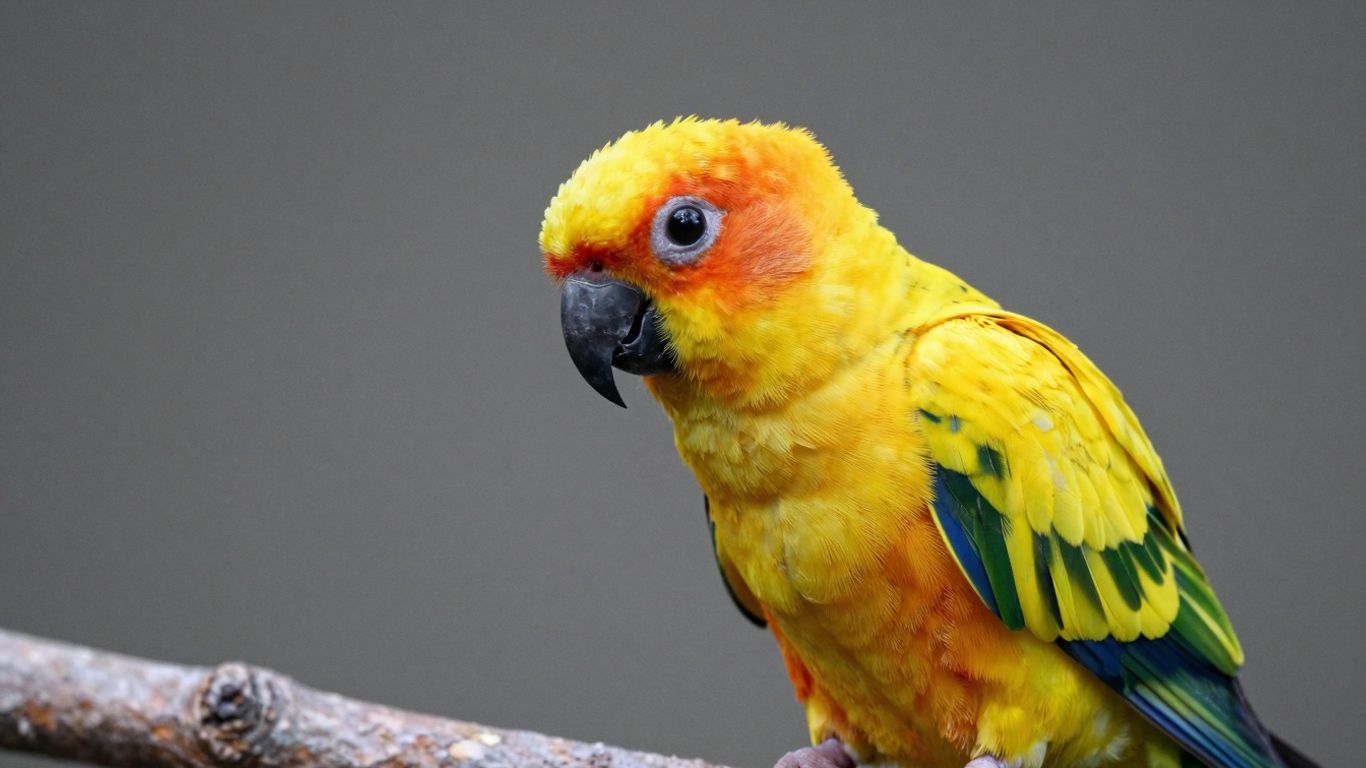
Find Your Perfect Golden Conure for Sale: A Comprehensive Guide
Thinking about bringing a Golden Conure into your life? These bright, beautiful birds can make wonderful companions, but they need the right care and attention. This guide is here to help you through the process, from finding the perfect bird to making sure your home is ready for its arrival. We’ll cover what makes these parrots special, where to find a golden conure for sale, and how to set them up for a happy, healthy life with you. Let’s get started on finding your new feathered friend!
Key Takeaways
- Golden Conures are known for their intelligence and affectionate nature, making them great pets for engaged owners.
- When looking for a golden conure for sale, research reputable breeders and sellers to ensure a healthy bird.
- Prepare a spacious and stimulating environment for your conure, including a suitable cage and safe toys.
- Proper nutrition, daily care routines, and regular health checks are vital for your conure’s well-being.
- Building trust through positive training and providing plenty of enrichment will lead to a strong bond with your golden conure.
Understanding The Golden Conure
Unique Traits and Behaviors
Golden Conures, also known as the Golden Parakeet, are truly a sight to behold. Their vibrant, all-yellow plumage makes them stand out, and they’re not just pretty faces. These birds are known for being quite social and playful. They have a curious nature and love to explore their surroundings. You’ll often find them chattering, squawking, and generally making their presence known. They’re not typically quiet birds, so be prepared for some noise! Their intelligence means they can learn tricks and even mimic sounds, which is always entertaining.
Affectionate Nature and Companionship
If you’re looking for a feathered friend to bond with, a Golden Conure might be a great fit. They tend to form strong attachments with their owners and can be incredibly affectionate. This deep connection means they thrive on interaction and attention. They enjoy being petted, cuddled, and involved in family activities. Leaving them alone for long periods isn’t ideal, as they can become lonely or stressed. Think of them as a companion that wants to be part of your life, not just an ornament in a cage. They can be a wonderful addition to a household that has plenty of time to spend with them, much like other pet birds.
Intelligence and Emotional Needs
Golden Conures are smart cookies. They need mental stimulation to stay happy and healthy. Without it, they can get bored, which might lead to behavioral issues like feather plucking or excessive screaming. Providing a variety of toys, puzzles, and opportunities for interaction is key. They also have complex emotional lives. They can get jealous, sad, or excited, just like us. Understanding their moods and responding with patience and positive reinforcement goes a long way in building a trusting relationship. They really do need a stimulating environment to prevent boredom.
These birds are not low-maintenance pets. They require a significant commitment in terms of time, attention, and resources. Prospective owners should be prepared for the long-term responsibility of caring for an intelligent and social creature.
Finding Your Golden Conure For Sale
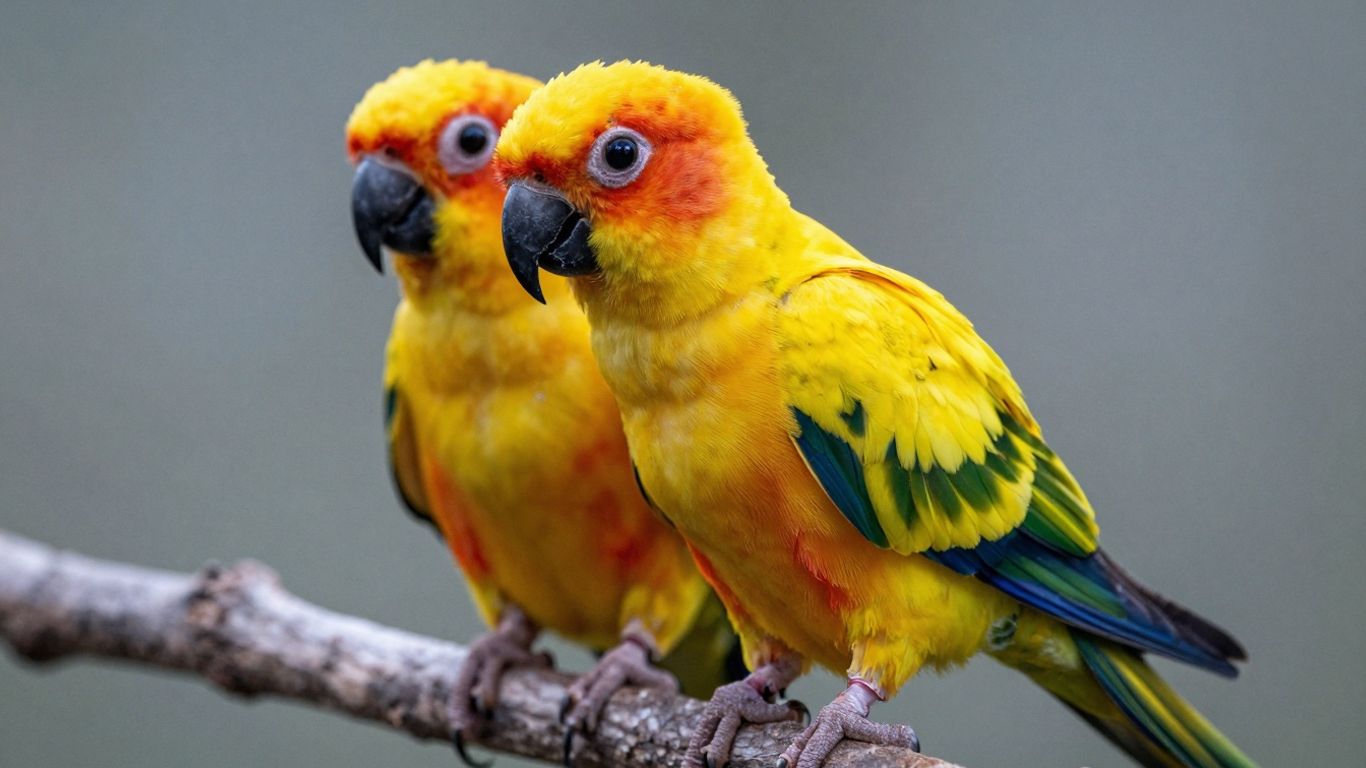
So, you’ve decided a Golden Conure is the bird for you. That’s fantastic! These birds are truly special. Now comes the exciting part: finding one to bring home. It’s not quite as simple as picking one off a shelf, but with a little effort, you can find a healthy, happy bird from a good source.
Where to Look for Golden Conures
Finding a Golden Conure for sale usually means looking in a few specific places. You won’t typically find them at your average pet store, so you’ll need to be a bit more targeted.
- Reputable Breeders: This is often the best route. Look for breeders who specialize in conures, and ideally, Golden Conures. They’ll know the birds well and can tell you a lot about their lineage and temperament. Ask for references or check reviews if possible.
- Avian Rescues and Sanctuaries: Sometimes, wonderful birds end up needing new homes. Adopting from a rescue is incredibly rewarding. You might find an adult bird who’s already a bit trained, or a younger one needing a loving family. Websites dedicated to bird rescues can be a good starting point.
- Bird Shows and Expos: These events can be a great place to see a variety of birds and meet breeders or sellers in person. It’s a good opportunity to ask questions and get a feel for different birds.
- Online Marketplaces (with caution): While you might see ads on general marketplaces, be extra careful. Always try to see the bird in person or have a trusted avian vet inspect it before finalizing any purchase. Look for sellers with good track records and detailed listings.
Evaluating Sellers and Listings
Once you’ve found a potential seller, it’s time to do some digging. You want to make sure you’re getting your conure from someone who cares about the birds’ well-being.
- Ask Questions: Don’t be shy! Ask about the bird’s age, diet, health history, and socialization. A good seller will be happy to answer and will likely ask you questions too, to make sure you’re a good fit.
- Visit in Person (if possible): Seeing the bird in its environment is ideal. Is the cage clean? Are the birds active and alert? Does the seller seem knowledgeable and caring?
- Check Reviews and Reputation: If the seller has a website or social media presence, see what others are saying. Look for consistent positive feedback regarding bird health and seller honesty.
- Health Guarantees: A reputable seller might offer a health guarantee for a short period. This shows they stand behind the health of their birds.
Understanding Pricing and Availability
Golden Conures can vary in price, and their availability isn’t always constant. It’s good to have a general idea of what to expect.
The price for a Golden Conure can range significantly, often from $800 to $2,000 or more, depending on factors like age, breeder reputation, and location.
- Factors Affecting Price:
- Age: Younger birds are often more expensive.
- Breeder: Established breeders with excellent reputations may charge more.
- Genetics/Bloodlines: Birds from specific, well-regarded bloodlines can command higher prices.
- Location: Prices can differ based on regional demand and cost of living.
- Availability: Golden Conures aren’t as common as some other parrot species. You might need to be patient and potentially get on a waiting list with a breeder.
Be wary of prices that seem too good to be true. While you might find a deal, extremely low prices could indicate underlying health issues or unethical breeding practices. It’s always better to invest a bit more upfront for a healthy bird from a responsible source.
Preparing Your Home for a Golden Conure
Bringing a Golden Conure into your home is a big step, and getting their living space ready beforehand makes a world of difference for both you and your new feathered friend. Think of it like setting up a nursery, but for a bird that can potentially live for decades! You want to make sure everything is just right from day one.
Ideal Habitat Setup
Your conure’s cage is their main living area, so it needs to be spacious and safe. Bigger is definitely better here. A good rule of thumb is to get the largest cage you can reasonably fit and afford. They need room to spread their wings, climb, and play without feeling cramped. Placement is also key. Avoid putting the cage in direct sunlight or near drafts, as birds can get sick easily from temperature fluctuations. A spot in a main living area where they can see what’s going on, but also have some quiet time, is usually ideal. They’re social birds, so they like to be part of the family action.
Essential Cage Requirements
When picking out a cage, look for one with horizontal bars, which are better for climbing. The bar spacing is important too; you don’t want it so wide that your conure could get its head stuck, but not so narrow that it feels claustrophobic. For a Golden Conure, a spacing of about 1/2 to 3/4 inch is generally recommended. The cage should also be made of non-toxic materials. Avoid cages with rust or chipping paint, as these can be harmful if ingested. You’ll need a few perches of varying diameters to give their feet a good workout and prevent issues like bumblefoot. Don’t forget food and water dishes – stainless steel is a good choice because it’s easy to clean and durable.
Creating a Safe and Stimulating Environment
Beyond the cage itself, think about what goes inside. A variety of perches, swings, and ladders will keep your conure entertained and provide exercise. Toys are super important for mental stimulation and preventing boredom. Rotate toys regularly to keep things interesting. Some toys should be for chewing, others for foraging, and some just for fun. You’ll also want to provide a safe place for them to sleep, like a covered perch or a small bird tent, though some birds prefer just a quiet corner of the cage. Make sure any toys or cage accessories are bird-safe, meaning they don’t have small parts that can be easily chewed off and swallowed, or strings that could cause entanglement.
Birds are intelligent creatures and need mental engagement just as much as physical comfort. A well-designed environment will help prevent behavioral problems and ensure your Golden Conure thrives.
Here’s a quick checklist for setting up their space:
- Cage: Large, with horizontal bars and appropriate spacing.
- Perches: Variety of sizes and textures.
- Food & Water Dishes: Stainless steel recommended.
- Toys: A mix of chewing, foraging, and puzzle toys.
- Bedding: Bird-safe substrate for the cage bottom (like newspaper or paper towels, changed daily).
- Safety: Ensure all items are non-toxic and free of small, swallowable parts.
Caring for Your Golden Conure
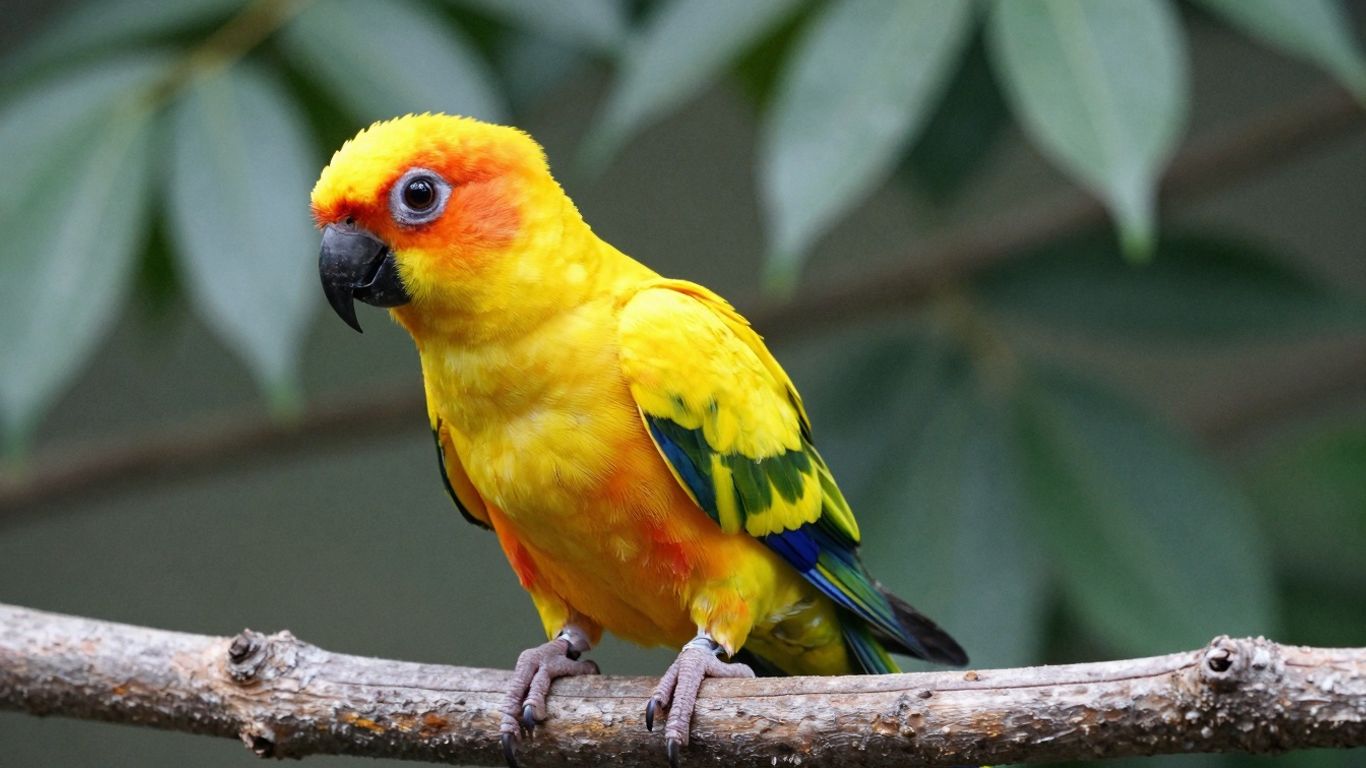
Taking care of a Golden Conure means you’re signing up for a rewarding, but also a pretty involved, pet ownership experience. These birds aren’t just pretty faces; they have specific needs that, if met, will lead to a happy, healthy companion. It’s a commitment, for sure, but one that pays off in spades with their unique personalities.
Nutrition and Diet Essentials
What you feed your Golden Conure is super important. They can’t just live on seeds alone, you know. A good diet is a mix of things. Think high-quality pellets as the base, then add in fresh fruits and vegetables. Variety is key here to make sure they get all the vitamins and minerals they need. Some birds might have favorites, but try to offer a range. A balanced diet is the cornerstone of good health for your conure.
Here’s a general idea of what to include:
- Pellets: Look for reputable brands specifically made for parrots. These are formulated to provide balanced nutrition.
- Fresh Produce: Offer a colorful mix of vegetables like leafy greens (kale, spinach), carrots, bell peppers, and broccoli. Fruits like apples, berries, and mangoes are also good, but in moderation due to sugar content.
- Occasional Treats: Small amounts of cooked grains, legumes, or a tiny bit of lean protein can be given as occasional treats.
Avoid giving them avocado, chocolate, caffeine, and anything high in salt or fat. If you’re unsure about a specific food, it’s always best to check with an avian vet.
Daily Care Routines
Consistency is really the name of the game when it comes to daily care. Your Golden Conure will thrive on a predictable schedule. This includes feeding, cleaning, and interaction time. Waking up and going to sleep around the same time each day helps them feel secure.
- Morning: Fresh food and water should be provided. Remove any old food from the previous day. A quick check of the cage for any issues is a good idea.
- Throughout the Day: Supervise your bird when they are out of the cage. Offer interaction and playtime. If you can’t be home, make sure they have plenty of safe toys to keep them occupied.
- Evening: Offer a final meal or snack. Ensure their cage is secure for the night. Covering the cage can help signal bedtime and promote rest.
Cleaning the cage daily, even if it’s just spot cleaning, makes a big difference. A full cage clean should happen at least weekly.
Health Monitoring and Well-being
Keeping an eye on your Golden Conure’s health is something you’ll need to do regularly. They’re pretty good at hiding when they’re not feeling well, so you have to be observant. Look for changes in their droppings, appetite, activity level, or feather condition. Any sudden changes warrant a call to your avian veterinarian.
Regular check-ups with a vet who specializes in birds are non-negotiable. They can catch potential problems early and offer advice tailored to your specific bird. Don’t wait until something seems obviously wrong; preventative care is always best.
Pay attention to their behavior too. Are they more withdrawn than usual? Are they over-preening or plucking their feathers? These can be signs of stress or underlying health issues. Providing a stimulating environment and plenty of social interaction can go a long way in keeping their mental and emotional well-being in check.
Training and Enrichment for Golden Conures
Golden Conures are smart birds, and keeping their minds busy is just as important as feeding them right. Think of it like this: a bored conure can get into trouble, and nobody wants that. Training isn’t just about teaching tricks; it’s about building a solid connection with your bird. It helps them feel secure and understand their place in your home.
Building Trust and Bonding
This is where it all starts. You can’t expect your conure to learn much if they’re scared or unsure of you. Spend quiet time near their cage, just talking softly. Offer treats through the bars at first, letting them come to you. Patience is the name of the game here. Don’t rush things. Let your bird set the pace for interaction. Gradually, you can start offering treats from your hand, and eventually, let them step onto your finger. This slow, steady approach builds a foundation of trust that’s hard to shake.
Effective Training Techniques
Once you’ve got some trust, you can start with simple training. Positive reinforcement is key. This means rewarding good behavior, not punishing mistakes. Clicker training can be really effective for conures. You click the clicker the moment they do something you like, like stepping up, and then give them a treat. This helps them understand exactly what earned the reward.
Here are some basic steps to get started:
- Target Training: Teach your bird to touch a target stick (like a chopstick) with their beak. This is a building block for many other behaviors.
- Step-Up Command: Encourage your bird to step onto your finger or a perch when you give the command. Always reward them when they do.
- Recall: Train your bird to come to you when called. Start with short distances and gradually increase them.
Remember to keep training sessions short, maybe 5-10 minutes, a couple of times a day. End on a positive note, even if it’s just for a simple step-up.
Engaging Toys and Activities
Toys aren’t just for decoration; they’re vital for a conure’s mental and physical health. Rotate toys regularly to keep things interesting. Some birds love destructible toys they can shred, while others prefer puzzle toys that challenge them to get a treat out. Think about foraging toys, bells, swings, and sturdy wooden toys. Providing a variety of textures and challenges will keep your Golden Conure from getting bored. You can even make some DIY toys from safe household items, but always check that they’re bird-safe first. A well-stimulated conure is a happy conure, and that makes for a much more enjoyable companion.
A bird that is mentally stimulated is less likely to develop behavioral problems. Providing a rich environment with plenty of opportunities for exploration and learning is just as important as providing good food and a clean cage. It’s about meeting their natural instincts and keeping their sharp minds engaged.
The Golden Conure Buying Process
So, you’ve decided a Golden Conure is the bird for you. That’s fantastic! But before you bring one home, there are a few things to think about. It’s not just about finding a bird for sale; it’s about making sure you’re ready and that the bird is coming from a good place.
What to Expect from Sellers
When you’re looking for a Golden Conure, you’ll likely encounter a few different types of sellers. Some are dedicated breeders who specialize in conures and know their birds inside and out. Others might be pet stores, which can be convenient but sometimes lack the in-depth knowledge of a breeder. Then there are private rehoming situations, which can be great but require extra caution. A good seller will be happy to answer all your questions and let you spend time with the bird before you commit. They should also be able to tell you about the bird’s history, diet, and any health checks it’s had. Don’t be afraid to ask for references or look for reviews if they have a business. It’s also a good sign if they ask you questions about your experience and home environment – it shows they care about where their birds go.
Shipping and Delivery Considerations
Sometimes, the perfect Golden Conure isn’t local. If you need to have a bird shipped, this is where things can get a bit tricky. Reputable breeders or specialized bird transporters usually handle this. They know how to keep birds safe and comfortable during transit. You’ll want to discuss the shipping method, the carrier used, and what to do immediately upon the bird’s arrival. Some sellers might offer free economy shipping for certain items, but for live animals, this is rarely the case and safety should be the top priority. Always clarify the costs involved, as shipping live animals can be expensive.
Return Policies and Guarantees
What happens if, for some reason, things don’t work out? It’s wise to understand the seller’s policy on returns or health guarantees. Some breeders offer a short-term health guarantee, meaning if the bird becomes ill shortly after you bring it home, they will cover vet costs or offer a replacement. Others might have a no-return policy, especially for live animals. It’s important to know this upfront. A responsible seller will want to ensure the bird’s well-being, so they might have specific requirements for returns or exchanges. Always get any guarantees or policies in writing before you finalize the purchase.
Ready to Find Your Feathered Friend?
So, you’ve read all about Golden Conures, from what makes them special to how to pick the right one. It’s a lot to take in, I know. But remember, finding a new pet is exciting! Take your time, do your homework, and don’t be afraid to ask questions. A happy, healthy Golden Conure will bring so much fun and color into your life. Good luck with your search – I hope you find the perfect match!
Frequently Asked Questions
What makes Golden Conures special?
Golden Conures, also known as Queen of Bavaria Conures, are stunning birds with bright yellow feathers and a playful, intelligent personality. They love to interact with their owners and can be quite cuddly, making them wonderful companions for the right person. They’re known for being curious and enjoying new experiences.
Where can I find a Golden Conure for sale?
You can often find Golden Conures at specialized bird stores or from reputable breeders who focus on this species. It’s important to look for sellers who are knowledgeable about the birds and can show you that they are healthy and well-cared for. Online listings can also be a source, but always do your homework on the seller first.
What kind of home does a Golden Conure need?
Golden Conures need a spacious cage with plenty of room to move around and play. The cage should be filled with safe toys and perches of different sizes. They also need a clean environment with fresh food and water daily. Think of it as creating a fun, safe playground for your bird!
How do I feed a Golden Conure?
A balanced diet for a Golden Conure includes high-quality bird pellets, fresh fruits, and vegetables. Avoid giving them too many seeds, as this can lead to health problems. It’s always a good idea to talk to your vet or a bird expert about the best food mix for your specific bird.
Are Golden Conures easy to train?
Yes, Golden Conures are quite smart and can be trained with patience and positive reinforcement. They respond well to treats and praise. Teaching them tricks or simple commands can be a great way to bond with them and keep their minds active. Consistency is key!
What should I do if I need to return my Golden Conure?
Return policies can vary greatly between sellers. Some breeders or stores might offer a return period, while others may not. It’s crucial to understand the seller’s return policy and any guarantees they offer *before* you buy your bird. This information should be clearly stated by the seller.

Finding Your Perfect Moluccan Cockatoo for Sale: A Comprehensive Guide – TROY Kelso Farms
December 22, 2025[…] These spectacular birds are native to the dense forests of the southern Moluccan Islands in Indonesia. In their natural environment, they live in small, somewhat scattered groups. They are accustomed to a tropical climate and spend their days foraging for food, socializing, and flying through the trees. Understanding their natural habitat helps us appreciate the kind of environment they need to thrive as pets. This includes needing plenty of space, opportunities for flight, and a diet that mimics what they’d find in the wild, though adapted for pet life. It’s important to remember that they are not suited for small living spaces and need room to move and explore. If you’re looking for a bird that’s a bit smaller and perhaps more adaptable to different living situations, you might want to look into the Rose-Breasted Cockatoo Galahs. […]