Find Premium Claret Gamefowl for Sale: Top Breeds and Where to Buy
Looking to get your hands on some top-tier claret gamefowl for sale? You’ve come to the right place! This guide is all about helping you find the best breeds out there. Whether you’re a seasoned breeder or just starting, picking the right bloodline is a big deal. We’ll break down some of the most popular and effective breeds, giving you the lowdown on what makes them stand out. Let’s dive into the world of gamefowl and find you some winners.
Key Takeaways
- The Claret breed, known for its wine-like color and aggressive fighting style, was developed by Col. John Madigin.
- Sweater gamefowl are highly sought after for their winning record and aggressive, always-on-the-attack nature.
- Whitehackles are admired for their beauty and tactical prowess in the pit, often called ‘ring generals’.
- Hatch gamefowl are recognized for their high gameness, toughness, and quick maturation.
- Roundheads are noted for their solid build and strategic fighting style, proving their worth to serious breeders.
1. Claret
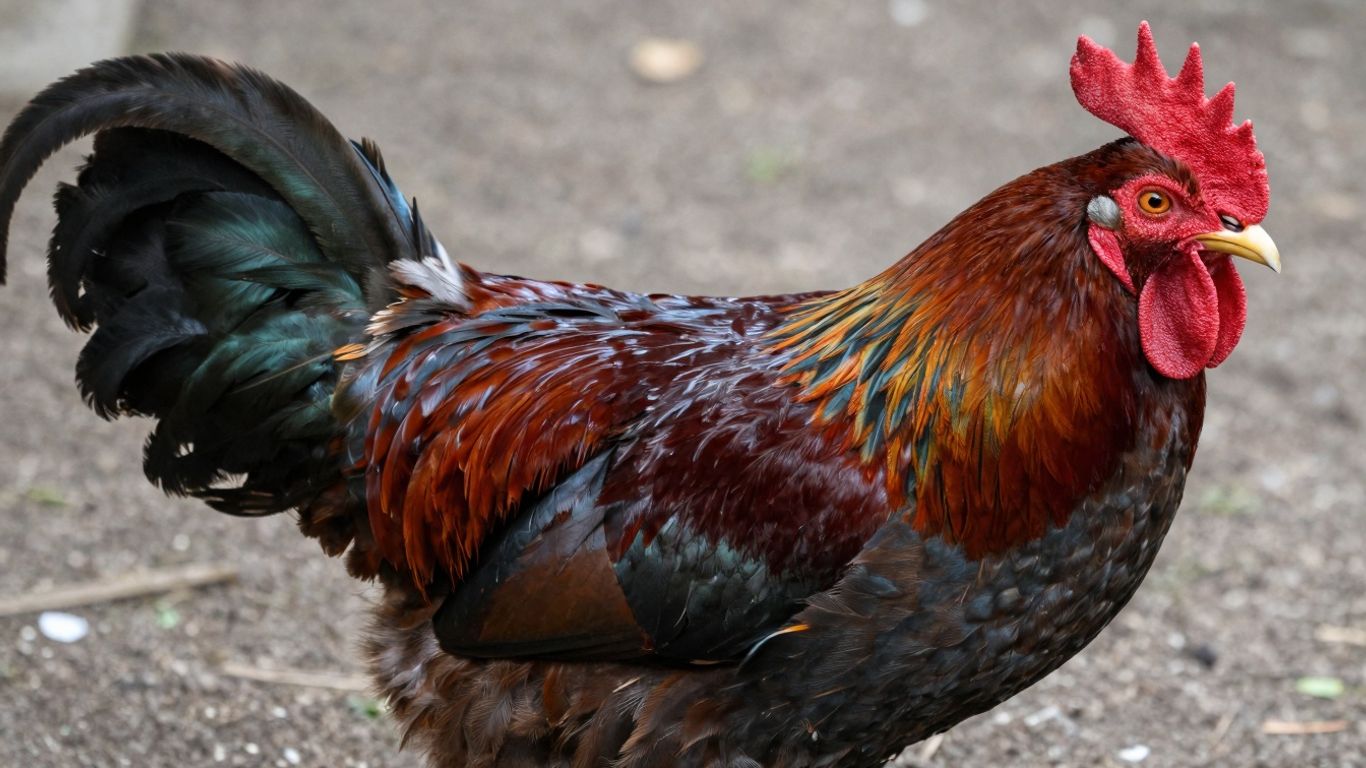
The Claret is a gamefowl breed with a history that’s a bit murky, but most agree it traces back to Colonel John Madigin. These birds are known for their deep, wine-like red coloring, which is how they got their name – like a fine claret wine. They often have black breasts and straight combs, and you might see white streaks on their wings and tails. They’re described as having heavy feathers and a high station, meaning they stand tall.
When they fight, Clarets are said to be keen cutters, meaning they aim for precise, damaging strikes. They don’t just attack wildly; they seem to pick their moments carefully for maximum effect. This breed is also popular for crossing with other types of gamefowl, suggesting they bring desirable traits to the table.
The exact origins and early breeding of the Claret line are subjects of much debate among enthusiasts. Different accounts exist regarding the foundational birds and the crosses made over time, leading to some confusion about its pure lineage.
Here’s a quick look at some typical characteristics:
- Coloring: Deep red, often with black breasts.
- Comb Type: Typically a straight, single comb.
- Legs: Often yellow, though some variations can have darker legs.
- Fighting Style: Known for precise, cutting strikes and careful timing.
It’s worth noting that while some breeders claim to have original Claret blood, the history is complex, and verifying pure lines can be challenging. Many modern Clarets are the result of careful breeding and selective crosses over many years.
2. Sweater
The Sweater breed is a real standout in the gamefowl world, and for good reason. These birds are known for their aggressive nature and a do-or-die attitude in the pit. They’re always ready to engage, and their fighting style often involves overwhelming opponents with a series of quick moves.
Originally, the Sweater line that gained a lot of popularity today traces back to Roy Brady. He got some of the first matings from Sonny Ware, then to Odis Chappell, Carol Nesmith, and the Browns of Mississippi. Odis Chappell shared his Sweaters with many friends, spreading the bloodline widely, especially in central Alabama. This bloodline has proven to be excellent for everyone who got it. It’s interesting to note that this line can sometimes produce green-legged offspring, usually pullets. Roy Brady mentioned that some Hatch blood was introduced into this line at one point, and it’s also said to carry a bit of Radio blood.
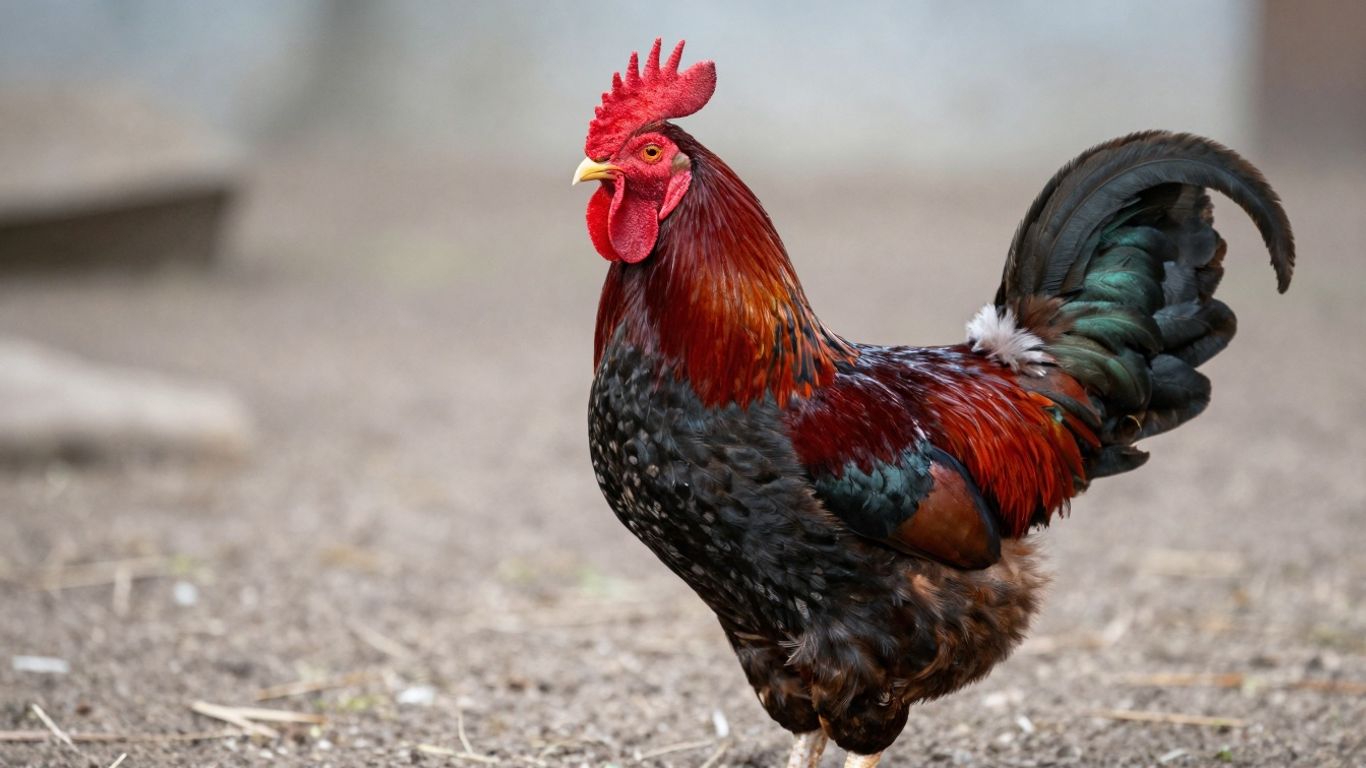
Sweaters are typically medium to high-stationed, with a distinctive red breast and long feathers, particularly in their tails. While they might have lacked endurance in the past, infusions of other fowl breeds have made them the formidable contenders they are today. Some breeders have even bred them to be uniformly dark, wine-red in color, with straight combs and white legs, showing how much variation can occur within a breed depending on the breeder’s goals. If you’re looking for a bird with a strong fighting spirit, the Sweater is definitely worth considering. You can find some excellent examples of these birds at places like Troy Kelso Farms.
Here’s a quick look at some common traits:
- Color: Often orange-red to light red, though some lines are bred to be dark wine-red.
- Legs: Typically yellow, but some lines can have white legs.
- Comb: Usually a pea comb, but straight combs are also found in certain lines.
- Temperament: Highly aggressive and engaging in the pit.
While the exact origins can be a bit murky, with several accounts circulating, the consensus is that the Sweater breed emerged from a cross involving a yellow-legged Hatch cock and Kelso hens. The name ‘Sweater’ itself is said to come from the fact that the Hatch cock involved was a grandson of a bird from Sweater McGinnis. This foundational cross resulted in birds that were about three-quarters Kelso and one-quarter yellow-legged Hatch.
3. Whitehackle
The Whitehackle breed is a classic in the gamefowl world, known for its distinctive look and fighting spirit. These birds typically have a medium build, with a black-streaked breast that often has a dark ginger hue. Their outer hackle feathers are a light red, fading to a golden color on the shoulders, and their backs are a deep crimson. The wings are long and wide, hanging low, and the tail is carried high and wide. Shanks are usually yellow, never white, and the body is noticeably broad and short. They have medium-length necks and short, broad heads with red eyes and a thin single comb. Hens are generally a wheaten color.
Whitehackles are highly regarded for their exceptional gameness and intelligence. Breeders often call them "ring generals" because they display smart tactical positioning and quick movements in the pit. They are known to be hard hitters with good cutting ability, and their physical strength and durability allow them to withstand tough fights. Popular strains include the Morgan Whitehackle and the Kearney Whitehackle.
Here’s a quick look at some key traits:
- Gameness: Extremely high, known for never quitting.
- Intelligence: "Ring generals" due to tactical prowess.
- Fighting Style: Hard hitters with good cutting ability.
- Durability: Physically strong and can endure long fights.
While their appearance is striking, it’s their performance that truly sets them apart. They’ve been bred for generations with a focus on unwavering courage and fighting ability, making them a top choice for serious breeders.
If you’re looking for quality Whitehackle gamefowl, you might find them at places like Buchous Game Farm, where they focus on maintaining the breed’s high standards. Prices can vary, but you might see them listed around $200.00 for a good specimen.
4. Hatch
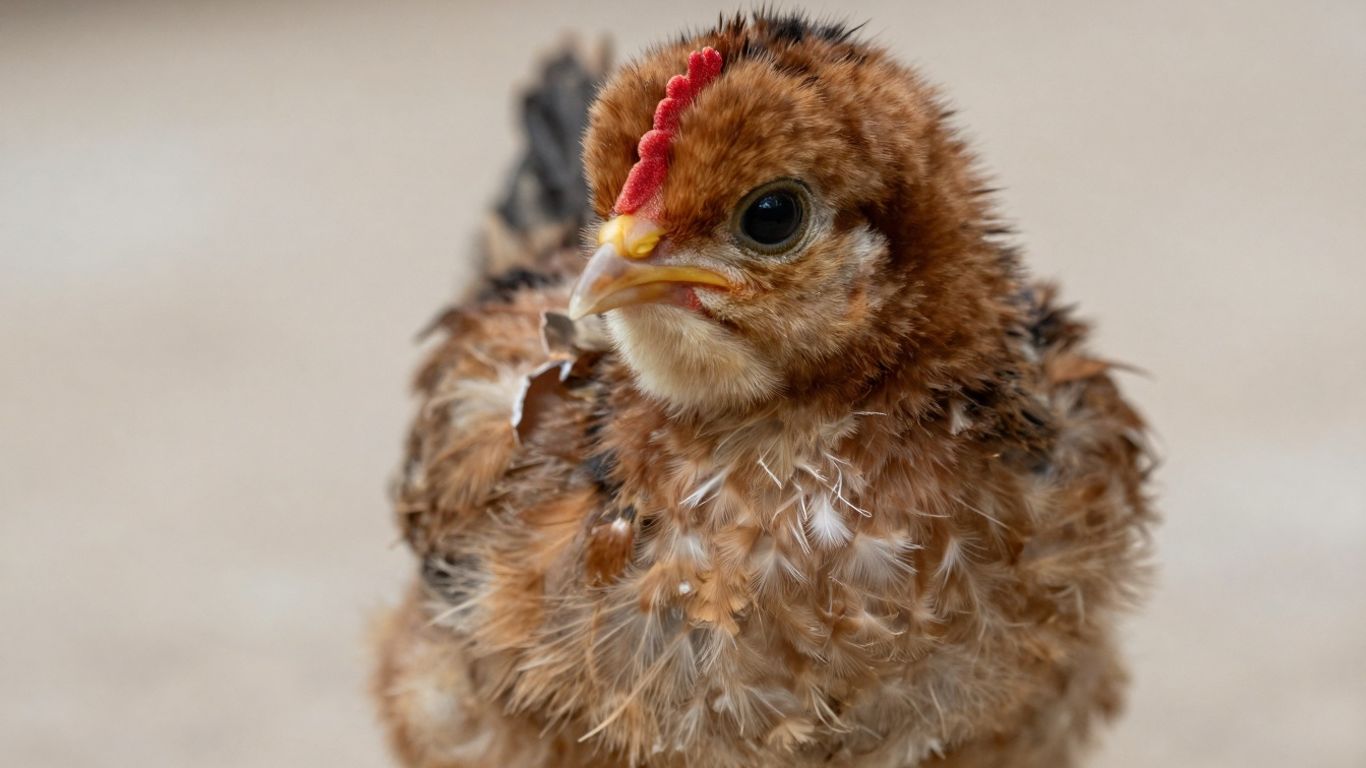
The Hatch bloodline is a name you’ll hear a lot when talking about gamefowl, and for good reason. These birds have been around for a long time, with a history tied to breeders like E. S. Hatch himself, who was known in gamefowl circles for decades. Hatch fowl are recognized for their high level of gameness, toughness, and aggression. They’re built strong, with a solid frame that helps them hold up in a fight. Many breeders appreciate how quickly they mature, developing sturdy bodies and strong bones early on, which means they’re often in good shape regardless of the weather.
Over the years, different strains have become popular, showing how adaptable this line is. You’ll hear about Yellow-legged Hatch, Blueface Hatch, McLean Hatch, and Morgan Hatch, each with their own subtle differences but all carrying that core Hatch toughness. They’ve been developed and refined by many dedicated breeders across the country, making them a staple for those looking for a reliable bird.
Hatch gamefowl are known for their power and resilience. They often have a strong presence in the pit, demonstrating a fierce will to win. Their consistent performance has made them a go-to choice for many serious breeders.
When looking for Hatch fowl, you might find them mixed with other lines, as breeders often use them as a foundation for their own crosses. It’s not uncommon to see them contributing their strength and fighting spirit to create new, improved lines. If you’re interested in acquiring some, it’s always a good idea to talk to breeders who specialize in this line to understand the specific traits of the birds they offer. You might find Hatch gamefowl for sale from various sources, but doing your homework on the breeder and the specific lineage is key.
5. Roundhead
The Roundhead breed is a classic in the gamefowl world, known for its intelligence and fighting style. These birds often come with either white or yellow legs, and their plumage is typically black-breasted red, though variations exist. They’re not usually the heaviest feathered birds, but what they lack in plumage, they make up for in agility and a fighting spirit that’s hard to match.
These birds are often described as smart fighters, using their heads as much as their feet. They’re known for their quick, precise strikes and a never-give-up attitude. This breed has a long history, with famous strains like the Allen and Shelton Roundheads being highly regarded for their performance in mains and tournaments.
When looking for Roundheads, you might find them described by their lineage, such as Bowen Roundheads or those with a touch of Bair brown-red blood. These bloodlines often carry specific traits that breeders aim to preserve. For instance, some strains are known for producing darker pullets or stags, a trait linked to specific ancestral lines.
Here’s a quick look at some common characteristics:
- Leg Color: Predominantly white or yellow.
- Eye Color: Often red, but light or grey eyes are also seen.
- Plumage: Most commonly black-breasted red, with occasional spangled or ginger variations.
- Size: Hens tend to be on the smaller side compared to other breeds.
The Roundhead’s disposition is fiery and aggressive, especially when provoked. They are known for their intense focus in a fight, aiming to end the contest quickly. While they can be gentle when handled with respect, they are fiercely protective, particularly during breeding season. Their fighting style is characterized by rapid, powerful single strokes, always delivered with perfect balance.
If you’re interested in acquiring some of these impressive birds, you can find Premium Black Roundhead Gamefowl for sale, with prices typically ranging from $100 to $400. These are often offered by farms that specialize in high-quality gamefowl.
6. Doms
The Doms, often referred to as Dominiques, are a classic breed with a long history in gamefowl circles. They’re known for their distinctive barred plumage, resembling the domestic Dominique fowl, though variations exist. These birds have a reputation for being steady performers, capable of sharp sparring and quick movements.
Several notable strains of Doms have been developed over the years, each with its own characteristics. Some of the more well-known include:
- Chappell Doms: Originating from a cross of black and white strains, these can show a range of colors, from true dominique to speckled or even white. Some lines were bred for specific traits like slate legs or broad bodies.
- Cassidy Doms: Developed by R. Cassidy, this strain blends Minton, Chappell, and Harvey dom bloodlines. They are known for being game, fast scorers, and good cutters, performing well in various heel lengths.
- O’Neal Doms: Tom O’Neal’s strain is famous for its success in competitions. These birds come in light and dark dominique colors, sometimes nearly white, and are noted for their cutting ability.
- Dr. Gee Doms (Georgia Doms): Considered one of the oldest Dominique strains, these were developed by Dr. James T. Gee. They are known for their striking blue coloration, though other shades and pure white birds also appear. They are praised for their handsome appearance and versatility in different fighting styles.
While specific bloodlines might vary, the core traits of the Dom breed often include a good temperament for the pit, agility, and a strong cutting ability. Their varied coloration makes them visually interesting, and their historical significance in the sport is undeniable.
Finding quality Doms often means connecting with breeders who have maintained specific lines for generations. It’s important to look for breeders who prioritize the health and game qualities of their birds, much like those who focus on genuine African Grey parrot eggs prioritize the welfare of their birds. A good breeder will be knowledgeable about the specific strain’s history and performance.
7. Regular Grey
The Regular Grey is a pretty interesting line, often said to be a mix of three other grey families: the Law Grey, the Sweater Gray, and the Plainhead Muff Grey. These birds usually show up with green legs, though sometimes you’ll see yellow ones. They often have silver duck wings and a straight comb. They tend to be medium to low in station, meaning they’re not super tall, but they’re known for packing a punch and having real gameness. Breeders often mention that they’re as tough and game as the Blue Faces, which is saying something. Because of their solid traits, a lot of folks use the Regular Grey as a foundation line for their own breeding programs.
These birds are a solid choice for breeders looking for power and a strong fighting spirit.
Here’s a quick look at some common characteristics:
- Leg Color: Typically green, sometimes yellow.
- Comb Type: Usually straight.
- Wing Color: Often silver duck wings.
- Station: Medium to low.
- Temperament: Known for power and gameness.
Many breeders consider the Regular Grey a top-tier foundation line due to its combination of power and inherent gameness, often compared favorably to other strong breeds like the Blue Faces.
8. Hawe’s Greys
Hawe’s Greys aren’t exactly everywhere in England, but they’ve got a solid reputation. They’re pretty similar to Leach Greys, both in how they look and how they fight. It’s even thought that Felix Leach and Hawes were friends, so their bloodlines might be quite alike. You might have seen these birds at auctions; they can fetch a good price, especially for English gamefowl.
These birds are known for being tough competitors. They tend to be medium to low in height, and they’re aggressive fighters. They really get in close, not giving their opponent any breathing room, and they often fight low to the ground, trying to stay on top. They’re the kind of birds that need to be completely out of it to be beaten.
When you’re looking for quality gamefowl, it’s good to know about different strains. Hawe’s Greys are definitely one to consider if you’re interested in a bird with a strong fighting spirit and a history tied to some well-regarded breeders. Finding a good breeder is key, and places like Kelso Farms sometimes have a variety of elite game fowl.
While not as common as some other breeds, Hawe’s Greys hold their own. Their fighting style is direct and relentless, making them a formidable opponent in the pit. Their close association with Leach Greys suggests a shared lineage of tenacity and effectiveness.
Here’s a quick look at some traits often associated with Hawe’s Greys:
- Fighting Style: Aggressive, close-quarters pressure fighter.
- Stance: Low to medium station.
- Persistence: Known for fighting until completely spent.
- Origin: Primarily associated with English breeders.
It’s worth noting that while Hawe’s Greys are distinct, they share similarities with other Grey lines, highlighting the interconnectedness of gamefowl breeding.
9. Ginn Greys
The Ginn Greys are a line of gamefowl with a bit of mystery surrounding their exact origins, but they’ve definitely made a name for themselves. Colonel S.A. Ginn of Georgia is credited with developing and fighting these birds, and while the specific bloodlines he used aren’t widely known, they certainly proved their worth. Ginn Greys were a common sight in some of the biggest and most important mains fought in the southern United States, and they built up a solid reputation in the pit.
These birds are still popular with breeders today. When you look at a Ginn Grey rooster, you’ll often see them with a light silver-grey to a solid white color. The hens tend to be the same. They typically have a straight comb or a pea comb, and some might even show a small tassel. Their eyes are usually a fiery red, and their legs can be either yellow or white. They generally fall into the 5-pound range, give or take.
Here’s a quick rundown of their typical traits:
- Color: Males range from light silver grey to solid white; hens share similar coloring.
- Comb Type: Straight comb or pea comb, with occasional tassels.
- Eye Color: Fiery red.
- Leg Color: Yellow or white.
- Weight: Typically around 5 pounds.
These birds have a history of being tough competitors, and their consistent performance has kept them in demand among those who appreciate a solid, game bird.
10. Joe Howell Greys
The Joe Howell Greys are a strain with roots tracing back to England. They were developed around 1900, with a notable addition of Tassel Grey Cock bloodlines around that time. These birds are generally described as light to dark grey in color.
While not as widely discussed as some other grey varieties, the Joe Howell Greys represent a piece of the historical gamefowl tapestry. Their development involved specific bloodline additions that aimed to create a particular type of fighting bird.
- Origin: England
- Key Bloodline Addition: Tassel Grey Cock (circa 1900)
- Coloration: Light to dark grey
Understanding the specific lineage and characteristics of strains like the Joe Howell Greys helps breeders appreciate the diversity and history within gamefowl. Each strain has its own story and contributions to the sport.
Finding breeders who specialize in these older, less common strains can sometimes be a challenge. However, for those interested in preserving or working with these specific bloodlines, dedicated searching is often required. You might find breeders who focus on preserving historical gamefowl breeds for their unique qualities.
Wrapping Up Your Gamefowl Search
So, you’ve learned about some of the top gamefowl breeds out there, like the sharp Claret and the always-ready Sweater. Finding the right bloodline is a big step, whether you’re looking to start a breeding business or just add some quality birds to your flock. Remember to do your homework and find a breeder you trust. Getting good stock is key to success, so take your time and pick the birds that best fit what you’re looking for. Happy hunting for your next champion!
Frequently Asked Questions
What are Claret gamefowls known for?
Claret gamefowls are famous for being really sharp fighters, both on the ground and in the air. They got their name because their color is like claret wine. They have dark chests, straight combs, and often white streaks on their wings and tails. They tend to have lots of feathers and are known for their powerful, well-timed attacks.
What makes Sweater gamefowls so popular?
Sweaters are super popular because they win a lot! They have a ‘do or die’ attitude, meaning they’re always ready to fight and are very aggressive. They can often beat their opponents by using a mix of different moves. While they used to get tired easily, adding other breeds to their mix has made them much tougher.
Are Whitehackle gamefowls good fighters?
Yes, Whitehackles are considered excellent fighters. They are known for being very brave and smart in the fighting ring, often called ‘ring generals’ because they position themselves well. They hit hard, are good at cutting, and are strong and tough enough to last in long fights.
What are the key traits of Hatch gamefowls?
Hatch gamefowls are popular because they are very brave, strong, and aggressive. They have a lot of power and toughness, making them good for tough fights. They also grow fast, developing strong bodies and bones early on, and they stay in good shape no matter the weather.
Where did the Roundhead gamefowl breed come from?
The exact birthplace of the Roundhead breed is a bit of a mystery, with some saying they came from England and others from Asia. No matter where they started, they’ve proven their worth to serious breeders. They have a good body shape, being short and round, and are particularly skilled in stag fighting.
What are Doms (Dominiques) known for?
Dominiques, or Doms, are a breed with a history going back to the 1830s. One story tells of a unique stag born from English-Spanish hens and a cock, which was then carefully raised and fought. These birds have distinct color markings and are known for their fighting ability.