Where to Find Fertile African Grey Eggs for Sale: A Buyer’s Guide
So, you’re thinking about getting fertilized African Grey parrot eggs for sale? It’s a big step, and honestly, a bit of a tricky market to get into. People are really interested in these birds, and there’s a whole world of breeders out there. But not all eggs are created equal, and you need to know what you’re getting into before you hand over your cash. This guide is here to help you figure out the ins and outs, from finding good eggs to making sure you’re doing everything legally and ethically. Let’s break it down.
Key Takeaways
- When looking for fertilized African Grey eggs for sale, always check that the seller is legitimate and follows ethical breeding practices. Make sure they can show proof of fertility and proper shipping methods.
- Understand the difference between Congo and Timneh African Grey eggs, as they vary in size and incubation needs. This helps in preparing the right environment for hatching.
- Verify the breeder’s reputation and documentation thoroughly. Ask for health records of the parent birds, candling reports, and any guarantees they offer on the eggs.
- Be aware of the legal side. Owning and trading parrot eggs, especially from endangered species like African Greys, is often regulated. Always check national and international wildlife laws like CITES.
- Expect a wide price range for fertilized African Grey eggs for sale, usually from $200 to $600 or more. Factor in extra costs for incubators, supplies, and potential vet care.
Understanding the Market for Fertilized African Grey Eggs
Defining Fertilized African Grey Eggs for Sale
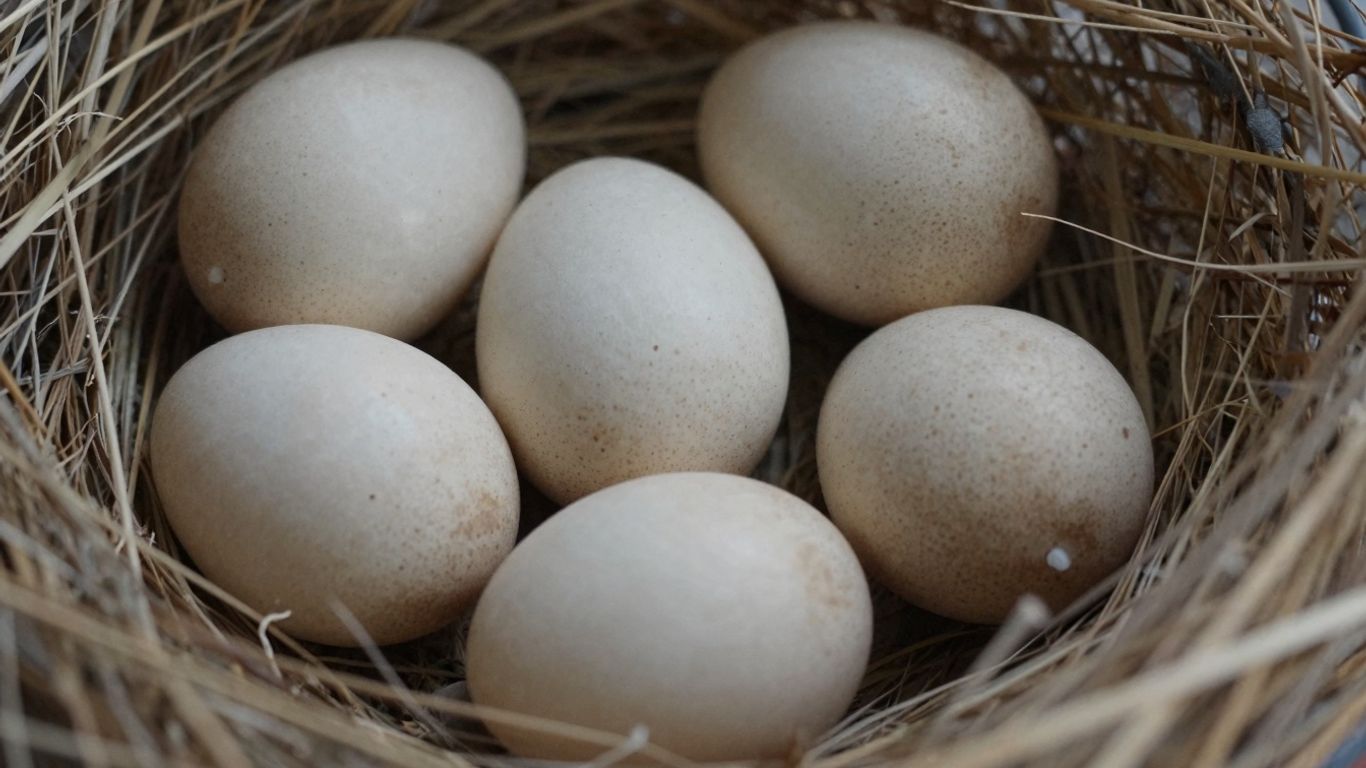
So, you’re looking into buying fertilized African Grey eggs. What exactly does that mean? It’s pretty straightforward: these are eggs laid by a breeding pair of African Grey parrots that have been successfully fertilized internally. They aren’t just any eggs; they’re intended for incubation with the hope of hatching a chick. People usually look for these for a few reasons. Some want to raise a parrot from day one, believing it leads to a stronger bond and a more well-adjusted bird. Others might be involved in conservation efforts or simply want to expand their own flock with a specific lineage. It’s a bit different from buying a ready-made pet, requiring a significant commitment to the incubation and early chick-rearing process.
Why Interest in These Eggs Is Growing
There’s definitely been a bump in interest lately. A big part of it is the shift away from taking birds from the wild. More people are aware of the issues wild populations face, like habitat loss and illegal trade. Captive breeding is seen as a more responsible way to get these amazing birds. Plus, raising a chick from an egg offers a unique experience. You get to be there from the very beginning, shaping the bird’s early life and social development. It’s a long road, for sure, but many find it incredibly rewarding. Online communities and forums dedicated to parrots have also made it easier to find breeders, which has naturally boosted the market.
Key Differences Between Congo and Timneh Eggs
When you’re shopping around, you’ll notice two main types of African Greys: the Congo and the Timneh. While they’re both African Greys, their eggs have some subtle differences. Congo African Grey eggs are generally a bit larger than Timneh eggs. Think of it like this:
| Type | Approximate Size (Length) | Incubation Period | Notes |
|---|---|---|---|
| Congo Grey | 38–42 mm | 28–30 days | Larger chicks, known for strong mimicry |
| Timneh Grey | 35–38 mm | 26–28 days | Slightly smaller, often wean earlier |
Both need similar incubation conditions – a steady temperature around 99.5°F (37.5°C) and humidity levels of about 45-50%. Sometimes, you might also see ‘mutation’ lines advertised, like pied or cinnamon variations. These are more about the bird’s appearance and can affect the price, but they don’t really change the basic egg or how you’d incubate it. It’s good to know which type you’re interested in, as it can influence size and sometimes temperament down the line.
Essential Criteria for Evaluating Egg Viability
So, you’ve found some African Grey eggs that look promising. That’s great! But before you get too excited, we need to talk about making sure those eggs are actually going to hatch. It’s not just about finding eggs; it’s about finding good eggs. This means looking closely at a few key things.
Confirming Fertility Through Candling
This is probably the most important step. You can’t just look at an egg and know if it’s fertile. You need to ‘candle’ it. This involves shining a bright light through the egg in a dark room. You’ll want to see signs of life, like little blood vessels forming or even a tiny embryo moving around. This is usually done about a week after the egg is laid. If the egg looks clear, like a regular chicken egg, it’s probably not fertile. Always ask for recent candling photos or videos from the seller. It’s a pretty standard practice for anyone serious about selling fertile eggs.
Assessing Eggshell Integrity and Freshness
Think of the eggshell like a protective shield. If it’s damaged, it’s a problem. You’re looking for shells that are smooth, firm, and free of cracks or thin spots. Chalky-looking shells can also be a sign that the parent bird wasn’t getting the right nutrition, which isn’t ideal. Freshness is also a big deal. Eggs are best when they’re not too old. Ideally, you want eggs that are only a few days old, maybe up to five days at most. The older an egg gets, the lower the chances of it hatching successfully. It’s like trying to bake with old ingredients; it just doesn’t work as well.
Understanding Breeder Transparency and Documentation
This is where you can really tell a good breeder from a less-than-ideal one. A reputable breeder will be open about their birds. They should be able to tell you about the parents – their health, their lineage, and if they’ve had successful hatches before. They might even have health testing results for things like PBFD or Avian Bornavirus. They should also be willing to share incubation logs or candling results. If a seller is cagey about this information, or can’t provide any proof of fertility or parentage, it’s a big red flag. You want to feel confident about where these eggs are coming from, and that confidence comes from the breeder being upfront about everything. It’s also wise to check out wildlife protection laws to ensure you’re not running into any legal issues.
Navigating the Purchase Process Safely
Alright, so you’ve decided you want to bring some African Grey eggs into your life. That’s exciting! But before you click ‘buy,’ let’s talk about how to do this without ending up with a mess or, worse, getting scammed. It’s not like buying a toaster, you know? There’s a bit more to it.
Verifying Breeder Credentials and Reputation
This is probably the most important step. You want to know who you’re dealing with. A good breeder will be happy to share information. Ask them how long they’ve been breeding African Greys. Do they have any certifications or belong to any bird clubs? A quick search online for their name or business can tell you a lot. Look for reviews or testimonials from other buyers. If a breeder seems cagey about their background or has a lot of negative feedback, it’s a big red flag.
- Ask for proof of health testing on their parent birds. This usually includes DNA sexing and testing for diseases like PBFD.
- Request photos or videos of their current birds and the breeding setup. This gives you a peek into their environment.
- See if they offer a hatch guarantee. What happens if an egg doesn’t hatch? A reputable seller will have a clear policy on this, like a partial refund or a replacement.
Understanding Shipping Protocols and Guarantees
Shipping live eggs is tricky business. Temperature, handling, and timing all matter. A good seller will have a solid plan for this.
- Ask about their packaging methods. Are they using special containers to keep the eggs stable and protected? Do they use heat packs if it’s cold?
- What shipping service do they use? Express shipping is usually best to minimize transit time. Make sure it’s a service that handles fragile items with care.
- What’s their guarantee if the eggs arrive damaged or don’t hatch? Some offer a refund for infertile eggs after a certain period, while others might offer a replacement. Get this in writing before you pay.
Identifying and Avoiding Red Flags
Sometimes, things just feel off. Trust your gut. Here are some common warning signs:
- Prices that seem too good to be true. If someone is selling fertile African Grey eggs for a fraction of the going rate, be very suspicious. They might be infertile, unethically sourced, or just a scam.
- Refusal to provide documentation or answer questions about their birds or process.
- Pressure to pay quickly without clear terms or a contract.
- Vague or non-existent return or hatch guarantee policies.
- Sellers who only communicate through generic messaging apps and avoid phone calls or video chats.
Buying fertilized eggs requires a leap of faith, but you can significantly reduce the risk by doing your homework. A transparent breeder who communicates well and has clear policies is worth their weight in gold. Don’t rush the process; take your time to find someone you can trust.
Legal and Ethical Considerations for Buyers

Okay, so you’re looking to buy fertilized African Grey eggs. That’s exciting! But before you hand over any cash, we really need to talk about the legal stuff and what’s considered right and wrong in this whole process. It’s not just about finding a good deal; it’s about making sure you’re not breaking any laws or supporting shady practices.
Understanding Wildlife Protection Laws
First off, African Greys are protected species in many places. This isn’t like buying a hamster from the pet store. Depending on where you live and where the eggs are coming from, there can be some pretty strict rules. You absolutely need to know what your local laws say about owning or importing exotic birds, or even their eggs. Some countries or even states have outright bans on certain species to protect native wildlife and prevent the spread of diseases. It’s your responsibility to check this out. Don’t assume it’s okay just because someone is selling them online.
The Importance of CITES Compliance
CITES, which stands for the Convention on International Trade in Endangered Species of Wild Fauna and Flora, is a big deal. African Greys are listed under CITES, meaning their international trade is regulated. If you’re buying eggs from another country, the seller must have the correct CITES permits. Without them, those eggs could be seized at customs, and you could face fines. It’s not just a formality; it’s there to stop illegal trafficking and protect these birds in the wild. Always ask for proof of CITES permits if you’re dealing with international sellers. If they can’t provide it, walk away.
Consulting National Wildlife Agencies
So, how do you figure all this out? Your best bet is to contact your country’s wildlife agency or department. In the U.S., that would be the U.S. Fish and Wildlife Service. They can tell you exactly what permits you might need, which species are restricted, and what the import/export rules are. It might seem like a hassle, but it’s way better than dealing with legal trouble later. They are the official source, so their word is what counts. Don’t rely on what a seller tells you; go straight to the source.
Here’s a quick rundown of what to consider:
- Local Regulations: Check state and local laws regarding exotic bird ownership and breeding.
- Import/Export: If eggs are coming from abroad, verify all necessary permits (like CITES) are in order.
- Seller Documentation: Reputable sellers will readily provide proof of legal sourcing and necessary permits.
Buying fertilized eggs comes with a significant responsibility. It’s not just about the potential for a new pet; it’s about contributing to the conservation of a species and adhering to regulations designed to protect them. Being informed and acting ethically ensures that your pursuit of these fascinating birds is a positive one, both for you and for the species itself.
Price Range and Investment Insights
So, you’re thinking about getting some fertilized African Grey eggs. That’s a big step, and it’s smart to think about the cost involved. It’s not just about the egg itself, you know? There’s a whole investment here, from the initial purchase to getting that little chick ready to go.
Typical Pricing for Fertilized African Grey Eggs
When you’re looking at fertilized African Grey eggs, the price can really jump around. You’re generally looking at anywhere from $200 to $600 for a single egg. Congo African Greys tend to cost a bit more than the Timneh variety. If you’re eyeing a rare color mutation, well, that price can go way up, sometimes over $800. It’s important to remember that super cheap listings, like under $150, are often a big red flag. They could be scams or from breeders who aren’t really taking good care of their birds.
Factors Influencing Egg Cost
What makes one egg cost more than another? A lot of things, really. The breeder’s reputation plays a huge part. If they’re known for healthy birds and successful hatches, they can charge more. Also, the lineage of the parent birds matters. Are they from a long line of show birds or rare mutations? That adds to the cost. Then there’s the type of African Grey – Congo versus Timneh, as we mentioned. Sometimes, the effort the breeder puts into health testing and keeping detailed records of the parent birds’ history also bumps up the price. It’s about the quality and assurance you’re getting.
Additional Costs Beyond the Egg Purchase
Don’t forget about all the other stuff you’ll need! You’ll need a good incubator, and those aren’t cheap. You’ll also need a hygrometer and thermometer to keep the humidity and temperature just right. Then there’s the brooder setup for when the chick hatches, special food, and maybe even vet check-ups. It all adds up pretty quickly. Think of it like this:
- Incubation Equipment: Calibrated incubator, hygrometer, thermometer ($300 – $700+).
- Brooding Supplies: Heat lamp, bedding, small enclosure.
- Nutrition: Specialized chick formula and feeding supplies.
- Veterinary Care: Initial health checks and potential treatments.
Buying fertilized eggs is a commitment. It requires preparation, patience, and a willingness to invest in the necessary equipment and knowledge to give the chick the best start possible. It’s more than just a transaction; it’s the beginning of a journey.
Finding Reputable Sources for Eggs

Okay, so you’re looking for fertile African Grey eggs. This isn’t like picking up a carton at the grocery store, that’s for sure. Finding a good, honest seller is probably the most important step you’ll take. Get this wrong, and you could end up with a lot of disappointment, or worse.
Seeking Referrals from Avian Professionals
Your first stop should really be with people who know birds inside and out. Think avian vets or experienced bird breeders you might already know. These folks often have a network and can point you toward someone they trust. They’ve likely seen the results of good and bad breeding practices firsthand, so their recommendations carry weight. It’s like asking a chef for the best place to get fresh produce – they know the reliable sources.
Utilizing Specialized Avian Forums
Online communities can be goldmines, but you have to tread carefully. Places like Avian Avenue or ParrotForum.com are where serious bird people hang out. You can often find breeders who are active members, sharing their knowledge and experiences. Look for discussions where breeders are praised for their transparency and the health of their birds. Pay close attention to how long a breeder has been active and what other members say about them. It’s not just about finding someone selling eggs; it’s about finding someone who is genuinely invested in the well-being of these amazing birds.
Evaluating Online Marketplaces Critically
When you look at places like Facebook groups or even some larger online marketplaces, you need to be extra sharp. It’s easy to get dazzled by a low price or a pretty picture, but that’s where problems start. A seller who is legitimate will usually be upfront about their practices. They should be able to provide:
- Recent candling photos or videos showing development.
- Information about the parent birds’ health and lineage.
- Details on their incubation and shipping methods.
- A clear policy on what happens if eggs don’t hatch.
Here’s a quick look at what separates a good seller from a risky one:
| Feature | Reputable Breeder | Unknown Seller (Risk Zone) |
|---|---|---|
| Health Testing | Regular PBFD & DNA sexing | Not disclosed |
| Hatch Guarantee | Yes, partial refund or replacement | No policy stated |
| Shipping Method | Climate-controlled express | Standard mail or delayed dispatch |
| Parent Visibility | Videos/photos provided | No visual evidence |
| Customer Support | Post-hatch guidance offered | No follow-up contact |
Be wary of sellers who are vague about their breeding setup, parent birds, or health testing. If they can’t provide clear answers or seem hesitant to share details, it’s a big warning sign. Trust your gut on this one; if it feels off, it probably is.
Wrapping It Up
So, you’ve looked into finding fertile African Grey eggs. It’s definitely not a simple buy-and-go situation. You really need to do your homework to make sure you’re dealing with someone legit and that the eggs have a good shot at hatching. Remember, these are smart, sensitive birds, and getting them started right is super important. Always check the laws, ask tons of questions, and if something feels off, it probably is. Taking the time to find a responsible breeder means you’re more likely to end up with a healthy chick and avoid a lot of heartache down the road. Good luck with your search!
Frequently Asked Questions
What exactly are fertilized African Grey parrot eggs for sale?
These are eggs laid by African Grey parrots that have been fertilized by a male. They are meant for people who want to hatch and raise a baby parrot themselves, not for eating. Think of them as tiny beginnings of a new parrot life, needing special care to grow.
Why are people interested in buying these eggs?
Many people want to raise an African Grey parrot from an egg because they believe it helps them bond better with the bird as it grows. African Greys are super smart and can learn to talk, so raising one from a baby is a special experience. It’s also seen by some as a way to help these birds, as they are less common in the wild now.
How can I tell if an egg is actually fertile before buying?
A good way to check is called ‘candling.’ This involves shining a bright light through the egg in a dark room. If it’s fertile, you’ll usually see tiny blood vessels or a small dark spot that shows life is developing inside. A trustworthy seller will often show you pictures or videos of this done on the eggs they are selling.
What are the main differences between Congo and Timneh African Grey eggs?
The two types of African Greys, Congo and Timneh, have eggs that are a little different. Congo eggs are typically a bit bigger than Timneh eggs. Both need the same kind of warmth and humidity to hatch, but knowing which type you’re getting helps you understand the adult bird’s size and personality later on.
Is it legal to buy and hatch African Grey parrot eggs?
This can be tricky. African Greys are protected in many places. You need to make sure the seller is following all the laws, like having the right paperwork (sometimes called CITES permits) if the birds or eggs come from another country. It’s really important to check your local rules before you buy, as breaking these laws can lead to big problems.
How much do fertilized African Grey eggs usually cost?
Fertilized eggs from African Greys can be quite expensive, often costing a few hundred dollars each. The price can change depending on the specific type of African Grey, if it has any rare color traits, and how well-known and trusted the breeder is. It’s a big investment, and very cheap eggs are often a sign of trouble.