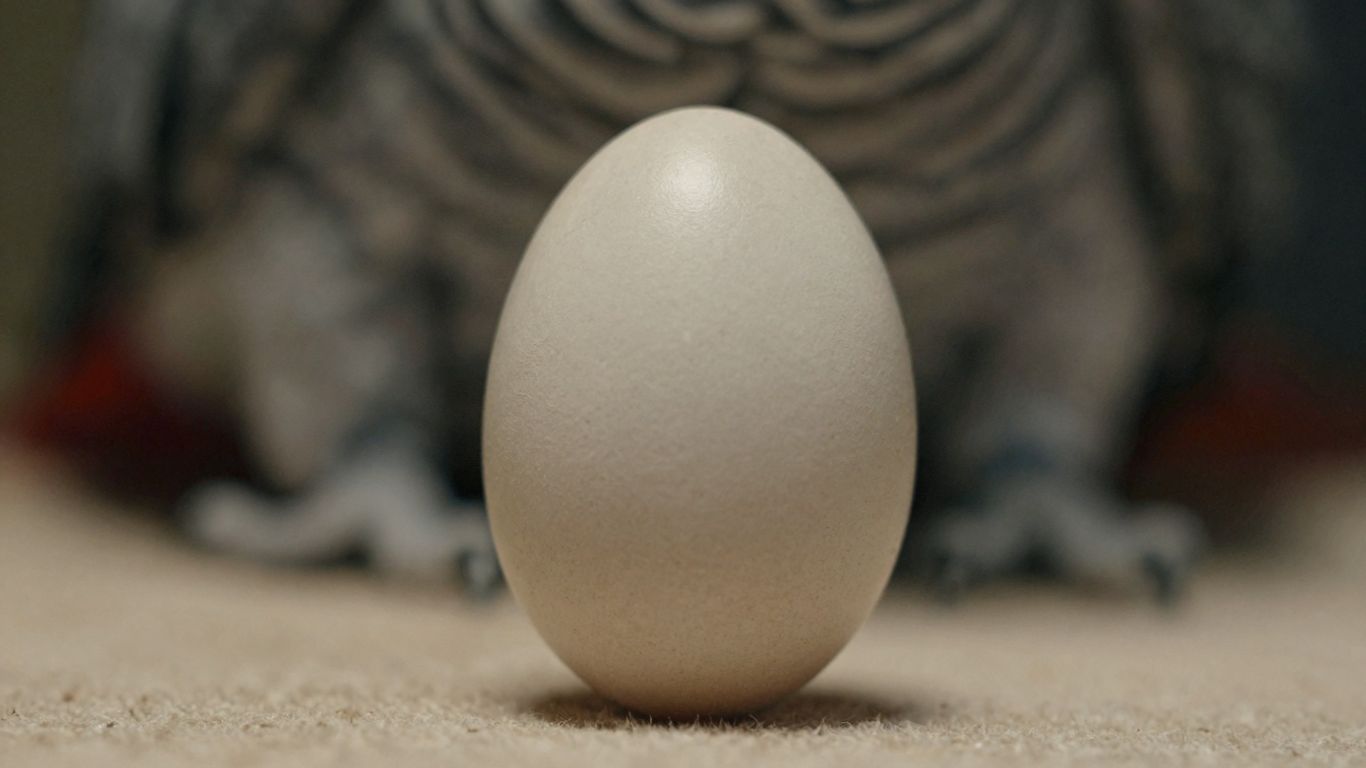
Understanding the African Grey Parrot Egg Price: What to Expect in 2025
Thinking about getting an African Grey parrot, but maybe starting with an egg? It’s a big decision, and the price of an African Grey parrot egg can really vary. We’re going to look at what you might expect to pay in 2025, what goes into that price, and what else you need to consider. It’s not just about the initial cost, you know? There’s a whole journey ahead if you decide to hatch and raise one of these smart birds.
Key Takeaways
- The african grey parrot egg price can range from $30 to $75, but can also go up to $175-$600 depending on factors like breeder reputation and guarantees.
- Buying eggs can be cheaper than purchasing an adult bird, offering a chance to bond from the start.
- Always buy from reputable breeders who provide proper documentation and fertility guarantees.
- Successful incubation needs a good incubator, steady temperature (around 99°F), and correct humidity (50-55%).
- Be aware of legalities like CITES regulations and avoid contributing to the illegal wildlife trade by choosing captive-bred birds.
Understanding African Grey Parrot Egg Pricing
So, you’re thinking about getting an African Grey parrot, but maybe starting with an egg is more your speed? It’s a pretty big decision, and the price of those eggs can really vary. It’s not like picking up a carton at the grocery store, that’s for sure.
Factors Influencing Egg Costs
Several things play a role in how much an African Grey egg will set you back. First off, where the egg comes from matters. Reputable breeders who put a lot of care into their birds and have a good track record usually charge more. They’re often doing all the right things to make sure the eggs are healthy and viable. Then there’s the specific type of African Grey. The Congo African Grey, which is a bit bigger, might have different pricing than the Timneh African Grey. Sometimes, even subtle differences in the parents’ lineage or health can affect the egg’s price. It’s a whole ecosystem of factors, really.
Price Range Expectations for 2025
Looking ahead to 2025, you can expect the price for a fertile African Grey parrot egg to hover somewhere between $30 and $75. Of course, this is just a ballpark figure. If you’re getting an egg from a breeder with a stellar reputation, or if it comes with special guarantees, the cost could be higher. It’s always a good idea to shop around a bit and see what different breeders are offering. Remember, these aren’t just eggs; they’re the start of a potentially lifelong companion, and responsible breeders invest a lot in their birds.
Cost-Effectiveness Compared to Adult Birds
Now, let’s talk about value. Buying an egg can sometimes be a more budget-friendly way to go compared to purchasing a young or adult bird. It lets you be part of the whole journey, from incubation to hatching, which is pretty rewarding. While the initial cost of the egg might seem significant, it can be less than buying a fully grown parrot, especially if you’re looking at hand-tamed birds. It’s a different kind of investment, one that involves your time and effort in raising the chick.
Starting with an egg means you get to witness the entire development process. It’s a unique experience that can lead to a very strong bond with your future pet, but it also means taking on the full responsibility of incubation and early care.
Here’s a quick look at what might influence the price:
- Breeder Reputation: Top breeders often command higher prices.
- Species Variation: Congo vs. Timneh can affect cost.
- Health Guarantees: Eggs with fertility assurances might cost more.
- Documentation: Proper paperwork can add to the price.
It’s a lot to consider, but understanding these points should help you get a clearer picture of what to expect when you’re looking for your African Grey egg.
Key Considerations When Purchasing Eggs
So, you’re thinking about getting an African Grey parrot, but maybe starting with an egg is more your speed. That’s totally understandable! It’s a big decision, and there are definitely a few things you’ll want to think about before you hand over any cash. It’s not quite as simple as picking up a carton of eggs at the grocery store, that’s for sure.
Importance of Reputable Breeders
This is probably the most important point. You absolutely need to find a breeder who knows what they’re doing and, more importantly, cares about the birds. A good breeder will be transparent about their practices, happy to answer all your questions, and can show you proof of their birds’ health and lineage. Don’t be afraid to ask for references or look for reviews online. A shady seller might just be looking to make a quick buck, and that’s not good for anyone, especially the birds. Finding a trustworthy source is key to getting healthy eggs and avoiding future problems. It’s worth the extra effort to research and find someone reputable, maybe even check out some avian forums for recommendations.
Fertility Guarantees and Documentation
When you’re buying eggs, you’re taking a bit of a gamble, right? You can’t exactly see if they’re fertile just by looking at them. That’s why a fertility guarantee is a big deal. It means the breeder stands behind their eggs and will either replace them or refund you if they turn out to be duds. Beyond that, good breeders will also provide you with all the necessary paperwork. This might include health certificates for the parent birds, proof of captive breeding, and any import/export documentation if applicable. This documentation isn’t just for show; it’s proof that the eggs were obtained legally and ethically.
Safe Handling and Transportation Protocols
These little eggs are delicate! They need to be handled with extreme care from the moment they’re laid until they reach your incubator. A reputable breeder will have specific protocols for collecting, storing, and shipping eggs. They’ll likely use specialized containers, often with temperature control, to keep the eggs safe during transit. You’ll want to ask about how they package them and what shipping methods they use. Remember, even a slight jolt or temperature fluctuation can ruin a developing embryo. It’s a bit like sending a fragile package, but with much higher stakes.
The journey of an African Grey egg from breeder to your incubator is a critical phase. Mishandling during this stage can lead to the loss of a potential life. Always prioritize breeders who demonstrate a clear understanding and commitment to safe transport practices, as this reflects their overall dedication to the well-being of their birds.
The Incubation Process for African Grey Eggs

So, you’ve got your hands on some African Grey eggs – exciting stuff! Now comes the part where you play a big role in bringing these smart birds into the world. It’s not just about sticking them in a box and hoping for the best, though. There’s a bit of science and a lot of careful watching involved.
Essential Incubator Requirements
First off, you’ll need a good incubator. Don’t skimp here; a reliable one is key. You’re looking for something that can keep a steady temperature and humidity level. African Greys are pretty particular, so consistency is the name of the game. Think of it like a really high-tech bird nursery.
Maintaining Optimal Temperature and Humidity
For African Grey eggs, the sweet spot for temperature is around 99°F (37.2°C). Humidity needs to be kept between 50% and 55% for most of the incubation period. Too dry, and the chick might have trouble breaking out of the shell. Too humid, and you risk other problems. It’s a balancing act, and you’ll want to monitor these levels closely, maybe even daily.
Regular Turning and Monitoring Techniques
Turning the eggs is super important. You need to do it gently several times a day. This stops the developing embryo from sticking to the inside of the shell. Most incubators have an automatic turner, which is a lifesaver. If yours doesn’t, you’ll have to do it by hand, being careful not to jostle them too much. About once a week, you can ‘candle’ the eggs. This just means shining a bright light through them in a dark room. You’re looking for signs of development, like tiny blood vessels forming. It’s a fascinating peek into what’s happening inside without disturbing the egg too much. The whole incubation process usually takes about 24 to 28 days. It feels like a long time when you’re waiting, but patience is a virtue here!
Ethical Sourcing and Legalities
When you’re looking into getting African Grey parrot eggs, it’s super important to think about where they’re coming from. This isn’t just about getting a healthy chick; it’s also about making sure you’re not accidentally supporting shady practices. The trade in exotic birds, including African Greys, has a complicated history, and there are rules in place to protect these amazing creatures.
Navigating CITES Regulations
CITES, which stands for the Convention on International Trade in Endangered Species of Wild Fauna and Flora, is a big deal. It’s an international agreement that makes sure trade in wild animals and plants doesn’t threaten their survival. African Grey Parrots are listed under CITES, meaning their trade is regulated. This is to stop over-collection from the wild, which can really hurt wild populations. You’ll often see permits and documentation required for international trade, and reputable breeders will be totally upfront about this. Understanding these regulations is key to responsible ownership. It helps ensure that the birds you’re interested in were bred legally and ethically, not taken from their natural homes.
The Impact of Captive Breeding
Captive breeding programs have become a really important part of the African Grey Parrot world. Instead of taking birds from the wild, breeders raise them in controlled environments. This helps meet the demand for these popular pets without depleting wild populations. When you buy eggs from a reputable captive breeder, you’re supporting a system that aims to conserve the species. It’s a much more sustainable way to go about it. These programs also often focus on the health and temperament of the birds, which is a bonus for future owners.
Avoiding the Illegal Wildlife Trade
Unfortunately, there’s still a dark side to the exotic bird trade. Illegal wildlife trafficking is a serious problem, and it can involve smuggling birds or even eggs across borders. This not only harms the individual animals but also contributes to the decline of wild populations and can spread diseases. It’s really important to do your homework on sellers. Look for breeders who are transparent about their practices and can provide documentation proving the birds were bred in captivity. If a deal seems too good to be true, or if a seller is cagey about their sources, it’s best to walk away. You don’t want to be part of that.
Here’s a quick rundown of what to look for:
- Documentation: Ask for proof of captive breeding and any necessary CITES permits.
- Reputation: Research the breeder. Look for reviews and testimonials from other buyers.
- Transparency: A good breeder will be happy to answer your questions about their birds and practices.
- Health: Inquire about any health checks or veterinary care the eggs or parent birds have received.
The exotic pet trade is complex, with both legal and illegal channels. Making informed choices about where you source your African Grey parrot eggs is not just about your future pet’s well-being, but also about contributing to conservation efforts and discouraging harmful practices. Always prioritize ethical and legal sourcing.
Long-Term Commitment Beyond Egg Purchase
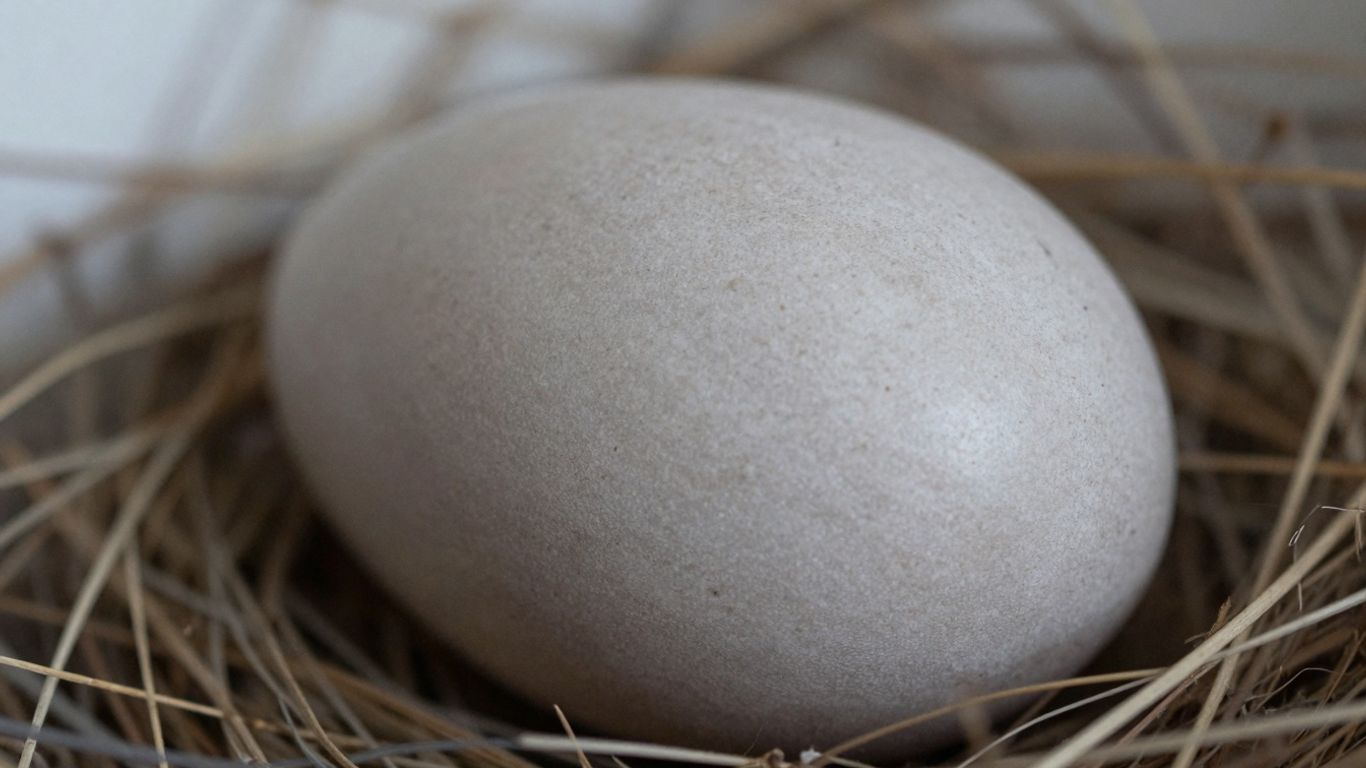
So, you’ve got your African Grey parrot eggs, and you’re excited about the hatching process. That’s fantastic! But remember, bringing a parrot into your life, even from an egg, is a commitment that stretches way beyond the initial purchase and incubation. These birds are incredibly intelligent and social creatures, and they need a lot of attention and care for a very long time. We’re talking decades, potentially 40 to 60 years, so this isn’t a decision to take lightly.
Ongoing Care and Dietary Needs
Once your little one hatches, the real work begins. You’ll need to provide a balanced diet. Forget just tossing in some seeds; African Greys thrive on a varied diet that includes high-quality pellets, fresh fruits, vegetables, and some healthy seeds. Think of it like preparing meals for a very discerning toddler who can also fly. It takes time and effort to get it right. You’ll also need to budget for their food, which can add up, especially for a bird that eats a fair amount. A good quality diet can cost anywhere from $30 to $100 per month, depending on what you’re buying.
Enrichment and Behavioral Considerations
African Greys are not just pretty faces; they’re brilliant. They need constant mental stimulation to prevent boredom and potential behavioral issues. This means lots of toys – rotating them regularly so they don’t get stale – and opportunities for interaction. They love to learn, solve puzzles, and, of course, talk. Spending quality time with your parrot daily is non-negotiable. If you’re not home much or don’t have the patience for their complex needs, they can become stressed, pluck their feathers, or develop other problems. It’s a big part of their life, and yours.
Potential Veterinary Expenses
Like any pet, parrots can get sick. Regular check-ups with an avian veterinarian are important, even if your bird seems healthy. These initial vet visits can range from $50 to $200. Beyond that, unexpected illnesses or injuries can lead to significant vet bills. It’s wise to have a savings account or pet insurance specifically for avian care. Because they are so long-lived, you might face age-related health issues down the line, too. Planning for these costs is just part of responsible ownership.
Owning an African Grey parrot is a marathon, not a sprint. It requires dedication, patience, and a willingness to adapt to their evolving needs throughout their very long lives. Make sure you’re ready for the journey before you even consider buying an egg.
When you’re looking at the initial cost of eggs, remember that it’s just the tip of the iceberg. You’ll also need to factor in the cost of a suitable cage and accessories, which can run from $200 to $500. Then there are the ongoing expenses for food, toys, and those inevitable vet visits. It’s a significant financial and emotional investment, but for many, the bond with an intelligent companion is well worth it.
Species Variations and Their Price Impact
When you’re looking into African Grey parrot eggs, it’s not just a one-size-fits-all price. There are actually two main types, and they can have different price tags. It’s good to know these differences before you start shopping around.
The Congo African Grey (CAG), scientifically known as Psittacus erithacus, is generally the larger and more commonly seen of the two subspecies. Because they are more prevalent, their eggs might sometimes be a bit more accessible. You can expect prices for Congo African Grey eggs to typically fall in the range of $1,200 to $2,500. This price reflects the demand for these highly intelligent birds and the care involved in breeding them. Remember, this is for the egg itself, and the incubation and raising costs are separate.
The Timneh African Grey (TAG), or Psittacus timneh, is slightly smaller and has a darker plumage compared to the Congo. Historically, they were sometimes considered a subspecies, but now they’re recognized as distinct. Timneh eggs often come with a slightly lower price point, usually somewhere between $1,000 and $2,000. This difference isn’t huge, but it’s worth noting if you’re comparing options. The appeal of the Timneh is its unique charm and personality, which many breeders find equally rewarding.
Beyond the basic species type, other factors can nudge the price of an egg up or down. Things like the breeder’s reputation play a big role. A breeder with a long history of producing healthy, well-socialized birds will likely charge more for their eggs. Also, if an egg comes with a fertility guarantee or has undergone specific testing, that can add to the cost. It’s always wise to ask about the parent birds’ health and lineage. The overall health and genetic background of the parent birds are paramount to the quality of the egg and the chick that hatches.
It’s important to remember that the price of an egg is just the very first step. The real investment comes with incubation, hatching, and raising the chick. These birds require significant time, specialized equipment, and a dedicated approach to care for many decades.
Here’s a quick look at the general price differences:
- Congo African Grey Eggs: $1,200 – $2,500
- Timneh African Grey Eggs: $1,000 – $2,000
These figures are estimates for 2025 and can fluctuate based on market demand and breeder practices. Always do your homework and find a reputable source for your African Grey Parrot eggs.
Wrapping It Up
So, when you’re thinking about getting an African Grey parrot egg in 2025, remember it’s not just about the price tag. You’re looking at a range, sure, but it’s also about where you get it from and what you’re prepared for. These birds are smart and need a lot of attention, so the cost is just the start. Think about the long haul – the food, the toys, the vet visits. It’s a big commitment, but for the right person, having one of these amazing birds around for years to come is totally worth it. Just make sure you’ve done your homework and are ready for the journey.
Frequently Asked Questions
How much do African Grey parrot eggs usually cost?
The price for African Grey parrot eggs can vary a lot. You might find them costing anywhere from $175 to $600. Sometimes, you might even see them for as low as $30 to $75, but this is less common and depends heavily on where you buy them from and their background.
Why are African Grey parrot eggs so expensive?
African Greys are super smart and popular birds, which makes people want them a lot. This high demand, along with the costs of taking care of the parent birds, making sure they are healthy, and the careful process of collecting and shipping eggs, all add up to the price.
Is buying an egg cheaper than buying a grown-up parrot?
Generally, yes, buying an egg is often cheaper than buying a fully grown or even a young African Grey parrot. It lets you be part of the whole journey, from hatching to raising the bird, which can be a really rewarding experience for bird lovers.
What should I look for when buying an African Grey parrot egg?
It’s super important to buy from a breeder who is known to be trustworthy and treats their birds well. Make sure they can guarantee the egg is fertile and that they have proper papers. Also, ask how they will carefully pack and send the egg to you so it stays safe.
What do I need to hatch an African Grey parrot egg?
You’ll need a special machine called an incubator that keeps the temperature just right, around 99°F (37.2°C), and the humidity at about 50%-55%. You also need to remember to gently turn the eggs every day so the baby bird inside doesn’t stick to the shell.
Are there different kinds of African Greys, and do they cost differently?
Yes, there are two main types: the Congo African Grey (CAG), which is bigger and more common, and the Timneh African Grey (TAG), which is a bit smaller and darker. The Congo type is usually a bit more expensive than the Timneh.

Mastering the Toppy Grey Gamefowl: Breeding, Care, and Performance Insights – TROY Kelso Farms
December 15, 2025[…] clues about what to expect. If you’re interested in the specifics of breeding, looking into African Grey parrot eggs can offer some parallels in terms of careful selection and incubation, though the species are […]