African Grey Care Guide for New Owners – Best Diet and Supplements Troy Kelso Farms
African Greys are among the most intelligent parrot species on Earth — capable of mimicking human speech, solving problems, and forming deep emotional bonds with their owners. There are two main species and a few recognized subspecies, all native to the rainforests of West and Central Africa.
Top Popular African Grey Parrot Species
1. Congo African Grey Parrot (Psittacus erithacus erithacus)
Overview:
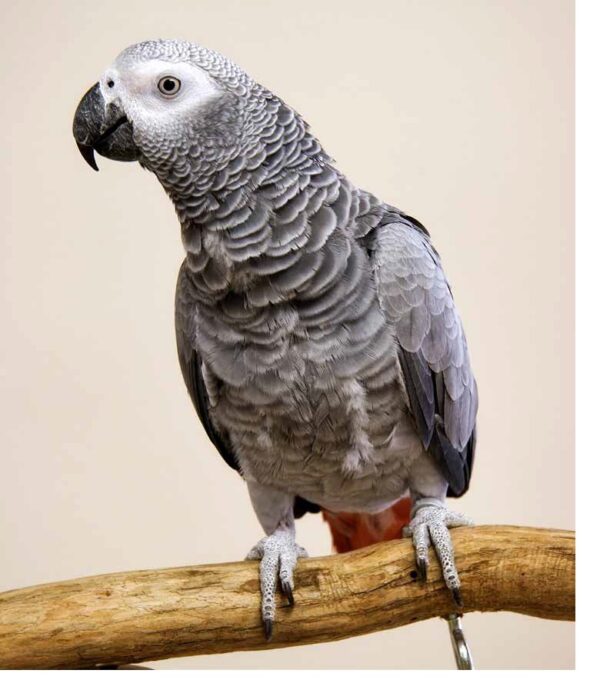
The Congo African Grey, often simply called the “African Grey,” is the most well-known and widely kept type of African Grey Parrot. It is renowned for its advanced speech ability, intelligence, and affectionate nature.
Appearance:
-
Larger than other Greys, averaging 12–14 inches in length.
-
Light to medium grey plumage.
-
Bright red tail feathers.
-
Pale facial mask with a black beak and light yellow eyes (as adults).
Temperament & Intelligence:
Congo Greys are exceptionally intelligent and sensitive birds. They form strong emotional bonds with their owners and require daily interaction. They are known to understand context and tone in human speech, not just mimic it.
Ideal For:
Experienced bird owners or families ready to invest time in socialization and mental stimulation.
2. Timneh African Grey Parrot (Psittacus erithacus timneh)
Overview:
The Timneh African Grey is a smaller, darker subspecies of the African Grey. It originates from the western coastal regions of Africa, including Sierra Leone, Liberia, and Guinea.
Timnehs are equally intelligent but tend to be calmer and adapt more easily to new environments than Congos.
Appearance:
-
Slightly smaller, around 10–11 inches long.
-
Darker charcoal-grey plumage.
-
Maroon or burgundy tail instead of bright red.
-
Upper mandible has a light horn-colored tone (instead of black).
Temperament & Intelligence:
Timnehs are known to mature faster and are often less nervous than Congos. They are great talkers and more independent, which makes them suitable for both new and experienced owners.
Ideal For:
First-time African Grey owners seeking a highly intelligent but calmer parrot.
3. Ghana African Grey (a regional variant of Psittacus erithacus erithacus)
Overview:
Also known as the West African Grey, this regional form of the Congo Grey is slightly smaller and darker, often found in the wild forests of Ghana and neighboring areas.
While not officially recognized as a separate subspecies, it is highly prized among breeders for its balanced temperament and talking ability.
Appearance:
-
Medium-sized build.
-
Darker grey feathers with a rich red tail.
-
Slightly darker facial tone compared to the classic Congo Grey.
Temperament & Intelligence:
These birds are excellent talkers with strong social instincts. They can be more adaptable to new settings than the typical Congo Grey, while still maintaining high intelligence levels.
4. Cameroon African Grey (larger variant of Psittacus erithacus erithacus)
Overview:
Native to Cameroon and parts of Central Africa, the Cameroon African Grey is considered a large-bodied variant of the Congo Grey. Many breeders and owners note its robust physique and slightly deeper plumage tone.
Appearance:
-
Larger frame (up to 14–15 inches).
-
Deep, silvery-grey feathers.
-
Bright crimson-red tail.
Temperament & Intelligence:
Like other Greys, they are extremely intelligent and talkative. Some keepers find the Cameroon variety to have a calmer demeanor and stronger immunity due to natural adaptation in tropical environments.
5. Príncipe Island African Grey (rare island variant)
Overview:
The Príncipe African Grey is a rare island form believed to inhabit the islands of Príncipe and São Tomé, off the coast of Central Africa.
While less common in captivity, they are occasionally found in specialized breeding programs.
Appearance:
-
Medium build similar to the Timneh.
-
Slightly darker body plumage with muted tail color.
Temperament & Intelligence:
Limited data exists, but breeders report them to be intelligent and adaptable, similar to the Timneh, with great potential for taming and speech learning.
Congo vs. Timneh African Grey – Key Differences
| Feature | Congo African Grey | Timneh African Grey |
|---|---|---|
| Size | 12–14 inches (larger) | 10–11 inches (smaller) |
| Tail Color | Bright red | Maroon or burgundy |
| Beak | All black | Horn-colored upper mandible |
| Temperament | More sensitive, emotional | Calmer, more adaptable |
| Speech Ability | Advanced vocabulary, emotional tone mimicry | Excellent talkers, often start speaking earlier |
| Ideal For | Experienced owners | First-time Grey owners |
Choosing the Right African Grey Parrot
When deciding which African Grey to bring home, consider your experience level, household environment, and time availability.
-
Congo Greys are best suited for owners who can spend a lot of time interacting, training, and mentally stimulating their bird.
-
Timneh Greys are ideal for families or individuals who want an equally intelligent parrot but with a more relaxed personality.
Both species can become affectionate, lifelong companions when raised with love, attention, and consistency.
African Grey Parrot Care Essentials
African Greys are intelligent and emotionally sensitive parrots that thrive on stability and engagement. Here are a few essentials for keeping them healthy and happy:
Diet
Provide a balanced diet of formulated pellets, fresh vegetables, fruits, nuts, and occasional seeds. Supplement their meals with calcium sources such as cuttlebone. Avoid chocolate, caffeine, alcohol, avocado, and salty foods.
Housing
Choose a large, sturdy cage with horizontal bars for climbing. The bird should have ample space to stretch its wings fully. Place the cage in a bright, airy area but away from drafts and direct sunlight.
Socialization
African Greys require regular human interaction. Spend time talking to them, teaching words, and providing toys for mental exercise. Without social contact, they can develop anxiety or feather plucking habits.
Health
Schedule regular veterinary checkups with an avian specialist. Maintain cage hygiene, provide clean water daily, and observe for early signs of illness such as appetite loss or changes in droppings.
Lifespan
With proper care, African Greys can live 40–60 years, sometimes longer. Their long lifespan makes them lifelong companions that require commitment and love.
Conclusion
The African Grey Parrot stands unmatched in intelligence, emotional depth, and companionship. Whether you choose the majestic Congo Grey or the gentle Timneh, both species will reward you with years of affection, loyalty, and entertainment.
At Troy Kelso Farms, we specialize in hand-reared African Greys that are socialized from hatchlings, DNA-tested, and vet-certified. Our parrots are raised in a nurturing environment to ensure they grow into healthy, confident companions.
For inquiries about availability, care guidance, or export information, contact Troy Kelso Farms or visit our official website to learn more about our African Grey breeding program.